September Charm Anemone
Silvery Pink Flowers for Late Summer and Fall
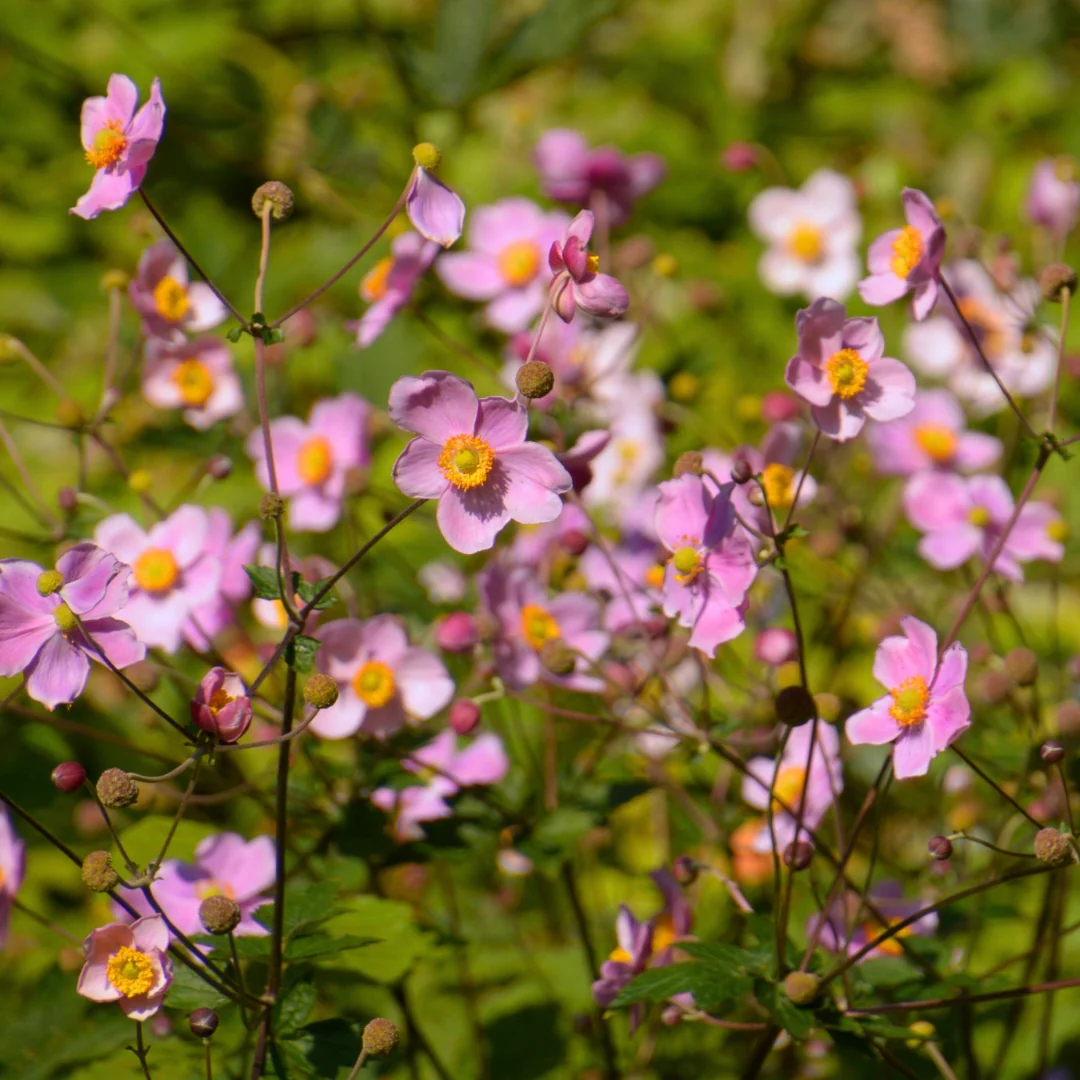
September Charm Anemone is a graceful fall-blooming perennial known for soft silvery-pink flowers, golden-yellow centers, and tall, wiry stems that move lightly in the garden. Also called Japanese Anemone, September Charm, or pink windflower, this classic perennial brings fresh color to borders as many summer flowers start to fade.
The flowers appear from late summer into fall and rise above attractive green foliage. Their soft pink color blends easily with both warm and cool garden palettes, making September Charm especially useful in cottage gardens, part-shade borders, woodland edges, and mixed perennial beds.
A Classic Pink Japanese Anemone with Garden Merit
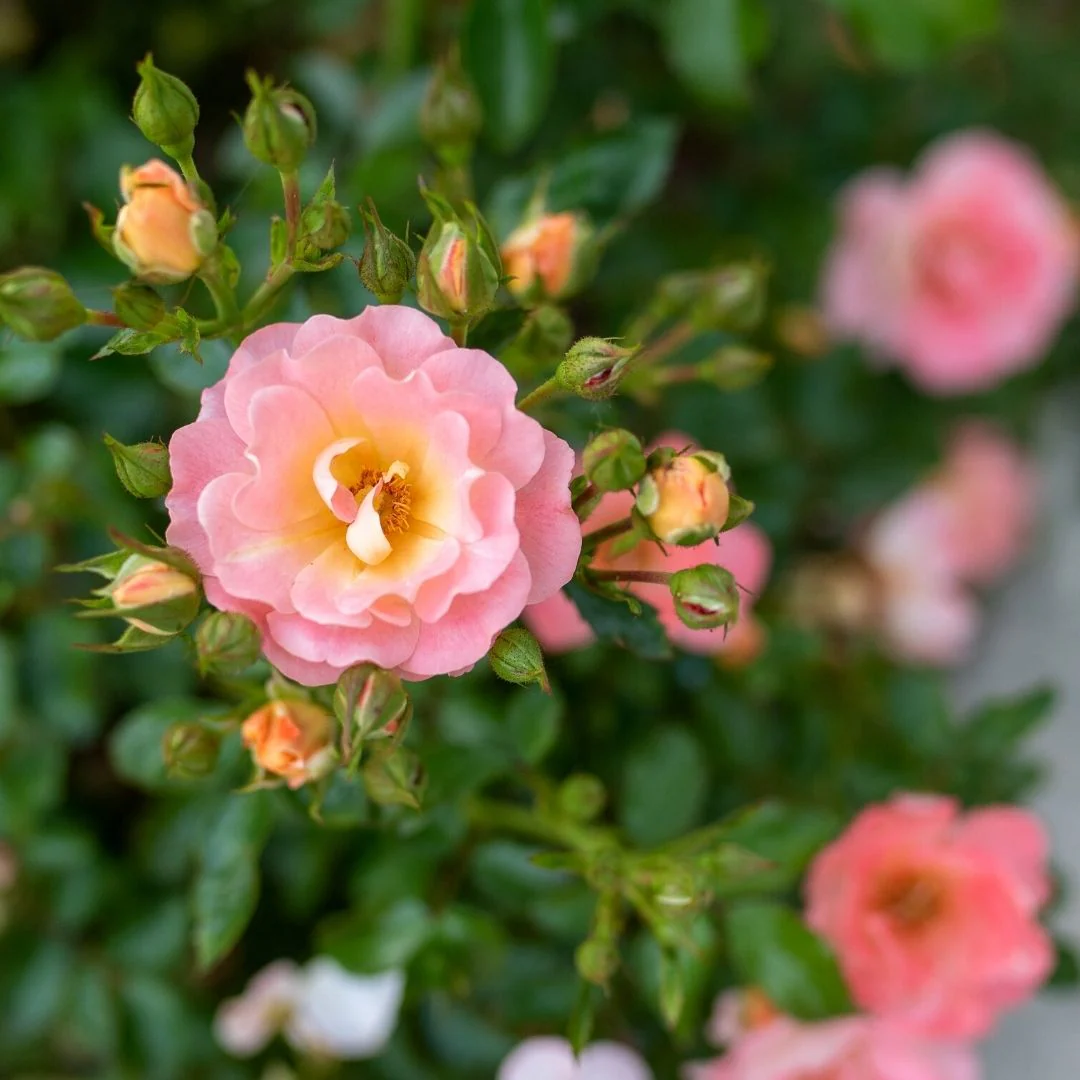
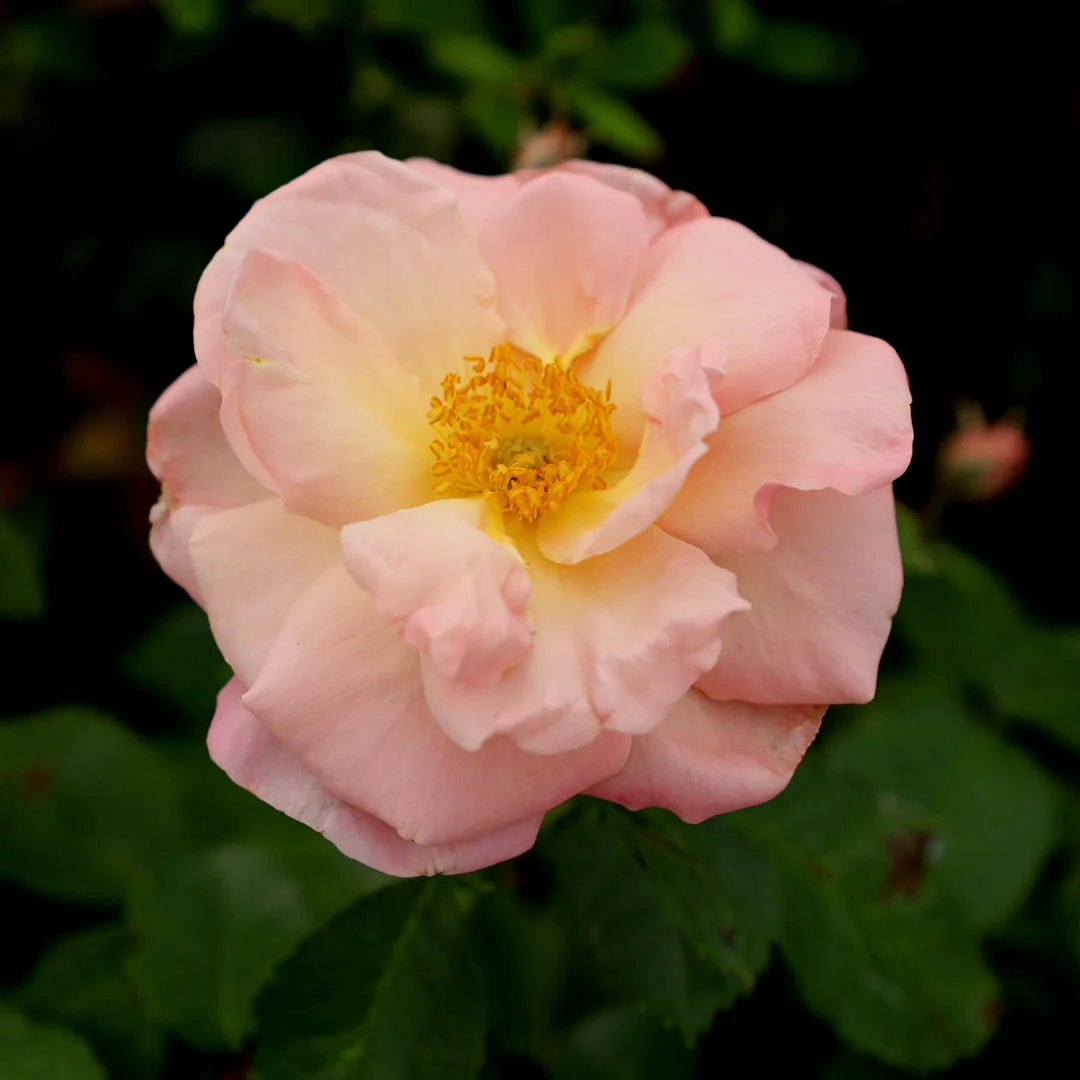
September Charm is valued for its long garden history, reliable performance, and elegant single flowers. Each bloom is typically 2–3 inches wide, with pink to silvery-rose petal-like sepals surrounding a bright yellow center.
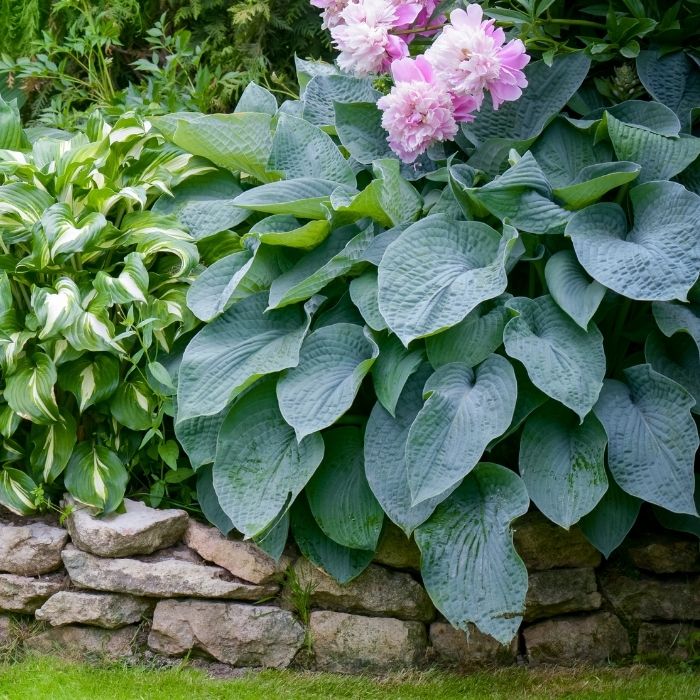
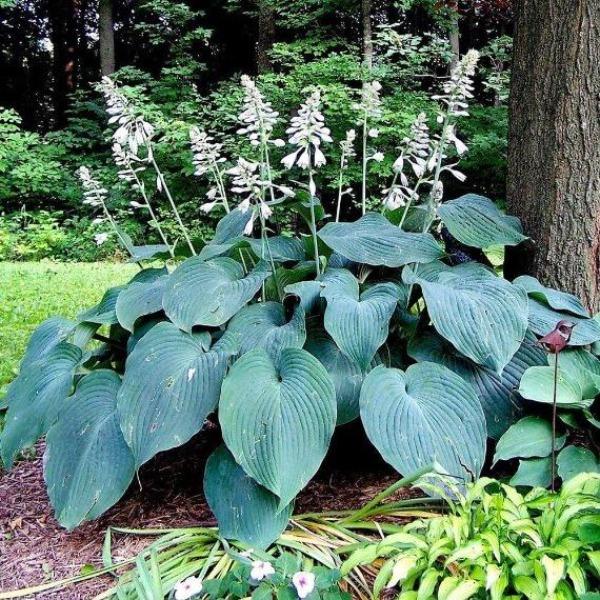
This refined flower form pairs beautifully with hostas, ferns, hellebores, heuchera, astilbe, ornamental grasses, sedum, asters, turtlehead, black-eyed Susans, and goldenrod. Use it where you want a softer pink alternative to white Japanese anemones like Honorine Jobert or fuller semi-double selections like Queen Charlotte.
Tall, Airy Stems for Borders and Woodland Edges
September Charm Anemone typically grows about 3–4 feet tall in bloom, with lower foliage forming a mounded base. The flowers are carried on slender stems above the foliage, giving the planting a light, airy quality.
This height makes it best for the middle or back of perennial borders rather than the very front edge. Plant it where the flowers can rise through surrounding foliage and be seen above lower plants. In windy or newly planted sites, light staking may be helpful until the clump is well established.
Part Shade Performance and Late-Season Pollinator Value
September Charm Anemone performs well in part shade, especially in bright woodland edges or locations with morning sun and afternoon shade. In cooler climates, it can also grow in full sun with consistent moisture. In hotter areas, afternoon shade helps protect the foliage and flowers.
The late-season blooms can attract bees and other pollinators when nectar sources are becoming less abundant. This makes September Charm useful for extending both ornamental color and pollinator value into the fall garden.
Low Maintenance with Moisture and Room to Spread
Plant September Charm Anemone in rich, moist, well-drained soil. It appreciates consistent moisture and performs best where the soil does not dry out for long periods. Mulch helps conserve moisture and keep roots cool.
This perennial can spread by rhizomes, especially in favorable conditions. Give it room to form a natural colony, or divide in spring if the clump grows beyond its intended space. Cut back old stems and foliage in late winter or early spring, before new growth begins.
Anemone September Charm received the prestigious Award of Garden Merit of the Royal Horticultural Society.
Silvery Pink Flowers for Late Summer and Fall
September Charm Anemone is a graceful fall-blooming perennial known for soft silvery-pink flowers, golden-yellow centers, and tall, wiry stems that move lightly in the garden. Also called Japanese Anemone, September Charm, or pink windflower, this classic perennial brings fresh color to borders as many summer flowers start to fade.
The flowers appear from late summer into fall and rise above attractive green foliage. Their soft pink color blends easily with both warm and cool garden palettes, making September Charm especially useful in cottage gardens, part-shade borders, woodland edges, and mixed perennial beds.
A Classic Pink Japanese Anemone with Garden Merit
September Charm is valued for its long garden history, reliable performance, and elegant single flowers. Each bloom is typically 2–3 inches wide, with pink to silvery-rose petal-like sepals surrounding a bright yellow center.
This refined flower form pairs beautifully with hostas, ferns, hellebores, heuchera, astilbe, ornamental grasses, sedum, asters, turtlehead, black-eyed Susans, and goldenrod. Use it where you want a softer pink alternative to white Japanese anemones like Honorine Jobert or fuller semi-double selections like Queen Charlotte.
Tall, Airy Stems for Borders and Woodland Edges
September Charm Anemone typically grows about 3–4 feet tall in bloom, with lower foliage forming a mounded base. The flowers are carried on slender stems above the foliage, giving the planting a light, airy quality.
This height makes it best for the middle or back of perennial borders rather than the very front edge. Plant it where the flowers can rise through surrounding foliage and be seen above lower plants. In windy or newly planted sites, light staking may be helpful until the clump is well established.
Part Shade Performance and Late-Season Pollinator Value
September Charm Anemone performs well in part shade, especially in bright woodland edges or locations with morning sun and afternoon shade. In cooler climates, it can also grow in full sun with consistent moisture. In hotter areas, afternoon shade helps protect the foliage and flowers.
The late-season blooms can attract bees and other pollinators when nectar sources are becoming less abundant. This makes September Charm useful for extending both ornamental color and pollinator value into the fall garden.
Low Maintenance with Moisture and Room to Spread
Plant September Charm Anemone in rich, moist, well-drained soil. It appreciates consistent moisture and performs best where the soil does not dry out for long periods. Mulch helps conserve moisture and keep roots cool.
This perennial can spread by rhizomes, especially in favorable conditions. Give it room to form a natural colony, or divide in spring if the clump grows beyond its intended space. Cut back old stems and foliage in late winter or early spring, before new growth begins.
Anemone September Charm received the prestigious Award of Garden Merit of the Royal Horticultural Society.
Original: $24.95
-70%$24.95
$7.48Description
Silvery Pink Flowers for Late Summer and Fall
September Charm Anemone is a graceful fall-blooming perennial known for soft silvery-pink flowers, golden-yellow centers, and tall, wiry stems that move lightly in the garden. Also called Japanese Anemone, September Charm, or pink windflower, this classic perennial brings fresh color to borders as many summer flowers start to fade.
The flowers appear from late summer into fall and rise above attractive green foliage. Their soft pink color blends easily with both warm and cool garden palettes, making September Charm especially useful in cottage gardens, part-shade borders, woodland edges, and mixed perennial beds.
A Classic Pink Japanese Anemone with Garden Merit
September Charm is valued for its long garden history, reliable performance, and elegant single flowers. Each bloom is typically 2–3 inches wide, with pink to silvery-rose petal-like sepals surrounding a bright yellow center.
This refined flower form pairs beautifully with hostas, ferns, hellebores, heuchera, astilbe, ornamental grasses, sedum, asters, turtlehead, black-eyed Susans, and goldenrod. Use it where you want a softer pink alternative to white Japanese anemones like Honorine Jobert or fuller semi-double selections like Queen Charlotte.
Tall, Airy Stems for Borders and Woodland Edges
September Charm Anemone typically grows about 3–4 feet tall in bloom, with lower foliage forming a mounded base. The flowers are carried on slender stems above the foliage, giving the planting a light, airy quality.
This height makes it best for the middle or back of perennial borders rather than the very front edge. Plant it where the flowers can rise through surrounding foliage and be seen above lower plants. In windy or newly planted sites, light staking may be helpful until the clump is well established.
Part Shade Performance and Late-Season Pollinator Value
September Charm Anemone performs well in part shade, especially in bright woodland edges or locations with morning sun and afternoon shade. In cooler climates, it can also grow in full sun with consistent moisture. In hotter areas, afternoon shade helps protect the foliage and flowers.
The late-season blooms can attract bees and other pollinators when nectar sources are becoming less abundant. This makes September Charm useful for extending both ornamental color and pollinator value into the fall garden.
Low Maintenance with Moisture and Room to Spread
Plant September Charm Anemone in rich, moist, well-drained soil. It appreciates consistent moisture and performs best where the soil does not dry out for long periods. Mulch helps conserve moisture and keep roots cool.
This perennial can spread by rhizomes, especially in favorable conditions. Give it room to form a natural colony, or divide in spring if the clump grows beyond its intended space. Cut back old stems and foliage in late winter or early spring, before new growth begins.
Anemone September Charm received the prestigious Award of Garden Merit of the Royal Horticultural Society.