
Biedermeier Columbine
A dwarf columbine with charming mixed blooms.
Biedermeier Columbine is a compact Aquilegia grown for its cheerful spring flowers in a soft mix of columbine colors. Blooms may appear in shades of pink, blue, purple, red, white, and bicolor combinations, each with the classic backward-pointing spurs that give columbines their graceful, old-fashioned look. Because this selection is commonly grown from seed, flower color can vary from plant to plant, creating a natural cottage-garden blend rather than a flat, uniform display.
Perfect for the front of borders and smaller garden spaces.
This dwarf columbine stays lower and more compact than many traditional columbines, making it especially useful near the front of perennial borders, along shaded paths, in rock gardens, and in mixed containers. The smaller habit lets the flowers sit at eye level in raised beds or patio planters while still giving the garden the airy charm columbines are known for. It is a smart choice when homeowners want spring color and pollinator value without a large, sprawling perennial.
A spring pollinator plant with hummingbird appeal.
Biedermeier Columbine blooms early enough to give pollinators a valuable jump-start in the garden. The spurred flowers are attractive to hummingbirds, bees, butterflies, and other beneficial pollinators, adding movement and life during a season when many summer perennials are still waking up. Planting several together creates a stronger floral signal and makes the mixed flower colors even more noticeable in cottage gardens, woodland borders, and pollinator plantings.
Graceful foliage for part shade gardens.
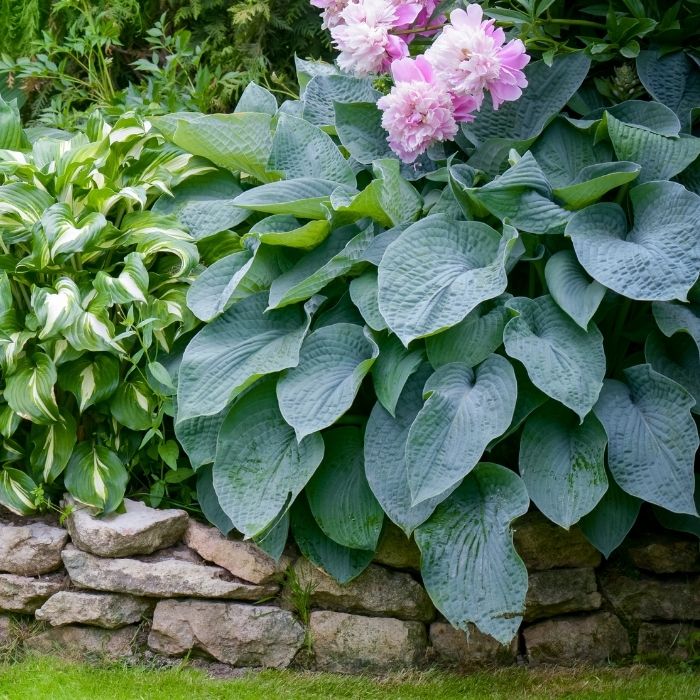
The soft green to blue-green foliage has the delicate, divided texture that makes Aquilegia such a natural companion for ferns, heuchera, hostas, carex, and other shade-tolerant perennials. After flowering, the foliage may remain attractive for a time, especially in cool, evenly moist conditions, but it can look tired in summer heat. Planting Biedermeier Columbine among later-emerging or fuller perennials helps hide fading foliage while preserving its beautiful spring flower show.
A naturalizing perennial for relaxed garden designs.
Biedermeier Columbine can self-seed where it is happy, often creating soft drifts over time without usually overpowering neighboring plants. This makes it a good fit for informal borders, woodland edges, cottage gardens, and naturalized plantings where a little movement from year to year is welcome. If seedlings appear where they are not wanted, they can be edited out while young, or allowed to mature for a more spontaneous, romantic garden look.
A dwarf columbine with charming mixed blooms.
Biedermeier Columbine is a compact Aquilegia grown for its cheerful spring flowers in a soft mix of columbine colors. Blooms may appear in shades of pink, blue, purple, red, white, and bicolor combinations, each with the classic backward-pointing spurs that give columbines their graceful, old-fashioned look. Because this selection is commonly grown from seed, flower color can vary from plant to plant, creating a natural cottage-garden blend rather than a flat, uniform display.
Perfect for the front of borders and smaller garden spaces.
This dwarf columbine stays lower and more compact than many traditional columbines, making it especially useful near the front of perennial borders, along shaded paths, in rock gardens, and in mixed containers. The smaller habit lets the flowers sit at eye level in raised beds or patio planters while still giving the garden the airy charm columbines are known for. It is a smart choice when homeowners want spring color and pollinator value without a large, sprawling perennial.
A spring pollinator plant with hummingbird appeal.
Biedermeier Columbine blooms early enough to give pollinators a valuable jump-start in the garden. The spurred flowers are attractive to hummingbirds, bees, butterflies, and other beneficial pollinators, adding movement and life during a season when many summer perennials are still waking up. Planting several together creates a stronger floral signal and makes the mixed flower colors even more noticeable in cottage gardens, woodland borders, and pollinator plantings.
Graceful foliage for part shade gardens.
The soft green to blue-green foliage has the delicate, divided texture that makes Aquilegia such a natural companion for ferns, heuchera, hostas, carex, and other shade-tolerant perennials. After flowering, the foliage may remain attractive for a time, especially in cool, evenly moist conditions, but it can look tired in summer heat. Planting Biedermeier Columbine among later-emerging or fuller perennials helps hide fading foliage while preserving its beautiful spring flower show.
A naturalizing perennial for relaxed garden designs.
Biedermeier Columbine can self-seed where it is happy, often creating soft drifts over time without usually overpowering neighboring plants. This makes it a good fit for informal borders, woodland edges, cottage gardens, and naturalized plantings where a little movement from year to year is welcome. If seedlings appear where they are not wanted, they can be edited out while young, or allowed to mature for a more spontaneous, romantic garden look.
Description
A dwarf columbine with charming mixed blooms.
Biedermeier Columbine is a compact Aquilegia grown for its cheerful spring flowers in a soft mix of columbine colors. Blooms may appear in shades of pink, blue, purple, red, white, and bicolor combinations, each with the classic backward-pointing spurs that give columbines their graceful, old-fashioned look. Because this selection is commonly grown from seed, flower color can vary from plant to plant, creating a natural cottage-garden blend rather than a flat, uniform display.
Perfect for the front of borders and smaller garden spaces.
This dwarf columbine stays lower and more compact than many traditional columbines, making it especially useful near the front of perennial borders, along shaded paths, in rock gardens, and in mixed containers. The smaller habit lets the flowers sit at eye level in raised beds or patio planters while still giving the garden the airy charm columbines are known for. It is a smart choice when homeowners want spring color and pollinator value without a large, sprawling perennial.
A spring pollinator plant with hummingbird appeal.
Biedermeier Columbine blooms early enough to give pollinators a valuable jump-start in the garden. The spurred flowers are attractive to hummingbirds, bees, butterflies, and other beneficial pollinators, adding movement and life during a season when many summer perennials are still waking up. Planting several together creates a stronger floral signal and makes the mixed flower colors even more noticeable in cottage gardens, woodland borders, and pollinator plantings.
Graceful foliage for part shade gardens.
The soft green to blue-green foliage has the delicate, divided texture that makes Aquilegia such a natural companion for ferns, heuchera, hostas, carex, and other shade-tolerant perennials. After flowering, the foliage may remain attractive for a time, especially in cool, evenly moist conditions, but it can look tired in summer heat. Planting Biedermeier Columbine among later-emerging or fuller perennials helps hide fading foliage while preserving its beautiful spring flower show.
A naturalizing perennial for relaxed garden designs.
Biedermeier Columbine can self-seed where it is happy, often creating soft drifts over time without usually overpowering neighboring plants. This makes it a good fit for informal borders, woodland edges, cottage gardens, and naturalized plantings where a little movement from year to year is welcome. If seedlings appear where they are not wanted, they can be edited out while young, or allowed to mature for a more spontaneous, romantic garden look.