Coral Bells Azalea
Coral-Pink Spring Flowers That Brighten Part-Shade Landscapes
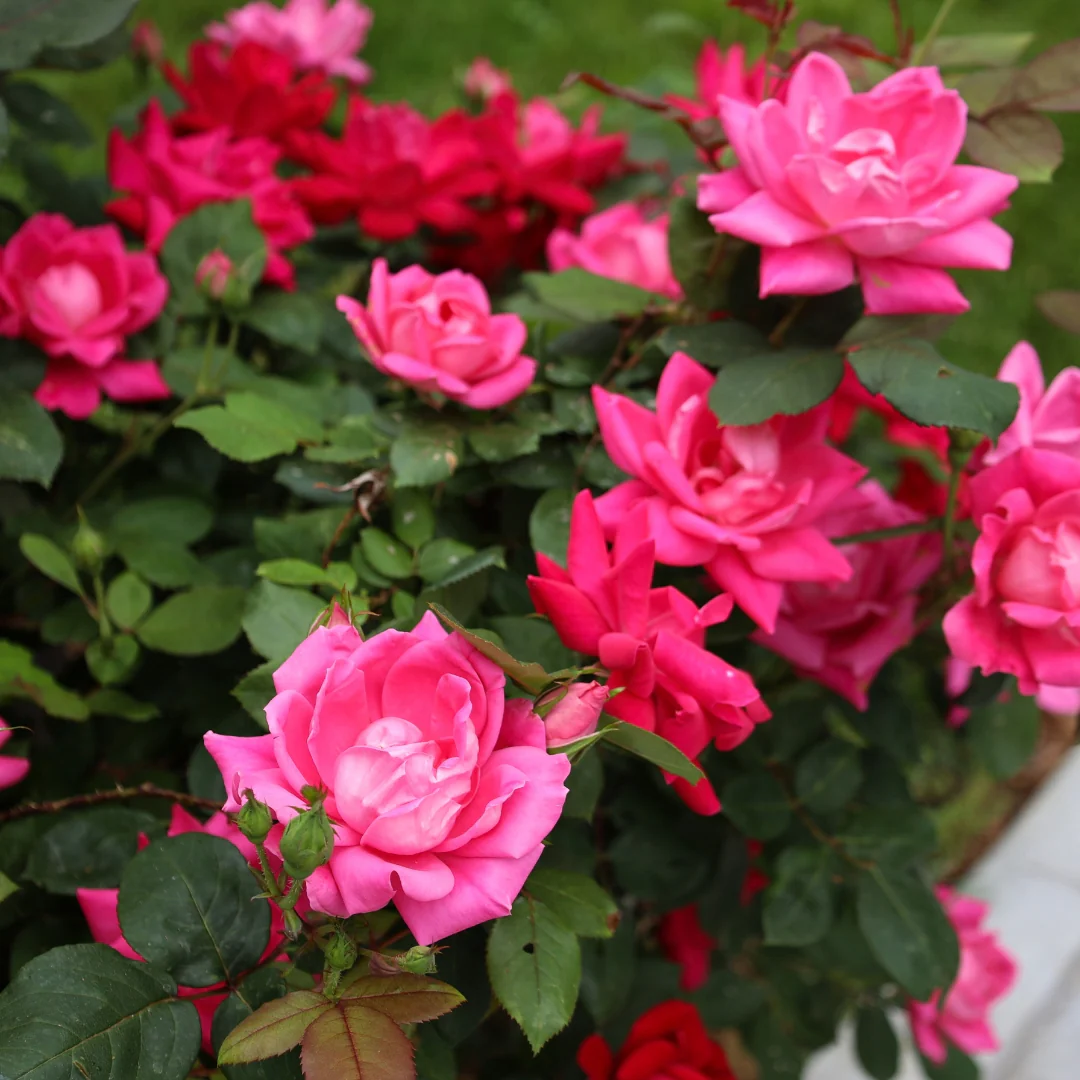
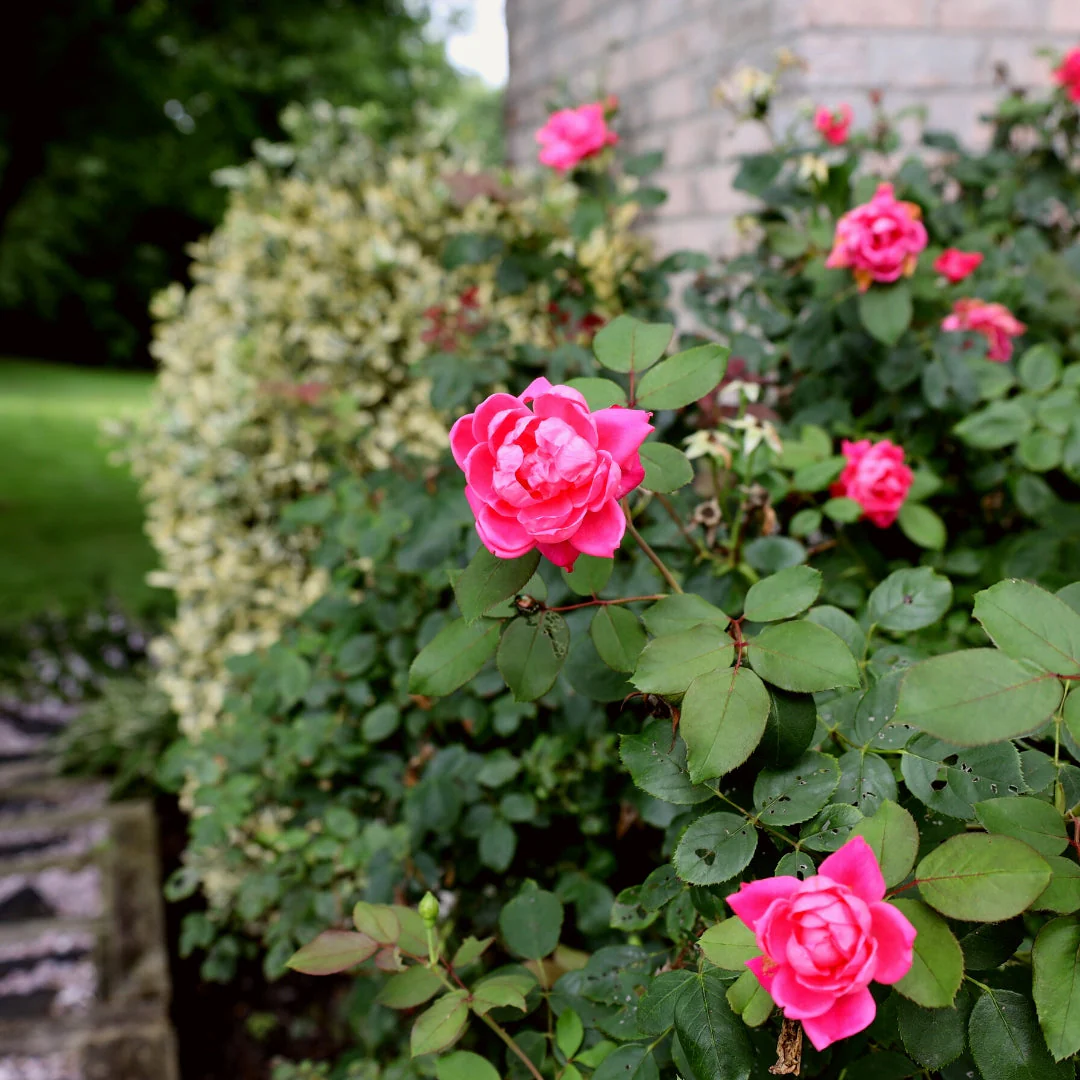
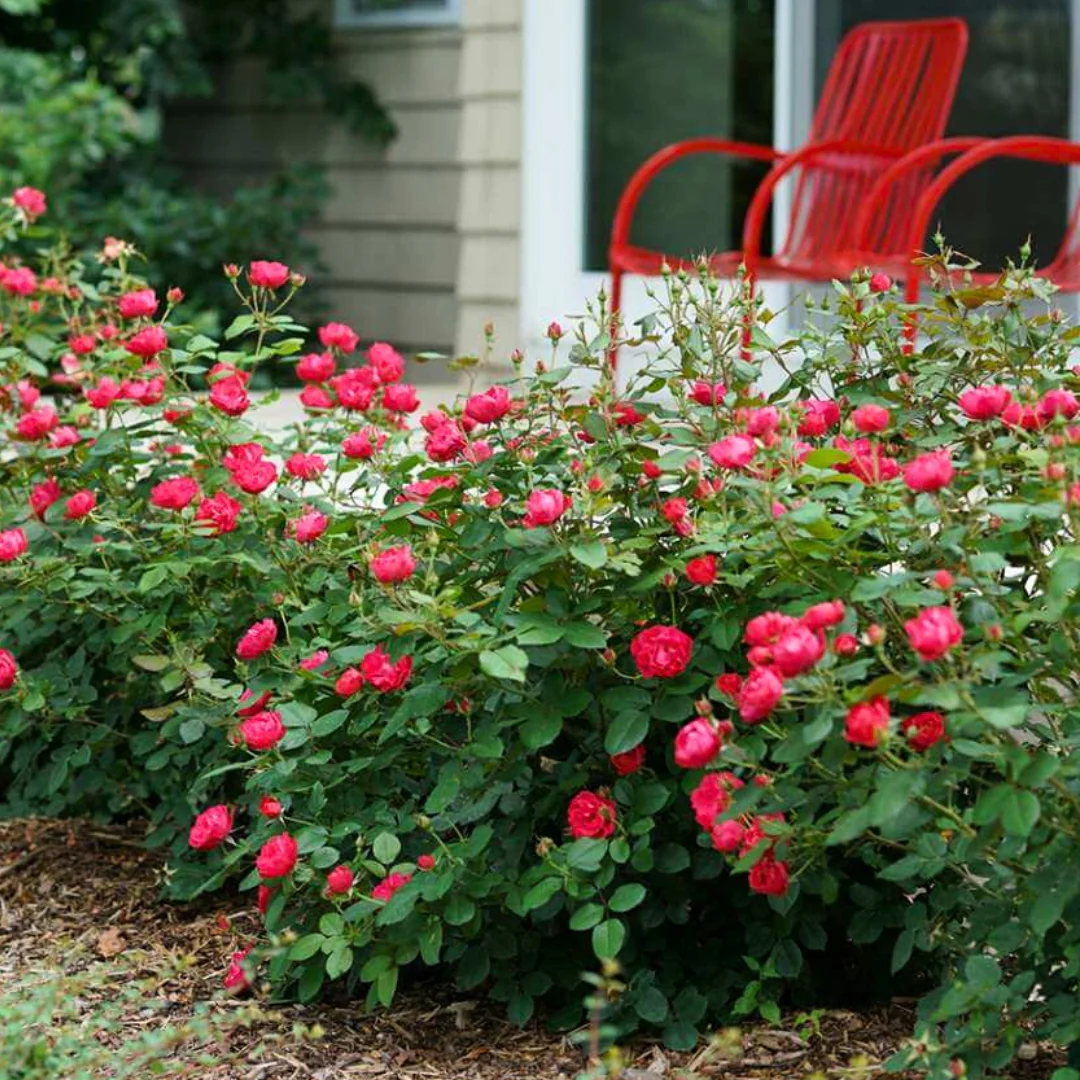
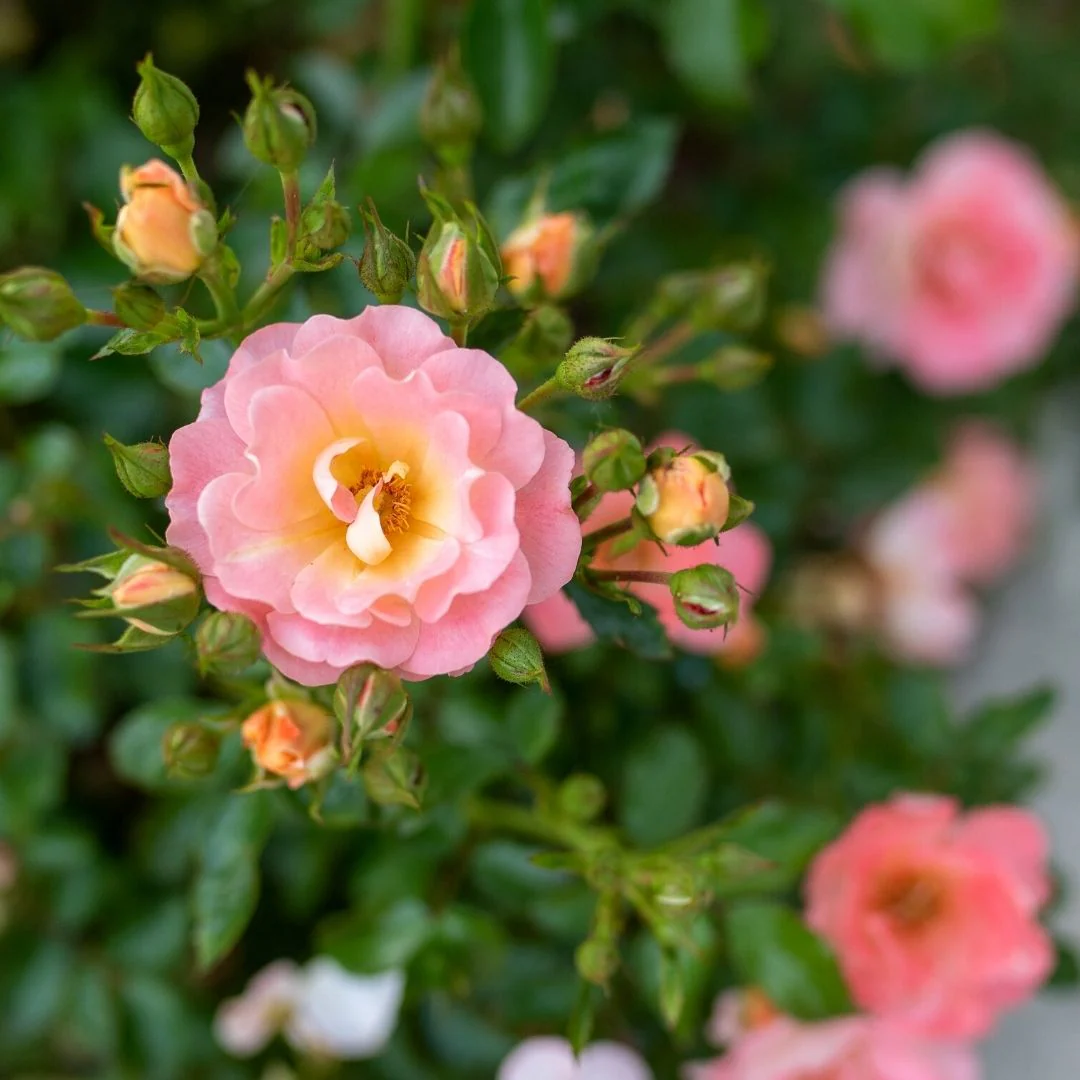
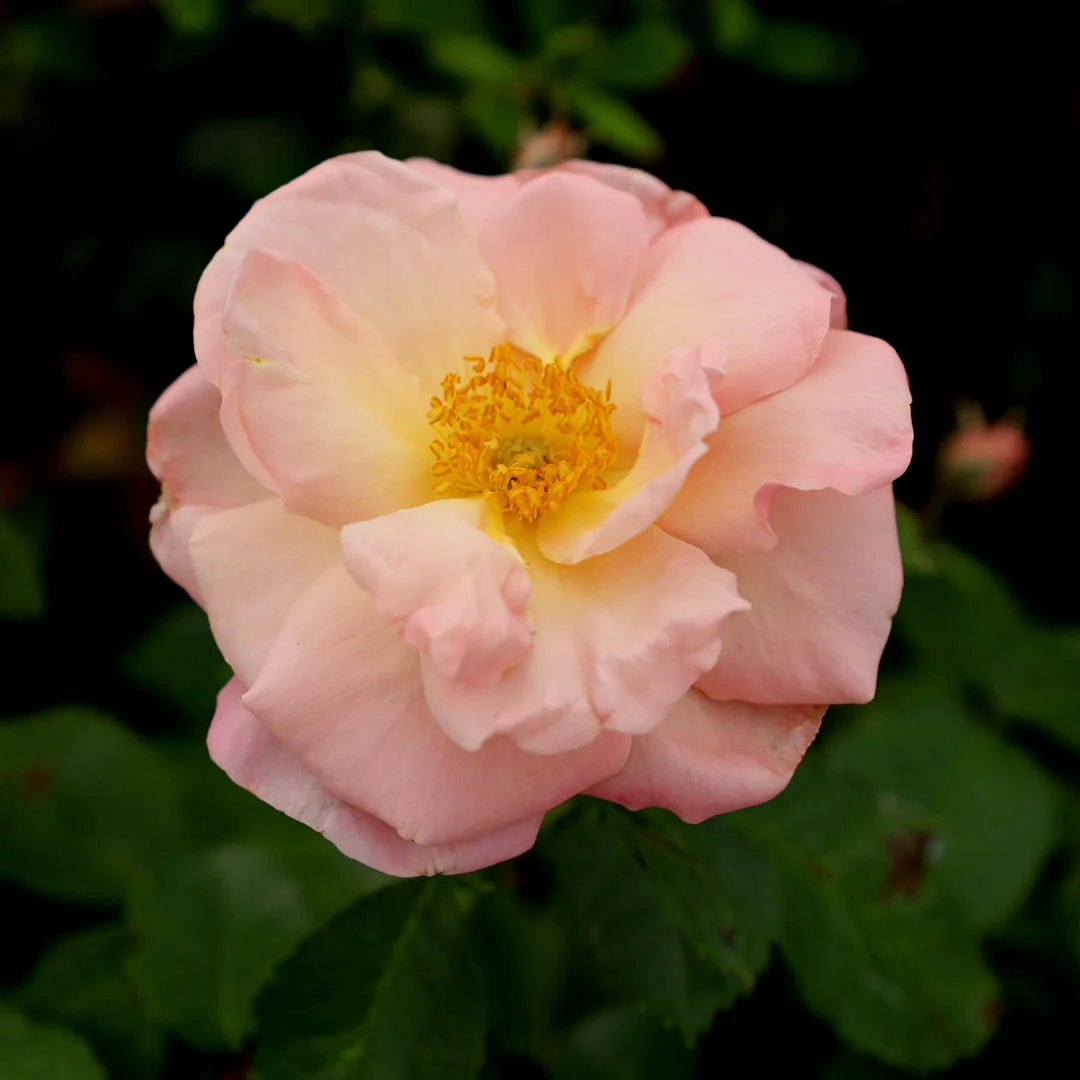
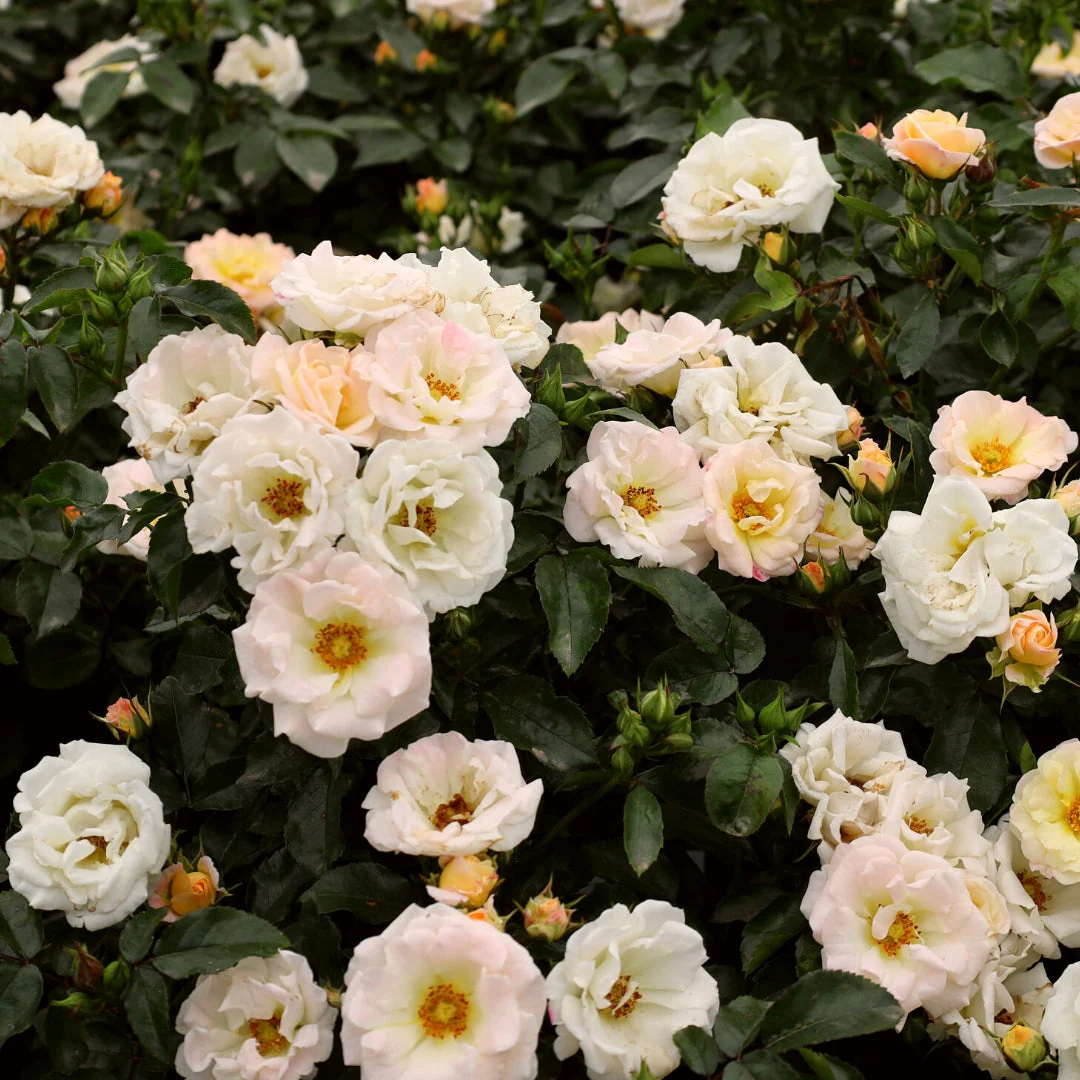
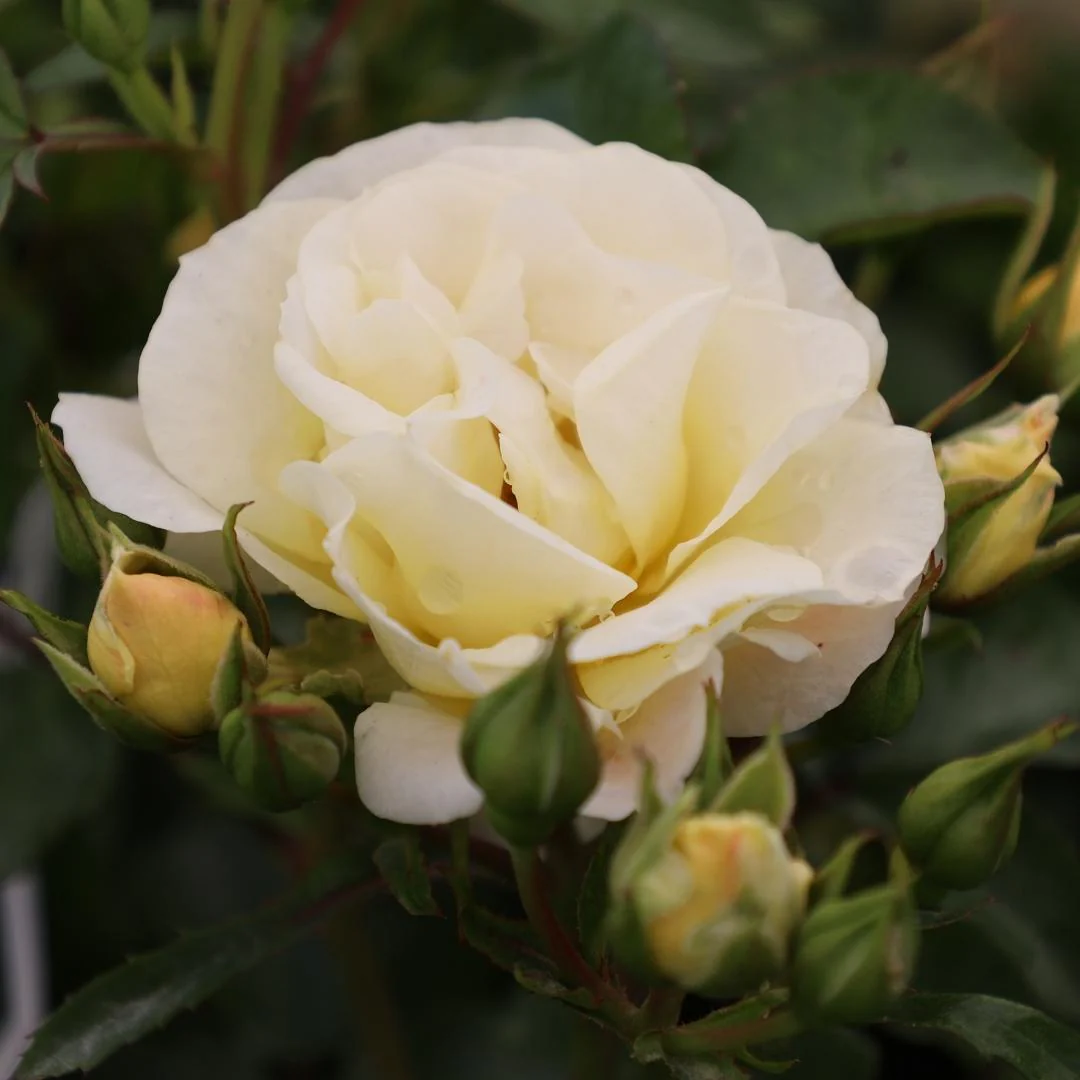
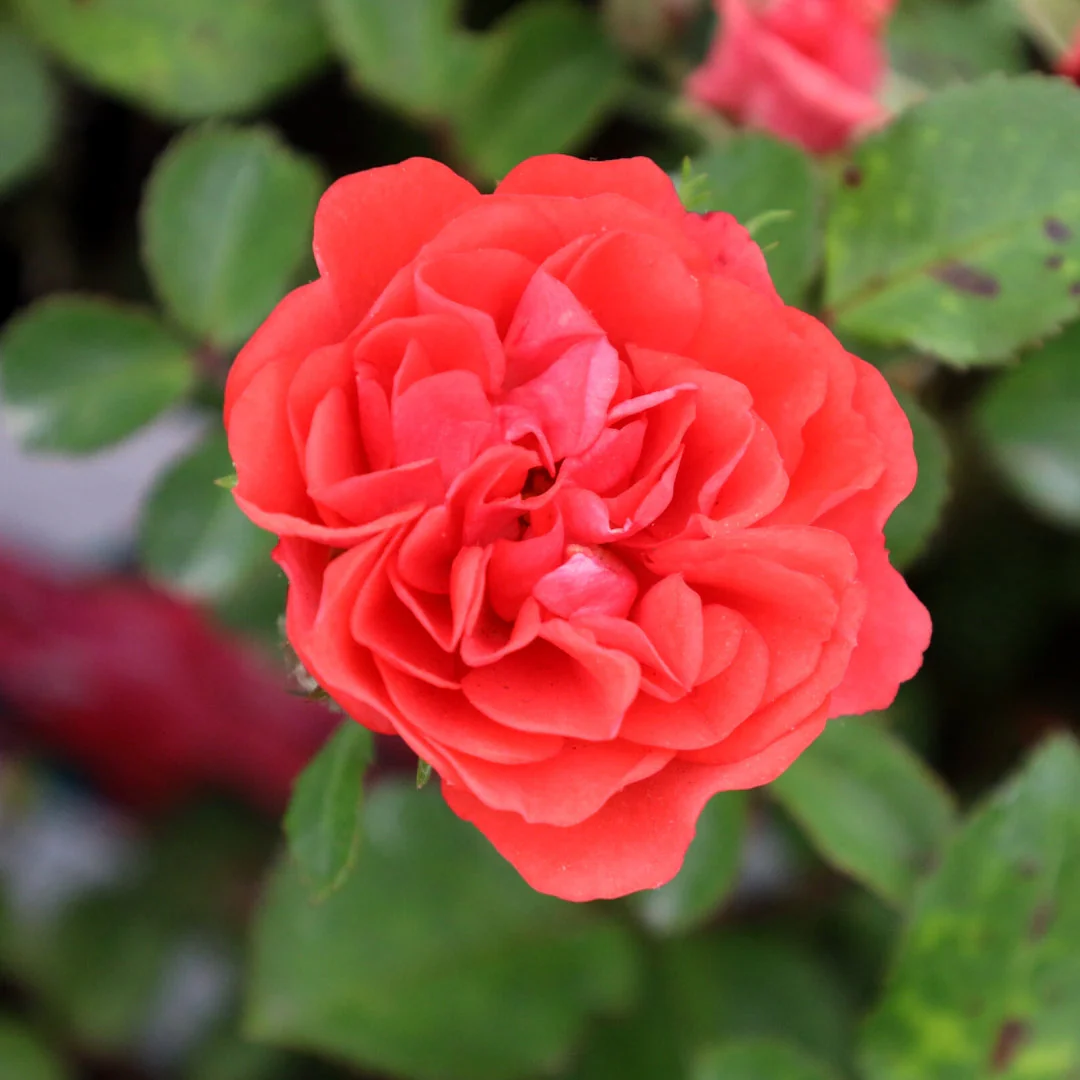
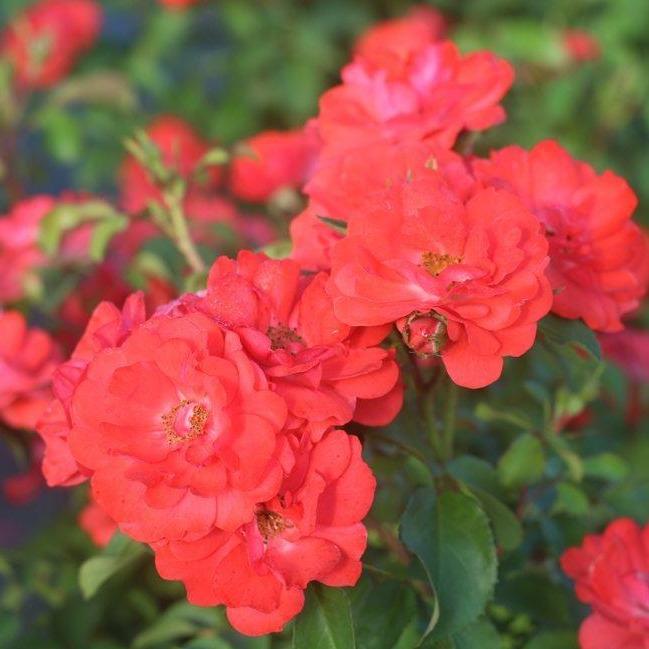
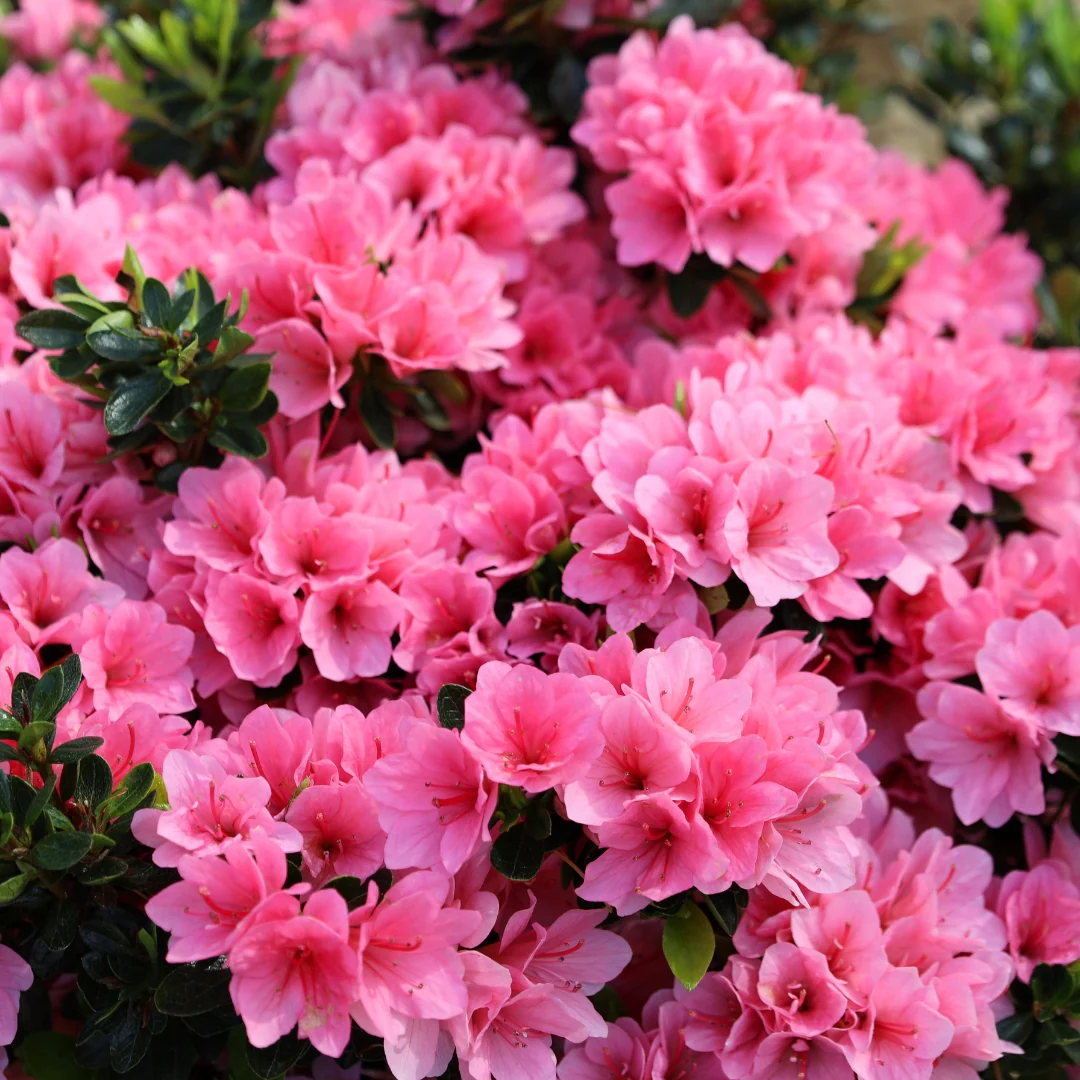
Coral Bells Azalea delivers that classic “spring WOW” in a color that feels both cheerful and refined—coral-pink blooms that glow against evergreen foliage. In spring, the plant becomes a dense cluster of flowers that reads clearly from the curb, especially in bright part shade, where many flowering shrubs look washed out. If you’re trying to make a foundation bed feel welcoming in early season, Coral Bells brings instant color without needing a complicated planting plan.
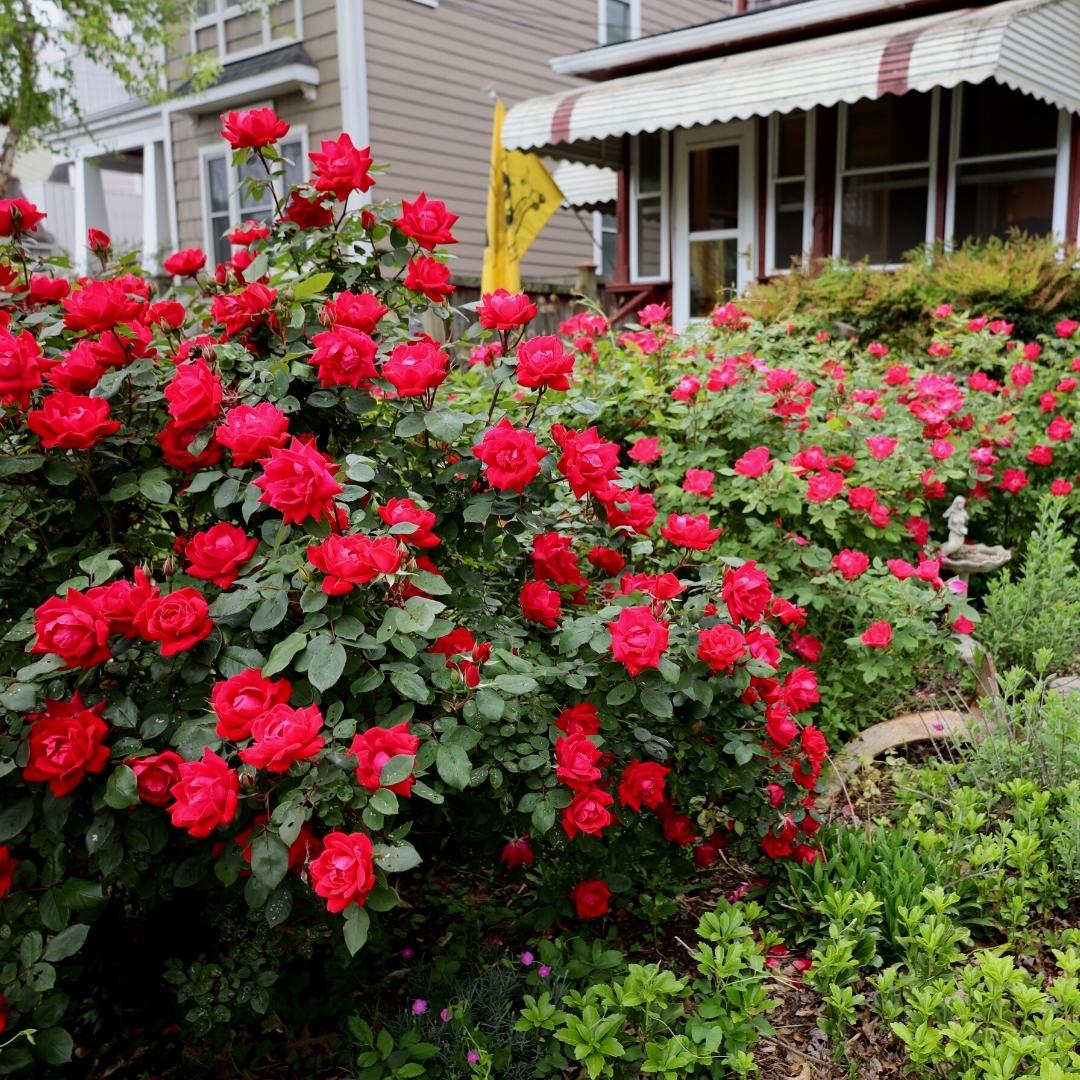
Coral-pink is also a designer’s favorite because it pairs easily with whites, purples, and blues, and it looks gorgeous alongside fresh chartreuse foliage. Plant Coral Bells near an entry, along a front walk, or at the edge of a patio where you’ll see the bloom up close. It’s equally at home in traditional landscapes and more naturalistic plantings—anywhere you want spring to feel intentional, layered, and alive.
Evergreen Structure With A Dense, Upright Habit For Clean Garden Lines
Beyond the blooms, Coral Bells earns its keep with year-round structure. This is a broadleaf evergreen azalea with an upright habit that forms a dense, mounded presence in the landscape. Even when it’s not flowering, the foliage provides a tidy green “anchor” that helps beds look finished through summer and keeps foundation plantings from feeling bare in winter.
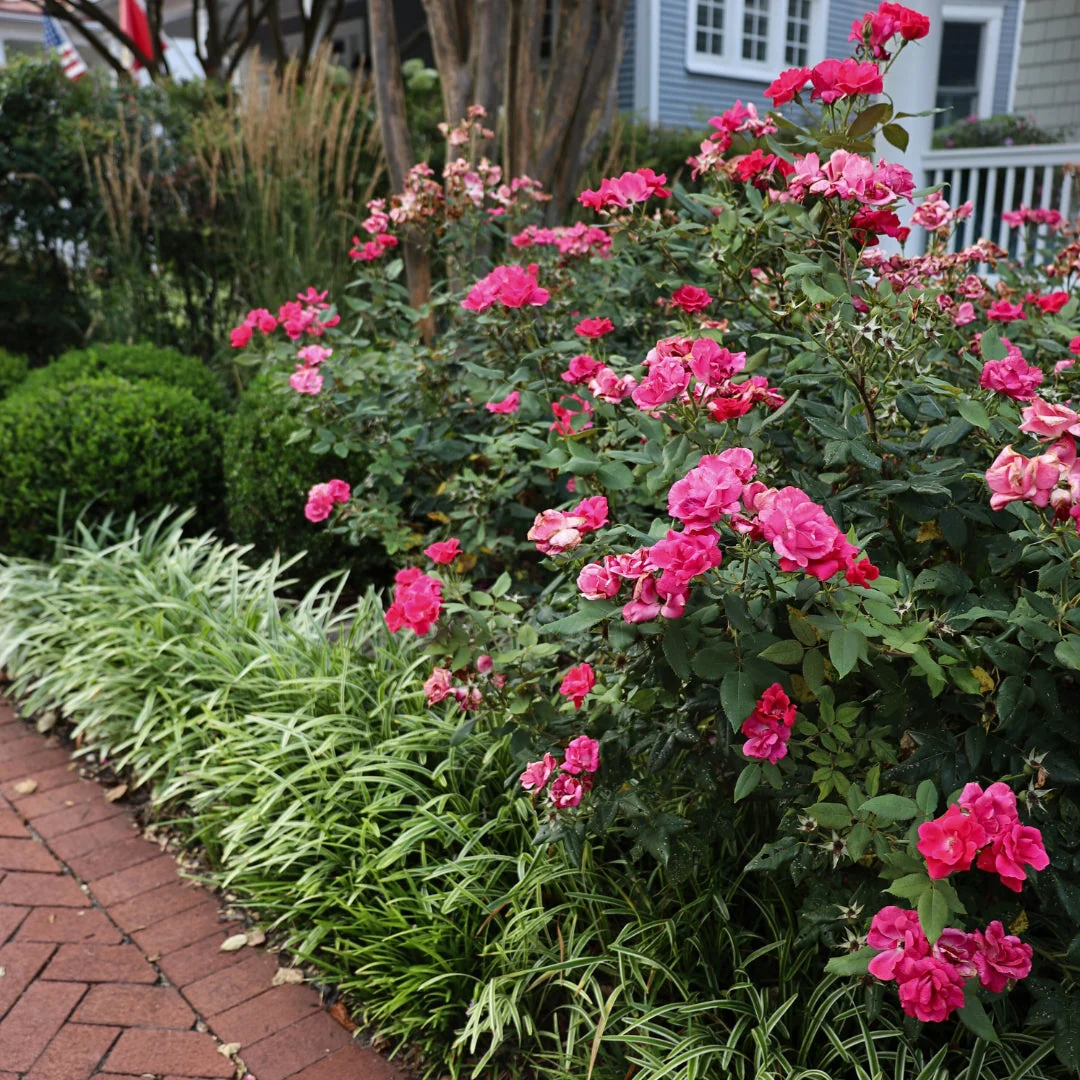
That evergreen backbone is perfect for layered beds. Use Coral Bells as a mid-height shrub in front of taller evergreens, hydrangeas, or conifers, then tuck groundcovers and perennials at its feet for a polished, three-dimensional look. It’s also a strong choice for mixed borders where you want a reliable shape that doesn’t flop or disappear when seasonal flowers fade. Think of it as an evergreen framework—with a coral-pink spring show built in.
Right-Sized For Foundations, Borders, And Container Accents
Coral Bells is a compact azalea that fits the way most people landscape today. In many gardens, it matures around 2–4 feet tall and about 3–5 feet wide, creating a substantial but manageable shrub that works under windows, along walkways, and in front borders. It’s big enough to look intentional, small enough to avoid the constant “this shrub outgrew the bed” problem.
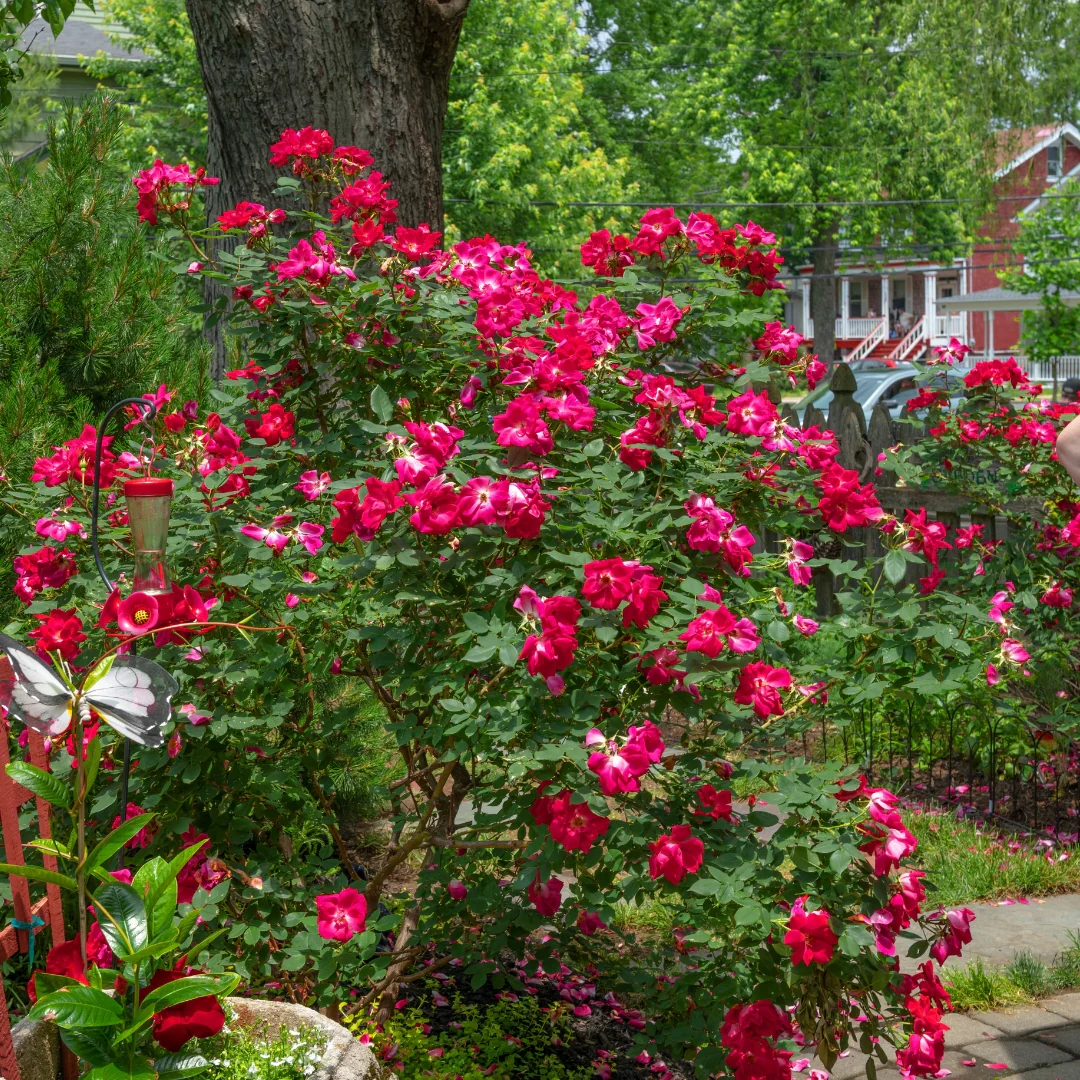
This variety also shines when used in repetition. Plant one as a focal accent, group three for a more dramatic spring statement, or line several along a border for a soft, evergreen edge that blooms in spring. And if you love containers, Coral Bells can be a beautiful seasonal centerpiece in a large pot—especially near an entry where its spring blooms feel like a welcome sign. The key is giving it excellent drainage and consistent moisture, since containers dry out faster than in-ground plantings.
Easy-Care Success Starts With Drainage, Mulch, And Gentle Post-Bloom Timing
Azaleas are not complicated, but they are specific—and Coral Bells rewards you when you nail the basics. Start with well-drained soil (no standing water after rain), add organic matter to improve structure, and mulch the root zone to keep moisture steady and roots cool. Azaleas have shallow roots, so they respond quickly to drying out and to overwatering. Your goal is evenly moist soil with fast drainage—never bone dry, never soggy.
Pruning is typically minimal. If you want to shape the plant or keep a cleaner outline, do it right after flowering finishes, and keep it light. That timing protects next year’s buds and keeps the plant dense without sacrificing bloom. Combine that with steady watering during establishment, and Coral Bells becomes a low-drama shrub that looks like you “hired a designer”—even when you didn’t.
Coral-Pink Spring Flowers That Brighten Part-Shade Landscapes
Coral Bells Azalea delivers that classic “spring WOW” in a color that feels both cheerful and refined—coral-pink blooms that glow against evergreen foliage. In spring, the plant becomes a dense cluster of flowers that reads clearly from the curb, especially in bright part shade, where many flowering shrubs look washed out. If you’re trying to make a foundation bed feel welcoming in early season, Coral Bells brings instant color without needing a complicated planting plan.
Coral-pink is also a designer’s favorite because it pairs easily with whites, purples, and blues, and it looks gorgeous alongside fresh chartreuse foliage. Plant Coral Bells near an entry, along a front walk, or at the edge of a patio where you’ll see the bloom up close. It’s equally at home in traditional landscapes and more naturalistic plantings—anywhere you want spring to feel intentional, layered, and alive.
Evergreen Structure With A Dense, Upright Habit For Clean Garden Lines
Beyond the blooms, Coral Bells earns its keep with year-round structure. This is a broadleaf evergreen azalea with an upright habit that forms a dense, mounded presence in the landscape. Even when it’s not flowering, the foliage provides a tidy green “anchor” that helps beds look finished through summer and keeps foundation plantings from feeling bare in winter.
That evergreen backbone is perfect for layered beds. Use Coral Bells as a mid-height shrub in front of taller evergreens, hydrangeas, or conifers, then tuck groundcovers and perennials at its feet for a polished, three-dimensional look. It’s also a strong choice for mixed borders where you want a reliable shape that doesn’t flop or disappear when seasonal flowers fade. Think of it as an evergreen framework—with a coral-pink spring show built in.
Right-Sized For Foundations, Borders, And Container Accents
Coral Bells is a compact azalea that fits the way most people landscape today. In many gardens, it matures around 2–4 feet tall and about 3–5 feet wide, creating a substantial but manageable shrub that works under windows, along walkways, and in front borders. It’s big enough to look intentional, small enough to avoid the constant “this shrub outgrew the bed” problem.
This variety also shines when used in repetition. Plant one as a focal accent, group three for a more dramatic spring statement, or line several along a border for a soft, evergreen edge that blooms in spring. And if you love containers, Coral Bells can be a beautiful seasonal centerpiece in a large pot—especially near an entry where its spring blooms feel like a welcome sign. The key is giving it excellent drainage and consistent moisture, since containers dry out faster than in-ground plantings.
Easy-Care Success Starts With Drainage, Mulch, And Gentle Post-Bloom Timing
Azaleas are not complicated, but they are specific—and Coral Bells rewards you when you nail the basics. Start with well-drained soil (no standing water after rain), add organic matter to improve structure, and mulch the root zone to keep moisture steady and roots cool. Azaleas have shallow roots, so they respond quickly to drying out and to overwatering. Your goal is evenly moist soil with fast drainage—never bone dry, never soggy.
Pruning is typically minimal. If you want to shape the plant or keep a cleaner outline, do it right after flowering finishes, and keep it light. That timing protects next year’s buds and keeps the plant dense without sacrificing bloom. Combine that with steady watering during establishment, and Coral Bells becomes a low-drama shrub that looks like you “hired a designer”—even when you didn’t.
Original: $79.95
-70%$79.95
$23.98Description
Coral-Pink Spring Flowers That Brighten Part-Shade Landscapes
Coral Bells Azalea delivers that classic “spring WOW” in a color that feels both cheerful and refined—coral-pink blooms that glow against evergreen foliage. In spring, the plant becomes a dense cluster of flowers that reads clearly from the curb, especially in bright part shade, where many flowering shrubs look washed out. If you’re trying to make a foundation bed feel welcoming in early season, Coral Bells brings instant color without needing a complicated planting plan.
Coral-pink is also a designer’s favorite because it pairs easily with whites, purples, and blues, and it looks gorgeous alongside fresh chartreuse foliage. Plant Coral Bells near an entry, along a front walk, or at the edge of a patio where you’ll see the bloom up close. It’s equally at home in traditional landscapes and more naturalistic plantings—anywhere you want spring to feel intentional, layered, and alive.
Evergreen Structure With A Dense, Upright Habit For Clean Garden Lines
Beyond the blooms, Coral Bells earns its keep with year-round structure. This is a broadleaf evergreen azalea with an upright habit that forms a dense, mounded presence in the landscape. Even when it’s not flowering, the foliage provides a tidy green “anchor” that helps beds look finished through summer and keeps foundation plantings from feeling bare in winter.
That evergreen backbone is perfect for layered beds. Use Coral Bells as a mid-height shrub in front of taller evergreens, hydrangeas, or conifers, then tuck groundcovers and perennials at its feet for a polished, three-dimensional look. It’s also a strong choice for mixed borders where you want a reliable shape that doesn’t flop or disappear when seasonal flowers fade. Think of it as an evergreen framework—with a coral-pink spring show built in.
Right-Sized For Foundations, Borders, And Container Accents
Coral Bells is a compact azalea that fits the way most people landscape today. In many gardens, it matures around 2–4 feet tall and about 3–5 feet wide, creating a substantial but manageable shrub that works under windows, along walkways, and in front borders. It’s big enough to look intentional, small enough to avoid the constant “this shrub outgrew the bed” problem.
This variety also shines when used in repetition. Plant one as a focal accent, group three for a more dramatic spring statement, or line several along a border for a soft, evergreen edge that blooms in spring. And if you love containers, Coral Bells can be a beautiful seasonal centerpiece in a large pot—especially near an entry where its spring blooms feel like a welcome sign. The key is giving it excellent drainage and consistent moisture, since containers dry out faster than in-ground plantings.
Easy-Care Success Starts With Drainage, Mulch, And Gentle Post-Bloom Timing
Azaleas are not complicated, but they are specific—and Coral Bells rewards you when you nail the basics. Start with well-drained soil (no standing water after rain), add organic matter to improve structure, and mulch the root zone to keep moisture steady and roots cool. Azaleas have shallow roots, so they respond quickly to drying out and to overwatering. Your goal is evenly moist soil with fast drainage—never bone dry, never soggy.
Pruning is typically minimal. If you want to shape the plant or keep a cleaner outline, do it right after flowering finishes, and keep it light. That timing protects next year’s buds and keeps the plant dense without sacrificing bloom. Combine that with steady watering during establishment, and Coral Bells becomes a low-drama shrub that looks like you “hired a designer”—even when you didn’t.