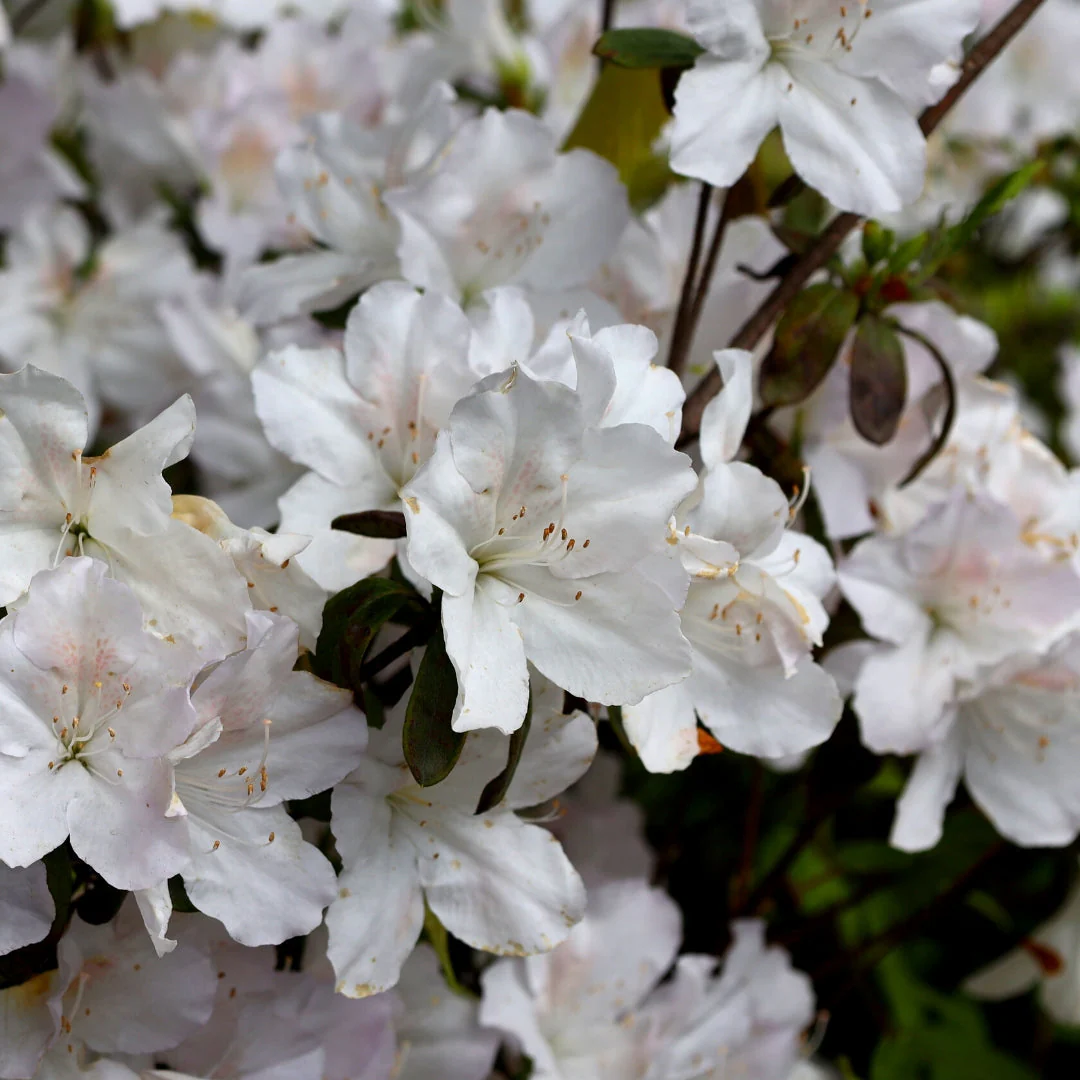
Gumpo White Azalea
Small-Scale Shrub, Big “Finished Landscape” Feel
Gumpo White Azalea is the kind of plant that makes a bed look designed—without needing a huge footprint. Its naturally low, mounded habit stays tidy and dense, so it reads as structure in every season, not just bloom week. That’s why it’s a favorite for the front of foundation plantings, along walkways, and at the edge of mixed borders where you want a clean line of evergreen foliage that still feels soft and garden-y.
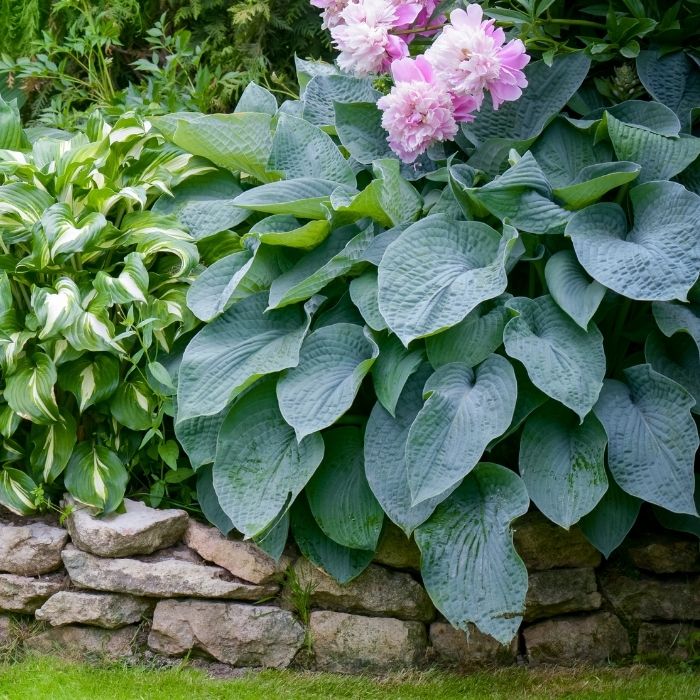
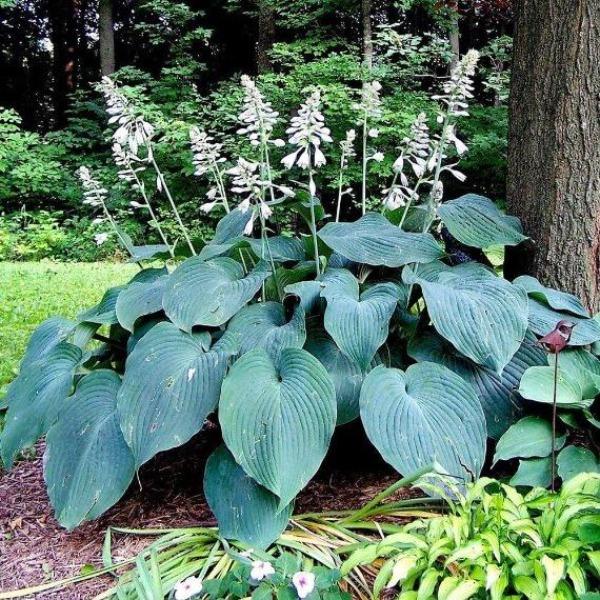
Because it stays compact, it also plays well with other plants instead of swallowing them. Tuck it in front of taller evergreens, under open-canopy trees, or beside boulders and path corners to create that “settled-in” look. If you like layered planting, Gumpo White is an easy anchor: pair it with ferns, hostas, hellebores, and shade-friendly perennials for a polished, low-maintenance composition that looks great even when nothing is flowering.
Ruffled White Blooms That Light Up Late Spring
When Gumpo White blooms, it doesn’t whisper—it glows. The flowers are bright white and often lightly ruffled, giving the shrub a refined, almost lace-like look that stands out in shade and filtered light. It tends to bloom later than many classic spring azaleas, which is perfect if you want to extend azalea season instead of having everything peak at once.
White blooms are also incredibly flexible in design. They pop against dark mulch and evergreen foliage, they soften stone and brick, and they blend beautifully with pastel spring flowers without competing. Use Gumpo White as a repeating “white note” throughout a landscape to connect different beds, or plant it in a small group so the bloom becomes a clean, intentional focal point. Either way, you get that fresh, bright spring payoff—without needing a large shrub to make an impact.
Built For Part Shade, Happy In Real-World Garden Conditions
Azaleas are at their best when they get gentle light and steady moisture, and Gumpo White is no exception. Morning sun with afternoon shade is the sweet spot, especially in warmer climates, because it supports strong blooming while keeping the foliage from stressing in peak summer heat. In cooler zones, it can handle a bit more sun as long as the soil doesn’t dry out. Think “bright shade” and “even moisture,” and you’re most of the way to success.
Soil matters here: azaleas prefer acidic, well-drained ground that’s rich in organic matter. If your soil is heavy clay, planting slightly high and improving drainage is a game-changer—azaleas hate wet feet. A consistent mulch layer helps keep roots cool, holds moisture, and slowly builds better soil texture over time. Do those basics, and Gumpo White becomes the kind of shrub that looks healthy and green through the seasons with very little drama.
Easy Maintenance With The Right Timing
Gumpo White doesn’t need constant pruning to look good—its habit is naturally compact and rounded. The biggest “rule” is timing: if you prune, do it right after flowering. That gives the plant time to set buds for next year without you accidentally cutting them off. Most gardeners only need a light shaping cut to keep the mound neat or to encourage a fuller look.
Feeding is simple, too. An acid-forming fertilizer for azaleas and rhododendrons, applied in early spring, supports healthy foliage and better bloom performance. After that, the best maintenance move is to maintain consistent moisture during establishment and refresh mulch as needed. Keep the plant out of harsh afternoon sun, avoid soggy soil, and skip late-season pruning—and you’ll have a dependable, evergreen azalea that stays attractive long after the blooms fade.
Small-Scale Shrub, Big “Finished Landscape” Feel
Gumpo White Azalea is the kind of plant that makes a bed look designed—without needing a huge footprint. Its naturally low, mounded habit stays tidy and dense, so it reads as structure in every season, not just bloom week. That’s why it’s a favorite for the front of foundation plantings, along walkways, and at the edge of mixed borders where you want a clean line of evergreen foliage that still feels soft and garden-y.
Because it stays compact, it also plays well with other plants instead of swallowing them. Tuck it in front of taller evergreens, under open-canopy trees, or beside boulders and path corners to create that “settled-in” look. If you like layered planting, Gumpo White is an easy anchor: pair it with ferns, hostas, hellebores, and shade-friendly perennials for a polished, low-maintenance composition that looks great even when nothing is flowering.
Ruffled White Blooms That Light Up Late Spring
When Gumpo White blooms, it doesn’t whisper—it glows. The flowers are bright white and often lightly ruffled, giving the shrub a refined, almost lace-like look that stands out in shade and filtered light. It tends to bloom later than many classic spring azaleas, which is perfect if you want to extend azalea season instead of having everything peak at once.
White blooms are also incredibly flexible in design. They pop against dark mulch and evergreen foliage, they soften stone and brick, and they blend beautifully with pastel spring flowers without competing. Use Gumpo White as a repeating “white note” throughout a landscape to connect different beds, or plant it in a small group so the bloom becomes a clean, intentional focal point. Either way, you get that fresh, bright spring payoff—without needing a large shrub to make an impact.
Built For Part Shade, Happy In Real-World Garden Conditions
Azaleas are at their best when they get gentle light and steady moisture, and Gumpo White is no exception. Morning sun with afternoon shade is the sweet spot, especially in warmer climates, because it supports strong blooming while keeping the foliage from stressing in peak summer heat. In cooler zones, it can handle a bit more sun as long as the soil doesn’t dry out. Think “bright shade” and “even moisture,” and you’re most of the way to success.
Soil matters here: azaleas prefer acidic, well-drained ground that’s rich in organic matter. If your soil is heavy clay, planting slightly high and improving drainage is a game-changer—azaleas hate wet feet. A consistent mulch layer helps keep roots cool, holds moisture, and slowly builds better soil texture over time. Do those basics, and Gumpo White becomes the kind of shrub that looks healthy and green through the seasons with very little drama.
Easy Maintenance With The Right Timing
Gumpo White doesn’t need constant pruning to look good—its habit is naturally compact and rounded. The biggest “rule” is timing: if you prune, do it right after flowering. That gives the plant time to set buds for next year without you accidentally cutting them off. Most gardeners only need a light shaping cut to keep the mound neat or to encourage a fuller look.
Feeding is simple, too. An acid-forming fertilizer for azaleas and rhododendrons, applied in early spring, supports healthy foliage and better bloom performance. After that, the best maintenance move is to maintain consistent moisture during establishment and refresh mulch as needed. Keep the plant out of harsh afternoon sun, avoid soggy soil, and skip late-season pruning—and you’ll have a dependable, evergreen azalea that stays attractive long after the blooms fade.
Description
Small-Scale Shrub, Big “Finished Landscape” Feel
Gumpo White Azalea is the kind of plant that makes a bed look designed—without needing a huge footprint. Its naturally low, mounded habit stays tidy and dense, so it reads as structure in every season, not just bloom week. That’s why it’s a favorite for the front of foundation plantings, along walkways, and at the edge of mixed borders where you want a clean line of evergreen foliage that still feels soft and garden-y.
Because it stays compact, it also plays well with other plants instead of swallowing them. Tuck it in front of taller evergreens, under open-canopy trees, or beside boulders and path corners to create that “settled-in” look. If you like layered planting, Gumpo White is an easy anchor: pair it with ferns, hostas, hellebores, and shade-friendly perennials for a polished, low-maintenance composition that looks great even when nothing is flowering.
Ruffled White Blooms That Light Up Late Spring
When Gumpo White blooms, it doesn’t whisper—it glows. The flowers are bright white and often lightly ruffled, giving the shrub a refined, almost lace-like look that stands out in shade and filtered light. It tends to bloom later than many classic spring azaleas, which is perfect if you want to extend azalea season instead of having everything peak at once.
White blooms are also incredibly flexible in design. They pop against dark mulch and evergreen foliage, they soften stone and brick, and they blend beautifully with pastel spring flowers without competing. Use Gumpo White as a repeating “white note” throughout a landscape to connect different beds, or plant it in a small group so the bloom becomes a clean, intentional focal point. Either way, you get that fresh, bright spring payoff—without needing a large shrub to make an impact.
Built For Part Shade, Happy In Real-World Garden Conditions
Azaleas are at their best when they get gentle light and steady moisture, and Gumpo White is no exception. Morning sun with afternoon shade is the sweet spot, especially in warmer climates, because it supports strong blooming while keeping the foliage from stressing in peak summer heat. In cooler zones, it can handle a bit more sun as long as the soil doesn’t dry out. Think “bright shade” and “even moisture,” and you’re most of the way to success.
Soil matters here: azaleas prefer acidic, well-drained ground that’s rich in organic matter. If your soil is heavy clay, planting slightly high and improving drainage is a game-changer—azaleas hate wet feet. A consistent mulch layer helps keep roots cool, holds moisture, and slowly builds better soil texture over time. Do those basics, and Gumpo White becomes the kind of shrub that looks healthy and green through the seasons with very little drama.
Easy Maintenance With The Right Timing
Gumpo White doesn’t need constant pruning to look good—its habit is naturally compact and rounded. The biggest “rule” is timing: if you prune, do it right after flowering. That gives the plant time to set buds for next year without you accidentally cutting them off. Most gardeners only need a light shaping cut to keep the mound neat or to encourage a fuller look.
Feeding is simple, too. An acid-forming fertilizer for azaleas and rhododendrons, applied in early spring, supports healthy foliage and better bloom performance. After that, the best maintenance move is to maintain consistent moisture during establishment and refresh mulch as needed. Keep the plant out of harsh afternoon sun, avoid soggy soil, and skip late-season pruning—and you’ll have a dependable, evergreen azalea that stays attractive long after the blooms fade.