Rosebud Azalea
Double Rose-Pink Blooms That Look Like Tiny Roses
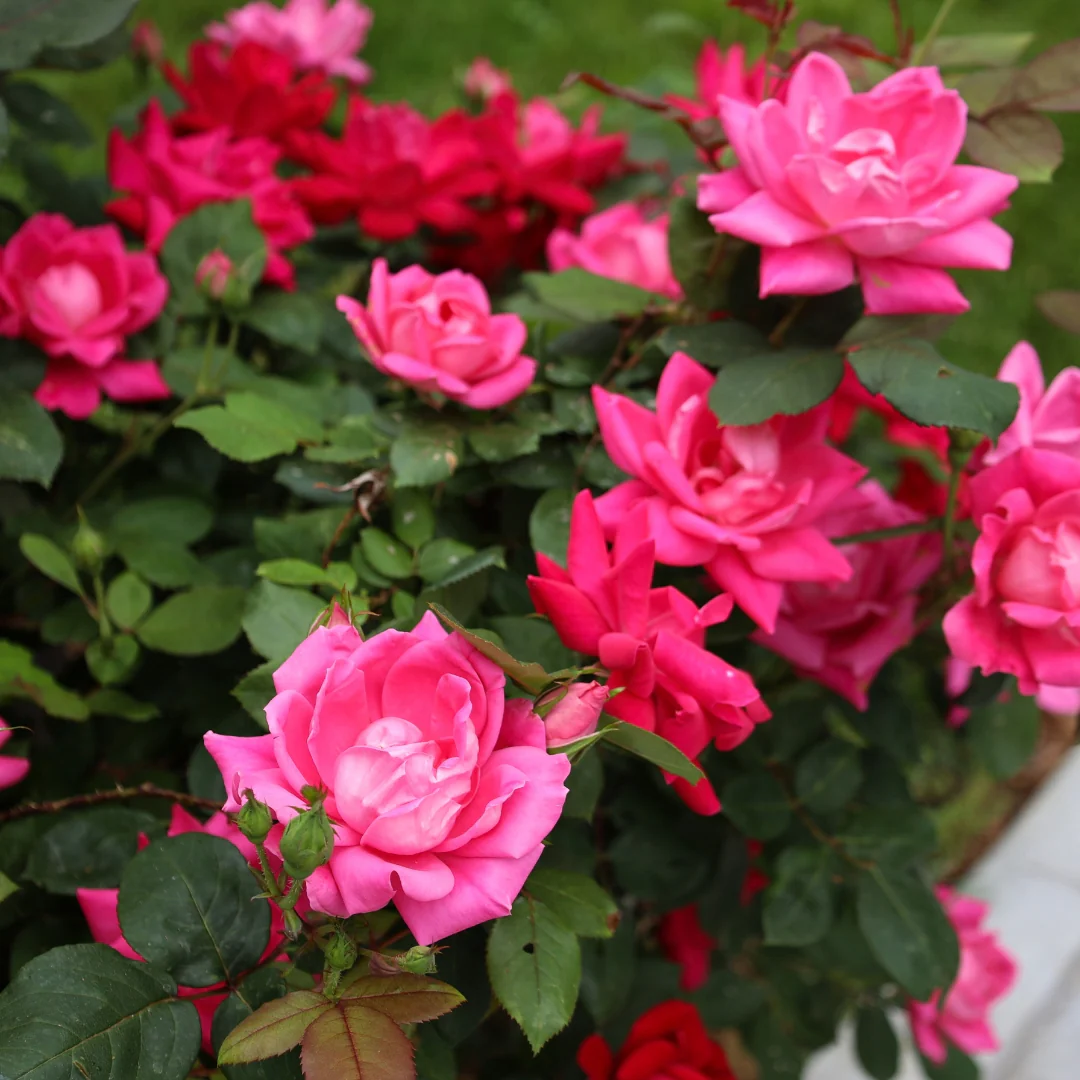
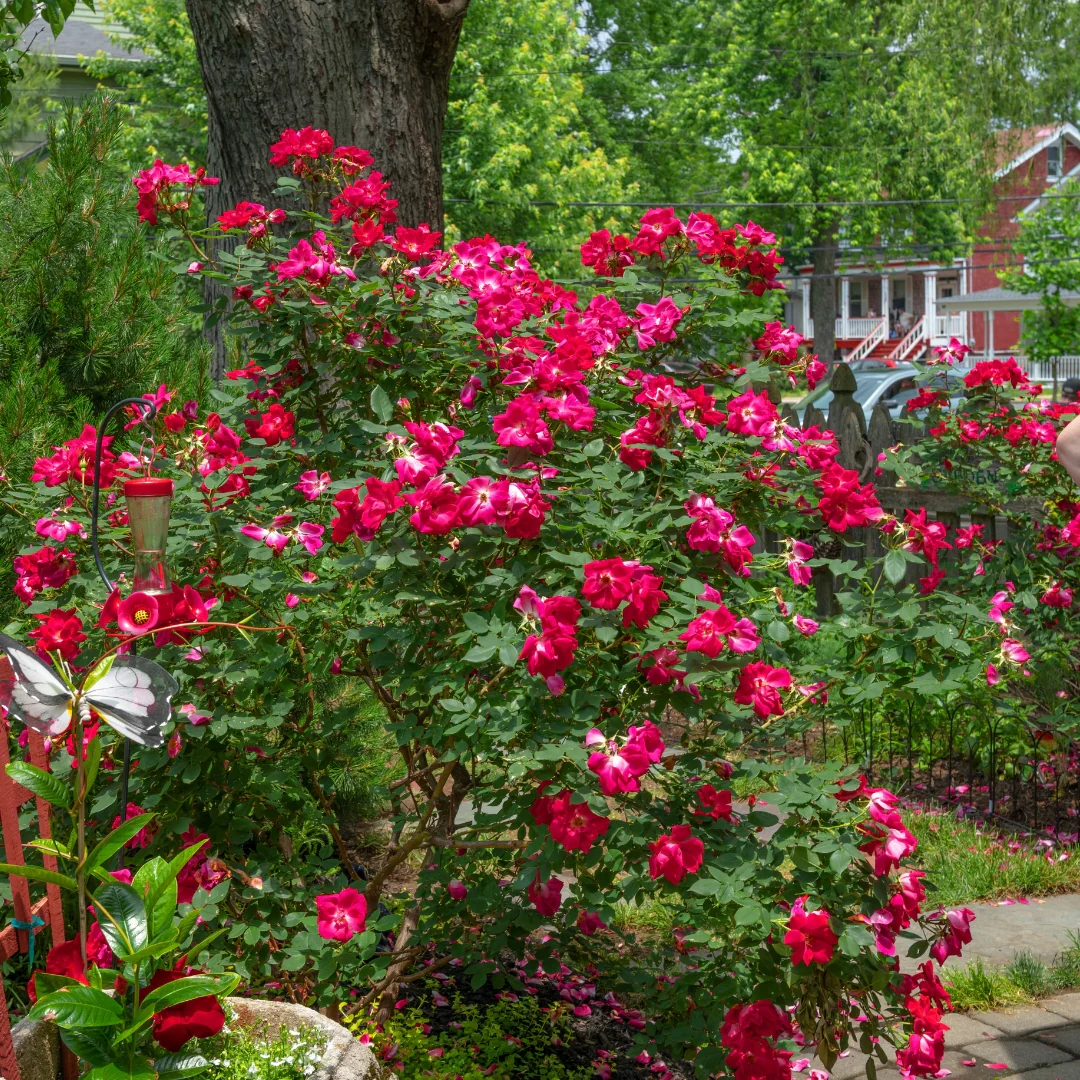
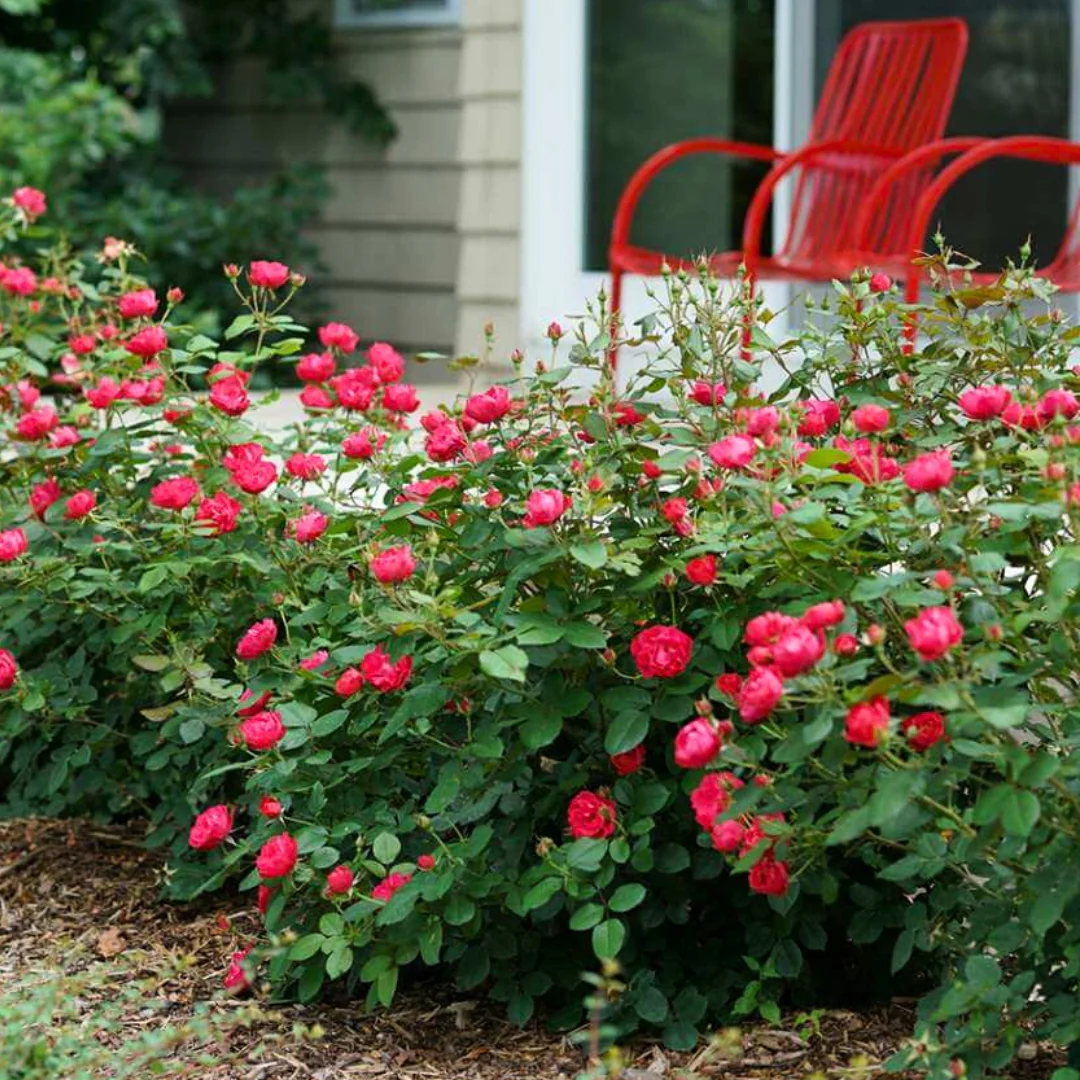
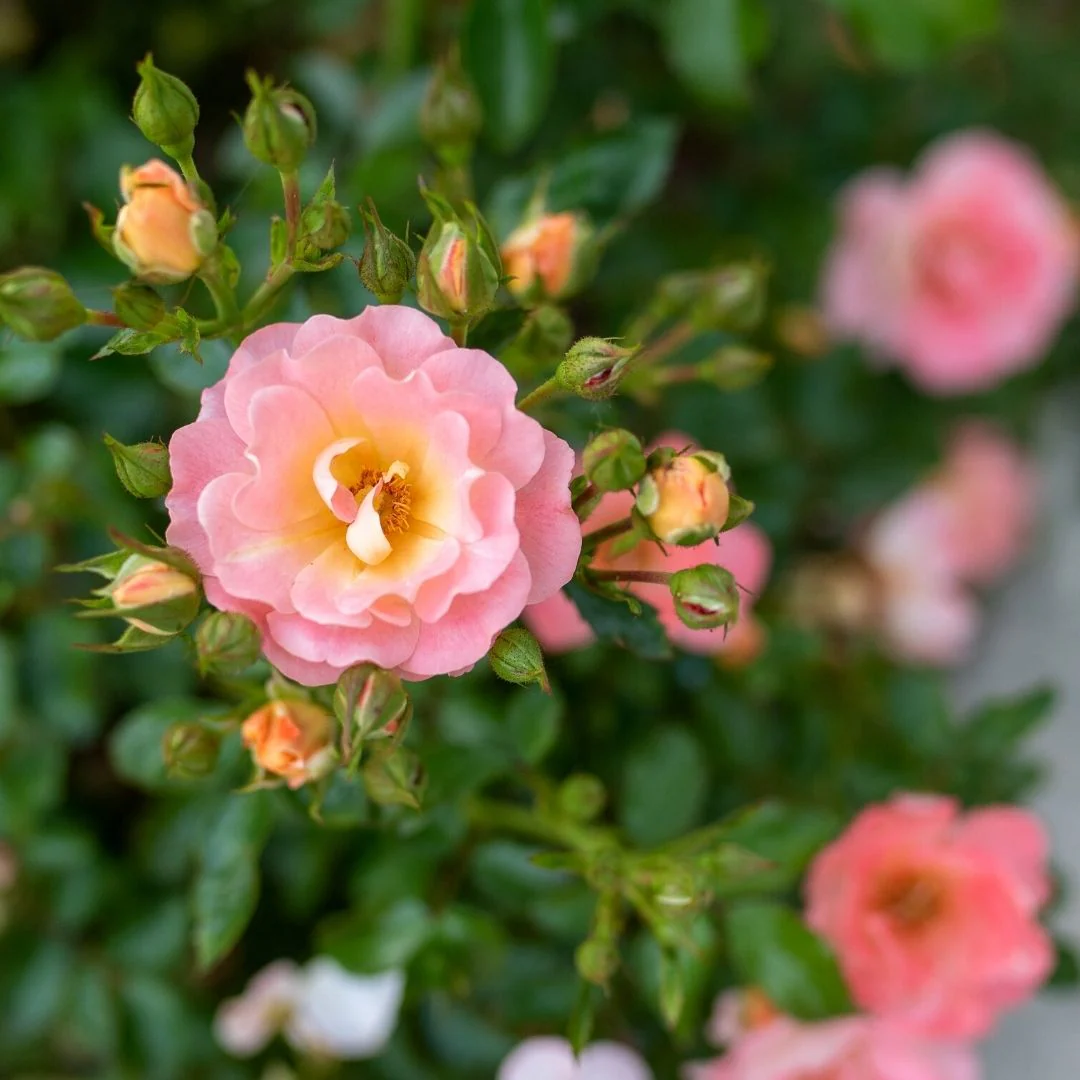
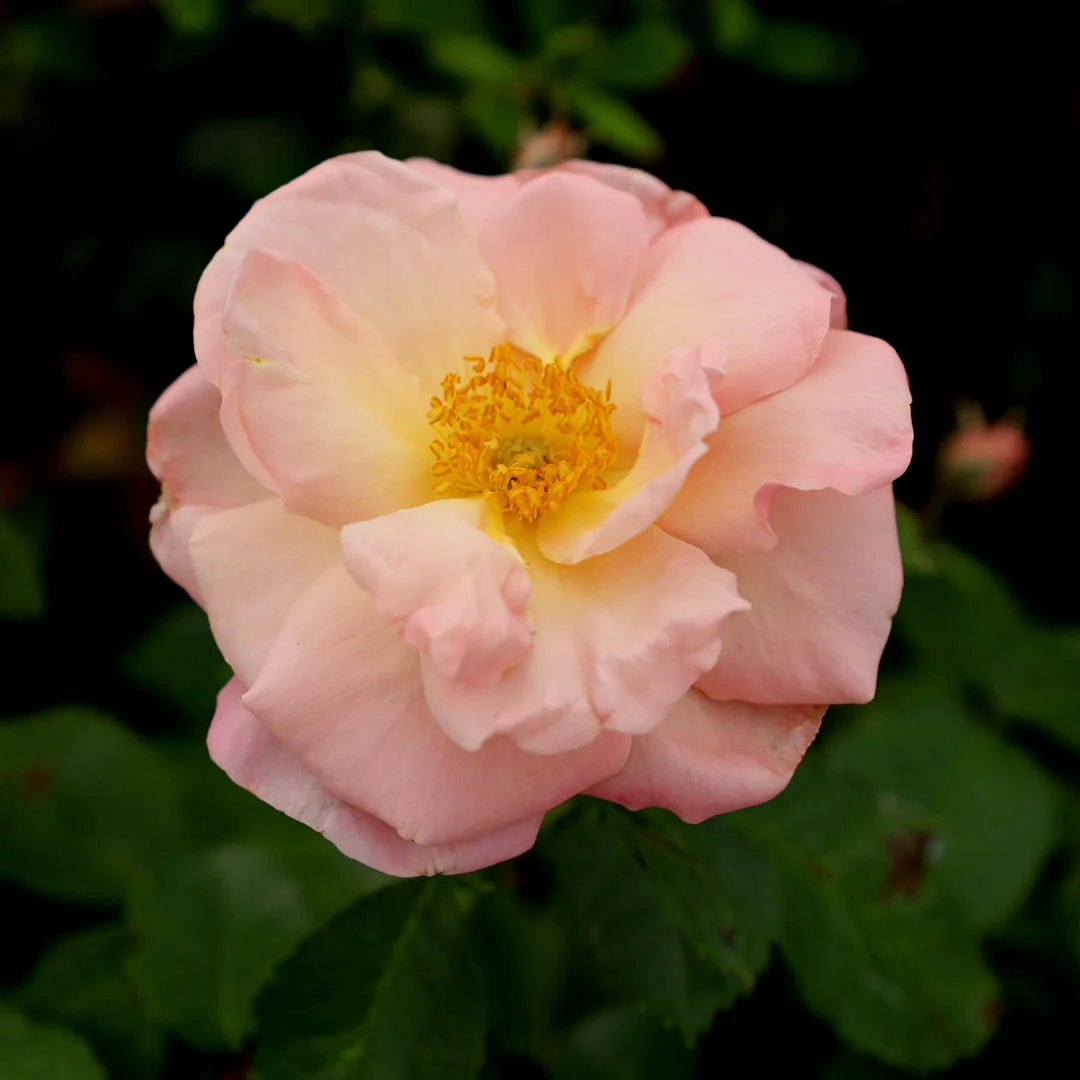
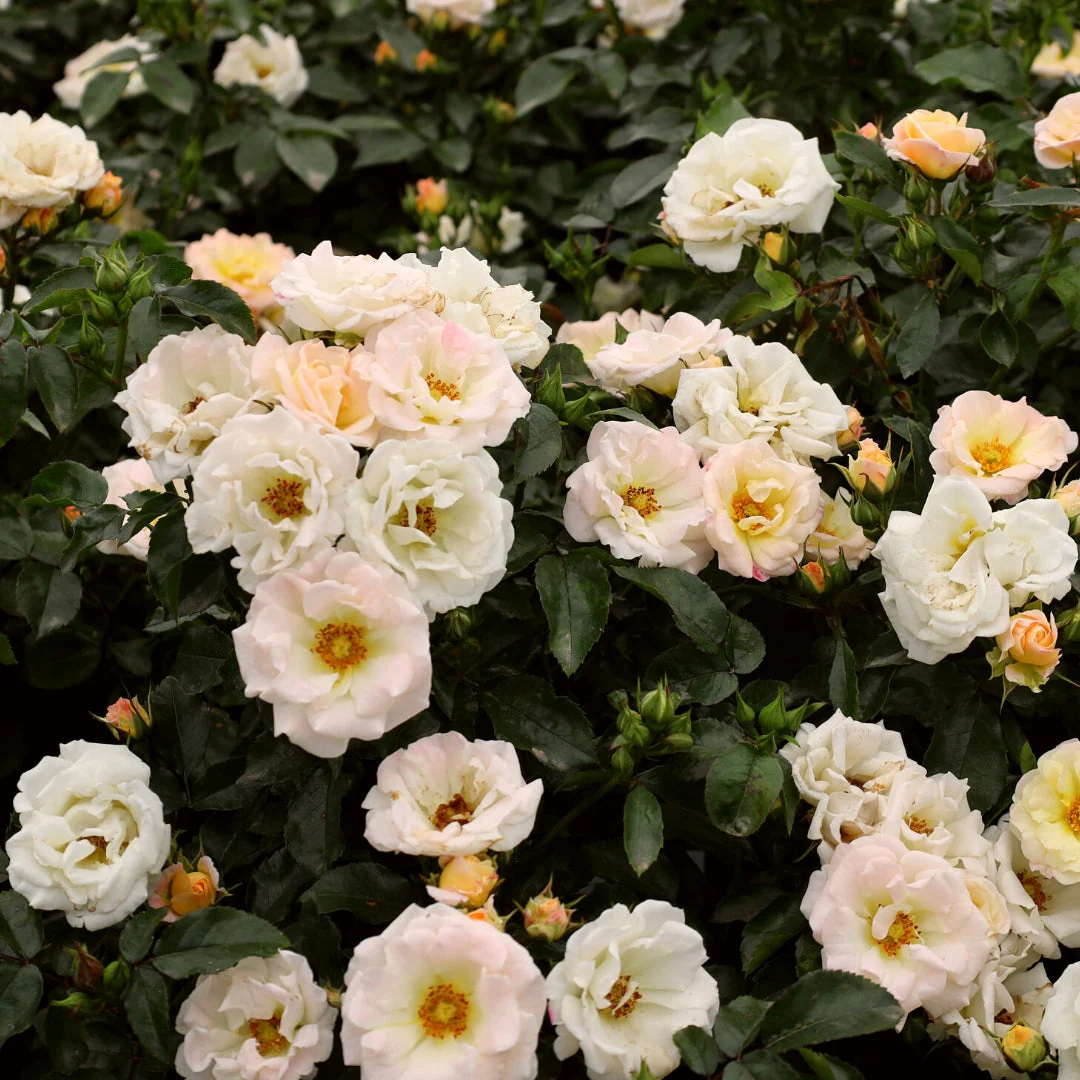
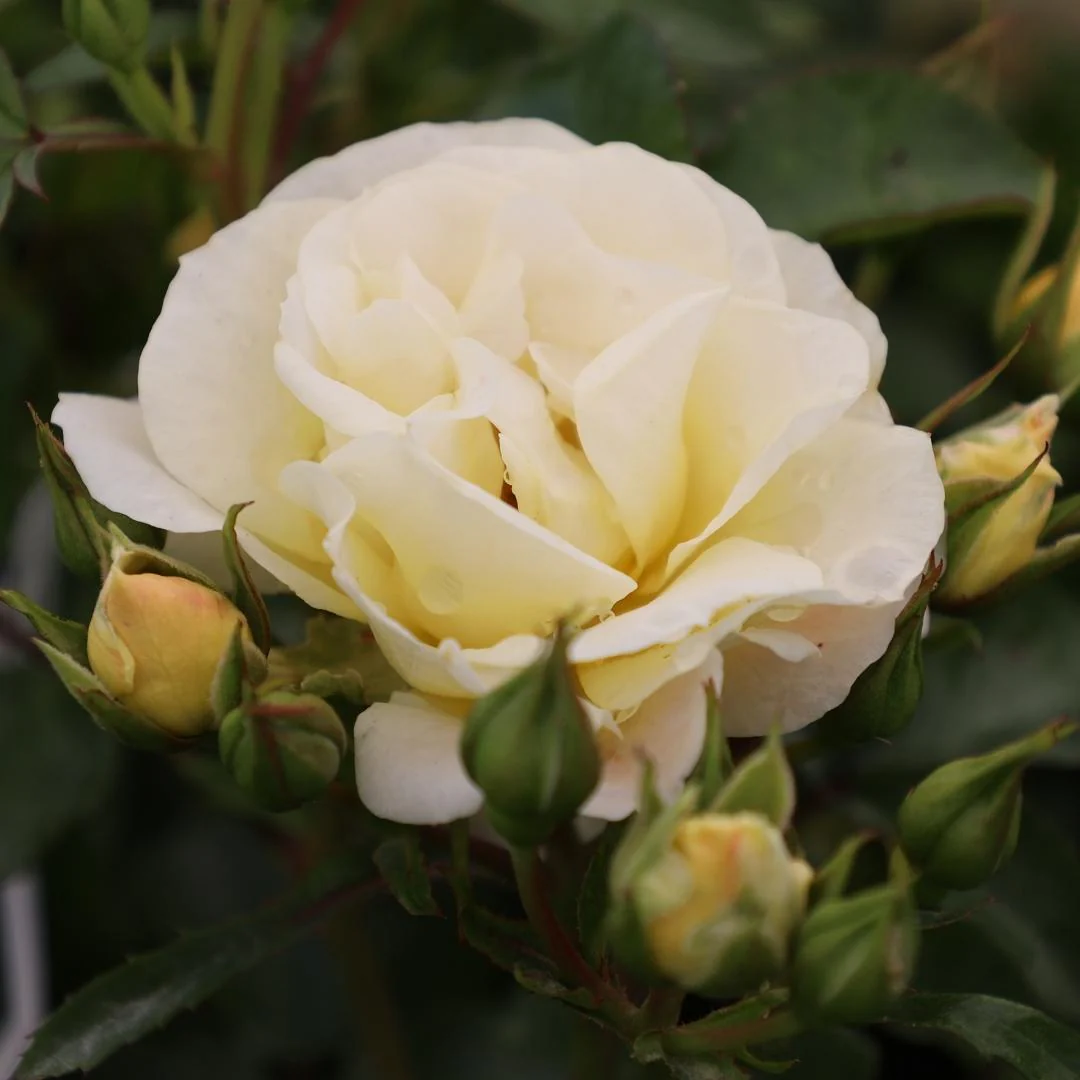
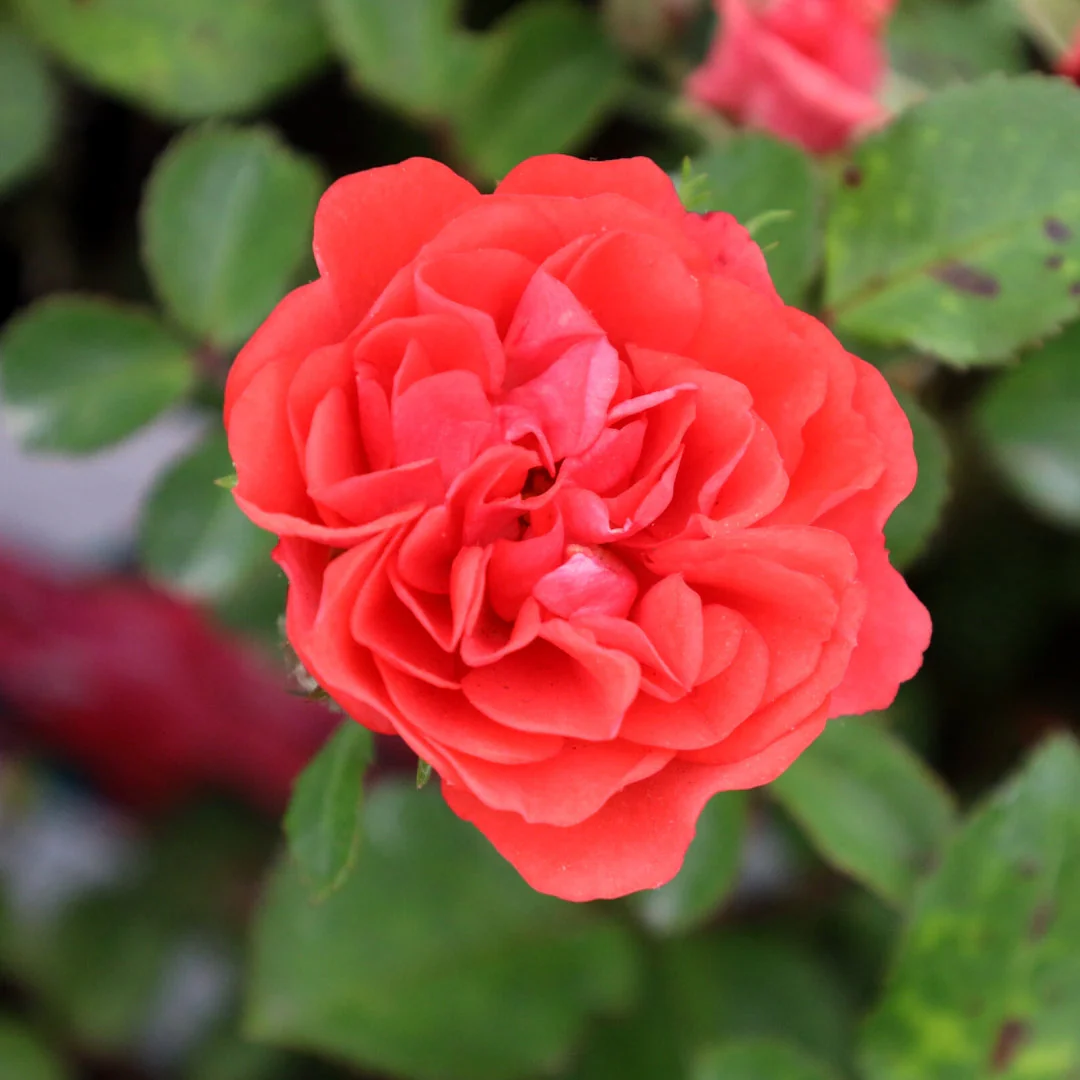
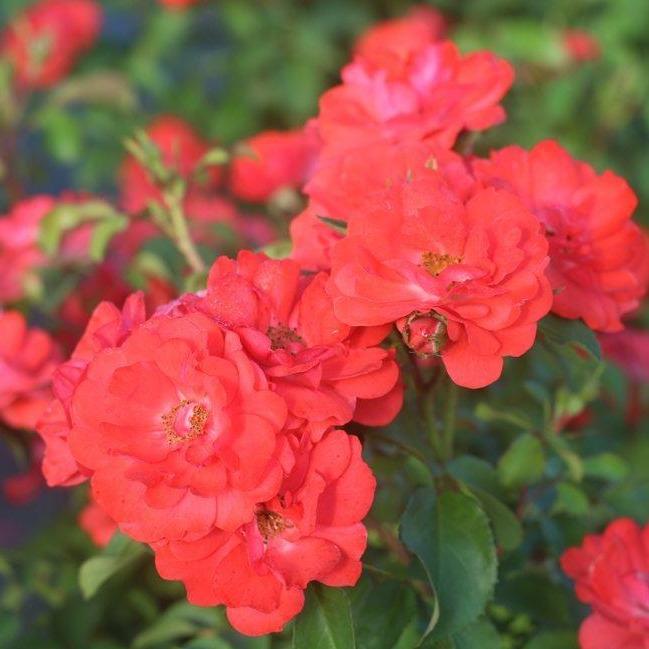
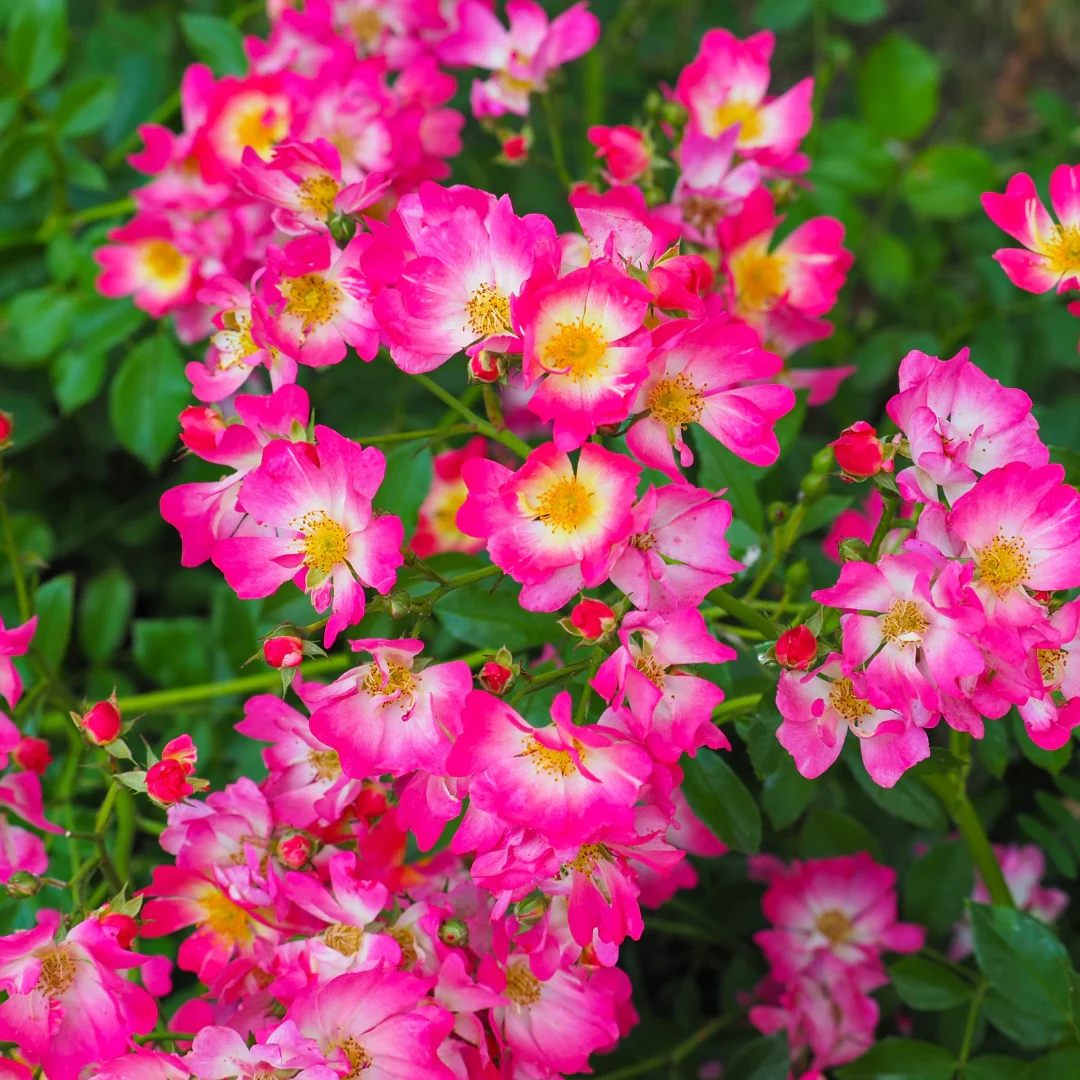
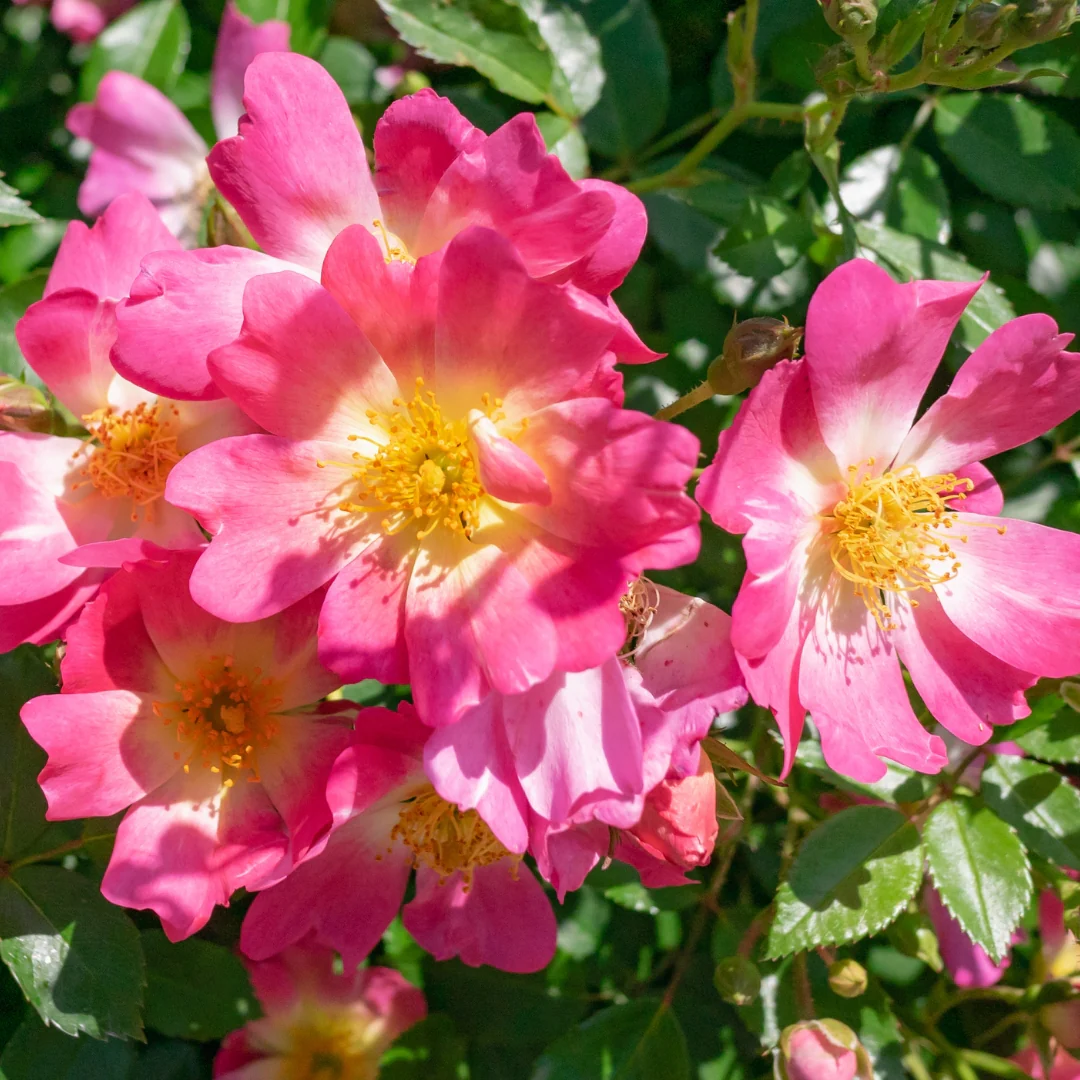
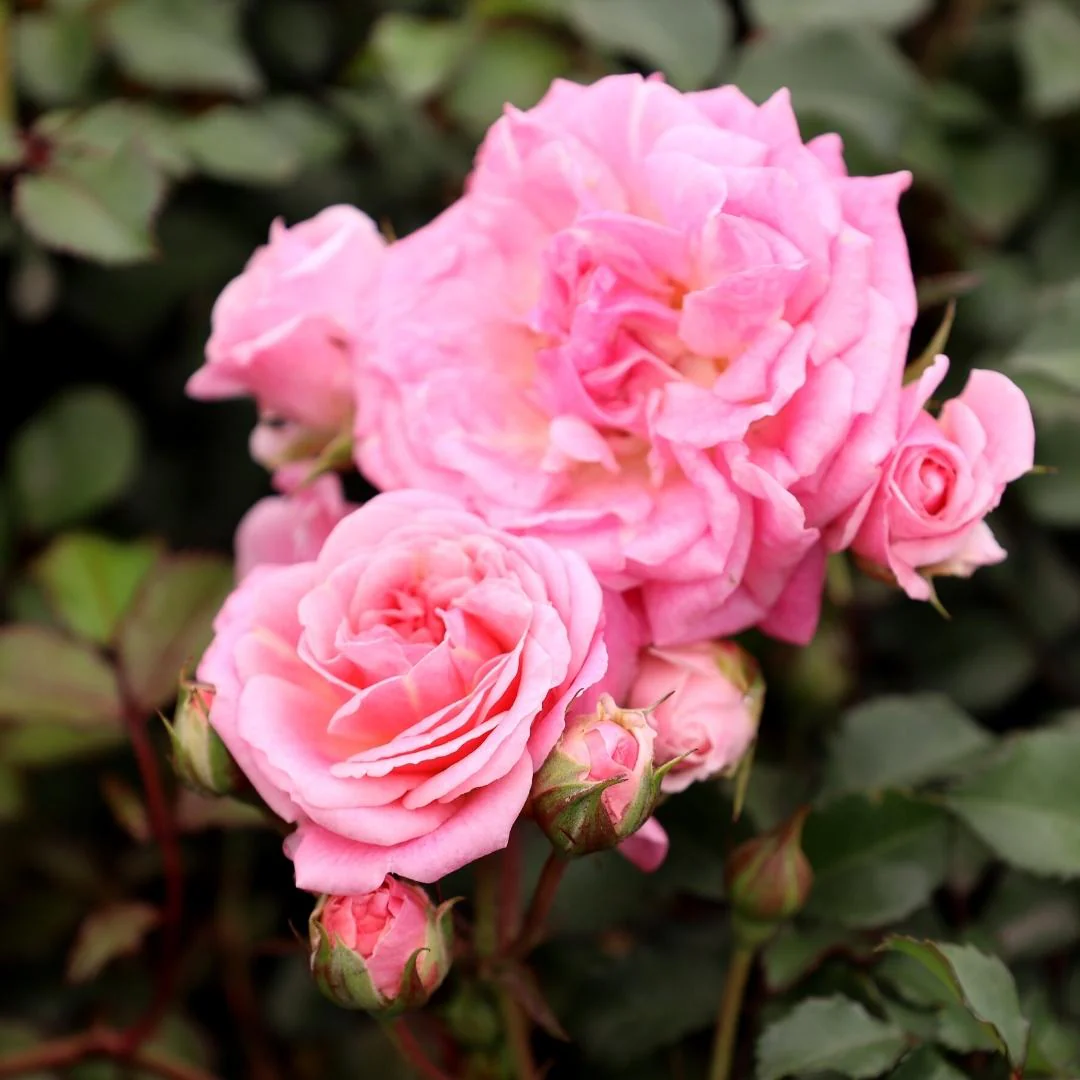
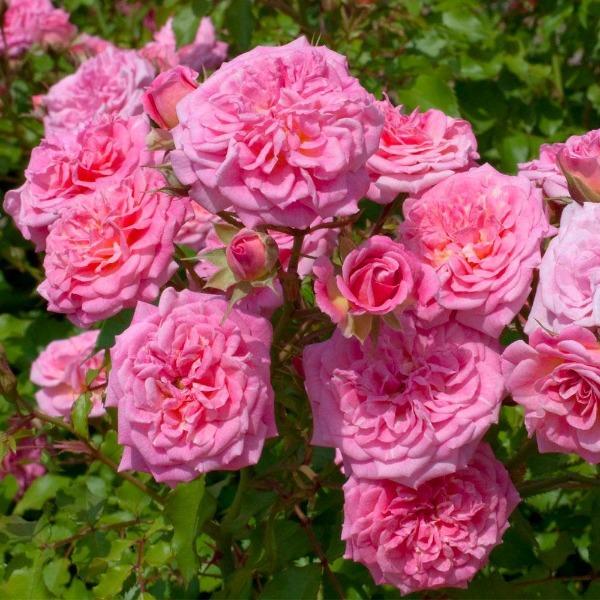
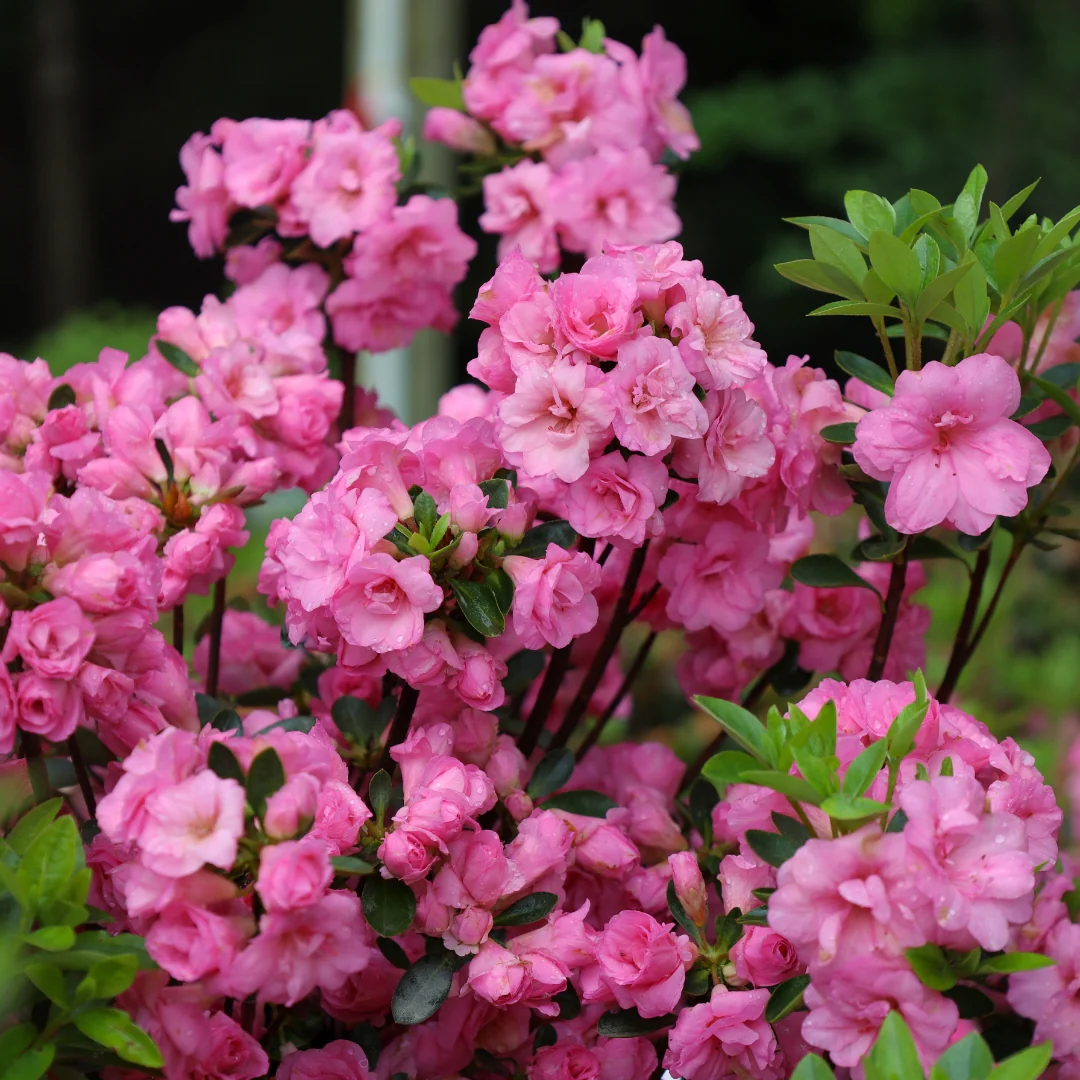
Rosebud Azalea earns its name the moment it flowers. In mid to late spring, the shrub produces clusters of richly pink, double blooms that resemble small rosebuds—layered, plush, and wonderfully textural. It’s a look you don’t get from every azalea: instead of a single open funnel bloom, you get a full, petal-packed flower that reads as “special” from the curb and feels downright romantic up close. If you want a spring-flowering shrub that doesn’t look like everyone else’s azalea, this one brings that distinctive, rose-like character.
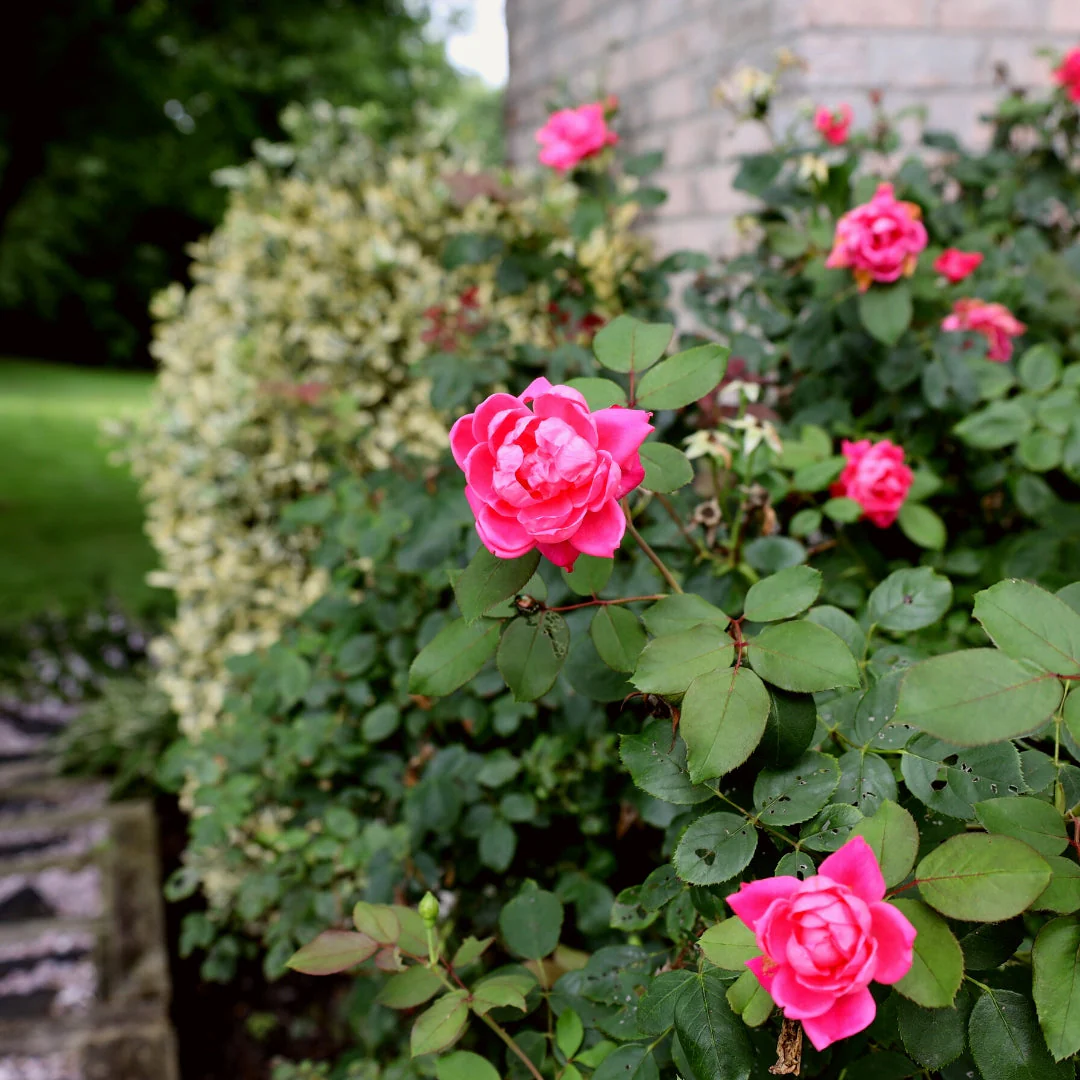
Those double blooms also photograph beautifully and pair easily with classic spring companions. Think white tulips, purple muscari, or blue woodland perennials around the base, with the azalea’s pink as the feature color. Plant it near an entry, along a walkway, or in view of a favorite window so you can actually enjoy the details. It’s the kind of spring moment that makes a landscape feel intentional—like you planned the season, not just planted shrubs.
A Lush 4–6 Foot Shrub For Foundation Beds And Naturalized Borders
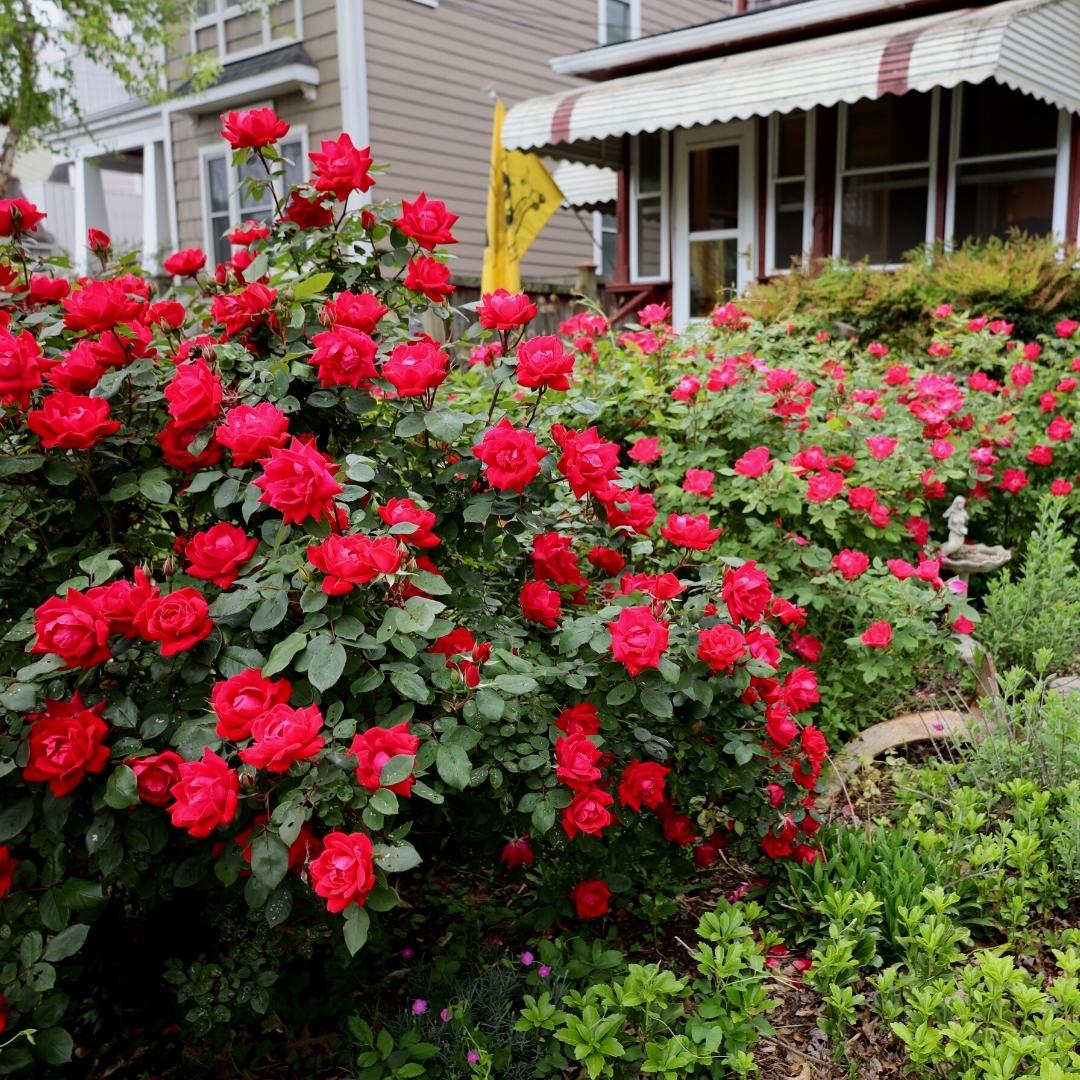
Rosebud Azalea is a substantial shrub, typically maturing around 4–6 feet tall and 4–6 feet wide, with an upright, rounded form that fills space beautifully. That size makes it a strong foundation plant when you want a flowering structure under windows or along the front of the home without relying on constant pruning. It also shines in mixed borders, where its spring bloom sets the stage and its green foliage carries the bed through summer.
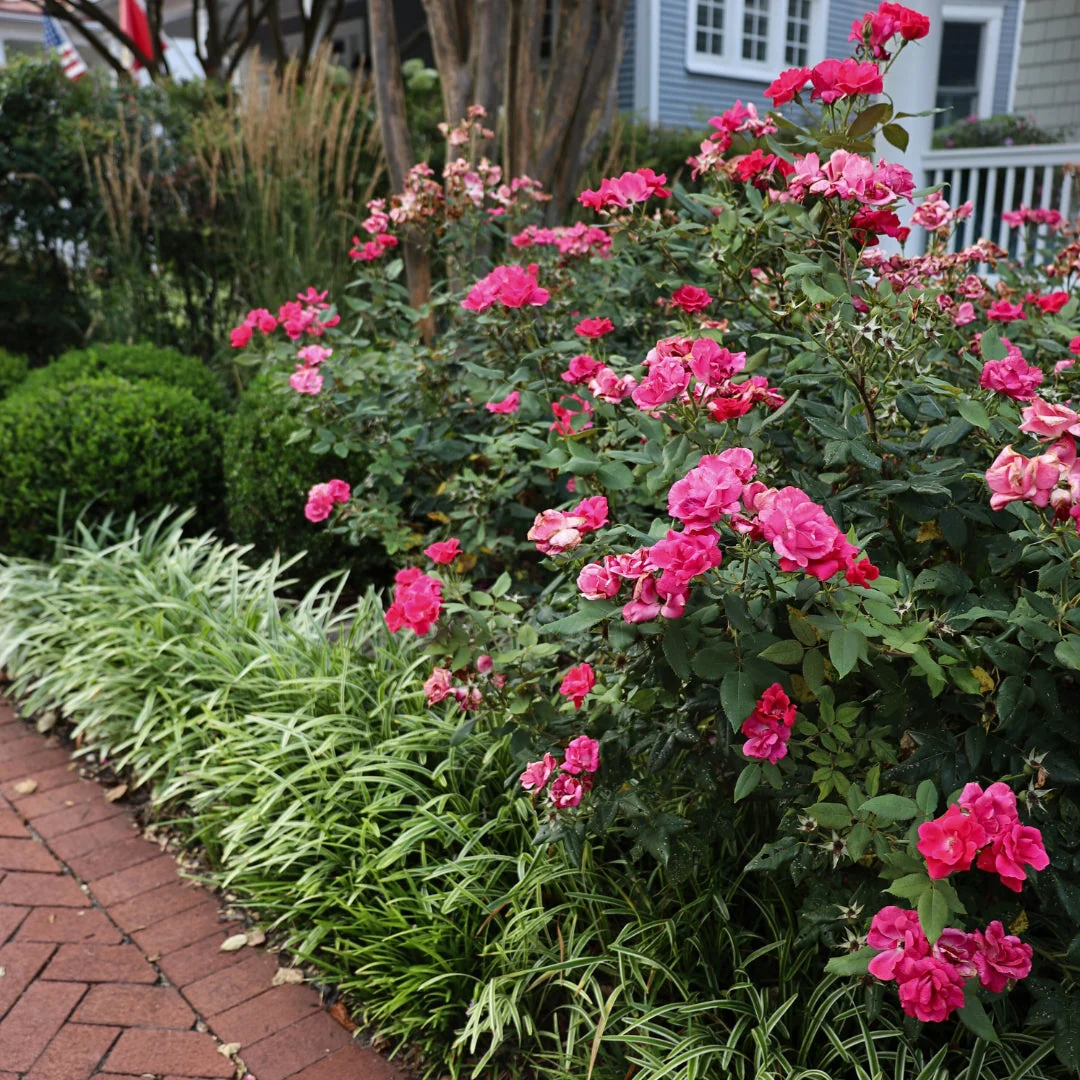
Because it has enough presence to anchor a planting, it works especially well in naturalized edges and woodland-inspired beds. Tuck it among other shrubs, repeat it in a gentle curve, or use it as a focal point where a bed turns a corner. Once it settles in, it becomes the kind of “backbone shrub” that makes everything around it look more designed—spring color up top, layered perennials below, and a full, leafy silhouette that keeps the space feeling lush.
Performs In Sun To Part Shade With Simple Acidic-Soil Care
This azalea is adaptable, handling full sun to part shade, with a sweet spot often being morning sun and afternoon shade—bright enough for strong flowering, protected enough to reduce stress in hot weather. In cooler regions, it can take more sun; in warmer regions, a little relief from harsh late-day heat can keep foliage fresher and blooms longer-lasting. If you’ve got a spot that’s “bright but not blazing,” Rosebud Azalea is a confident choice.
Great drainage is the real key to easy azalea success. Rosebud prefers slightly acidic, well-drained soil that stays evenly moist but never soggy. Improve heavy soil with organic matter, plant slightly high if drainage is questionable, and mulch to keep roots cool and moisture consistent. When you nail those basics—light, drainage, and steady moisture—you get better bloom, healthier foliage, and a shrub that looks good without needing constant attention.
Deer-Resistant Charm With Low-Prune, Low-Drama Upkeep
Rosebud Azalea is often chosen for deer-prone areas because it’s considered deer-resistant (though no plant is truly deer-proof). That makes it a practical pick for foundation beds and woodland edges where browsing pressure can be frustrating. And because it’s naturally upright and full, it doesn’t require heavy shaping to look good—most gardeners can keep it attractive with minimal maintenance.
Pruning should be gentle and well-timed to protect next year’s flowers. Azaleas bloom on old wood, so the best time to prune is right after flowering finishes, when you can tidy the shape and remove any damaged wood without sacrificing future buds. Keep pruning light, refresh mulch annually, and water during dry spells until established. The result is a show-stopping spring bloomer that stays lush, dependable, and easy to live with for years.
Double Rose-Pink Blooms That Look Like Tiny Roses
Rosebud Azalea earns its name the moment it flowers. In mid to late spring, the shrub produces clusters of richly pink, double blooms that resemble small rosebuds—layered, plush, and wonderfully textural. It’s a look you don’t get from every azalea: instead of a single open funnel bloom, you get a full, petal-packed flower that reads as “special” from the curb and feels downright romantic up close. If you want a spring-flowering shrub that doesn’t look like everyone else’s azalea, this one brings that distinctive, rose-like character.
Those double blooms also photograph beautifully and pair easily with classic spring companions. Think white tulips, purple muscari, or blue woodland perennials around the base, with the azalea’s pink as the feature color. Plant it near an entry, along a walkway, or in view of a favorite window so you can actually enjoy the details. It’s the kind of spring moment that makes a landscape feel intentional—like you planned the season, not just planted shrubs.
A Lush 4–6 Foot Shrub For Foundation Beds And Naturalized Borders
Rosebud Azalea is a substantial shrub, typically maturing around 4–6 feet tall and 4–6 feet wide, with an upright, rounded form that fills space beautifully. That size makes it a strong foundation plant when you want a flowering structure under windows or along the front of the home without relying on constant pruning. It also shines in mixed borders, where its spring bloom sets the stage and its green foliage carries the bed through summer.
Because it has enough presence to anchor a planting, it works especially well in naturalized edges and woodland-inspired beds. Tuck it among other shrubs, repeat it in a gentle curve, or use it as a focal point where a bed turns a corner. Once it settles in, it becomes the kind of “backbone shrub” that makes everything around it look more designed—spring color up top, layered perennials below, and a full, leafy silhouette that keeps the space feeling lush.
Performs In Sun To Part Shade With Simple Acidic-Soil Care
This azalea is adaptable, handling full sun to part shade, with a sweet spot often being morning sun and afternoon shade—bright enough for strong flowering, protected enough to reduce stress in hot weather. In cooler regions, it can take more sun; in warmer regions, a little relief from harsh late-day heat can keep foliage fresher and blooms longer-lasting. If you’ve got a spot that’s “bright but not blazing,” Rosebud Azalea is a confident choice.
Great drainage is the real key to easy azalea success. Rosebud prefers slightly acidic, well-drained soil that stays evenly moist but never soggy. Improve heavy soil with organic matter, plant slightly high if drainage is questionable, and mulch to keep roots cool and moisture consistent. When you nail those basics—light, drainage, and steady moisture—you get better bloom, healthier foliage, and a shrub that looks good without needing constant attention.
Deer-Resistant Charm With Low-Prune, Low-Drama Upkeep
Rosebud Azalea is often chosen for deer-prone areas because it’s considered deer-resistant (though no plant is truly deer-proof). That makes it a practical pick for foundation beds and woodland edges where browsing pressure can be frustrating. And because it’s naturally upright and full, it doesn’t require heavy shaping to look good—most gardeners can keep it attractive with minimal maintenance.
Pruning should be gentle and well-timed to protect next year’s flowers. Azaleas bloom on old wood, so the best time to prune is right after flowering finishes, when you can tidy the shape and remove any damaged wood without sacrificing future buds. Keep pruning light, refresh mulch annually, and water during dry spells until established. The result is a show-stopping spring bloomer that stays lush, dependable, and easy to live with for years.
Original: $72.95
-70%$72.95
$21.89Description
Double Rose-Pink Blooms That Look Like Tiny Roses
Rosebud Azalea earns its name the moment it flowers. In mid to late spring, the shrub produces clusters of richly pink, double blooms that resemble small rosebuds—layered, plush, and wonderfully textural. It’s a look you don’t get from every azalea: instead of a single open funnel bloom, you get a full, petal-packed flower that reads as “special” from the curb and feels downright romantic up close. If you want a spring-flowering shrub that doesn’t look like everyone else’s azalea, this one brings that distinctive, rose-like character.
Those double blooms also photograph beautifully and pair easily with classic spring companions. Think white tulips, purple muscari, or blue woodland perennials around the base, with the azalea’s pink as the feature color. Plant it near an entry, along a walkway, or in view of a favorite window so you can actually enjoy the details. It’s the kind of spring moment that makes a landscape feel intentional—like you planned the season, not just planted shrubs.
A Lush 4–6 Foot Shrub For Foundation Beds And Naturalized Borders
Rosebud Azalea is a substantial shrub, typically maturing around 4–6 feet tall and 4–6 feet wide, with an upright, rounded form that fills space beautifully. That size makes it a strong foundation plant when you want a flowering structure under windows or along the front of the home without relying on constant pruning. It also shines in mixed borders, where its spring bloom sets the stage and its green foliage carries the bed through summer.
Because it has enough presence to anchor a planting, it works especially well in naturalized edges and woodland-inspired beds. Tuck it among other shrubs, repeat it in a gentle curve, or use it as a focal point where a bed turns a corner. Once it settles in, it becomes the kind of “backbone shrub” that makes everything around it look more designed—spring color up top, layered perennials below, and a full, leafy silhouette that keeps the space feeling lush.
Performs In Sun To Part Shade With Simple Acidic-Soil Care
This azalea is adaptable, handling full sun to part shade, with a sweet spot often being morning sun and afternoon shade—bright enough for strong flowering, protected enough to reduce stress in hot weather. In cooler regions, it can take more sun; in warmer regions, a little relief from harsh late-day heat can keep foliage fresher and blooms longer-lasting. If you’ve got a spot that’s “bright but not blazing,” Rosebud Azalea is a confident choice.
Great drainage is the real key to easy azalea success. Rosebud prefers slightly acidic, well-drained soil that stays evenly moist but never soggy. Improve heavy soil with organic matter, plant slightly high if drainage is questionable, and mulch to keep roots cool and moisture consistent. When you nail those basics—light, drainage, and steady moisture—you get better bloom, healthier foliage, and a shrub that looks good without needing constant attention.
Deer-Resistant Charm With Low-Prune, Low-Drama Upkeep
Rosebud Azalea is often chosen for deer-prone areas because it’s considered deer-resistant (though no plant is truly deer-proof). That makes it a practical pick for foundation beds and woodland edges where browsing pressure can be frustrating. And because it’s naturally upright and full, it doesn’t require heavy shaping to look good—most gardeners can keep it attractive with minimal maintenance.
Pruning should be gentle and well-timed to protect next year’s flowers. Azaleas bloom on old wood, so the best time to prune is right after flowering finishes, when you can tidy the shape and remove any damaged wood without sacrificing future buds. Keep pruning light, refresh mulch annually, and water during dry spells until established. The result is a show-stopping spring bloomer that stays lush, dependable, and easy to live with for years.