
Old-Fashioned Bleeding Heart Plant
Iconic pink flowers with old-fashioned charm.
Old-Fashioned Bleeding Heart Plant produces graceful arching stems lined with dangling, heart-shaped pink flowers that open in spring and early summer. Each bloom has the classic pendant heart shape gardeners recognize instantly, with rose-pink outer petals and delicate white inner petals that give the flowers their romantic look. This is one of the best perennials for adding memorable spring color to shaded borders, cottage gardens, woodland edges, and foundation plantings where homeowners want something more distinctive than foliage alone.
A beautiful choice for part shade and woodland gardens.
Old-Fashioned Bleeding Heart thrives in part shade to full shade, especially in rich, moist, well-drained soil that resembles a woodland setting. It is ideal for planting under open-canopy trees, along shaded walkways, near patios with morning sun, or in garden beds that receive bright filtered light. In the right location, the plant feels natural and graceful rather than formal, making it a perfect fit for woodland gardens, shade borders, and relaxed cottage-style landscapes.
Soft foliage texture before summer dormancy.
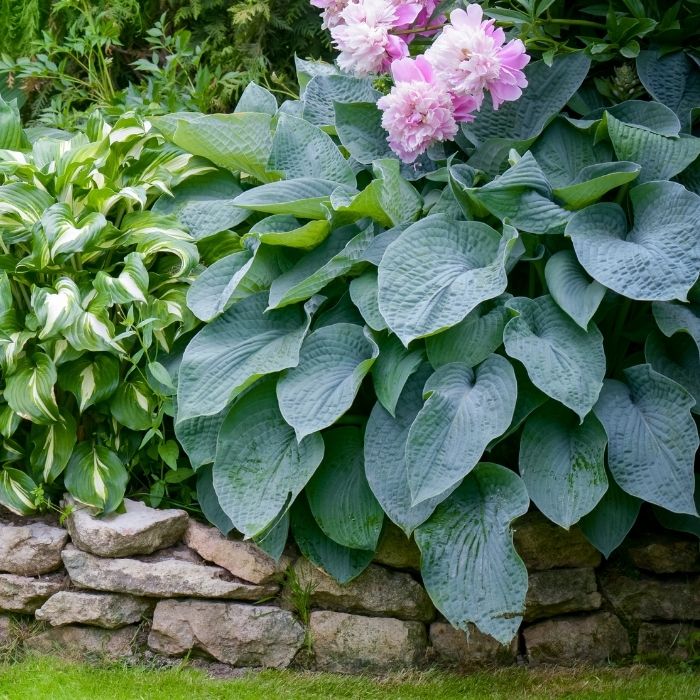
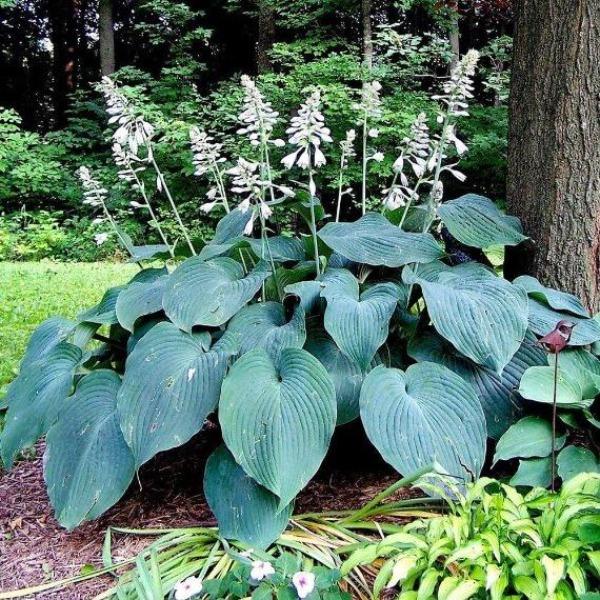
The divided green foliage has a soft, fern-like look that adds beauty before and during bloom. After flowering, Old-Fashioned Bleeding Heart often begins to yellow, decline, and go dormant by midsummer, especially when the weather becomes hot or the soil dries out. That summer rest period is normal, so it is best to plant Bleeding Heart near later-emerging or longer-lasting shade plants, such as hostas, ferns, heuchera, astilbe, brunnera, carex, and hellebores, which can fill the space as the foliage fades.
Deer-resistant color for shaded landscapes.
Old-Fashioned Bleeding Heart is commonly considered deer-resistant and rabbit-resistant, making it a practical choice for shaded gardens where browsing pressure can be frustrating. No plant is completely deer-proof, but Bleeding Heart is usually not at the top of the menu when other preferred plants are available. Its combination of shade tolerance, spring flowers, and better browsing resistance makes it useful in woodland borders, shaded foundation beds, and protected garden edges.
A timeless perennial for layered garden designs.
Use Old-Fashioned Bleeding Heart as a spring focal point in layered shade plantings, where its flowers can rise and arch above lower foliage plants. It is especially effective when planted in small groups or repeated through a border, where the heart-shaped blooms create rhythm and a stronger seasonal display. Once the plant finishes blooming, companion perennials carry the garden forward, giving homeowners a beautiful spring show without leaving the bed empty later in the year.
Iconic pink flowers with old-fashioned charm.
Old-Fashioned Bleeding Heart Plant produces graceful arching stems lined with dangling, heart-shaped pink flowers that open in spring and early summer. Each bloom has the classic pendant heart shape gardeners recognize instantly, with rose-pink outer petals and delicate white inner petals that give the flowers their romantic look. This is one of the best perennials for adding memorable spring color to shaded borders, cottage gardens, woodland edges, and foundation plantings where homeowners want something more distinctive than foliage alone.
A beautiful choice for part shade and woodland gardens.
Old-Fashioned Bleeding Heart thrives in part shade to full shade, especially in rich, moist, well-drained soil that resembles a woodland setting. It is ideal for planting under open-canopy trees, along shaded walkways, near patios with morning sun, or in garden beds that receive bright filtered light. In the right location, the plant feels natural and graceful rather than formal, making it a perfect fit for woodland gardens, shade borders, and relaxed cottage-style landscapes.
Soft foliage texture before summer dormancy.
The divided green foliage has a soft, fern-like look that adds beauty before and during bloom. After flowering, Old-Fashioned Bleeding Heart often begins to yellow, decline, and go dormant by midsummer, especially when the weather becomes hot or the soil dries out. That summer rest period is normal, so it is best to plant Bleeding Heart near later-emerging or longer-lasting shade plants, such as hostas, ferns, heuchera, astilbe, brunnera, carex, and hellebores, which can fill the space as the foliage fades.
Deer-resistant color for shaded landscapes.
Old-Fashioned Bleeding Heart is commonly considered deer-resistant and rabbit-resistant, making it a practical choice for shaded gardens where browsing pressure can be frustrating. No plant is completely deer-proof, but Bleeding Heart is usually not at the top of the menu when other preferred plants are available. Its combination of shade tolerance, spring flowers, and better browsing resistance makes it useful in woodland borders, shaded foundation beds, and protected garden edges.
A timeless perennial for layered garden designs.
Use Old-Fashioned Bleeding Heart as a spring focal point in layered shade plantings, where its flowers can rise and arch above lower foliage plants. It is especially effective when planted in small groups or repeated through a border, where the heart-shaped blooms create rhythm and a stronger seasonal display. Once the plant finishes blooming, companion perennials carry the garden forward, giving homeowners a beautiful spring show without leaving the bed empty later in the year.
Description
Iconic pink flowers with old-fashioned charm.
Old-Fashioned Bleeding Heart Plant produces graceful arching stems lined with dangling, heart-shaped pink flowers that open in spring and early summer. Each bloom has the classic pendant heart shape gardeners recognize instantly, with rose-pink outer petals and delicate white inner petals that give the flowers their romantic look. This is one of the best perennials for adding memorable spring color to shaded borders, cottage gardens, woodland edges, and foundation plantings where homeowners want something more distinctive than foliage alone.
A beautiful choice for part shade and woodland gardens.
Old-Fashioned Bleeding Heart thrives in part shade to full shade, especially in rich, moist, well-drained soil that resembles a woodland setting. It is ideal for planting under open-canopy trees, along shaded walkways, near patios with morning sun, or in garden beds that receive bright filtered light. In the right location, the plant feels natural and graceful rather than formal, making it a perfect fit for woodland gardens, shade borders, and relaxed cottage-style landscapes.
Soft foliage texture before summer dormancy.
The divided green foliage has a soft, fern-like look that adds beauty before and during bloom. After flowering, Old-Fashioned Bleeding Heart often begins to yellow, decline, and go dormant by midsummer, especially when the weather becomes hot or the soil dries out. That summer rest period is normal, so it is best to plant Bleeding Heart near later-emerging or longer-lasting shade plants, such as hostas, ferns, heuchera, astilbe, brunnera, carex, and hellebores, which can fill the space as the foliage fades.
Deer-resistant color for shaded landscapes.
Old-Fashioned Bleeding Heart is commonly considered deer-resistant and rabbit-resistant, making it a practical choice for shaded gardens where browsing pressure can be frustrating. No plant is completely deer-proof, but Bleeding Heart is usually not at the top of the menu when other preferred plants are available. Its combination of shade tolerance, spring flowers, and better browsing resistance makes it useful in woodland borders, shaded foundation beds, and protected garden edges.
A timeless perennial for layered garden designs.
Use Old-Fashioned Bleeding Heart as a spring focal point in layered shade plantings, where its flowers can rise and arch above lower foliage plants. It is especially effective when planted in small groups or repeated through a border, where the heart-shaped blooms create rhythm and a stronger seasonal display. Once the plant finishes blooming, companion perennials carry the garden forward, giving homeowners a beautiful spring show without leaving the bed empty later in the year.