Professor Sargent Camellia
Dark Red Double Blooms That Light Up Late Winter
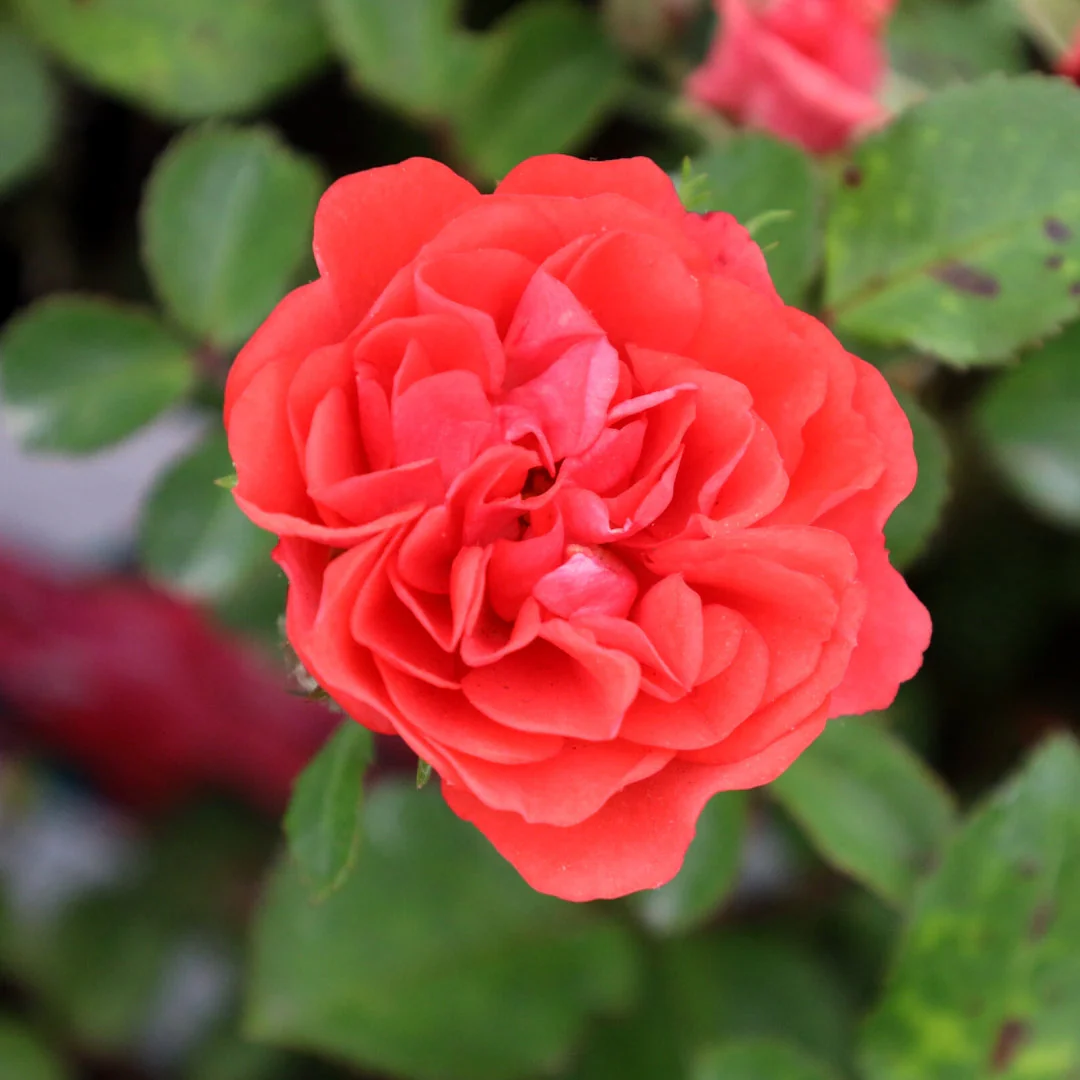
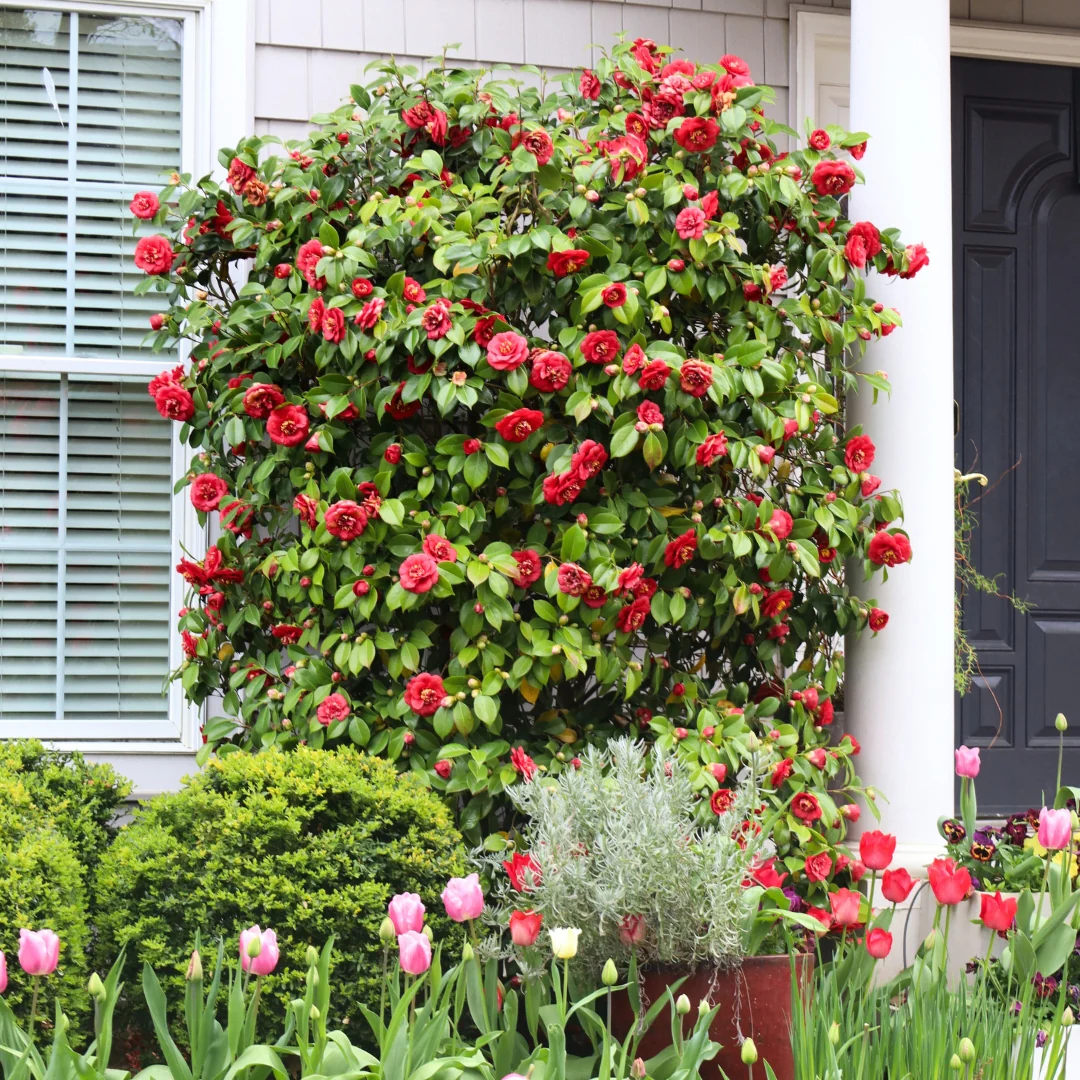
Professor Sargent Camellia is a showstopper precisely when landscapes need it most. While many shrubs are still dormant, this Camellia japonica steps forward with rich, dark red, fully double flowers that read like classic, rose-style blooms. The color is deep and dramatic, and the flower form feels formal and timeless, making it a natural focal point near entries, walkways, and foundation plantings where you can enjoy the bloom season up close.
Bloom timing can stretch from late winter into early spring, and in milder areas, it may begin as early as late January. In cooler pockets, it can carry bloom later into spring, giving you a longer window of color. Plant it where it gets protection from harsh afternoon sun and drying winds, and you’ll get cleaner foliage, better bud performance, and flowers that hold their beauty longer.
Glossy Evergreen Structure For A Landscape That Always Looks Finished
Even when it’s not blooming, Professor Sargent earns its place as a broadleaf evergreen with dense branching and deep green, glossy leaves. That year-round structure is what makes camellias such powerful landscape plants: they keep beds looking full through winter, anchor mixed borders, and provide an elegant “green backdrop” for perennials and seasonal color.
Because it’s naturally densely branched, it can look substantial without constant pruning. Use it as a statement shrub in a mixed border, repeat it for a refined foundation line, or let it provide evergreen mass where you want four-season polish. In winter, the glossy foliage is already attractive; then the dark red blooms arrive, and the entire planting reads intentional and upscale.
Dependable Performance In Part Shade With Well-Drained Soil
Professor Sargent Camellia is adaptable, but it performs best when you treat it like a premium evergreen: give it well-drained soil, consistent moisture while it establishes, and light that protects it from stress. Bright partial shade is ideal, especially morning sun with afternoon protection. That balance supports better leaf quality and helps the blooms look fresher through the flowering window.
Soil drainage is the make-or-break detail. Aim for any well-drained soil and improve it with organic matter so moisture stays steady but never soggy. Mulch 2–3 inches over the root zone to buffer temperature swings and reduce drying, keeping mulch a few inches off the trunk. Water well until established, then shift to deep watering during extended dry spells to keep the root system strong and resilient.
A Gorgeous Hedge, Foundation Plant, Or Container Statement
If you want a flowering evergreen hedge that feels more elevated than the usual screens, Professor Sargent is a standout. Its mature width supports a dense look, and its glossy foliage keeps the hedge attractive even when it isn’t blooming. It’s also generally considered deer-resistant (not deer-proof), which is helpful in many landscapes where browsing pressure is a constant concern.
It’s equally impressive in large containers, especially on patios, decks, and near the front door where the late-winter blooms feel like a seasonal celebration. Choose a roomy pot with excellent drainage, keep moisture consistent (containers dry faster than in-ground beds), and use an acidic-friendly mix to support long-term health. Whether planted as a hedge, a foundation anchor, or a statement in a container, this camellia delivers structure first, then a bold bloom season as the payoff.
Dark Red Double Blooms That Light Up Late Winter
Professor Sargent Camellia is a showstopper precisely when landscapes need it most. While many shrubs are still dormant, this Camellia japonica steps forward with rich, dark red, fully double flowers that read like classic, rose-style blooms. The color is deep and dramatic, and the flower form feels formal and timeless, making it a natural focal point near entries, walkways, and foundation plantings where you can enjoy the bloom season up close.
Bloom timing can stretch from late winter into early spring, and in milder areas, it may begin as early as late January. In cooler pockets, it can carry bloom later into spring, giving you a longer window of color. Plant it where it gets protection from harsh afternoon sun and drying winds, and you’ll get cleaner foliage, better bud performance, and flowers that hold their beauty longer.
Glossy Evergreen Structure For A Landscape That Always Looks Finished
Even when it’s not blooming, Professor Sargent earns its place as a broadleaf evergreen with dense branching and deep green, glossy leaves. That year-round structure is what makes camellias such powerful landscape plants: they keep beds looking full through winter, anchor mixed borders, and provide an elegant “green backdrop” for perennials and seasonal color.
Because it’s naturally densely branched, it can look substantial without constant pruning. Use it as a statement shrub in a mixed border, repeat it for a refined foundation line, or let it provide evergreen mass where you want four-season polish. In winter, the glossy foliage is already attractive; then the dark red blooms arrive, and the entire planting reads intentional and upscale.
Dependable Performance In Part Shade With Well-Drained Soil
Professor Sargent Camellia is adaptable, but it performs best when you treat it like a premium evergreen: give it well-drained soil, consistent moisture while it establishes, and light that protects it from stress. Bright partial shade is ideal, especially morning sun with afternoon protection. That balance supports better leaf quality and helps the blooms look fresher through the flowering window.
Soil drainage is the make-or-break detail. Aim for any well-drained soil and improve it with organic matter so moisture stays steady but never soggy. Mulch 2–3 inches over the root zone to buffer temperature swings and reduce drying, keeping mulch a few inches off the trunk. Water well until established, then shift to deep watering during extended dry spells to keep the root system strong and resilient.
A Gorgeous Hedge, Foundation Plant, Or Container Statement
If you want a flowering evergreen hedge that feels more elevated than the usual screens, Professor Sargent is a standout. Its mature width supports a dense look, and its glossy foliage keeps the hedge attractive even when it isn’t blooming. It’s also generally considered deer-resistant (not deer-proof), which is helpful in many landscapes where browsing pressure is a constant concern.
It’s equally impressive in large containers, especially on patios, decks, and near the front door where the late-winter blooms feel like a seasonal celebration. Choose a roomy pot with excellent drainage, keep moisture consistent (containers dry faster than in-ground beds), and use an acidic-friendly mix to support long-term health. Whether planted as a hedge, a foundation anchor, or a statement in a container, this camellia delivers structure first, then a bold bloom season as the payoff.
Original: $109.95
-70%$109.95
$32.98Description
Dark Red Double Blooms That Light Up Late Winter
Professor Sargent Camellia is a showstopper precisely when landscapes need it most. While many shrubs are still dormant, this Camellia japonica steps forward with rich, dark red, fully double flowers that read like classic, rose-style blooms. The color is deep and dramatic, and the flower form feels formal and timeless, making it a natural focal point near entries, walkways, and foundation plantings where you can enjoy the bloom season up close.
Bloom timing can stretch from late winter into early spring, and in milder areas, it may begin as early as late January. In cooler pockets, it can carry bloom later into spring, giving you a longer window of color. Plant it where it gets protection from harsh afternoon sun and drying winds, and you’ll get cleaner foliage, better bud performance, and flowers that hold their beauty longer.
Glossy Evergreen Structure For A Landscape That Always Looks Finished
Even when it’s not blooming, Professor Sargent earns its place as a broadleaf evergreen with dense branching and deep green, glossy leaves. That year-round structure is what makes camellias such powerful landscape plants: they keep beds looking full through winter, anchor mixed borders, and provide an elegant “green backdrop” for perennials and seasonal color.
Because it’s naturally densely branched, it can look substantial without constant pruning. Use it as a statement shrub in a mixed border, repeat it for a refined foundation line, or let it provide evergreen mass where you want four-season polish. In winter, the glossy foliage is already attractive; then the dark red blooms arrive, and the entire planting reads intentional and upscale.
Dependable Performance In Part Shade With Well-Drained Soil
Professor Sargent Camellia is adaptable, but it performs best when you treat it like a premium evergreen: give it well-drained soil, consistent moisture while it establishes, and light that protects it from stress. Bright partial shade is ideal, especially morning sun with afternoon protection. That balance supports better leaf quality and helps the blooms look fresher through the flowering window.
Soil drainage is the make-or-break detail. Aim for any well-drained soil and improve it with organic matter so moisture stays steady but never soggy. Mulch 2–3 inches over the root zone to buffer temperature swings and reduce drying, keeping mulch a few inches off the trunk. Water well until established, then shift to deep watering during extended dry spells to keep the root system strong and resilient.
A Gorgeous Hedge, Foundation Plant, Or Container Statement
If you want a flowering evergreen hedge that feels more elevated than the usual screens, Professor Sargent is a standout. Its mature width supports a dense look, and its glossy foliage keeps the hedge attractive even when it isn’t blooming. It’s also generally considered deer-resistant (not deer-proof), which is helpful in many landscapes where browsing pressure is a constant concern.
It’s equally impressive in large containers, especially on patios, decks, and near the front door where the late-winter blooms feel like a seasonal celebration. Choose a roomy pot with excellent drainage, keep moisture consistent (containers dry faster than in-ground beds), and use an acidic-friendly mix to support long-term health. Whether planted as a hedge, a foundation anchor, or a statement in a container, this camellia delivers structure first, then a bold bloom season as the payoff.