
Winter's Joy Camellia
Rosy Pink Blooms That Brighten The Garden From Fall Into Early Winter
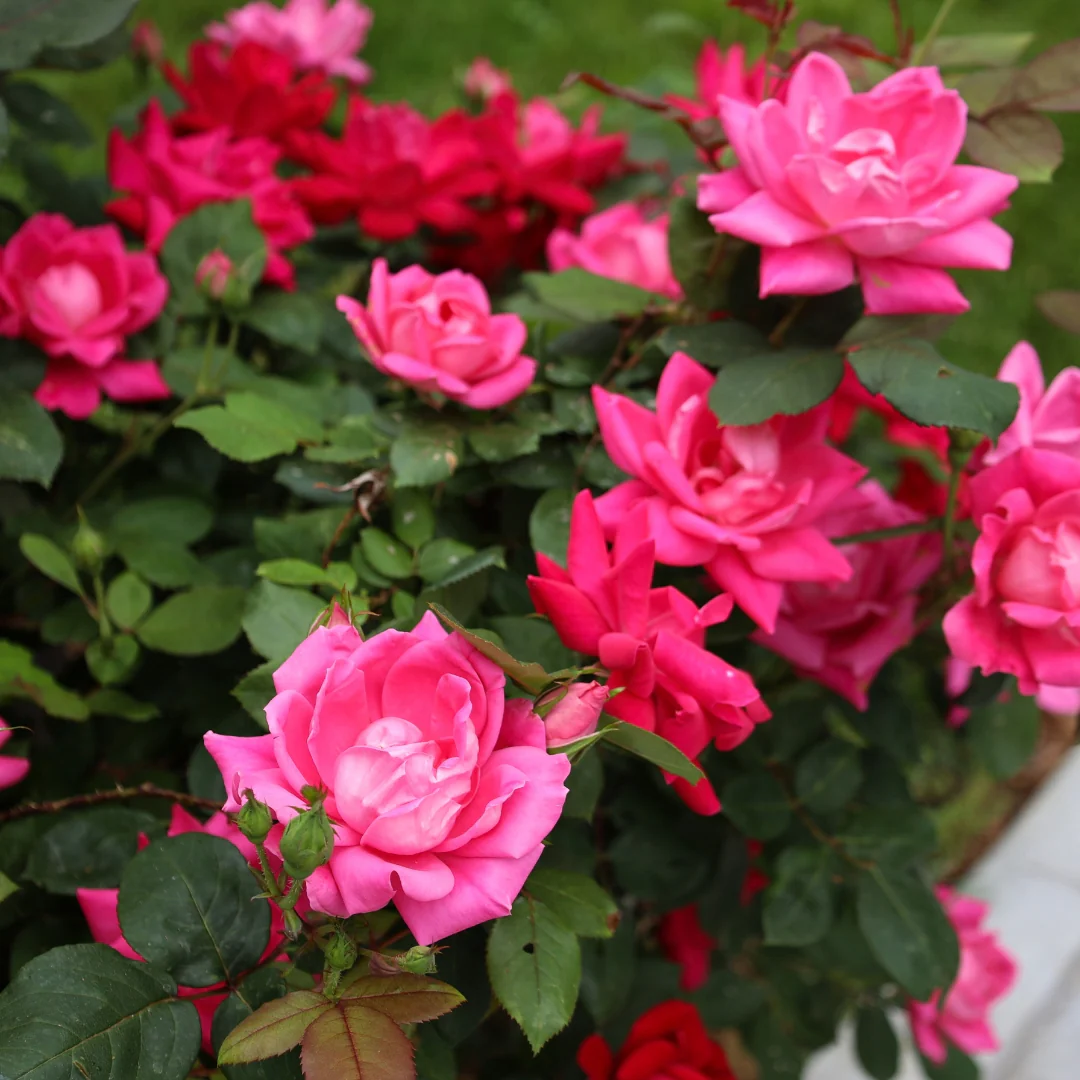
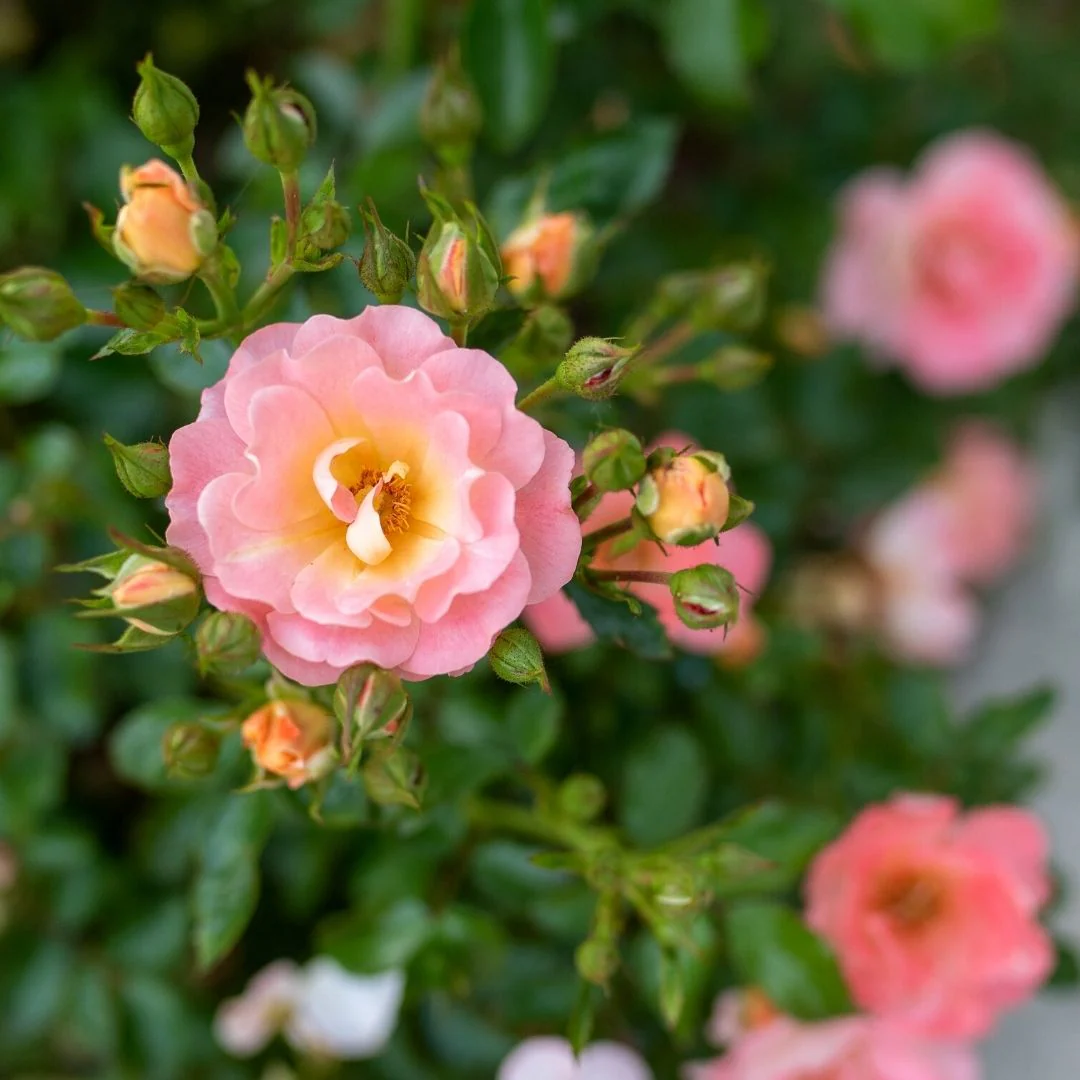
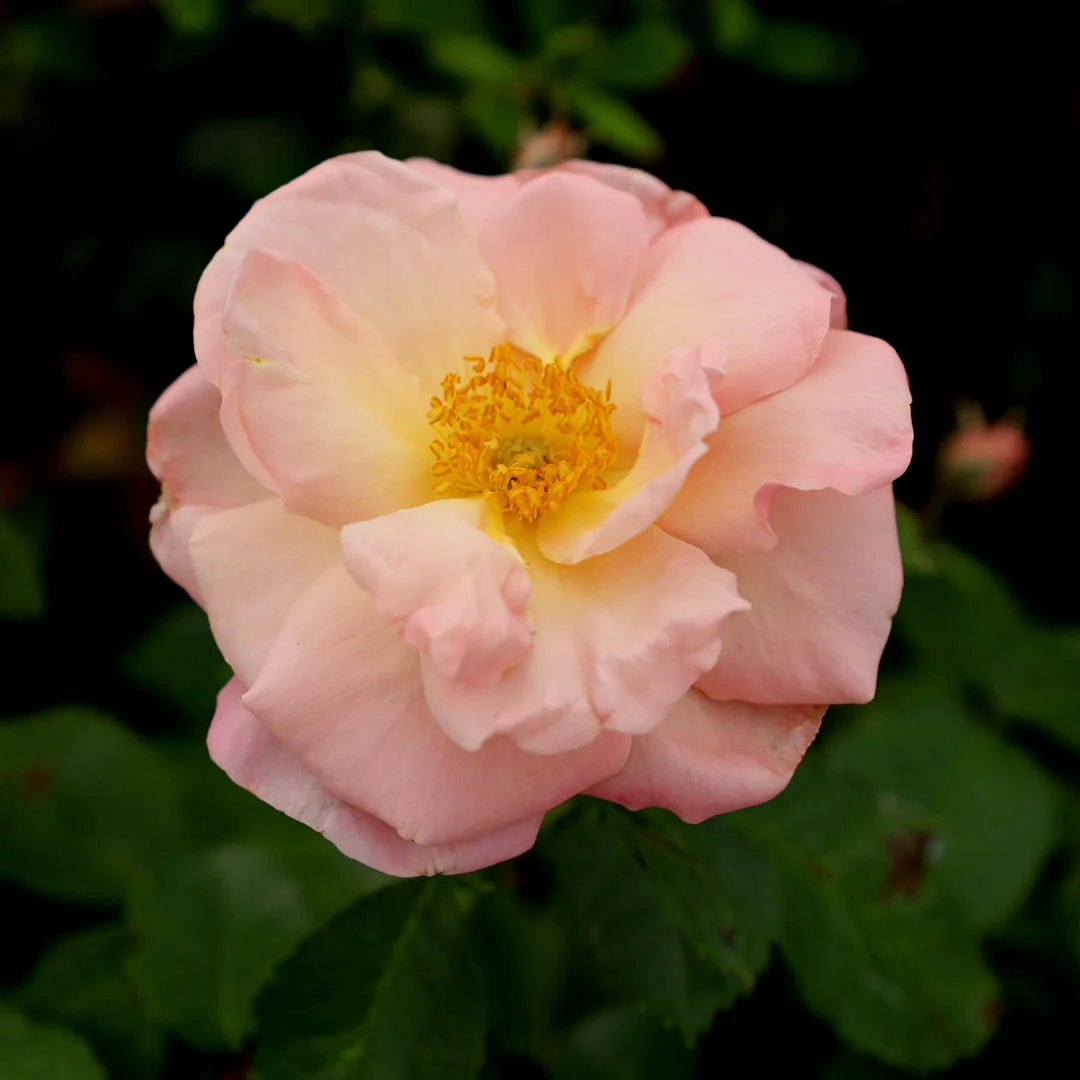
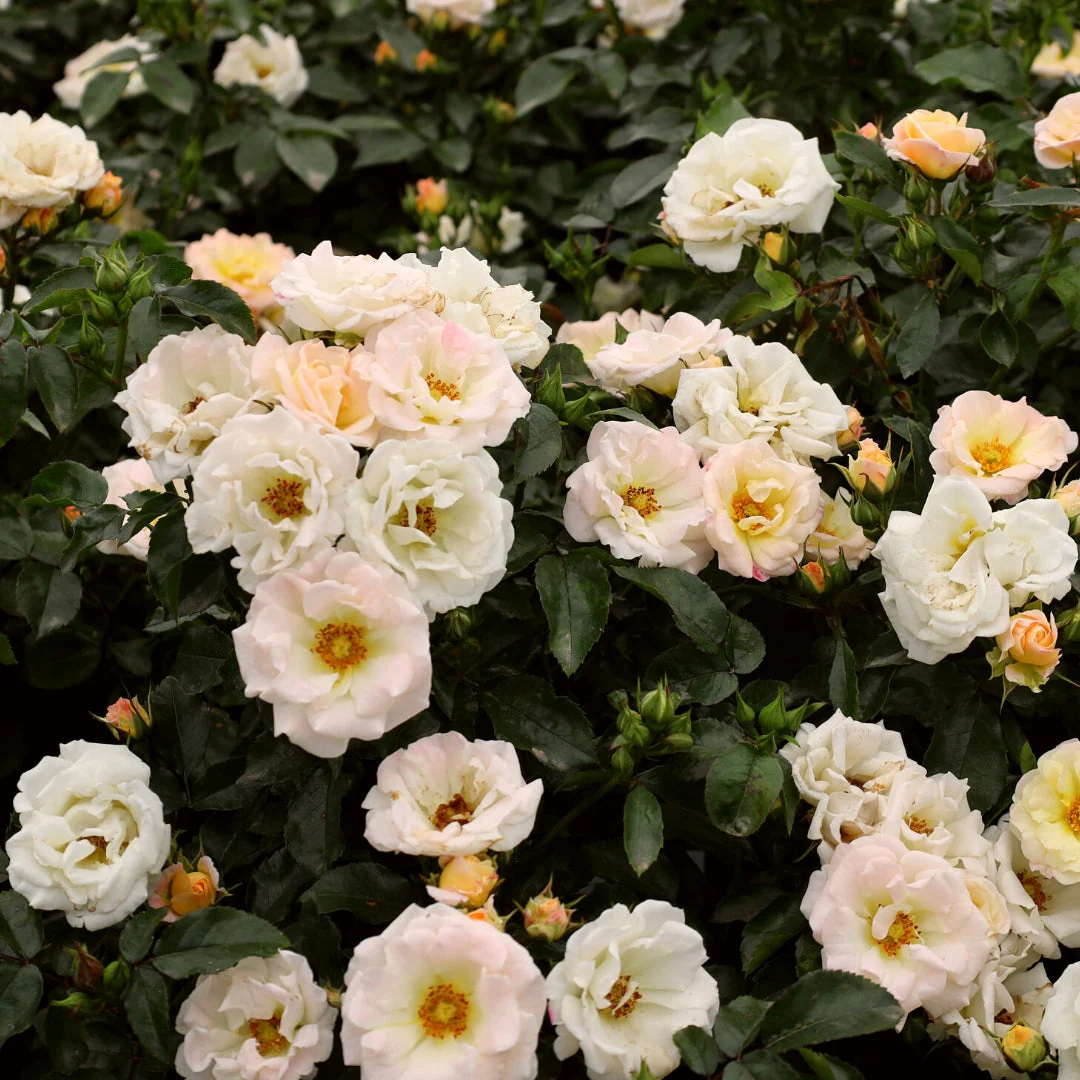
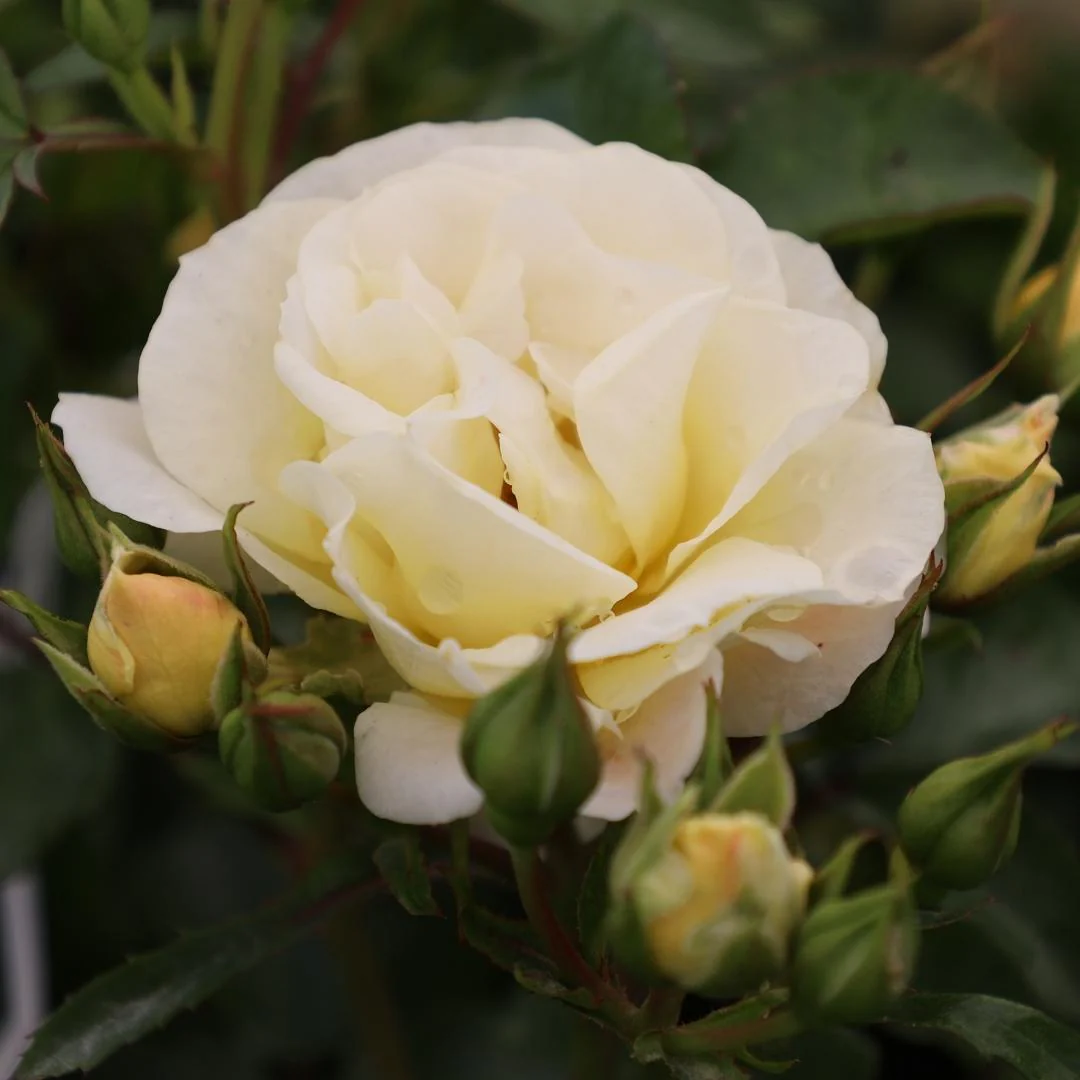
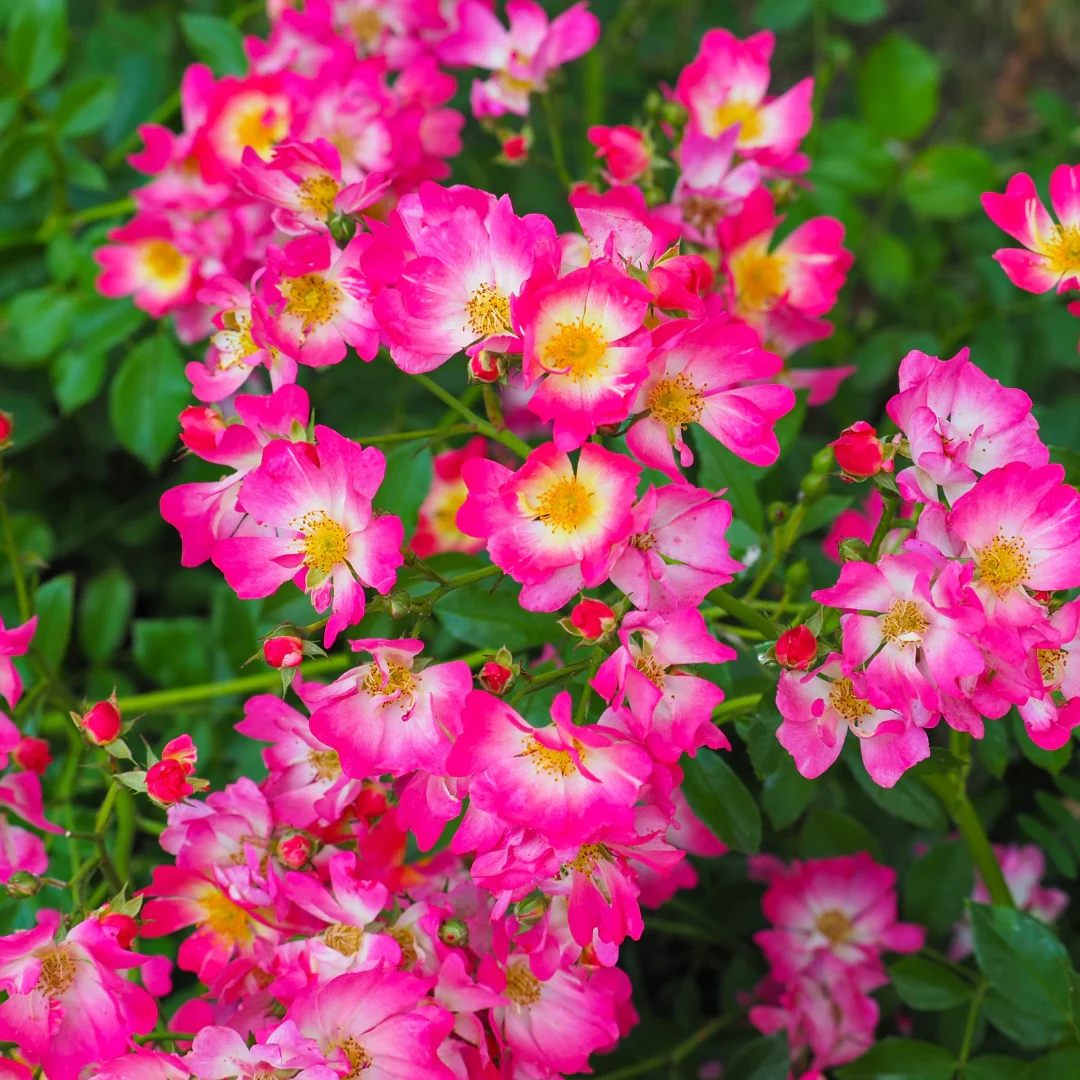
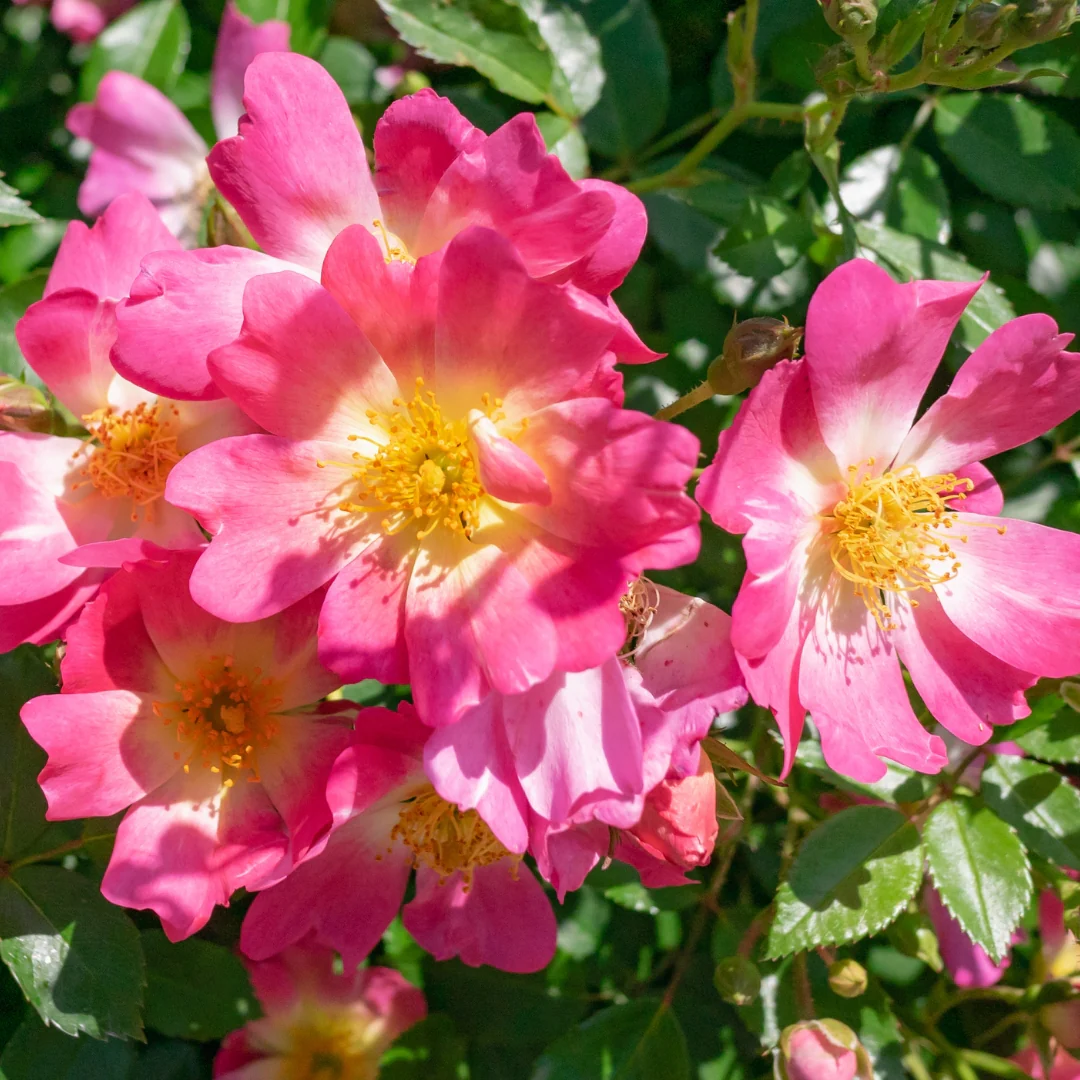
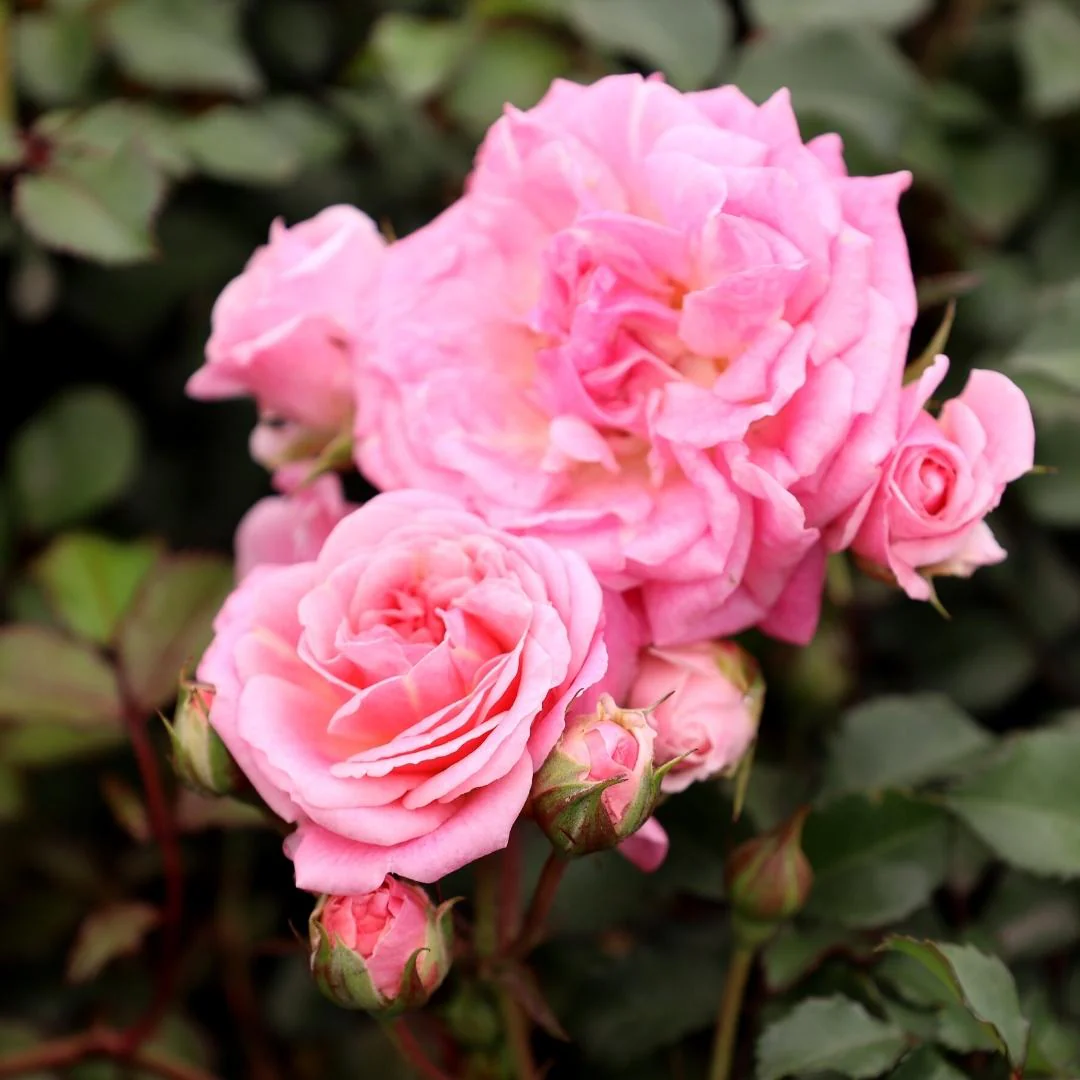
Winter’s Joy Camellia is the shrub that makes the shoulder season feel celebratory. While most flowering shrubs are finished, Winter’s Joy opens semi-double, rosy pink blooms with a warm golden center—bringing fresh color from fall into early winter. The flowers have a soft, romantic look that feels classic in Southern landscapes, yet the plant’s cold-hardy reputation helps gardeners farther north finally enjoy camellia blooms without the usual worry.
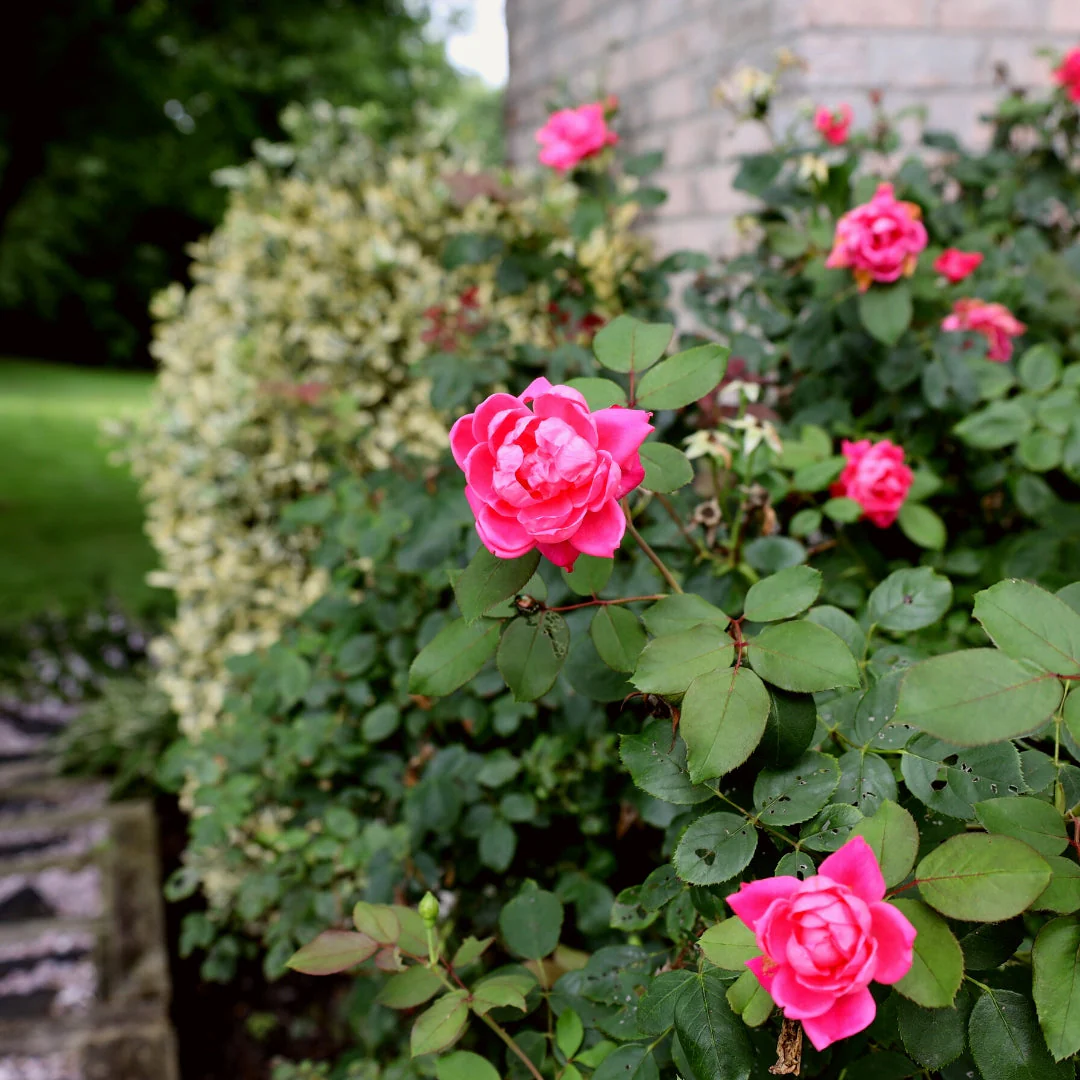
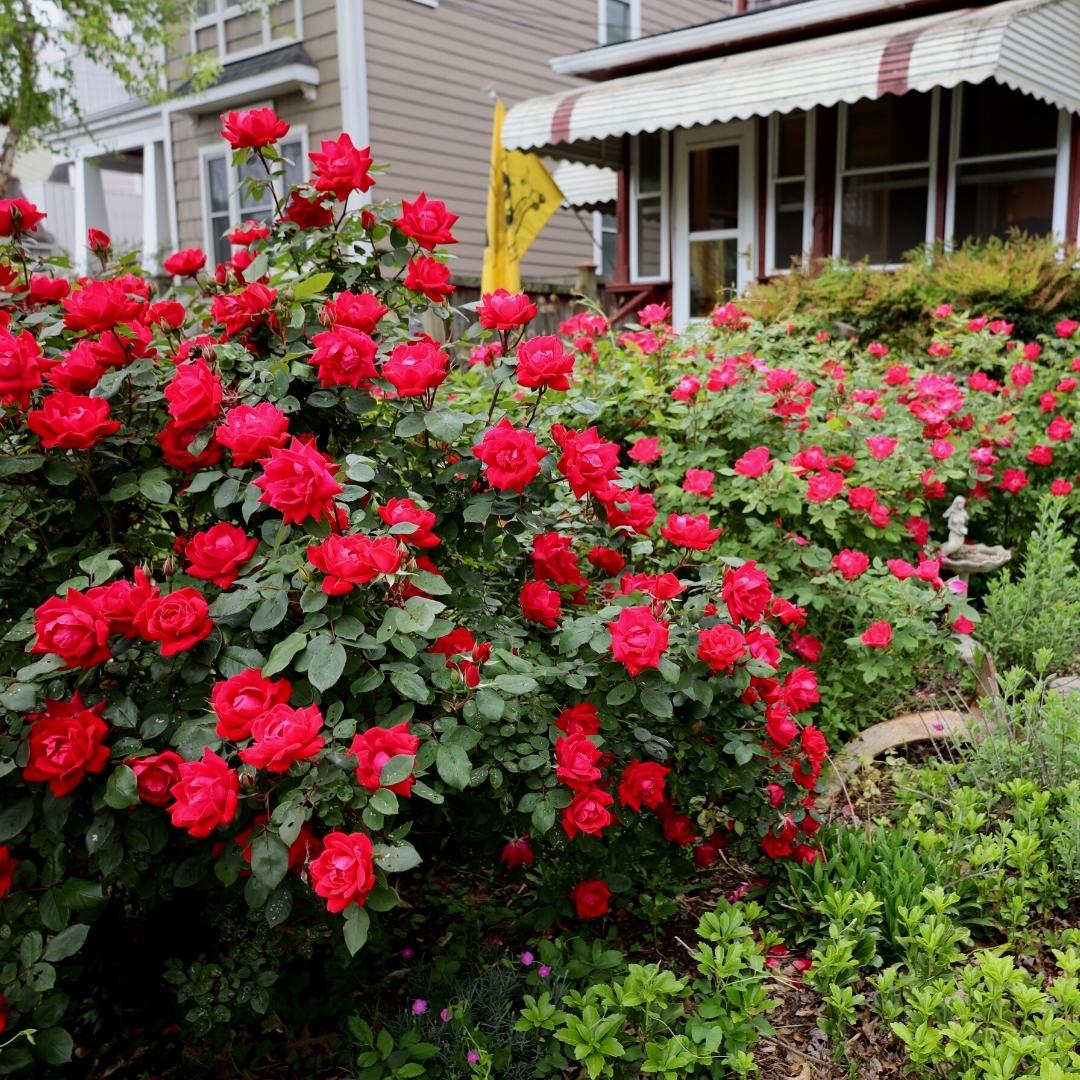
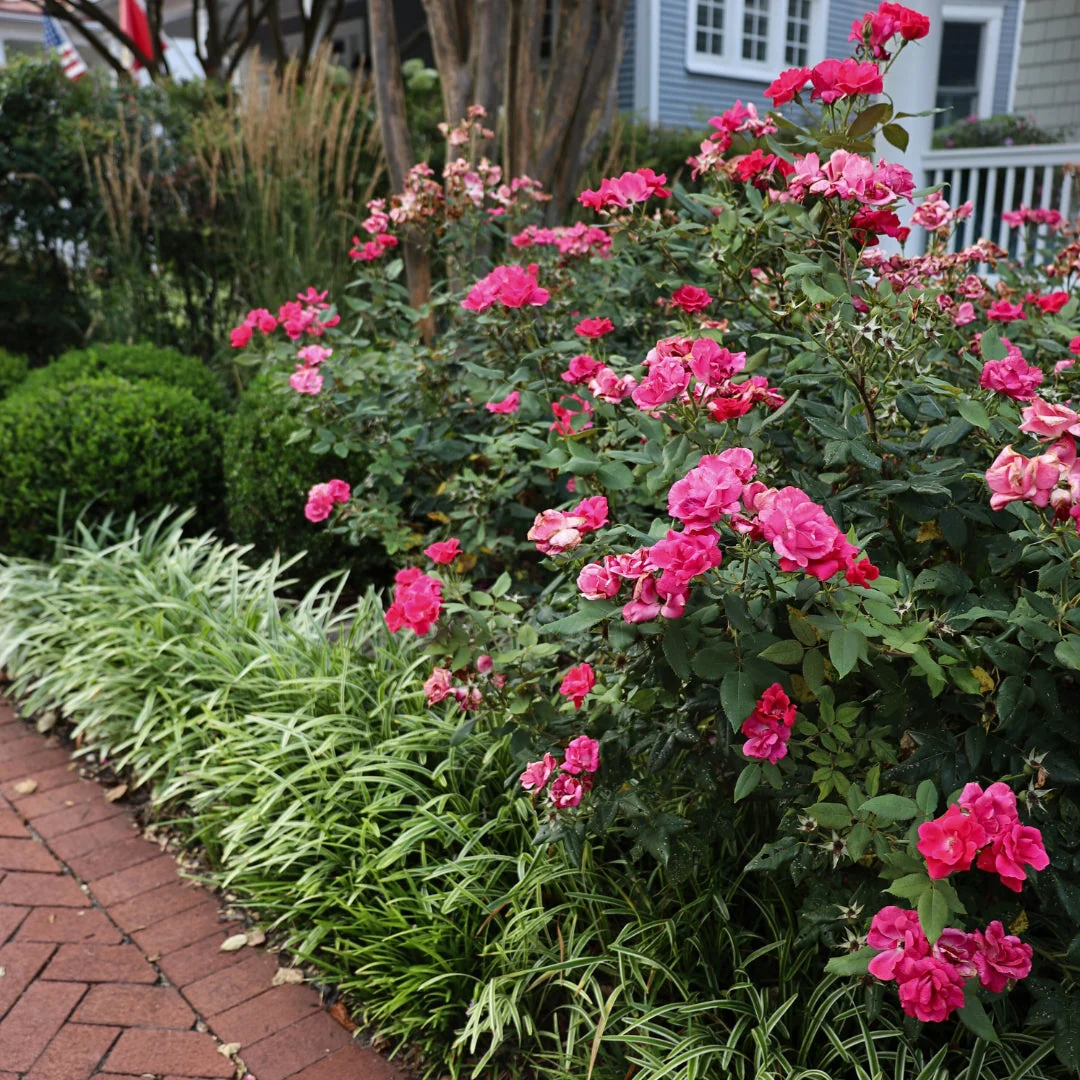
Plant it where you’ll actually see it when it blooms: near the front walk, by the porch, or outside a favorite window. That timing is the magic—cool-season color when you’re craving it most. In a mixed border, Winter’s Joy bridges the gap between late-season perennials and winter evergreens, giving your landscape a polished, “still in bloom” moment when neighbors’ beds have already gone quiet.
Glossy Evergreen Foliage That Keeps Beds Looking Finished Year-Round
Even when it’s not flowering, Winter’s Joy earns its space with lush, glossy evergreen foliage. The deep green leaves create a clean, upscale backdrop for seasonal color and add structure to foundation beds, mixed borders, and woodland edges year-round. This is the kind of evergreen presence that makes a landscape look intentional in every season—especially winter, when bare beds can feel empty.
Because camellias hold their foliage so well, Winter’s Joy is also a smart “anchor plant.” Use it to define corners of beds, frame an entry, or add evergreen mass where you want visual stability. Pair it with hollies, boxwoods, azaleas, and shade perennials for a layered look that stays attractive long after bloom season ends.
A Reliable Hedge Or Specimen Shrub With A Naturally Refined Habit
Winter’s Joy grows into a dense evergreen shrub that can be used as a specimen focal point or planted in a line for a flowering hedge. Its naturally refined branching habit gives you a full look without constant shaping. That makes it ideal for homeowners who want an elevated landscape feel without the high-maintenance pruning.
As a hedge, it provides year-round green coverage and then rewards you with seasonal blooms right when you want them most. As a specimen, it becomes a “signature shrub” that reads beautifully from the street and looks just as good up close. It’s also generally considered deer resistant (not deer-proof), thanks to thick, leathery foliage—another reason it performs well in real-world landscapes.
Sun, Soil, And Water Needs That Are Simple And Repeatable
Winter’s Joy is a camellia sasanqua type, which typically handles more sun than many japonica camellias. It performs well in full sun to part shade, with many gardeners preferring morning sun and afternoon protection in hotter climates for the prettiest foliage and least stress. That light balance also helps flowers hold up better and supports more consistent growth.
Drainage is the key care detail. Camellias want evenly moist soil that never turns soggy, so aim for well-drained soil and enrich it with organic matter at planting time. Mulch 2–3 inches to stabilize moisture and temperature, and water consistently during the first growing season to establish a strong root system. Once established, deep watering during extended dry spells is usually all it needs to stay healthy and bloom-ready.
Rosy Pink Blooms That Brighten The Garden From Fall Into Early Winter
Winter’s Joy Camellia is the shrub that makes the shoulder season feel celebratory. While most flowering shrubs are finished, Winter’s Joy opens semi-double, rosy pink blooms with a warm golden center—bringing fresh color from fall into early winter. The flowers have a soft, romantic look that feels classic in Southern landscapes, yet the plant’s cold-hardy reputation helps gardeners farther north finally enjoy camellia blooms without the usual worry.
Plant it where you’ll actually see it when it blooms: near the front walk, by the porch, or outside a favorite window. That timing is the magic—cool-season color when you’re craving it most. In a mixed border, Winter’s Joy bridges the gap between late-season perennials and winter evergreens, giving your landscape a polished, “still in bloom” moment when neighbors’ beds have already gone quiet.
Glossy Evergreen Foliage That Keeps Beds Looking Finished Year-Round
Even when it’s not flowering, Winter’s Joy earns its space with lush, glossy evergreen foliage. The deep green leaves create a clean, upscale backdrop for seasonal color and add structure to foundation beds, mixed borders, and woodland edges year-round. This is the kind of evergreen presence that makes a landscape look intentional in every season—especially winter, when bare beds can feel empty.
Because camellias hold their foliage so well, Winter’s Joy is also a smart “anchor plant.” Use it to define corners of beds, frame an entry, or add evergreen mass where you want visual stability. Pair it with hollies, boxwoods, azaleas, and shade perennials for a layered look that stays attractive long after bloom season ends.
A Reliable Hedge Or Specimen Shrub With A Naturally Refined Habit
Winter’s Joy grows into a dense evergreen shrub that can be used as a specimen focal point or planted in a line for a flowering hedge. Its naturally refined branching habit gives you a full look without constant shaping. That makes it ideal for homeowners who want an elevated landscape feel without the high-maintenance pruning.
As a hedge, it provides year-round green coverage and then rewards you with seasonal blooms right when you want them most. As a specimen, it becomes a “signature shrub” that reads beautifully from the street and looks just as good up close. It’s also generally considered deer resistant (not deer-proof), thanks to thick, leathery foliage—another reason it performs well in real-world landscapes.
Sun, Soil, And Water Needs That Are Simple And Repeatable
Winter’s Joy is a camellia sasanqua type, which typically handles more sun than many japonica camellias. It performs well in full sun to part shade, with many gardeners preferring morning sun and afternoon protection in hotter climates for the prettiest foliage and least stress. That light balance also helps flowers hold up better and supports more consistent growth.
Drainage is the key care detail. Camellias want evenly moist soil that never turns soggy, so aim for well-drained soil and enrich it with organic matter at planting time. Mulch 2–3 inches to stabilize moisture and temperature, and water consistently during the first growing season to establish a strong root system. Once established, deep watering during extended dry spells is usually all it needs to stay healthy and bloom-ready.
Original: $119.95
-70%$119.95
$35.98Description
Rosy Pink Blooms That Brighten The Garden From Fall Into Early Winter
Winter’s Joy Camellia is the shrub that makes the shoulder season feel celebratory. While most flowering shrubs are finished, Winter’s Joy opens semi-double, rosy pink blooms with a warm golden center—bringing fresh color from fall into early winter. The flowers have a soft, romantic look that feels classic in Southern landscapes, yet the plant’s cold-hardy reputation helps gardeners farther north finally enjoy camellia blooms without the usual worry.
Plant it where you’ll actually see it when it blooms: near the front walk, by the porch, or outside a favorite window. That timing is the magic—cool-season color when you’re craving it most. In a mixed border, Winter’s Joy bridges the gap between late-season perennials and winter evergreens, giving your landscape a polished, “still in bloom” moment when neighbors’ beds have already gone quiet.
Glossy Evergreen Foliage That Keeps Beds Looking Finished Year-Round
Even when it’s not flowering, Winter’s Joy earns its space with lush, glossy evergreen foliage. The deep green leaves create a clean, upscale backdrop for seasonal color and add structure to foundation beds, mixed borders, and woodland edges year-round. This is the kind of evergreen presence that makes a landscape look intentional in every season—especially winter, when bare beds can feel empty.
Because camellias hold their foliage so well, Winter’s Joy is also a smart “anchor plant.” Use it to define corners of beds, frame an entry, or add evergreen mass where you want visual stability. Pair it with hollies, boxwoods, azaleas, and shade perennials for a layered look that stays attractive long after bloom season ends.
A Reliable Hedge Or Specimen Shrub With A Naturally Refined Habit
Winter’s Joy grows into a dense evergreen shrub that can be used as a specimen focal point or planted in a line for a flowering hedge. Its naturally refined branching habit gives you a full look without constant shaping. That makes it ideal for homeowners who want an elevated landscape feel without the high-maintenance pruning.
As a hedge, it provides year-round green coverage and then rewards you with seasonal blooms right when you want them most. As a specimen, it becomes a “signature shrub” that reads beautifully from the street and looks just as good up close. It’s also generally considered deer resistant (not deer-proof), thanks to thick, leathery foliage—another reason it performs well in real-world landscapes.
Sun, Soil, And Water Needs That Are Simple And Repeatable
Winter’s Joy is a camellia sasanqua type, which typically handles more sun than many japonica camellias. It performs well in full sun to part shade, with many gardeners preferring morning sun and afternoon protection in hotter climates for the prettiest foliage and least stress. That light balance also helps flowers hold up better and supports more consistent growth.
Drainage is the key care detail. Camellias want evenly moist soil that never turns soggy, so aim for well-drained soil and enrich it with organic matter at planting time. Mulch 2–3 inches to stabilize moisture and temperature, and water consistently during the first growing season to establish a strong root system. Once established, deep watering during extended dry spells is usually all it needs to stay healthy and bloom-ready.