
Cardinal Red Hydrangea
Red Mophead Blooms That Glow In Part Shade
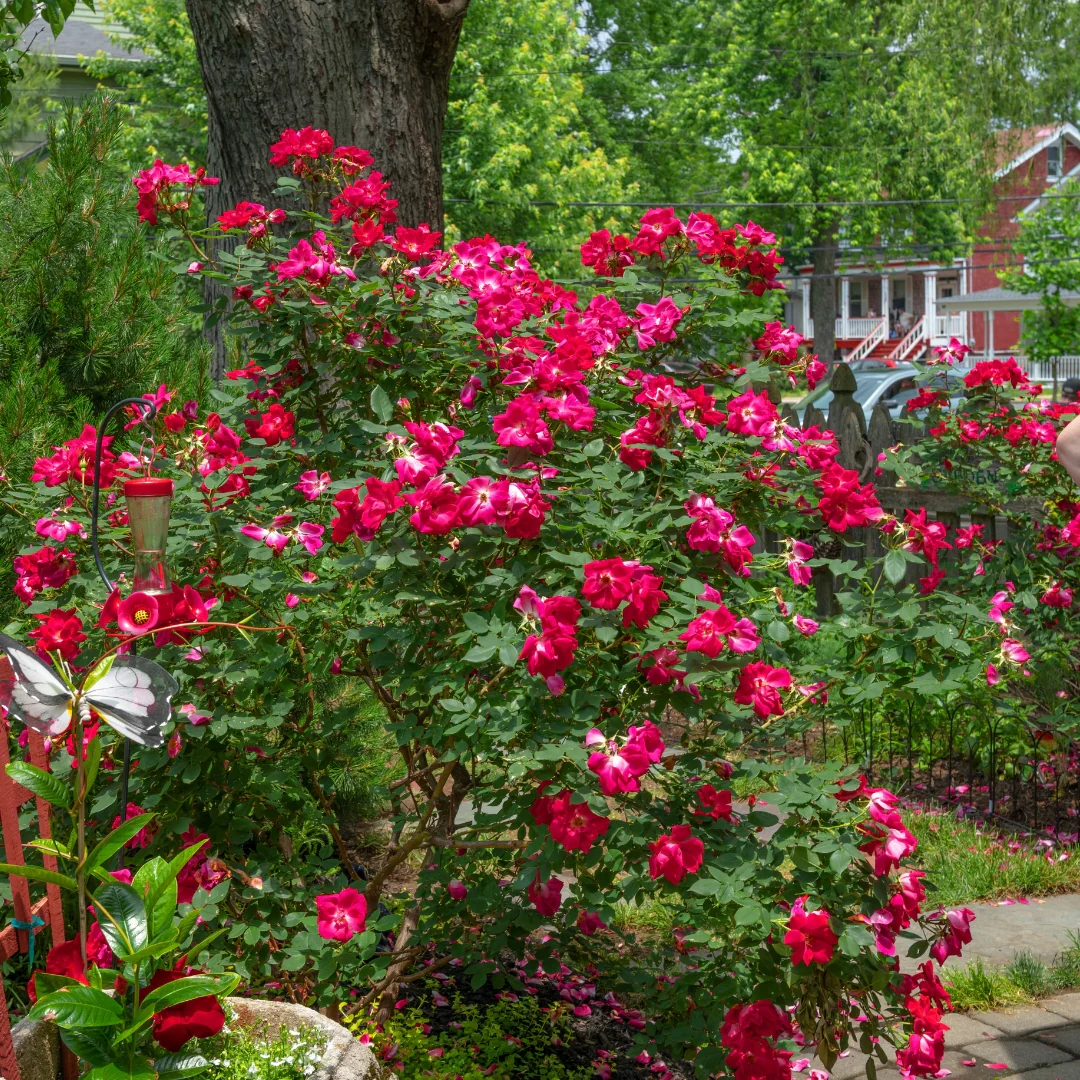
Cardinal Red Hydrangea is a classic mophead bigleaf hydrangea that brings bold, romantic color to shadier parts of the landscape. The blooms often open in softer pink tones and deepen into richer rose-red shades as the season progresses, giving you a flower show that evolves instead of fading fast. Each bloom cluster is full and rounded, creating that “hydrangea headline” look along foundation beds, woodland edges, and shaded patios where color can be harder to come by.
Color is also part of the fun with bigleaf hydrangeas. Soil pH can influence whether blooms read more red, pink, or mauve, so you can treat Cardinal Red like a living color accent that responds to your garden’s conditions. Place it where you’ll see it often, near an entry, along a walkway, or in a mixed border, and it delivers a lush, high-impact look that feels instantly established.
Compact Size That Fits Foundations And Container Gardens
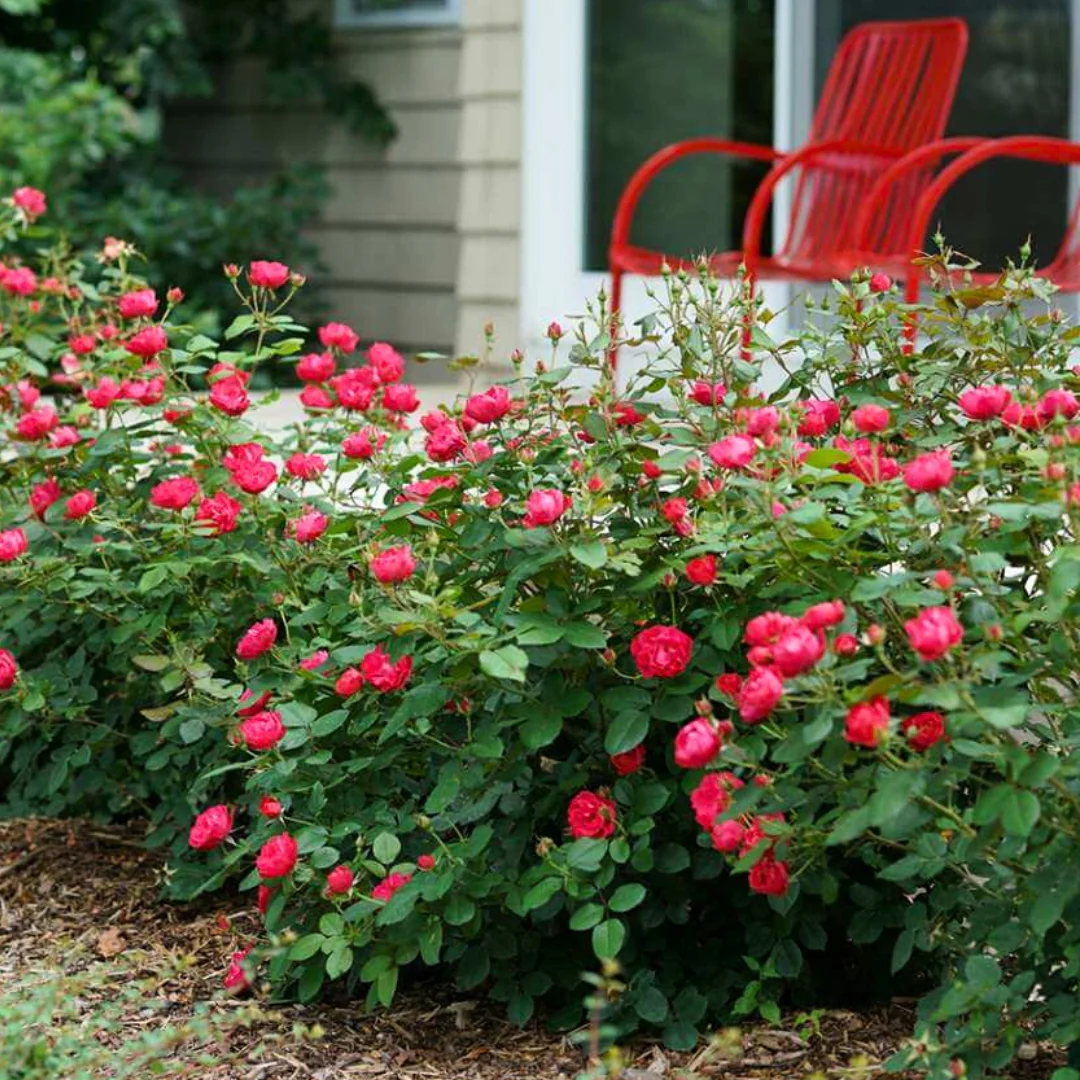
With a naturally mounded habit and a manageable mature size, Cardinal Red is an easy fit in real-world landscapes. It’s big enough to make an impact, but not so large that it swallows a bed or blocks windows. That makes it a strong choice for foundation planting, small shrub borders, and “repeat planting” designs where you want consistent height and reliable summer color.
It also performs beautifully in large containers. A pot on a shaded patio becomes a living bouquet, and the blooms are great for fresh cutting or drying. In containers, the keys are drainage and consistent moisture—pots dry faster than in-ground beds. Give Cardinal Red a roomy container, steady watering, and a little feeding in spring, and you’ll get lush foliage and flower clusters that bring the garden right up to your seating area.
Shade-Friendly Performance With Simple Water And Soil Basics
Cardinal Red Hydrangea thrives in part shade to full shade, especially where it gets gentle morning light or bright, filtered shade. That softer light helps foliage stay cleaner and reduces stress during summer heat, supporting better bloom quality and a fresher look throughout the season. If you have a spot that feels “too shady for flowers,” this is one of the best shrubs to prove otherwise.
Hydrangeas love consistent moisture, but they hate soggy roots. Aim for well-drained soil that holds some moisture, and use a mulch ring to keep roots cool and reduce watering swings. Water deeply at the base rather than sprinkling the leaves, and you’ll encourage stronger roots and healthier growth. When the fundamentals are right—shade, steady moisture, and drainage—Cardinal Red rewards you with a fuller plant and better bloom color.
Old-Wood Blooming Habit That Keeps Pruning Stress-Free
Cardinal Red blooms on old wood, which is good news if you want a low-fuss shrub. It means you don’t need routine hard pruning to get flowers—your main job is simply not to prune at the wrong time. Heavy pruning in fall, winter, or early spring can remove flower buds, which is why this variety is often best treated as a “minimal pruning” hydrangea.
If you do need to tidy it, keep it simple and strategic. Right after flowering, you can remove spent blooms, clip out any dead or damaged stems, and lightly shape if necessary. Over time, you can rejuvenate by removing a few of the oldest stems at the base to encourage fresh growth while preserving buds on the remaining stems. The result is a hydrangea that stays full, blooms reliably, and doesn’t demand constant maintenance.
Red Mophead Blooms That Glow In Part Shade
Cardinal Red Hydrangea is a classic mophead bigleaf hydrangea that brings bold, romantic color to shadier parts of the landscape. The blooms often open in softer pink tones and deepen into richer rose-red shades as the season progresses, giving you a flower show that evolves instead of fading fast. Each bloom cluster is full and rounded, creating that “hydrangea headline” look along foundation beds, woodland edges, and shaded patios where color can be harder to come by.
Color is also part of the fun with bigleaf hydrangeas. Soil pH can influence whether blooms read more red, pink, or mauve, so you can treat Cardinal Red like a living color accent that responds to your garden’s conditions. Place it where you’ll see it often, near an entry, along a walkway, or in a mixed border, and it delivers a lush, high-impact look that feels instantly established.
Compact Size That Fits Foundations And Container Gardens
With a naturally mounded habit and a manageable mature size, Cardinal Red is an easy fit in real-world landscapes. It’s big enough to make an impact, but not so large that it swallows a bed or blocks windows. That makes it a strong choice for foundation planting, small shrub borders, and “repeat planting” designs where you want consistent height and reliable summer color.
It also performs beautifully in large containers. A pot on a shaded patio becomes a living bouquet, and the blooms are great for fresh cutting or drying. In containers, the keys are drainage and consistent moisture—pots dry faster than in-ground beds. Give Cardinal Red a roomy container, steady watering, and a little feeding in spring, and you’ll get lush foliage and flower clusters that bring the garden right up to your seating area.
Shade-Friendly Performance With Simple Water And Soil Basics
Cardinal Red Hydrangea thrives in part shade to full shade, especially where it gets gentle morning light or bright, filtered shade. That softer light helps foliage stay cleaner and reduces stress during summer heat, supporting better bloom quality and a fresher look throughout the season. If you have a spot that feels “too shady for flowers,” this is one of the best shrubs to prove otherwise.
Hydrangeas love consistent moisture, but they hate soggy roots. Aim for well-drained soil that holds some moisture, and use a mulch ring to keep roots cool and reduce watering swings. Water deeply at the base rather than sprinkling the leaves, and you’ll encourage stronger roots and healthier growth. When the fundamentals are right—shade, steady moisture, and drainage—Cardinal Red rewards you with a fuller plant and better bloom color.
Old-Wood Blooming Habit That Keeps Pruning Stress-Free
Cardinal Red blooms on old wood, which is good news if you want a low-fuss shrub. It means you don’t need routine hard pruning to get flowers—your main job is simply not to prune at the wrong time. Heavy pruning in fall, winter, or early spring can remove flower buds, which is why this variety is often best treated as a “minimal pruning” hydrangea.
If you do need to tidy it, keep it simple and strategic. Right after flowering, you can remove spent blooms, clip out any dead or damaged stems, and lightly shape if necessary. Over time, you can rejuvenate by removing a few of the oldest stems at the base to encourage fresh growth while preserving buds on the remaining stems. The result is a hydrangea that stays full, blooms reliably, and doesn’t demand constant maintenance.
Original: $46.95
-70%$46.95
$14.09Description
Red Mophead Blooms That Glow In Part Shade
Cardinal Red Hydrangea is a classic mophead bigleaf hydrangea that brings bold, romantic color to shadier parts of the landscape. The blooms often open in softer pink tones and deepen into richer rose-red shades as the season progresses, giving you a flower show that evolves instead of fading fast. Each bloom cluster is full and rounded, creating that “hydrangea headline” look along foundation beds, woodland edges, and shaded patios where color can be harder to come by.
Color is also part of the fun with bigleaf hydrangeas. Soil pH can influence whether blooms read more red, pink, or mauve, so you can treat Cardinal Red like a living color accent that responds to your garden’s conditions. Place it where you’ll see it often, near an entry, along a walkway, or in a mixed border, and it delivers a lush, high-impact look that feels instantly established.
Compact Size That Fits Foundations And Container Gardens
With a naturally mounded habit and a manageable mature size, Cardinal Red is an easy fit in real-world landscapes. It’s big enough to make an impact, but not so large that it swallows a bed or blocks windows. That makes it a strong choice for foundation planting, small shrub borders, and “repeat planting” designs where you want consistent height and reliable summer color.
It also performs beautifully in large containers. A pot on a shaded patio becomes a living bouquet, and the blooms are great for fresh cutting or drying. In containers, the keys are drainage and consistent moisture—pots dry faster than in-ground beds. Give Cardinal Red a roomy container, steady watering, and a little feeding in spring, and you’ll get lush foliage and flower clusters that bring the garden right up to your seating area.
Shade-Friendly Performance With Simple Water And Soil Basics
Cardinal Red Hydrangea thrives in part shade to full shade, especially where it gets gentle morning light or bright, filtered shade. That softer light helps foliage stay cleaner and reduces stress during summer heat, supporting better bloom quality and a fresher look throughout the season. If you have a spot that feels “too shady for flowers,” this is one of the best shrubs to prove otherwise.
Hydrangeas love consistent moisture, but they hate soggy roots. Aim for well-drained soil that holds some moisture, and use a mulch ring to keep roots cool and reduce watering swings. Water deeply at the base rather than sprinkling the leaves, and you’ll encourage stronger roots and healthier growth. When the fundamentals are right—shade, steady moisture, and drainage—Cardinal Red rewards you with a fuller plant and better bloom color.
Old-Wood Blooming Habit That Keeps Pruning Stress-Free
Cardinal Red blooms on old wood, which is good news if you want a low-fuss shrub. It means you don’t need routine hard pruning to get flowers—your main job is simply not to prune at the wrong time. Heavy pruning in fall, winter, or early spring can remove flower buds, which is why this variety is often best treated as a “minimal pruning” hydrangea.
If you do need to tidy it, keep it simple and strategic. Right after flowering, you can remove spent blooms, clip out any dead or damaged stems, and lightly shape if necessary. Over time, you can rejuvenate by removing a few of the oldest stems at the base to encourage fresh growth while preserving buds on the remaining stems. The result is a hydrangea that stays full, blooms reliably, and doesn’t demand constant maintenance.