White Turtlehead
Late-Season White Blooms for Moist Garden Spaces
White Turtlehead is a native perennial grown for its upright habit, deep green foliage, and unique white to blush-tinged flowers that resemble a turtle’s head. Blooming from late summer into fall, Chelone glabra brings fresh color to moist shade gardens, rain gardens, streamside plantings, and native perennial beds as many earlier flowers begin to fade.
This is a practical and beautiful plant for gardeners working with damp soil or low garden areas that stay consistently moist. Rather than struggling in wet conditions, White Turtlehead thrives in rich soil with steady moisture, making it a strong choice for challenging garden spots that need structure, late bloom, and wildlife value.
White Turtlehead Flowers with Clean Green Foliage
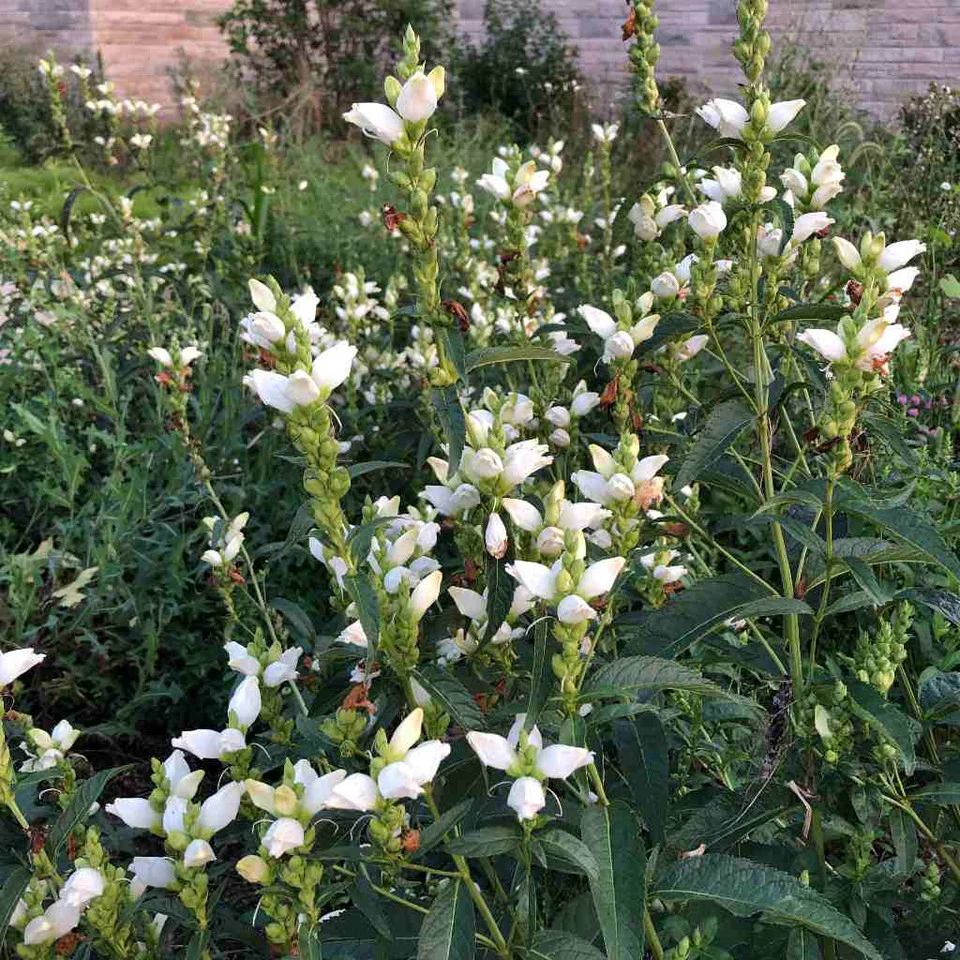
The flowers appear in dense terminal clusters on upright stems, opening from the bottom upward. Each bloom has a hooded, snapdragon-like shape that gives the plant its common name. The flower color is typically white, often with a soft pink blush or tinge that adds subtle warmth without losing the clean look of a white-flowering perennial.
The foliage is also attractive, with opposite, lance-shaped green leaves and serrated edges that create a neat, full texture through the growing season. Even before bloom, the plant adds structure to moist perennial beds, and once the flowers open, it becomes a quiet but valuable late-season focal point.
Ideal for Rain Gardens, Stream Edges, and Moist Shade Borders
White Turtlehead is especially useful in rain gardens, damp borders, woodland edges, bog-style plantings, stream margins, pond edges, and moist naturalized areas. It works well in full sun where the soil stays wet, but it is often easiest to grow in part shade where moisture remains more consistent, and foliage stays fresh.
Plant it in groups for the best visual effect and strongest ecological value. A small drift of White Turtlehead can brighten a shaded wet spot, soften the edge of a rain garden, or create a reliable late-season planting with asters, blue flag iris, cardinal flower, Joe Pye weed, ferns, sedges, bee balm, and other moisture-loving natives.
Deer Resistant, Pollinator Friendly, and a Valuable Host Plant
White Turtlehead is valuable to pollinators, especially bumblebees, which are strong enough to work the hooded flowers. It also supports butterflies and beneficial insects, helping extend late-season activity in native and wildlife-friendly gardens.
This plant is especially important because it is a host plant for the Baltimore Checkerspot butterfly. The foliage supports the caterpillar stage, making White Turtlehead more than just an ornamental perennial. It is also generally considered deer resistant, though deer browsing can vary by location and pressure. For gardeners who want a native plant with real ecological purpose, Chelone glabra is an excellent choice.
Easy Care with Moist Soil and Steady Water
Plant White Turtlehead in moist to wet, rich soil with full sun to part shade. In sunnier areas, consistent moisture is essential. In part shade, the plant is often easier to keep lush and upright, especially during hot summer weather. A compost-enriched soil and leaf mulch can help maintain the cool, moist conditions it prefers.
Water regularly after planting and do not let the soil dry out for long stretches. This is not a drought-tolerant perennial. Pinching stem tips in spring can encourage a bushier habit, and cutting back old stems in late winter or early spring keeps the plant clean for new growth. Divide clumps as needed in spring when plants become crowded.
Late-Season White Blooms for Moist Garden Spaces
White Turtlehead is a native perennial grown for its upright habit, deep green foliage, and unique white to blush-tinged flowers that resemble a turtle’s head. Blooming from late summer into fall, Chelone glabra brings fresh color to moist shade gardens, rain gardens, streamside plantings, and native perennial beds as many earlier flowers begin to fade.
This is a practical and beautiful plant for gardeners working with damp soil or low garden areas that stay consistently moist. Rather than struggling in wet conditions, White Turtlehead thrives in rich soil with steady moisture, making it a strong choice for challenging garden spots that need structure, late bloom, and wildlife value.
White Turtlehead Flowers with Clean Green Foliage
The flowers appear in dense terminal clusters on upright stems, opening from the bottom upward. Each bloom has a hooded, snapdragon-like shape that gives the plant its common name. The flower color is typically white, often with a soft pink blush or tinge that adds subtle warmth without losing the clean look of a white-flowering perennial.
The foliage is also attractive, with opposite, lance-shaped green leaves and serrated edges that create a neat, full texture through the growing season. Even before bloom, the plant adds structure to moist perennial beds, and once the flowers open, it becomes a quiet but valuable late-season focal point.
Ideal for Rain Gardens, Stream Edges, and Moist Shade Borders
White Turtlehead is especially useful in rain gardens, damp borders, woodland edges, bog-style plantings, stream margins, pond edges, and moist naturalized areas. It works well in full sun where the soil stays wet, but it is often easiest to grow in part shade where moisture remains more consistent, and foliage stays fresh.
Plant it in groups for the best visual effect and strongest ecological value. A small drift of White Turtlehead can brighten a shaded wet spot, soften the edge of a rain garden, or create a reliable late-season planting with asters, blue flag iris, cardinal flower, Joe Pye weed, ferns, sedges, bee balm, and other moisture-loving natives.
Deer Resistant, Pollinator Friendly, and a Valuable Host Plant
White Turtlehead is valuable to pollinators, especially bumblebees, which are strong enough to work the hooded flowers. It also supports butterflies and beneficial insects, helping extend late-season activity in native and wildlife-friendly gardens.
This plant is especially important because it is a host plant for the Baltimore Checkerspot butterfly. The foliage supports the caterpillar stage, making White Turtlehead more than just an ornamental perennial. It is also generally considered deer resistant, though deer browsing can vary by location and pressure. For gardeners who want a native plant with real ecological purpose, Chelone glabra is an excellent choice.
Easy Care with Moist Soil and Steady Water
Plant White Turtlehead in moist to wet, rich soil with full sun to part shade. In sunnier areas, consistent moisture is essential. In part shade, the plant is often easier to keep lush and upright, especially during hot summer weather. A compost-enriched soil and leaf mulch can help maintain the cool, moist conditions it prefers.
Water regularly after planting and do not let the soil dry out for long stretches. This is not a drought-tolerant perennial. Pinching stem tips in spring can encourage a bushier habit, and cutting back old stems in late winter or early spring keeps the plant clean for new growth. Divide clumps as needed in spring when plants become crowded.
Original: $26.95
-70%$26.95
$8.08Description
Late-Season White Blooms for Moist Garden Spaces
White Turtlehead is a native perennial grown for its upright habit, deep green foliage, and unique white to blush-tinged flowers that resemble a turtle’s head. Blooming from late summer into fall, Chelone glabra brings fresh color to moist shade gardens, rain gardens, streamside plantings, and native perennial beds as many earlier flowers begin to fade.
This is a practical and beautiful plant for gardeners working with damp soil or low garden areas that stay consistently moist. Rather than struggling in wet conditions, White Turtlehead thrives in rich soil with steady moisture, making it a strong choice for challenging garden spots that need structure, late bloom, and wildlife value.
White Turtlehead Flowers with Clean Green Foliage
The flowers appear in dense terminal clusters on upright stems, opening from the bottom upward. Each bloom has a hooded, snapdragon-like shape that gives the plant its common name. The flower color is typically white, often with a soft pink blush or tinge that adds subtle warmth without losing the clean look of a white-flowering perennial.
The foliage is also attractive, with opposite, lance-shaped green leaves and serrated edges that create a neat, full texture through the growing season. Even before bloom, the plant adds structure to moist perennial beds, and once the flowers open, it becomes a quiet but valuable late-season focal point.
Ideal for Rain Gardens, Stream Edges, and Moist Shade Borders
White Turtlehead is especially useful in rain gardens, damp borders, woodland edges, bog-style plantings, stream margins, pond edges, and moist naturalized areas. It works well in full sun where the soil stays wet, but it is often easiest to grow in part shade where moisture remains more consistent, and foliage stays fresh.
Plant it in groups for the best visual effect and strongest ecological value. A small drift of White Turtlehead can brighten a shaded wet spot, soften the edge of a rain garden, or create a reliable late-season planting with asters, blue flag iris, cardinal flower, Joe Pye weed, ferns, sedges, bee balm, and other moisture-loving natives.
Deer Resistant, Pollinator Friendly, and a Valuable Host Plant
White Turtlehead is valuable to pollinators, especially bumblebees, which are strong enough to work the hooded flowers. It also supports butterflies and beneficial insects, helping extend late-season activity in native and wildlife-friendly gardens.
This plant is especially important because it is a host plant for the Baltimore Checkerspot butterfly. The foliage supports the caterpillar stage, making White Turtlehead more than just an ornamental perennial. It is also generally considered deer resistant, though deer browsing can vary by location and pressure. For gardeners who want a native plant with real ecological purpose, Chelone glabra is an excellent choice.
Easy Care with Moist Soil and Steady Water
Plant White Turtlehead in moist to wet, rich soil with full sun to part shade. In sunnier areas, consistent moisture is essential. In part shade, the plant is often easier to keep lush and upright, especially during hot summer weather. A compost-enriched soil and leaf mulch can help maintain the cool, moist conditions it prefers.
Water regularly after planting and do not let the soil dry out for long stretches. This is not a drought-tolerant perennial. Pinching stem tips in spring can encourage a bushier habit, and cutting back old stems in late winter or early spring keeps the plant clean for new growth. Divide clumps as needed in spring when plants become crowded.