
Cherry Explosion™ Hydrangea
Cherry-Red Lacecap Blooms That Keep The Garden Lit Up
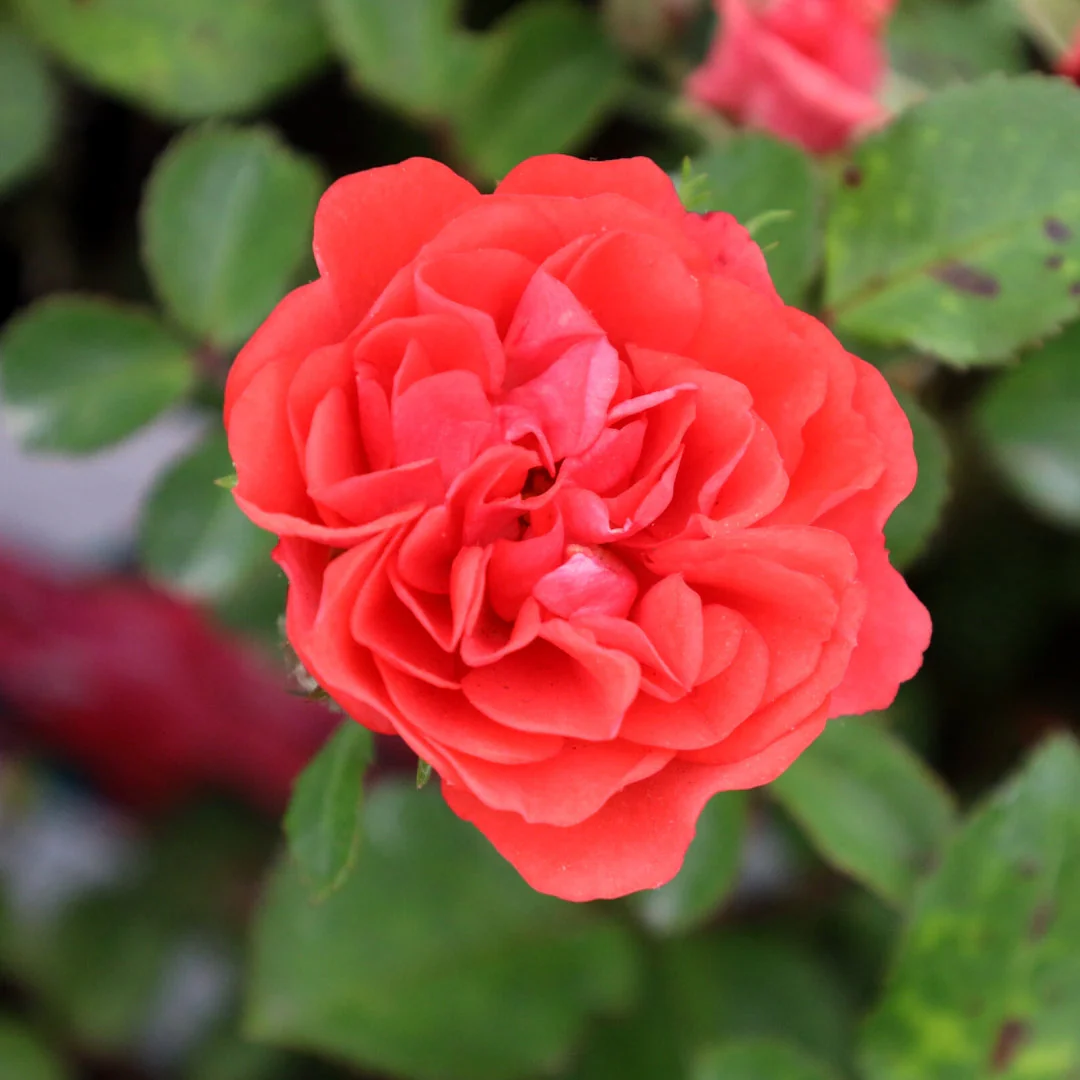
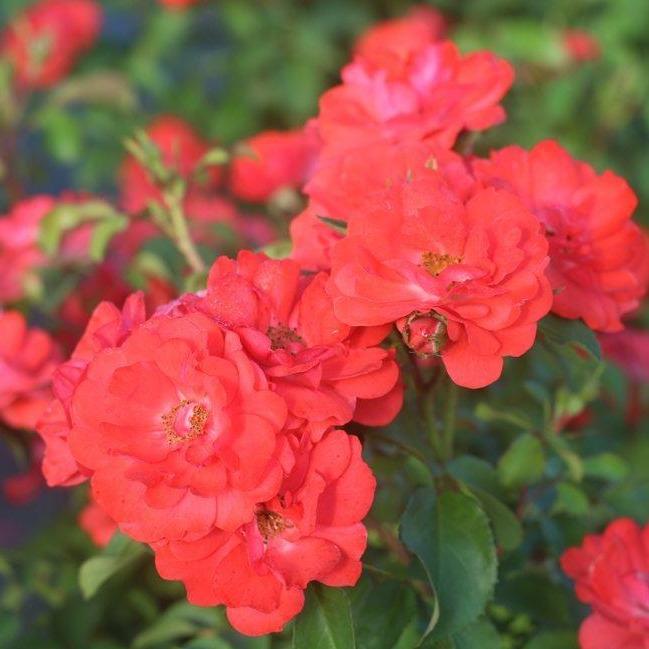
Cherry Explosion™ brings rare, high-impact color to the hydrangea lineup: vivid cherry-red lacecap blooms that look bold and polished from across the yard. The flower form adds detail, too—showy outer florets framing a softer center—so it feels more “designed” than a standard shrub bloom. It’s an instant upgrade for front beds, walkway borders, and patio views where you want color that reads at a distance.
Bloom season is long, often running from early summer through late summer, so you get weeks of reliable color rather than a short peak. In many soils, the red tones stay impressively strong, while more acidic soils may introduce purplish tones in the center—still dramatic, just with a richer undertone. If you’ve been looking for a red hydrangea that’s genuinely eye-catching, this one earns its name.
Compact, Dense Growth That Fits Small Spaces And Stays Neat
This is a truly compact bigleaf hydrangea, typically maturing around 3 to 4 feet tall and about 3 to 4 feet wide. The habit is rounded, dense, and well-branched, so it looks full from the ground up rather than leggy or sparse. That size is perfect for foundation plantings, mixed borders, and layered beds where you want hydrangea blooms without a shrub that eats the whole planting.
Because it naturally stays manageable, Cherry Explosion™ is also easy to repeat. Plant one as a focal point, or use several as a low-flowering hedge for a clean, colorful border line. It’s also a strong choice for patio containers: large enough to make a statement in a pot, but compact enough to remain realistic to water and maintain. If you want a hydrangea that looks “finished” with minimal pruning, this variety makes it simple.
Flexible Light Tolerance With A Simple Summer Water Rhythm
Cherry Explosion™ performs best in part sun, especially where it gets morning sun and some afternoon protection in hotter climates. In cooler regions, it can handle more sun, but in high heat, a little shade keeps foliage fresher and reduces stress during peak summer. This flexibility makes it easier to place in real landscapes where light shifts through the day—near porches, along east-facing foundations, or in bright, dappled garden edges.
Watering is straightforward: keep the root zone consistently moist while the plant establishes, then use deep watering during dry spells. Hydrangeas don’t love repeated dry-downs, particularly in brighter exposures, so mulch is key. A 2–3-inch layer helps stabilize moisture and soil temperature, supporting longer bloom longevity and healthier foliage. Give it well-drained soil (moist, not soggy), and it rewards you with steadier growth and a longer bloom show.
Pruning And Spacing That Protect Blooms And Keep The Shape Full
Cherry Explosion™ is a low-prune hydrangea, which is exactly what most gardeners want. Focus on cleanup rather than heavy cutting: remove winter-damaged tips and any dead stems, then keep shaping minimally so you don’t sacrifice flower potential. If you ever need size control, do it gradually over time rather than cutting hard all at once. This variety tends to look best when you let its natural compact shape do the work.
Spacing is the other secret to a dense, blooming shrub. Plant about 3 to 4 feet apart (center to center) for a fuller hedge effect, or closer to 4 feet apart if you prefer each plant to show its rounded form with better airflow. Proper spacing reduces competition for water and light, helps foliage dry faster after rain, and supports a healthier, thicker habit that blooms more consistently. Set it up right at planting, and maintenance stays easy.
Cherry-Red Lacecap Blooms That Keep The Garden Lit Up
Cherry Explosion™ brings rare, high-impact color to the hydrangea lineup: vivid cherry-red lacecap blooms that look bold and polished from across the yard. The flower form adds detail, too—showy outer florets framing a softer center—so it feels more “designed” than a standard shrub bloom. It’s an instant upgrade for front beds, walkway borders, and patio views where you want color that reads at a distance.
Bloom season is long, often running from early summer through late summer, so you get weeks of reliable color rather than a short peak. In many soils, the red tones stay impressively strong, while more acidic soils may introduce purplish tones in the center—still dramatic, just with a richer undertone. If you’ve been looking for a red hydrangea that’s genuinely eye-catching, this one earns its name.
Compact, Dense Growth That Fits Small Spaces And Stays Neat
This is a truly compact bigleaf hydrangea, typically maturing around 3 to 4 feet tall and about 3 to 4 feet wide. The habit is rounded, dense, and well-branched, so it looks full from the ground up rather than leggy or sparse. That size is perfect for foundation plantings, mixed borders, and layered beds where you want hydrangea blooms without a shrub that eats the whole planting.
Because it naturally stays manageable, Cherry Explosion™ is also easy to repeat. Plant one as a focal point, or use several as a low-flowering hedge for a clean, colorful border line. It’s also a strong choice for patio containers: large enough to make a statement in a pot, but compact enough to remain realistic to water and maintain. If you want a hydrangea that looks “finished” with minimal pruning, this variety makes it simple.
Flexible Light Tolerance With A Simple Summer Water Rhythm
Cherry Explosion™ performs best in part sun, especially where it gets morning sun and some afternoon protection in hotter climates. In cooler regions, it can handle more sun, but in high heat, a little shade keeps foliage fresher and reduces stress during peak summer. This flexibility makes it easier to place in real landscapes where light shifts through the day—near porches, along east-facing foundations, or in bright, dappled garden edges.
Watering is straightforward: keep the root zone consistently moist while the plant establishes, then use deep watering during dry spells. Hydrangeas don’t love repeated dry-downs, particularly in brighter exposures, so mulch is key. A 2–3-inch layer helps stabilize moisture and soil temperature, supporting longer bloom longevity and healthier foliage. Give it well-drained soil (moist, not soggy), and it rewards you with steadier growth and a longer bloom show.
Pruning And Spacing That Protect Blooms And Keep The Shape Full
Cherry Explosion™ is a low-prune hydrangea, which is exactly what most gardeners want. Focus on cleanup rather than heavy cutting: remove winter-damaged tips and any dead stems, then keep shaping minimally so you don’t sacrifice flower potential. If you ever need size control, do it gradually over time rather than cutting hard all at once. This variety tends to look best when you let its natural compact shape do the work.
Spacing is the other secret to a dense, blooming shrub. Plant about 3 to 4 feet apart (center to center) for a fuller hedge effect, or closer to 4 feet apart if you prefer each plant to show its rounded form with better airflow. Proper spacing reduces competition for water and light, helps foliage dry faster after rain, and supports a healthier, thicker habit that blooms more consistently. Set it up right at planting, and maintenance stays easy.
Original: $99.95
-70%$99.95
$29.98Description
Cherry-Red Lacecap Blooms That Keep The Garden Lit Up
Cherry Explosion™ brings rare, high-impact color to the hydrangea lineup: vivid cherry-red lacecap blooms that look bold and polished from across the yard. The flower form adds detail, too—showy outer florets framing a softer center—so it feels more “designed” than a standard shrub bloom. It’s an instant upgrade for front beds, walkway borders, and patio views where you want color that reads at a distance.
Bloom season is long, often running from early summer through late summer, so you get weeks of reliable color rather than a short peak. In many soils, the red tones stay impressively strong, while more acidic soils may introduce purplish tones in the center—still dramatic, just with a richer undertone. If you’ve been looking for a red hydrangea that’s genuinely eye-catching, this one earns its name.
Compact, Dense Growth That Fits Small Spaces And Stays Neat
This is a truly compact bigleaf hydrangea, typically maturing around 3 to 4 feet tall and about 3 to 4 feet wide. The habit is rounded, dense, and well-branched, so it looks full from the ground up rather than leggy or sparse. That size is perfect for foundation plantings, mixed borders, and layered beds where you want hydrangea blooms without a shrub that eats the whole planting.
Because it naturally stays manageable, Cherry Explosion™ is also easy to repeat. Plant one as a focal point, or use several as a low-flowering hedge for a clean, colorful border line. It’s also a strong choice for patio containers: large enough to make a statement in a pot, but compact enough to remain realistic to water and maintain. If you want a hydrangea that looks “finished” with minimal pruning, this variety makes it simple.
Flexible Light Tolerance With A Simple Summer Water Rhythm
Cherry Explosion™ performs best in part sun, especially where it gets morning sun and some afternoon protection in hotter climates. In cooler regions, it can handle more sun, but in high heat, a little shade keeps foliage fresher and reduces stress during peak summer. This flexibility makes it easier to place in real landscapes where light shifts through the day—near porches, along east-facing foundations, or in bright, dappled garden edges.
Watering is straightforward: keep the root zone consistently moist while the plant establishes, then use deep watering during dry spells. Hydrangeas don’t love repeated dry-downs, particularly in brighter exposures, so mulch is key. A 2–3-inch layer helps stabilize moisture and soil temperature, supporting longer bloom longevity and healthier foliage. Give it well-drained soil (moist, not soggy), and it rewards you with steadier growth and a longer bloom show.
Pruning And Spacing That Protect Blooms And Keep The Shape Full
Cherry Explosion™ is a low-prune hydrangea, which is exactly what most gardeners want. Focus on cleanup rather than heavy cutting: remove winter-damaged tips and any dead stems, then keep shaping minimally so you don’t sacrifice flower potential. If you ever need size control, do it gradually over time rather than cutting hard all at once. This variety tends to look best when you let its natural compact shape do the work.
Spacing is the other secret to a dense, blooming shrub. Plant about 3 to 4 feet apart (center to center) for a fuller hedge effect, or closer to 4 feet apart if you prefer each plant to show its rounded form with better airflow. Proper spacing reduces competition for water and light, helps foliage dry faster after rain, and supports a healthier, thicker habit that blooms more consistently. Set it up right at planting, and maintenance stays easy.