Purple Beauty Creeping Phlox
A Purple Spring Bloom Carpet That Stops You In Your Tracks
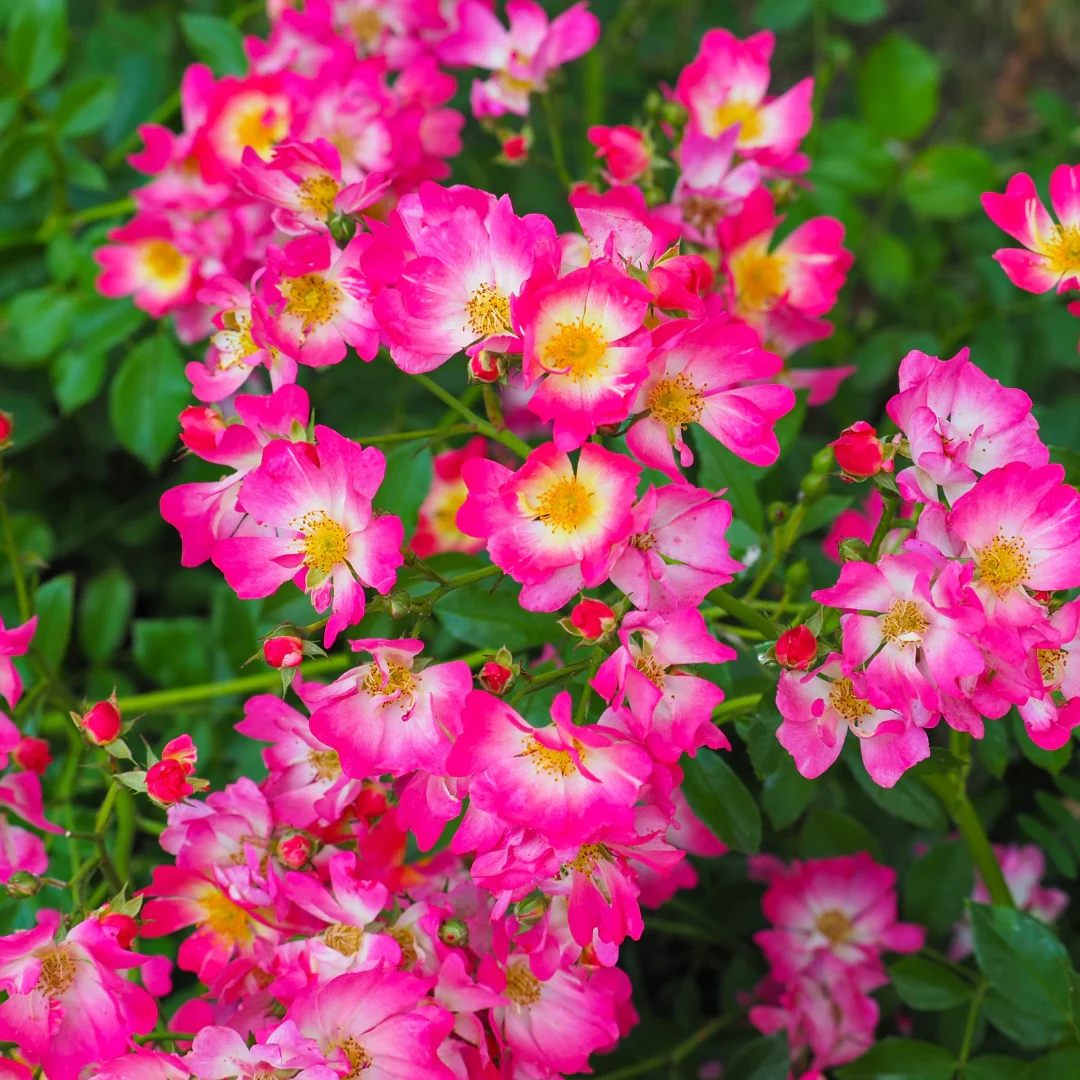
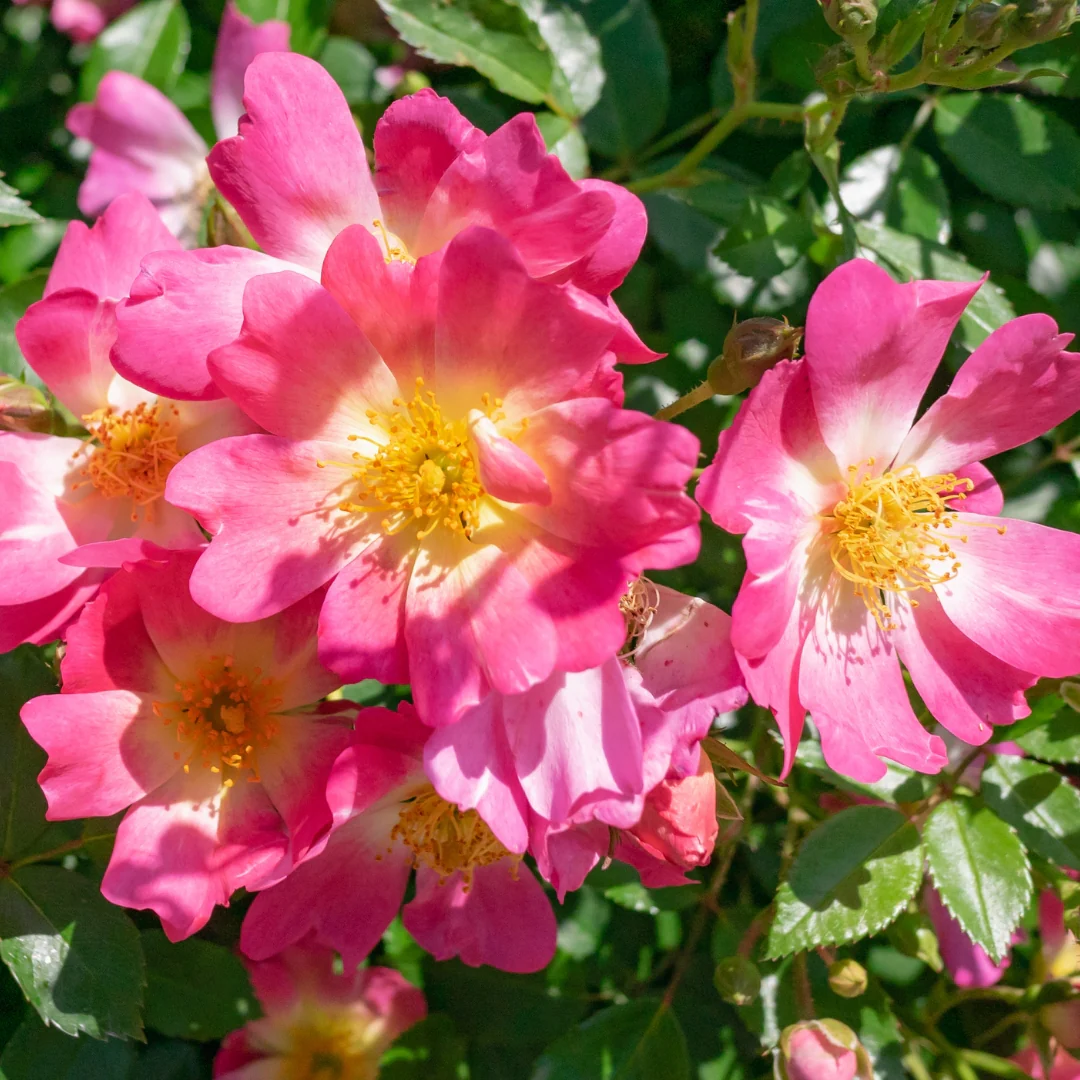
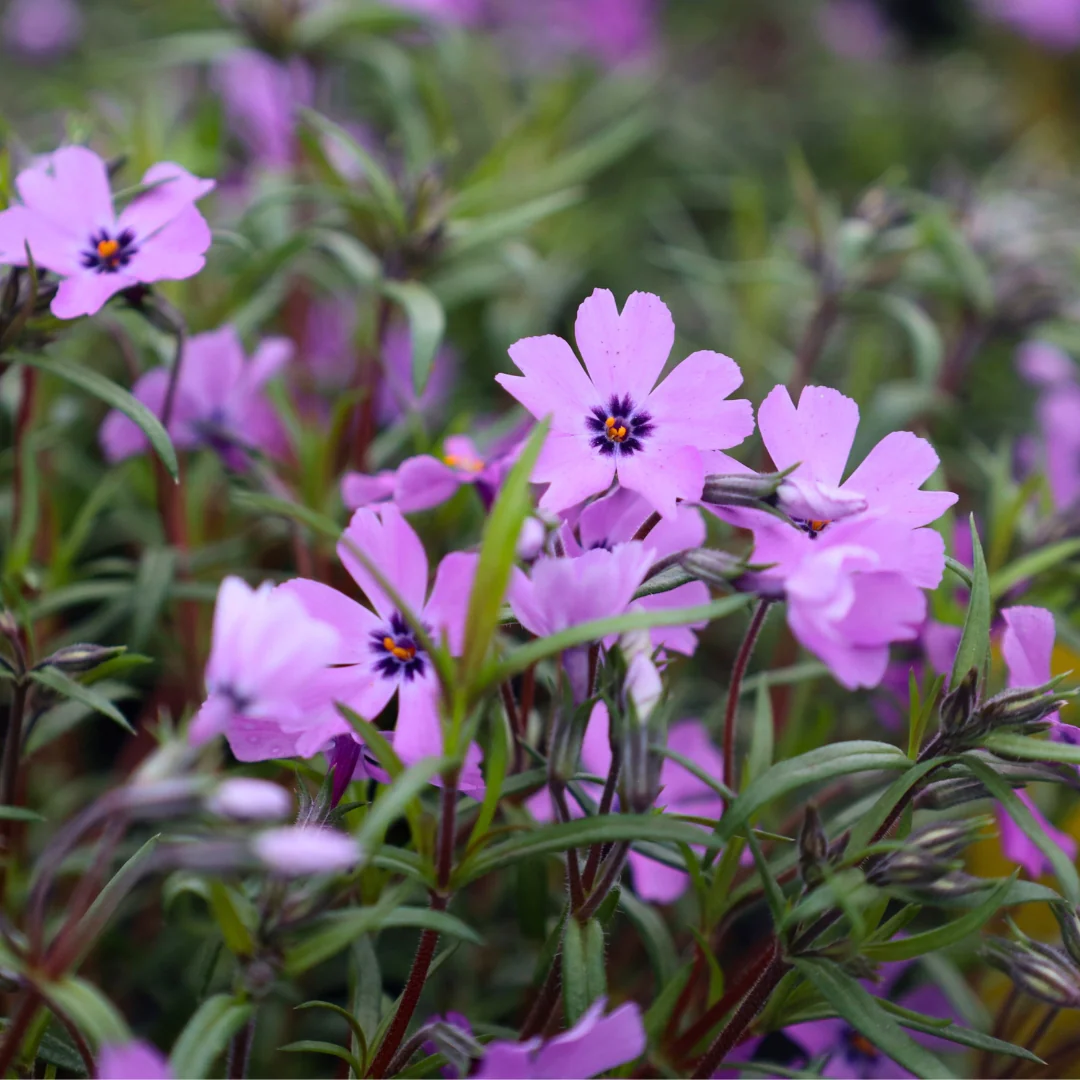
Purple Beauty creeping phlox delivers that “spring reveal” moment gardeners crave. In early to mid-spring, the low mat is covered in star-shaped blooms in soft mauve-to-purple tones, often with deeper centers that add extra contrast. Planted in drifts, it reads like a living quilt of color—especially striking along the front of beds, around boulders, or spilling over a wall where the flowers can cascade and catch the light.
Because the flowers sit right on top of the foliage, the display looks dense and intentional, not sparse or spotty. It’s a fantastic companion for spring bulbs (daffodils, tulips, alliums), and it’s equally at home in cottage borders and crisp, modern foundation lines. After bloom, you’re left with a tidy green groundcover that keeps the garden looking “finished” rather than empty.
Evergreen, Low-Growing Coverage That Keeps Edges Clean
Purple Beauty forms a tight, ground-hugging mat of fine, needle-like foliage, typically staying just 4–6 inches tall. That low profile makes it an ideal edging plant: it frames pathways and bed lines without blocking other perennials, and it fills the small “in-between” spaces that often become weedy or bare. In many climates, it keeps its evergreen character through much of the year, adding structure even when flowers aren’t in season.
This plant’s habit is especially valuable for gardeners who want a polished look with minimal fuss. Once it knits together, it acts like living mulch—shading soil and reducing weed pressure. The key to long-term beauty is simple: good drainage, plenty of sun, and a quick post-bloom trim to encourage fresh shoots and keep the mat dense instead of woody.
Sun-Loving Toughness For Rock Gardens And Slopes
If you’re planting a sunny bank, a gravelly strip, or a rock garden that bakes in summer, creeping phlox is a smart choice—and Purple Beauty thrives in those conditions when drainage is sharp. It prefers well-drained soil (average to sandy/gravelly is great) and, once established, tolerates dry spells far better than many flowering groundcovers. That makes it practical for hard-to-water areas and slopes where irrigation can be inconsistent.
On slopes, Purple Beauty earns its keep by spreading across the surface and creating attractive coverage that’s easier than mowing. For best results, plant into small, leveled pockets so water can soak in, then water deeply during establishment to anchor roots. After the first season, it becomes a reliable, low-profile performer that delivers spring color without demanding constant attention.
Easy Care That Stays Dense With One Simple Shear
Creeping phlox is famously low maintenance, and Purple Beauty is no exception. The main routine is a quick shear immediately after flowering—just enough to remove spent blooms and lightly shape the mat. This encourages branching, improves density, and helps prevent thin centers over time. Think of it as a fast “refresh” that keeps your groundcover looking intentional rather than shaggy.
You can also keep borders crisp by trimming edges anytime the mat creeps beyond its lane. In humid areas, proper spacing and full sun help airflow and overall plant health, while in very hot, dry spots, occasional deep watering during extended drought keeps foliage looking fresher. With those basics in place, Purple Beauty becomes one of the easiest ways to add big spring impact to small spaces.
A Purple Spring Bloom Carpet That Stops You In Your Tracks
Purple Beauty creeping phlox delivers that “spring reveal” moment gardeners crave. In early to mid-spring, the low mat is covered in star-shaped blooms in soft mauve-to-purple tones, often with deeper centers that add extra contrast. Planted in drifts, it reads like a living quilt of color—especially striking along the front of beds, around boulders, or spilling over a wall where the flowers can cascade and catch the light.
Because the flowers sit right on top of the foliage, the display looks dense and intentional, not sparse or spotty. It’s a fantastic companion for spring bulbs (daffodils, tulips, alliums), and it’s equally at home in cottage borders and crisp, modern foundation lines. After bloom, you’re left with a tidy green groundcover that keeps the garden looking “finished” rather than empty.
Evergreen, Low-Growing Coverage That Keeps Edges Clean
Purple Beauty forms a tight, ground-hugging mat of fine, needle-like foliage, typically staying just 4–6 inches tall. That low profile makes it an ideal edging plant: it frames pathways and bed lines without blocking other perennials, and it fills the small “in-between” spaces that often become weedy or bare. In many climates, it keeps its evergreen character through much of the year, adding structure even when flowers aren’t in season.
This plant’s habit is especially valuable for gardeners who want a polished look with minimal fuss. Once it knits together, it acts like living mulch—shading soil and reducing weed pressure. The key to long-term beauty is simple: good drainage, plenty of sun, and a quick post-bloom trim to encourage fresh shoots and keep the mat dense instead of woody.
Sun-Loving Toughness For Rock Gardens And Slopes
If you’re planting a sunny bank, a gravelly strip, or a rock garden that bakes in summer, creeping phlox is a smart choice—and Purple Beauty thrives in those conditions when drainage is sharp. It prefers well-drained soil (average to sandy/gravelly is great) and, once established, tolerates dry spells far better than many flowering groundcovers. That makes it practical for hard-to-water areas and slopes where irrigation can be inconsistent.
On slopes, Purple Beauty earns its keep by spreading across the surface and creating attractive coverage that’s easier than mowing. For best results, plant into small, leveled pockets so water can soak in, then water deeply during establishment to anchor roots. After the first season, it becomes a reliable, low-profile performer that delivers spring color without demanding constant attention.
Easy Care That Stays Dense With One Simple Shear
Creeping phlox is famously low maintenance, and Purple Beauty is no exception. The main routine is a quick shear immediately after flowering—just enough to remove spent blooms and lightly shape the mat. This encourages branching, improves density, and helps prevent thin centers over time. Think of it as a fast “refresh” that keeps your groundcover looking intentional rather than shaggy.
You can also keep borders crisp by trimming edges anytime the mat creeps beyond its lane. In humid areas, proper spacing and full sun help airflow and overall plant health, while in very hot, dry spots, occasional deep watering during extended drought keeps foliage looking fresher. With those basics in place, Purple Beauty becomes one of the easiest ways to add big spring impact to small spaces.
Original: $16.95
-70%$16.95
$5.08Description
A Purple Spring Bloom Carpet That Stops You In Your Tracks
Purple Beauty creeping phlox delivers that “spring reveal” moment gardeners crave. In early to mid-spring, the low mat is covered in star-shaped blooms in soft mauve-to-purple tones, often with deeper centers that add extra contrast. Planted in drifts, it reads like a living quilt of color—especially striking along the front of beds, around boulders, or spilling over a wall where the flowers can cascade and catch the light.
Because the flowers sit right on top of the foliage, the display looks dense and intentional, not sparse or spotty. It’s a fantastic companion for spring bulbs (daffodils, tulips, alliums), and it’s equally at home in cottage borders and crisp, modern foundation lines. After bloom, you’re left with a tidy green groundcover that keeps the garden looking “finished” rather than empty.
Evergreen, Low-Growing Coverage That Keeps Edges Clean
Purple Beauty forms a tight, ground-hugging mat of fine, needle-like foliage, typically staying just 4–6 inches tall. That low profile makes it an ideal edging plant: it frames pathways and bed lines without blocking other perennials, and it fills the small “in-between” spaces that often become weedy or bare. In many climates, it keeps its evergreen character through much of the year, adding structure even when flowers aren’t in season.
This plant’s habit is especially valuable for gardeners who want a polished look with minimal fuss. Once it knits together, it acts like living mulch—shading soil and reducing weed pressure. The key to long-term beauty is simple: good drainage, plenty of sun, and a quick post-bloom trim to encourage fresh shoots and keep the mat dense instead of woody.
Sun-Loving Toughness For Rock Gardens And Slopes
If you’re planting a sunny bank, a gravelly strip, or a rock garden that bakes in summer, creeping phlox is a smart choice—and Purple Beauty thrives in those conditions when drainage is sharp. It prefers well-drained soil (average to sandy/gravelly is great) and, once established, tolerates dry spells far better than many flowering groundcovers. That makes it practical for hard-to-water areas and slopes where irrigation can be inconsistent.
On slopes, Purple Beauty earns its keep by spreading across the surface and creating attractive coverage that’s easier than mowing. For best results, plant into small, leveled pockets so water can soak in, then water deeply during establishment to anchor roots. After the first season, it becomes a reliable, low-profile performer that delivers spring color without demanding constant attention.
Easy Care That Stays Dense With One Simple Shear
Creeping phlox is famously low maintenance, and Purple Beauty is no exception. The main routine is a quick shear immediately after flowering—just enough to remove spent blooms and lightly shape the mat. This encourages branching, improves density, and helps prevent thin centers over time. Think of it as a fast “refresh” that keeps your groundcover looking intentional rather than shaggy.
You can also keep borders crisp by trimming edges anytime the mat creeps beyond its lane. In humid areas, proper spacing and full sun help airflow and overall plant health, while in very hot, dry spots, occasional deep watering during extended drought keeps foliage looking fresher. With those basics in place, Purple Beauty becomes one of the easiest ways to add big spring impact to small spaces.