
Raspberry Truffle Coneflower
Raspberry Truffle Coneflower Delivers Fully Double Summer Blooms
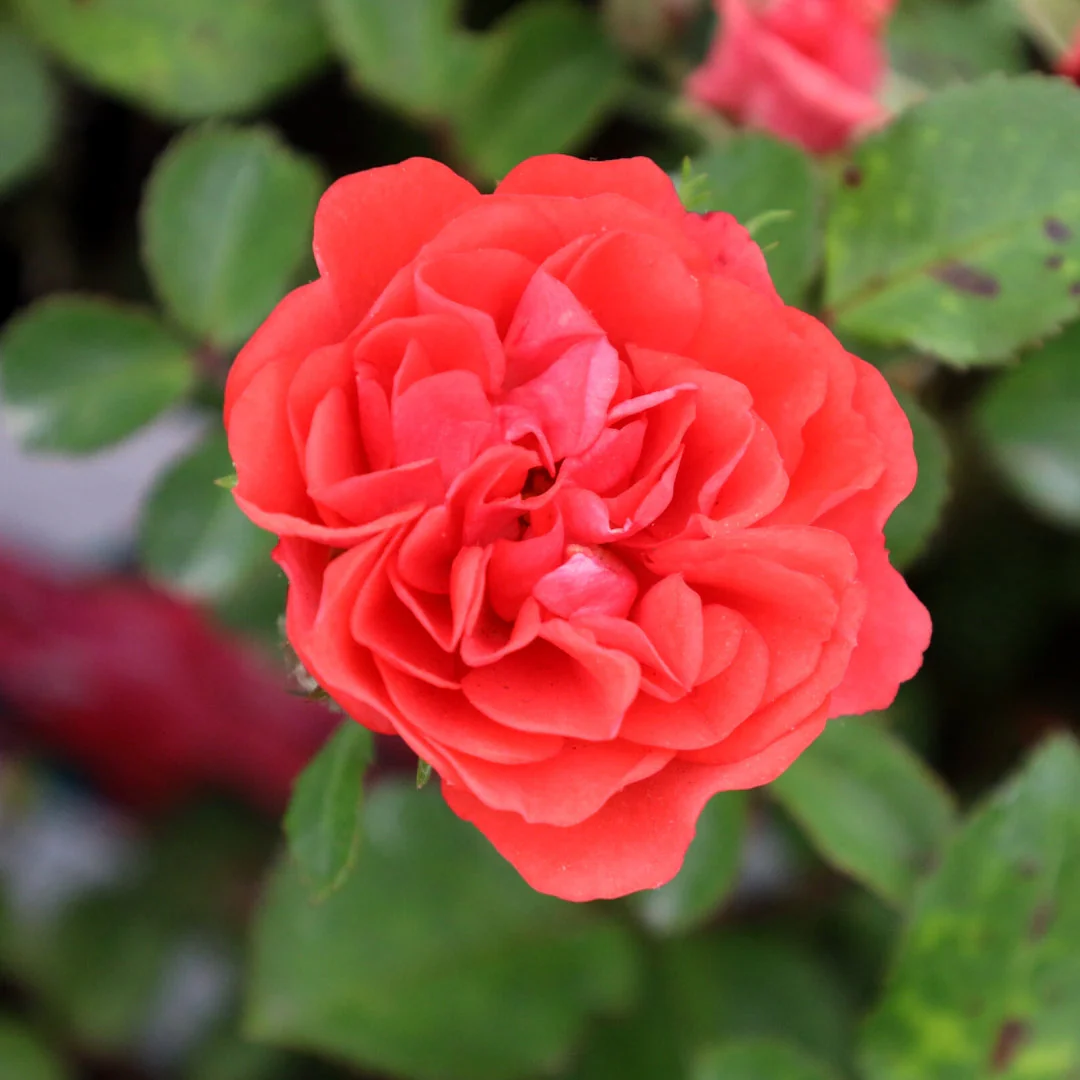
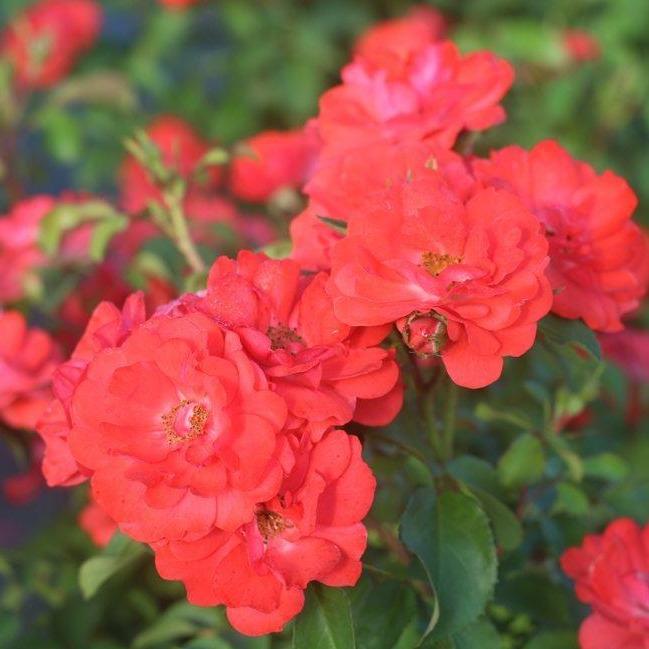
Raspberry Truffle Coneflower is a showy double-blooming Echinacea with coral-pink petals, darker raspberry-pink pompom centers, and a warm chocolate cone detail. The flowers have a rich, layered look that feels more dramatic than a classic single coneflower while still keeping the tough, sun-loving character gardeners expect from Echinacea.
Also searched as Echinacea Raspberry Truffle, this cultivar brings a soft but striking color blend to summer gardens. The large blooms stand above dark green foliage on sturdy mahogany-toned stems, creating a polished look in sunny borders, cottage gardens, mixed perennial beds, and cutting gardens.
A Double Coneflower with Coral Petals and Raspberry Centers
The flower color is what makes Raspberry Truffle Coneflower stand out. Each bloom opens with coral-pink ray petals and develops a deeper raspberry-pink pompom center as the flower matures. The combination of coral, raspberry, and chocolate tones gives the plant a dessert-like color palette that looks warm, rich, and garden-friendly.
This is a great choice when you want something more distinctive than standard purple coneflowers. Plant it where the flower shape can be appreciated up close, such as along a walkway, near a patio, in a cut flower bed, or at the front to middle of a sunny perennial border.
Sturdy Stems for Cut Flowers, Borders, and Summer Color
Raspberry Truffle Coneflower grows as an upright, clump-forming perennial, commonly reaching about 24 to 30 inches tall with a spread of about 18 to 24 inches. The stems are sturdy enough that plants typically do not need staking when grown in full sun and well-drained soil.
The flowers are excellent for fresh cut arrangements, where their double centers add texture and color. In the garden, they pair beautifully with Black Eyed Susan, Salvia, Catmint, Lavender, Yarrow, Sedum, Little Bluestem, and ornamental grasses for a long-lasting summer-to-fall display.
Full Sun, Well-Drained Soil, and Easy Coneflower Care
Plant Raspberry Truffle Coneflower in full sun for the strongest stems, heaviest bloom, and best color. It can tolerate light part shade, but too much shade may reduce flowering and create softer growth. Well-drained soil is essential, especially in winter, because coneflowers do not like wet crowns or soggy roots.
Once established, Raspberry Truffle Coneflower is drought-tolerant and heat-tolerant, but it performs best with moderate moisture during long dry spells. Avoid heavy fertilizing. Too much nitrogen can push leafy growth at the expense of flowers and may reduce the compact, sturdy habit.
Deer Resistant, Long Blooming, and Best Paired for Pollinator Value
Raspberry Truffle Coneflower is generally considered deer resistant, making it a practical choice for sunny gardens where browsing can be a problem. The rough foliage and sturdy stems are less appealing to deer than many softer perennials, though no plant is completely deer-proof.
Because Raspberry Truffle is a fully double coneflower, it is grown mainly for showy flower form and cut-flower value. Bees and butterflies may visit, but double coneflowers can be less accessible to pollinators than single coneflowers with open centers. For the best wildlife-friendly planting, pair Raspberry Truffle with single coneflowers, Black-Eyed Susan, Goldenrod, Monarda, Salvia, and other nectar-rich perennials.
Raspberry Truffle Coneflower Delivers Fully Double Summer Blooms
Raspberry Truffle Coneflower is a showy double-blooming Echinacea with coral-pink petals, darker raspberry-pink pompom centers, and a warm chocolate cone detail. The flowers have a rich, layered look that feels more dramatic than a classic single coneflower while still keeping the tough, sun-loving character gardeners expect from Echinacea.
Also searched as Echinacea Raspberry Truffle, this cultivar brings a soft but striking color blend to summer gardens. The large blooms stand above dark green foliage on sturdy mahogany-toned stems, creating a polished look in sunny borders, cottage gardens, mixed perennial beds, and cutting gardens.
A Double Coneflower with Coral Petals and Raspberry Centers
The flower color is what makes Raspberry Truffle Coneflower stand out. Each bloom opens with coral-pink ray petals and develops a deeper raspberry-pink pompom center as the flower matures. The combination of coral, raspberry, and chocolate tones gives the plant a dessert-like color palette that looks warm, rich, and garden-friendly.
This is a great choice when you want something more distinctive than standard purple coneflowers. Plant it where the flower shape can be appreciated up close, such as along a walkway, near a patio, in a cut flower bed, or at the front to middle of a sunny perennial border.
Sturdy Stems for Cut Flowers, Borders, and Summer Color
Raspberry Truffle Coneflower grows as an upright, clump-forming perennial, commonly reaching about 24 to 30 inches tall with a spread of about 18 to 24 inches. The stems are sturdy enough that plants typically do not need staking when grown in full sun and well-drained soil.
The flowers are excellent for fresh cut arrangements, where their double centers add texture and color. In the garden, they pair beautifully with Black Eyed Susan, Salvia, Catmint, Lavender, Yarrow, Sedum, Little Bluestem, and ornamental grasses for a long-lasting summer-to-fall display.
Full Sun, Well-Drained Soil, and Easy Coneflower Care
Plant Raspberry Truffle Coneflower in full sun for the strongest stems, heaviest bloom, and best color. It can tolerate light part shade, but too much shade may reduce flowering and create softer growth. Well-drained soil is essential, especially in winter, because coneflowers do not like wet crowns or soggy roots.
Once established, Raspberry Truffle Coneflower is drought-tolerant and heat-tolerant, but it performs best with moderate moisture during long dry spells. Avoid heavy fertilizing. Too much nitrogen can push leafy growth at the expense of flowers and may reduce the compact, sturdy habit.
Deer Resistant, Long Blooming, and Best Paired for Pollinator Value
Raspberry Truffle Coneflower is generally considered deer resistant, making it a practical choice for sunny gardens where browsing can be a problem. The rough foliage and sturdy stems are less appealing to deer than many softer perennials, though no plant is completely deer-proof.
Because Raspberry Truffle is a fully double coneflower, it is grown mainly for showy flower form and cut-flower value. Bees and butterflies may visit, but double coneflowers can be less accessible to pollinators than single coneflowers with open centers. For the best wildlife-friendly planting, pair Raspberry Truffle with single coneflowers, Black-Eyed Susan, Goldenrod, Monarda, Salvia, and other nectar-rich perennials.
Description
Raspberry Truffle Coneflower Delivers Fully Double Summer Blooms
Raspberry Truffle Coneflower is a showy double-blooming Echinacea with coral-pink petals, darker raspberry-pink pompom centers, and a warm chocolate cone detail. The flowers have a rich, layered look that feels more dramatic than a classic single coneflower while still keeping the tough, sun-loving character gardeners expect from Echinacea.
Also searched as Echinacea Raspberry Truffle, this cultivar brings a soft but striking color blend to summer gardens. The large blooms stand above dark green foliage on sturdy mahogany-toned stems, creating a polished look in sunny borders, cottage gardens, mixed perennial beds, and cutting gardens.
A Double Coneflower with Coral Petals and Raspberry Centers
The flower color is what makes Raspberry Truffle Coneflower stand out. Each bloom opens with coral-pink ray petals and develops a deeper raspberry-pink pompom center as the flower matures. The combination of coral, raspberry, and chocolate tones gives the plant a dessert-like color palette that looks warm, rich, and garden-friendly.
This is a great choice when you want something more distinctive than standard purple coneflowers. Plant it where the flower shape can be appreciated up close, such as along a walkway, near a patio, in a cut flower bed, or at the front to middle of a sunny perennial border.
Sturdy Stems for Cut Flowers, Borders, and Summer Color
Raspberry Truffle Coneflower grows as an upright, clump-forming perennial, commonly reaching about 24 to 30 inches tall with a spread of about 18 to 24 inches. The stems are sturdy enough that plants typically do not need staking when grown in full sun and well-drained soil.
The flowers are excellent for fresh cut arrangements, where their double centers add texture and color. In the garden, they pair beautifully with Black Eyed Susan, Salvia, Catmint, Lavender, Yarrow, Sedum, Little Bluestem, and ornamental grasses for a long-lasting summer-to-fall display.
Full Sun, Well-Drained Soil, and Easy Coneflower Care
Plant Raspberry Truffle Coneflower in full sun for the strongest stems, heaviest bloom, and best color. It can tolerate light part shade, but too much shade may reduce flowering and create softer growth. Well-drained soil is essential, especially in winter, because coneflowers do not like wet crowns or soggy roots.
Once established, Raspberry Truffle Coneflower is drought-tolerant and heat-tolerant, but it performs best with moderate moisture during long dry spells. Avoid heavy fertilizing. Too much nitrogen can push leafy growth at the expense of flowers and may reduce the compact, sturdy habit.
Deer Resistant, Long Blooming, and Best Paired for Pollinator Value
Raspberry Truffle Coneflower is generally considered deer resistant, making it a practical choice for sunny gardens where browsing can be a problem. The rough foliage and sturdy stems are less appealing to deer than many softer perennials, though no plant is completely deer-proof.
Because Raspberry Truffle is a fully double coneflower, it is grown mainly for showy flower form and cut-flower value. Bees and butterflies may visit, but double coneflowers can be less accessible to pollinators than single coneflowers with open centers. For the best wildlife-friendly planting, pair Raspberry Truffle with single coneflowers, Black-Eyed Susan, Goldenrod, Monarda, Salvia, and other nectar-rich perennials.