Eden Climbing Rose
Big, Old-Rose Blooms That Look Like Cut-Flower Luxury
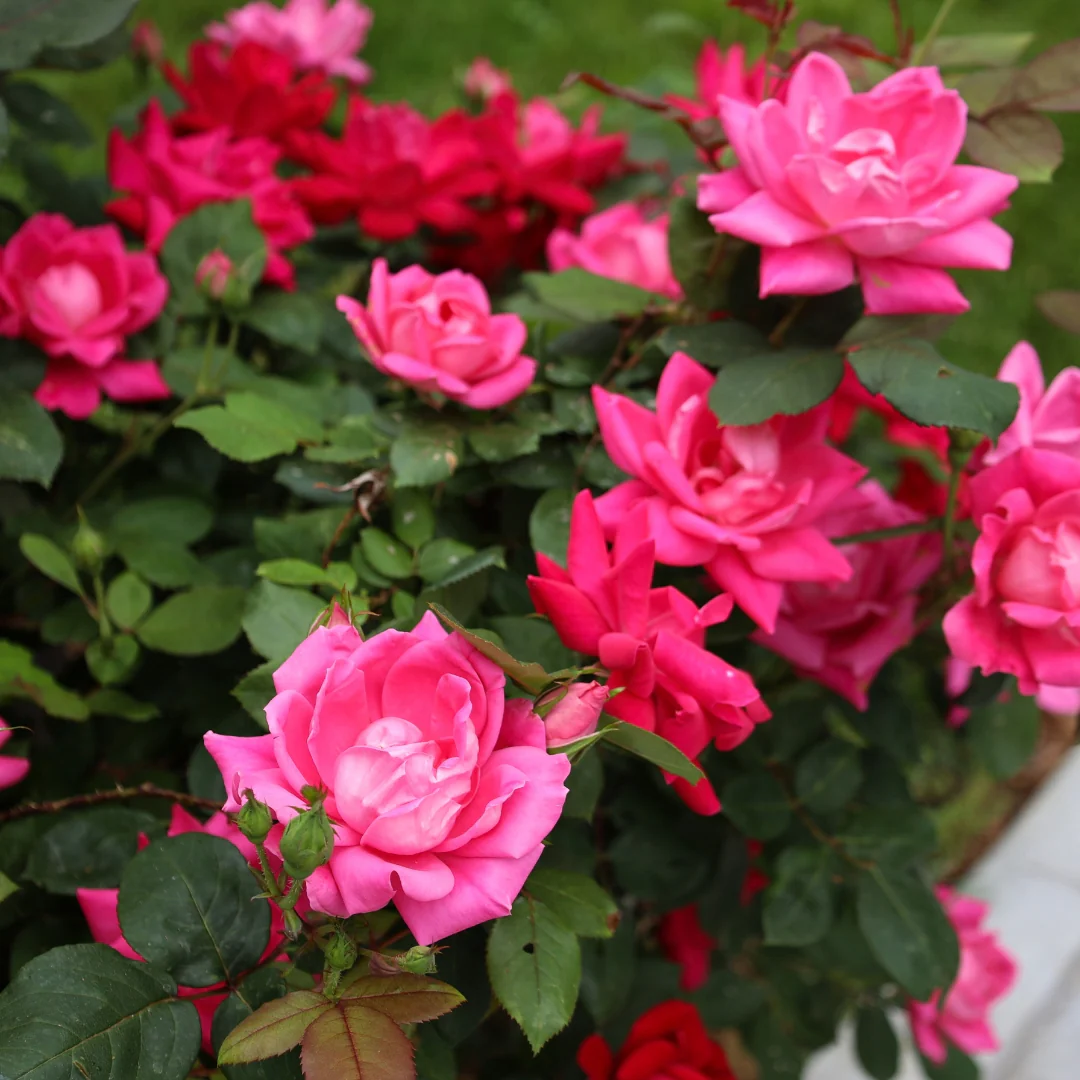
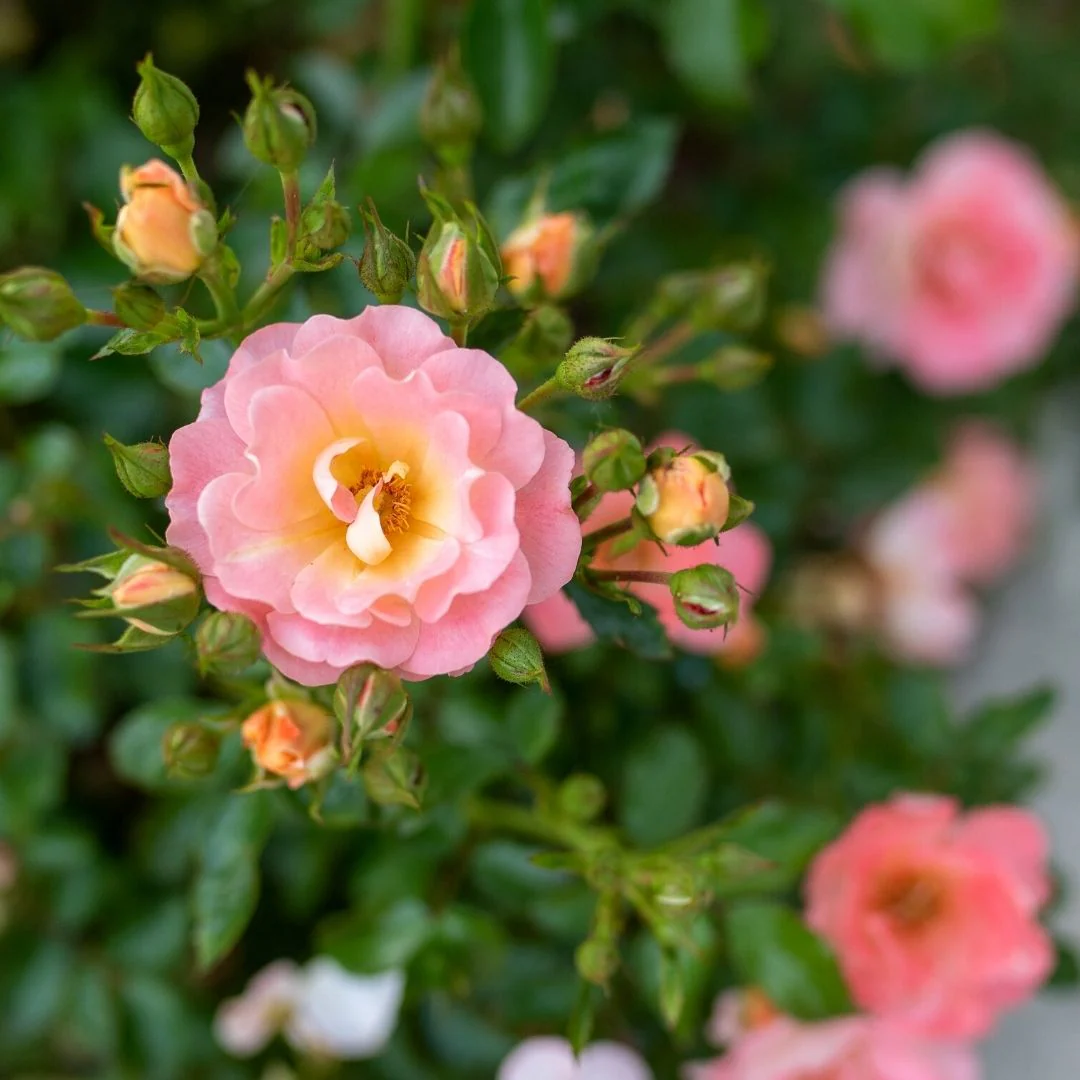
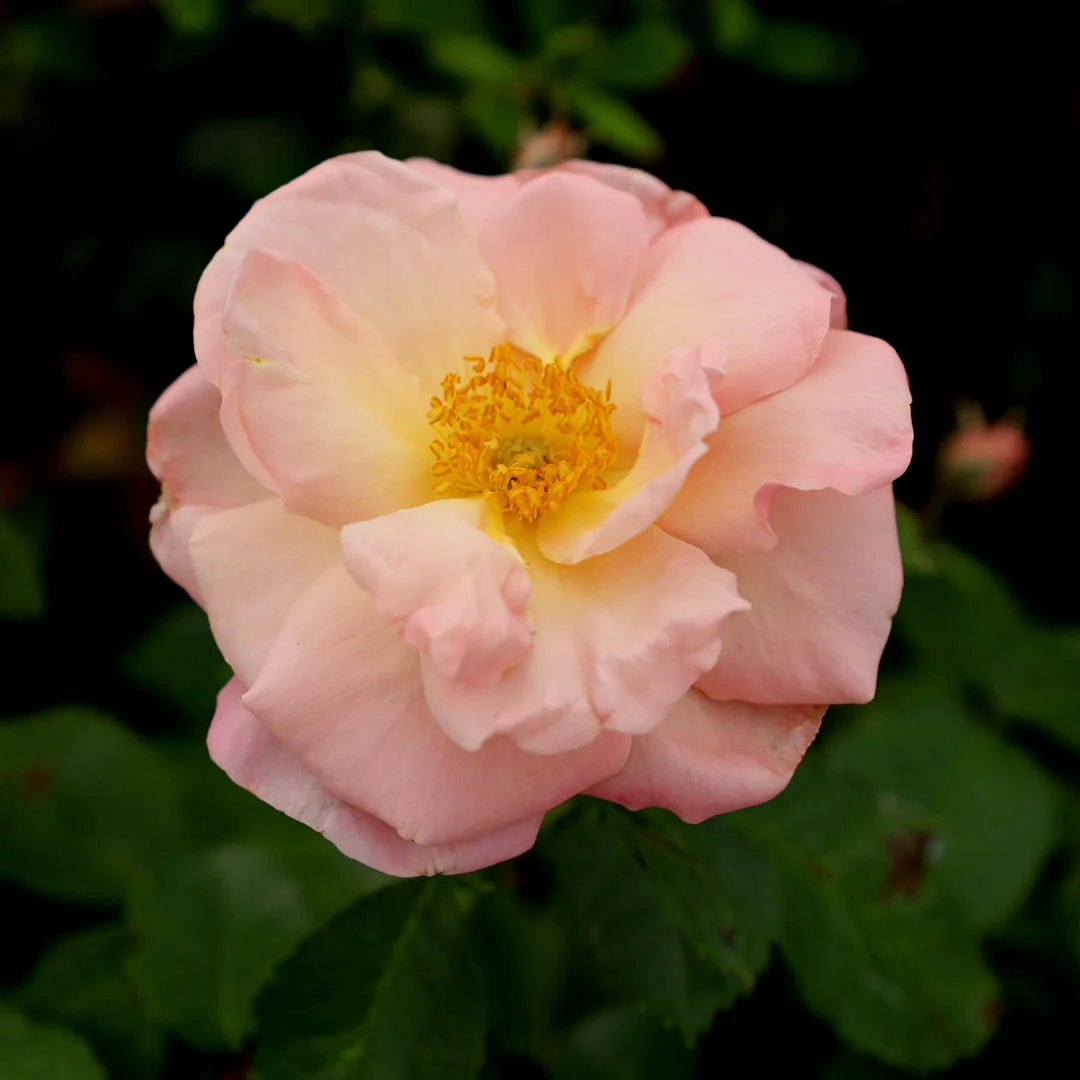
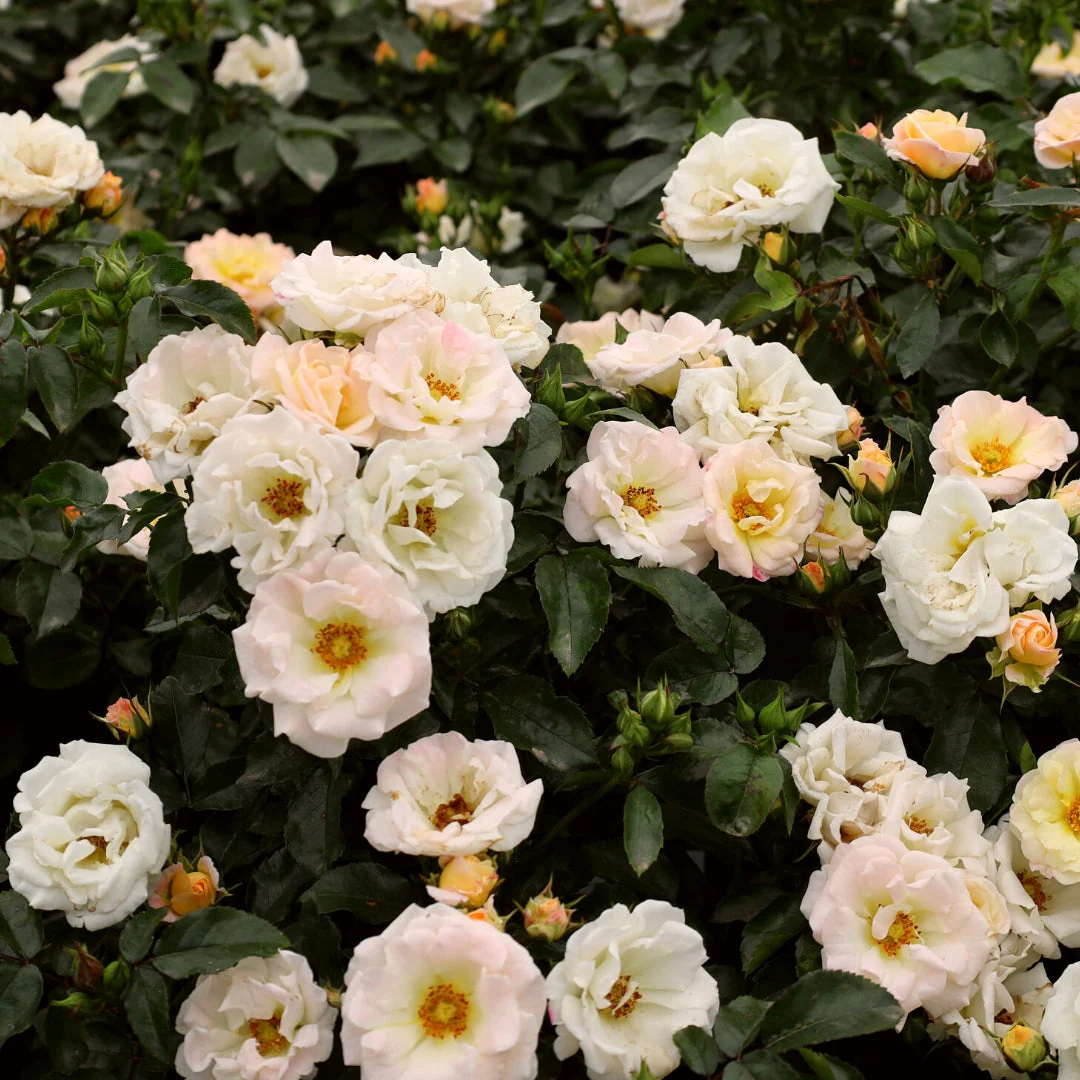
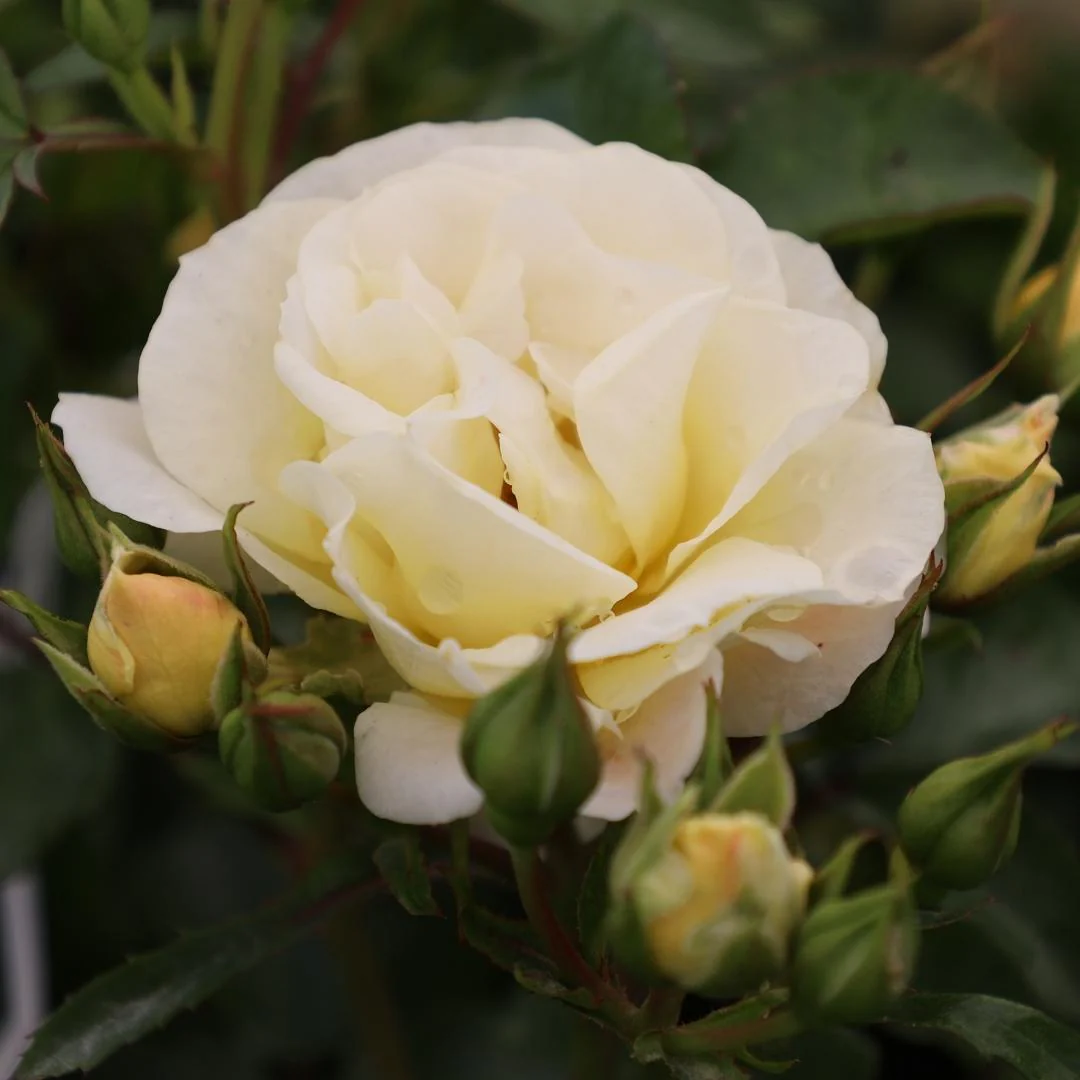
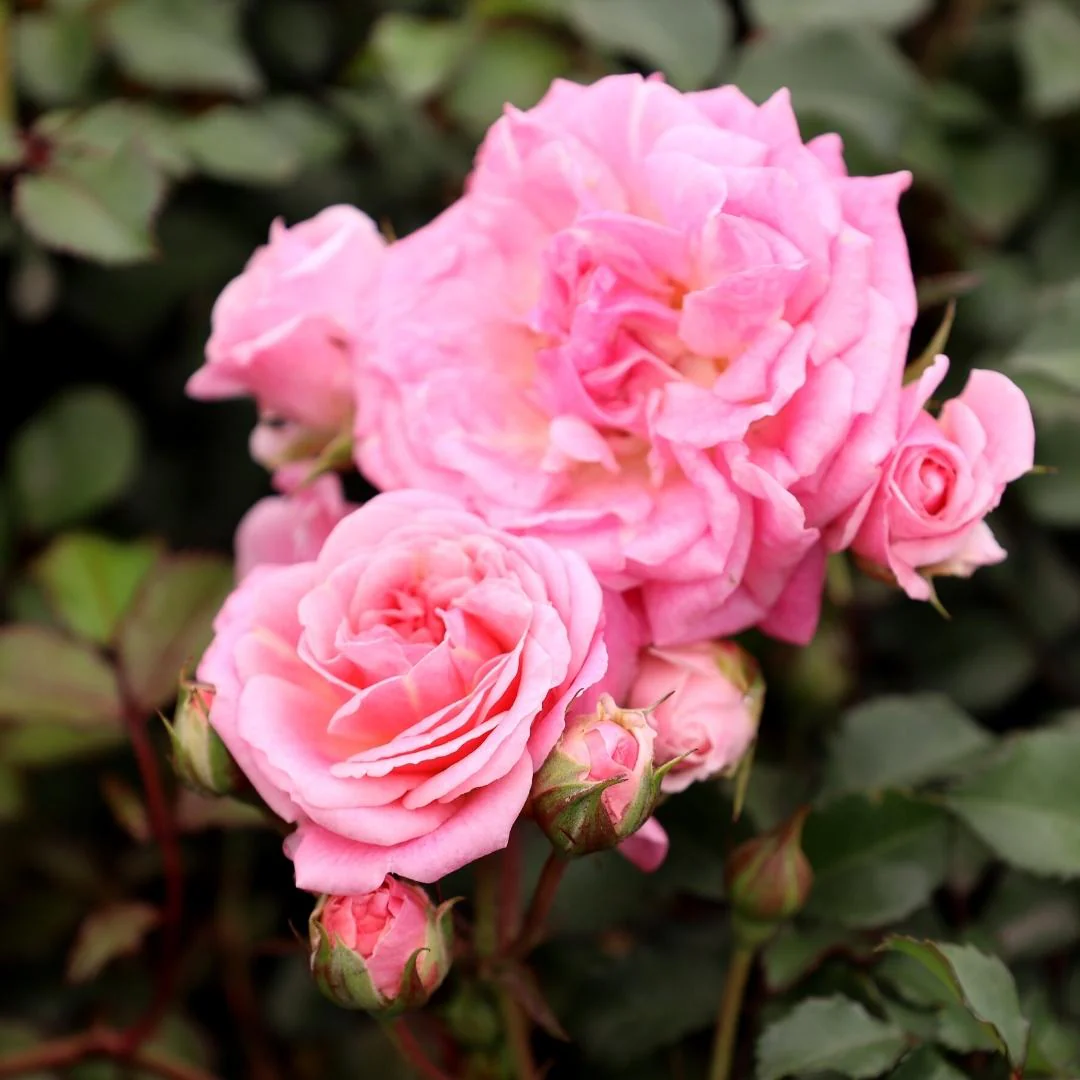
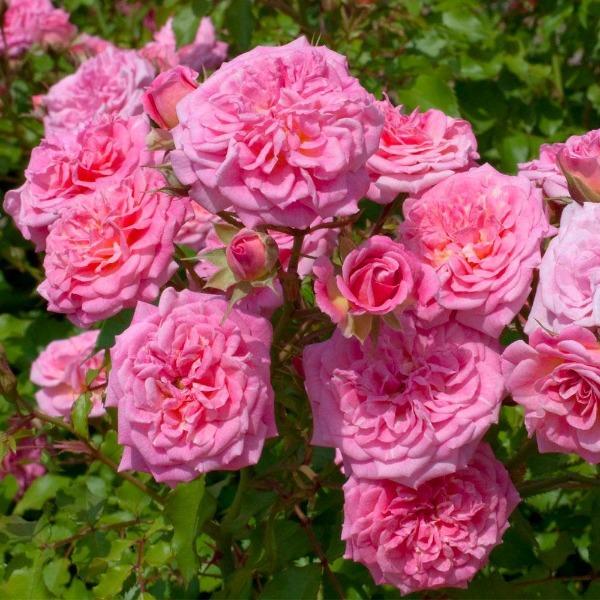
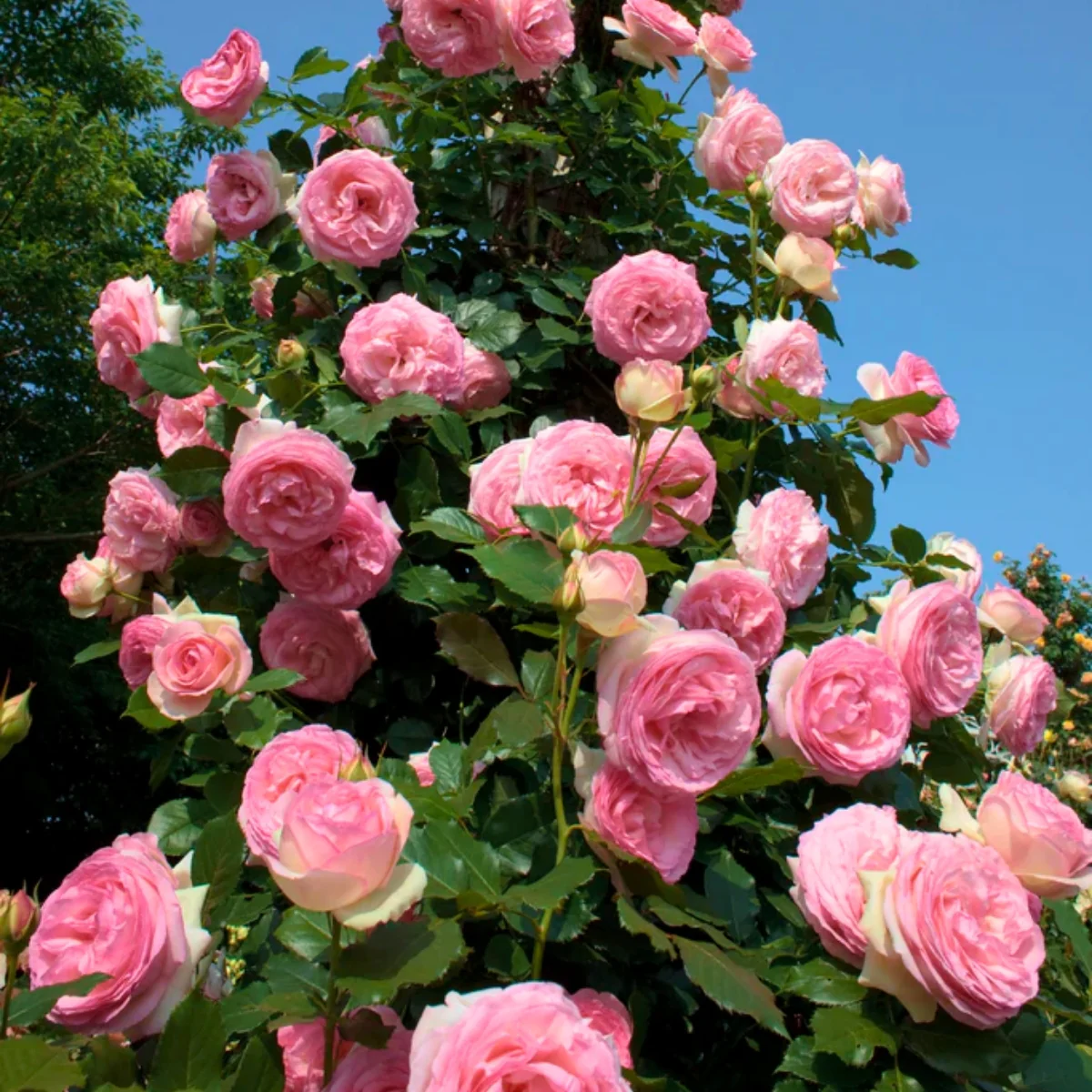
Eden Climbing Rose is the kind of rose that makes people stop mid-walk and stare. The blooms are large, deeply cupped, and packed with petals—creamy on the outside with a rich blush-pink center that reads “classic romance” from across the yard. As the flower ages, the pink often intensifies at the edges while the outer petals stay soft and buttery, giving you that two-tone, old-rose look that feels timeless rather than trendy. The fragrance is light, so it’s lovely up close without overpowering patios or entryways. Many gardeners describe it as a ‘wedding rose’ for its creamy white base and rose-pink swirl, and each bloom can be several inches wide with a heavily petaled, sculpted form.
Because the flowers are so full, they photograph beautifully and feel special on a trellis, arbor, or mailbox post. Cut a few stems for a vase and you’ll get that lush, layered look without needing a dozen blooms. Expect the heaviest flush in spring, then repeat waves through summer and into fall when the plant is happy—good sun, consistent moisture, and a little feeding go a long way. In very wet weather, extra-double blooms can sometimes open more slowly, so good air flow and morning sun help the flowers dry quickly and look their best. If you want maximum bloom size, avoid heavy nitrogen and aim for an explained balanced rose fertilizer so the plant keeps producing flowers instead of only leaves.
A Repeat-Blooming Climber That Trains Beautifully
If you’ve ever struggled with a climber that blooms only at the top, Eden rewards good training. Start by giving it a sturdy support—trellis, fence, arbor, or pillar—then guide the long canes outward and slightly horizontal as they grow. That simple change triggers more flowering shoots along the cane, resulting in more blooms at eye level rather than a few near the roofline. With regular training, it can reach roughly 8–12 feet tall (sometimes taller in ideal climates), making it a strong choice for covering a section of fence, framing a gate, or softening the edge of a pergola.
In the first season, Eden can be a little slow to settle in while it builds roots. Stay patient, keep it evenly watered, and focus on training canes rather than chasing height. By year two, growth typically becomes more confident, and you can begin shaping a fan pattern for walls or a spiral wrap around a post. Keep ties loose, check them a couple times each season, and you’ll end up with a living framework that looks curated—like your garden has been there forever. For best performance, give it at least 6 hours of direct sun and avoid crowding the base with thirsty groundcovers—that keeps the root zone consistent and reduces stress during summer heat.
Glossy, Healthy Foliage With Strong Season-Long Performance
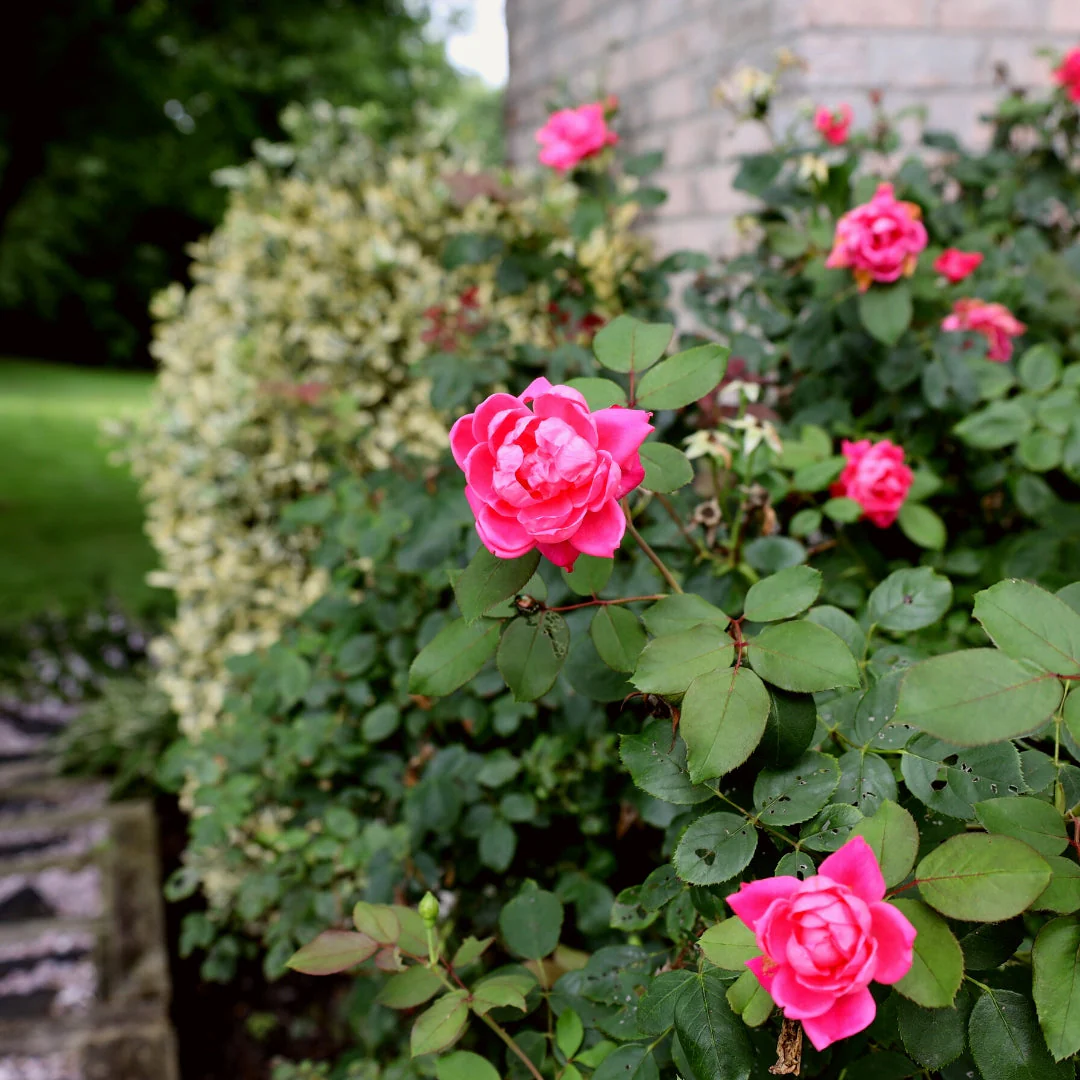
One of Eden’s biggest selling points is how “finished” it looks even between bloom flushes. The foliage is dark green and glossy, giving the plant a polished backdrop that makes the cream-and-pink flowers pop. With good sun and air flow, it’s known for strong disease resistance compared with many classic-style climbers—exactly what you want for a rose that lives near an entry, patio, or high-visibility wall. While no rose is completely maintenance-free, Eden is a smart pick if you want a romantic look without constant spraying or fussing.
Set Eden up for success with a simple routine: water deeply at the base, mulch to keep moisture steady, and feed during the growing season so the plant can keep reblooming. Deadheading spent blooms encourages faster repeat flowering, but you can also leave some late-season flowers to mature if you enjoy the look of hips. If you see leaf spot pressure during humid spells, improve airflow by thinning a few interior stems and avoid overhead watering late in the day. The result is a climber that stays attractive from spring through fall—not just a one-hit wonder. Once established, it handles short dry stretches better than a newly planted rose, but the first year is all about consistency—steady moisture builds a deep root system that pays you back with better blooms and less summer stress.
Design Ideas That Make Your Garden Feel Instantly Established
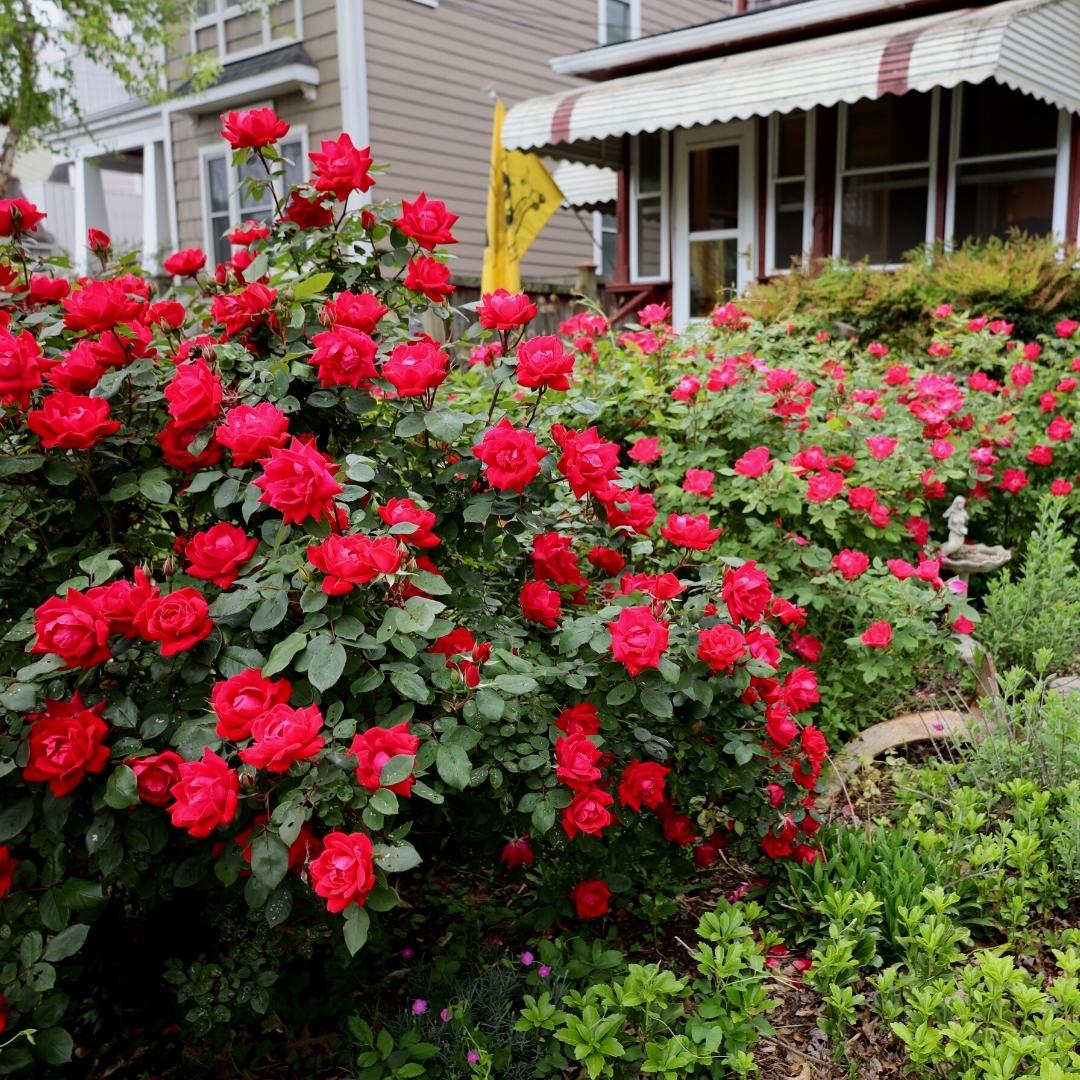
Eden Climbing Rose shines anywhere you want a “wow” moment with a soft, romantic color palette. Let it spill over an arbor at a garden entrance, lace it through a fence to soften property lines, or train it as a flowering pillar beside a porch. Because the blooms are so full and the foliage is glossy, it looks beautiful even in simple designs—one rose, one structure, and a clean mulch bed can look intentionally high-end. Place it where you’ll see it often—along a walkway or from a kitchen window—because repeat blooms mean you get multiple “peak moments” each season.
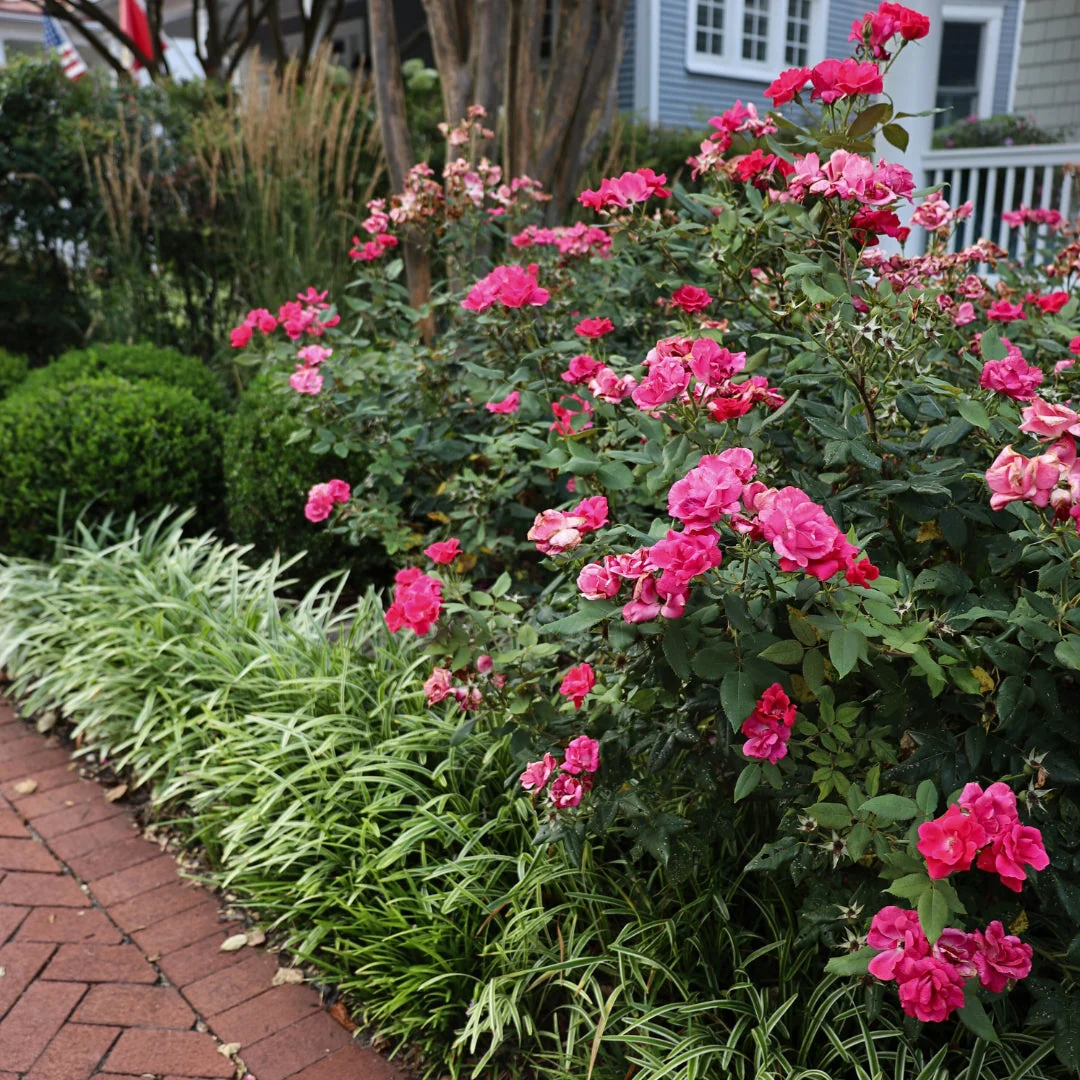
For a classic cottage-garden effect, pair Eden with blue and purple companions like lavender, catmint, salvia, or hardy geraniums—those cooler tones make the pink center glow. Give the base room to breathe and keep the crown open to the morning sun. In warmer zones or sheltered spots, you can grow it in a large container with a sturdy trellis, but plan on regular watering and feeding. On slopes, it’s best used as a structural accent (with support), while deeper-rooted shrubs or grasses handle erosion control below. Plant the rose about 12–18 inches away from the support so roots aren’t crowded by the foundation and rainwater can reach the root zone; then angle the canes back to the trellis as they grow. That little detail prevents dry, stressed roots and helps the rose fill in evenly from bottom to top.
Big, Old-Rose Blooms That Look Like Cut-Flower Luxury
Eden Climbing Rose is the kind of rose that makes people stop mid-walk and stare. The blooms are large, deeply cupped, and packed with petals—creamy on the outside with a rich blush-pink center that reads “classic romance” from across the yard. As the flower ages, the pink often intensifies at the edges while the outer petals stay soft and buttery, giving you that two-tone, old-rose look that feels timeless rather than trendy. The fragrance is light, so it’s lovely up close without overpowering patios or entryways. Many gardeners describe it as a ‘wedding rose’ for its creamy white base and rose-pink swirl, and each bloom can be several inches wide with a heavily petaled, sculpted form.
Because the flowers are so full, they photograph beautifully and feel special on a trellis, arbor, or mailbox post. Cut a few stems for a vase and you’ll get that lush, layered look without needing a dozen blooms. Expect the heaviest flush in spring, then repeat waves through summer and into fall when the plant is happy—good sun, consistent moisture, and a little feeding go a long way. In very wet weather, extra-double blooms can sometimes open more slowly, so good air flow and morning sun help the flowers dry quickly and look their best. If you want maximum bloom size, avoid heavy nitrogen and aim for an explained balanced rose fertilizer so the plant keeps producing flowers instead of only leaves.
A Repeat-Blooming Climber That Trains Beautifully
If you’ve ever struggled with a climber that blooms only at the top, Eden rewards good training. Start by giving it a sturdy support—trellis, fence, arbor, or pillar—then guide the long canes outward and slightly horizontal as they grow. That simple change triggers more flowering shoots along the cane, resulting in more blooms at eye level rather than a few near the roofline. With regular training, it can reach roughly 8–12 feet tall (sometimes taller in ideal climates), making it a strong choice for covering a section of fence, framing a gate, or softening the edge of a pergola.
In the first season, Eden can be a little slow to settle in while it builds roots. Stay patient, keep it evenly watered, and focus on training canes rather than chasing height. By year two, growth typically becomes more confident, and you can begin shaping a fan pattern for walls or a spiral wrap around a post. Keep ties loose, check them a couple times each season, and you’ll end up with a living framework that looks curated—like your garden has been there forever. For best performance, give it at least 6 hours of direct sun and avoid crowding the base with thirsty groundcovers—that keeps the root zone consistent and reduces stress during summer heat.
Glossy, Healthy Foliage With Strong Season-Long Performance
One of Eden’s biggest selling points is how “finished” it looks even between bloom flushes. The foliage is dark green and glossy, giving the plant a polished backdrop that makes the cream-and-pink flowers pop. With good sun and air flow, it’s known for strong disease resistance compared with many classic-style climbers—exactly what you want for a rose that lives near an entry, patio, or high-visibility wall. While no rose is completely maintenance-free, Eden is a smart pick if you want a romantic look without constant spraying or fussing.
Set Eden up for success with a simple routine: water deeply at the base, mulch to keep moisture steady, and feed during the growing season so the plant can keep reblooming. Deadheading spent blooms encourages faster repeat flowering, but you can also leave some late-season flowers to mature if you enjoy the look of hips. If you see leaf spot pressure during humid spells, improve airflow by thinning a few interior stems and avoid overhead watering late in the day. The result is a climber that stays attractive from spring through fall—not just a one-hit wonder. Once established, it handles short dry stretches better than a newly planted rose, but the first year is all about consistency—steady moisture builds a deep root system that pays you back with better blooms and less summer stress.
Design Ideas That Make Your Garden Feel Instantly Established
Eden Climbing Rose shines anywhere you want a “wow” moment with a soft, romantic color palette. Let it spill over an arbor at a garden entrance, lace it through a fence to soften property lines, or train it as a flowering pillar beside a porch. Because the blooms are so full and the foliage is glossy, it looks beautiful even in simple designs—one rose, one structure, and a clean mulch bed can look intentionally high-end. Place it where you’ll see it often—along a walkway or from a kitchen window—because repeat blooms mean you get multiple “peak moments” each season.
For a classic cottage-garden effect, pair Eden with blue and purple companions like lavender, catmint, salvia, or hardy geraniums—those cooler tones make the pink center glow. Give the base room to breathe and keep the crown open to the morning sun. In warmer zones or sheltered spots, you can grow it in a large container with a sturdy trellis, but plan on regular watering and feeding. On slopes, it’s best used as a structural accent (with support), while deeper-rooted shrubs or grasses handle erosion control below. Plant the rose about 12–18 inches away from the support so roots aren’t crowded by the foundation and rainwater can reach the root zone; then angle the canes back to the trellis as they grow. That little detail prevents dry, stressed roots and helps the rose fill in evenly from bottom to top.
Original: $93.45
-70%$93.45
$28.04Description
Big, Old-Rose Blooms That Look Like Cut-Flower Luxury
Eden Climbing Rose is the kind of rose that makes people stop mid-walk and stare. The blooms are large, deeply cupped, and packed with petals—creamy on the outside with a rich blush-pink center that reads “classic romance” from across the yard. As the flower ages, the pink often intensifies at the edges while the outer petals stay soft and buttery, giving you that two-tone, old-rose look that feels timeless rather than trendy. The fragrance is light, so it’s lovely up close without overpowering patios or entryways. Many gardeners describe it as a ‘wedding rose’ for its creamy white base and rose-pink swirl, and each bloom can be several inches wide with a heavily petaled, sculpted form.
Because the flowers are so full, they photograph beautifully and feel special on a trellis, arbor, or mailbox post. Cut a few stems for a vase and you’ll get that lush, layered look without needing a dozen blooms. Expect the heaviest flush in spring, then repeat waves through summer and into fall when the plant is happy—good sun, consistent moisture, and a little feeding go a long way. In very wet weather, extra-double blooms can sometimes open more slowly, so good air flow and morning sun help the flowers dry quickly and look their best. If you want maximum bloom size, avoid heavy nitrogen and aim for an explained balanced rose fertilizer so the plant keeps producing flowers instead of only leaves.
A Repeat-Blooming Climber That Trains Beautifully
If you’ve ever struggled with a climber that blooms only at the top, Eden rewards good training. Start by giving it a sturdy support—trellis, fence, arbor, or pillar—then guide the long canes outward and slightly horizontal as they grow. That simple change triggers more flowering shoots along the cane, resulting in more blooms at eye level rather than a few near the roofline. With regular training, it can reach roughly 8–12 feet tall (sometimes taller in ideal climates), making it a strong choice for covering a section of fence, framing a gate, or softening the edge of a pergola.
In the first season, Eden can be a little slow to settle in while it builds roots. Stay patient, keep it evenly watered, and focus on training canes rather than chasing height. By year two, growth typically becomes more confident, and you can begin shaping a fan pattern for walls or a spiral wrap around a post. Keep ties loose, check them a couple times each season, and you’ll end up with a living framework that looks curated—like your garden has been there forever. For best performance, give it at least 6 hours of direct sun and avoid crowding the base with thirsty groundcovers—that keeps the root zone consistent and reduces stress during summer heat.
Glossy, Healthy Foliage With Strong Season-Long Performance
One of Eden’s biggest selling points is how “finished” it looks even between bloom flushes. The foliage is dark green and glossy, giving the plant a polished backdrop that makes the cream-and-pink flowers pop. With good sun and air flow, it’s known for strong disease resistance compared with many classic-style climbers—exactly what you want for a rose that lives near an entry, patio, or high-visibility wall. While no rose is completely maintenance-free, Eden is a smart pick if you want a romantic look without constant spraying or fussing.
Set Eden up for success with a simple routine: water deeply at the base, mulch to keep moisture steady, and feed during the growing season so the plant can keep reblooming. Deadheading spent blooms encourages faster repeat flowering, but you can also leave some late-season flowers to mature if you enjoy the look of hips. If you see leaf spot pressure during humid spells, improve airflow by thinning a few interior stems and avoid overhead watering late in the day. The result is a climber that stays attractive from spring through fall—not just a one-hit wonder. Once established, it handles short dry stretches better than a newly planted rose, but the first year is all about consistency—steady moisture builds a deep root system that pays you back with better blooms and less summer stress.
Design Ideas That Make Your Garden Feel Instantly Established
Eden Climbing Rose shines anywhere you want a “wow” moment with a soft, romantic color palette. Let it spill over an arbor at a garden entrance, lace it through a fence to soften property lines, or train it as a flowering pillar beside a porch. Because the blooms are so full and the foliage is glossy, it looks beautiful even in simple designs—one rose, one structure, and a clean mulch bed can look intentionally high-end. Place it where you’ll see it often—along a walkway or from a kitchen window—because repeat blooms mean you get multiple “peak moments” each season.
For a classic cottage-garden effect, pair Eden with blue and purple companions like lavender, catmint, salvia, or hardy geraniums—those cooler tones make the pink center glow. Give the base room to breathe and keep the crown open to the morning sun. In warmer zones or sheltered spots, you can grow it in a large container with a sturdy trellis, but plan on regular watering and feeding. On slopes, it’s best used as a structural accent (with support), while deeper-rooted shrubs or grasses handle erosion control below. Plant the rose about 12–18 inches away from the support so roots aren’t crowded by the foundation and rainwater can reach the root zone; then angle the canes back to the trellis as they grow. That little detail prevents dry, stressed roots and helps the rose fill in evenly from bottom to top.