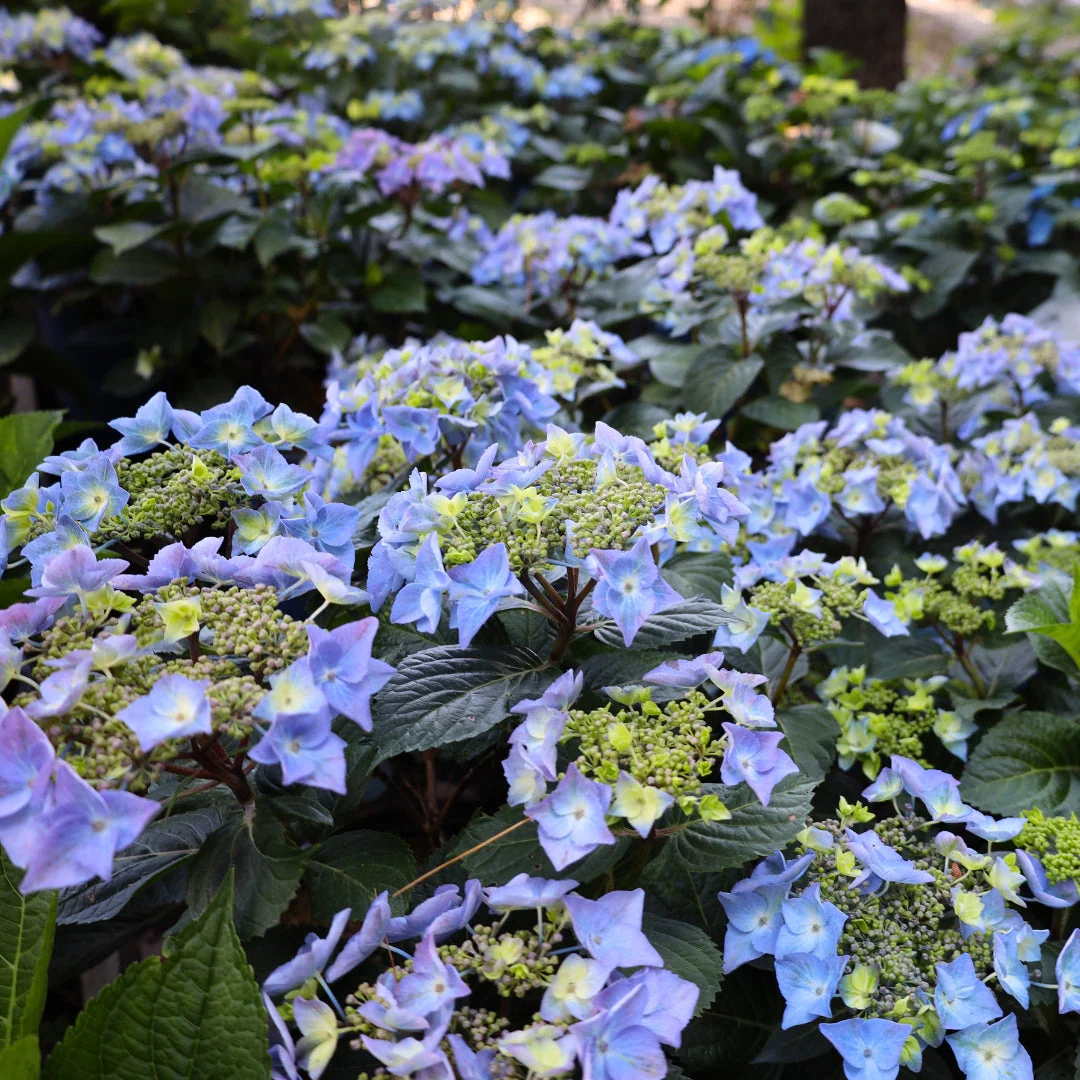
Pop Star® Reblooming Hydrangea
Compact Hydrangea Color That Fits Where Others Don’t
Pop Star® is the hydrangea for real-life gardens—front beds, townhouse landscapes, and foundation plantings where space matters. It stays compact (typically around 18–24 inches tall and about 24–36 inches wide), so you get hydrangea impact without committing to a 5-foot shrub. That smaller size also makes it easy to tuck into mixed plantings, repeat along a walkway, or place right where you want color near an entry.
Because it stays lower and wider, Pop Star® is also a natural partner for perennials and small evergreens. Use it as a front-of-bed anchor in bright shade, or mass it in groups for a tidy “designer drift” effect. The foliage is dense and clean-looking, so the plant adds structure even when it’s not in bloom. If you want a compact hydrangea that still feels lush and premium, this one delivers.
Reblooming Performance That Keeps Flowers Coming Back
As part of the Endless Summer® family, Pop Star® is bred for repeat bloom. It can flower on both old and new wood, which helps it keep producing blooms even when winter damages stems or when pruning timing isn’t perfect. That’s a big deal for gardeners who love hydrangeas but have had “all leaves, no flowers” seasons in the past. Pop Star® is more forgiving—and more consistent—than many traditional bigleaf hydrangeas.
In a typical season, you’ll often see an early flush followed by repeat blooms through summer, especially when the plant has steady moisture and protection from harsh afternoon sun. Mulch helps a lot here: it keeps roots cooler and moisture more even, which supports repeat flowering. The goal is simple—low stress, steady growth, and a plant that keeps throwing fresh flowers back into the garden.
Lacecap Blooms With A Soft, Natural Look And Color-Shift Magic
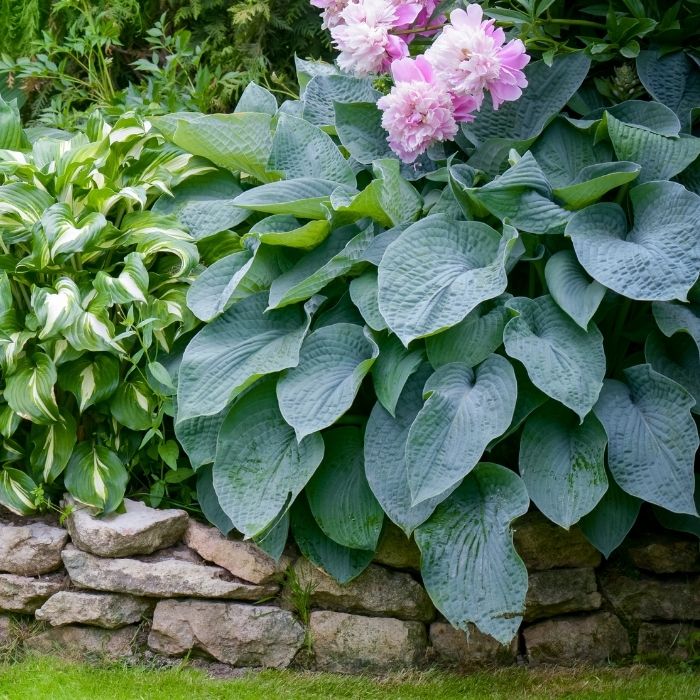
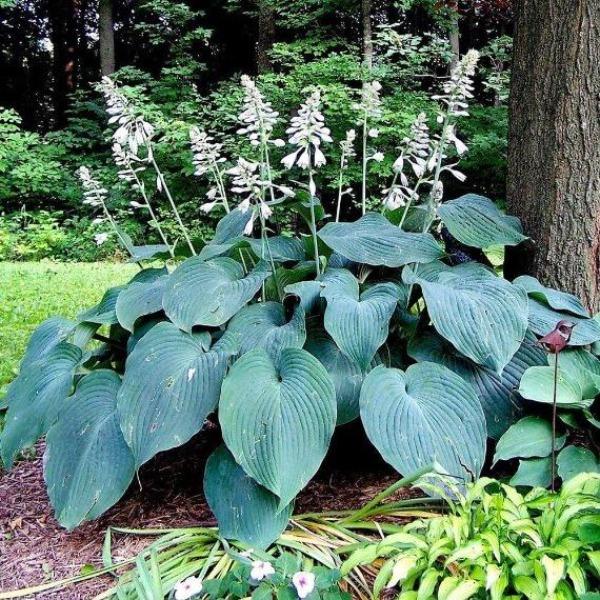
Pop Star® produces lacecap blooms—showy outer florets that frame a fertile center—giving it a lighter, more layered look than classic mopheads. It’s a beautiful style for cottage gardens and woodland edges, and it blends naturally with ferns, hostas, astilbe, and heuchera. And yes, it still delivers the color story people want: blooms can shift bluer in acidic soil, pinker in alkaline soil, and often show lavender tones in the middle.
The most important thing to know is that color and performance improve when the plant is comfortable. Place Pop Star® in morning sun with afternoon shade (or bright filtered light), enrich the soil with compost, and keep watering consistently. When you avoid drought stress during bud set and bloom time, you’ll get stronger bloom cycles and better color saturation—no matter where your soil naturally lands on the blue-to-pink spectrum.
Easy Care And Low-Stress Pruning For Better Repeat Blooms
Pop Star® doesn’t need complicated pruning to perform well. In early spring, remove dead stems and winter damage, then let the plant grow. Because it blooms on both old and new wood, you don’t have to obsess over “the perfect pruning day,” but minimal pruning usually produces the fullest flowering display. More stems generally mean more blooms, so avoid hard cutbacks unless you’re correcting damage.
If you want to shape the plant, do light trimming after a flush of flowers and avoid aggressive late-summer or fall pruning. Keep it mulched, water deeply during hot stretches, and give it enough spacing for airflow so foliage stays cleaner. With that simple routine, Pop Star® stays compact, healthy, and bloom-forward—exactly what most shoppers want from a modern reblooming hydrangea.
Compact Hydrangea Color That Fits Where Others Don’t
Pop Star® is the hydrangea for real-life gardens—front beds, townhouse landscapes, and foundation plantings where space matters. It stays compact (typically around 18–24 inches tall and about 24–36 inches wide), so you get hydrangea impact without committing to a 5-foot shrub. That smaller size also makes it easy to tuck into mixed plantings, repeat along a walkway, or place right where you want color near an entry.
Because it stays lower and wider, Pop Star® is also a natural partner for perennials and small evergreens. Use it as a front-of-bed anchor in bright shade, or mass it in groups for a tidy “designer drift” effect. The foliage is dense and clean-looking, so the plant adds structure even when it’s not in bloom. If you want a compact hydrangea that still feels lush and premium, this one delivers.
Reblooming Performance That Keeps Flowers Coming Back
As part of the Endless Summer® family, Pop Star® is bred for repeat bloom. It can flower on both old and new wood, which helps it keep producing blooms even when winter damages stems or when pruning timing isn’t perfect. That’s a big deal for gardeners who love hydrangeas but have had “all leaves, no flowers” seasons in the past. Pop Star® is more forgiving—and more consistent—than many traditional bigleaf hydrangeas.
In a typical season, you’ll often see an early flush followed by repeat blooms through summer, especially when the plant has steady moisture and protection from harsh afternoon sun. Mulch helps a lot here: it keeps roots cooler and moisture more even, which supports repeat flowering. The goal is simple—low stress, steady growth, and a plant that keeps throwing fresh flowers back into the garden.
Lacecap Blooms With A Soft, Natural Look And Color-Shift Magic
Pop Star® produces lacecap blooms—showy outer florets that frame a fertile center—giving it a lighter, more layered look than classic mopheads. It’s a beautiful style for cottage gardens and woodland edges, and it blends naturally with ferns, hostas, astilbe, and heuchera. And yes, it still delivers the color story people want: blooms can shift bluer in acidic soil, pinker in alkaline soil, and often show lavender tones in the middle.
The most important thing to know is that color and performance improve when the plant is comfortable. Place Pop Star® in morning sun with afternoon shade (or bright filtered light), enrich the soil with compost, and keep watering consistently. When you avoid drought stress during bud set and bloom time, you’ll get stronger bloom cycles and better color saturation—no matter where your soil naturally lands on the blue-to-pink spectrum.
Easy Care And Low-Stress Pruning For Better Repeat Blooms
Pop Star® doesn’t need complicated pruning to perform well. In early spring, remove dead stems and winter damage, then let the plant grow. Because it blooms on both old and new wood, you don’t have to obsess over “the perfect pruning day,” but minimal pruning usually produces the fullest flowering display. More stems generally mean more blooms, so avoid hard cutbacks unless you’re correcting damage.
If you want to shape the plant, do light trimming after a flush of flowers and avoid aggressive late-summer or fall pruning. Keep it mulched, water deeply during hot stretches, and give it enough spacing for airflow so foliage stays cleaner. With that simple routine, Pop Star® stays compact, healthy, and bloom-forward—exactly what most shoppers want from a modern reblooming hydrangea.
Original: $109.95
-70%$109.95
$32.98Description
Compact Hydrangea Color That Fits Where Others Don’t
Pop Star® is the hydrangea for real-life gardens—front beds, townhouse landscapes, and foundation plantings where space matters. It stays compact (typically around 18–24 inches tall and about 24–36 inches wide), so you get hydrangea impact without committing to a 5-foot shrub. That smaller size also makes it easy to tuck into mixed plantings, repeat along a walkway, or place right where you want color near an entry.
Because it stays lower and wider, Pop Star® is also a natural partner for perennials and small evergreens. Use it as a front-of-bed anchor in bright shade, or mass it in groups for a tidy “designer drift” effect. The foliage is dense and clean-looking, so the plant adds structure even when it’s not in bloom. If you want a compact hydrangea that still feels lush and premium, this one delivers.
Reblooming Performance That Keeps Flowers Coming Back
As part of the Endless Summer® family, Pop Star® is bred for repeat bloom. It can flower on both old and new wood, which helps it keep producing blooms even when winter damages stems or when pruning timing isn’t perfect. That’s a big deal for gardeners who love hydrangeas but have had “all leaves, no flowers” seasons in the past. Pop Star® is more forgiving—and more consistent—than many traditional bigleaf hydrangeas.
In a typical season, you’ll often see an early flush followed by repeat blooms through summer, especially when the plant has steady moisture and protection from harsh afternoon sun. Mulch helps a lot here: it keeps roots cooler and moisture more even, which supports repeat flowering. The goal is simple—low stress, steady growth, and a plant that keeps throwing fresh flowers back into the garden.
Lacecap Blooms With A Soft, Natural Look And Color-Shift Magic
Pop Star® produces lacecap blooms—showy outer florets that frame a fertile center—giving it a lighter, more layered look than classic mopheads. It’s a beautiful style for cottage gardens and woodland edges, and it blends naturally with ferns, hostas, astilbe, and heuchera. And yes, it still delivers the color story people want: blooms can shift bluer in acidic soil, pinker in alkaline soil, and often show lavender tones in the middle.
The most important thing to know is that color and performance improve when the plant is comfortable. Place Pop Star® in morning sun with afternoon shade (or bright filtered light), enrich the soil with compost, and keep watering consistently. When you avoid drought stress during bud set and bloom time, you’ll get stronger bloom cycles and better color saturation—no matter where your soil naturally lands on the blue-to-pink spectrum.
Easy Care And Low-Stress Pruning For Better Repeat Blooms
Pop Star® doesn’t need complicated pruning to perform well. In early spring, remove dead stems and winter damage, then let the plant grow. Because it blooms on both old and new wood, you don’t have to obsess over “the perfect pruning day,” but minimal pruning usually produces the fullest flowering display. More stems generally mean more blooms, so avoid hard cutbacks unless you’re correcting damage.
If you want to shape the plant, do light trimming after a flush of flowers and avoid aggressive late-summer or fall pruning. Keep it mulched, water deeply during hot stretches, and give it enough spacing for airflow so foliage stays cleaner. With that simple routine, Pop Star® stays compact, healthy, and bloom-forward—exactly what most shoppers want from a modern reblooming hydrangea.