
Ascot Rainbow Euphorbia
Ascot Rainbow Euphorbia Brings Color from Foliage First
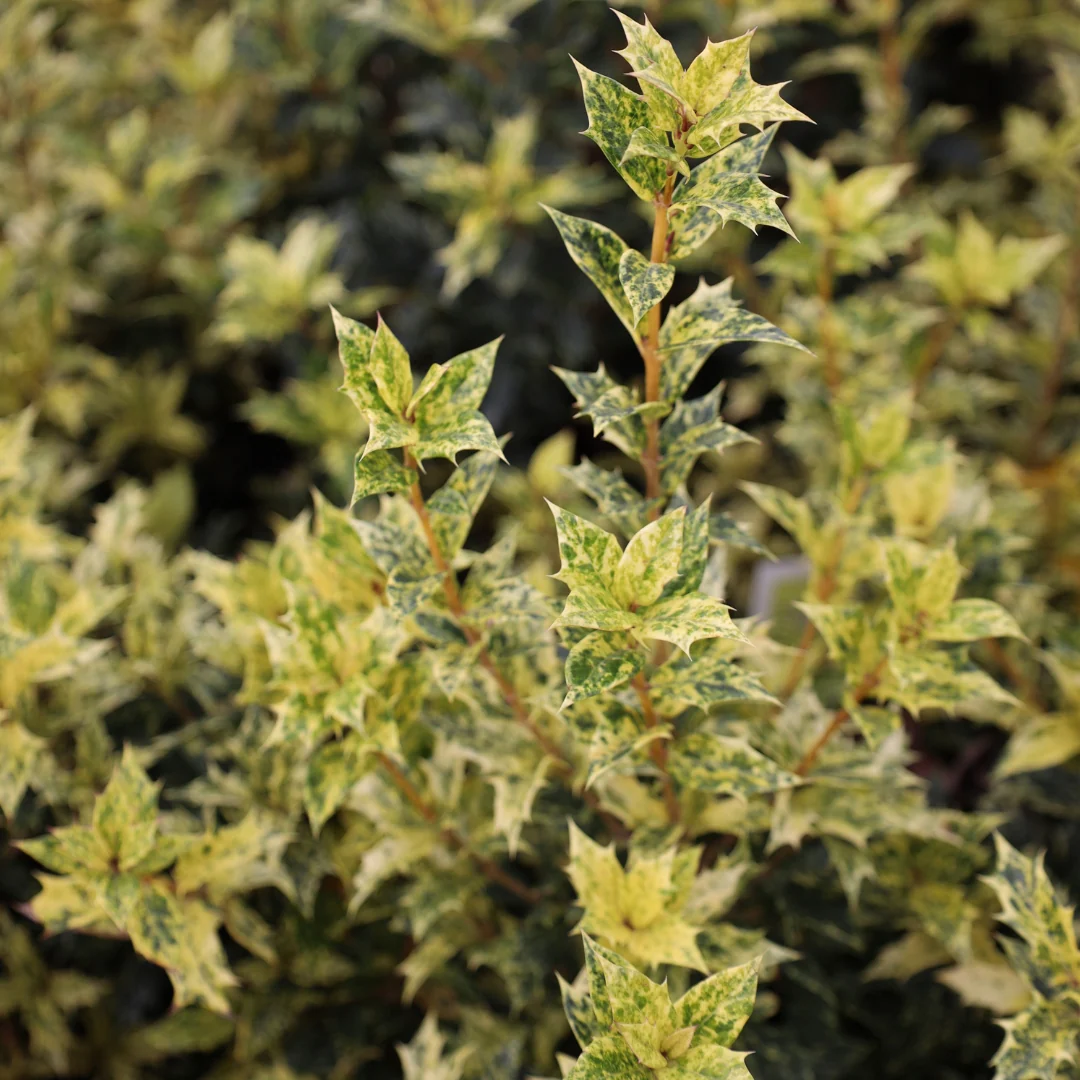
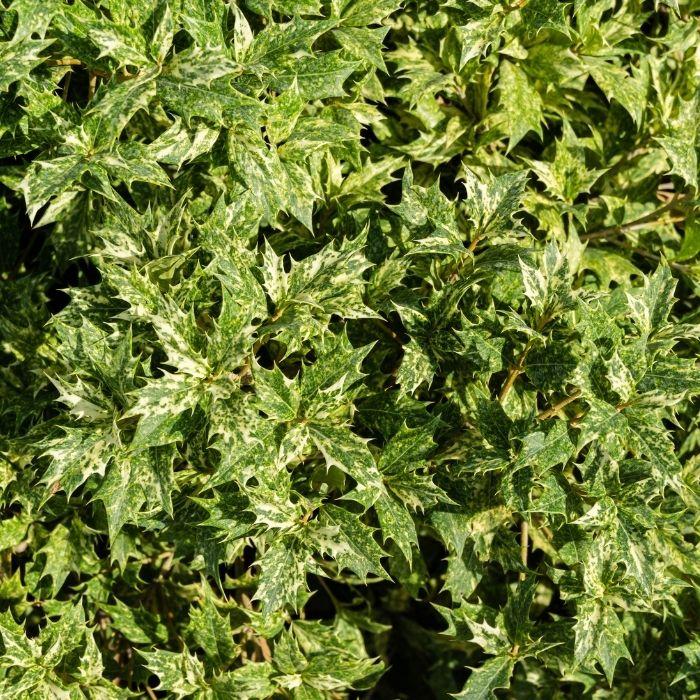
Ascot Rainbow Euphorbia is a colorful, variegated perennial grown for its striking foliage and long-lasting garden interest. Narrow gray-green leaves are edged in creamy yellow, creating a bright, clean look from spring through fall. As temperatures cool, the foliage can develop shades of pink, red, orange, and peach, adding extra color late in the season.
Also searched as Euphorbia Ascot Rainbow or Ascot Rainbow Spurge, this plant is ideal for homeowners who want more than a short bloom window. Its foliage does the heavy lifting, making it useful in containers, mixed borders, rock gardens, dry gardens, and sunny curb appeal beds where texture and color matter.
Variegated Bracts and Red Flower Centers Add Spring Interest
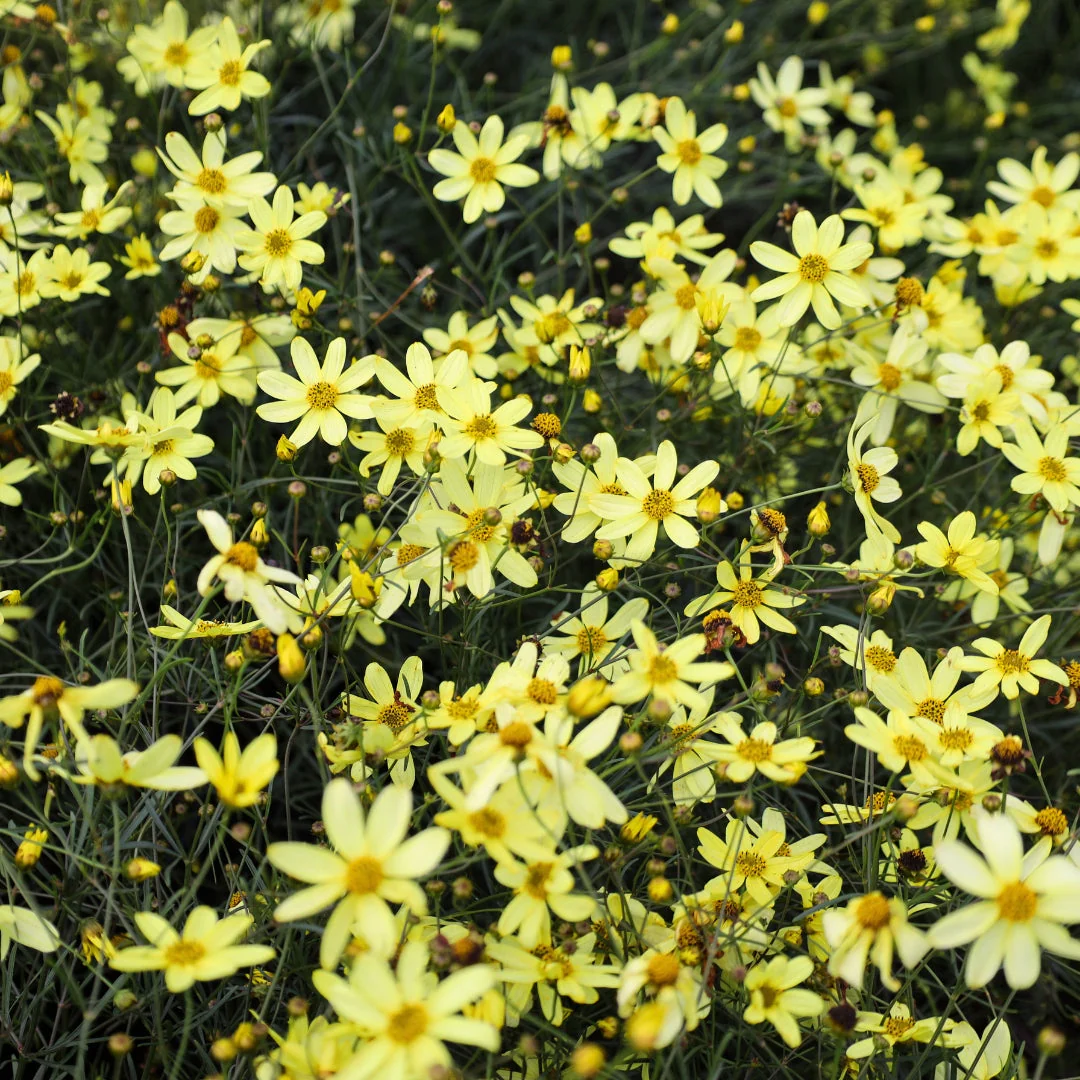
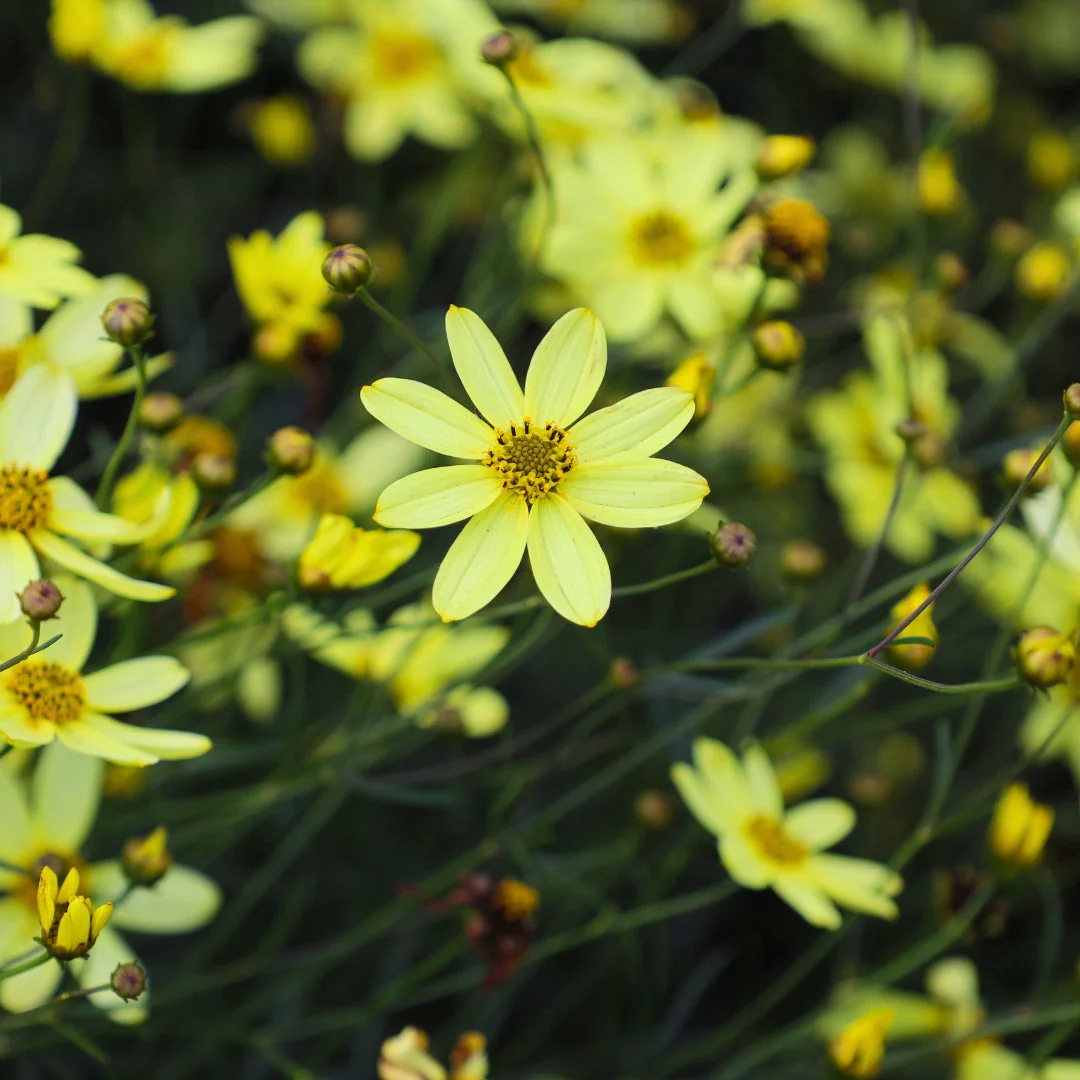
In spring, Ascot Rainbow Euphorbia produces showy flower clusters made up of variegated bracts in green, lime, cream, and yellow tones. The small true flowers sit inside these bracts and often show red centers, adding another layer of color above the variegated foliage.
The flower display has a fresh, architectural look rather than a soft, petal-heavy style. That makes Ascot Rainbow especially useful when paired with rounded flowers, fine-textured grasses, or broadleaf perennials. It brings structure, contrast, and color without overwhelming the planting.
A Compact, Upright Perennial for Patio Pots and Mixed Borders
Ascot Rainbow Euphorbia grows with an upright, clump-forming habit that typically reaches about 18 to 24 inches tall and wide, though mature size can vary by climate and growing conditions. Its tidy shape makes it easy to place in the front or middle of a sunny border, along walkways, or in decorative patio containers.
In containers, Ascot Rainbow works beautifully as a colorful filler plant. The variegated foliage pairs well with purple, burgundy, blue, silver, and chartreuse companions. Use it with Sedum, Lavender, Salvia, Yarrow, Catmint, Heuchera, ornamental grasses, or trailing annuals for a long-lasting combination.
Full Sun, Sharp Drainage, and Low-Water Performance
Plant Ascot Rainbow Euphorbia in full sun to part sun with sharply drained soil. Good drainage is one of the most important parts of success with this plant, especially in winter. Avoid heavy, wet soil or low areas where water collects around the crown.
Once established, Ascot Rainbow Euphorbia is drought-tolerant and heat-tolerant, making it a strong choice for dry borders, gravel gardens, rock gardens, and patio containers. Water regularly during the first growing season, then reduce watering once the roots are established. In humid regions, spacing plants to improve airflow and avoiding wet winter soil helps improve long-term performance.
Deer Resistant, Rabbit Resistant, and Easy to Maintain
Ascot Rainbow Euphorbia is generally considered deer-resistant and rabbit-resistant, which makes it useful in sunny landscapes where browsing can be a concern. Its foliage texture and milky sap make it less appealing than many softer perennials, though no plant is completely browsing-proof.
Maintenance is simple. Remove spent flowering stems after bloom if they begin to look tired, or cut back old stems in early spring before new growth pushes. Wear gloves when pruning or handling Euphorbia, because the milky sap can irritate skin and eyes. Avoid cutting into fresh shoots that will form next season’s display.
Ascot Rainbow Euphorbia Brings Color from Foliage First
Ascot Rainbow Euphorbia is a colorful, variegated perennial grown for its striking foliage and long-lasting garden interest. Narrow gray-green leaves are edged in creamy yellow, creating a bright, clean look from spring through fall. As temperatures cool, the foliage can develop shades of pink, red, orange, and peach, adding extra color late in the season.
Also searched as Euphorbia Ascot Rainbow or Ascot Rainbow Spurge, this plant is ideal for homeowners who want more than a short bloom window. Its foliage does the heavy lifting, making it useful in containers, mixed borders, rock gardens, dry gardens, and sunny curb appeal beds where texture and color matter.
Variegated Bracts and Red Flower Centers Add Spring Interest
In spring, Ascot Rainbow Euphorbia produces showy flower clusters made up of variegated bracts in green, lime, cream, and yellow tones. The small true flowers sit inside these bracts and often show red centers, adding another layer of color above the variegated foliage.
The flower display has a fresh, architectural look rather than a soft, petal-heavy style. That makes Ascot Rainbow especially useful when paired with rounded flowers, fine-textured grasses, or broadleaf perennials. It brings structure, contrast, and color without overwhelming the planting.
A Compact, Upright Perennial for Patio Pots and Mixed Borders
Ascot Rainbow Euphorbia grows with an upright, clump-forming habit that typically reaches about 18 to 24 inches tall and wide, though mature size can vary by climate and growing conditions. Its tidy shape makes it easy to place in the front or middle of a sunny border, along walkways, or in decorative patio containers.
In containers, Ascot Rainbow works beautifully as a colorful filler plant. The variegated foliage pairs well with purple, burgundy, blue, silver, and chartreuse companions. Use it with Sedum, Lavender, Salvia, Yarrow, Catmint, Heuchera, ornamental grasses, or trailing annuals for a long-lasting combination.
Full Sun, Sharp Drainage, and Low-Water Performance
Plant Ascot Rainbow Euphorbia in full sun to part sun with sharply drained soil. Good drainage is one of the most important parts of success with this plant, especially in winter. Avoid heavy, wet soil or low areas where water collects around the crown.
Once established, Ascot Rainbow Euphorbia is drought-tolerant and heat-tolerant, making it a strong choice for dry borders, gravel gardens, rock gardens, and patio containers. Water regularly during the first growing season, then reduce watering once the roots are established. In humid regions, spacing plants to improve airflow and avoiding wet winter soil helps improve long-term performance.
Deer Resistant, Rabbit Resistant, and Easy to Maintain
Ascot Rainbow Euphorbia is generally considered deer-resistant and rabbit-resistant, which makes it useful in sunny landscapes where browsing can be a concern. Its foliage texture and milky sap make it less appealing than many softer perennials, though no plant is completely browsing-proof.
Maintenance is simple. Remove spent flowering stems after bloom if they begin to look tired, or cut back old stems in early spring before new growth pushes. Wear gloves when pruning or handling Euphorbia, because the milky sap can irritate skin and eyes. Avoid cutting into fresh shoots that will form next season’s display.
Original: $26.95
-70%$26.95
$8.08Description
Ascot Rainbow Euphorbia Brings Color from Foliage First
Ascot Rainbow Euphorbia is a colorful, variegated perennial grown for its striking foliage and long-lasting garden interest. Narrow gray-green leaves are edged in creamy yellow, creating a bright, clean look from spring through fall. As temperatures cool, the foliage can develop shades of pink, red, orange, and peach, adding extra color late in the season.
Also searched as Euphorbia Ascot Rainbow or Ascot Rainbow Spurge, this plant is ideal for homeowners who want more than a short bloom window. Its foliage does the heavy lifting, making it useful in containers, mixed borders, rock gardens, dry gardens, and sunny curb appeal beds where texture and color matter.
Variegated Bracts and Red Flower Centers Add Spring Interest
In spring, Ascot Rainbow Euphorbia produces showy flower clusters made up of variegated bracts in green, lime, cream, and yellow tones. The small true flowers sit inside these bracts and often show red centers, adding another layer of color above the variegated foliage.
The flower display has a fresh, architectural look rather than a soft, petal-heavy style. That makes Ascot Rainbow especially useful when paired with rounded flowers, fine-textured grasses, or broadleaf perennials. It brings structure, contrast, and color without overwhelming the planting.
A Compact, Upright Perennial for Patio Pots and Mixed Borders
Ascot Rainbow Euphorbia grows with an upright, clump-forming habit that typically reaches about 18 to 24 inches tall and wide, though mature size can vary by climate and growing conditions. Its tidy shape makes it easy to place in the front or middle of a sunny border, along walkways, or in decorative patio containers.
In containers, Ascot Rainbow works beautifully as a colorful filler plant. The variegated foliage pairs well with purple, burgundy, blue, silver, and chartreuse companions. Use it with Sedum, Lavender, Salvia, Yarrow, Catmint, Heuchera, ornamental grasses, or trailing annuals for a long-lasting combination.
Full Sun, Sharp Drainage, and Low-Water Performance
Plant Ascot Rainbow Euphorbia in full sun to part sun with sharply drained soil. Good drainage is one of the most important parts of success with this plant, especially in winter. Avoid heavy, wet soil or low areas where water collects around the crown.
Once established, Ascot Rainbow Euphorbia is drought-tolerant and heat-tolerant, making it a strong choice for dry borders, gravel gardens, rock gardens, and patio containers. Water regularly during the first growing season, then reduce watering once the roots are established. In humid regions, spacing plants to improve airflow and avoiding wet winter soil helps improve long-term performance.
Deer Resistant, Rabbit Resistant, and Easy to Maintain
Ascot Rainbow Euphorbia is generally considered deer-resistant and rabbit-resistant, which makes it useful in sunny landscapes where browsing can be a concern. Its foliage texture and milky sap make it less appealing than many softer perennials, though no plant is completely browsing-proof.
Maintenance is simple. Remove spent flowering stems after bloom if they begin to look tired, or cut back old stems in early spring before new growth pushes. Wear gloves when pruning or handling Euphorbia, because the milky sap can irritate skin and eyes. Avoid cutting into fresh shoots that will form next season’s display.