
Blue False Indigo
Blue-Purple Flower Spikes on a Durable Native Perennial
Blue False Indigo is a long-lived native perennial grown for its upright blue-purple flower spikes, attractive blue-green foliage, and tough, low-maintenance performance in sunny garden beds. In late spring to early summer, lupine-like blooms rise above the foliage, creating a bold vertical accent that feels both natural and refined.
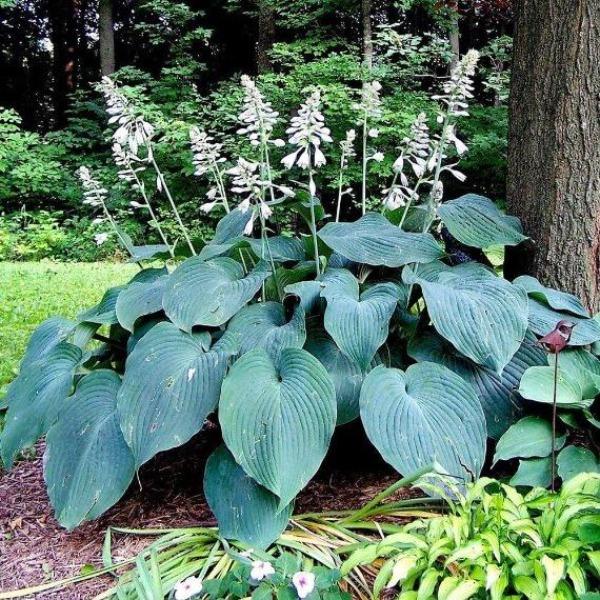
Baptisia australis is especially valuable because it behaves almost like a small shrub during the growing season. Once established, its sturdy stems and rounded habit give perennial borders, cottage gardens, pollinator beds, and native plantings lasting structure long after the flowers fade. It is a smart choice for gardeners who want a beautiful plant that gets better with age.
Spring Flowers, Blue-Green Foliage, and Decorative Seed Pods
The spring flower spikes are the main show, opening in rich blue to violet-blue tones that stand out beautifully against the plant’s clover-like foliage. The leaves have a soft blue-green cast that keeps the plant attractive through summer, even after bloom has finished.
After flowering, Blue False Indigo develops dark seed pods that can add ornamental texture and interest later in the season. These pods are often valued in naturalistic plantings and dried arrangements. The combination of spring flowers, summer foliage, and late-season pods makes this perennial useful for more than one moment in the garden.
A Strong Anchor for Native Gardens, Borders, and Pollinator Plantings
Blue False Indigo works best as a middle-to-back border plant, a native garden anchor, a cottage garden perennial, or a prairie-style planting companion. Its mature size and rounded habit give it enough presence to fill space without needing constant pruning or staking in the right location.
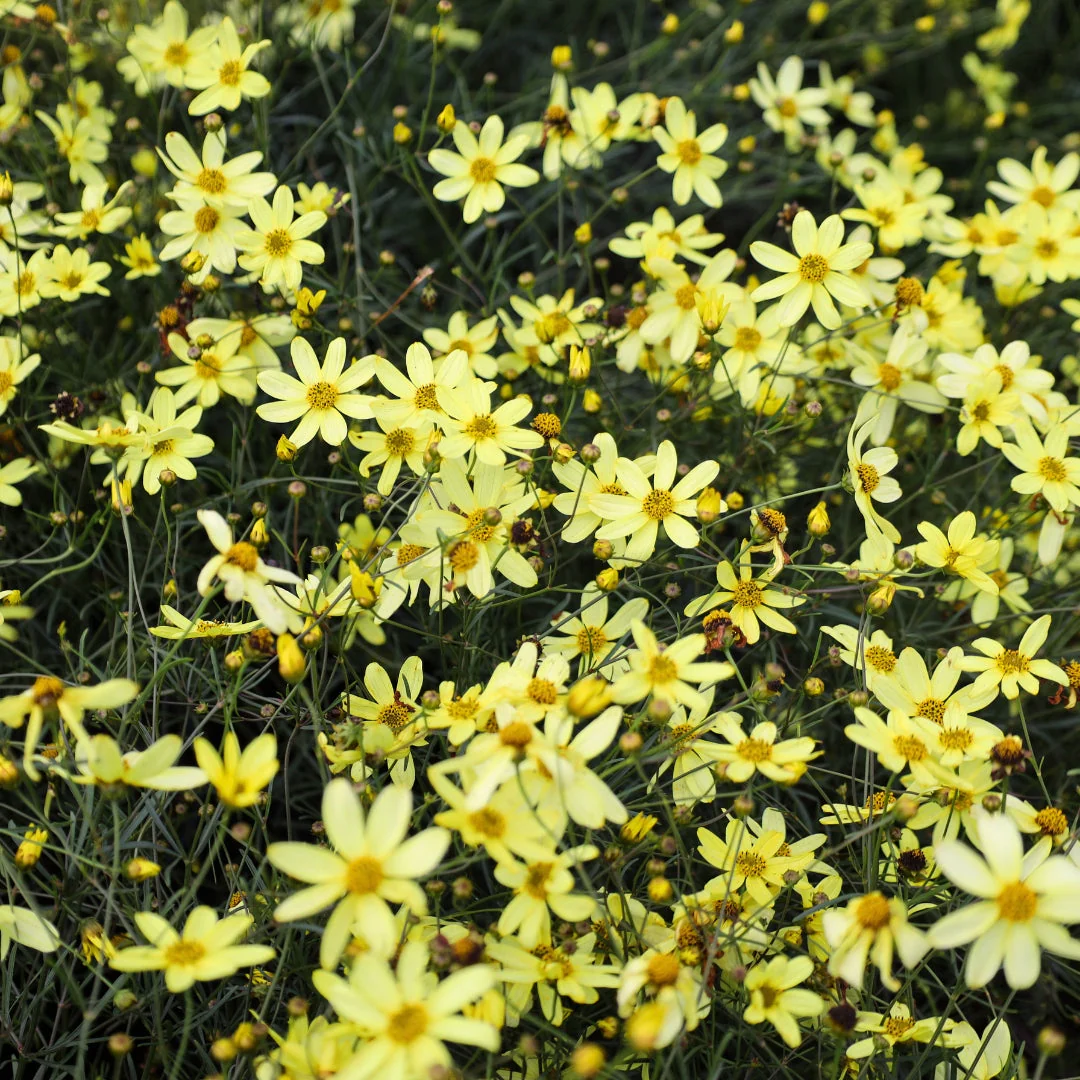
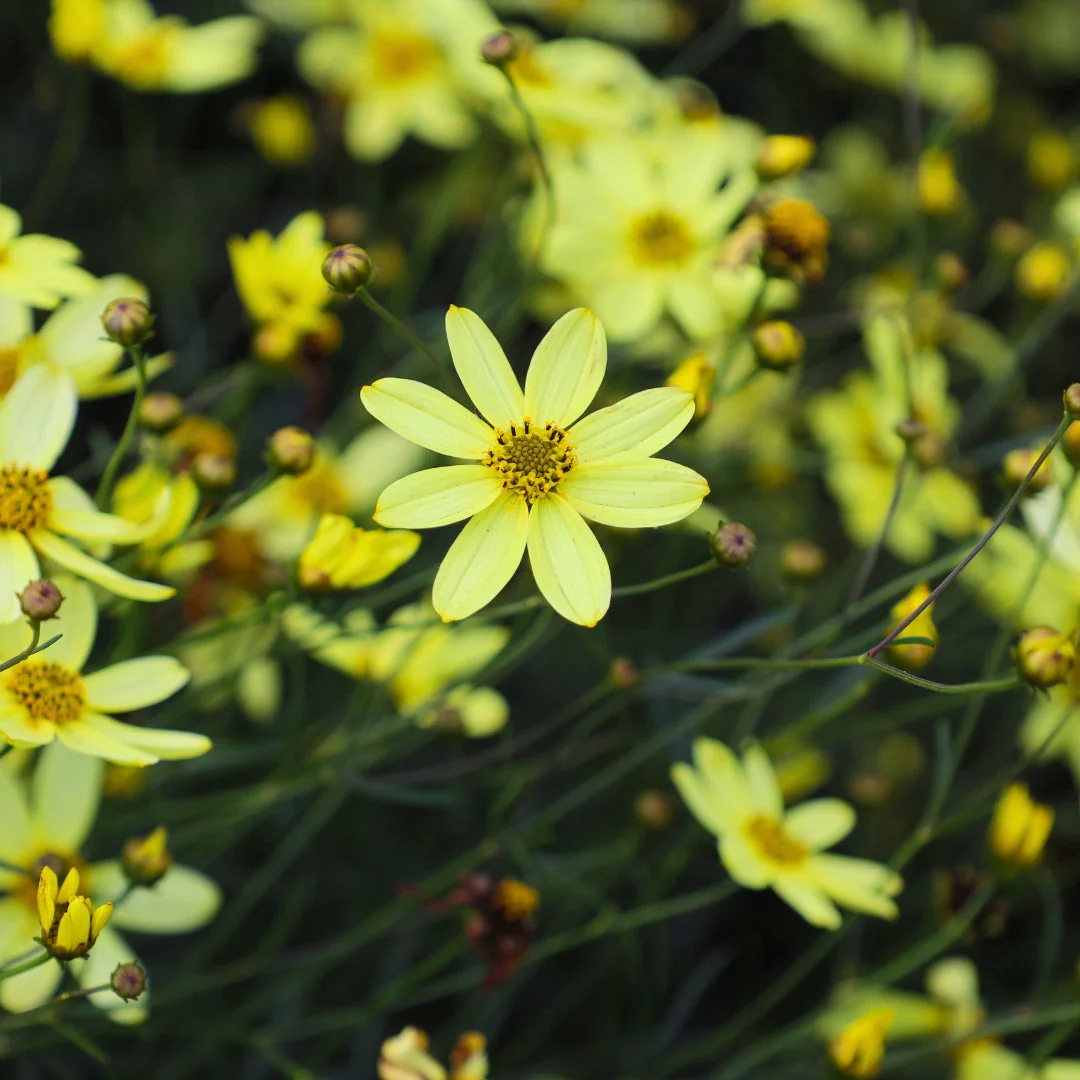
Plant it with coneflowers, Black Eyed Susans, yarrow, salvia, catmint, coreopsis, ornamental grasses, asters, and other sun-loving perennials for a layered, pollinator-friendly design. Because Baptisia develops a deep root system and dislikes being moved once established, choose its planting location carefully and give it room to mature.
Deer Resistant, Drought Tolerant, and Pollinator Friendly Once Established
Blue False Indigo is a strong choice for low-maintenance sunny landscapes. Once established, it is drought-tolerant and performs well in average to dry, well-drained soils. It also tolerates poor soil and heat, making it useful in tough perennial beds where less resilient plants may struggle.
This plant is generally considered deer-resistant, and its flowers attract bees, butterflies, and other beneficial pollinators. Its native background and durable habit make it a valuable addition to wildlife-friendly gardens, while its refined foliage and flower color keep it attractive enough for more formal mixed borders.
Easy Care with Full Sun, Drainage, and Patience
Plant Blue False Indigo in full sun for the strongest stems, best flowering, and most compact shape. It can tolerate light shade, but too much shade may reduce bloom and cause the plant to open up or need support. Well-drained soil is important, and the plant often performs well without rich amendments once established.
Water regularly during the first growing season to help the roots establish. After that, reduce watering and allow the plant to handle normal dry periods. Avoid frequent transplanting or dividing, since mature Baptisia plants develop deep roots and prefer to stay in place. Cut stems back in late fall after frost or in early spring before new growth emerges.
Blue-Purple Flower Spikes on a Durable Native Perennial
Blue False Indigo is a long-lived native perennial grown for its upright blue-purple flower spikes, attractive blue-green foliage, and tough, low-maintenance performance in sunny garden beds. In late spring to early summer, lupine-like blooms rise above the foliage, creating a bold vertical accent that feels both natural and refined.
Baptisia australis is especially valuable because it behaves almost like a small shrub during the growing season. Once established, its sturdy stems and rounded habit give perennial borders, cottage gardens, pollinator beds, and native plantings lasting structure long after the flowers fade. It is a smart choice for gardeners who want a beautiful plant that gets better with age.
Spring Flowers, Blue-Green Foliage, and Decorative Seed Pods
The spring flower spikes are the main show, opening in rich blue to violet-blue tones that stand out beautifully against the plant’s clover-like foliage. The leaves have a soft blue-green cast that keeps the plant attractive through summer, even after bloom has finished.
After flowering, Blue False Indigo develops dark seed pods that can add ornamental texture and interest later in the season. These pods are often valued in naturalistic plantings and dried arrangements. The combination of spring flowers, summer foliage, and late-season pods makes this perennial useful for more than one moment in the garden.
A Strong Anchor for Native Gardens, Borders, and Pollinator Plantings
Blue False Indigo works best as a middle-to-back border plant, a native garden anchor, a cottage garden perennial, or a prairie-style planting companion. Its mature size and rounded habit give it enough presence to fill space without needing constant pruning or staking in the right location.
Plant it with coneflowers, Black Eyed Susans, yarrow, salvia, catmint, coreopsis, ornamental grasses, asters, and other sun-loving perennials for a layered, pollinator-friendly design. Because Baptisia develops a deep root system and dislikes being moved once established, choose its planting location carefully and give it room to mature.
Deer Resistant, Drought Tolerant, and Pollinator Friendly Once Established
Blue False Indigo is a strong choice for low-maintenance sunny landscapes. Once established, it is drought-tolerant and performs well in average to dry, well-drained soils. It also tolerates poor soil and heat, making it useful in tough perennial beds where less resilient plants may struggle.
This plant is generally considered deer-resistant, and its flowers attract bees, butterflies, and other beneficial pollinators. Its native background and durable habit make it a valuable addition to wildlife-friendly gardens, while its refined foliage and flower color keep it attractive enough for more formal mixed borders.
Easy Care with Full Sun, Drainage, and Patience
Plant Blue False Indigo in full sun for the strongest stems, best flowering, and most compact shape. It can tolerate light shade, but too much shade may reduce bloom and cause the plant to open up or need support. Well-drained soil is important, and the plant often performs well without rich amendments once established.
Water regularly during the first growing season to help the roots establish. After that, reduce watering and allow the plant to handle normal dry periods. Avoid frequent transplanting or dividing, since mature Baptisia plants develop deep roots and prefer to stay in place. Cut stems back in late fall after frost or in early spring before new growth emerges.
Description
Blue-Purple Flower Spikes on a Durable Native Perennial
Blue False Indigo is a long-lived native perennial grown for its upright blue-purple flower spikes, attractive blue-green foliage, and tough, low-maintenance performance in sunny garden beds. In late spring to early summer, lupine-like blooms rise above the foliage, creating a bold vertical accent that feels both natural and refined.
Baptisia australis is especially valuable because it behaves almost like a small shrub during the growing season. Once established, its sturdy stems and rounded habit give perennial borders, cottage gardens, pollinator beds, and native plantings lasting structure long after the flowers fade. It is a smart choice for gardeners who want a beautiful plant that gets better with age.
Spring Flowers, Blue-Green Foliage, and Decorative Seed Pods
The spring flower spikes are the main show, opening in rich blue to violet-blue tones that stand out beautifully against the plant’s clover-like foliage. The leaves have a soft blue-green cast that keeps the plant attractive through summer, even after bloom has finished.
After flowering, Blue False Indigo develops dark seed pods that can add ornamental texture and interest later in the season. These pods are often valued in naturalistic plantings and dried arrangements. The combination of spring flowers, summer foliage, and late-season pods makes this perennial useful for more than one moment in the garden.
A Strong Anchor for Native Gardens, Borders, and Pollinator Plantings
Blue False Indigo works best as a middle-to-back border plant, a native garden anchor, a cottage garden perennial, or a prairie-style planting companion. Its mature size and rounded habit give it enough presence to fill space without needing constant pruning or staking in the right location.
Plant it with coneflowers, Black Eyed Susans, yarrow, salvia, catmint, coreopsis, ornamental grasses, asters, and other sun-loving perennials for a layered, pollinator-friendly design. Because Baptisia develops a deep root system and dislikes being moved once established, choose its planting location carefully and give it room to mature.
Deer Resistant, Drought Tolerant, and Pollinator Friendly Once Established
Blue False Indigo is a strong choice for low-maintenance sunny landscapes. Once established, it is drought-tolerant and performs well in average to dry, well-drained soils. It also tolerates poor soil and heat, making it useful in tough perennial beds where less resilient plants may struggle.
This plant is generally considered deer-resistant, and its flowers attract bees, butterflies, and other beneficial pollinators. Its native background and durable habit make it a valuable addition to wildlife-friendly gardens, while its refined foliage and flower color keep it attractive enough for more formal mixed borders.
Easy Care with Full Sun, Drainage, and Patience
Plant Blue False Indigo in full sun for the strongest stems, best flowering, and most compact shape. It can tolerate light shade, but too much shade may reduce bloom and cause the plant to open up or need support. Well-drained soil is important, and the plant often performs well without rich amendments once established.
Water regularly during the first growing season to help the roots establish. After that, reduce watering and allow the plant to handle normal dry periods. Avoid frequent transplanting or dividing, since mature Baptisia plants develop deep roots and prefer to stay in place. Cut stems back in late fall after frost or in early spring before new growth emerges.