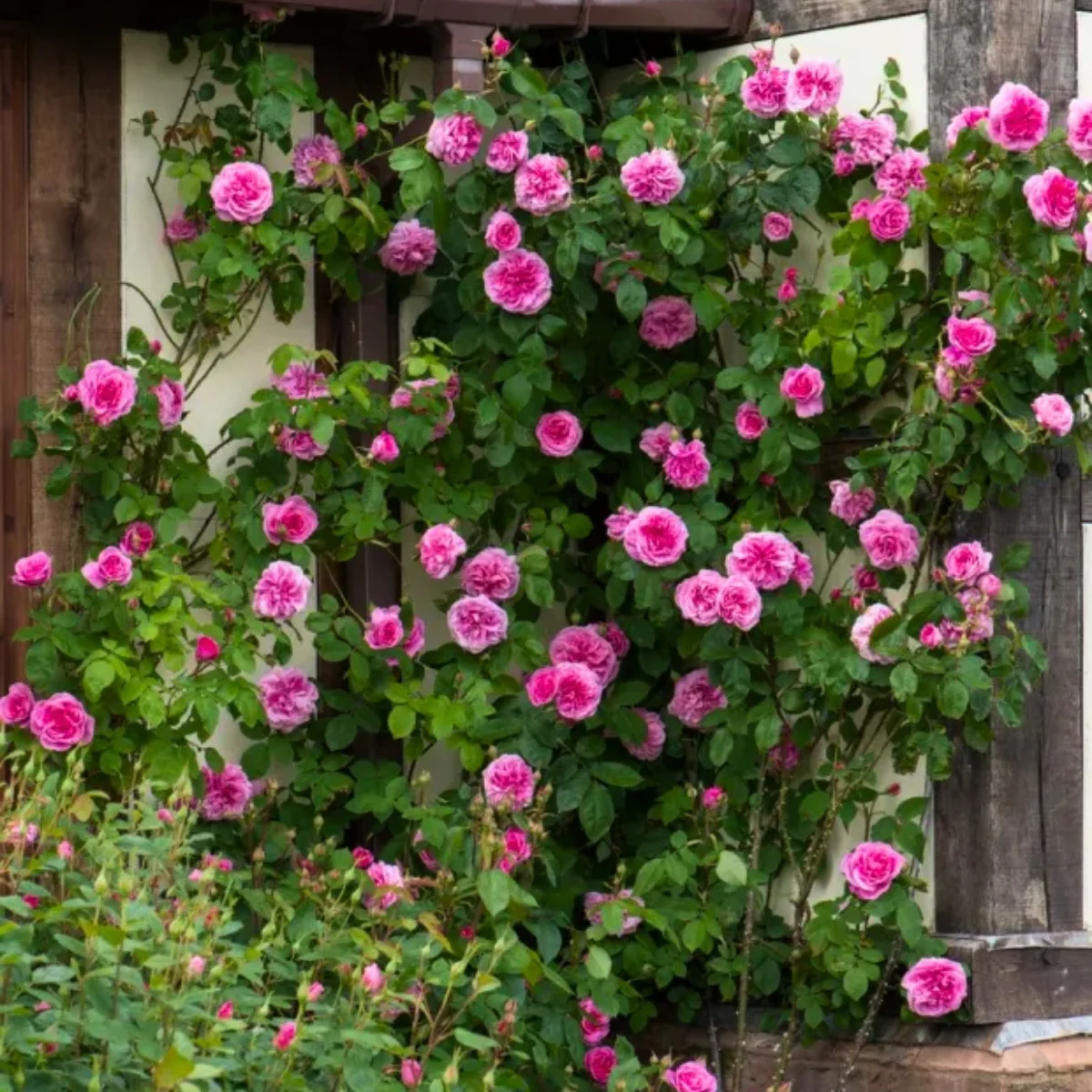
Gertrude Jekyll Climbing Rose
The Fragrance-First Climber That Makes the Whole Garden Smell Like Roses
Gertrude Jekyll is famous for one thing above all: fragrance. This is the rose you plant when you want to catch perfume on the breeze, walking to the mailbox, stepping onto the patio, or opening the front door. The scent is classic “old rose” and noticeably strong, with that rich, traditional rose character that many modern roses only hint at. Plant it where you’ll pass it often—along a path, near a seating area, or by an entry gate—and you’ll understand why gardeners call it a fragrance benchmark.
That powerful perfume comes with a bloom style that feels lush and nostalgic: very full, many-petaled flowers that open in generous clusters. If you love cutting roses for the house, this variety delivers that “real rose” experience—bold scent, full petal count, and a color that looks vibrant in a vase. It’s also a repeat bloomer, so you’re not waiting a full year for the next show. With sun, steady moisture, and a simple feeding rhythm, it blooms in flushes from late spring through the growing season, bringing back that unmistakable rose-garden feeling again and again.
Rich Pink, Very Full Blooms That Read Like a Classic English Rose
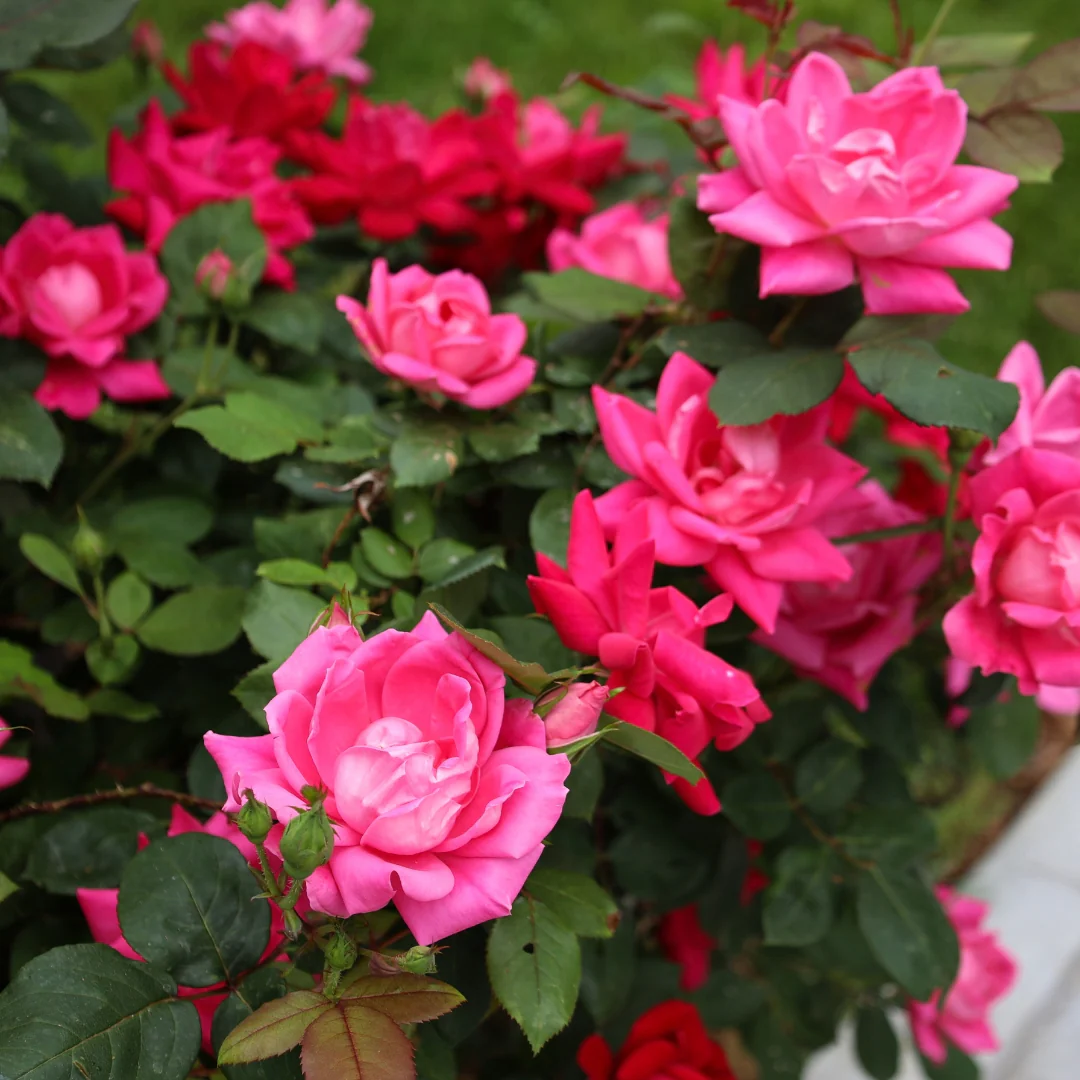
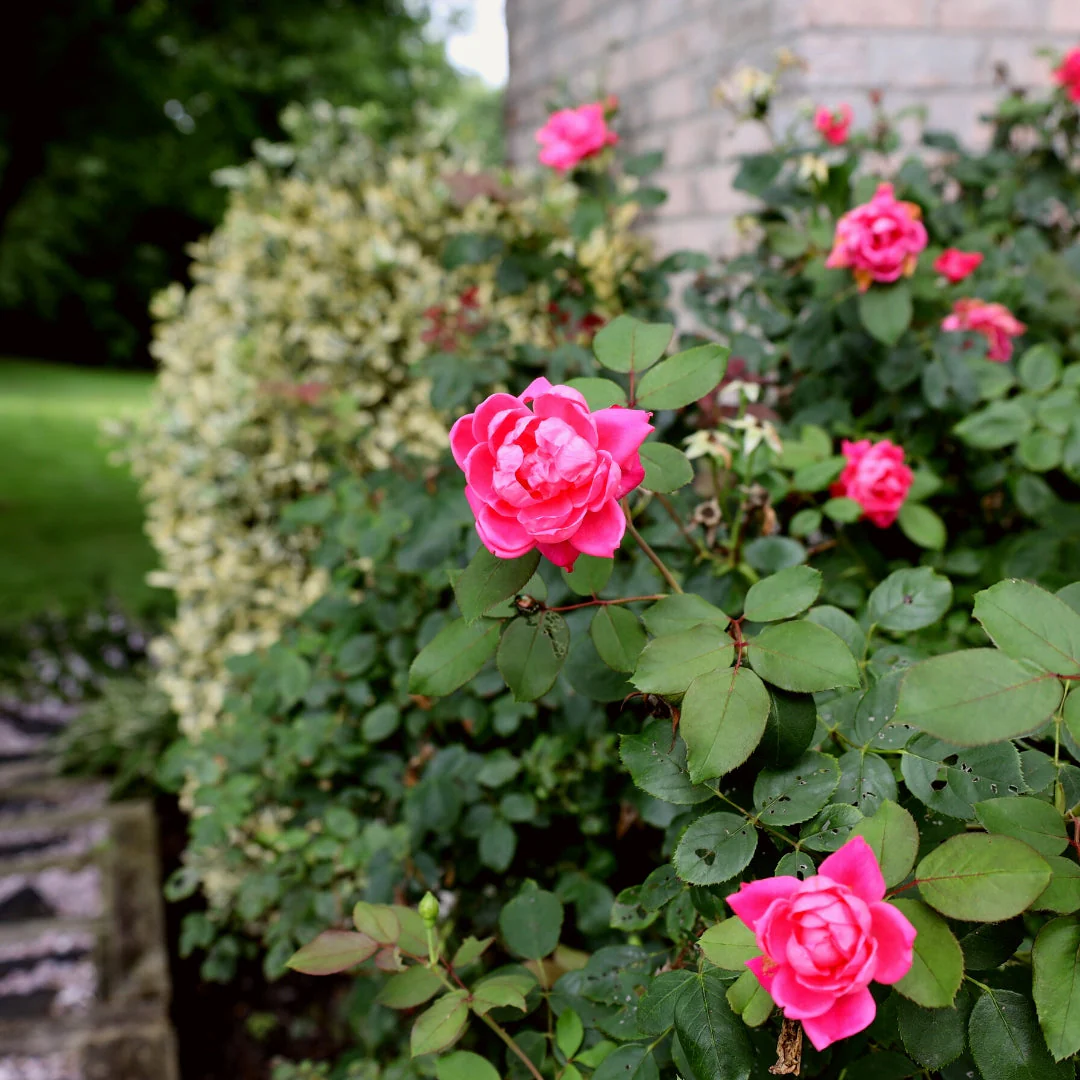
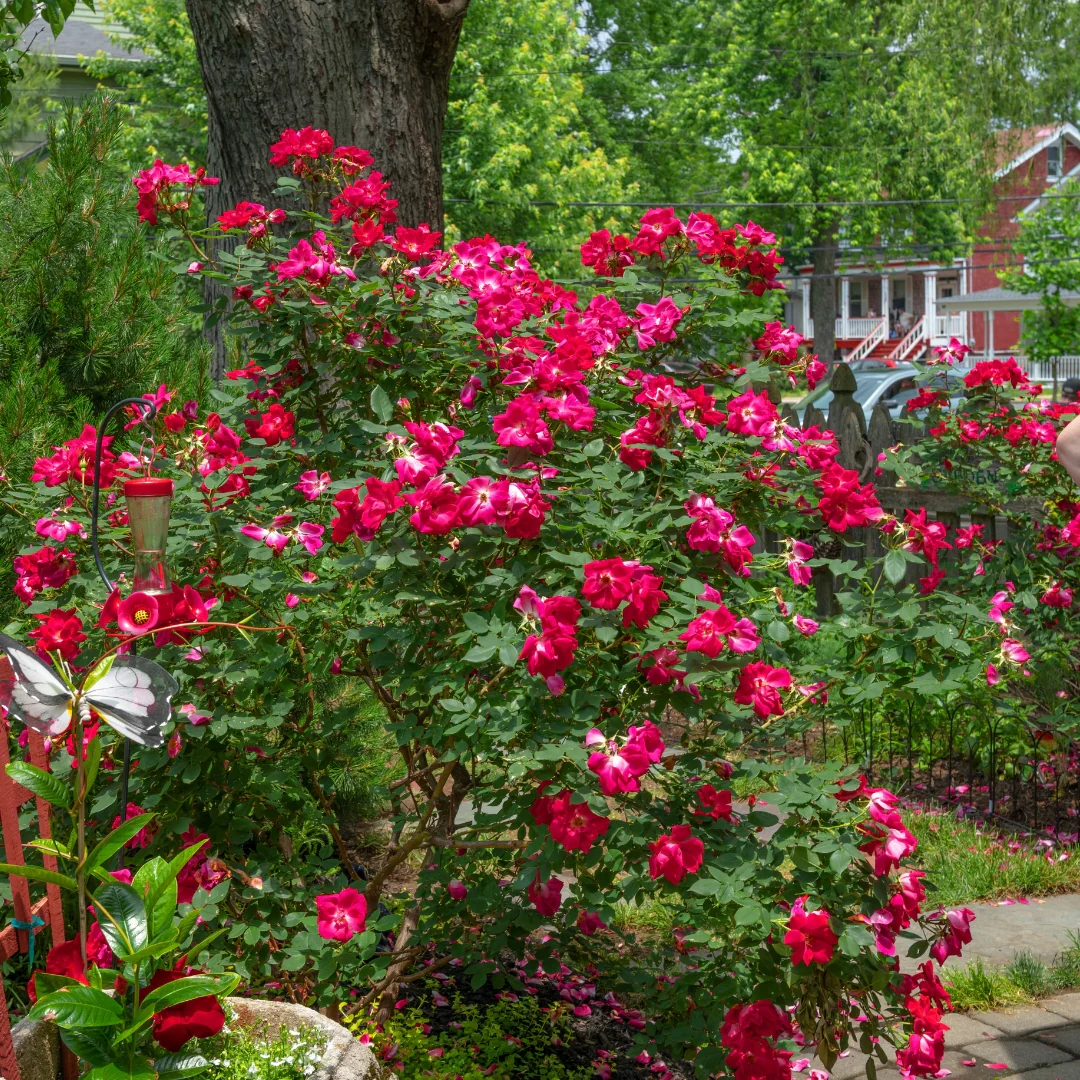
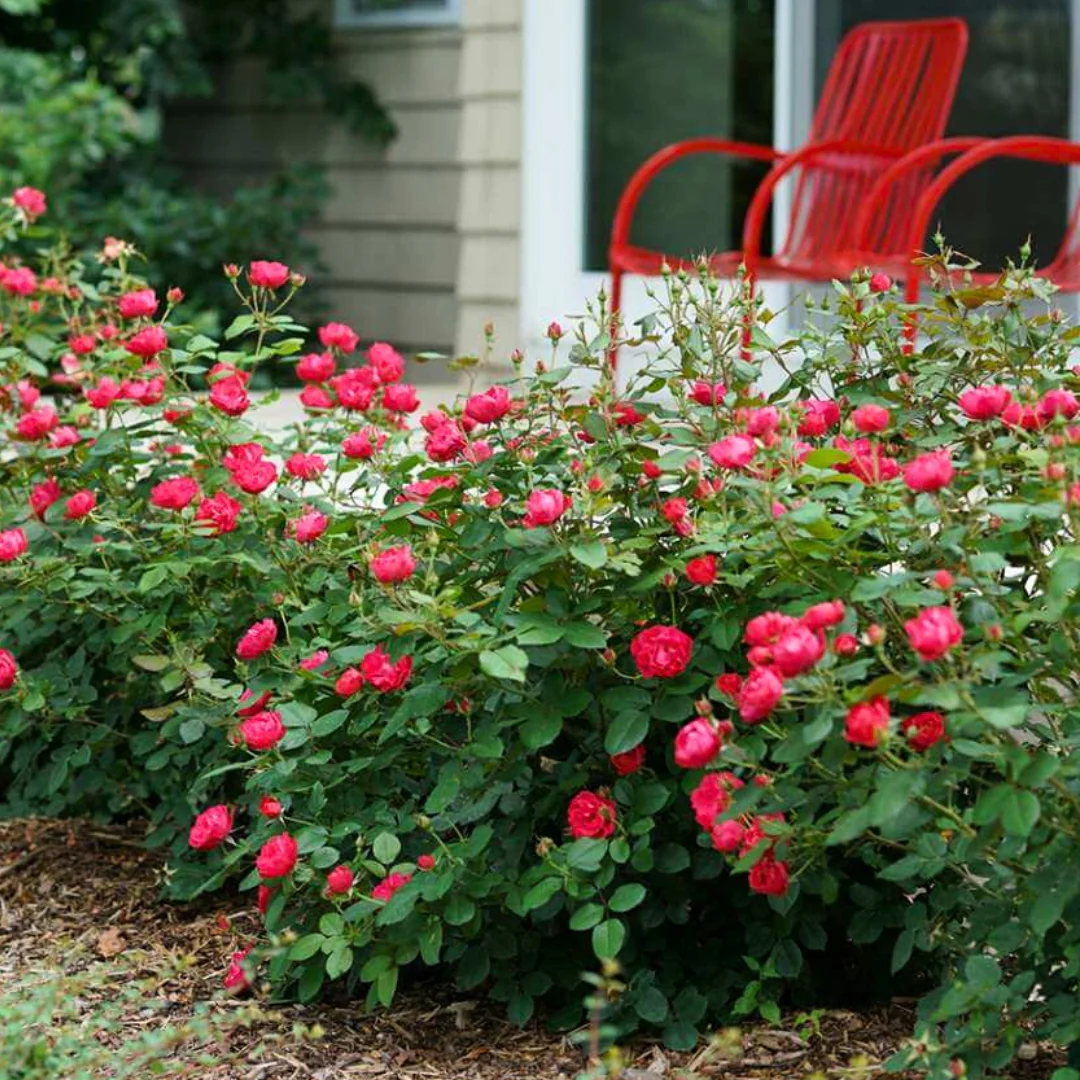
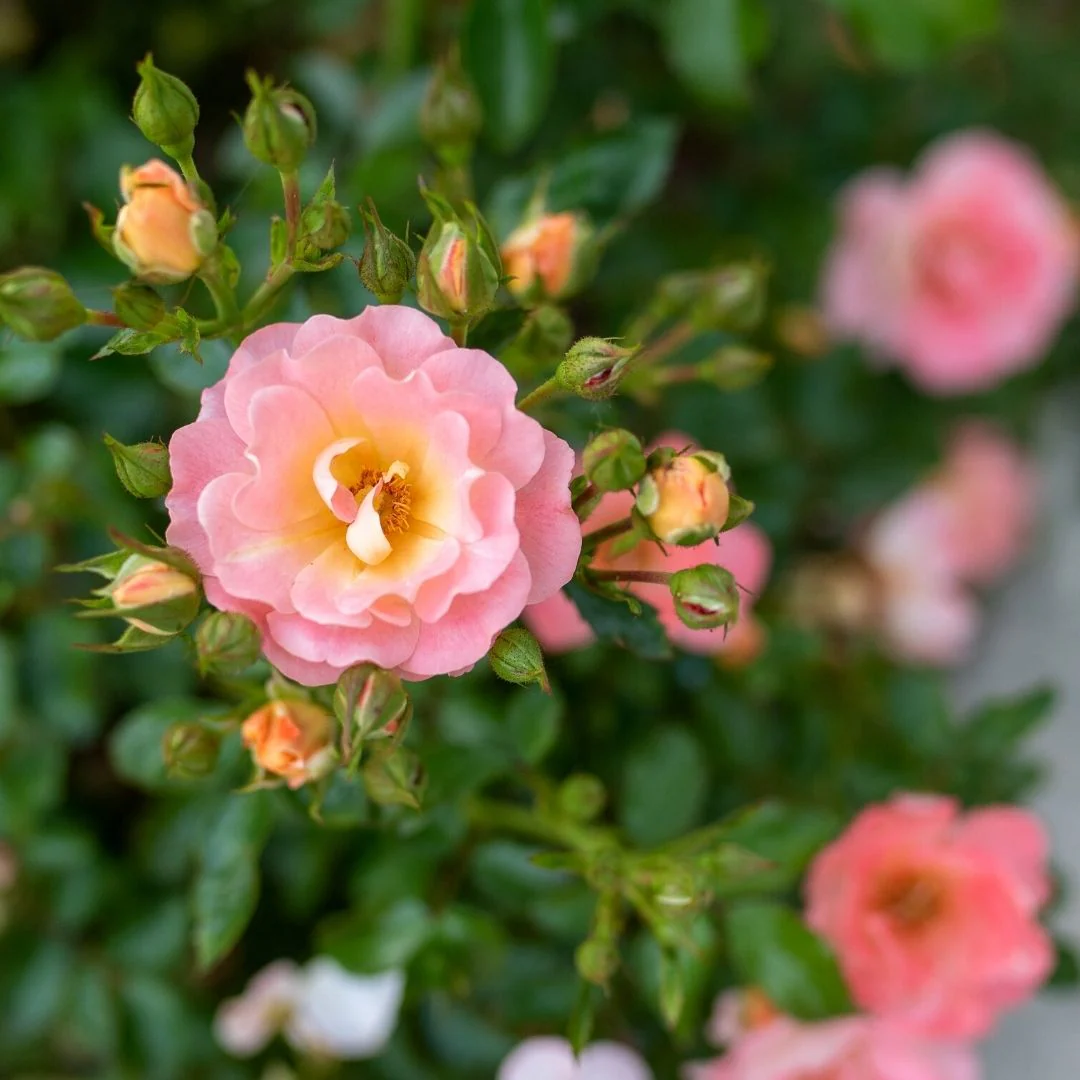
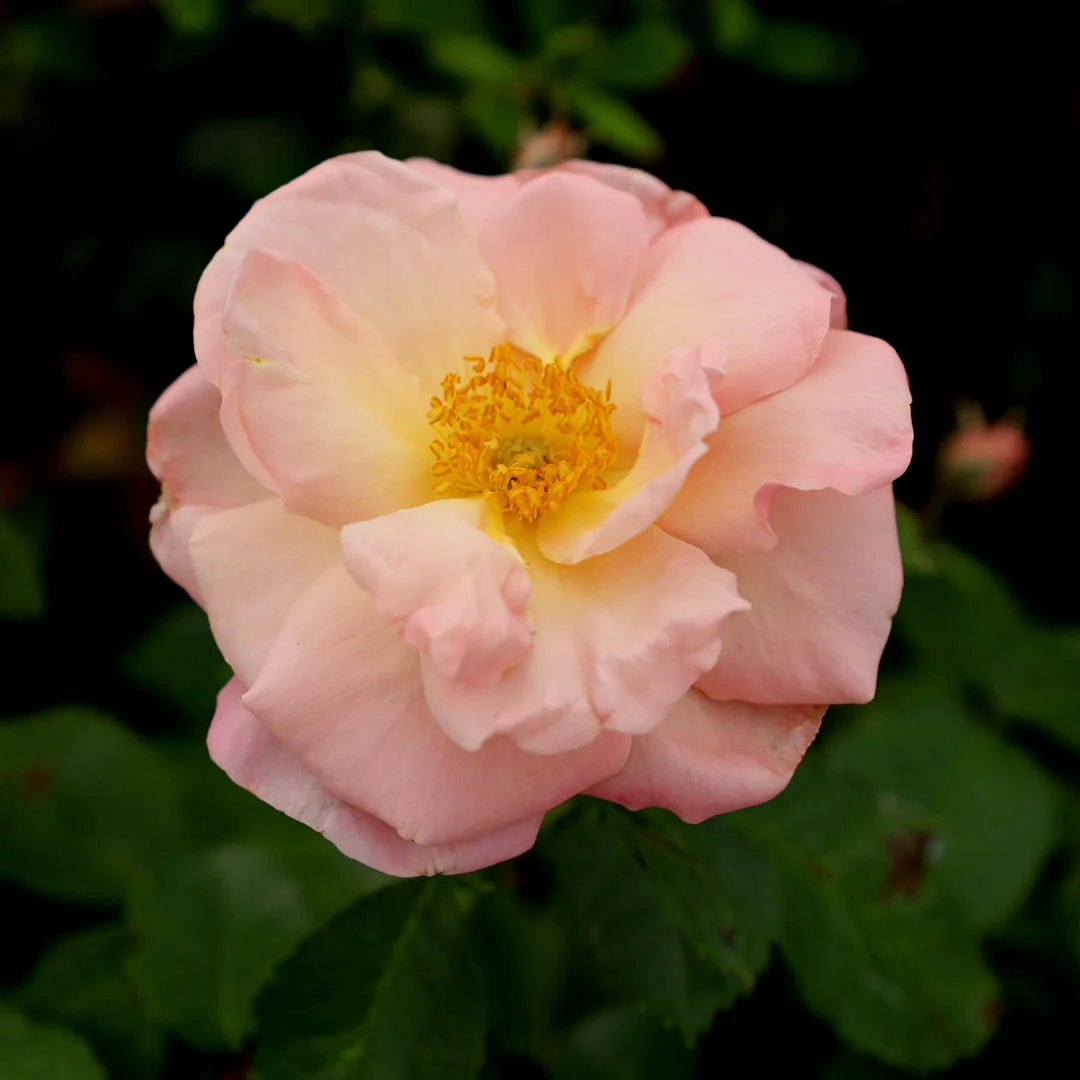
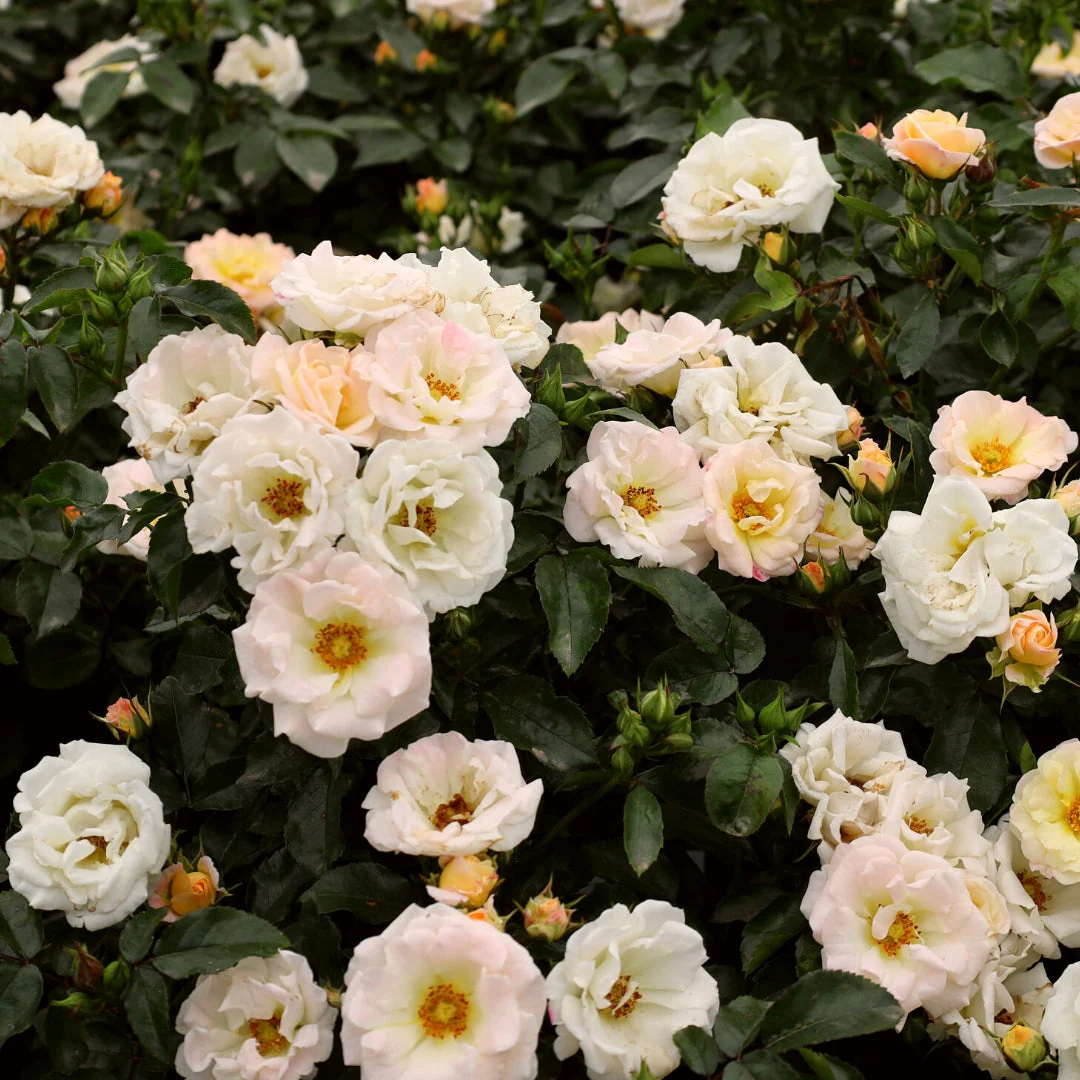
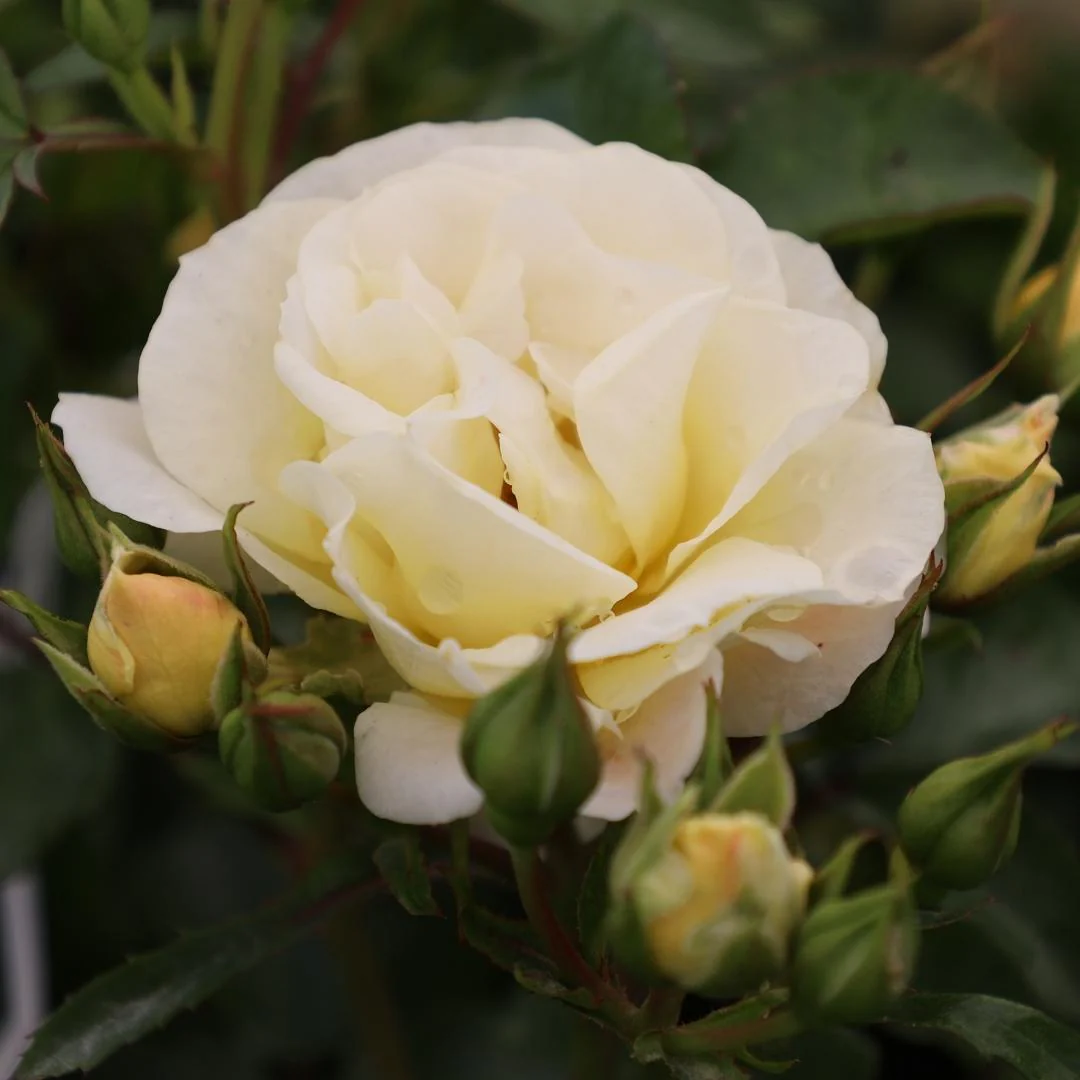
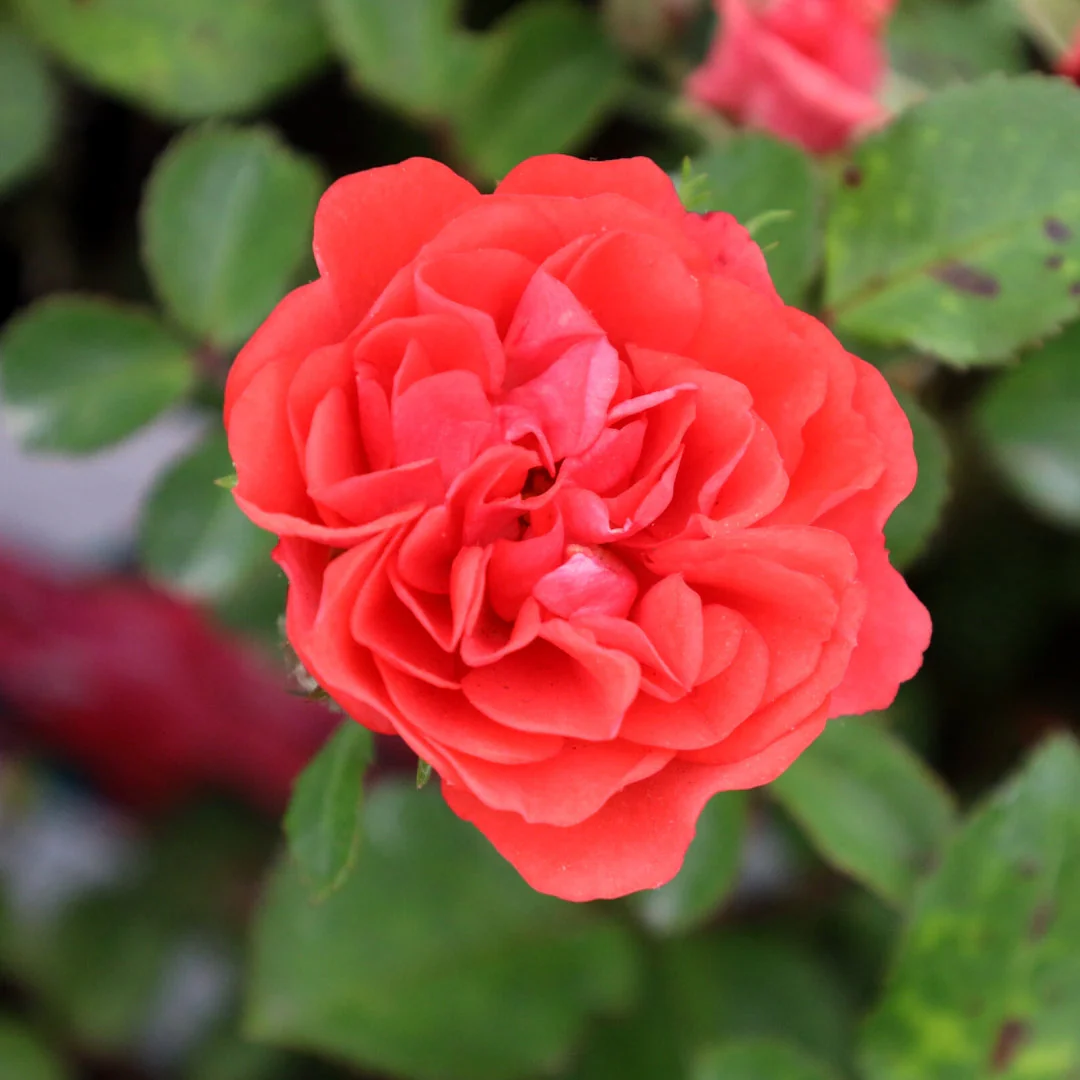
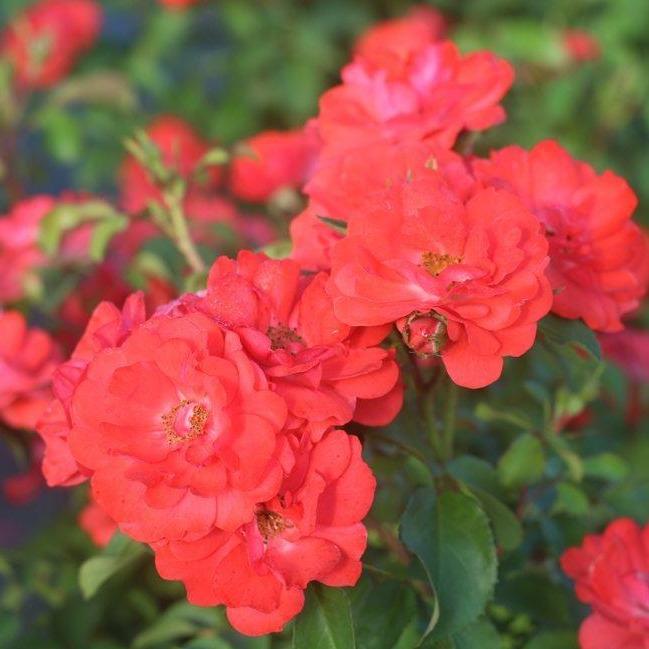
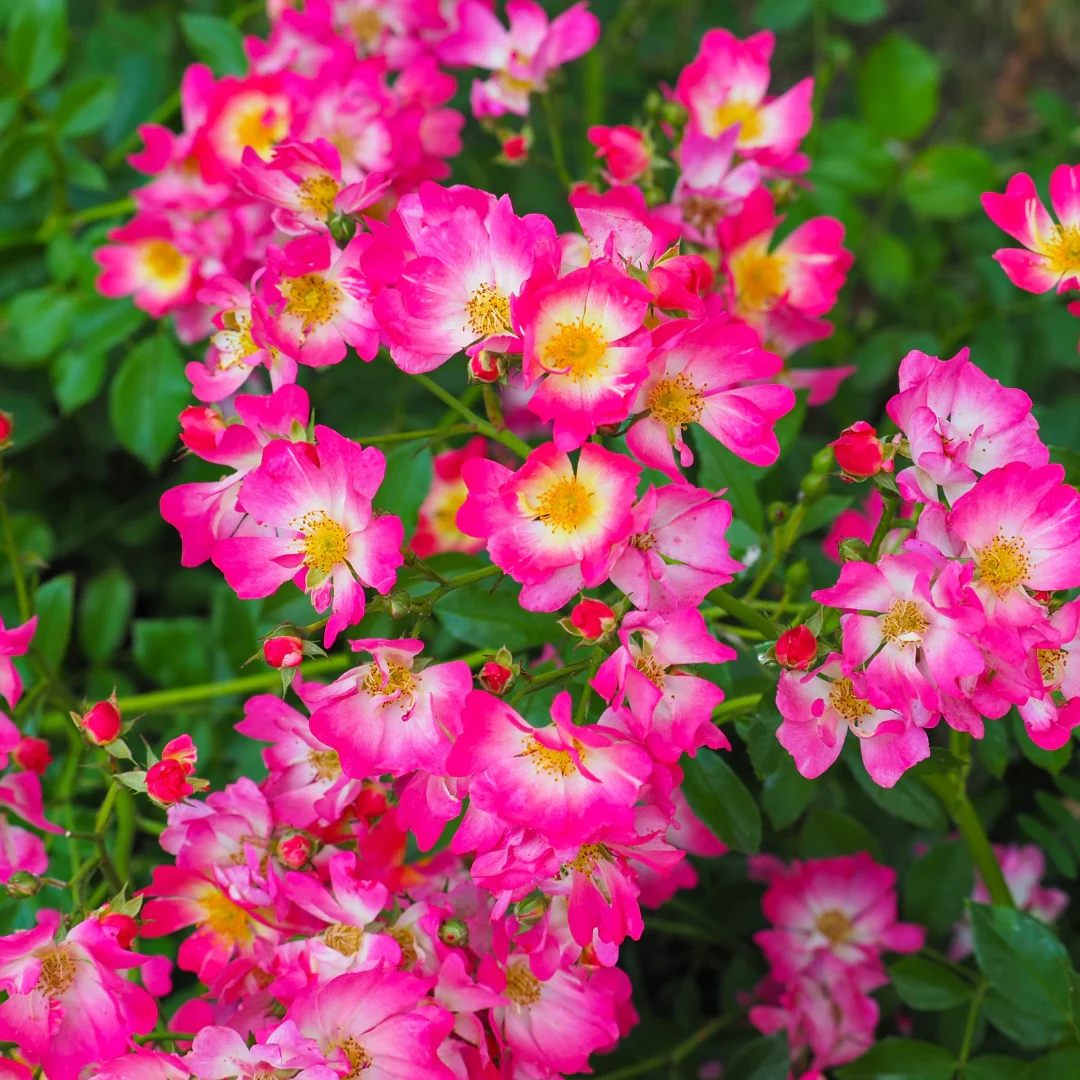
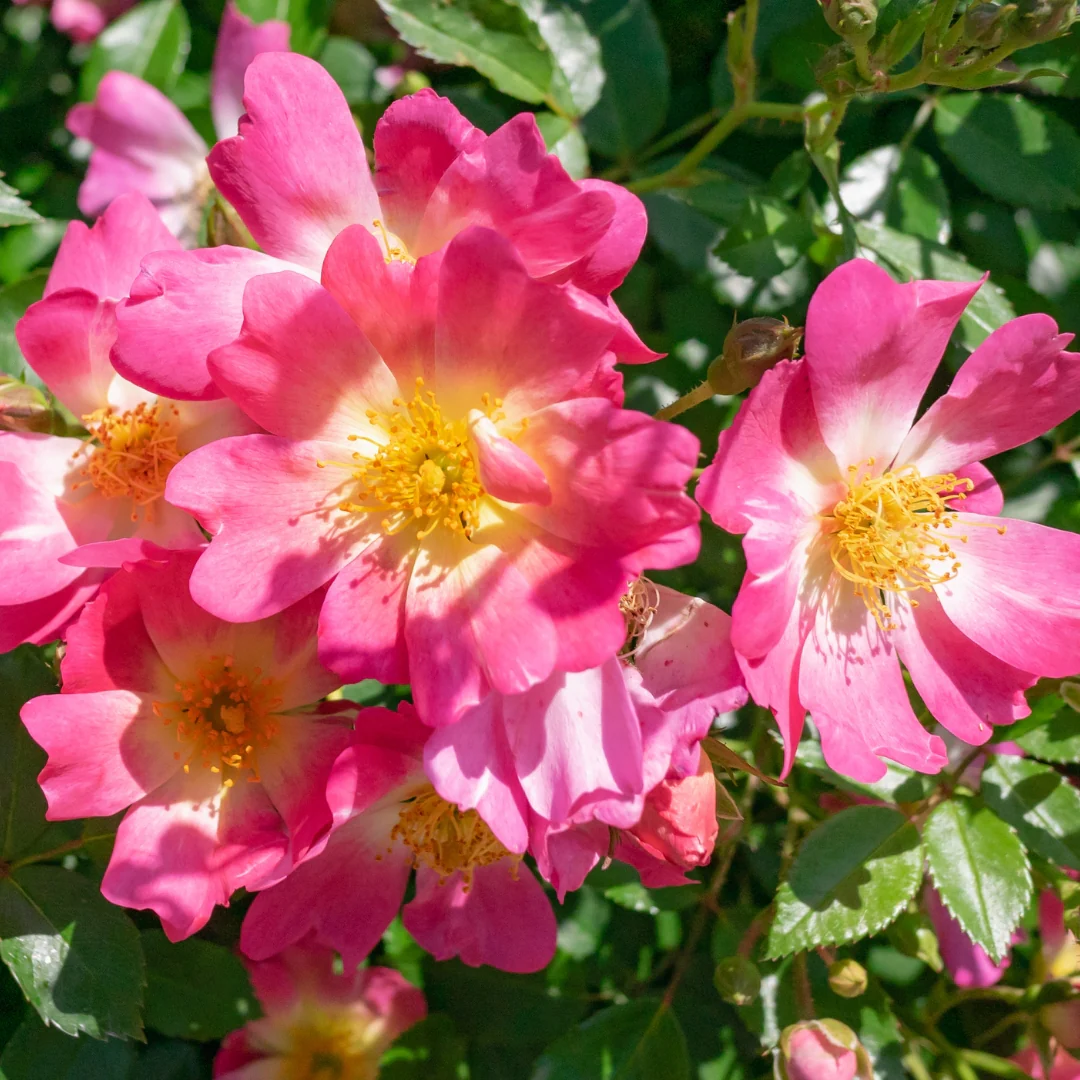
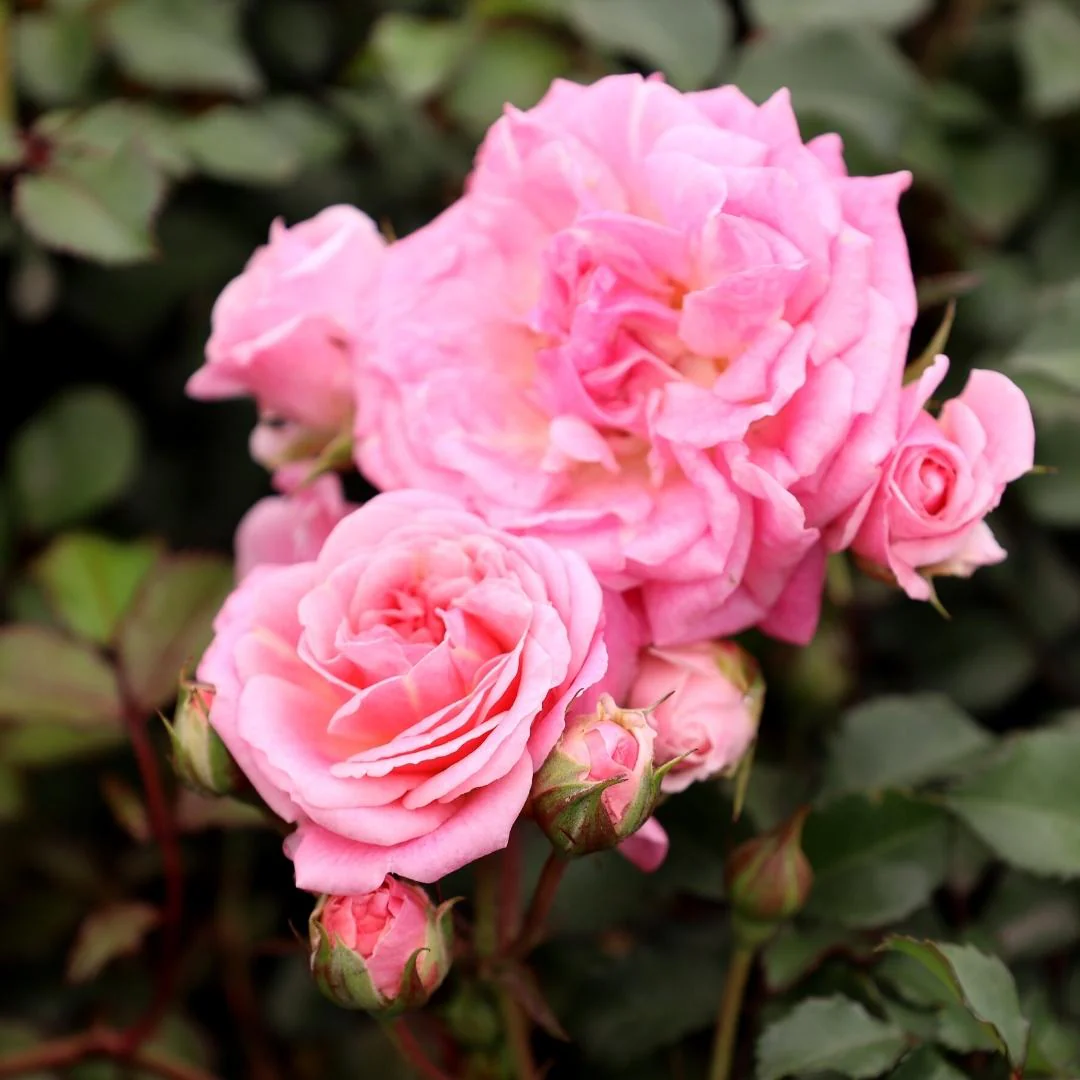
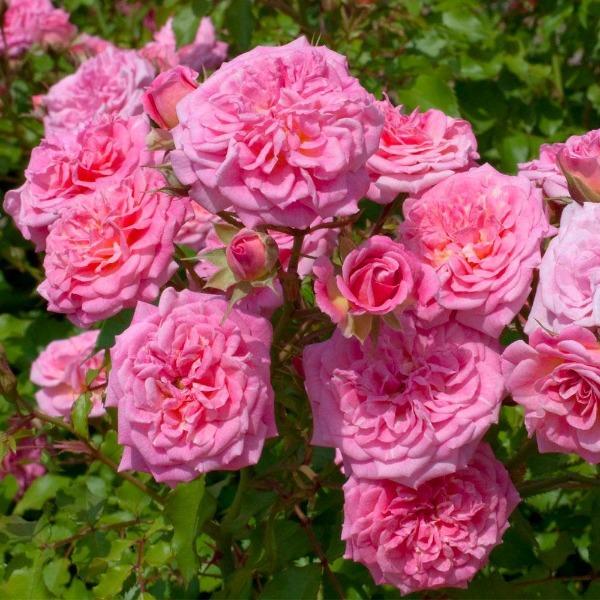
The flowers are a saturated, rich pink that pops against green foliage and softens beautifully in cottage-style palettes. The form is deeply petaled and “English rose” in the best sense—full, rounded, and elegant rather than tight and formal. On a trellis or arch, the blooms sit at eye level like living bouquet clusters, which is exactly where you want a rose chosen for fragrance and color. It’s a romantic look, but it doesn’t feel fussy; it feels intentional, like the garden has always been there.
As a climber, Gertrude Jekyll is typically considered a shorter climber compared with giant ramblers, which makes it easier to use in real-life spaces: small arbors, fence panels, porch posts, and entry trellises. Expect roughly 8–12 feet trained in many gardens, with a width of around 4–5 feet as it fills in. The secret to a “bloomy wall” is training: guide main canes outward and slightly horizontal so the plant throws more flowering side shoots along the length. Do that early, and you’ll get flowers from lower down instead of only at the top.
A Strong Grower That Rewards Simple Training and Seasonal Care
This rose is vigorous once established, and it responds quickly to the basics: sun, deep watering, and consistent feeding during active growth. In year one, focus on root establishment and cane placement rather than forcing height. In year two and beyond, you’ll be shaping structure—fanning canes across wires, wrapping around a post, or guiding along a fence—so it fills in evenly and blooms where you want it. Loose ties, gentle bends, and occasional adjustments make a big difference in the final look.
Like many English roses, it benefits from good airflow and clean watering habits, especially in humid regions where black spot pressure can be higher. That doesn’t mean “high-maintenance,” it just means “smart placement”: morning sun, avoid overhead watering late in the day, and keep the base mulched but not buried. If you’ve had roses struggle in your yard before, the winning formula here is prevention—space it well, keep foliage dry when you can, and remove fallen leaves at season’s end. Do that, and you’ll keep the plant greener between flushes and have it flower more consistently.
Perfect for Trellises, Arches, and Entryways Where You Want a Signature Moment
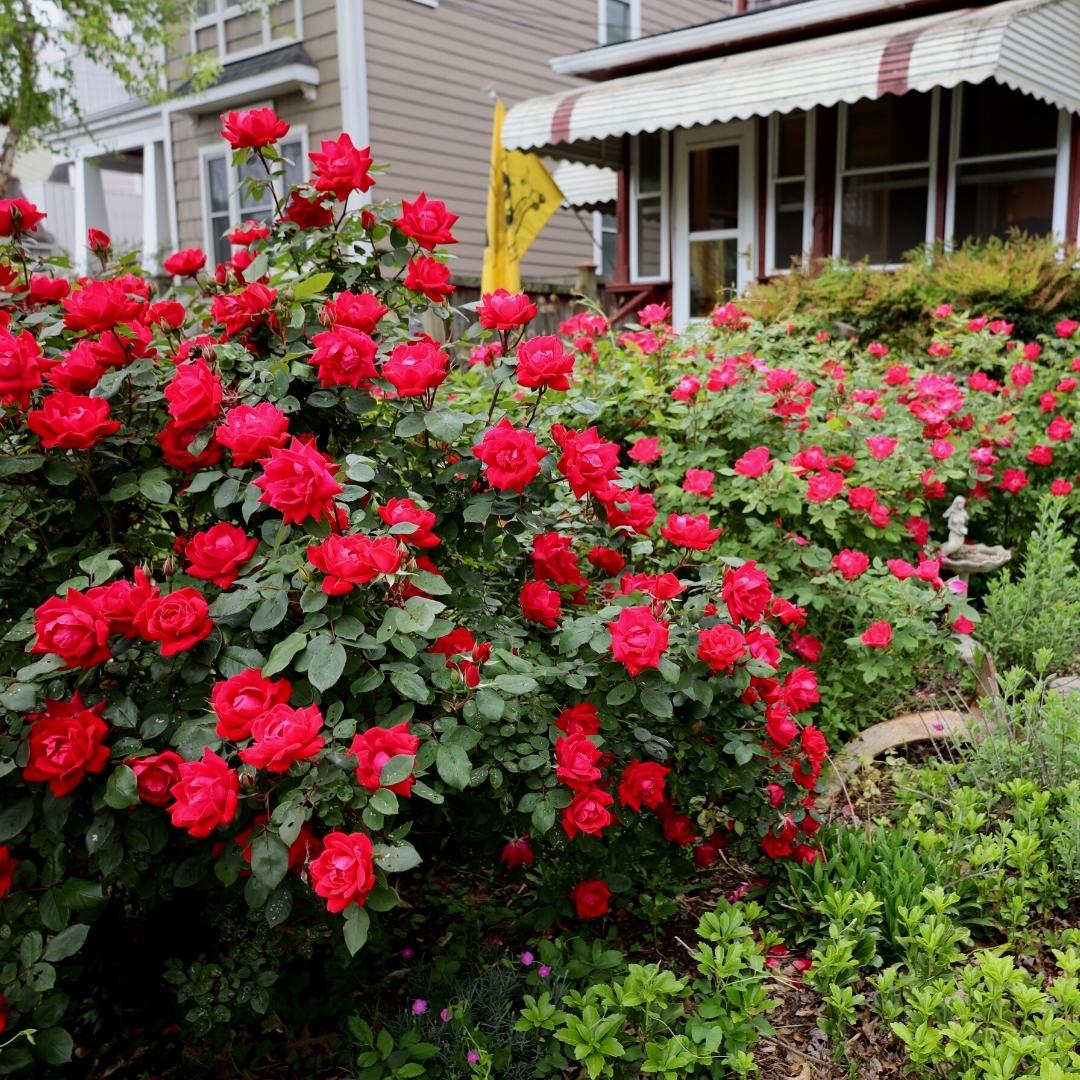
Gertrude Jekyll is a natural fit for places where you want your garden to feel welcoming and memorable. Train it over an arbor, and you get a “walk-through fragrance” experience. Run it along a fence, and you soften a hard line with blooms and perfume. Grow it beside a gate or entry trellis and it becomes a signature feature that frames the home. Because it repeats, you’ll get multiple peak moments through the season instead of a short, once-a-year show.
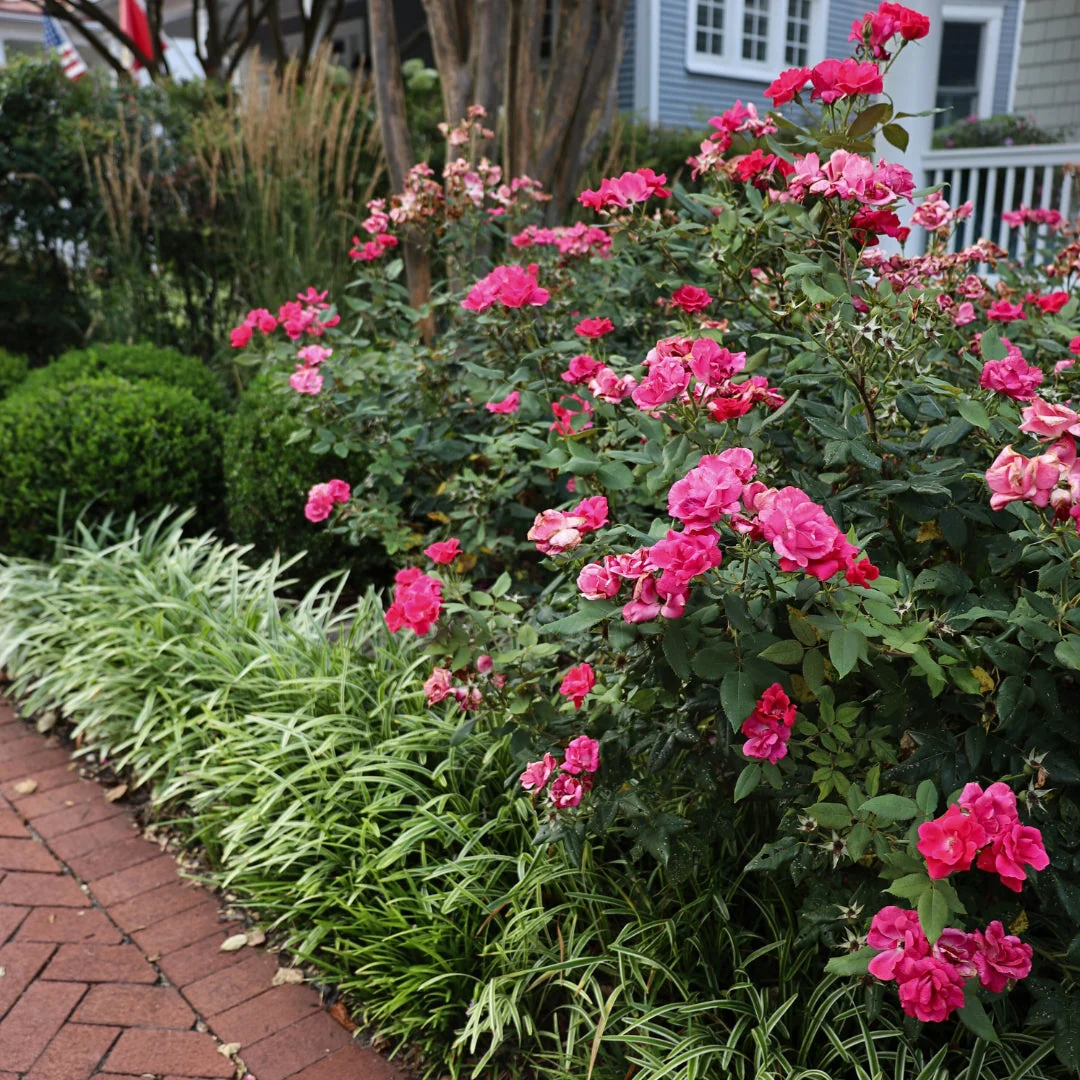
For companion planting, pair it with cool-toned perennials and shrubs that make pink look even richer—lavender, catmint, salvia, nepeta, or ornamental grasses. Keep the rose base open (no dense groundcovers pressed right up to the crown) so air moves and watering is easy. If you’re planting near a wall or fence, set the rose 12–18 inches away so roots can access moisture and you can work around it for training and pruning. With the right spacing and support, this rose doesn’t just climb—it performs, turning an ordinary structure into a garden destination.
The Fragrance-First Climber That Makes the Whole Garden Smell Like Roses
Gertrude Jekyll is famous for one thing above all: fragrance. This is the rose you plant when you want to catch perfume on the breeze, walking to the mailbox, stepping onto the patio, or opening the front door. The scent is classic “old rose” and noticeably strong, with that rich, traditional rose character that many modern roses only hint at. Plant it where you’ll pass it often—along a path, near a seating area, or by an entry gate—and you’ll understand why gardeners call it a fragrance benchmark.
That powerful perfume comes with a bloom style that feels lush and nostalgic: very full, many-petaled flowers that open in generous clusters. If you love cutting roses for the house, this variety delivers that “real rose” experience—bold scent, full petal count, and a color that looks vibrant in a vase. It’s also a repeat bloomer, so you’re not waiting a full year for the next show. With sun, steady moisture, and a simple feeding rhythm, it blooms in flushes from late spring through the growing season, bringing back that unmistakable rose-garden feeling again and again.
Rich Pink, Very Full Blooms That Read Like a Classic English Rose
The flowers are a saturated, rich pink that pops against green foliage and softens beautifully in cottage-style palettes. The form is deeply petaled and “English rose” in the best sense—full, rounded, and elegant rather than tight and formal. On a trellis or arch, the blooms sit at eye level like living bouquet clusters, which is exactly where you want a rose chosen for fragrance and color. It’s a romantic look, but it doesn’t feel fussy; it feels intentional, like the garden has always been there.
As a climber, Gertrude Jekyll is typically considered a shorter climber compared with giant ramblers, which makes it easier to use in real-life spaces: small arbors, fence panels, porch posts, and entry trellises. Expect roughly 8–12 feet trained in many gardens, with a width of around 4–5 feet as it fills in. The secret to a “bloomy wall” is training: guide main canes outward and slightly horizontal so the plant throws more flowering side shoots along the length. Do that early, and you’ll get flowers from lower down instead of only at the top.
A Strong Grower That Rewards Simple Training and Seasonal Care
This rose is vigorous once established, and it responds quickly to the basics: sun, deep watering, and consistent feeding during active growth. In year one, focus on root establishment and cane placement rather than forcing height. In year two and beyond, you’ll be shaping structure—fanning canes across wires, wrapping around a post, or guiding along a fence—so it fills in evenly and blooms where you want it. Loose ties, gentle bends, and occasional adjustments make a big difference in the final look.
Like many English roses, it benefits from good airflow and clean watering habits, especially in humid regions where black spot pressure can be higher. That doesn’t mean “high-maintenance,” it just means “smart placement”: morning sun, avoid overhead watering late in the day, and keep the base mulched but not buried. If you’ve had roses struggle in your yard before, the winning formula here is prevention—space it well, keep foliage dry when you can, and remove fallen leaves at season’s end. Do that, and you’ll keep the plant greener between flushes and have it flower more consistently.
Perfect for Trellises, Arches, and Entryways Where You Want a Signature Moment
Gertrude Jekyll is a natural fit for places where you want your garden to feel welcoming and memorable. Train it over an arbor, and you get a “walk-through fragrance” experience. Run it along a fence, and you soften a hard line with blooms and perfume. Grow it beside a gate or entry trellis and it becomes a signature feature that frames the home. Because it repeats, you’ll get multiple peak moments through the season instead of a short, once-a-year show.
For companion planting, pair it with cool-toned perennials and shrubs that make pink look even richer—lavender, catmint, salvia, nepeta, or ornamental grasses. Keep the rose base open (no dense groundcovers pressed right up to the crown) so air moves and watering is easy. If you’re planting near a wall or fence, set the rose 12–18 inches away so roots can access moisture and you can work around it for training and pruning. With the right spacing and support, this rose doesn’t just climb—it performs, turning an ordinary structure into a garden destination.
Original: $110.45
-70%$110.45
$33.13Description
The Fragrance-First Climber That Makes the Whole Garden Smell Like Roses
Gertrude Jekyll is famous for one thing above all: fragrance. This is the rose you plant when you want to catch perfume on the breeze, walking to the mailbox, stepping onto the patio, or opening the front door. The scent is classic “old rose” and noticeably strong, with that rich, traditional rose character that many modern roses only hint at. Plant it where you’ll pass it often—along a path, near a seating area, or by an entry gate—and you’ll understand why gardeners call it a fragrance benchmark.
That powerful perfume comes with a bloom style that feels lush and nostalgic: very full, many-petaled flowers that open in generous clusters. If you love cutting roses for the house, this variety delivers that “real rose” experience—bold scent, full petal count, and a color that looks vibrant in a vase. It’s also a repeat bloomer, so you’re not waiting a full year for the next show. With sun, steady moisture, and a simple feeding rhythm, it blooms in flushes from late spring through the growing season, bringing back that unmistakable rose-garden feeling again and again.
Rich Pink, Very Full Blooms That Read Like a Classic English Rose
The flowers are a saturated, rich pink that pops against green foliage and softens beautifully in cottage-style palettes. The form is deeply petaled and “English rose” in the best sense—full, rounded, and elegant rather than tight and formal. On a trellis or arch, the blooms sit at eye level like living bouquet clusters, which is exactly where you want a rose chosen for fragrance and color. It’s a romantic look, but it doesn’t feel fussy; it feels intentional, like the garden has always been there.
As a climber, Gertrude Jekyll is typically considered a shorter climber compared with giant ramblers, which makes it easier to use in real-life spaces: small arbors, fence panels, porch posts, and entry trellises. Expect roughly 8–12 feet trained in many gardens, with a width of around 4–5 feet as it fills in. The secret to a “bloomy wall” is training: guide main canes outward and slightly horizontal so the plant throws more flowering side shoots along the length. Do that early, and you’ll get flowers from lower down instead of only at the top.
A Strong Grower That Rewards Simple Training and Seasonal Care
This rose is vigorous once established, and it responds quickly to the basics: sun, deep watering, and consistent feeding during active growth. In year one, focus on root establishment and cane placement rather than forcing height. In year two and beyond, you’ll be shaping structure—fanning canes across wires, wrapping around a post, or guiding along a fence—so it fills in evenly and blooms where you want it. Loose ties, gentle bends, and occasional adjustments make a big difference in the final look.
Like many English roses, it benefits from good airflow and clean watering habits, especially in humid regions where black spot pressure can be higher. That doesn’t mean “high-maintenance,” it just means “smart placement”: morning sun, avoid overhead watering late in the day, and keep the base mulched but not buried. If you’ve had roses struggle in your yard before, the winning formula here is prevention—space it well, keep foliage dry when you can, and remove fallen leaves at season’s end. Do that, and you’ll keep the plant greener between flushes and have it flower more consistently.
Perfect for Trellises, Arches, and Entryways Where You Want a Signature Moment
Gertrude Jekyll is a natural fit for places where you want your garden to feel welcoming and memorable. Train it over an arbor, and you get a “walk-through fragrance” experience. Run it along a fence, and you soften a hard line with blooms and perfume. Grow it beside a gate or entry trellis and it becomes a signature feature that frames the home. Because it repeats, you’ll get multiple peak moments through the season instead of a short, once-a-year show.
For companion planting, pair it with cool-toned perennials and shrubs that make pink look even richer—lavender, catmint, salvia, nepeta, or ornamental grasses. Keep the rose base open (no dense groundcovers pressed right up to the crown) so air moves and watering is easy. If you’re planting near a wall or fence, set the rose 12–18 inches away so roots can access moisture and you can work around it for training and pruning. With the right spacing and support, this rose doesn’t just climb—it performs, turning an ordinary structure into a garden destination.