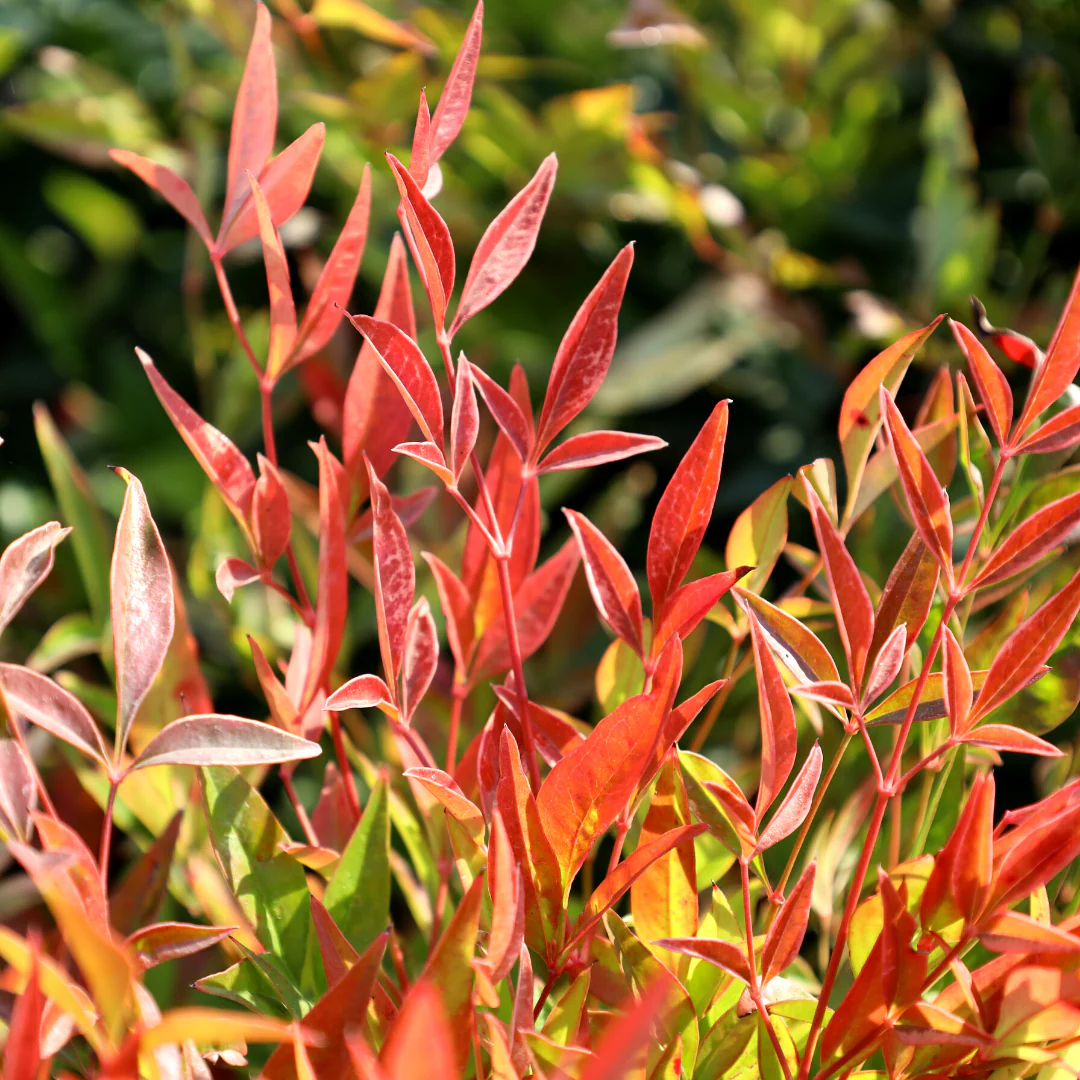
Gulf Stream Nandina
Year-round foliage color that looks “designed” in every season
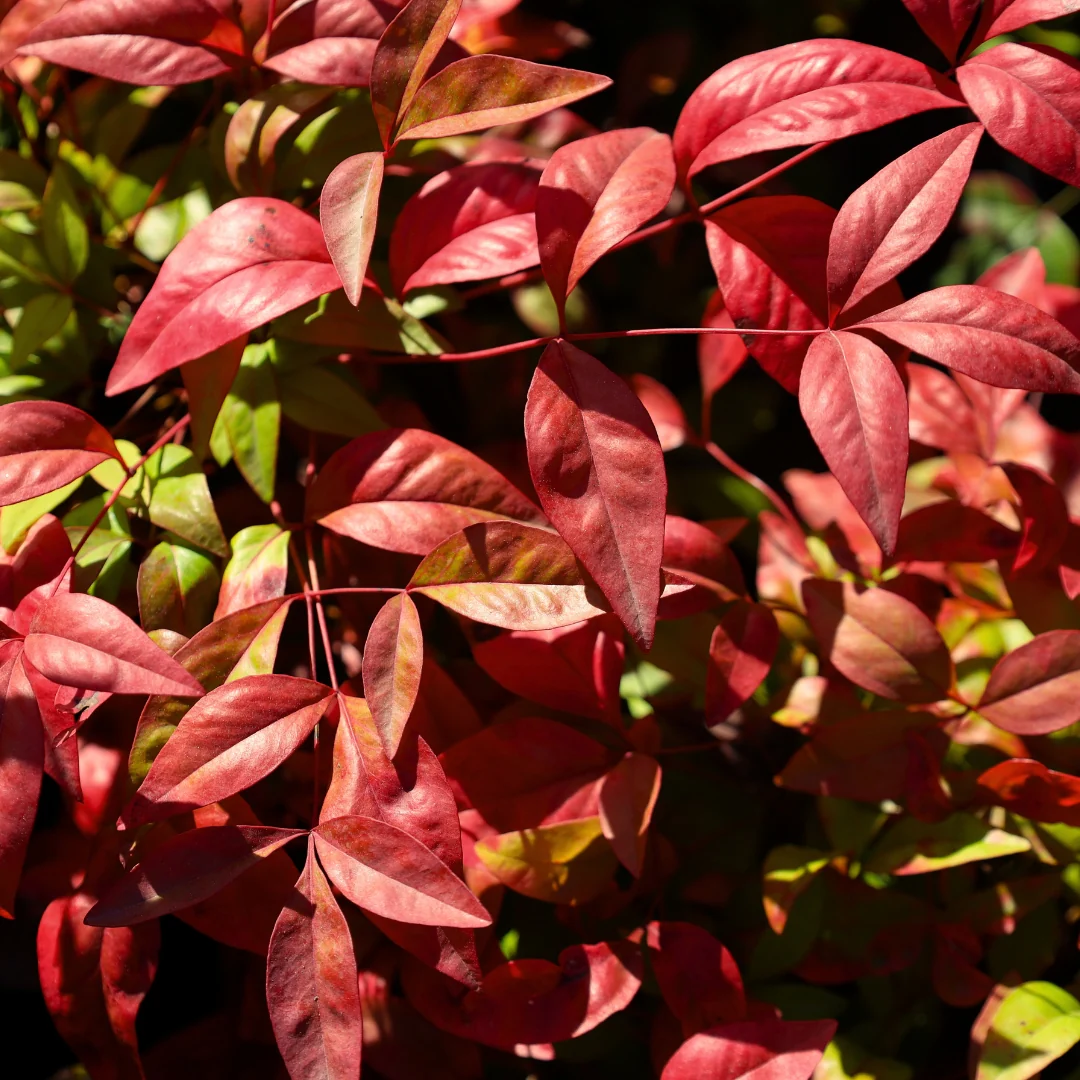
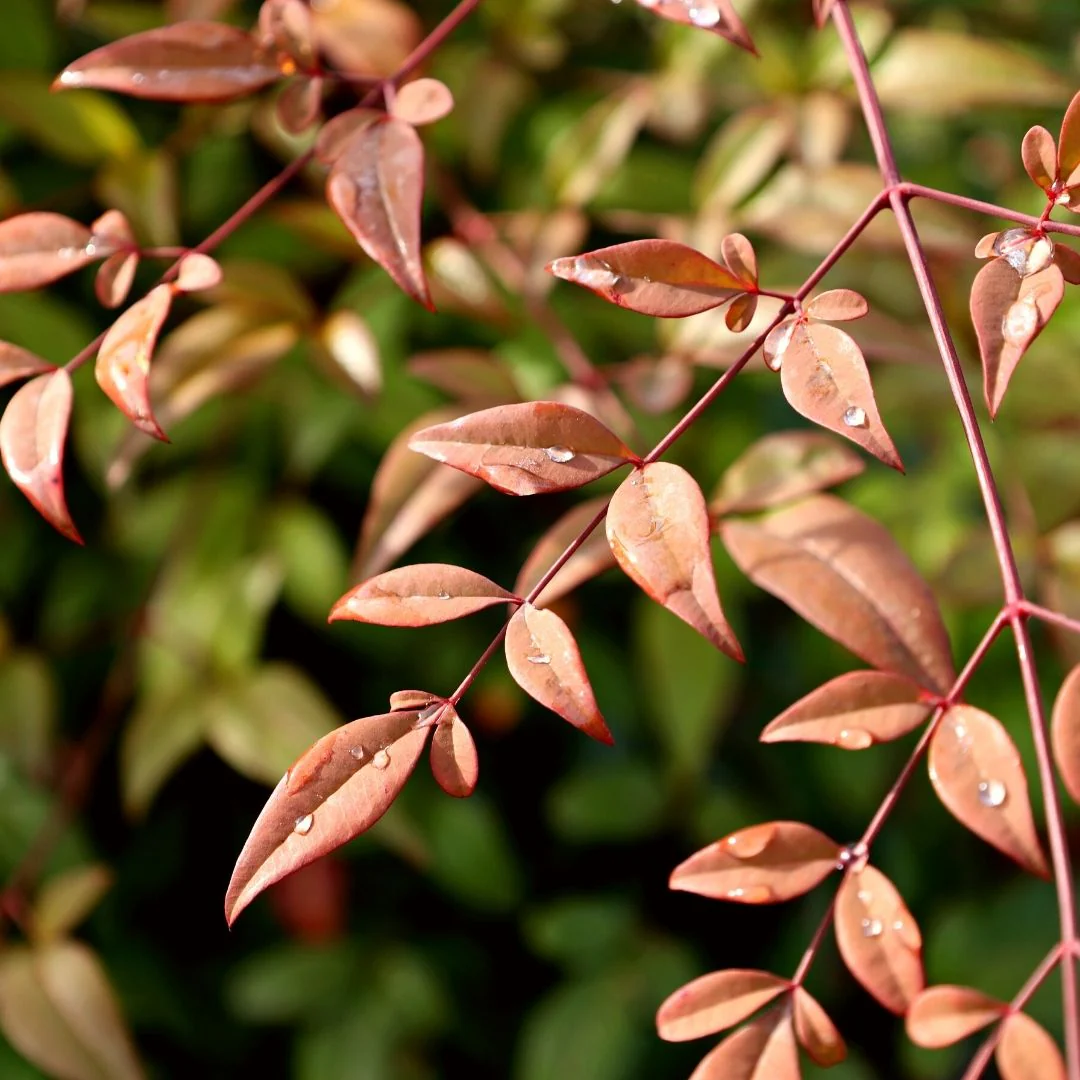
Gulf Stream Nandina is a foliage-first shrub that delivers color without needing flowers. New growth often emerges with bronzy-red tones, matures into rich green, then shifts back into fiery reds and oranges as temperatures cool. That seasonal color cycle makes borders feel layered and intentional, even in simple plantings. If you want the landscape to look alive in winter, not flat and empty, Gulf Stream is a dependable way to add warmth when most plants go quiet.
This shrub also plays beautifully with other colors. Pair it with deep green evergreens for contrast, set it beside silver foliage plants for a cleaner, modern look, or use it to brighten a foundation bed that needs more than “just green.” It’s compact enough to repeat as a rhythm plant, and bold enough to stand alone as an accent.
Compact, dense growth that fits foundation beds and small yards
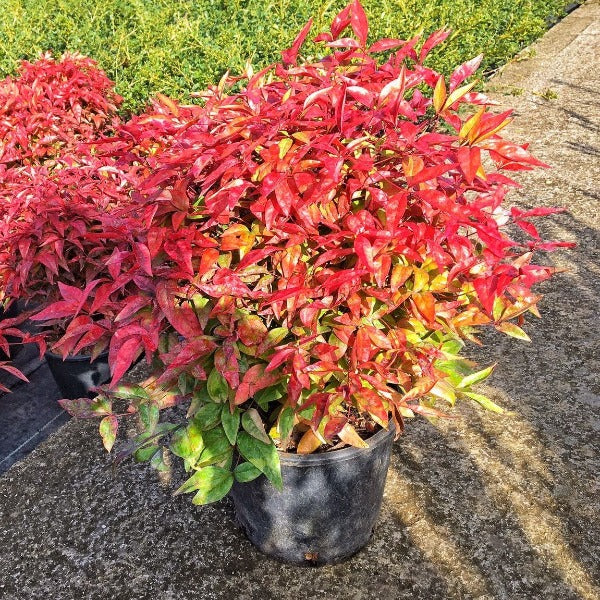
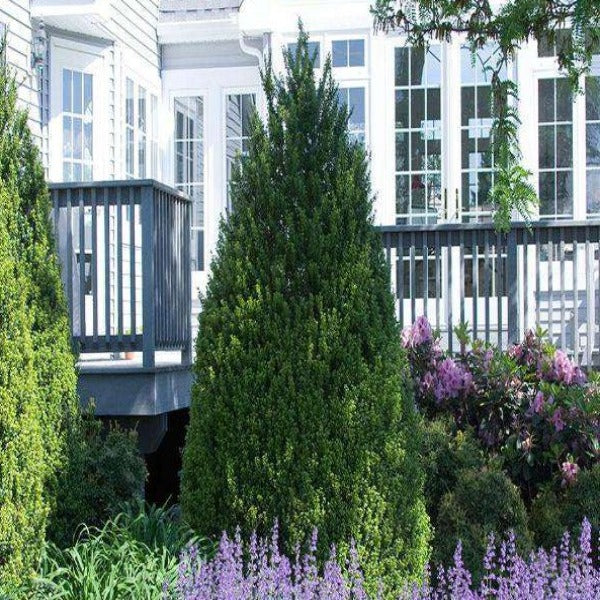
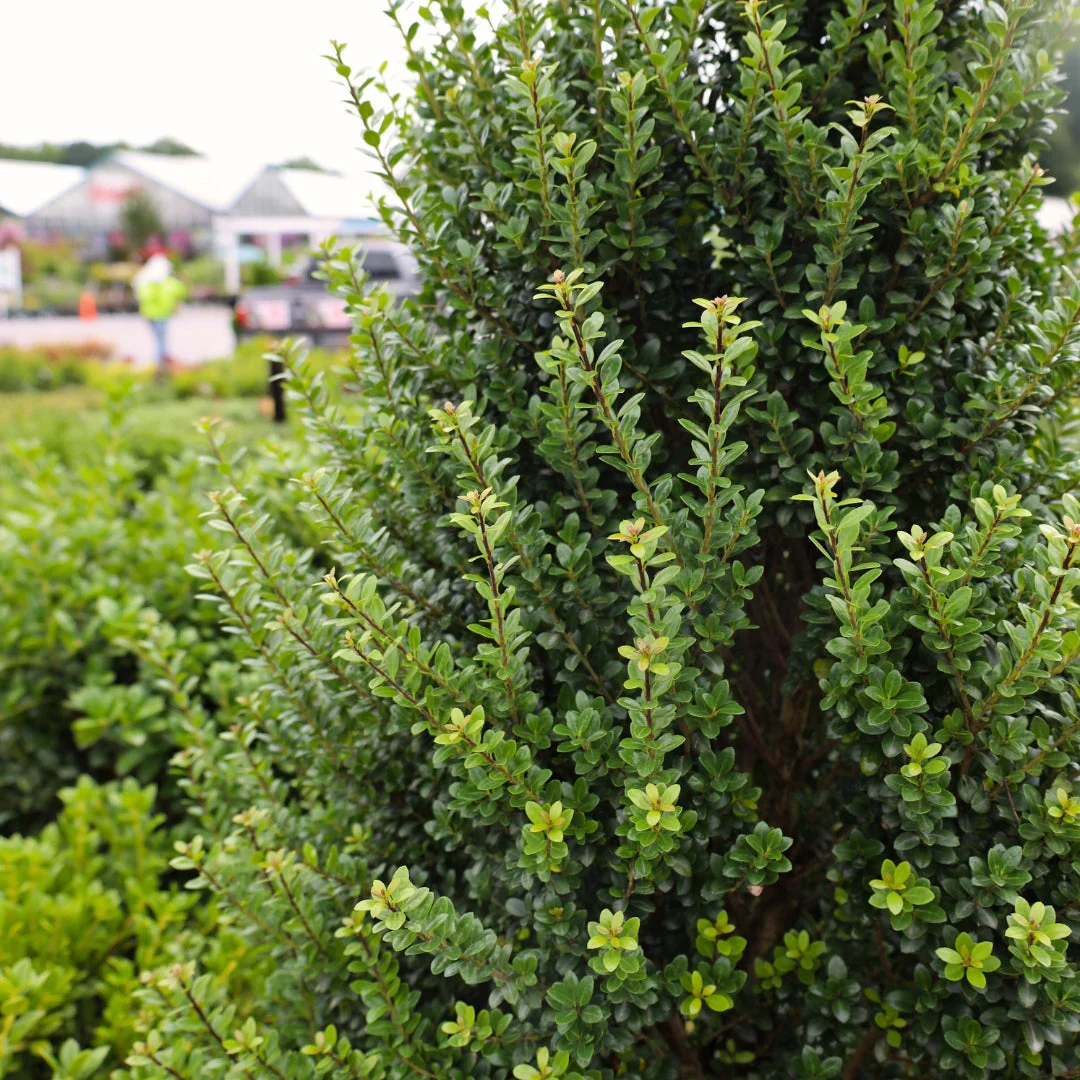
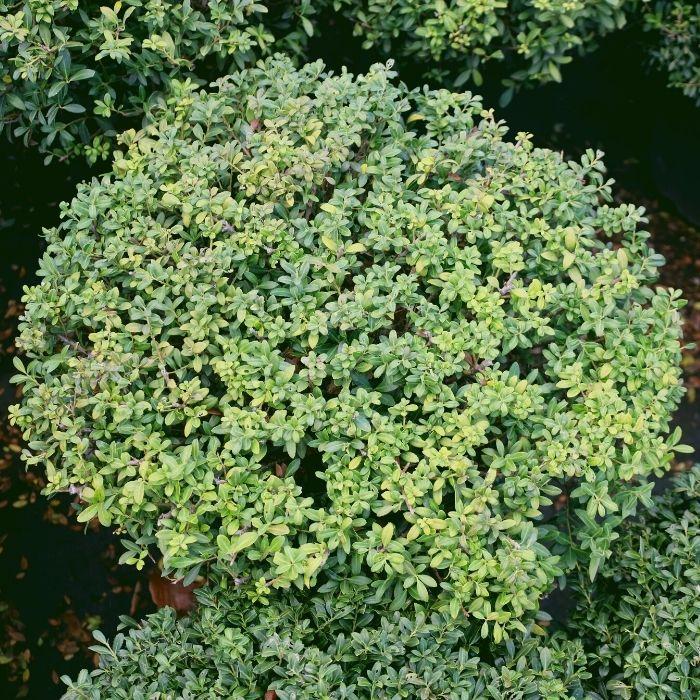
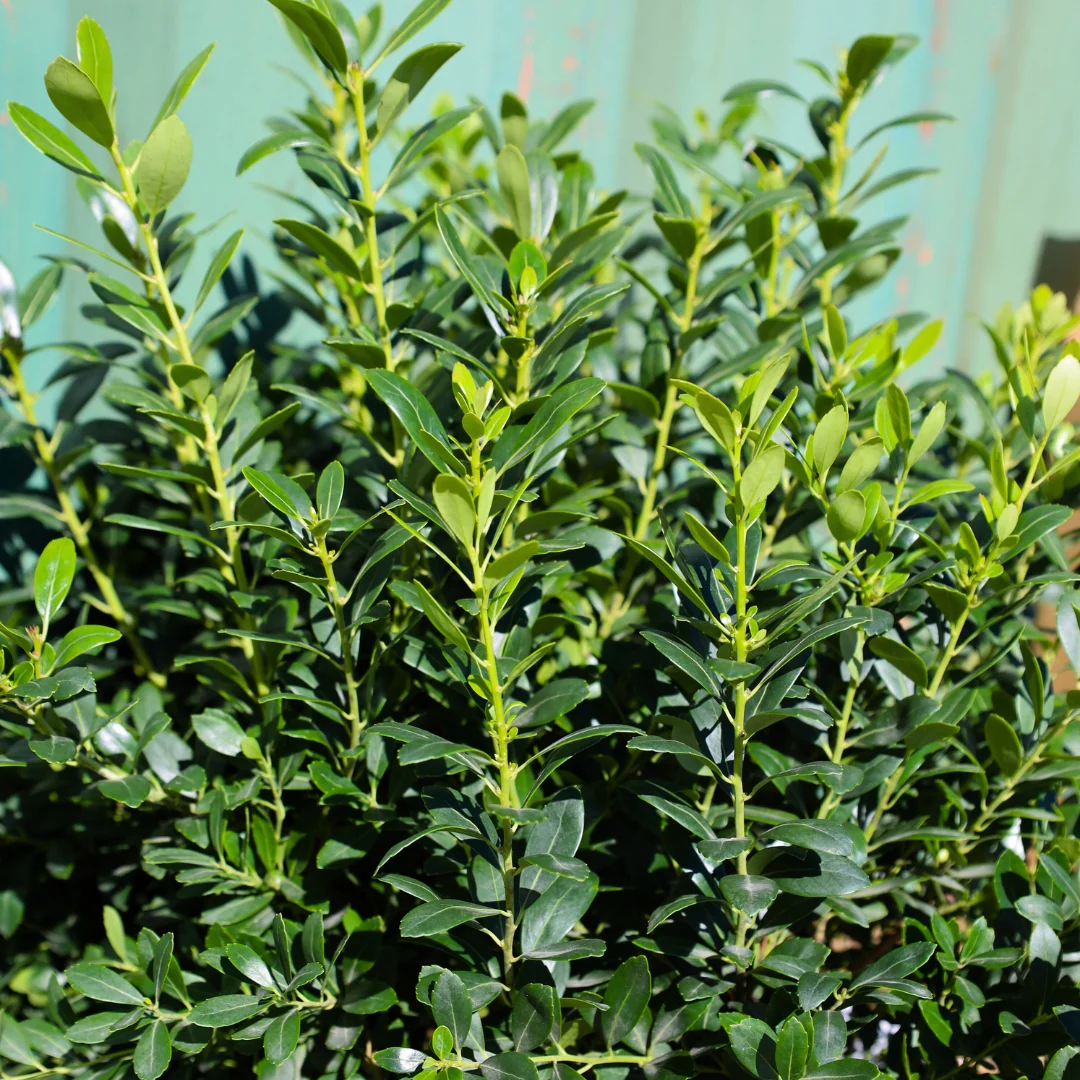
Gulf Stream stays in the sweet spot for modern landscapes: compact, dense, and easy to place. Mature plants typically grow to around 3–4 feet tall and wide, which makes them ideal for foundation plantings, tight side yards, and front borders where you want structure without a bulky hedge. The foliage is fine-textured, giving the shrub a soft, refined look that reads high-end even when the planting plan is simple.
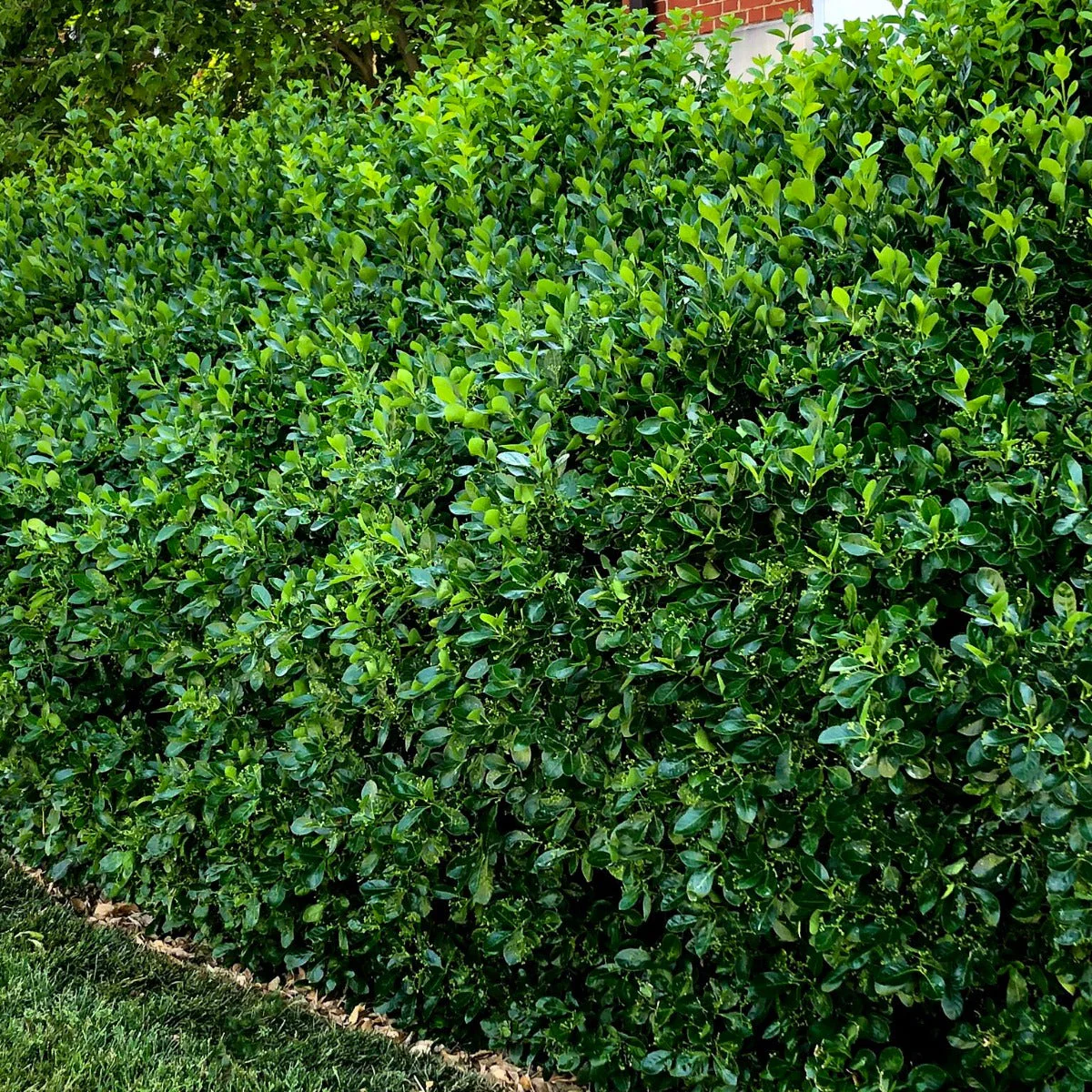
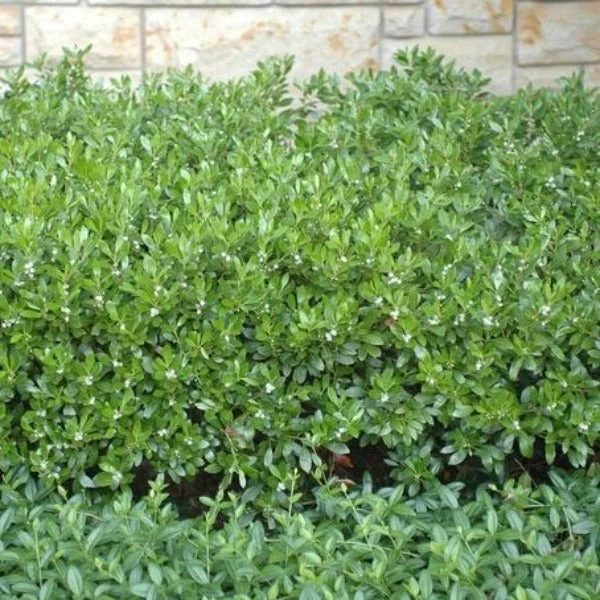
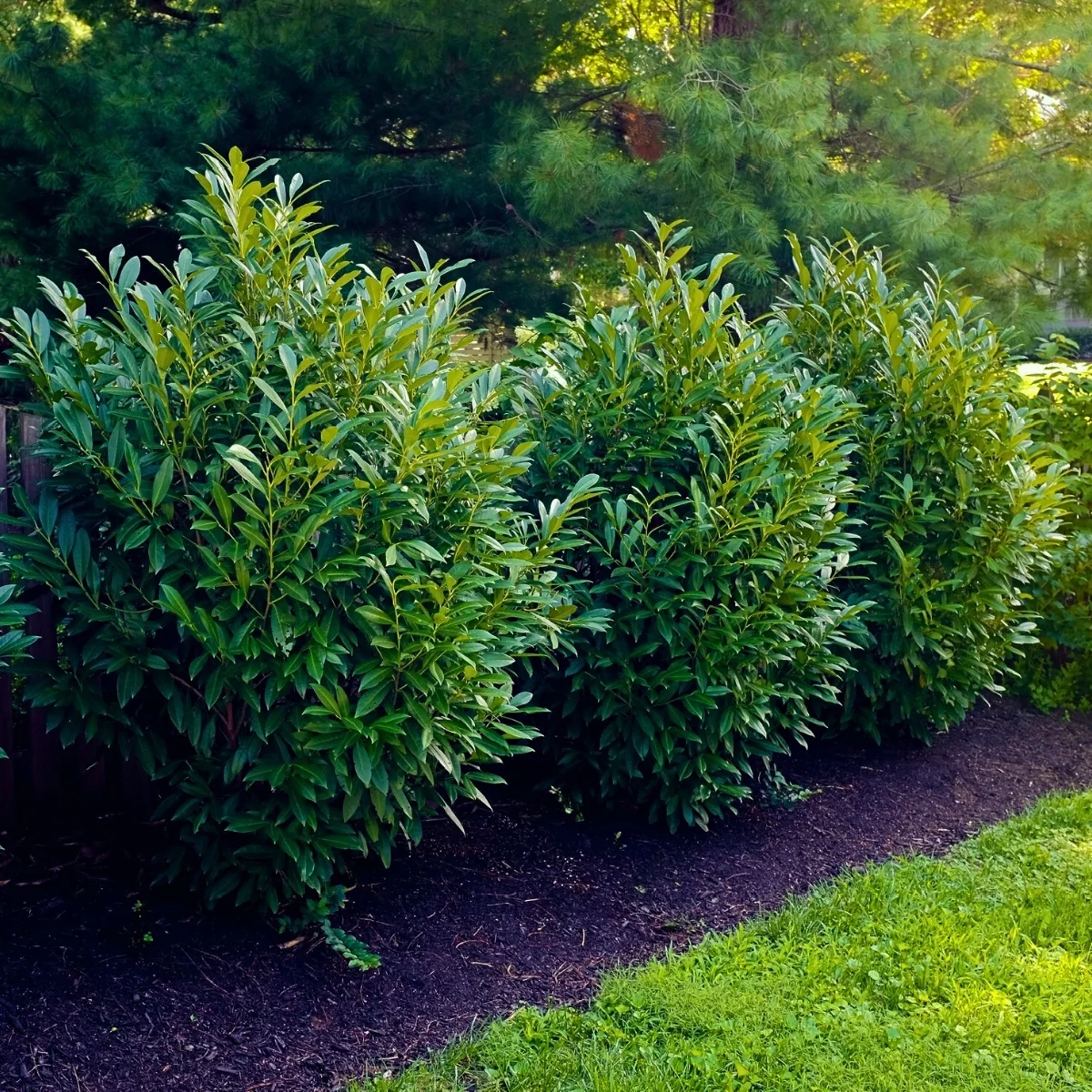
It’s also a strong option for low hedging. Plant it in a line to define a bed edge, guide the eye along a walkway, or create a tidy boundary without building a tall wall. Because the form is naturally dense, you don’t have to prune constantly to keep it looking full. Good spacing and a light touch are usually all it needs.
A lower-mess nandina choice with fewer berry concerns
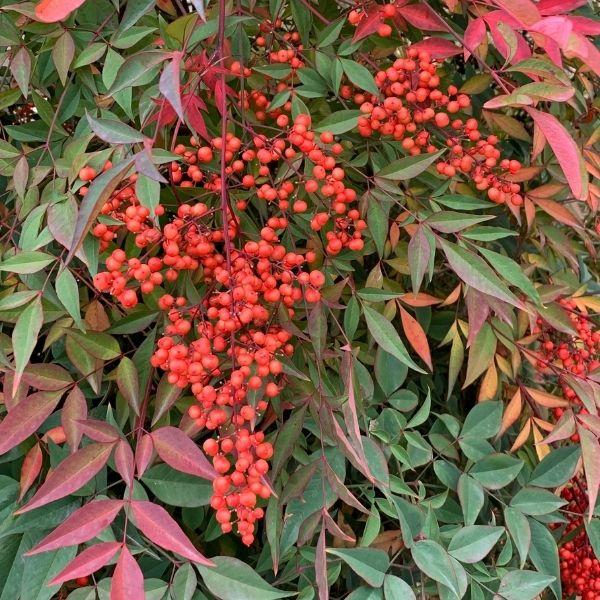
Many shoppers love nandina foliage but worry about berries and unwanted seedlings. Gulf Stream is widely grown because it typically produces few, if any, berries in most landscapes. That makes it a cleaner, lower-mess option for homeowners who want the look of heavenly bamboo without heavy fruiting. It’s a smart choice for curated foundation beds and modern borders where you want color and texture, without the extra cleanup.
It’s also generally deer-resistant and handles heat and humidity well, which is a big reason it’s used so often in tough, high-visibility spots. Once established, it becomes more tolerant of short dry spells, especially with mulch to stabilize moisture. In other words, it looks refined, but it performs like a practical landscape shrub.
Easy maintenance and simple pruning for a crisp, dense finish
Gulf Stream Nandina is low-maintenance by nature, but a little strategy makes it look even better. Consistent moisture in the first season builds a stronger root system and a fuller canopy, which translates to better color and a denser habit long-term. After that, it’s mostly about occasional shaping, light tip-pruning to tighten the form, or selective thinning to refresh the plant if it ever gets too dense.
For a hedge look, keep the base slightly wider than the top so sunlight reaches the lower foliage, and the row stays full from top to bottom. Avoid hard shearing into tight boxes; nandina looks best when it keeps its natural texture. With correct spacing and a simple pruning routine, Gulf Stream becomes a reliable “set it and enjoy it” shrub for year-round color.
Year-round foliage color that looks “designed” in every season
Gulf Stream Nandina is a foliage-first shrub that delivers color without needing flowers. New growth often emerges with bronzy-red tones, matures into rich green, then shifts back into fiery reds and oranges as temperatures cool. That seasonal color cycle makes borders feel layered and intentional, even in simple plantings. If you want the landscape to look alive in winter, not flat and empty, Gulf Stream is a dependable way to add warmth when most plants go quiet.
This shrub also plays beautifully with other colors. Pair it with deep green evergreens for contrast, set it beside silver foliage plants for a cleaner, modern look, or use it to brighten a foundation bed that needs more than “just green.” It’s compact enough to repeat as a rhythm plant, and bold enough to stand alone as an accent.
Compact, dense growth that fits foundation beds and small yards
Gulf Stream stays in the sweet spot for modern landscapes: compact, dense, and easy to place. Mature plants typically grow to around 3–4 feet tall and wide, which makes them ideal for foundation plantings, tight side yards, and front borders where you want structure without a bulky hedge. The foliage is fine-textured, giving the shrub a soft, refined look that reads high-end even when the planting plan is simple.
It’s also a strong option for low hedging. Plant it in a line to define a bed edge, guide the eye along a walkway, or create a tidy boundary without building a tall wall. Because the form is naturally dense, you don’t have to prune constantly to keep it looking full. Good spacing and a light touch are usually all it needs.
A lower-mess nandina choice with fewer berry concerns
Many shoppers love nandina foliage but worry about berries and unwanted seedlings. Gulf Stream is widely grown because it typically produces few, if any, berries in most landscapes. That makes it a cleaner, lower-mess option for homeowners who want the look of heavenly bamboo without heavy fruiting. It’s a smart choice for curated foundation beds and modern borders where you want color and texture, without the extra cleanup.
It’s also generally deer-resistant and handles heat and humidity well, which is a big reason it’s used so often in tough, high-visibility spots. Once established, it becomes more tolerant of short dry spells, especially with mulch to stabilize moisture. In other words, it looks refined, but it performs like a practical landscape shrub.
Easy maintenance and simple pruning for a crisp, dense finish
Gulf Stream Nandina is low-maintenance by nature, but a little strategy makes it look even better. Consistent moisture in the first season builds a stronger root system and a fuller canopy, which translates to better color and a denser habit long-term. After that, it’s mostly about occasional shaping, light tip-pruning to tighten the form, or selective thinning to refresh the plant if it ever gets too dense.
For a hedge look, keep the base slightly wider than the top so sunlight reaches the lower foliage, and the row stays full from top to bottom. Avoid hard shearing into tight boxes; nandina looks best when it keeps its natural texture. With correct spacing and a simple pruning routine, Gulf Stream becomes a reliable “set it and enjoy it” shrub for year-round color.
Original: $36.95
-70%$36.95
$11.09Description
Year-round foliage color that looks “designed” in every season
Gulf Stream Nandina is a foliage-first shrub that delivers color without needing flowers. New growth often emerges with bronzy-red tones, matures into rich green, then shifts back into fiery reds and oranges as temperatures cool. That seasonal color cycle makes borders feel layered and intentional, even in simple plantings. If you want the landscape to look alive in winter, not flat and empty, Gulf Stream is a dependable way to add warmth when most plants go quiet.
This shrub also plays beautifully with other colors. Pair it with deep green evergreens for contrast, set it beside silver foliage plants for a cleaner, modern look, or use it to brighten a foundation bed that needs more than “just green.” It’s compact enough to repeat as a rhythm plant, and bold enough to stand alone as an accent.
Compact, dense growth that fits foundation beds and small yards
Gulf Stream stays in the sweet spot for modern landscapes: compact, dense, and easy to place. Mature plants typically grow to around 3–4 feet tall and wide, which makes them ideal for foundation plantings, tight side yards, and front borders where you want structure without a bulky hedge. The foliage is fine-textured, giving the shrub a soft, refined look that reads high-end even when the planting plan is simple.
It’s also a strong option for low hedging. Plant it in a line to define a bed edge, guide the eye along a walkway, or create a tidy boundary without building a tall wall. Because the form is naturally dense, you don’t have to prune constantly to keep it looking full. Good spacing and a light touch are usually all it needs.
A lower-mess nandina choice with fewer berry concerns
Many shoppers love nandina foliage but worry about berries and unwanted seedlings. Gulf Stream is widely grown because it typically produces few, if any, berries in most landscapes. That makes it a cleaner, lower-mess option for homeowners who want the look of heavenly bamboo without heavy fruiting. It’s a smart choice for curated foundation beds and modern borders where you want color and texture, without the extra cleanup.
It’s also generally deer-resistant and handles heat and humidity well, which is a big reason it’s used so often in tough, high-visibility spots. Once established, it becomes more tolerant of short dry spells, especially with mulch to stabilize moisture. In other words, it looks refined, but it performs like a practical landscape shrub.
Easy maintenance and simple pruning for a crisp, dense finish
Gulf Stream Nandina is low-maintenance by nature, but a little strategy makes it look even better. Consistent moisture in the first season builds a stronger root system and a fuller canopy, which translates to better color and a denser habit long-term. After that, it’s mostly about occasional shaping, light tip-pruning to tighten the form, or selective thinning to refresh the plant if it ever gets too dense.
For a hedge look, keep the base slightly wider than the top so sunlight reaches the lower foliage, and the row stays full from top to bottom. Avoid hard shearing into tight boxes; nandina looks best when it keeps its natural texture. With correct spacing and a simple pruning routine, Gulf Stream becomes a reliable “set it and enjoy it” shrub for year-round color.