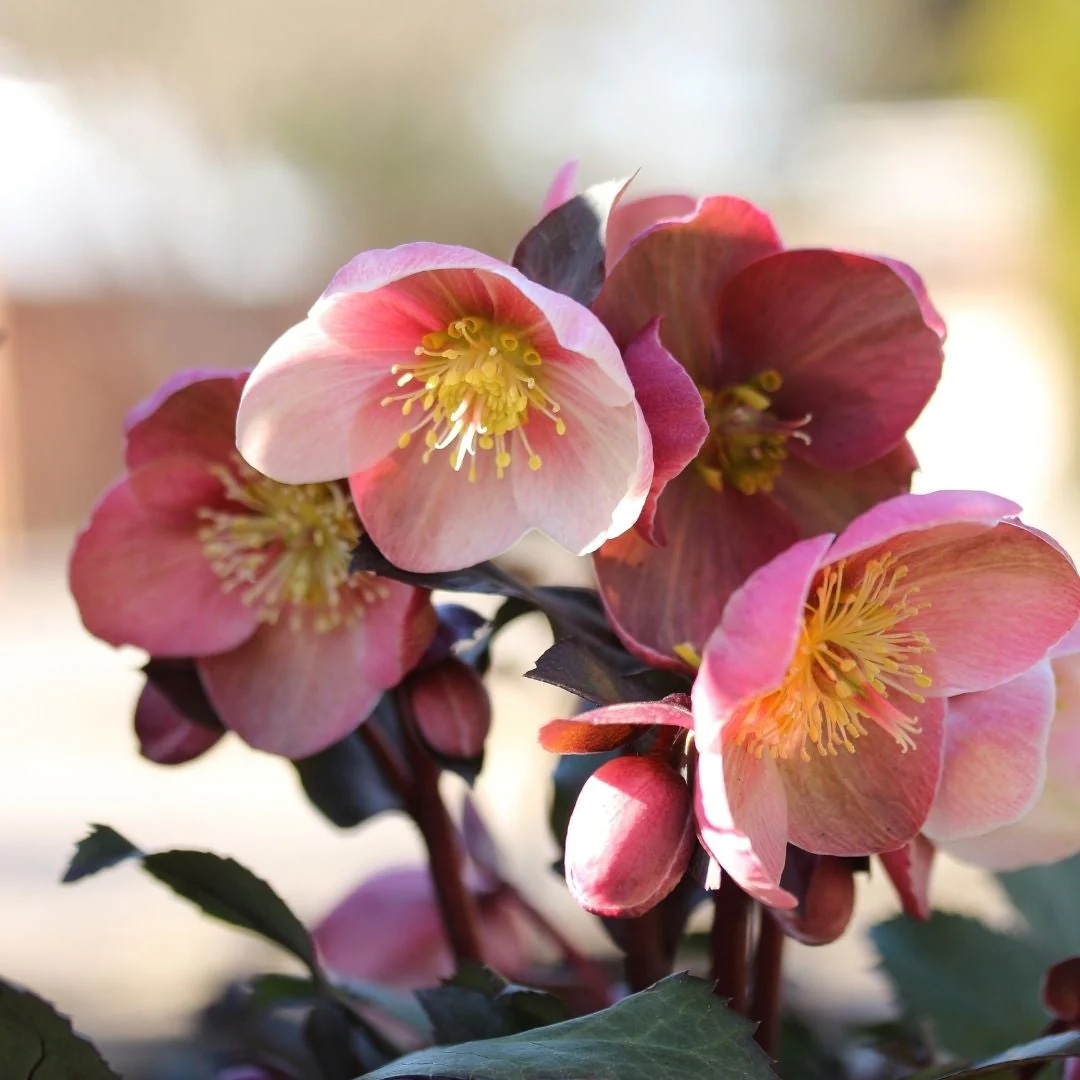
Pink Frost Hellebore
Rosy Winter Blooms That Start The Season Early
Pink Frost Hellebore is the plant you notice first as winter still holds on. Buds rise on sturdy stems and open into outward-facing blooms with creamy white petals blushed in soft rose-pink, then deepen toward richer pink tones as the flowers age. That “color shift” is part of the charm; it reads delicate and fresh at first, then becomes warmer and more saturated as the season moves toward spring. In mild stretches, it can start surprisingly early, giving you weeks of flowers when most shade beds are still asleep.
This is an ideal hellebore for high-traffic sightlines: near steps, along a walkway, by a shaded patio, or at the front of a woodland border where you’ll actually see the blooms up close. The flowers are long-lasting and hold through cold snaps better than most early bloomers, which makes Pink Frost feel like a reliable seasonal milestone, winter interest you can count on, not a one-week show.
Evergreen Foliage That Keeps Beds Looking Designed Year-Round
Even when it isn’t blooming, Pink Frost earns its space with handsome evergreen foliage. The leaves are thick, leathery, and refined, forming a tidy clump that gives shade plantings structure year-round. That evergreen base layer matters most in late fall and winter, when many perennials disappear and the garden’s “bones” are exposed. Pink Frost keeps the bed looking finished, filling visual gaps under trees and along foundation lines without getting bulky.
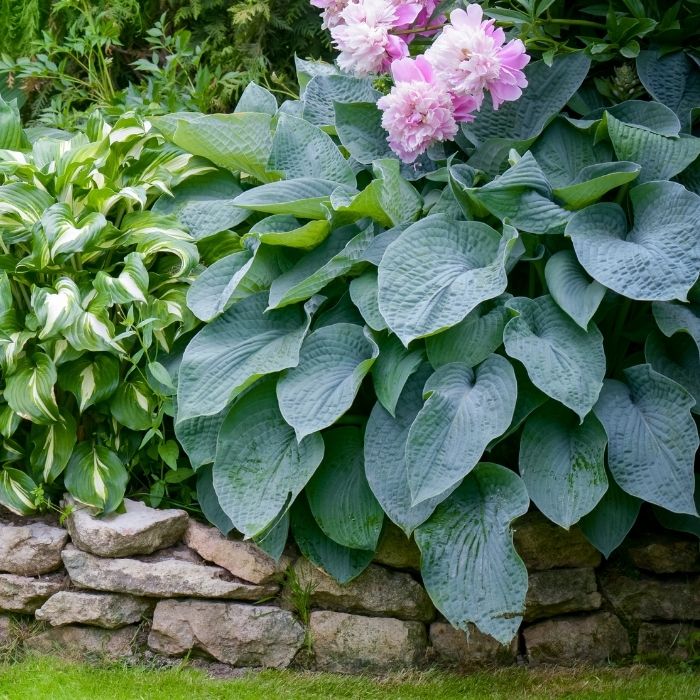
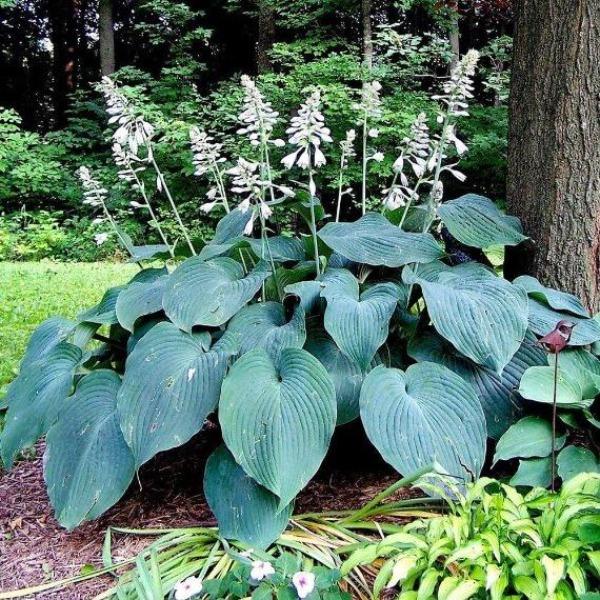
In mixed plantings, the foliage pairs beautifully with hostas, ferns, heuchera, epimedium, and shade shrubs, adding contrast and texture without stealing the scene. If you’re building a woodland garden with layers, Pink Frost functions like living architecture—low-maintenance, well-behaved, and consistently polished. It’s the kind of perennial that makes everything around it look more intentional.
Shade-Friendly, Deer Resistant, And Easy To Grow In Real Landscapes
Pink Frost thrives in part shade to shade, with morning sun being a bonus in many regions (especially if afternoons are hot). Give it rich, well-drained soil and consistent moisture while it establishes, and it settles into a durable perennial that handles the real conditions of shade gardens, tree-root competition, temperature swings, and the uneven moisture patterns common under canopies. Once rooted in, it becomes more forgiving of short dry spells, particularly when mulched.
Like most hellebores, it’s generally deer and rabbit-resistant, which is a major reason it’s trusted as a “set it and forget it” shade perennial. Instead of worrying about spring nibbling, you get dependable foliage and a bloom season that arrives right when you need it most. For homeowners who want winter flowers without fuss, Pink Frost is a confidence-building choice.
A Natural Fit For Containers, Woodland Edges, And Foundation Beds
Pink Frost is exceptionally container-friendly because it stays compact, looks full at the base, and flowers when pots are usually bare. Place it near an entry or patio in a large container, then let the evergreen foliage carry the display after bloom season. In the ground, it shines along woodland edges, beneath deciduous trees, and in foundation beds where you want evergreen texture and early color without height or sprawl.
The secret to a “designer” finish is spacing and one seasonal cleanup. Give each plant room to mature into a full clump, and remove older leaves in late winter so the blooms aren’t hidden. That simple step instantly elevates the display, flowers look brighter, stems read cleaner, and the plant feels groomed rather than wild. If you want shade structure plus late-winter color in one plant, Pink Frost delivers.
Rosy Winter Blooms That Start The Season Early
Pink Frost Hellebore is the plant you notice first as winter still holds on. Buds rise on sturdy stems and open into outward-facing blooms with creamy white petals blushed in soft rose-pink, then deepen toward richer pink tones as the flowers age. That “color shift” is part of the charm; it reads delicate and fresh at first, then becomes warmer and more saturated as the season moves toward spring. In mild stretches, it can start surprisingly early, giving you weeks of flowers when most shade beds are still asleep.
This is an ideal hellebore for high-traffic sightlines: near steps, along a walkway, by a shaded patio, or at the front of a woodland border where you’ll actually see the blooms up close. The flowers are long-lasting and hold through cold snaps better than most early bloomers, which makes Pink Frost feel like a reliable seasonal milestone, winter interest you can count on, not a one-week show.
Evergreen Foliage That Keeps Beds Looking Designed Year-Round
Even when it isn’t blooming, Pink Frost earns its space with handsome evergreen foliage. The leaves are thick, leathery, and refined, forming a tidy clump that gives shade plantings structure year-round. That evergreen base layer matters most in late fall and winter, when many perennials disappear and the garden’s “bones” are exposed. Pink Frost keeps the bed looking finished, filling visual gaps under trees and along foundation lines without getting bulky.
In mixed plantings, the foliage pairs beautifully with hostas, ferns, heuchera, epimedium, and shade shrubs, adding contrast and texture without stealing the scene. If you’re building a woodland garden with layers, Pink Frost functions like living architecture—low-maintenance, well-behaved, and consistently polished. It’s the kind of perennial that makes everything around it look more intentional.
Shade-Friendly, Deer Resistant, And Easy To Grow In Real Landscapes
Pink Frost thrives in part shade to shade, with morning sun being a bonus in many regions (especially if afternoons are hot). Give it rich, well-drained soil and consistent moisture while it establishes, and it settles into a durable perennial that handles the real conditions of shade gardens, tree-root competition, temperature swings, and the uneven moisture patterns common under canopies. Once rooted in, it becomes more forgiving of short dry spells, particularly when mulched.
Like most hellebores, it’s generally deer and rabbit-resistant, which is a major reason it’s trusted as a “set it and forget it” shade perennial. Instead of worrying about spring nibbling, you get dependable foliage and a bloom season that arrives right when you need it most. For homeowners who want winter flowers without fuss, Pink Frost is a confidence-building choice.
A Natural Fit For Containers, Woodland Edges, And Foundation Beds
Pink Frost is exceptionally container-friendly because it stays compact, looks full at the base, and flowers when pots are usually bare. Place it near an entry or patio in a large container, then let the evergreen foliage carry the display after bloom season. In the ground, it shines along woodland edges, beneath deciduous trees, and in foundation beds where you want evergreen texture and early color without height or sprawl.
The secret to a “designer” finish is spacing and one seasonal cleanup. Give each plant room to mature into a full clump, and remove older leaves in late winter so the blooms aren’t hidden. That simple step instantly elevates the display, flowers look brighter, stems read cleaner, and the plant feels groomed rather than wild. If you want shade structure plus late-winter color in one plant, Pink Frost delivers.
Original: $69.95
-70%$69.95
$20.98Description
Rosy Winter Blooms That Start The Season Early
Pink Frost Hellebore is the plant you notice first as winter still holds on. Buds rise on sturdy stems and open into outward-facing blooms with creamy white petals blushed in soft rose-pink, then deepen toward richer pink tones as the flowers age. That “color shift” is part of the charm; it reads delicate and fresh at first, then becomes warmer and more saturated as the season moves toward spring. In mild stretches, it can start surprisingly early, giving you weeks of flowers when most shade beds are still asleep.
This is an ideal hellebore for high-traffic sightlines: near steps, along a walkway, by a shaded patio, or at the front of a woodland border where you’ll actually see the blooms up close. The flowers are long-lasting and hold through cold snaps better than most early bloomers, which makes Pink Frost feel like a reliable seasonal milestone, winter interest you can count on, not a one-week show.
Evergreen Foliage That Keeps Beds Looking Designed Year-Round
Even when it isn’t blooming, Pink Frost earns its space with handsome evergreen foliage. The leaves are thick, leathery, and refined, forming a tidy clump that gives shade plantings structure year-round. That evergreen base layer matters most in late fall and winter, when many perennials disappear and the garden’s “bones” are exposed. Pink Frost keeps the bed looking finished, filling visual gaps under trees and along foundation lines without getting bulky.
In mixed plantings, the foliage pairs beautifully with hostas, ferns, heuchera, epimedium, and shade shrubs, adding contrast and texture without stealing the scene. If you’re building a woodland garden with layers, Pink Frost functions like living architecture—low-maintenance, well-behaved, and consistently polished. It’s the kind of perennial that makes everything around it look more intentional.
Shade-Friendly, Deer Resistant, And Easy To Grow In Real Landscapes
Pink Frost thrives in part shade to shade, with morning sun being a bonus in many regions (especially if afternoons are hot). Give it rich, well-drained soil and consistent moisture while it establishes, and it settles into a durable perennial that handles the real conditions of shade gardens, tree-root competition, temperature swings, and the uneven moisture patterns common under canopies. Once rooted in, it becomes more forgiving of short dry spells, particularly when mulched.
Like most hellebores, it’s generally deer and rabbit-resistant, which is a major reason it’s trusted as a “set it and forget it” shade perennial. Instead of worrying about spring nibbling, you get dependable foliage and a bloom season that arrives right when you need it most. For homeowners who want winter flowers without fuss, Pink Frost is a confidence-building choice.
A Natural Fit For Containers, Woodland Edges, And Foundation Beds
Pink Frost is exceptionally container-friendly because it stays compact, looks full at the base, and flowers when pots are usually bare. Place it near an entry or patio in a large container, then let the evergreen foliage carry the display after bloom season. In the ground, it shines along woodland edges, beneath deciduous trees, and in foundation beds where you want evergreen texture and early color without height or sprawl.
The secret to a “designer” finish is spacing and one seasonal cleanup. Give each plant room to mature into a full clump, and remove older leaves in late winter so the blooms aren’t hidden. That simple step instantly elevates the display, flowers look brighter, stems read cleaner, and the plant feels groomed rather than wild. If you want shade structure plus late-winter color in one plant, Pink Frost delivers.