Winter Sun Mahonia
A Bold Evergreen Shrub That Brings the Garden to Life in Winter
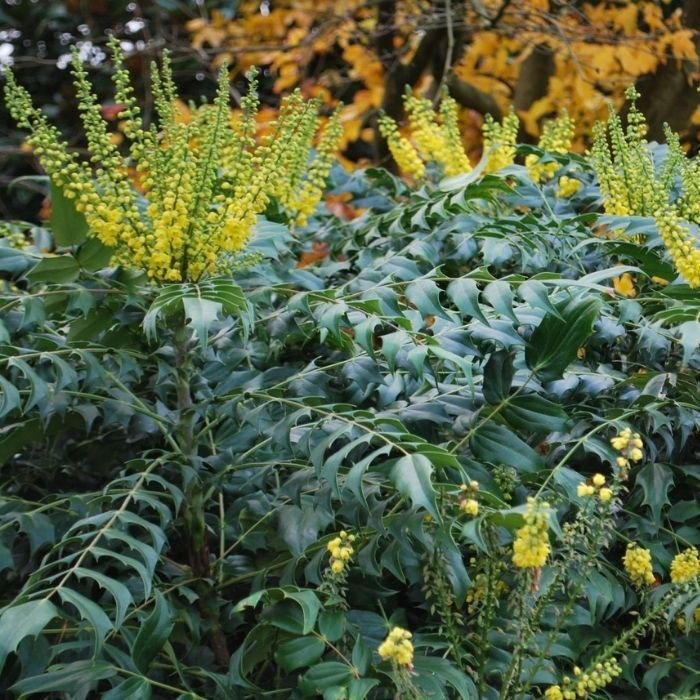
Winter Sun Mahonia is the kind of plant that changes what homeowners expect from the winter landscape. At a time of year when most gardens feel quiet and empty, this broadleaf evergreen shrub pushes up dramatic spikes of bright yellow flowers above its bold, holly-like foliage. The result is a planting that feels active, colorful, and full of life right when the garden usually needs it most. For homeowners who want real winter interest rather than simply waiting for spring, this is an outstanding shrub to plant around.
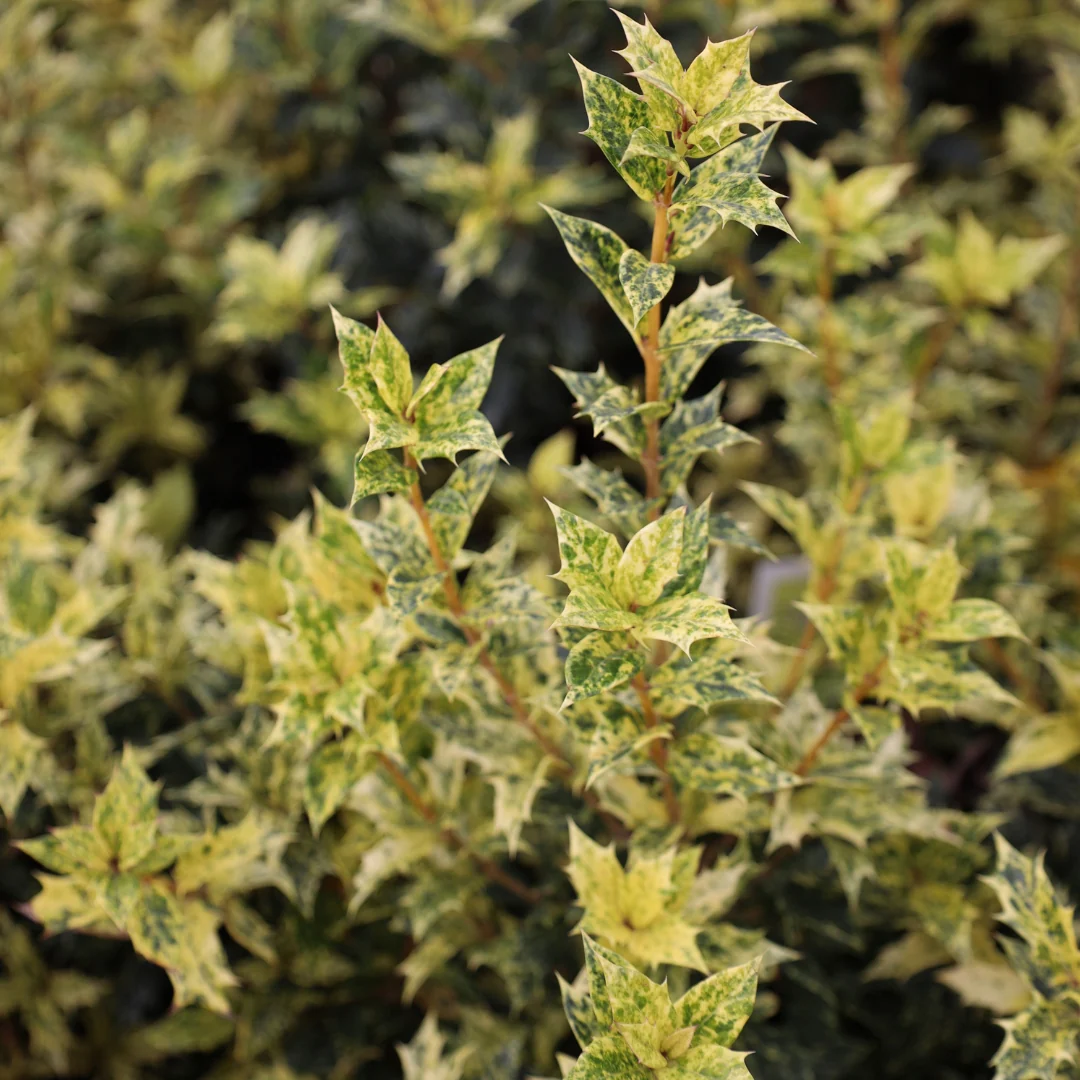
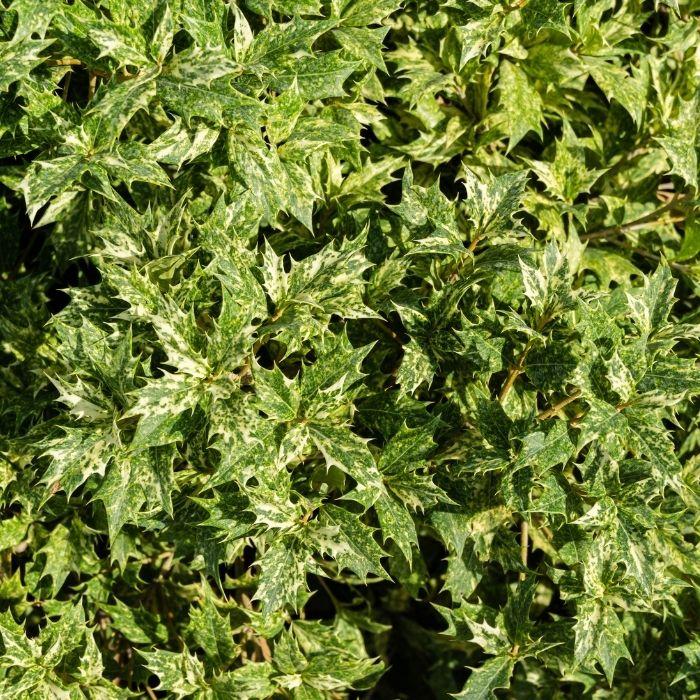
Its foliage is a major part of the appeal. Long, leathery, spiny leaflets are arranged in handsome whorls along upright stems, giving the plant a strong architectural look even when it is not in bloom. That texture brings year-round structure to shaded beds, woodland borders, and sheltered foundation plantings. In landscapes that lean too flat or sleepy during the colder months, Winter Sun Mahonia adds the kind of shape and substance that makes a planting feel designed rather than incidental.
The flowers are what truly set it apart. Their bright yellow color reads clearly in low winter light, and the blooms carry a fragrance that makes the plant even more rewarding near entries, paths, patios, and other spots where homeowners pass close by. It is one of those rare evergreen shrubs that offers both foliage power and real floral presence in the off-season.
For anyone looking to create a more layered, interesting, and seasonally useful garden, Winter Sun Mahonia is a smart choice. It delivers evergreen texture, winter bloom, and a strong focal quality without feeling overly formal or stiff.
Fragrant Yellow Flowers That Carry the Landscape Through the Cold Months
One of the biggest reasons to plant Winter Sun Mahonia is its bloom season. This shrub flowers in late fall to winter, often beginning around December in suitable climates, making it particularly valuable when most flowering shrubs are long finished. Those upright, golden flower clusters do more than add color. They extend the season of beauty in a very practical way, helping the garden feel intentional and welcoming through months that can otherwise be visually flat.
The flowers are also fragrant, which gives Winter Sun Mahonia a more immersive presence than many winter-interest shrubs. It is especially effective near walkways, courtyards, and protected seating areas where the scent can be appreciated up close. Homeowners who enjoy plants that do more than just look good will appreciate how this shrub adds another sensory layer to the winter garden.
After flowering, Winter Sun Mahonia often produces blue to blue-black berries, extending the ornamental season even further. Those berries add contrast against the evergreen foliage and also contribute wildlife value, especially for birds. That sequence of bold foliage, winter blooms, and later fruit helps the shrub earn its space over a long stretch of the year rather than peaking for only a short moment.
For gardeners who want winter landscape color without sacrificing elegance, this plant delivers a particularly refined combination. The flowers feel cheerful and bright, but the overall habit remains strong, handsome, and grounded enough to fit both naturalistic and more structured designs.
A Strong Fit for Shade Gardens, Foundation Beds, and Woodland Edges
Winter Sun Mahonia performs especially well in part shade and dappled shade, which makes it extremely useful in the kinds of garden spaces that often need the most help. Along woodland edges, on the shaded side of a house, or in mixed beds beneath high tree canopy, it brings evergreen mass and winter flowers where many shrubs would offer far less seasonal reward. It can also tolerate deeper shade, though flowering is typically best when the plant receives some filtered light or a bit of gentle morning sun.
Its mature size gives it plenty of versatility. Winter Sun Mahonia generally reaches around 6 to 8 feet tall and 4 to 5 feet wide, large enough to create a meaningful vertical accent but still manageable for residential landscapes. That scale makes it well suited to specimen use, mixed shrub borders, foundation softening, and screening in narrower shaded spaces where something taller than a small shrub is needed but a large evergreen would be too much.
This is also a plant with real design character. Its upright habit and tiered, architectural leaves pair beautifully with ferns, hellebores, camellias, hostas, epimedium, and shade-tolerant groundcovers. It can serve as a focal point or provide a strong, evergreen backbone for lower-layer plantings. In more naturalistic gardens, it feels bold and woodland-worthy. In more polished settings, it brings an almost sculptural quality.
Because it keeps its foliage year-round, Winter Sun Mahonia remains useful long after flowering is done. It helps shaded plantings avoid the empty, winter-thin look that so many deciduous shrubs leave behind. That evergreen presence gives gardeners a much stronger visual return throughout the year.
Easy-Care Evergreen Structure with Wildlife and Seasonal Value
Winter Sun Mahonia offers a lot of visual payoff without asking for constant maintenance. It prefers moist, well-drained soil enriched with organic matter, and it benefits from regular watering while getting established. Once rooted in, it becomes more tolerant of dry periods, though it still looks its best when it is not allowed to stay excessively dry for long stretches. On hot or exposed sites, protection from harsh, drying winds also helps preserve foliage quality.
Pruning is straightforward and usually light. Most of the time, the plant only needs shaping after bloom or occasional removal of older stems to keep the habit fresh and attractive. Because it has such a naturally distinctive form, homeowners do not need to fight it into shape. That is part of what makes it so useful in lower-maintenance landscapes where structure and beauty still matter.
Wildlife value is another strong point. The winter flowers support pollinator activity when floral resources are limited, and the later berries are attractive to birds. That means Winter Sun Mahonia is not just ornamental. It can also contribute to a more ecologically layered planting, especially in gardens designed to support year-round habitat and forage.
For homeowners who want an evergreen shrub that does something memorable in the cold season, Winter Sun Mahonia is a compelling answer. It brings fragrance, structure, winter bloom, and shade-garden strength together in one plant, making it a valuable long-term addition to landscapes that need more off-season life.
A Bold Evergreen Shrub That Brings the Garden to Life in Winter
Winter Sun Mahonia is the kind of plant that changes what homeowners expect from the winter landscape. At a time of year when most gardens feel quiet and empty, this broadleaf evergreen shrub pushes up dramatic spikes of bright yellow flowers above its bold, holly-like foliage. The result is a planting that feels active, colorful, and full of life right when the garden usually needs it most. For homeowners who want real winter interest rather than simply waiting for spring, this is an outstanding shrub to plant around.
Its foliage is a major part of the appeal. Long, leathery, spiny leaflets are arranged in handsome whorls along upright stems, giving the plant a strong architectural look even when it is not in bloom. That texture brings year-round structure to shaded beds, woodland borders, and sheltered foundation plantings. In landscapes that lean too flat or sleepy during the colder months, Winter Sun Mahonia adds the kind of shape and substance that makes a planting feel designed rather than incidental.
The flowers are what truly set it apart. Their bright yellow color reads clearly in low winter light, and the blooms carry a fragrance that makes the plant even more rewarding near entries, paths, patios, and other spots where homeowners pass close by. It is one of those rare evergreen shrubs that offers both foliage power and real floral presence in the off-season.
For anyone looking to create a more layered, interesting, and seasonally useful garden, Winter Sun Mahonia is a smart choice. It delivers evergreen texture, winter bloom, and a strong focal quality without feeling overly formal or stiff.
Fragrant Yellow Flowers That Carry the Landscape Through the Cold Months
One of the biggest reasons to plant Winter Sun Mahonia is its bloom season. This shrub flowers in late fall to winter, often beginning around December in suitable climates, making it particularly valuable when most flowering shrubs are long finished. Those upright, golden flower clusters do more than add color. They extend the season of beauty in a very practical way, helping the garden feel intentional and welcoming through months that can otherwise be visually flat.
The flowers are also fragrant, which gives Winter Sun Mahonia a more immersive presence than many winter-interest shrubs. It is especially effective near walkways, courtyards, and protected seating areas where the scent can be appreciated up close. Homeowners who enjoy plants that do more than just look good will appreciate how this shrub adds another sensory layer to the winter garden.
After flowering, Winter Sun Mahonia often produces blue to blue-black berries, extending the ornamental season even further. Those berries add contrast against the evergreen foliage and also contribute wildlife value, especially for birds. That sequence of bold foliage, winter blooms, and later fruit helps the shrub earn its space over a long stretch of the year rather than peaking for only a short moment.
For gardeners who want winter landscape color without sacrificing elegance, this plant delivers a particularly refined combination. The flowers feel cheerful and bright, but the overall habit remains strong, handsome, and grounded enough to fit both naturalistic and more structured designs.
A Strong Fit for Shade Gardens, Foundation Beds, and Woodland Edges
Winter Sun Mahonia performs especially well in part shade and dappled shade, which makes it extremely useful in the kinds of garden spaces that often need the most help. Along woodland edges, on the shaded side of a house, or in mixed beds beneath high tree canopy, it brings evergreen mass and winter flowers where many shrubs would offer far less seasonal reward. It can also tolerate deeper shade, though flowering is typically best when the plant receives some filtered light or a bit of gentle morning sun.
Its mature size gives it plenty of versatility. Winter Sun Mahonia generally reaches around 6 to 8 feet tall and 4 to 5 feet wide, large enough to create a meaningful vertical accent but still manageable for residential landscapes. That scale makes it well suited to specimen use, mixed shrub borders, foundation softening, and screening in narrower shaded spaces where something taller than a small shrub is needed but a large evergreen would be too much.
This is also a plant with real design character. Its upright habit and tiered, architectural leaves pair beautifully with ferns, hellebores, camellias, hostas, epimedium, and shade-tolerant groundcovers. It can serve as a focal point or provide a strong, evergreen backbone for lower-layer plantings. In more naturalistic gardens, it feels bold and woodland-worthy. In more polished settings, it brings an almost sculptural quality.
Because it keeps its foliage year-round, Winter Sun Mahonia remains useful long after flowering is done. It helps shaded plantings avoid the empty, winter-thin look that so many deciduous shrubs leave behind. That evergreen presence gives gardeners a much stronger visual return throughout the year.
Easy-Care Evergreen Structure with Wildlife and Seasonal Value
Winter Sun Mahonia offers a lot of visual payoff without asking for constant maintenance. It prefers moist, well-drained soil enriched with organic matter, and it benefits from regular watering while getting established. Once rooted in, it becomes more tolerant of dry periods, though it still looks its best when it is not allowed to stay excessively dry for long stretches. On hot or exposed sites, protection from harsh, drying winds also helps preserve foliage quality.
Pruning is straightforward and usually light. Most of the time, the plant only needs shaping after bloom or occasional removal of older stems to keep the habit fresh and attractive. Because it has such a naturally distinctive form, homeowners do not need to fight it into shape. That is part of what makes it so useful in lower-maintenance landscapes where structure and beauty still matter.
Wildlife value is another strong point. The winter flowers support pollinator activity when floral resources are limited, and the later berries are attractive to birds. That means Winter Sun Mahonia is not just ornamental. It can also contribute to a more ecologically layered planting, especially in gardens designed to support year-round habitat and forage.
For homeowners who want an evergreen shrub that does something memorable in the cold season, Winter Sun Mahonia is a compelling answer. It brings fragrance, structure, winter bloom, and shade-garden strength together in one plant, making it a valuable long-term addition to landscapes that need more off-season life.
Original: $99.95
-70%$99.95
$29.98Description
A Bold Evergreen Shrub That Brings the Garden to Life in Winter
Winter Sun Mahonia is the kind of plant that changes what homeowners expect from the winter landscape. At a time of year when most gardens feel quiet and empty, this broadleaf evergreen shrub pushes up dramatic spikes of bright yellow flowers above its bold, holly-like foliage. The result is a planting that feels active, colorful, and full of life right when the garden usually needs it most. For homeowners who want real winter interest rather than simply waiting for spring, this is an outstanding shrub to plant around.
Its foliage is a major part of the appeal. Long, leathery, spiny leaflets are arranged in handsome whorls along upright stems, giving the plant a strong architectural look even when it is not in bloom. That texture brings year-round structure to shaded beds, woodland borders, and sheltered foundation plantings. In landscapes that lean too flat or sleepy during the colder months, Winter Sun Mahonia adds the kind of shape and substance that makes a planting feel designed rather than incidental.
The flowers are what truly set it apart. Their bright yellow color reads clearly in low winter light, and the blooms carry a fragrance that makes the plant even more rewarding near entries, paths, patios, and other spots where homeowners pass close by. It is one of those rare evergreen shrubs that offers both foliage power and real floral presence in the off-season.
For anyone looking to create a more layered, interesting, and seasonally useful garden, Winter Sun Mahonia is a smart choice. It delivers evergreen texture, winter bloom, and a strong focal quality without feeling overly formal or stiff.
Fragrant Yellow Flowers That Carry the Landscape Through the Cold Months
One of the biggest reasons to plant Winter Sun Mahonia is its bloom season. This shrub flowers in late fall to winter, often beginning around December in suitable climates, making it particularly valuable when most flowering shrubs are long finished. Those upright, golden flower clusters do more than add color. They extend the season of beauty in a very practical way, helping the garden feel intentional and welcoming through months that can otherwise be visually flat.
The flowers are also fragrant, which gives Winter Sun Mahonia a more immersive presence than many winter-interest shrubs. It is especially effective near walkways, courtyards, and protected seating areas where the scent can be appreciated up close. Homeowners who enjoy plants that do more than just look good will appreciate how this shrub adds another sensory layer to the winter garden.
After flowering, Winter Sun Mahonia often produces blue to blue-black berries, extending the ornamental season even further. Those berries add contrast against the evergreen foliage and also contribute wildlife value, especially for birds. That sequence of bold foliage, winter blooms, and later fruit helps the shrub earn its space over a long stretch of the year rather than peaking for only a short moment.
For gardeners who want winter landscape color without sacrificing elegance, this plant delivers a particularly refined combination. The flowers feel cheerful and bright, but the overall habit remains strong, handsome, and grounded enough to fit both naturalistic and more structured designs.
A Strong Fit for Shade Gardens, Foundation Beds, and Woodland Edges
Winter Sun Mahonia performs especially well in part shade and dappled shade, which makes it extremely useful in the kinds of garden spaces that often need the most help. Along woodland edges, on the shaded side of a house, or in mixed beds beneath high tree canopy, it brings evergreen mass and winter flowers where many shrubs would offer far less seasonal reward. It can also tolerate deeper shade, though flowering is typically best when the plant receives some filtered light or a bit of gentle morning sun.
Its mature size gives it plenty of versatility. Winter Sun Mahonia generally reaches around 6 to 8 feet tall and 4 to 5 feet wide, large enough to create a meaningful vertical accent but still manageable for residential landscapes. That scale makes it well suited to specimen use, mixed shrub borders, foundation softening, and screening in narrower shaded spaces where something taller than a small shrub is needed but a large evergreen would be too much.
This is also a plant with real design character. Its upright habit and tiered, architectural leaves pair beautifully with ferns, hellebores, camellias, hostas, epimedium, and shade-tolerant groundcovers. It can serve as a focal point or provide a strong, evergreen backbone for lower-layer plantings. In more naturalistic gardens, it feels bold and woodland-worthy. In more polished settings, it brings an almost sculptural quality.
Because it keeps its foliage year-round, Winter Sun Mahonia remains useful long after flowering is done. It helps shaded plantings avoid the empty, winter-thin look that so many deciduous shrubs leave behind. That evergreen presence gives gardeners a much stronger visual return throughout the year.
Easy-Care Evergreen Structure with Wildlife and Seasonal Value
Winter Sun Mahonia offers a lot of visual payoff without asking for constant maintenance. It prefers moist, well-drained soil enriched with organic matter, and it benefits from regular watering while getting established. Once rooted in, it becomes more tolerant of dry periods, though it still looks its best when it is not allowed to stay excessively dry for long stretches. On hot or exposed sites, protection from harsh, drying winds also helps preserve foliage quality.
Pruning is straightforward and usually light. Most of the time, the plant only needs shaping after bloom or occasional removal of older stems to keep the habit fresh and attractive. Because it has such a naturally distinctive form, homeowners do not need to fight it into shape. That is part of what makes it so useful in lower-maintenance landscapes where structure and beauty still matter.
Wildlife value is another strong point. The winter flowers support pollinator activity when floral resources are limited, and the later berries are attractive to birds. That means Winter Sun Mahonia is not just ornamental. It can also contribute to a more ecologically layered planting, especially in gardens designed to support year-round habitat and forage.
For homeowners who want an evergreen shrub that does something memorable in the cold season, Winter Sun Mahonia is a compelling answer. It brings fragrance, structure, winter bloom, and shade-garden strength together in one plant, making it a valuable long-term addition to landscapes that need more off-season life.