Mary Jane Threadleaf Aralia
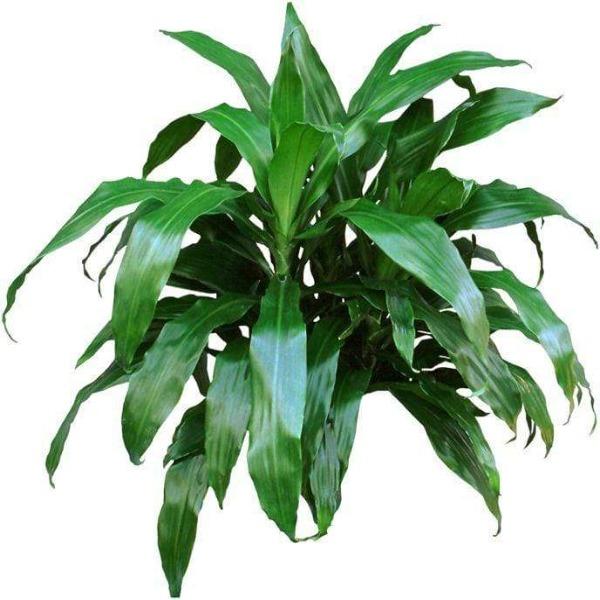
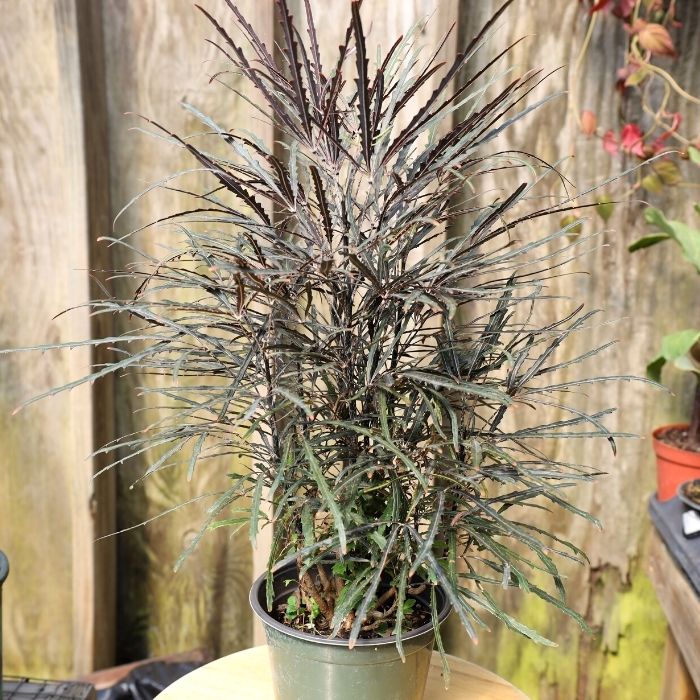
Mary Jane Threadleaf Aralia, also known as spider aralia is grown for its attractive foliage. The long, narrow, dark green leaves with saw-tooth edges are coppery colored at first, but as they mature they turn dark green, appearing almost black.
Bright light causes dark, blackish-green color on mature leaves. Threadleaf Aralia is usually purchased as a tabletop plant, but with proper care, it can grow 5 to 6 feet tall over a period of several years.
- Unique dark-green leaves with saw-tooth edge foliage, appear coppery colored at first
- Does best in medium to bright indirect light, too much sun can cause the edges to brown
Mary Jane Threadleaf Aralia, also known as spider aralia is grown for its attractive foliage. The long, narrow, dark green leaves with saw-tooth edges are coppery colored at first, but as they mature they turn dark green, appearing almost black.
Bright light causes dark, blackish-green color on mature leaves. Threadleaf Aralia is usually purchased as a tabletop plant, but with proper care, it can grow 5 to 6 feet tall over a period of several years.
- Unique dark-green leaves with saw-tooth edge foliage, appear coppery colored at first
- Does best in medium to bright indirect light, too much sun can cause the edges to brown
Description
Mary Jane Threadleaf Aralia, also known as spider aralia is grown for its attractive foliage. The long, narrow, dark green leaves with saw-tooth edges are coppery colored at first, but as they mature they turn dark green, appearing almost black.
Bright light causes dark, blackish-green color on mature leaves. Threadleaf Aralia is usually purchased as a tabletop plant, but with proper care, it can grow 5 to 6 feet tall over a period of several years.
- Unique dark-green leaves with saw-tooth edge foliage, appear coppery colored at first
- Does best in medium to bright indirect light, too much sun can cause the edges to brown