Miss Molly Butterfly Bush
A Butterfly Bush With Rich, Saturated Summer Color
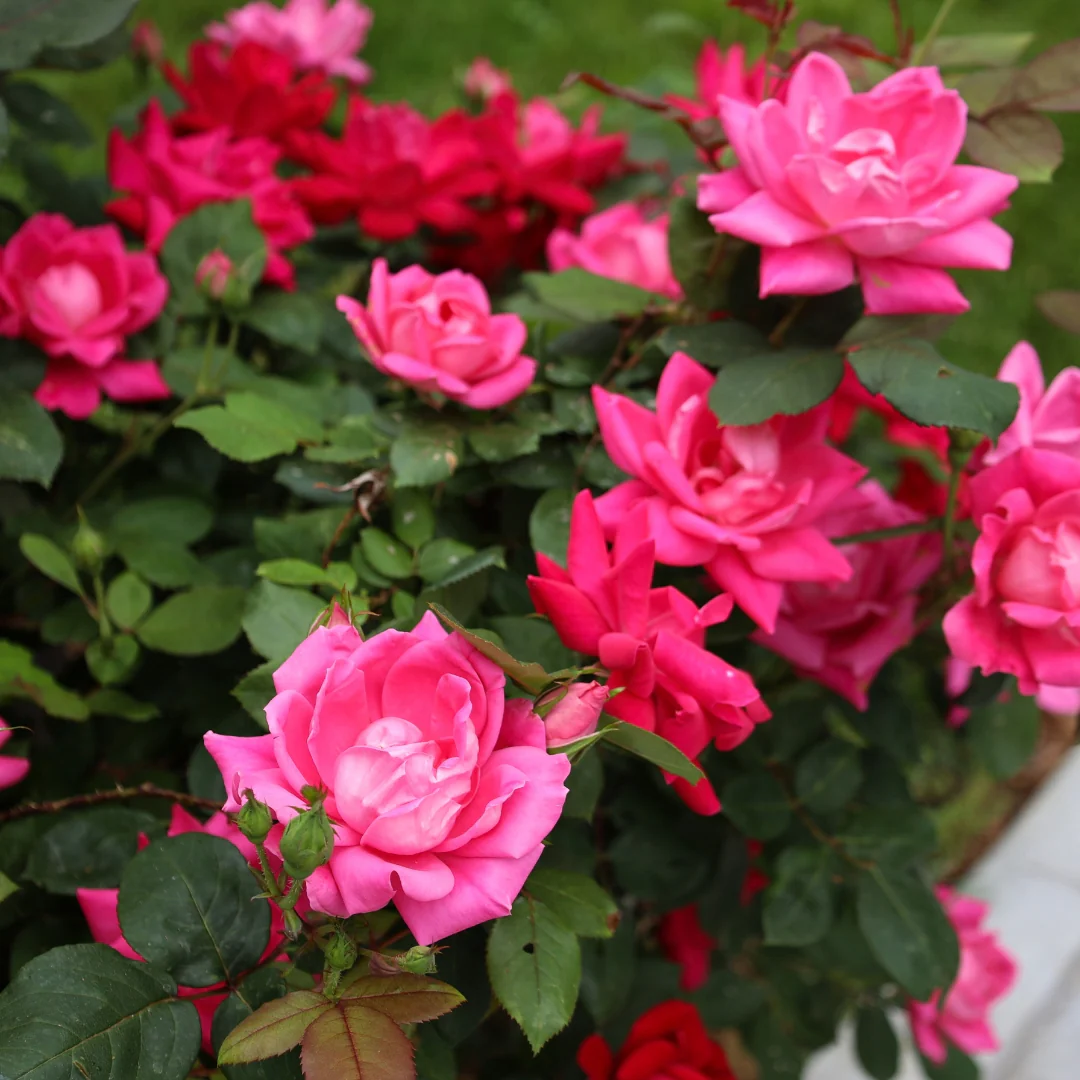
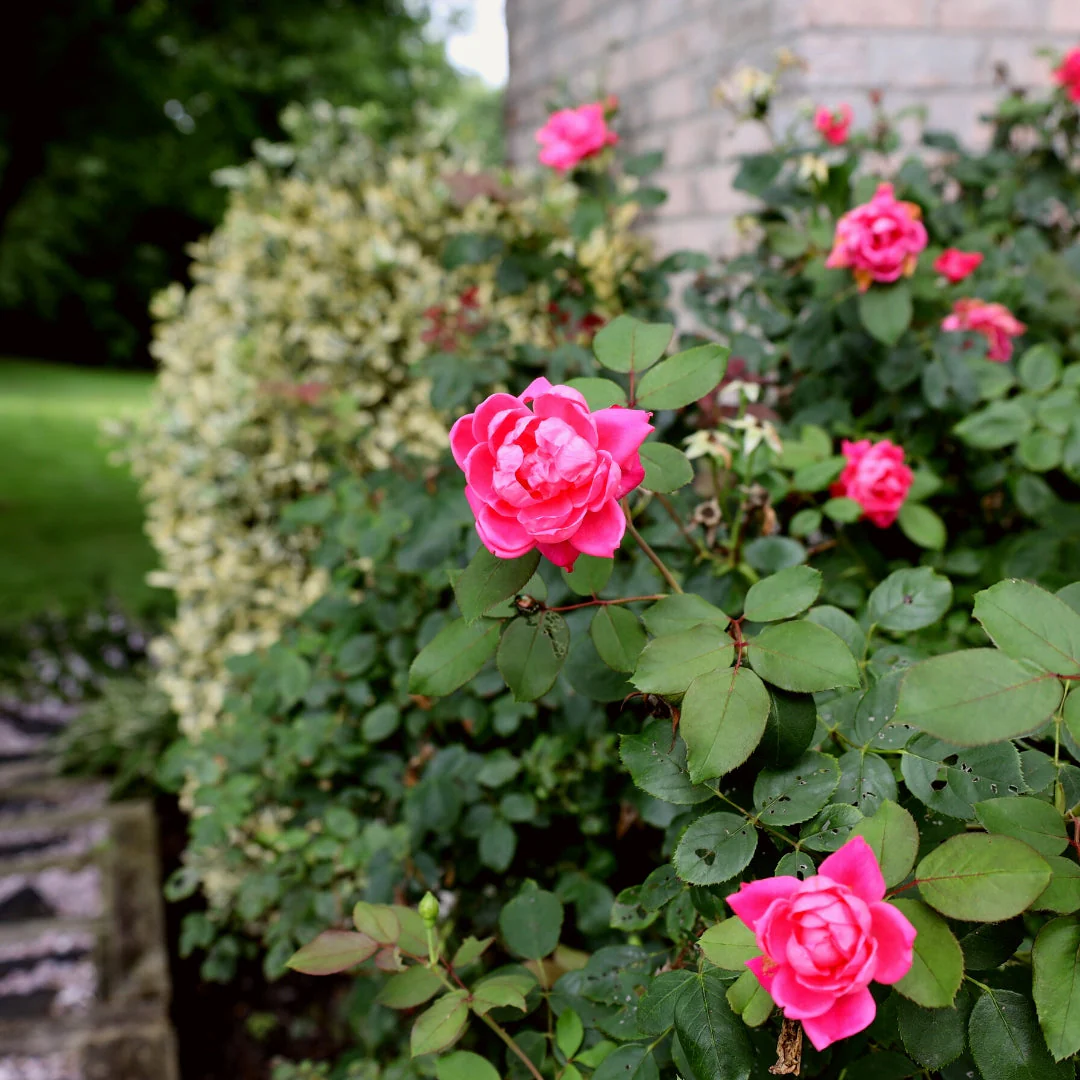
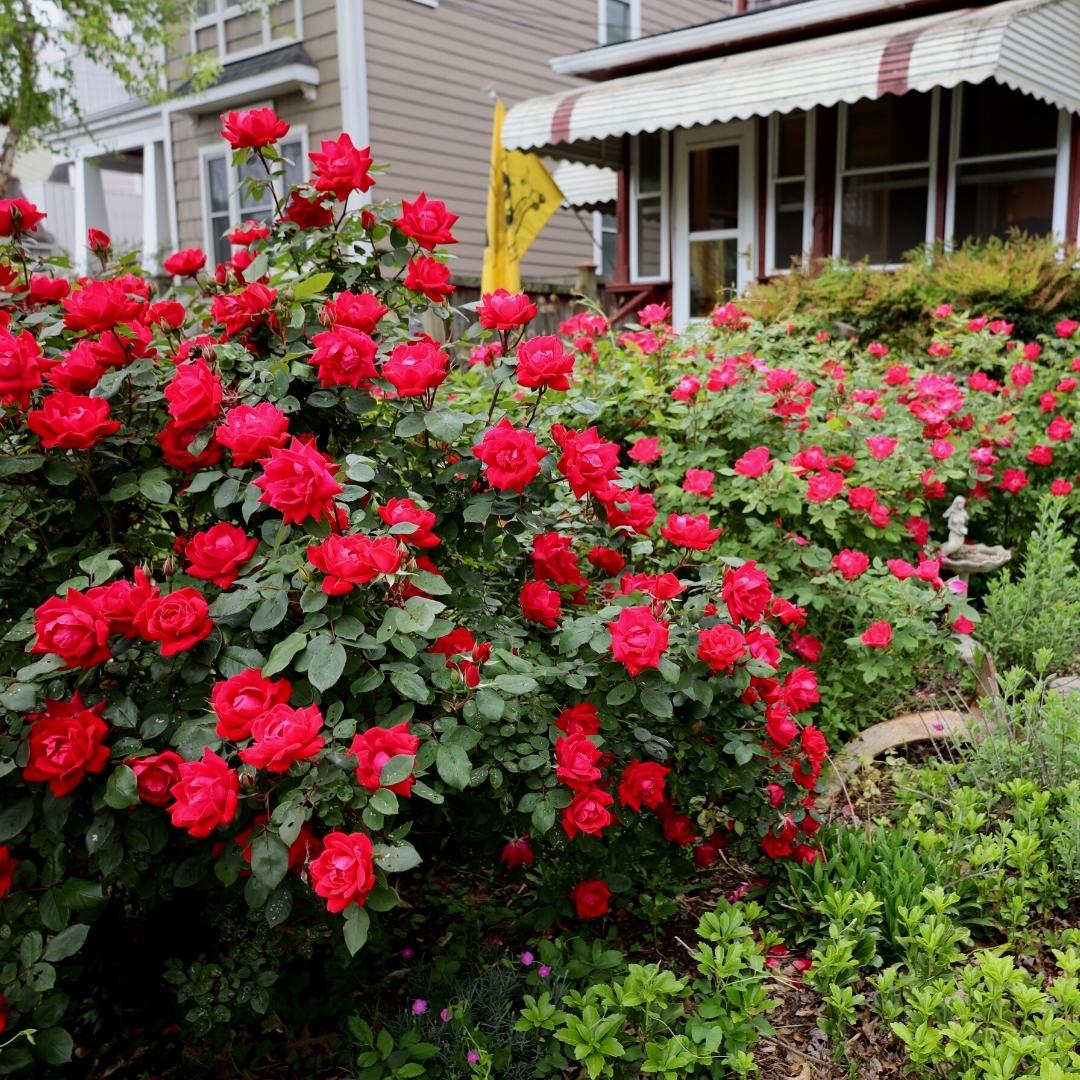
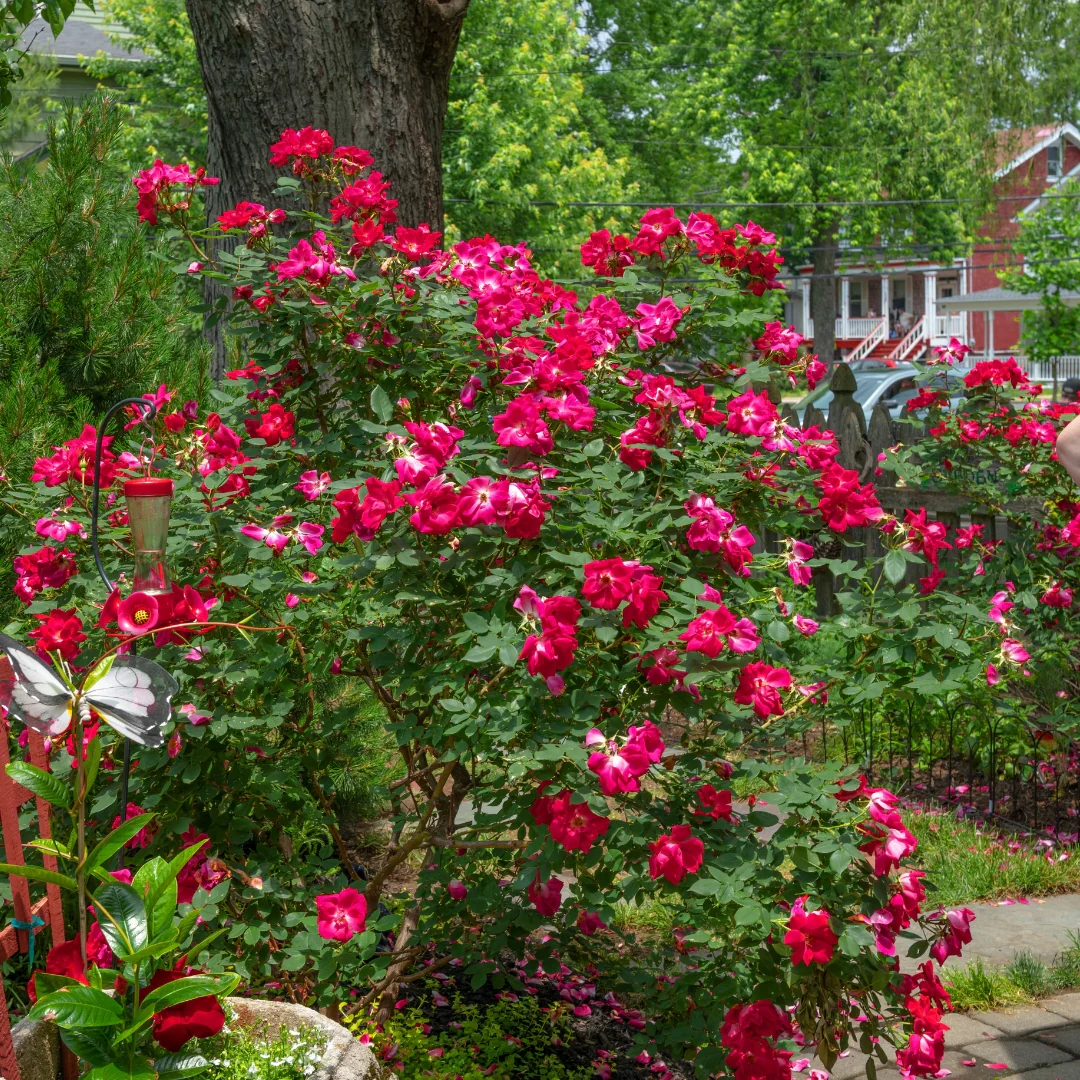
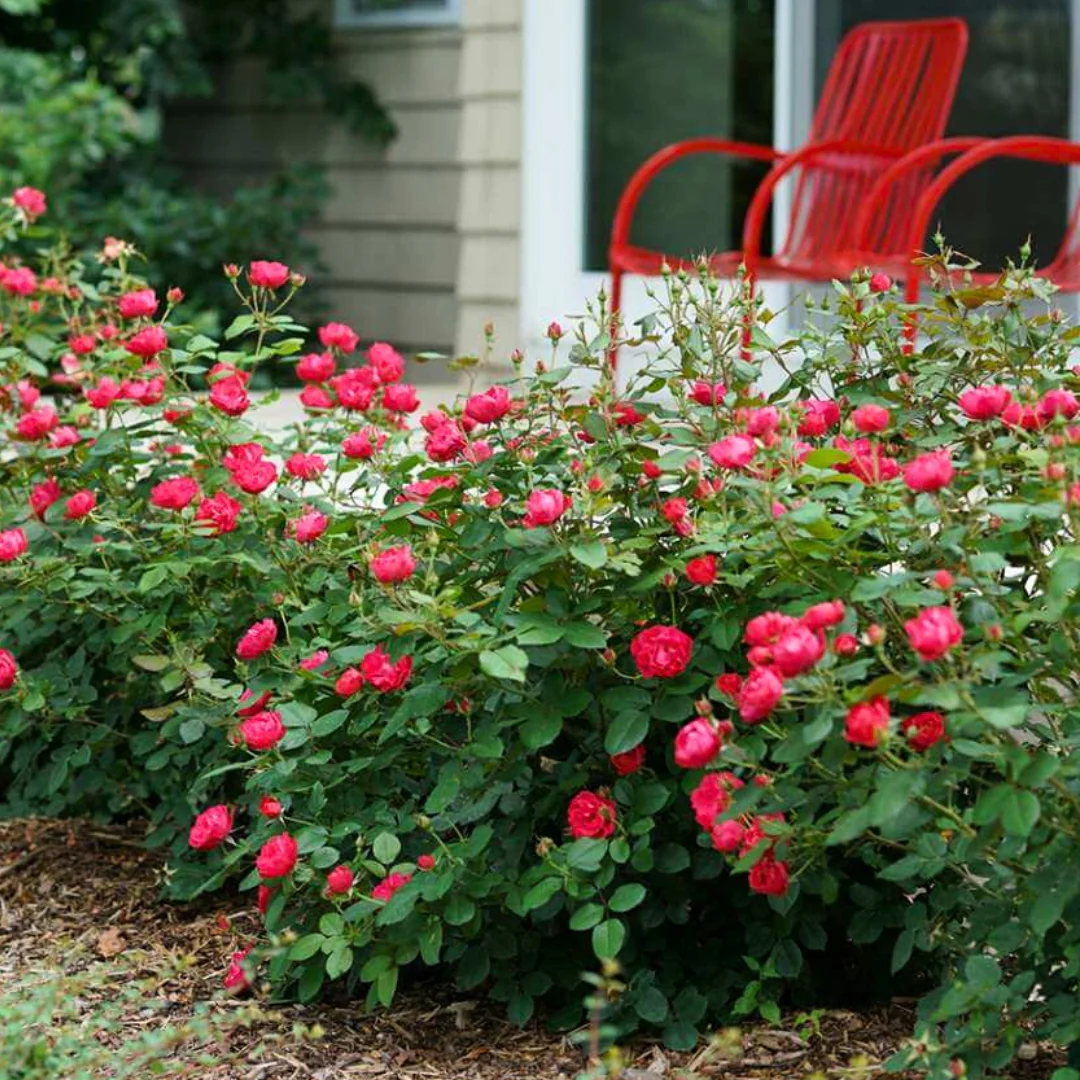
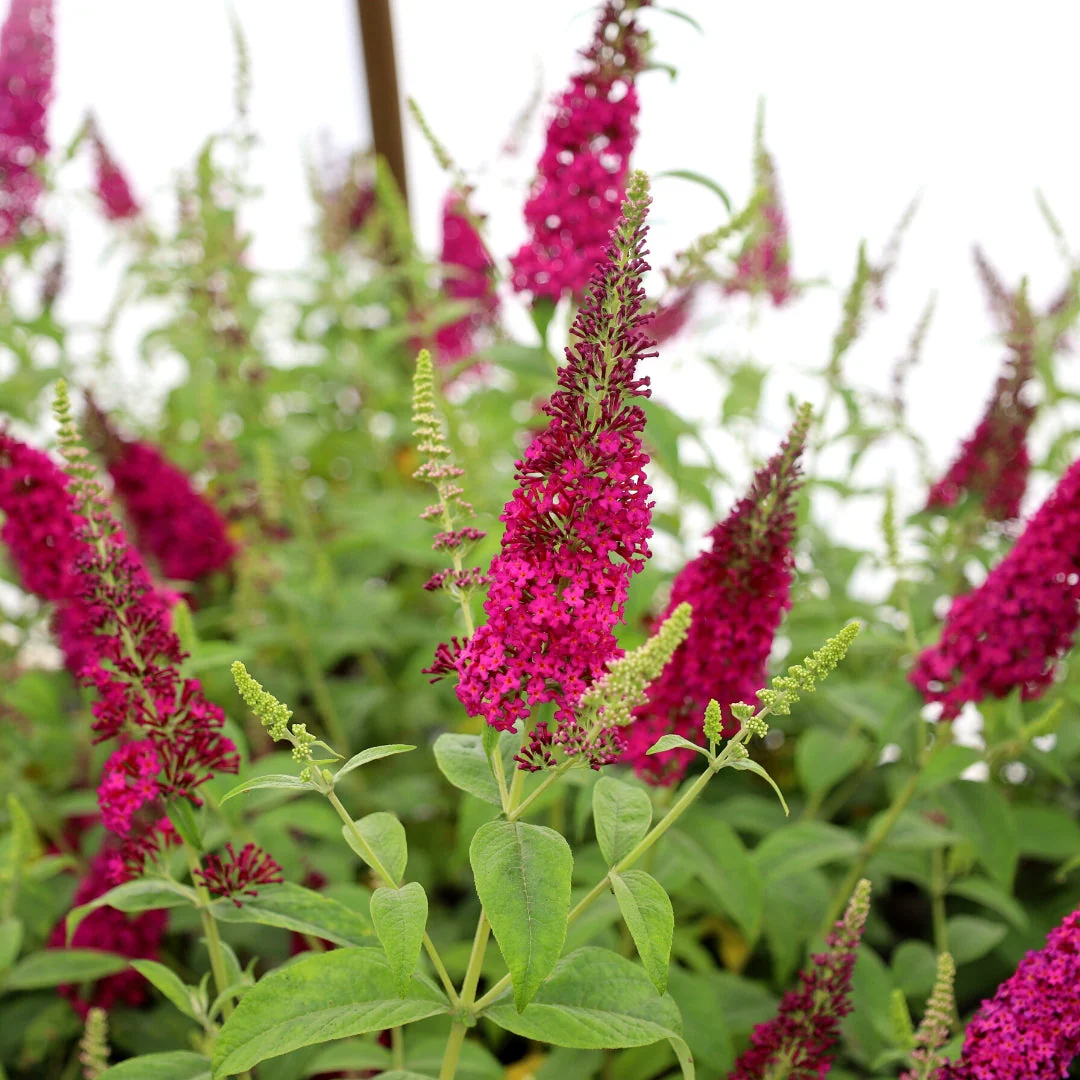
Miss Molly Butterfly Bush stands out because its flower color is more intense than many older butterfly bush varieties. The blooms are typically described as magenta-red, deep pink, or pinkish-purple, and they read as a bold, vivid color in the landscape from a surprising distance. That makes this shrub especially useful when a summer garden needs more than soft pastel color. It brings real depth and energy to sunny borders, mixed shrub plantings, and pollinator gardens right when the season needs it most.
The flower spikes are bottlebrush-shaped and packed with small tubular blooms, creating the look homeowners want from a classic butterfly bush while delivering a more saturated, garden-bright hue. Against its green to silvery-green foliage, the flower color feels even stronger. For landscapes that need summer bloom power and a more refined alternative to washed-out pinks or pale lavenders, Miss Molly makes a strong visual statement.
Long Bloom Season With Pollinator Appeal
Miss Molly is also valuable because it blooms for an extended stretch of the growing season. Proven Winners lists bloom time from mid-summer through fall, while the Missouri Botanical Garden notes flowering from mid-summer through frost. That long flowering season gives homeowners weeks of color when many spring shrubs are finished, and perennial borders need a strong supporting plant.
Like other butterfly bushes, it is highly attractive to butterflies and pollinators, helping bring movement and life into the garden. In sunny beds, it pairs especially well with coneflowers, salvias, rudbeckias, ornamental grasses, and other heat-loving perennials that benefit from a taller flowering shrub nearby. For gardeners trying to build a pollinator-friendly landscape with bold summer color, Miss Molly checks a lot of boxes at once.
A Manageable, Well-Branched Shrub for Borders and Beds
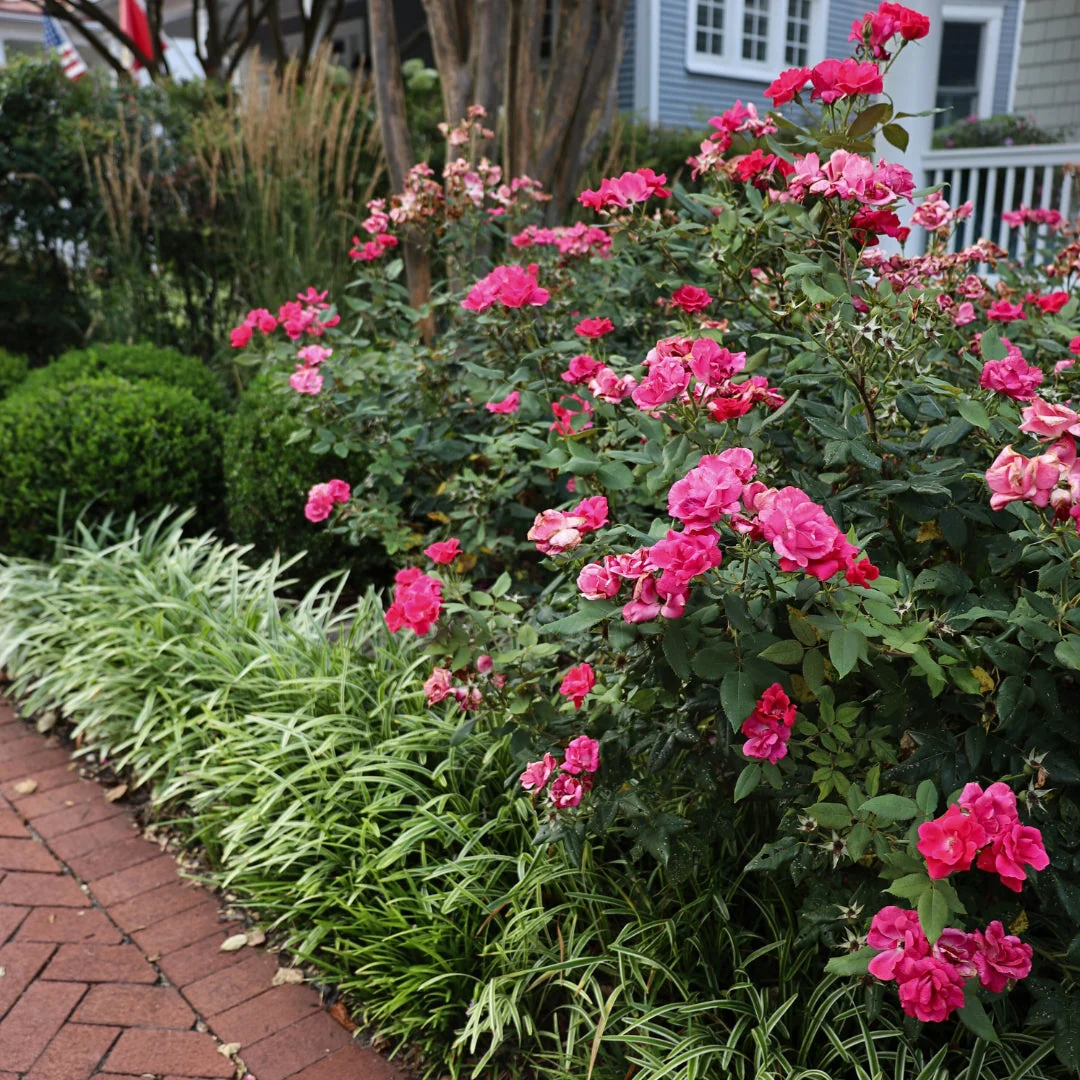
Miss Molly is large enough to make an impact, but still manageable in most residential landscapes. Proven Winners lists it at 4 to 5 feet tall and 4 to 5 feet wide, while Missouri Botanical Garden describes mature plants as 4 to 5 feet tall with a 5 to 6 foot spread and a semi-compact, well-branched habit. That makes it a strong fit for sunny borders, pollinator gardens, background planting, and larger foundation beds where a compact dwarf butterfly bush would be too small, but a giant older type would feel overwhelming.
Its dense branching also gives it better garden presence than rangier butterfly bushes. Instead of looking sparse or leggy, it forms a fuller shrub that anchors mixed plantings well in summer. Homeowners who want a butterfly bush with noticeable flower power but without the loose oversized feel of older seed-grown types often find this cultivar easier to place and easier to enjoy.
Easy-Care Performance in Full Sun
Miss Molly performs best in full sun and well-drained soil. NC State notes that Buddlejas do not tolerate soggy wet soils or poor drainage and are drought-tolerant once established. That makes this shrub a practical choice for sunny beds, hot exposures, and lower-water landscapes where reliable flowering shrubs are needed.
Pruning is straightforward because Miss Molly blooms on new wood. Proven Winners specifically notes that it blooms on new wood, which means late winter or early spring pruning helps encourage fresh vigorous growth and a strong bloom show in the same season. Proven Winners also notes that new growth can emerge late in spring, so patience is important before assuming winter damage.
A Butterfly Bush With Rich, Saturated Summer Color
Miss Molly Butterfly Bush stands out because its flower color is more intense than many older butterfly bush varieties. The blooms are typically described as magenta-red, deep pink, or pinkish-purple, and they read as a bold, vivid color in the landscape from a surprising distance. That makes this shrub especially useful when a summer garden needs more than soft pastel color. It brings real depth and energy to sunny borders, mixed shrub plantings, and pollinator gardens right when the season needs it most.
The flower spikes are bottlebrush-shaped and packed with small tubular blooms, creating the look homeowners want from a classic butterfly bush while delivering a more saturated, garden-bright hue. Against its green to silvery-green foliage, the flower color feels even stronger. For landscapes that need summer bloom power and a more refined alternative to washed-out pinks or pale lavenders, Miss Molly makes a strong visual statement.
Long Bloom Season With Pollinator Appeal
Miss Molly is also valuable because it blooms for an extended stretch of the growing season. Proven Winners lists bloom time from mid-summer through fall, while the Missouri Botanical Garden notes flowering from mid-summer through frost. That long flowering season gives homeowners weeks of color when many spring shrubs are finished, and perennial borders need a strong supporting plant.
Like other butterfly bushes, it is highly attractive to butterflies and pollinators, helping bring movement and life into the garden. In sunny beds, it pairs especially well with coneflowers, salvias, rudbeckias, ornamental grasses, and other heat-loving perennials that benefit from a taller flowering shrub nearby. For gardeners trying to build a pollinator-friendly landscape with bold summer color, Miss Molly checks a lot of boxes at once.
A Manageable, Well-Branched Shrub for Borders and Beds
Miss Molly is large enough to make an impact, but still manageable in most residential landscapes. Proven Winners lists it at 4 to 5 feet tall and 4 to 5 feet wide, while Missouri Botanical Garden describes mature plants as 4 to 5 feet tall with a 5 to 6 foot spread and a semi-compact, well-branched habit. That makes it a strong fit for sunny borders, pollinator gardens, background planting, and larger foundation beds where a compact dwarf butterfly bush would be too small, but a giant older type would feel overwhelming.
Its dense branching also gives it better garden presence than rangier butterfly bushes. Instead of looking sparse or leggy, it forms a fuller shrub that anchors mixed plantings well in summer. Homeowners who want a butterfly bush with noticeable flower power but without the loose oversized feel of older seed-grown types often find this cultivar easier to place and easier to enjoy.
Easy-Care Performance in Full Sun
Miss Molly performs best in full sun and well-drained soil. NC State notes that Buddlejas do not tolerate soggy wet soils or poor drainage and are drought-tolerant once established. That makes this shrub a practical choice for sunny beds, hot exposures, and lower-water landscapes where reliable flowering shrubs are needed.
Pruning is straightforward because Miss Molly blooms on new wood. Proven Winners specifically notes that it blooms on new wood, which means late winter or early spring pruning helps encourage fresh vigorous growth and a strong bloom show in the same season. Proven Winners also notes that new growth can emerge late in spring, so patience is important before assuming winter damage.
Original: $99.95
-70%$99.95
$29.98Description
A Butterfly Bush With Rich, Saturated Summer Color
Miss Molly Butterfly Bush stands out because its flower color is more intense than many older butterfly bush varieties. The blooms are typically described as magenta-red, deep pink, or pinkish-purple, and they read as a bold, vivid color in the landscape from a surprising distance. That makes this shrub especially useful when a summer garden needs more than soft pastel color. It brings real depth and energy to sunny borders, mixed shrub plantings, and pollinator gardens right when the season needs it most.
The flower spikes are bottlebrush-shaped and packed with small tubular blooms, creating the look homeowners want from a classic butterfly bush while delivering a more saturated, garden-bright hue. Against its green to silvery-green foliage, the flower color feels even stronger. For landscapes that need summer bloom power and a more refined alternative to washed-out pinks or pale lavenders, Miss Molly makes a strong visual statement.
Long Bloom Season With Pollinator Appeal
Miss Molly is also valuable because it blooms for an extended stretch of the growing season. Proven Winners lists bloom time from mid-summer through fall, while the Missouri Botanical Garden notes flowering from mid-summer through frost. That long flowering season gives homeowners weeks of color when many spring shrubs are finished, and perennial borders need a strong supporting plant.
Like other butterfly bushes, it is highly attractive to butterflies and pollinators, helping bring movement and life into the garden. In sunny beds, it pairs especially well with coneflowers, salvias, rudbeckias, ornamental grasses, and other heat-loving perennials that benefit from a taller flowering shrub nearby. For gardeners trying to build a pollinator-friendly landscape with bold summer color, Miss Molly checks a lot of boxes at once.
A Manageable, Well-Branched Shrub for Borders and Beds
Miss Molly is large enough to make an impact, but still manageable in most residential landscapes. Proven Winners lists it at 4 to 5 feet tall and 4 to 5 feet wide, while Missouri Botanical Garden describes mature plants as 4 to 5 feet tall with a 5 to 6 foot spread and a semi-compact, well-branched habit. That makes it a strong fit for sunny borders, pollinator gardens, background planting, and larger foundation beds where a compact dwarf butterfly bush would be too small, but a giant older type would feel overwhelming.
Its dense branching also gives it better garden presence than rangier butterfly bushes. Instead of looking sparse or leggy, it forms a fuller shrub that anchors mixed plantings well in summer. Homeowners who want a butterfly bush with noticeable flower power but without the loose oversized feel of older seed-grown types often find this cultivar easier to place and easier to enjoy.
Easy-Care Performance in Full Sun
Miss Molly performs best in full sun and well-drained soil. NC State notes that Buddlejas do not tolerate soggy wet soils or poor drainage and are drought-tolerant once established. That makes this shrub a practical choice for sunny beds, hot exposures, and lower-water landscapes where reliable flowering shrubs are needed.
Pruning is straightforward because Miss Molly blooms on new wood. Proven Winners specifically notes that it blooms on new wood, which means late winter or early spring pruning helps encourage fresh vigorous growth and a strong bloom show in the same season. Proven Winners also notes that new growth can emerge late in spring, so patience is important before assuming winter damage.