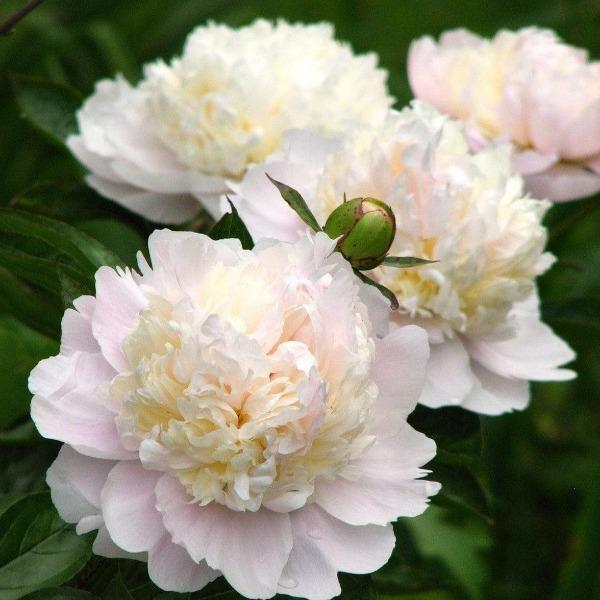
Shirley Temple Peony
Fragrant Double Blooms That Look Like Wedding Bouquets In The Garden
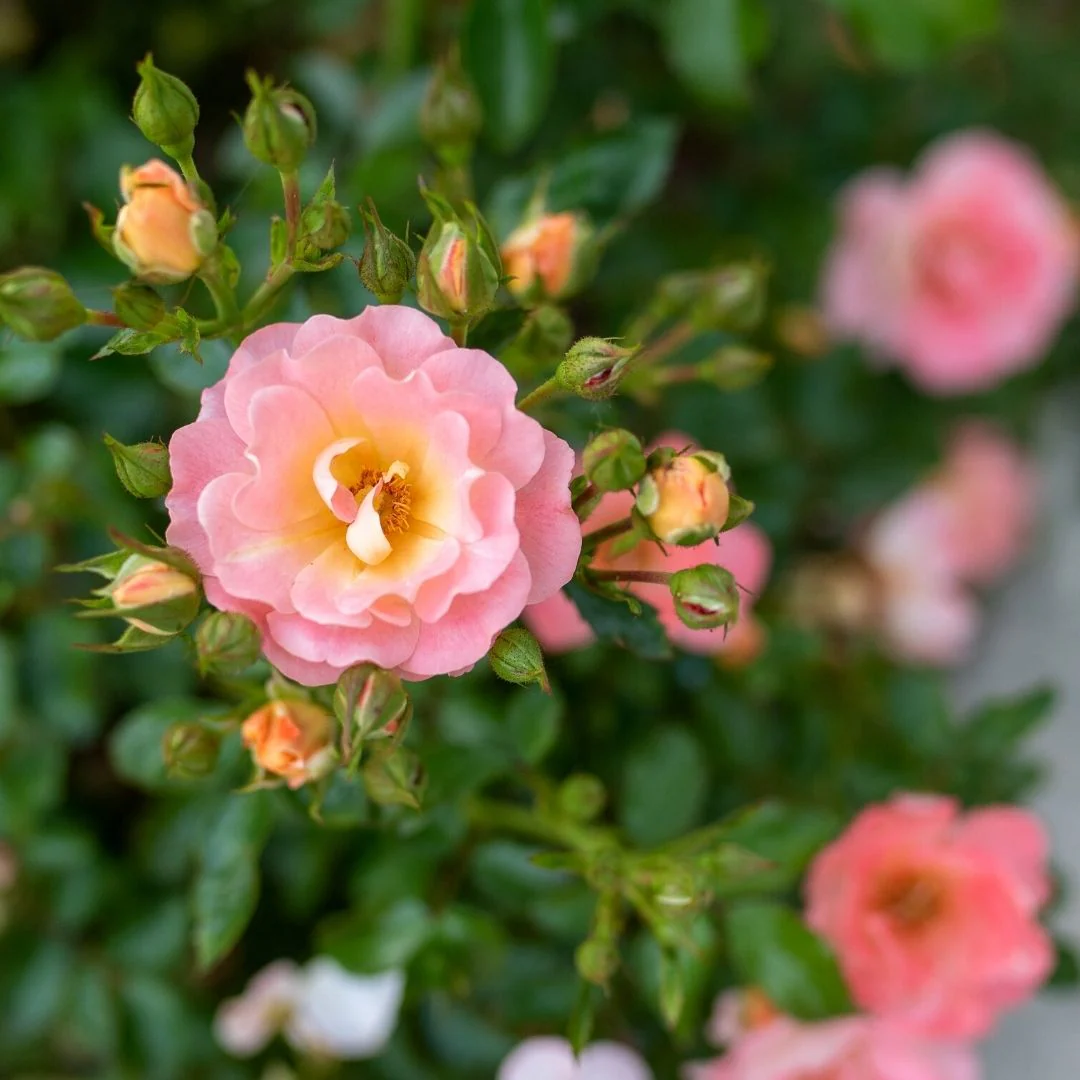
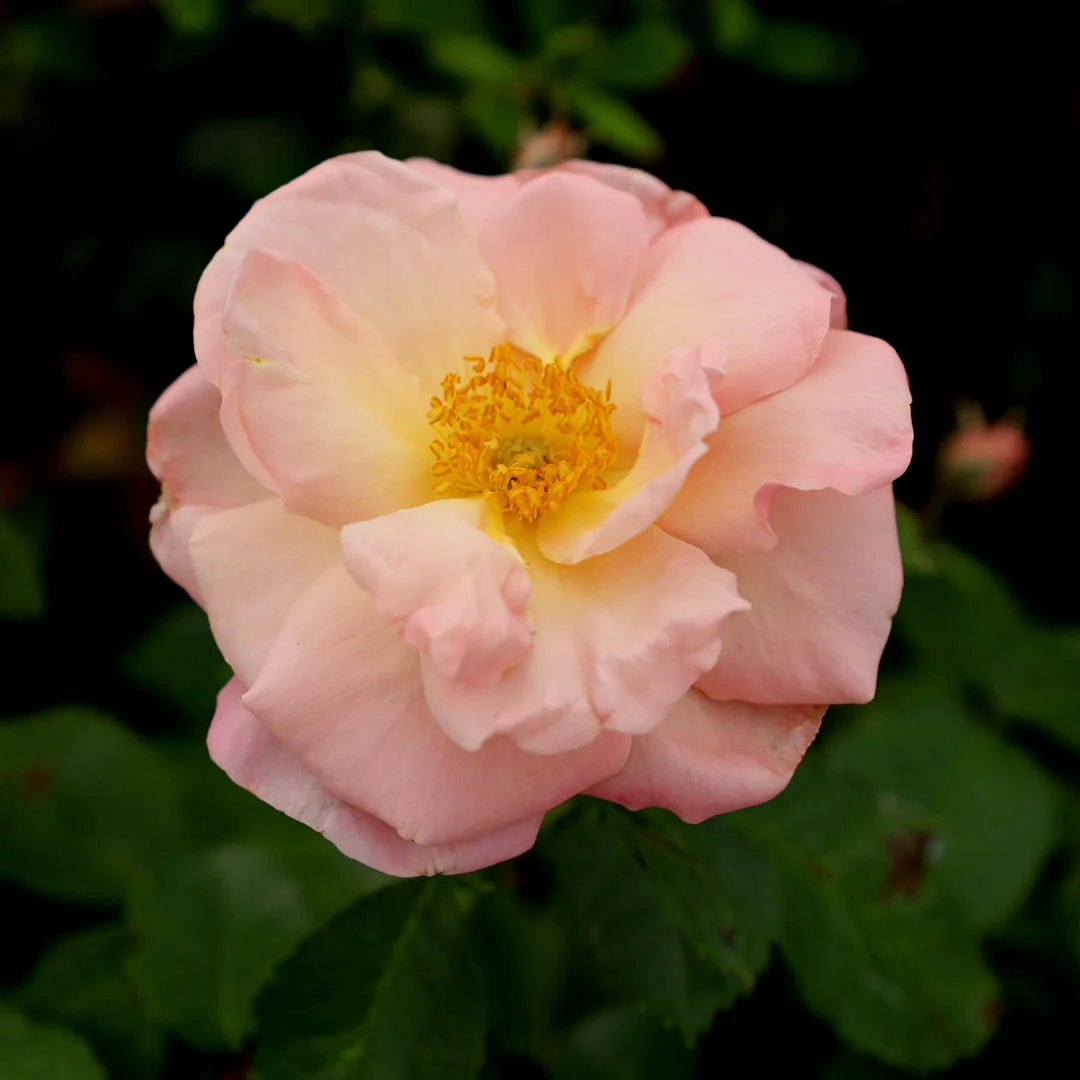
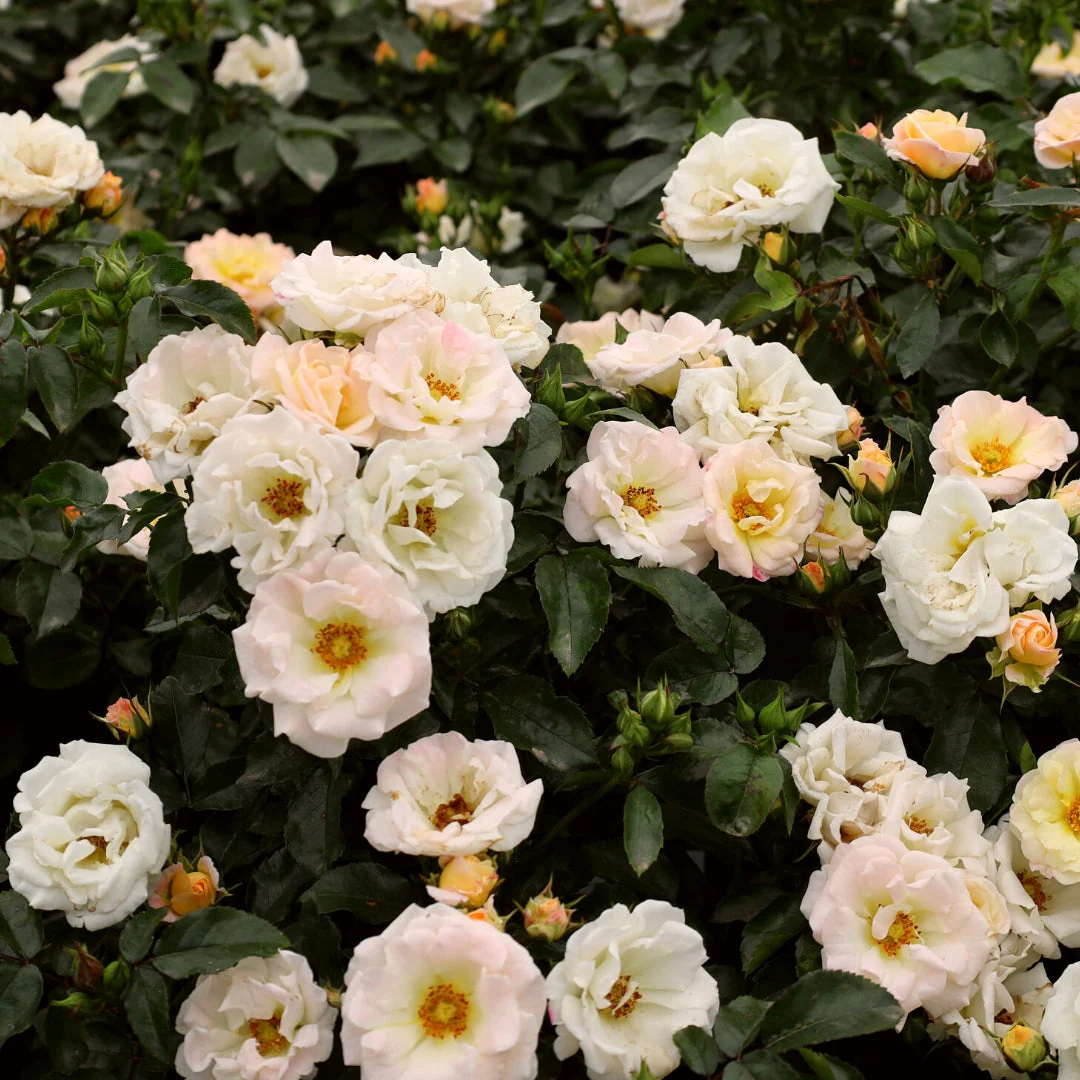
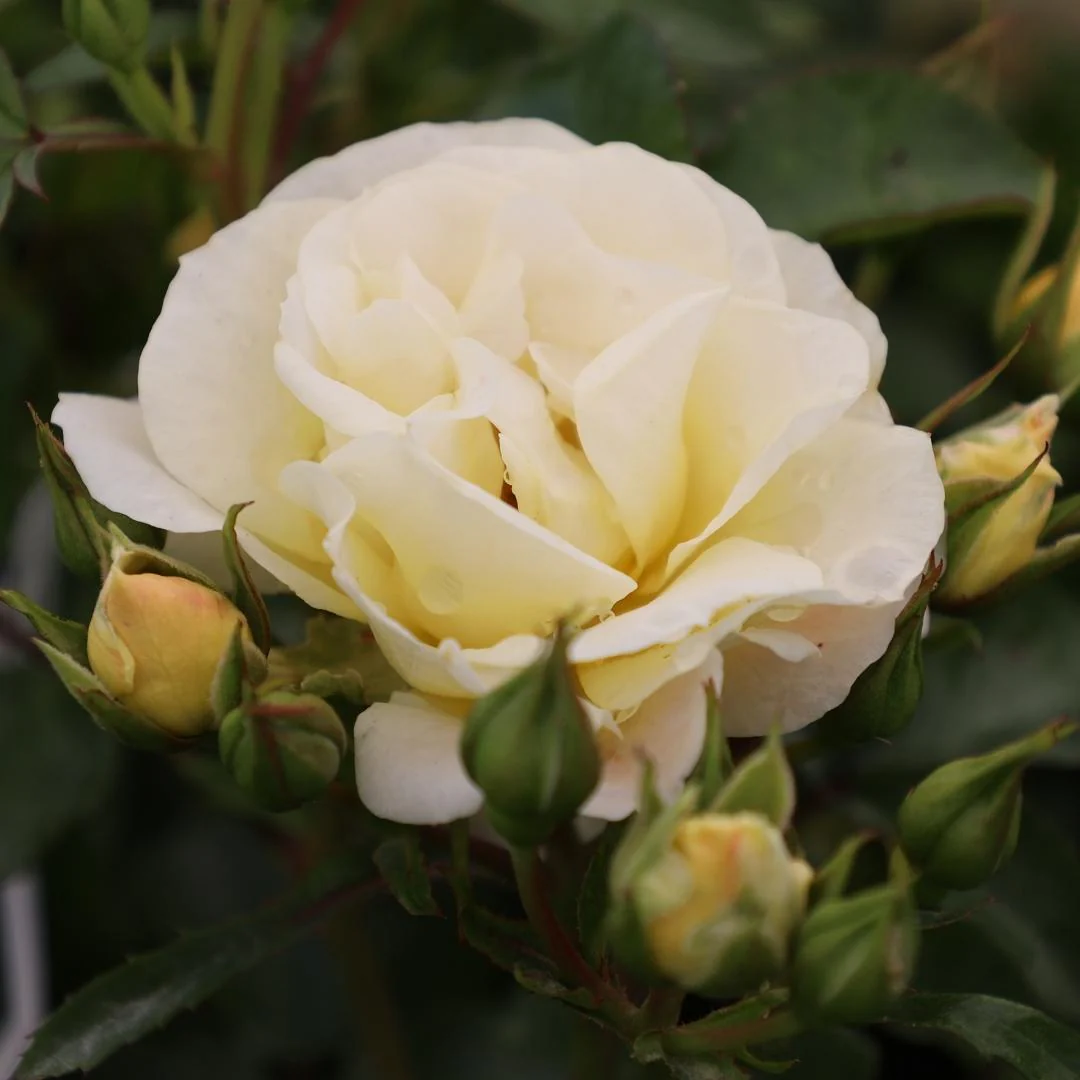
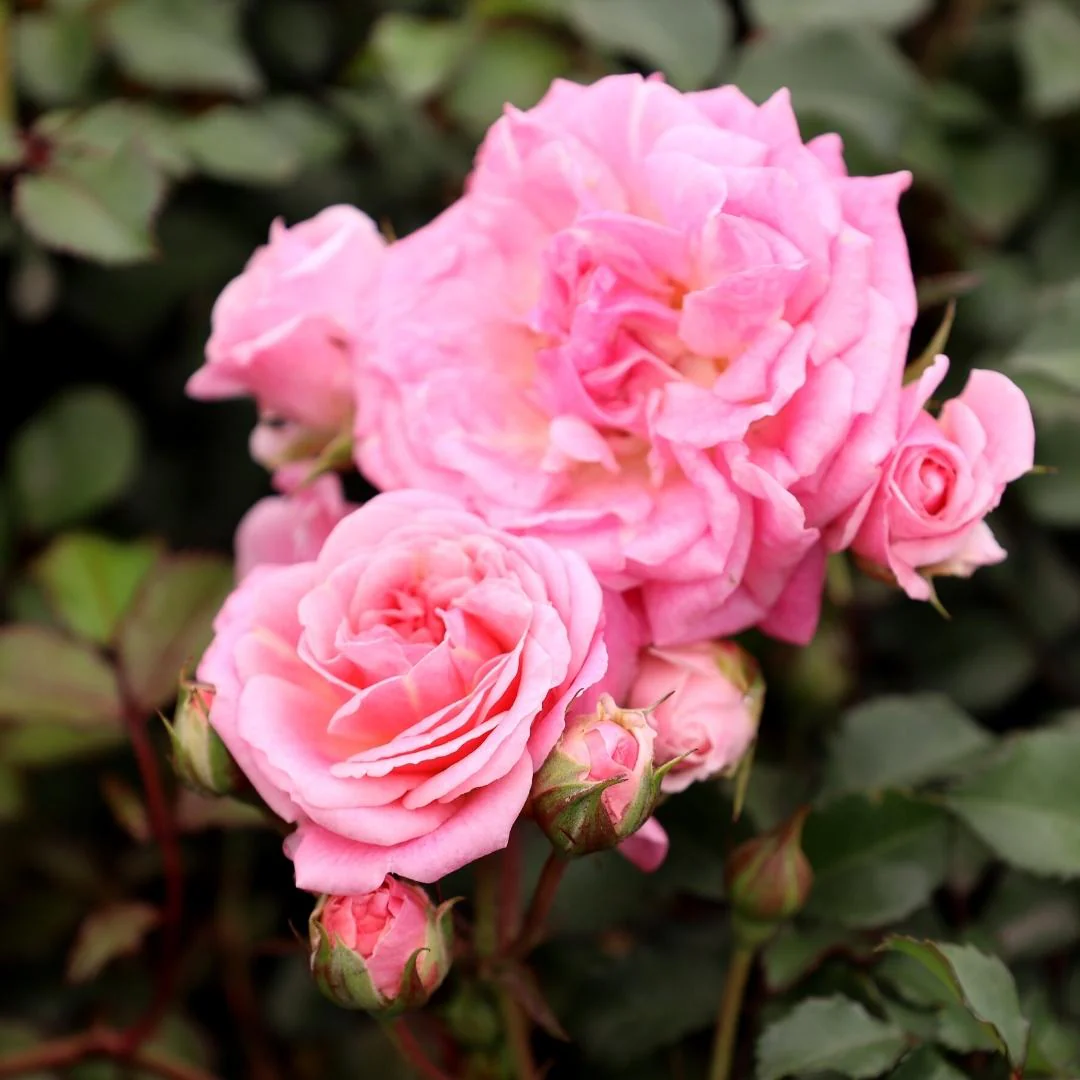
Shirley Temple Peony is the definition of timeless: big, fully double blooms that open with a soft blush and mature to creamy ivory white, all wrapped in that unforgettable peony fragrance. It’s a showstopper in late spring to early summer, romantic in cottage gardens, elegant in formal borders, and instantly “special occasion” in a vase. When it’s in bloom, one plant can carry an entire bed with that lush, ruffled texture peonies are famous for.
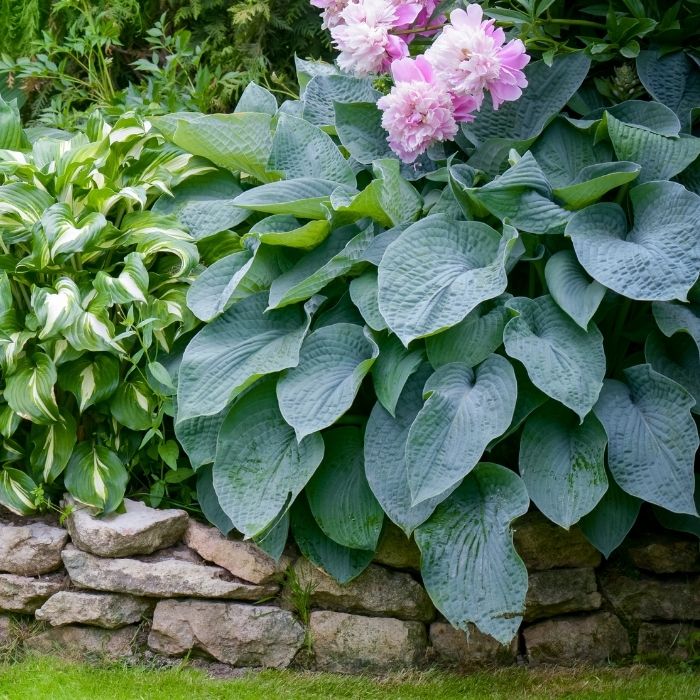
Even when it’s not flowering, the foliage earns its keep. The plant forms a full, leafy clump that looks tidy and substantial through the growing season, filling space beautifully among roses, salvias, catmint, irises, and spring bulbs. Plant it where you’ll pass close enough to enjoy the fragrance, and it becomes one of those perennials you look forward to all year.
A Cutting-Garden Favorite With Long-Lasting, Florist-Style Stems
If you love cutting flowers, Shirley Temple is one of the best peonies to grow. Cut stems when buds are plump and just starting to soften, and you’ll get that classic “slow unfurl” indoors, big, layered blooms that feel high-end without trying. The color is especially versatile: it reads soft and refined, pairing effortlessly with pastels, whites, and deep greens for arrangements that look professionally designed.
In the landscape, it’s equally dependable as a border anchor. Use it as a repeating rhythm along a walkway, tuck it into foundation beds for a polished spring moment, or plant a small drift for that “peony season” wow. Because it’s long-lived and improves over time, it’s one of the rare perennials that truly feels like an investment in your garden’s future.
Long-Lived, Low-Fuss Perennial That Returns Bigger Each Year
Peonies are famous for longevity, and Shirley Temple fits that legacy when it’s planted correctly and left in place. It’s hardy, reliable, and commonly noted for good deer resistance—an especially helpful trait when you want lush spring flowers without constant worry about browsing. Give it sun, well-drained soil, and a permanent home, and it will build into a fuller clump with stronger flowering over the years.
The biggest “secret” is simple: don’t plant it too deep, and don’t keep moving it around. Peonies like to settle in, establish roots, and then bloom confidently. Once established, maintenance is straightforward: water during extended drought, refresh mulch lightly (without burying the crown), and keep the area around the base clear so the plant stays healthy and vigorous.
Better Blooms With Proper Spacing And Simple Support Before Buds Open
Those lush double blooms can be heavy, especially after rain, so a little planning keeps the plant upright and picture-perfect. Space plants so air moves through the foliage and stems develop with strength—most gardens do best with roughly 30–36 inches between plants. If you’re growing a cutting patch, that spacing also makes harvesting easier and reduces crowding as clumps mature.
Support is optional, but it’s a smart upgrade in windy sites or rich soils where stems can lean. A discreet peony ring placed early lets stems grow through naturally, so you never notice the support, only the perfectly held blooms. Combine proper spacing with early support, and you get the best version of Shirley Temple: upright, full, fragrant, and utterly classic.
Fragrant Double Blooms That Look Like Wedding Bouquets In The Garden
Shirley Temple Peony is the definition of timeless: big, fully double blooms that open with a soft blush and mature to creamy ivory white, all wrapped in that unforgettable peony fragrance. It’s a showstopper in late spring to early summer, romantic in cottage gardens, elegant in formal borders, and instantly “special occasion” in a vase. When it’s in bloom, one plant can carry an entire bed with that lush, ruffled texture peonies are famous for.
Even when it’s not flowering, the foliage earns its keep. The plant forms a full, leafy clump that looks tidy and substantial through the growing season, filling space beautifully among roses, salvias, catmint, irises, and spring bulbs. Plant it where you’ll pass close enough to enjoy the fragrance, and it becomes one of those perennials you look forward to all year.
A Cutting-Garden Favorite With Long-Lasting, Florist-Style Stems
If you love cutting flowers, Shirley Temple is one of the best peonies to grow. Cut stems when buds are plump and just starting to soften, and you’ll get that classic “slow unfurl” indoors, big, layered blooms that feel high-end without trying. The color is especially versatile: it reads soft and refined, pairing effortlessly with pastels, whites, and deep greens for arrangements that look professionally designed.
In the landscape, it’s equally dependable as a border anchor. Use it as a repeating rhythm along a walkway, tuck it into foundation beds for a polished spring moment, or plant a small drift for that “peony season” wow. Because it’s long-lived and improves over time, it’s one of the rare perennials that truly feels like an investment in your garden’s future.
Long-Lived, Low-Fuss Perennial That Returns Bigger Each Year
Peonies are famous for longevity, and Shirley Temple fits that legacy when it’s planted correctly and left in place. It’s hardy, reliable, and commonly noted for good deer resistance—an especially helpful trait when you want lush spring flowers without constant worry about browsing. Give it sun, well-drained soil, and a permanent home, and it will build into a fuller clump with stronger flowering over the years.
The biggest “secret” is simple: don’t plant it too deep, and don’t keep moving it around. Peonies like to settle in, establish roots, and then bloom confidently. Once established, maintenance is straightforward: water during extended drought, refresh mulch lightly (without burying the crown), and keep the area around the base clear so the plant stays healthy and vigorous.
Better Blooms With Proper Spacing And Simple Support Before Buds Open
Those lush double blooms can be heavy, especially after rain, so a little planning keeps the plant upright and picture-perfect. Space plants so air moves through the foliage and stems develop with strength—most gardens do best with roughly 30–36 inches between plants. If you’re growing a cutting patch, that spacing also makes harvesting easier and reduces crowding as clumps mature.
Support is optional, but it’s a smart upgrade in windy sites or rich soils where stems can lean. A discreet peony ring placed early lets stems grow through naturally, so you never notice the support, only the perfectly held blooms. Combine proper spacing with early support, and you get the best version of Shirley Temple: upright, full, fragrant, and utterly classic.
Original: $62.95
-70%$62.95
$18.89Description
Fragrant Double Blooms That Look Like Wedding Bouquets In The Garden
Shirley Temple Peony is the definition of timeless: big, fully double blooms that open with a soft blush and mature to creamy ivory white, all wrapped in that unforgettable peony fragrance. It’s a showstopper in late spring to early summer, romantic in cottage gardens, elegant in formal borders, and instantly “special occasion” in a vase. When it’s in bloom, one plant can carry an entire bed with that lush, ruffled texture peonies are famous for.
Even when it’s not flowering, the foliage earns its keep. The plant forms a full, leafy clump that looks tidy and substantial through the growing season, filling space beautifully among roses, salvias, catmint, irises, and spring bulbs. Plant it where you’ll pass close enough to enjoy the fragrance, and it becomes one of those perennials you look forward to all year.
A Cutting-Garden Favorite With Long-Lasting, Florist-Style Stems
If you love cutting flowers, Shirley Temple is one of the best peonies to grow. Cut stems when buds are plump and just starting to soften, and you’ll get that classic “slow unfurl” indoors, big, layered blooms that feel high-end without trying. The color is especially versatile: it reads soft and refined, pairing effortlessly with pastels, whites, and deep greens for arrangements that look professionally designed.
In the landscape, it’s equally dependable as a border anchor. Use it as a repeating rhythm along a walkway, tuck it into foundation beds for a polished spring moment, or plant a small drift for that “peony season” wow. Because it’s long-lived and improves over time, it’s one of the rare perennials that truly feels like an investment in your garden’s future.
Long-Lived, Low-Fuss Perennial That Returns Bigger Each Year
Peonies are famous for longevity, and Shirley Temple fits that legacy when it’s planted correctly and left in place. It’s hardy, reliable, and commonly noted for good deer resistance—an especially helpful trait when you want lush spring flowers without constant worry about browsing. Give it sun, well-drained soil, and a permanent home, and it will build into a fuller clump with stronger flowering over the years.
The biggest “secret” is simple: don’t plant it too deep, and don’t keep moving it around. Peonies like to settle in, establish roots, and then bloom confidently. Once established, maintenance is straightforward: water during extended drought, refresh mulch lightly (without burying the crown), and keep the area around the base clear so the plant stays healthy and vigorous.
Better Blooms With Proper Spacing And Simple Support Before Buds Open
Those lush double blooms can be heavy, especially after rain, so a little planning keeps the plant upright and picture-perfect. Space plants so air moves through the foliage and stems develop with strength—most gardens do best with roughly 30–36 inches between plants. If you’re growing a cutting patch, that spacing also makes harvesting easier and reduces crowding as clumps mature.
Support is optional, but it’s a smart upgrade in windy sites or rich soils where stems can lean. A discreet peony ring placed early lets stems grow through naturally, so you never notice the support, only the perfectly held blooms. Combine proper spacing with early support, and you get the best version of Shirley Temple: upright, full, fragrant, and utterly classic.