
Ruby Slippers Oakleaf Hydrangea
A Compact Oakleaf Hydrangea That Fits Where You Actually Need It
Ruby Slippers is the oakleaf hydrangea for gardeners who want the classic native look in a truly manageable size. This compact cultivar forms a dense, rounded shrub that typically reaches about 3 to 4 feet tall and 4 to 5 feet wide, so it brings real presence without overwhelming the bed. You still get the bold, oak-shaped foliage that gives oakleaf hydrangeas their signature texture, plus sturdy branching that stays full from the ground up. Even before the flowers open, it reads as a polished, intentional shrub rather than a “space filler.”
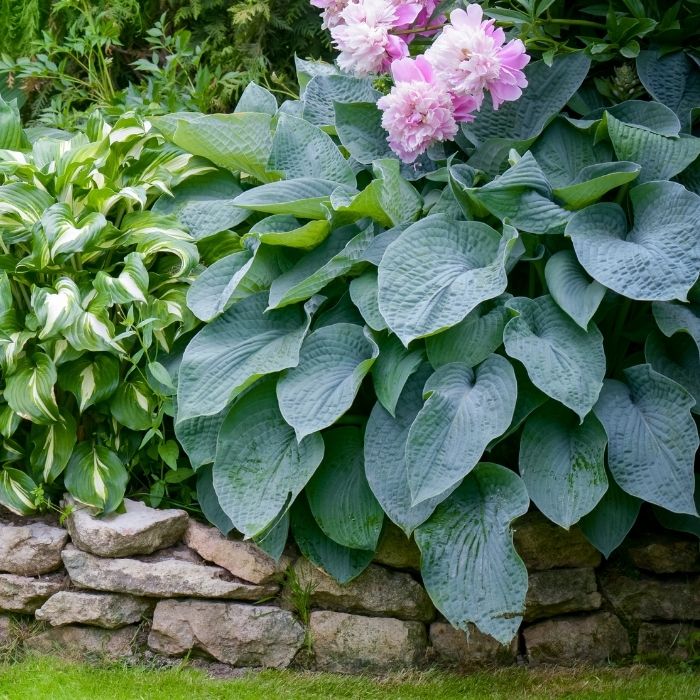
That balanced size makes design easier in almost any landscape. Use Ruby Slippers in foundation plantings where you want a flowering shrub that will not block windows, or layer it behind low evergreens and in front of taller screening plants. It shines in woodland edges and part-shade borders because it looks refined even when it is not in bloom. Pair it with hosta, ferns, heuchera, and spring bulbs for a layered look, or let it stand alone as a compact specimen that anchors the whole planting.
White Summer Panicles That Mature Through Pink Into Ruby Red
Ruby Slippers is famous for its cone-shaped flower clusters that start bright white and then deepen through blush pink into richer rose and ruby tones as the season progresses. Bloom time is typically early to midsummer, and the color shift gives you a longer “show” than many shrubs that peak and fade quickly. The panicles feel classic and romantic, and they look just as good in a cottage-style border as they do in a clean, modern foundation planting. If you love hydrangea blooms but want something a little more natural and textural, oakleaf flowers have the perfect woodland-garden charm.
These blooms also pull double duty for decorating. Cut them fresh for arrangements, or let them mature for dried stems that hold color and structure. For the biggest, prettiest panicles, focus on steady moisture while the plant is getting established and avoid deep shade, which can reduce bloom and soften the overall habit. With the right light and moisture rhythm, Ruby Slippers gives you that satisfying “white-to-ruby” transformation, keeping the shrub looking alive and evolving through summer.
Legendary Oakleaf Foliage With Big Fall Color And Winter Structure
Oakleaf hydrangeas are not just about flowers, and Ruby Slippers proves it. Those deeply lobed leaves create bold texture all season, then shift into rich fall color that often includes burgundy, mahogany, and red tones as nights cool. That autumn performance is one of the main reasons gardeners choose oakleaf hydrangeas over other types: it turns a flowering shrub into a true four-season feature. Plant it where you can see it from a window and you will appreciate how the shrub stays “in the story” long after bloom season ends.
Even in winter, Ruby Slippers contributes structure. The branching framework looks attractive once leaves drop, and spent blooms can add subtle, natural interest until you tidy them up. For the best fall color, give it at least half a day of sun (morning sun is ideal) and avoid overly wet sites that can stress roots. Combine it with evergreens for contrast, or with ornamental grasses for a long season of texture that makes the whole planting feel designed from spring through frost.
Low-Stress Success When You Get Sun, Soil, And Pruning Timing Right
Ruby Slippers is refreshingly straightforward when matched to the right conditions. It prefers well-drained soil with consistent moisture, especially during the first growing season, and it benefits from a yearly mulch layer to stabilize moisture and protect roots. Once established, it handles short dry spells better than many hydrangeas, but it will always look fuller and bloom better when it is not repeatedly stressed by drought. Morning sun with afternoon shade is a great “default” placement in many regions, especially where summers run hot.
The one care detail that matters most is the timing of pruning. Oakleaf hydrangeas bloom on old wood, so heavy pruning in late winter or spring can remove flower buds. If you need to prune, do it right after flowering, focusing on light shaping and removing damaged or crossing stems. The good news is that Ruby Slippers naturally stays compact, so it typically needs minimal pruning. Get the placement right, keep moisture steady while it establishes, and you will have a dependable shrub that looks high-end without acting high-maintenance.
A Compact Oakleaf Hydrangea That Fits Where You Actually Need It
Ruby Slippers is the oakleaf hydrangea for gardeners who want the classic native look in a truly manageable size. This compact cultivar forms a dense, rounded shrub that typically reaches about 3 to 4 feet tall and 4 to 5 feet wide, so it brings real presence without overwhelming the bed. You still get the bold, oak-shaped foliage that gives oakleaf hydrangeas their signature texture, plus sturdy branching that stays full from the ground up. Even before the flowers open, it reads as a polished, intentional shrub rather than a “space filler.”
That balanced size makes design easier in almost any landscape. Use Ruby Slippers in foundation plantings where you want a flowering shrub that will not block windows, or layer it behind low evergreens and in front of taller screening plants. It shines in woodland edges and part-shade borders because it looks refined even when it is not in bloom. Pair it with hosta, ferns, heuchera, and spring bulbs for a layered look, or let it stand alone as a compact specimen that anchors the whole planting.
White Summer Panicles That Mature Through Pink Into Ruby Red
Ruby Slippers is famous for its cone-shaped flower clusters that start bright white and then deepen through blush pink into richer rose and ruby tones as the season progresses. Bloom time is typically early to midsummer, and the color shift gives you a longer “show” than many shrubs that peak and fade quickly. The panicles feel classic and romantic, and they look just as good in a cottage-style border as they do in a clean, modern foundation planting. If you love hydrangea blooms but want something a little more natural and textural, oakleaf flowers have the perfect woodland-garden charm.
These blooms also pull double duty for decorating. Cut them fresh for arrangements, or let them mature for dried stems that hold color and structure. For the biggest, prettiest panicles, focus on steady moisture while the plant is getting established and avoid deep shade, which can reduce bloom and soften the overall habit. With the right light and moisture rhythm, Ruby Slippers gives you that satisfying “white-to-ruby” transformation, keeping the shrub looking alive and evolving through summer.
Legendary Oakleaf Foliage With Big Fall Color And Winter Structure
Oakleaf hydrangeas are not just about flowers, and Ruby Slippers proves it. Those deeply lobed leaves create bold texture all season, then shift into rich fall color that often includes burgundy, mahogany, and red tones as nights cool. That autumn performance is one of the main reasons gardeners choose oakleaf hydrangeas over other types: it turns a flowering shrub into a true four-season feature. Plant it where you can see it from a window and you will appreciate how the shrub stays “in the story” long after bloom season ends.
Even in winter, Ruby Slippers contributes structure. The branching framework looks attractive once leaves drop, and spent blooms can add subtle, natural interest until you tidy them up. For the best fall color, give it at least half a day of sun (morning sun is ideal) and avoid overly wet sites that can stress roots. Combine it with evergreens for contrast, or with ornamental grasses for a long season of texture that makes the whole planting feel designed from spring through frost.
Low-Stress Success When You Get Sun, Soil, And Pruning Timing Right
Ruby Slippers is refreshingly straightforward when matched to the right conditions. It prefers well-drained soil with consistent moisture, especially during the first growing season, and it benefits from a yearly mulch layer to stabilize moisture and protect roots. Once established, it handles short dry spells better than many hydrangeas, but it will always look fuller and bloom better when it is not repeatedly stressed by drought. Morning sun with afternoon shade is a great “default” placement in many regions, especially where summers run hot.
The one care detail that matters most is the timing of pruning. Oakleaf hydrangeas bloom on old wood, so heavy pruning in late winter or spring can remove flower buds. If you need to prune, do it right after flowering, focusing on light shaping and removing damaged or crossing stems. The good news is that Ruby Slippers naturally stays compact, so it typically needs minimal pruning. Get the placement right, keep moisture steady while it establishes, and you will have a dependable shrub that looks high-end without acting high-maintenance.
Original: $89.95
-70%$89.95
$26.98Description
A Compact Oakleaf Hydrangea That Fits Where You Actually Need It
Ruby Slippers is the oakleaf hydrangea for gardeners who want the classic native look in a truly manageable size. This compact cultivar forms a dense, rounded shrub that typically reaches about 3 to 4 feet tall and 4 to 5 feet wide, so it brings real presence without overwhelming the bed. You still get the bold, oak-shaped foliage that gives oakleaf hydrangeas their signature texture, plus sturdy branching that stays full from the ground up. Even before the flowers open, it reads as a polished, intentional shrub rather than a “space filler.”
That balanced size makes design easier in almost any landscape. Use Ruby Slippers in foundation plantings where you want a flowering shrub that will not block windows, or layer it behind low evergreens and in front of taller screening plants. It shines in woodland edges and part-shade borders because it looks refined even when it is not in bloom. Pair it with hosta, ferns, heuchera, and spring bulbs for a layered look, or let it stand alone as a compact specimen that anchors the whole planting.
White Summer Panicles That Mature Through Pink Into Ruby Red
Ruby Slippers is famous for its cone-shaped flower clusters that start bright white and then deepen through blush pink into richer rose and ruby tones as the season progresses. Bloom time is typically early to midsummer, and the color shift gives you a longer “show” than many shrubs that peak and fade quickly. The panicles feel classic and romantic, and they look just as good in a cottage-style border as they do in a clean, modern foundation planting. If you love hydrangea blooms but want something a little more natural and textural, oakleaf flowers have the perfect woodland-garden charm.
These blooms also pull double duty for decorating. Cut them fresh for arrangements, or let them mature for dried stems that hold color and structure. For the biggest, prettiest panicles, focus on steady moisture while the plant is getting established and avoid deep shade, which can reduce bloom and soften the overall habit. With the right light and moisture rhythm, Ruby Slippers gives you that satisfying “white-to-ruby” transformation, keeping the shrub looking alive and evolving through summer.
Legendary Oakleaf Foliage With Big Fall Color And Winter Structure
Oakleaf hydrangeas are not just about flowers, and Ruby Slippers proves it. Those deeply lobed leaves create bold texture all season, then shift into rich fall color that often includes burgundy, mahogany, and red tones as nights cool. That autumn performance is one of the main reasons gardeners choose oakleaf hydrangeas over other types: it turns a flowering shrub into a true four-season feature. Plant it where you can see it from a window and you will appreciate how the shrub stays “in the story” long after bloom season ends.
Even in winter, Ruby Slippers contributes structure. The branching framework looks attractive once leaves drop, and spent blooms can add subtle, natural interest until you tidy them up. For the best fall color, give it at least half a day of sun (morning sun is ideal) and avoid overly wet sites that can stress roots. Combine it with evergreens for contrast, or with ornamental grasses for a long season of texture that makes the whole planting feel designed from spring through frost.
Low-Stress Success When You Get Sun, Soil, And Pruning Timing Right
Ruby Slippers is refreshingly straightforward when matched to the right conditions. It prefers well-drained soil with consistent moisture, especially during the first growing season, and it benefits from a yearly mulch layer to stabilize moisture and protect roots. Once established, it handles short dry spells better than many hydrangeas, but it will always look fuller and bloom better when it is not repeatedly stressed by drought. Morning sun with afternoon shade is a great “default” placement in many regions, especially where summers run hot.
The one care detail that matters most is the timing of pruning. Oakleaf hydrangeas bloom on old wood, so heavy pruning in late winter or spring can remove flower buds. If you need to prune, do it right after flowering, focusing on light shaping and removing damaged or crossing stems. The good news is that Ruby Slippers naturally stays compact, so it typically needs minimal pruning. Get the placement right, keep moisture steady while it establishes, and you will have a dependable shrub that looks high-end without acting high-maintenance.