Shasta Viburnum
Tiered White Blooms That Create A Dramatic Spring Display
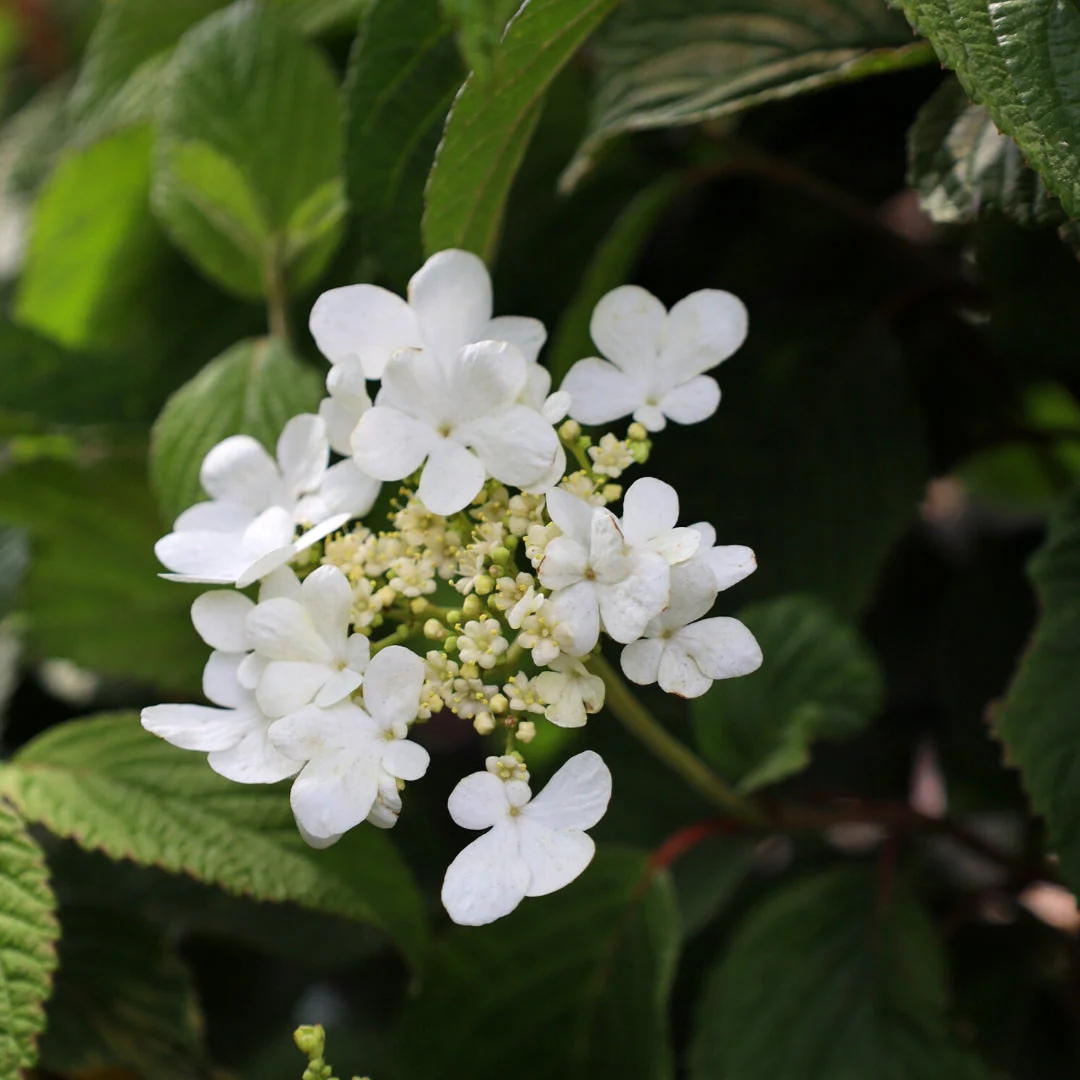
Shasta Viburnum is one of those flowering shrubs that immediately stand out for their structure. In spring, its branches are lined with white blooms that sit along the layered framework of the shrub, creating the elegant horizontal look that makes doublefile viburnums so admired in the landscape. The flowers are showy without feeling overly formal, giving the plant a refined yet natural character.
That bloom style makes Shasta especially effective where it can be viewed from a little distance, such as along a lawn edge, in a mixed border, or as a focal shrub in an open bed. For homeowners looking for a white-flowering shrub with real architectural beauty, this is a standout choice that offers both texture and spring impact.
A Wide-Spreading Shrub That Brings Structure To Borders And Hedges
Shasta Viburnum has a broad, spreading habit and dense branching, giving it a strong landscape presence even when not in flower. That shape makes it useful as a large specimen, a layered hedge shrub, or part of a wider border where its horizontal branching can help break up more upright forms. It brings a softer screening effect than many rigid privacy shrubs while still giving the garden substance.
Because it matures wider than it is tall, this is a shrub that needs room to show off. When given enough space, the layered shape becomes one of its best features, helping the plant feel intentional and high-impact. For homeowners wanting a larger deciduous shrub with real design character, Shasta Viburnum offers something more memorable than a basic green hedge.
Red Berries, Bird Value, And Bold Fall Color Extend The Season
After spring flowering, Shasta Viburnum can produce clusters of bright red berries that eventually ripen to deep black when another compatible viburnum is planted nearby for cross-pollination. These berries add strong seasonal contrast against the dark green foliage and also provide food for birds and other wildlife, making the shrub a valuable addition to bird-friendly gardens.
In fall, the foliage shifts into vivid red and purple tones, giving the shrub another strong ornamental season before leaf drop. That combination of flowers, fruit, and fall color makes it much more than a one-season plant. For gardeners looking for a shrub that keeps earning its place from spring through autumn, Shasta Viburnum offers excellent four-season value.
Adaptable, Deer Resistant, And Easy To Grow With Basic Care
Shasta Viburnum grows well in full sun to partial shade and adapts to a range of well-drained soils. Once established, it becomes more drought-tolerant and is also considered deer-resistant, which makes it a practical option for larger home landscapes and lower-maintenance garden plans. It combines ornamental appeal with the kind of resilience homeowners appreciate over time.
This is a shrub that does best with room to spread, steady moisture during establishment, and only light pruning to preserve its natural form. For homeowners looking for a large flowering viburnum with wildlife value, seasonal color, and a distinctive layered habit, Shasta Viburnum is a really strong choice.
Tiered White Blooms That Create A Dramatic Spring Display
Shasta Viburnum is one of those flowering shrubs that immediately stand out for their structure. In spring, its branches are lined with white blooms that sit along the layered framework of the shrub, creating the elegant horizontal look that makes doublefile viburnums so admired in the landscape. The flowers are showy without feeling overly formal, giving the plant a refined yet natural character.
That bloom style makes Shasta especially effective where it can be viewed from a little distance, such as along a lawn edge, in a mixed border, or as a focal shrub in an open bed. For homeowners looking for a white-flowering shrub with real architectural beauty, this is a standout choice that offers both texture and spring impact.
A Wide-Spreading Shrub That Brings Structure To Borders And Hedges
Shasta Viburnum has a broad, spreading habit and dense branching, giving it a strong landscape presence even when not in flower. That shape makes it useful as a large specimen, a layered hedge shrub, or part of a wider border where its horizontal branching can help break up more upright forms. It brings a softer screening effect than many rigid privacy shrubs while still giving the garden substance.
Because it matures wider than it is tall, this is a shrub that needs room to show off. When given enough space, the layered shape becomes one of its best features, helping the plant feel intentional and high-impact. For homeowners wanting a larger deciduous shrub with real design character, Shasta Viburnum offers something more memorable than a basic green hedge.
Red Berries, Bird Value, And Bold Fall Color Extend The Season
After spring flowering, Shasta Viburnum can produce clusters of bright red berries that eventually ripen to deep black when another compatible viburnum is planted nearby for cross-pollination. These berries add strong seasonal contrast against the dark green foliage and also provide food for birds and other wildlife, making the shrub a valuable addition to bird-friendly gardens.
In fall, the foliage shifts into vivid red and purple tones, giving the shrub another strong ornamental season before leaf drop. That combination of flowers, fruit, and fall color makes it much more than a one-season plant. For gardeners looking for a shrub that keeps earning its place from spring through autumn, Shasta Viburnum offers excellent four-season value.
Adaptable, Deer Resistant, And Easy To Grow With Basic Care
Shasta Viburnum grows well in full sun to partial shade and adapts to a range of well-drained soils. Once established, it becomes more drought-tolerant and is also considered deer-resistant, which makes it a practical option for larger home landscapes and lower-maintenance garden plans. It combines ornamental appeal with the kind of resilience homeowners appreciate over time.
This is a shrub that does best with room to spread, steady moisture during establishment, and only light pruning to preserve its natural form. For homeowners looking for a large flowering viburnum with wildlife value, seasonal color, and a distinctive layered habit, Shasta Viburnum is a really strong choice.
Description
Tiered White Blooms That Create A Dramatic Spring Display
Shasta Viburnum is one of those flowering shrubs that immediately stand out for their structure. In spring, its branches are lined with white blooms that sit along the layered framework of the shrub, creating the elegant horizontal look that makes doublefile viburnums so admired in the landscape. The flowers are showy without feeling overly formal, giving the plant a refined yet natural character.
That bloom style makes Shasta especially effective where it can be viewed from a little distance, such as along a lawn edge, in a mixed border, or as a focal shrub in an open bed. For homeowners looking for a white-flowering shrub with real architectural beauty, this is a standout choice that offers both texture and spring impact.
A Wide-Spreading Shrub That Brings Structure To Borders And Hedges
Shasta Viburnum has a broad, spreading habit and dense branching, giving it a strong landscape presence even when not in flower. That shape makes it useful as a large specimen, a layered hedge shrub, or part of a wider border where its horizontal branching can help break up more upright forms. It brings a softer screening effect than many rigid privacy shrubs while still giving the garden substance.
Because it matures wider than it is tall, this is a shrub that needs room to show off. When given enough space, the layered shape becomes one of its best features, helping the plant feel intentional and high-impact. For homeowners wanting a larger deciduous shrub with real design character, Shasta Viburnum offers something more memorable than a basic green hedge.
Red Berries, Bird Value, And Bold Fall Color Extend The Season
After spring flowering, Shasta Viburnum can produce clusters of bright red berries that eventually ripen to deep black when another compatible viburnum is planted nearby for cross-pollination. These berries add strong seasonal contrast against the dark green foliage and also provide food for birds and other wildlife, making the shrub a valuable addition to bird-friendly gardens.
In fall, the foliage shifts into vivid red and purple tones, giving the shrub another strong ornamental season before leaf drop. That combination of flowers, fruit, and fall color makes it much more than a one-season plant. For gardeners looking for a shrub that keeps earning its place from spring through autumn, Shasta Viburnum offers excellent four-season value.
Adaptable, Deer Resistant, And Easy To Grow With Basic Care
Shasta Viburnum grows well in full sun to partial shade and adapts to a range of well-drained soils. Once established, it becomes more drought-tolerant and is also considered deer-resistant, which makes it a practical option for larger home landscapes and lower-maintenance garden plans. It combines ornamental appeal with the kind of resilience homeowners appreciate over time.
This is a shrub that does best with room to spread, steady moisture during establishment, and only light pruning to preserve its natural form. For homeowners looking for a large flowering viburnum with wildlife value, seasonal color, and a distinctive layered habit, Shasta Viburnum is a really strong choice.