Tuscarora Crape Myrtle
A Crape Myrtle With Bright Coral-Pink Summer Flowers
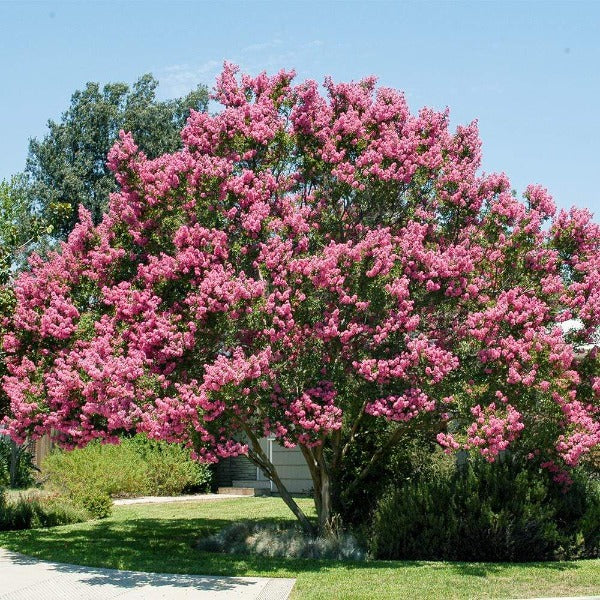
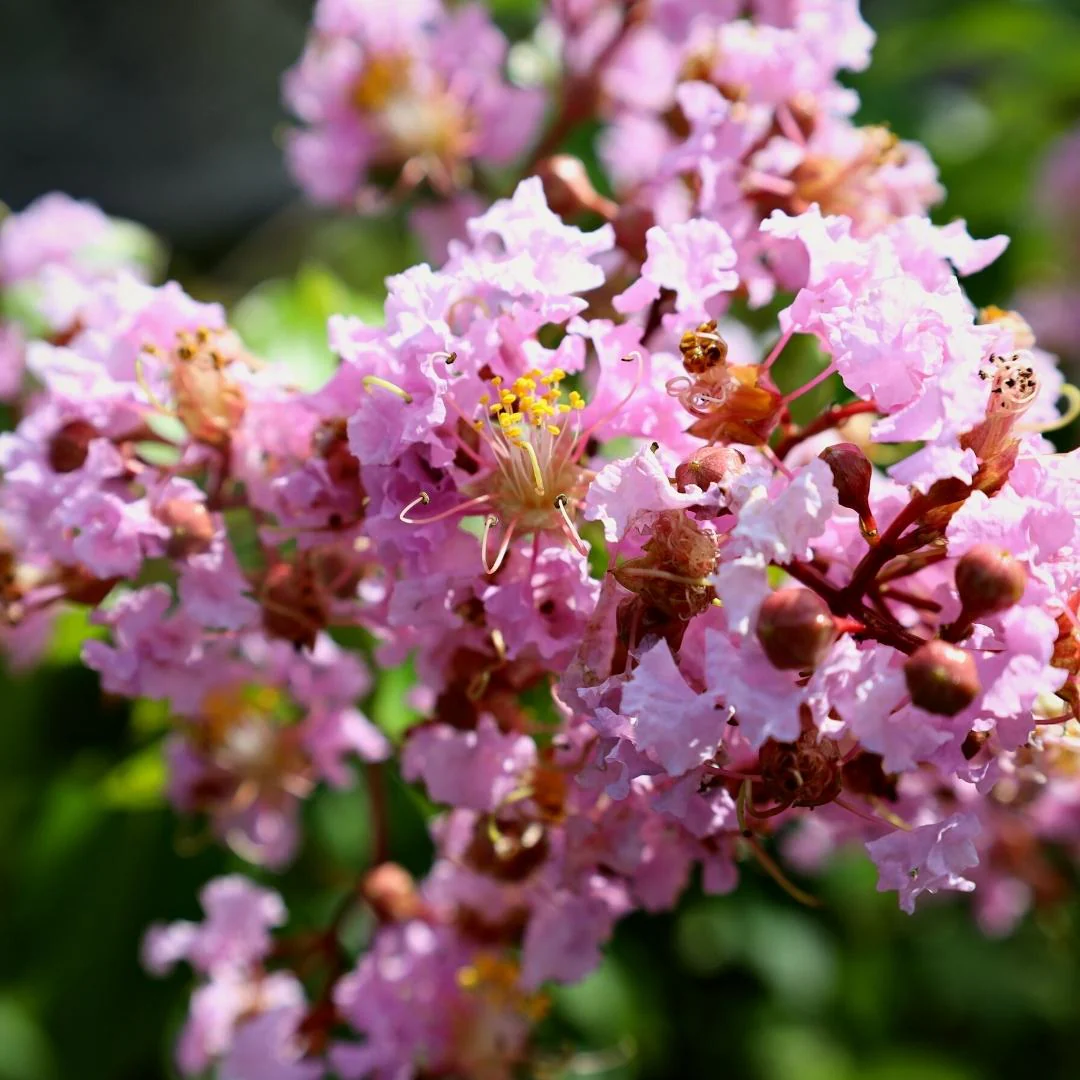
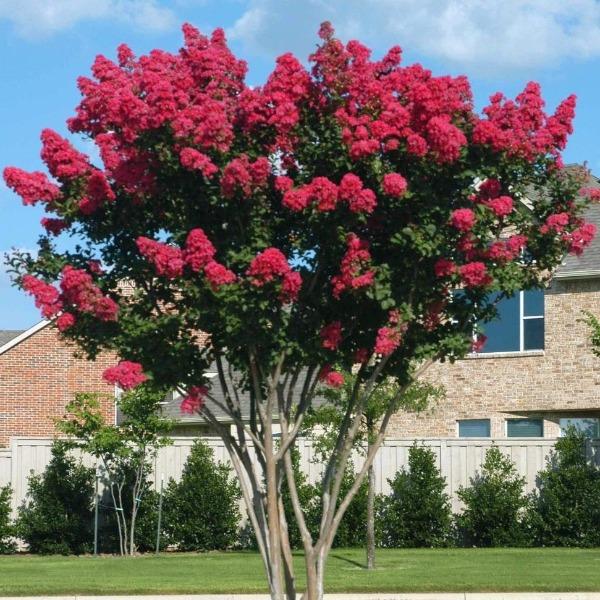
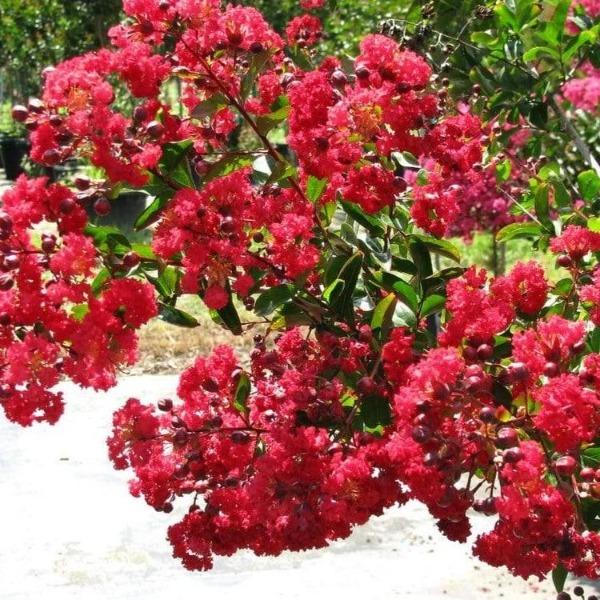
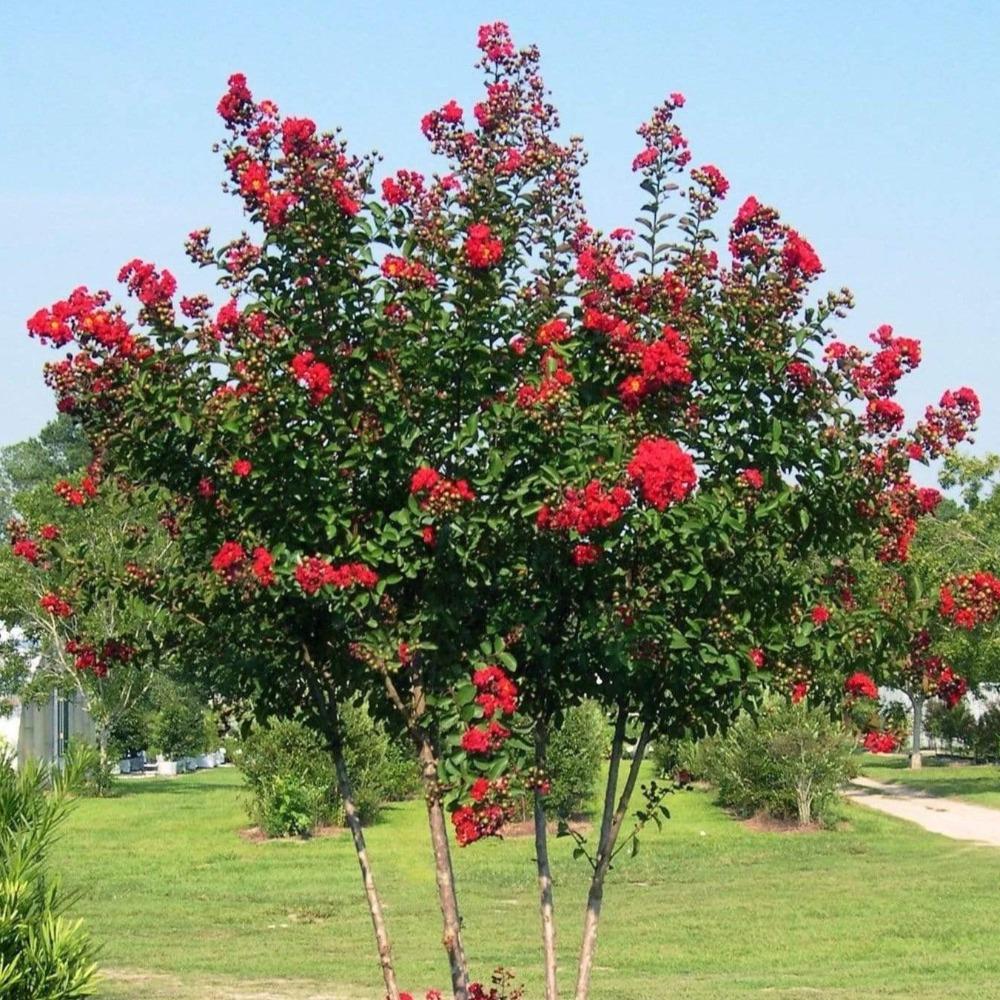
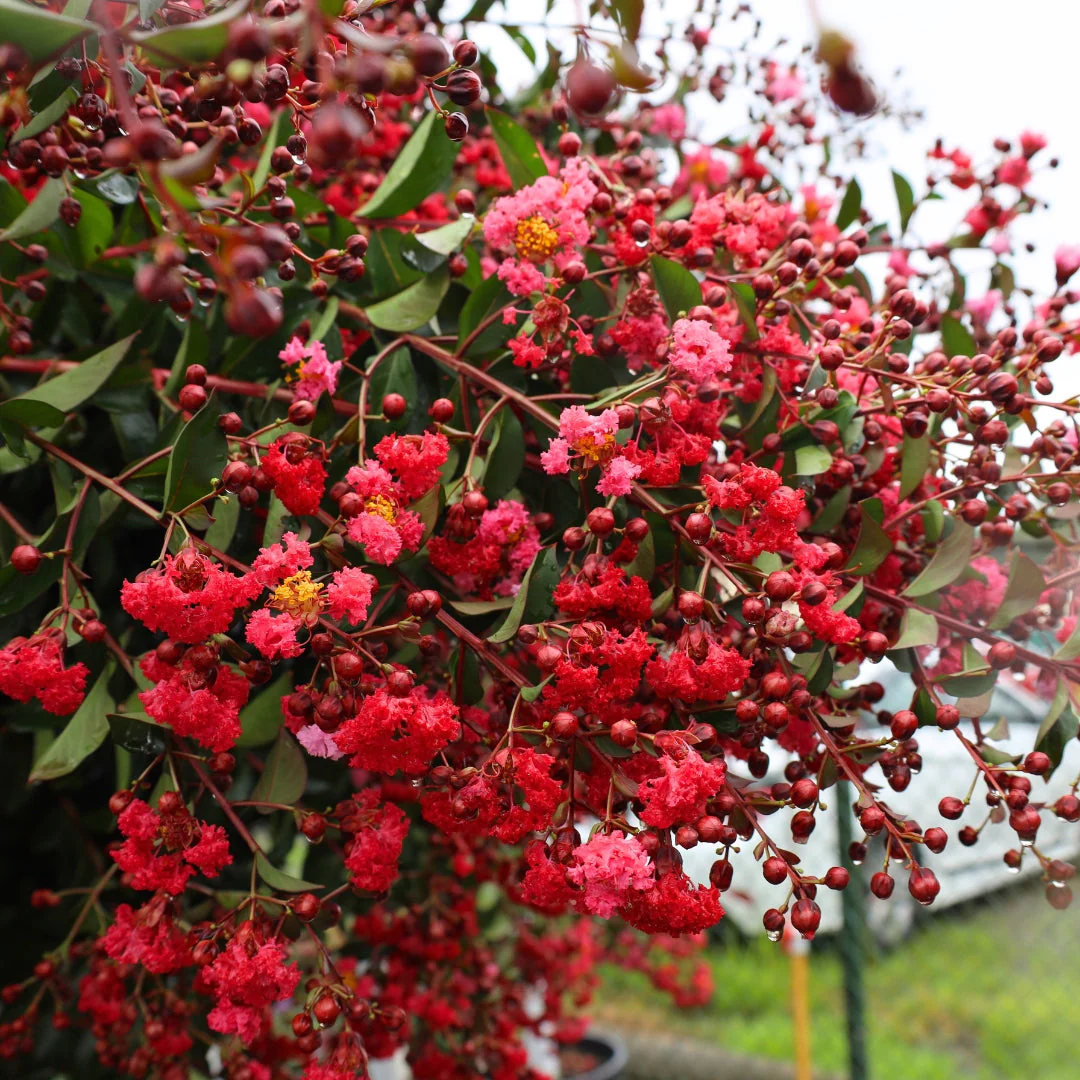
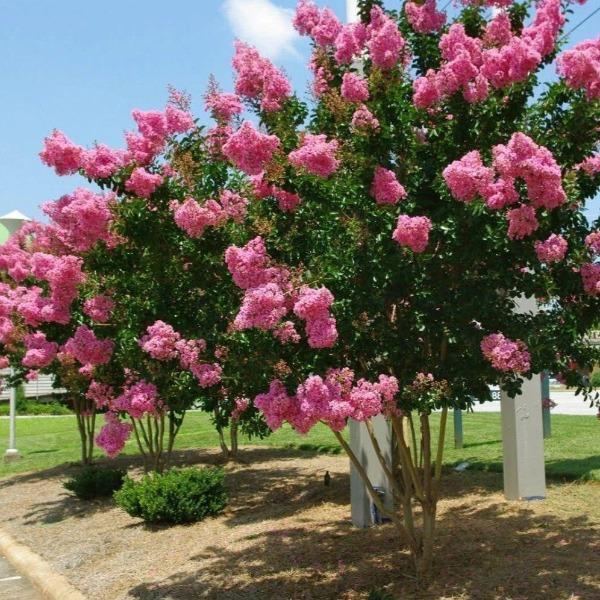
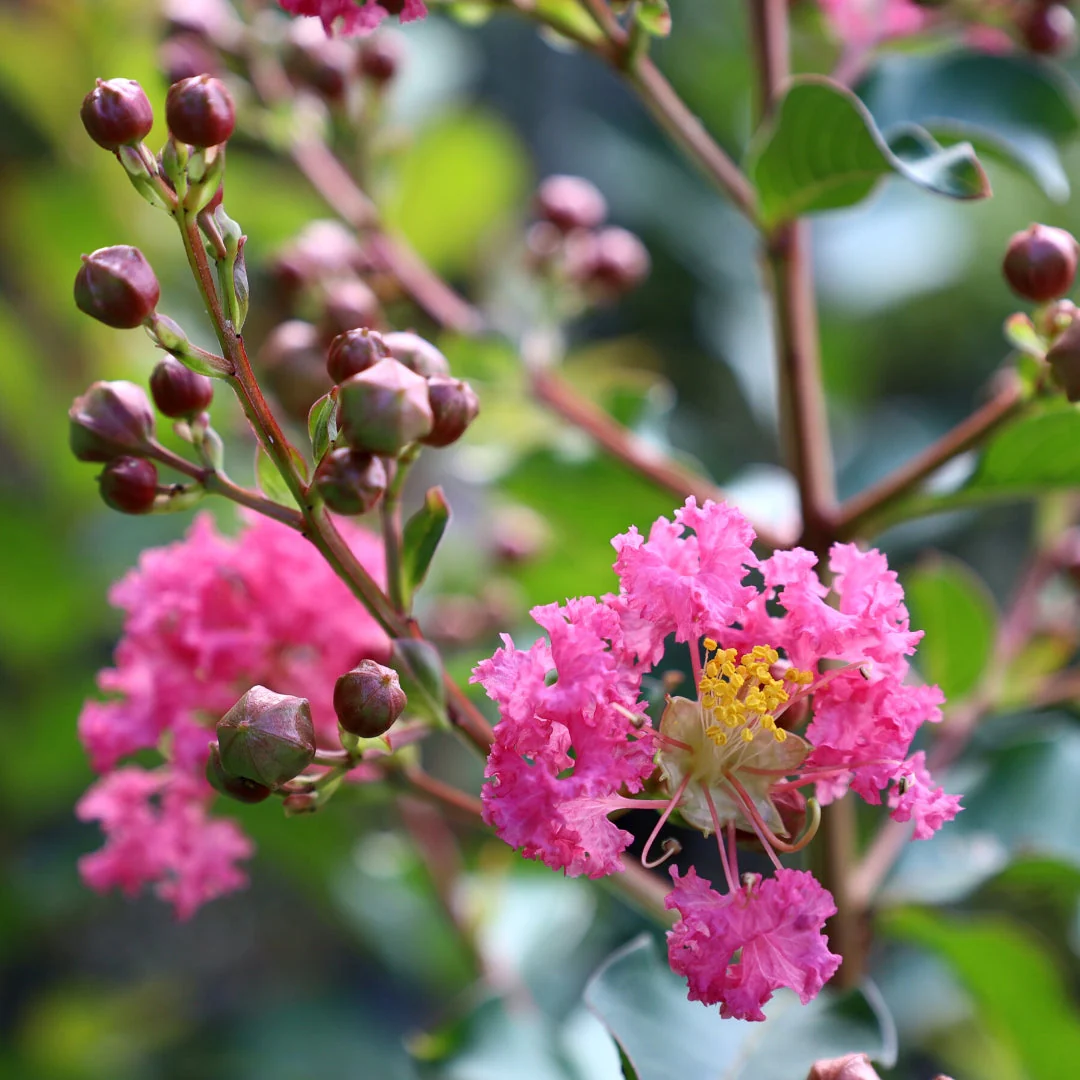
Tuscarora Crape Myrtle is a standout choice for homeowners who want bold summer color without overwhelming the landscape. Its large clusters of coral-pink blooms bring a bright, cheerful look to the garden and help carry color through the hottest part of the season. When many spring-flowering trees are long finished, Tuscarora steps in with a fresh show of bloom that keeps the landscape feeling alive.
That flower color is one of the biggest reasons people choose it for front yards, lawn islands, and focal-point beds. It feels warmer and more saturated than pale pink selections, but softer than red varieties, which makes it easy to use with both traditional and more colorful planting palettes. In sunny residential landscapes, it has a very noticeable presence without feeling too heavy. This design interpretation is based on the cited bloom color and size.
A Small Ornamental Tree With Excellent Residential Scale
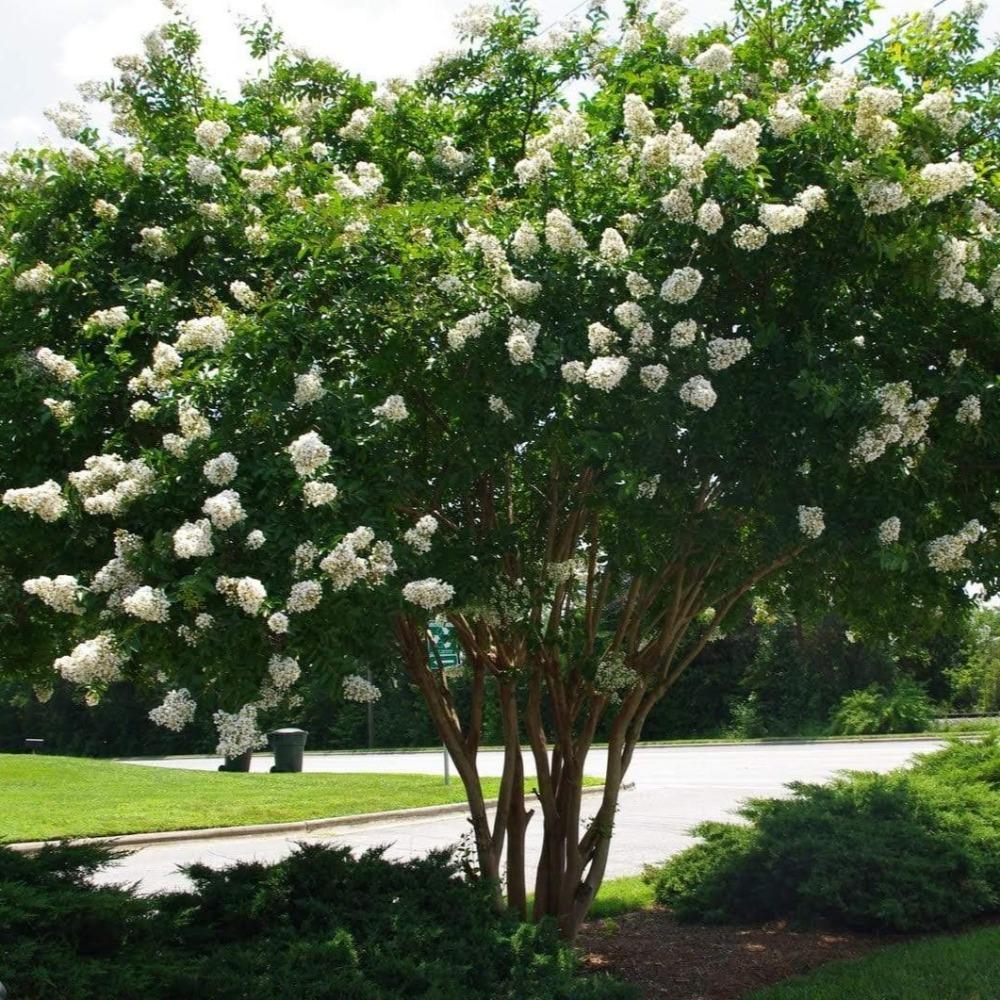
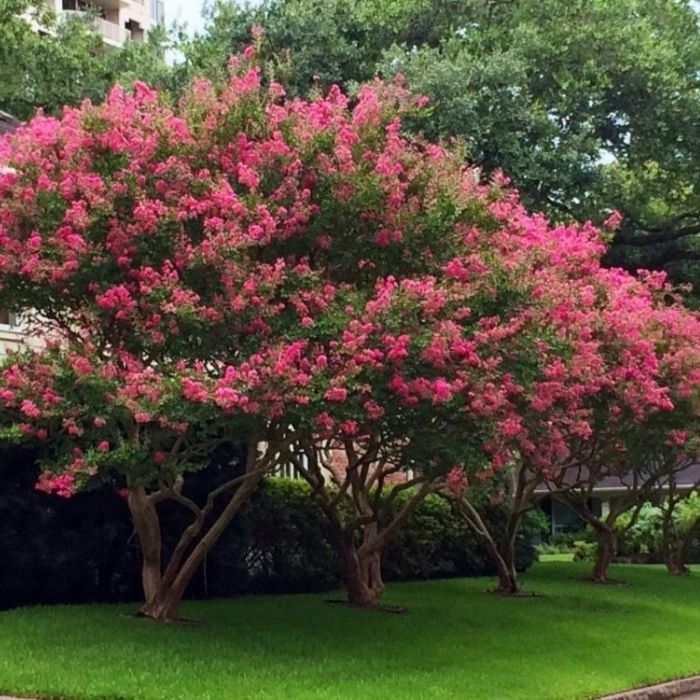
Tuscarora is especially useful because it offers strong ornamental value in a size range that works well for homes. Florida sources list it at about 16 feet tall, while Monrovia describes it as a small deciduous tree, useful as either a large shrub or a specimen tree. That makes it a strong fit for small to medium landscapes where homeowners want a flowering focal point without committing to a large shade tree.
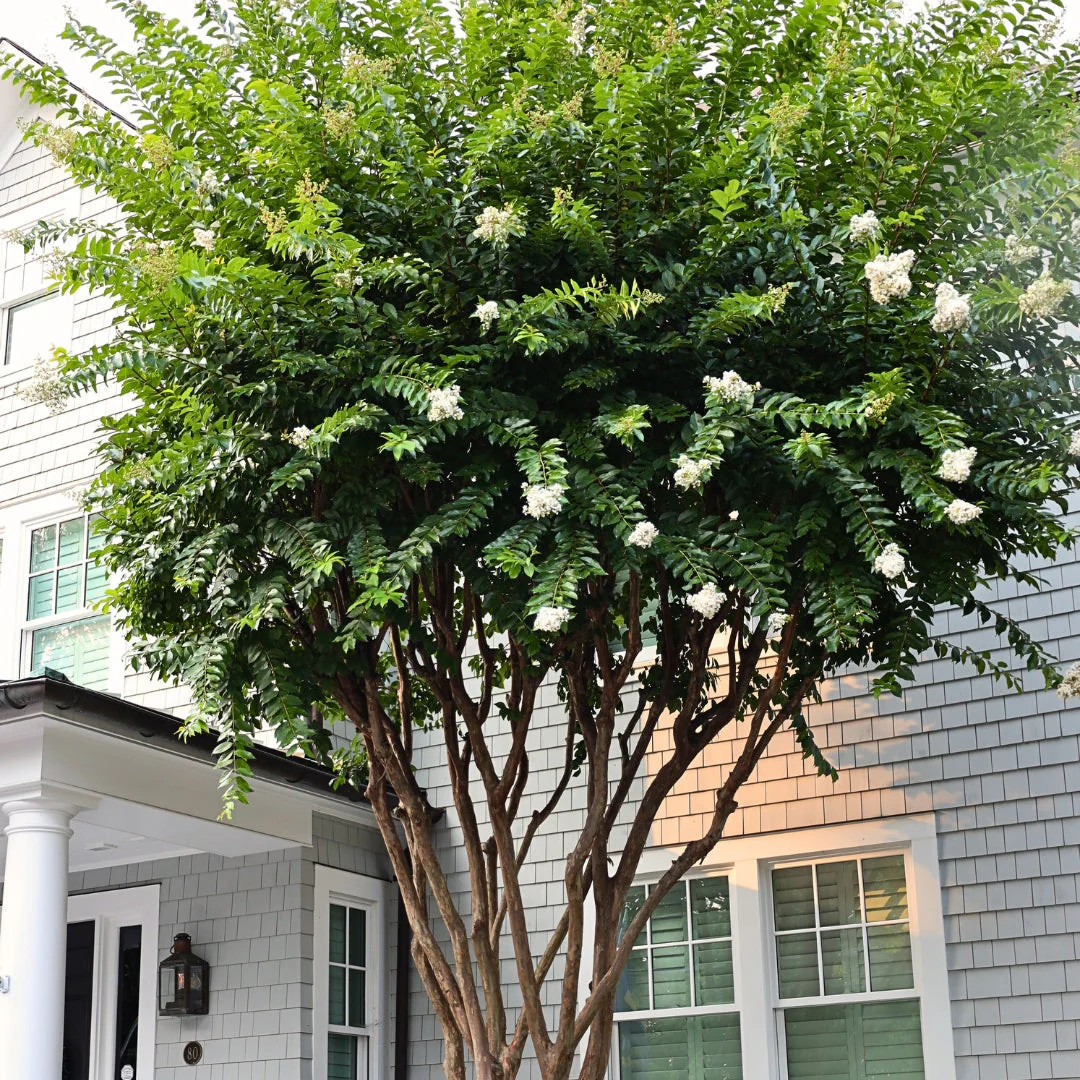
Its size and form make it easy to use near patios, in front-yard focal plantings, along ornamental borders, or in lawn islands where the canopy can be appreciated from multiple angles. It has enough presence to anchor a bed, but it remains manageable for residential settings. For homeowners looking for a flowering tree with strong impact and practical scale, Tuscarora is a very dependable option. This landscape-use guidance is based on the cited mature-size and use descriptions.
Exfoliating Bark and Fall Color Extend the Show
Tuscarora brings more than flowers. As it matures, it develops smooth, peeling bark in light cinnamon-brown tones, adding texture and winter interest. That bark helps the tree remain ornamental even after bloom season is over, adding another layer of year-round value.
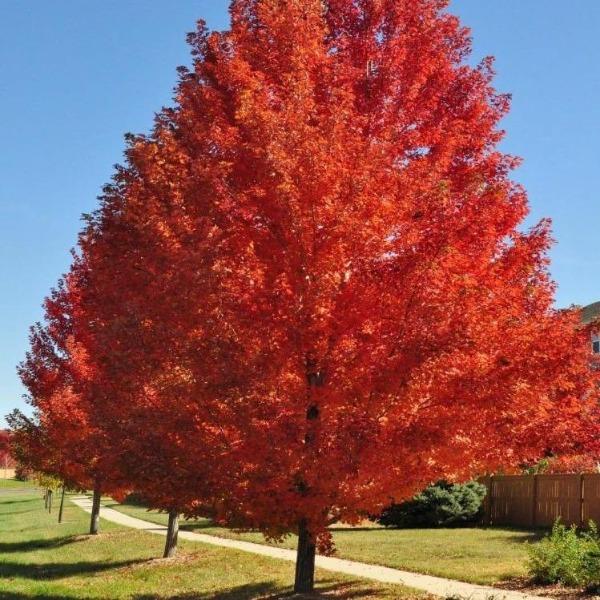
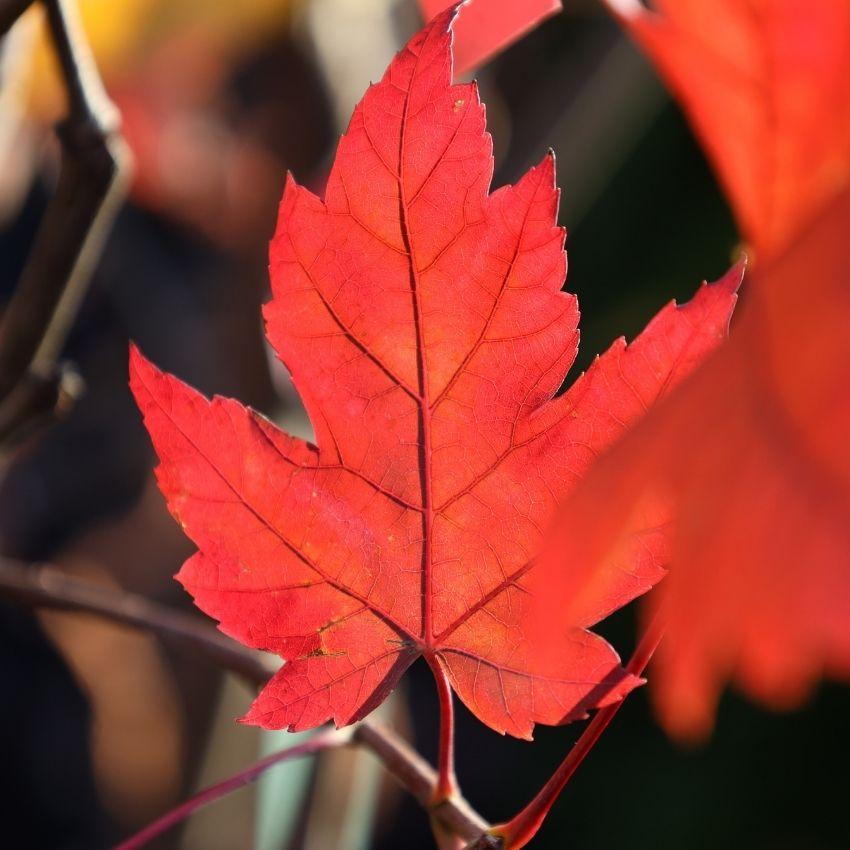
The foliage also adds a strong late-season finish. Monrovia notes orange-red fall color, and Florida references also associate these hybrids with colorful autumn foliage. That means Tuscarora can contribute in summer, fall, and winter rather than peaking only once. For homeowners who want more from a single ornamental planting, that four-season character is a major strength.
Heat Tolerance and Improved Disease Resistance Add Practical Value
Tuscarora is part of the Lagerstroemia indica x fauriei hybrid group, which is widely recognized for improved mildew resistance compared with many older crape myrtles. Florida sources specifically identify Tuscarora as one of these hybrids and note its greater resistance to mildew. That makes it a particularly appealing option for homeowners who want strong summer performance with fewer disease concerns.
Like other crape myrtles, it performs best in full sun and is well-suited to hot summer landscapes. For sunny residential plantings where flower power, bark, fall color, and disease resistance all matter, Tuscarora is one of the more balanced and reliable choices available.
A Crape Myrtle With Bright Coral-Pink Summer Flowers
Tuscarora Crape Myrtle is a standout choice for homeowners who want bold summer color without overwhelming the landscape. Its large clusters of coral-pink blooms bring a bright, cheerful look to the garden and help carry color through the hottest part of the season. When many spring-flowering trees are long finished, Tuscarora steps in with a fresh show of bloom that keeps the landscape feeling alive.
That flower color is one of the biggest reasons people choose it for front yards, lawn islands, and focal-point beds. It feels warmer and more saturated than pale pink selections, but softer than red varieties, which makes it easy to use with both traditional and more colorful planting palettes. In sunny residential landscapes, it has a very noticeable presence without feeling too heavy. This design interpretation is based on the cited bloom color and size.
A Small Ornamental Tree With Excellent Residential Scale
Tuscarora is especially useful because it offers strong ornamental value in a size range that works well for homes. Florida sources list it at about 16 feet tall, while Monrovia describes it as a small deciduous tree, useful as either a large shrub or a specimen tree. That makes it a strong fit for small to medium landscapes where homeowners want a flowering focal point without committing to a large shade tree.
Its size and form make it easy to use near patios, in front-yard focal plantings, along ornamental borders, or in lawn islands where the canopy can be appreciated from multiple angles. It has enough presence to anchor a bed, but it remains manageable for residential settings. For homeowners looking for a flowering tree with strong impact and practical scale, Tuscarora is a very dependable option. This landscape-use guidance is based on the cited mature-size and use descriptions.
Exfoliating Bark and Fall Color Extend the Show
Tuscarora brings more than flowers. As it matures, it develops smooth, peeling bark in light cinnamon-brown tones, adding texture and winter interest. That bark helps the tree remain ornamental even after bloom season is over, adding another layer of year-round value.
The foliage also adds a strong late-season finish. Monrovia notes orange-red fall color, and Florida references also associate these hybrids with colorful autumn foliage. That means Tuscarora can contribute in summer, fall, and winter rather than peaking only once. For homeowners who want more from a single ornamental planting, that four-season character is a major strength.
Heat Tolerance and Improved Disease Resistance Add Practical Value
Tuscarora is part of the Lagerstroemia indica x fauriei hybrid group, which is widely recognized for improved mildew resistance compared with many older crape myrtles. Florida sources specifically identify Tuscarora as one of these hybrids and note its greater resistance to mildew. That makes it a particularly appealing option for homeowners who want strong summer performance with fewer disease concerns.
Like other crape myrtles, it performs best in full sun and is well-suited to hot summer landscapes. For sunny residential plantings where flower power, bark, fall color, and disease resistance all matter, Tuscarora is one of the more balanced and reliable choices available.
Original: $26.95
-70%$26.95
$8.08Description
A Crape Myrtle With Bright Coral-Pink Summer Flowers
Tuscarora Crape Myrtle is a standout choice for homeowners who want bold summer color without overwhelming the landscape. Its large clusters of coral-pink blooms bring a bright, cheerful look to the garden and help carry color through the hottest part of the season. When many spring-flowering trees are long finished, Tuscarora steps in with a fresh show of bloom that keeps the landscape feeling alive.
That flower color is one of the biggest reasons people choose it for front yards, lawn islands, and focal-point beds. It feels warmer and more saturated than pale pink selections, but softer than red varieties, which makes it easy to use with both traditional and more colorful planting palettes. In sunny residential landscapes, it has a very noticeable presence without feeling too heavy. This design interpretation is based on the cited bloom color and size.
A Small Ornamental Tree With Excellent Residential Scale
Tuscarora is especially useful because it offers strong ornamental value in a size range that works well for homes. Florida sources list it at about 16 feet tall, while Monrovia describes it as a small deciduous tree, useful as either a large shrub or a specimen tree. That makes it a strong fit for small to medium landscapes where homeowners want a flowering focal point without committing to a large shade tree.
Its size and form make it easy to use near patios, in front-yard focal plantings, along ornamental borders, or in lawn islands where the canopy can be appreciated from multiple angles. It has enough presence to anchor a bed, but it remains manageable for residential settings. For homeowners looking for a flowering tree with strong impact and practical scale, Tuscarora is a very dependable option. This landscape-use guidance is based on the cited mature-size and use descriptions.
Exfoliating Bark and Fall Color Extend the Show
Tuscarora brings more than flowers. As it matures, it develops smooth, peeling bark in light cinnamon-brown tones, adding texture and winter interest. That bark helps the tree remain ornamental even after bloom season is over, adding another layer of year-round value.
The foliage also adds a strong late-season finish. Monrovia notes orange-red fall color, and Florida references also associate these hybrids with colorful autumn foliage. That means Tuscarora can contribute in summer, fall, and winter rather than peaking only once. For homeowners who want more from a single ornamental planting, that four-season character is a major strength.
Heat Tolerance and Improved Disease Resistance Add Practical Value
Tuscarora is part of the Lagerstroemia indica x fauriei hybrid group, which is widely recognized for improved mildew resistance compared with many older crape myrtles. Florida sources specifically identify Tuscarora as one of these hybrids and note its greater resistance to mildew. That makes it a particularly appealing option for homeowners who want strong summer performance with fewer disease concerns.
Like other crape myrtles, it performs best in full sun and is well-suited to hot summer landscapes. For sunny residential plantings where flower power, bark, fall color, and disease resistance all matter, Tuscarora is one of the more balanced and reliable choices available.