Butterfly Weed
Bright orange flowers with native garden impact.
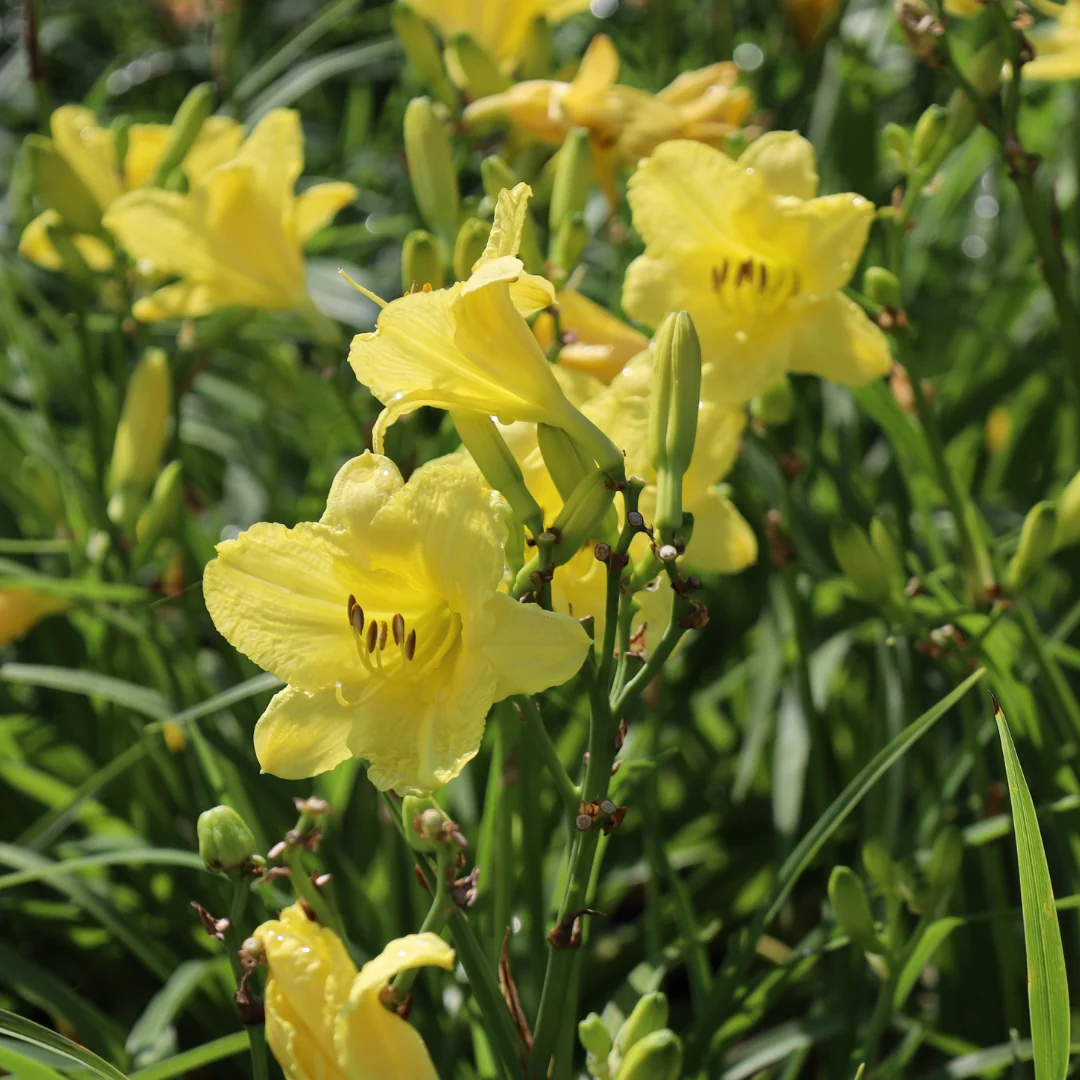
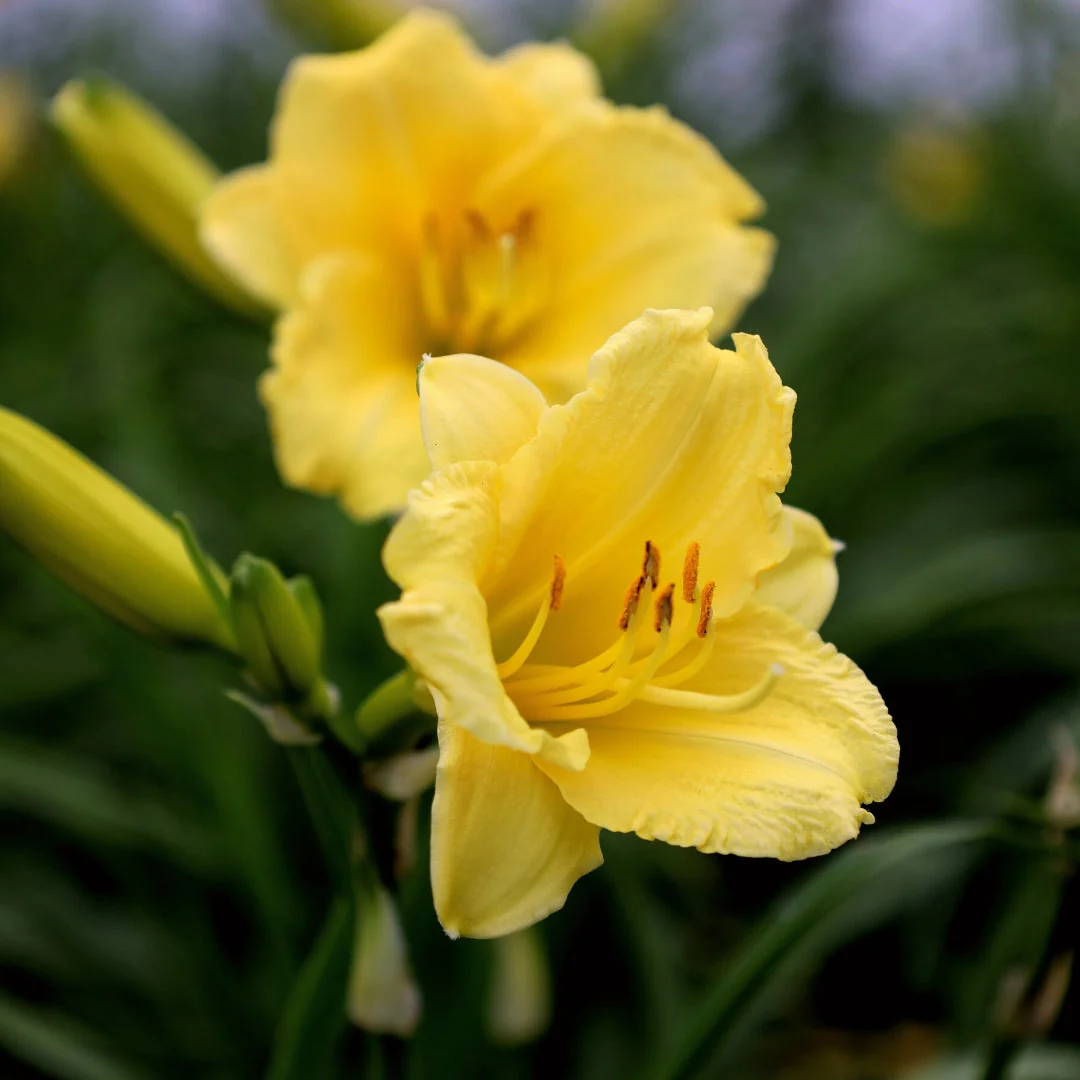
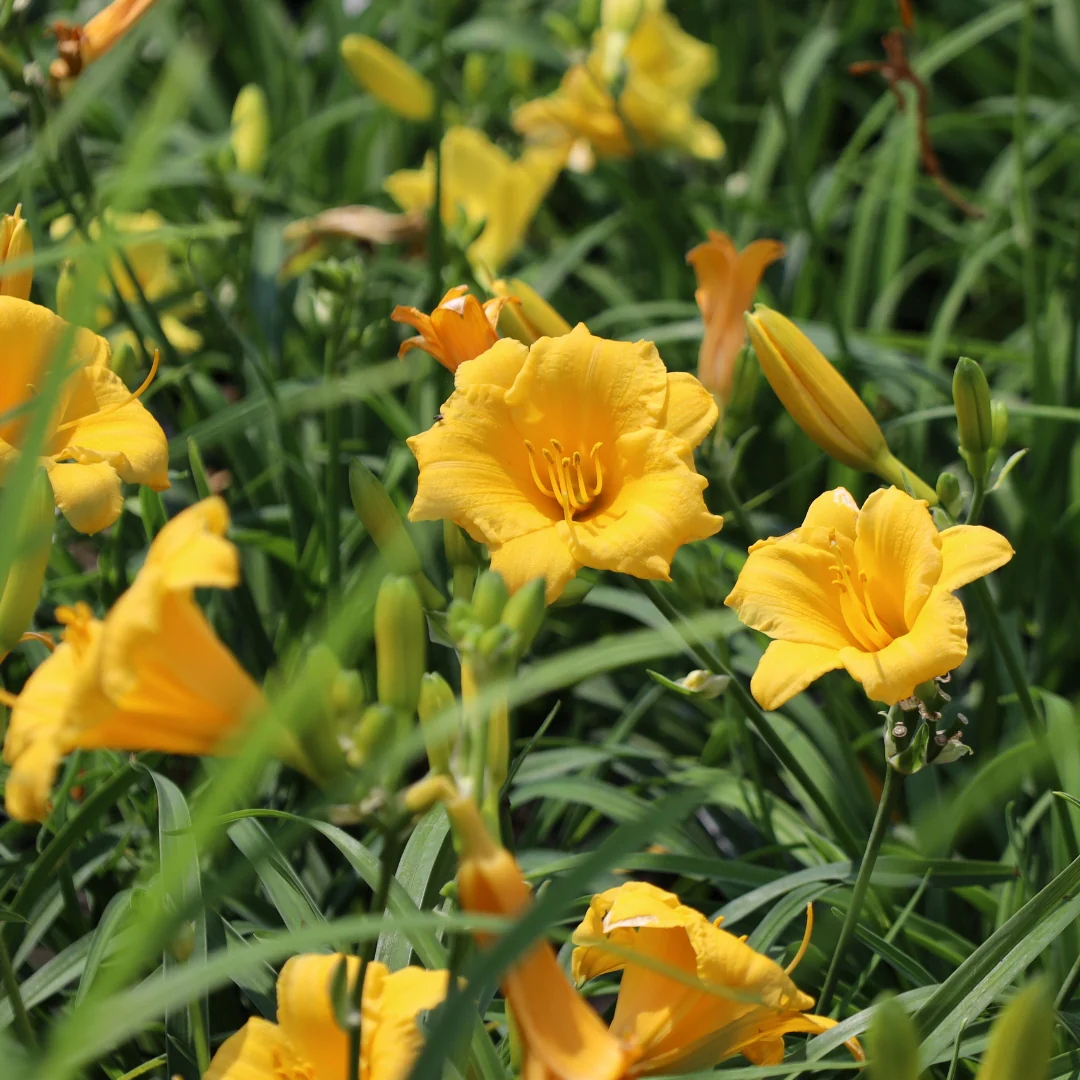
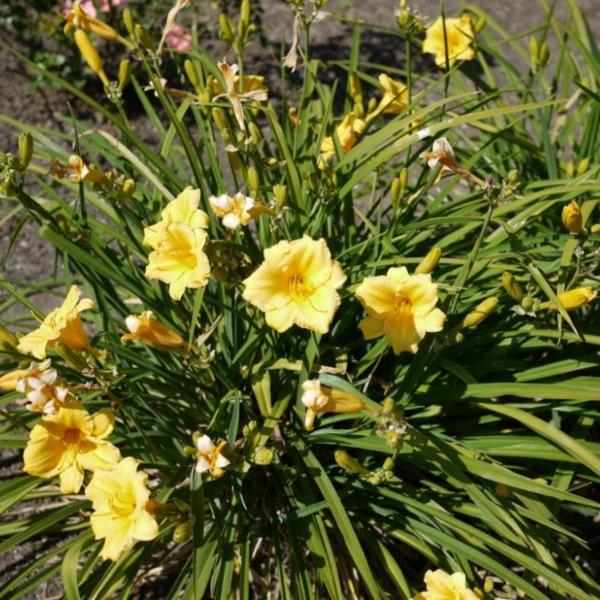
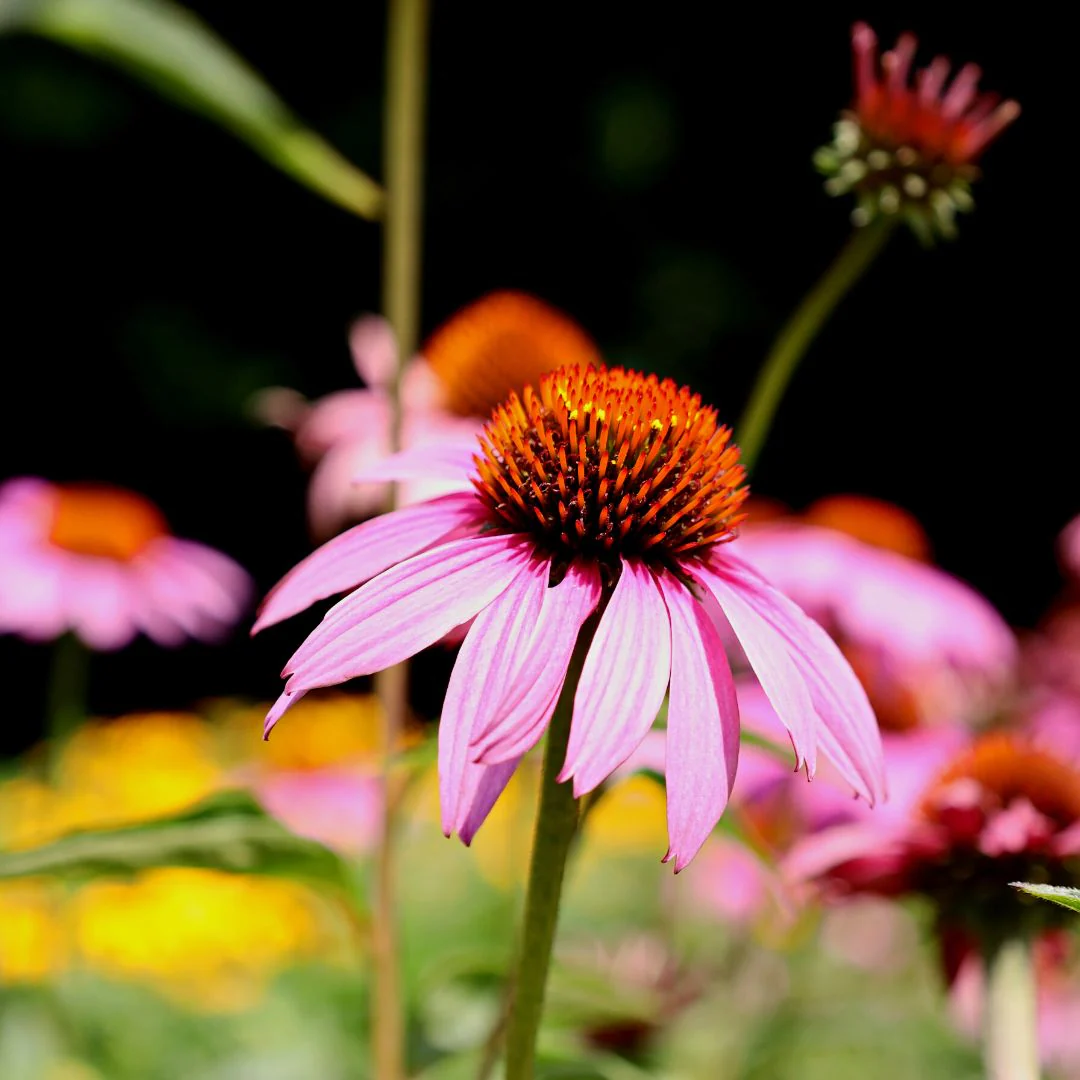
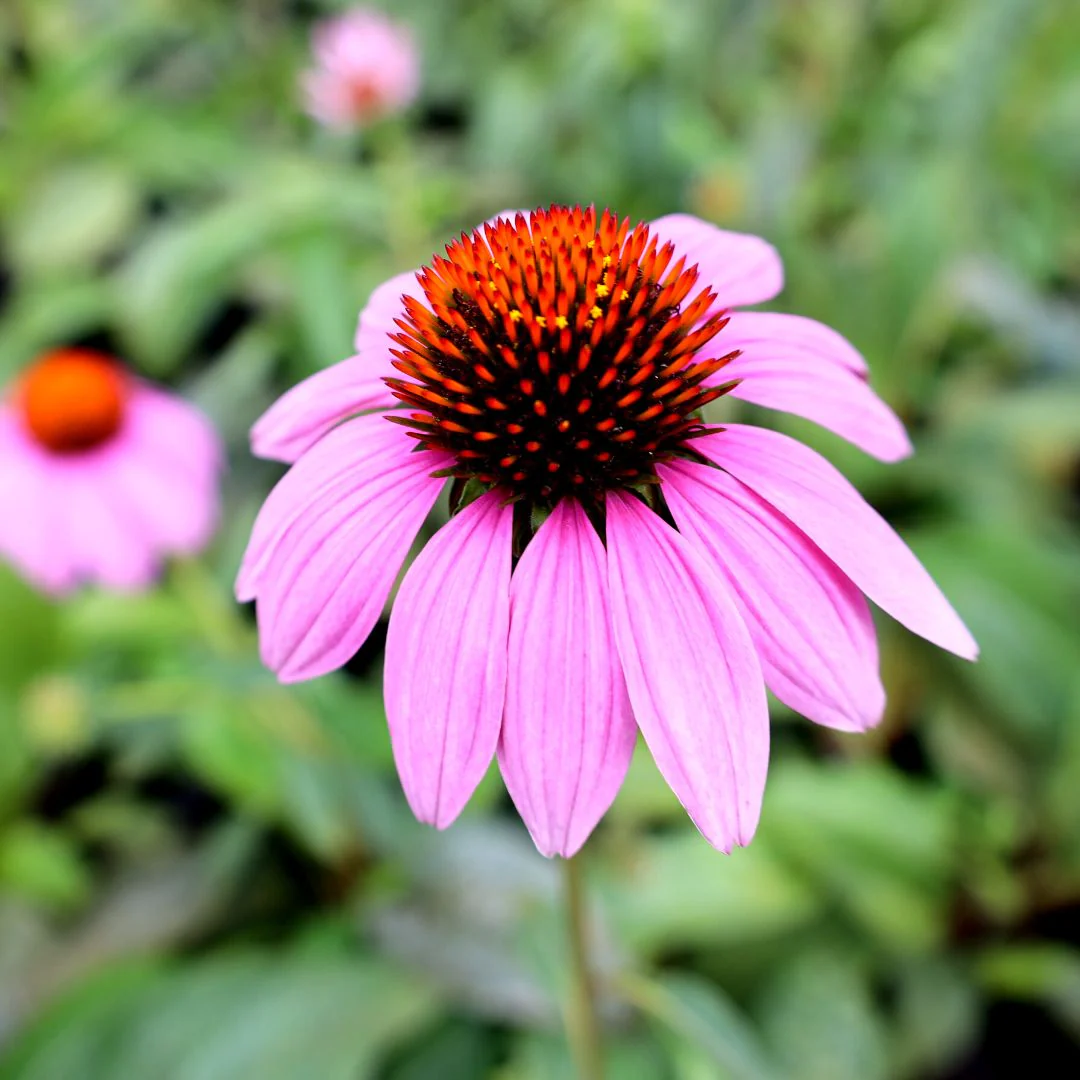
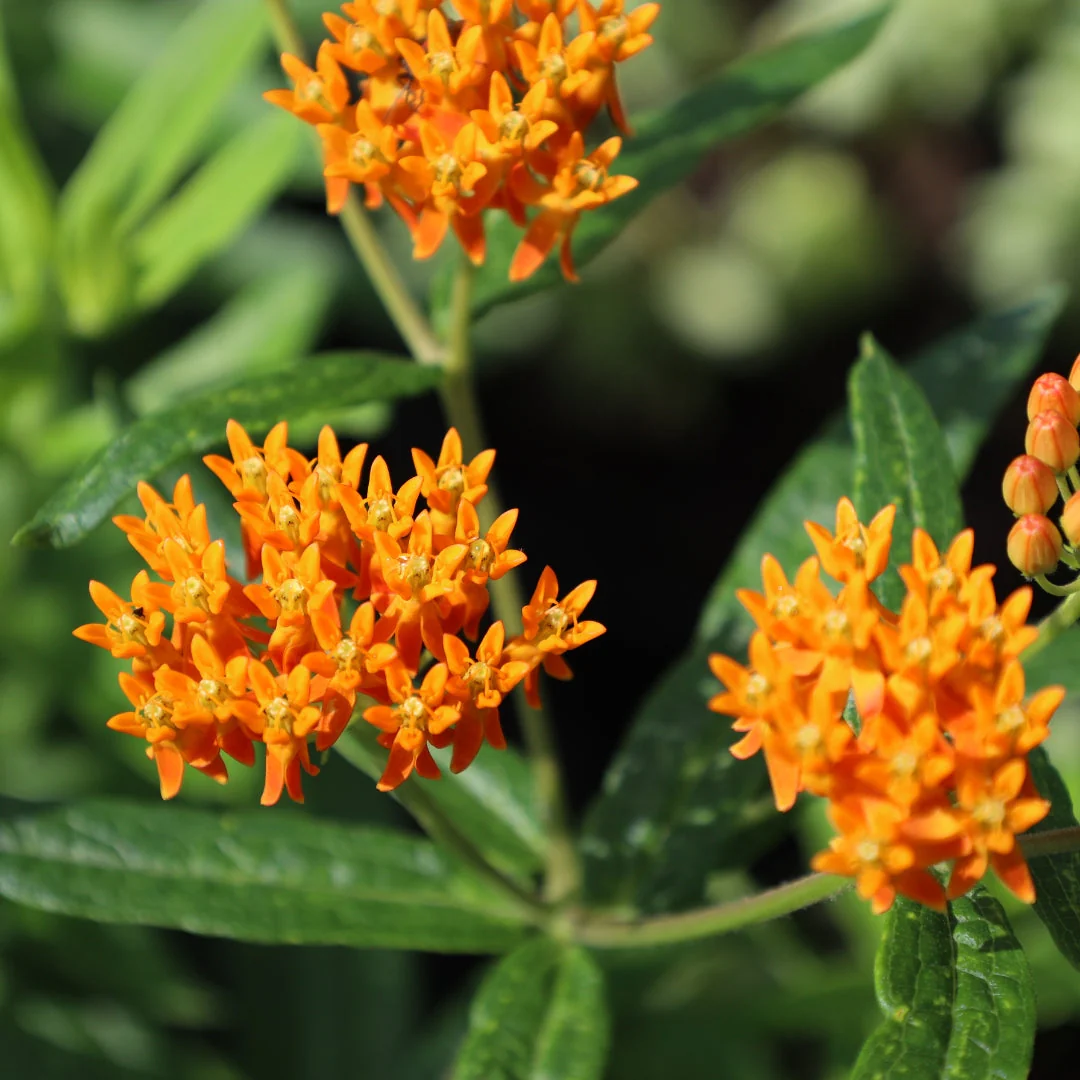
Orange Butterfly Weed brings bold clusters of vivid orange to yellow-orange flowers to sunny gardens in summer, creating the kind of color that immediately catches attention in pollinator beds, native plantings, and meadow-style borders. The flat-topped bloom clusters sit above narrow green foliage, adding a warm, natural look that pairs beautifully with coneflowers, black-eyed Susans, alliums, ornamental grasses, yarrow, salvia, and other sun-loving perennials. This is a strong choice when homeowners want a native perennial that looks ornamental but still feels right at home in a more natural landscape.
A true monarch host plant.
Asclepias tuberosa is a species of milkweed, and its foliage serves as a food source for monarch butterfly caterpillars. That makes Orange Butterfly Weed especially valuable in wildlife gardens because it supports the monarch life cycle, not just adult butterfly visits. The flowers also provide nectar for adult butterflies, bees, and other beneficial pollinators, making this plant one of the most useful native perennials for gardeners who want their landscape to do real ecological work.
Built for sun, heat, and dry soil.
Orange Butterfly Weed thrives in full sun and well-drained soil, including dry, rocky, sandy, or lean garden conditions where many fussier perennials struggle. Once established, it becomes drought-tolerant thanks to its deep taproot, which helps the plant handle hot weather and lower-water landscapes. It is an excellent choice for sunny slopes, curbside plantings, dry borders, native meadows, and pollinator gardens where strong drainage and lower maintenance are priorities.
Low maintenance once established, but best planted carefully.
Butterfly Weed is easy to grow once it settles in, but it is best planted where it can stay long-term because its deep taproot makes mature plants difficult to transplant. It can also be slower to wake up in spring than some perennials, so patience is important before assuming it did not return. Once active growth begins, the plant forms a sturdy upright clump that brings summer color, pollinator value, and a clean native wildflower presence with very little fuss.
A natural fit for pollinator borders and native landscapes.
Use Orange Butterfly Weed in groups or repeated drifts for the strongest visual impact and the greatest benefit to monarchs and other pollinators. Its bright orange flowers contrast beautifully with purple, blue, yellow, white, and grass-like textures, making it easy to design with in both naturalistic and more polished perennial plantings. Seed pods may form after flowering and can add late-season interest, or they can be removed if you prefer to limit self-seeding.
Bright orange flowers with native garden impact.
Orange Butterfly Weed brings bold clusters of vivid orange to yellow-orange flowers to sunny gardens in summer, creating the kind of color that immediately catches attention in pollinator beds, native plantings, and meadow-style borders. The flat-topped bloom clusters sit above narrow green foliage, adding a warm, natural look that pairs beautifully with coneflowers, black-eyed Susans, alliums, ornamental grasses, yarrow, salvia, and other sun-loving perennials. This is a strong choice when homeowners want a native perennial that looks ornamental but still feels right at home in a more natural landscape.
A true monarch host plant.
Asclepias tuberosa is a species of milkweed, and its foliage serves as a food source for monarch butterfly caterpillars. That makes Orange Butterfly Weed especially valuable in wildlife gardens because it supports the monarch life cycle, not just adult butterfly visits. The flowers also provide nectar for adult butterflies, bees, and other beneficial pollinators, making this plant one of the most useful native perennials for gardeners who want their landscape to do real ecological work.
Built for sun, heat, and dry soil.
Orange Butterfly Weed thrives in full sun and well-drained soil, including dry, rocky, sandy, or lean garden conditions where many fussier perennials struggle. Once established, it becomes drought-tolerant thanks to its deep taproot, which helps the plant handle hot weather and lower-water landscapes. It is an excellent choice for sunny slopes, curbside plantings, dry borders, native meadows, and pollinator gardens where strong drainage and lower maintenance are priorities.
Low maintenance once established, but best planted carefully.
Butterfly Weed is easy to grow once it settles in, but it is best planted where it can stay long-term because its deep taproot makes mature plants difficult to transplant. It can also be slower to wake up in spring than some perennials, so patience is important before assuming it did not return. Once active growth begins, the plant forms a sturdy upright clump that brings summer color, pollinator value, and a clean native wildflower presence with very little fuss.
A natural fit for pollinator borders and native landscapes.
Use Orange Butterfly Weed in groups or repeated drifts for the strongest visual impact and the greatest benefit to monarchs and other pollinators. Its bright orange flowers contrast beautifully with purple, blue, yellow, white, and grass-like textures, making it easy to design with in both naturalistic and more polished perennial plantings. Seed pods may form after flowering and can add late-season interest, or they can be removed if you prefer to limit self-seeding.
Original: $16.95
-70%$16.95
$5.08Description
Bright orange flowers with native garden impact.
Orange Butterfly Weed brings bold clusters of vivid orange to yellow-orange flowers to sunny gardens in summer, creating the kind of color that immediately catches attention in pollinator beds, native plantings, and meadow-style borders. The flat-topped bloom clusters sit above narrow green foliage, adding a warm, natural look that pairs beautifully with coneflowers, black-eyed Susans, alliums, ornamental grasses, yarrow, salvia, and other sun-loving perennials. This is a strong choice when homeowners want a native perennial that looks ornamental but still feels right at home in a more natural landscape.
A true monarch host plant.
Asclepias tuberosa is a species of milkweed, and its foliage serves as a food source for monarch butterfly caterpillars. That makes Orange Butterfly Weed especially valuable in wildlife gardens because it supports the monarch life cycle, not just adult butterfly visits. The flowers also provide nectar for adult butterflies, bees, and other beneficial pollinators, making this plant one of the most useful native perennials for gardeners who want their landscape to do real ecological work.
Built for sun, heat, and dry soil.
Orange Butterfly Weed thrives in full sun and well-drained soil, including dry, rocky, sandy, or lean garden conditions where many fussier perennials struggle. Once established, it becomes drought-tolerant thanks to its deep taproot, which helps the plant handle hot weather and lower-water landscapes. It is an excellent choice for sunny slopes, curbside plantings, dry borders, native meadows, and pollinator gardens where strong drainage and lower maintenance are priorities.
Low maintenance once established, but best planted carefully.
Butterfly Weed is easy to grow once it settles in, but it is best planted where it can stay long-term because its deep taproot makes mature plants difficult to transplant. It can also be slower to wake up in spring than some perennials, so patience is important before assuming it did not return. Once active growth begins, the plant forms a sturdy upright clump that brings summer color, pollinator value, and a clean native wildflower presence with very little fuss.
A natural fit for pollinator borders and native landscapes.
Use Orange Butterfly Weed in groups or repeated drifts for the strongest visual impact and the greatest benefit to monarchs and other pollinators. Its bright orange flowers contrast beautifully with purple, blue, yellow, white, and grass-like textures, making it easy to design with in both naturalistic and more polished perennial plantings. Seed pods may form after flowering and can add late-season interest, or they can be removed if you prefer to limit self-seeding.