Catawba Crape Myrtle
A Crape Myrtle With Rich Purple Summer Flowers
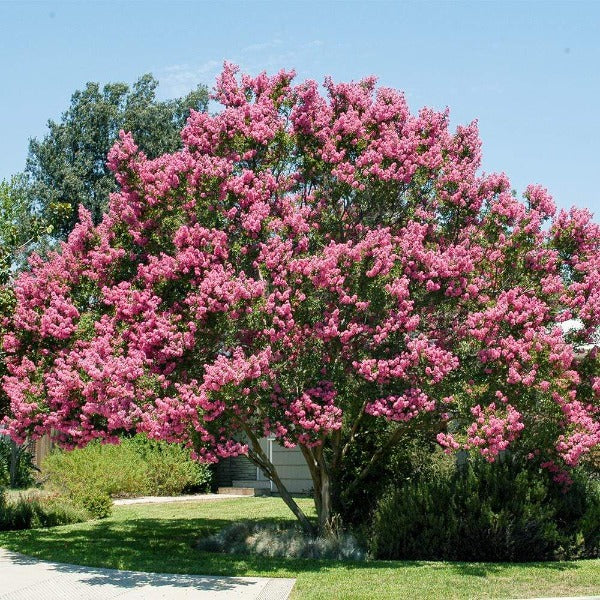
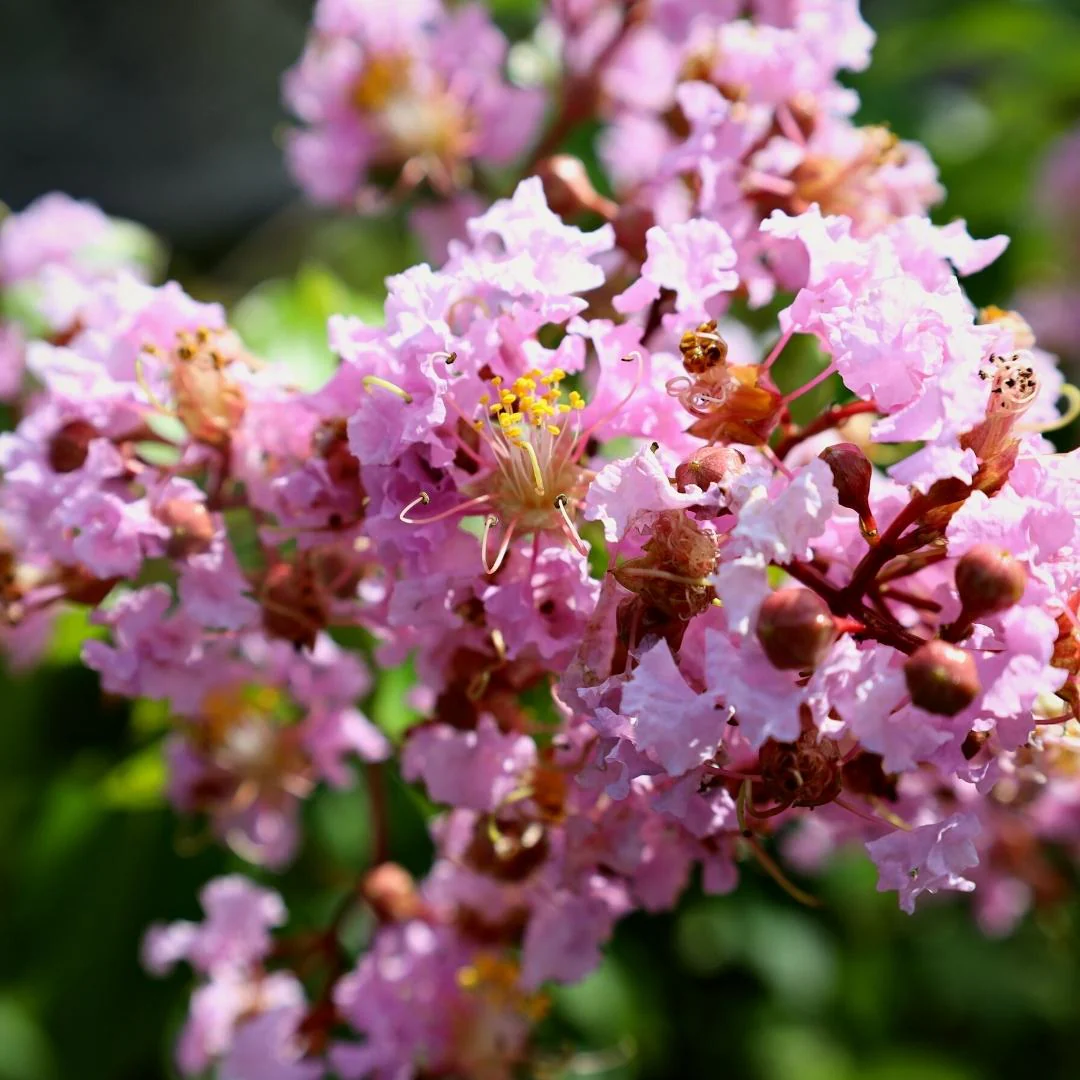
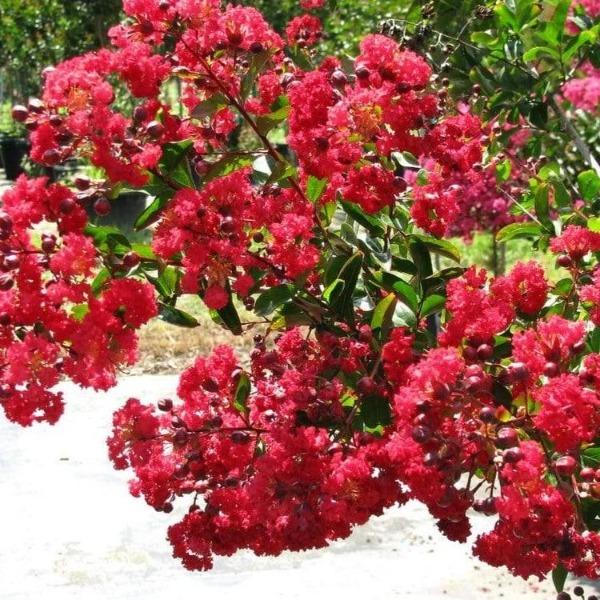
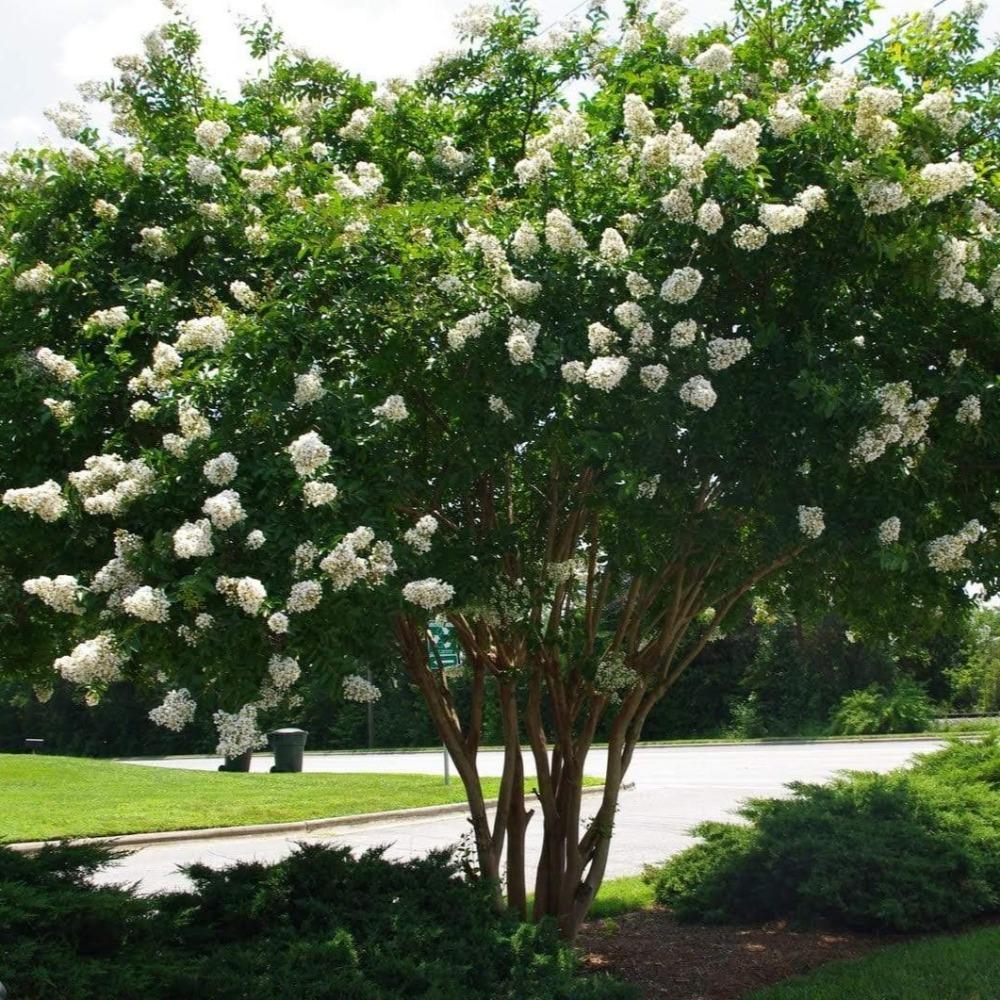
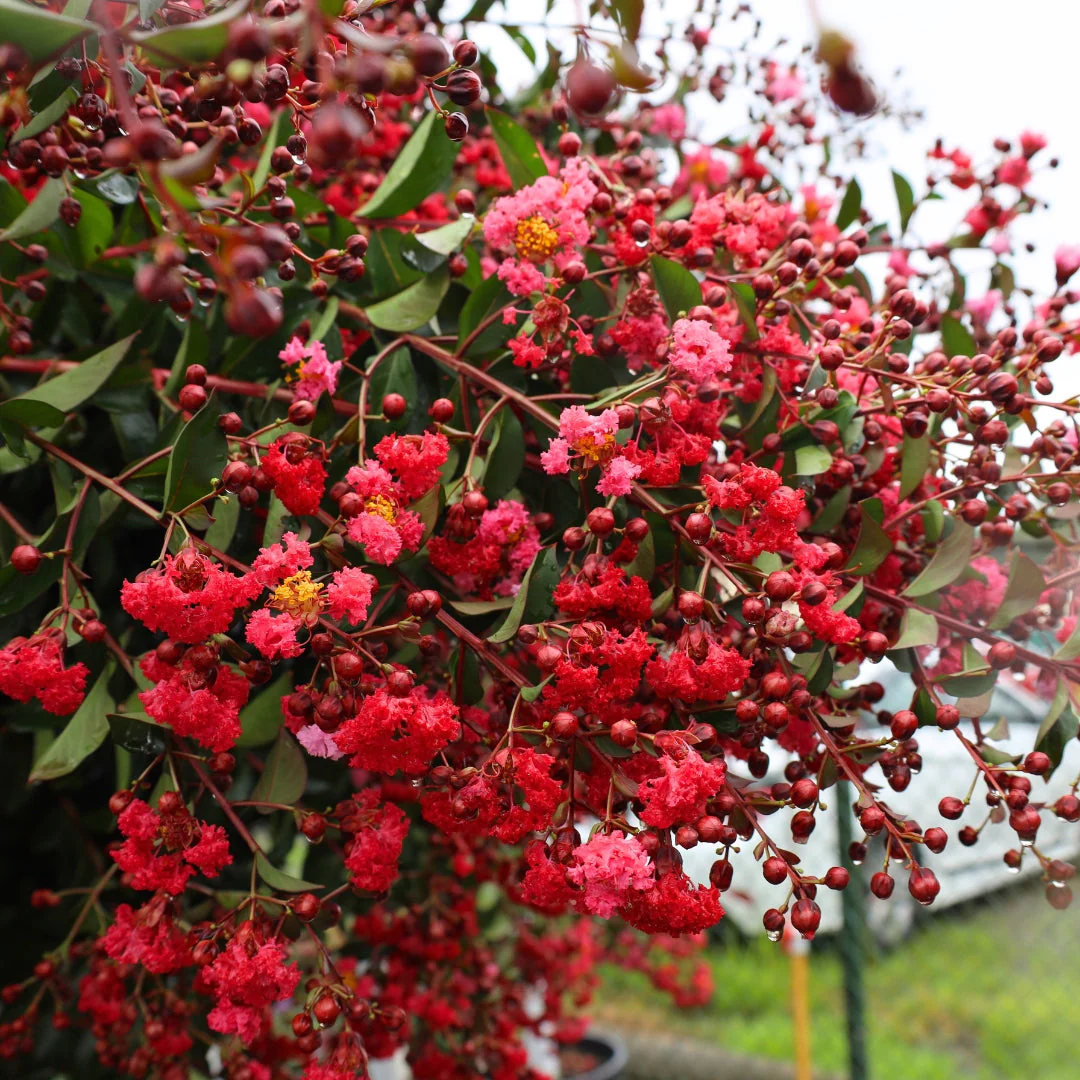
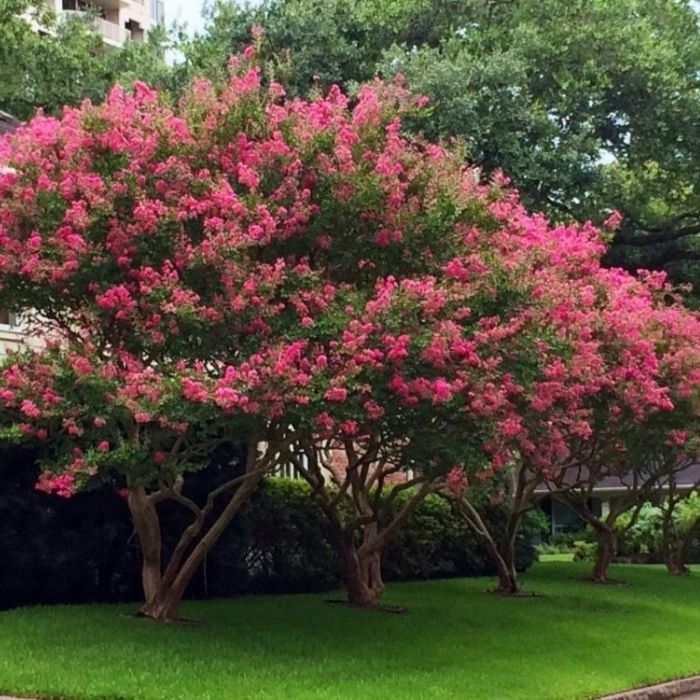
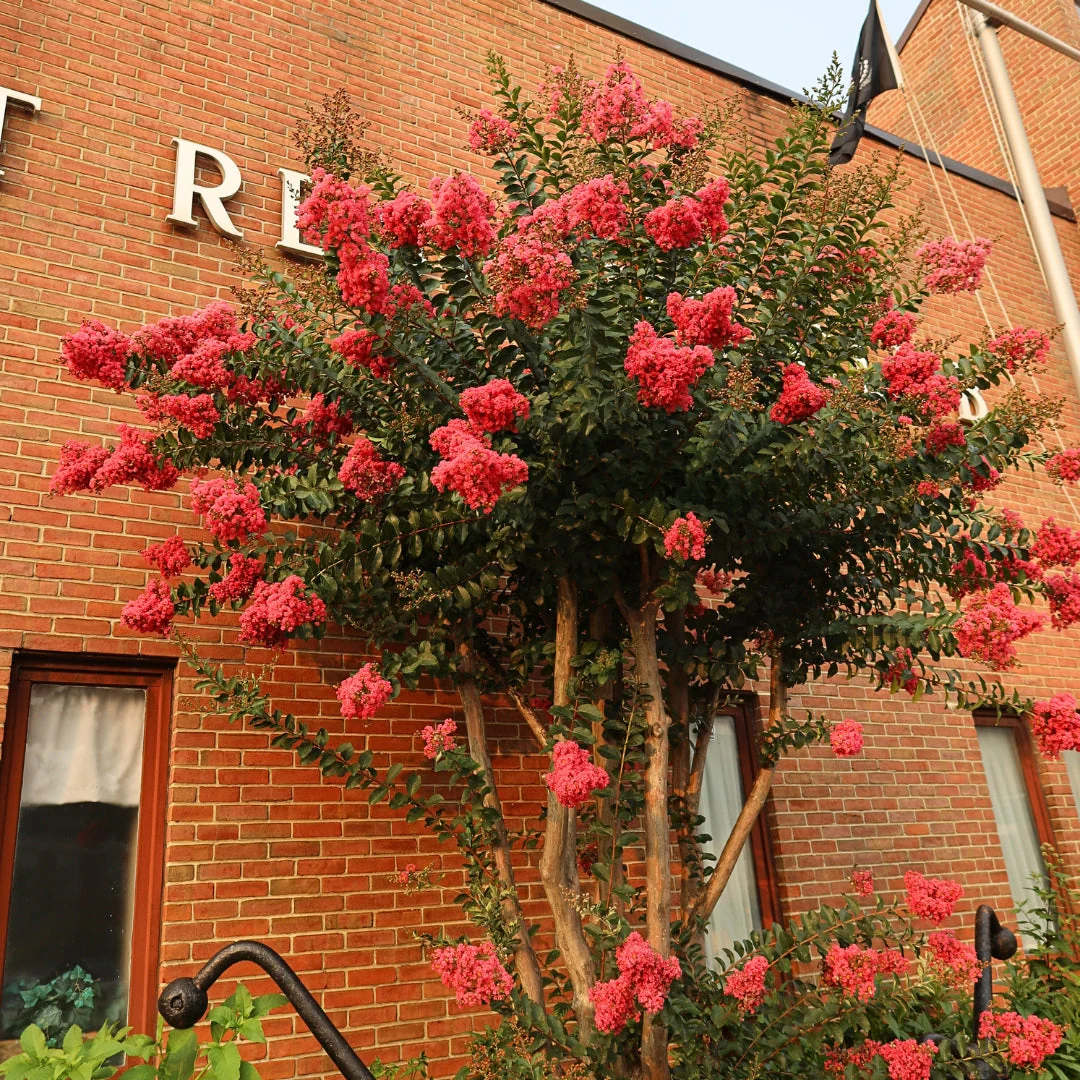
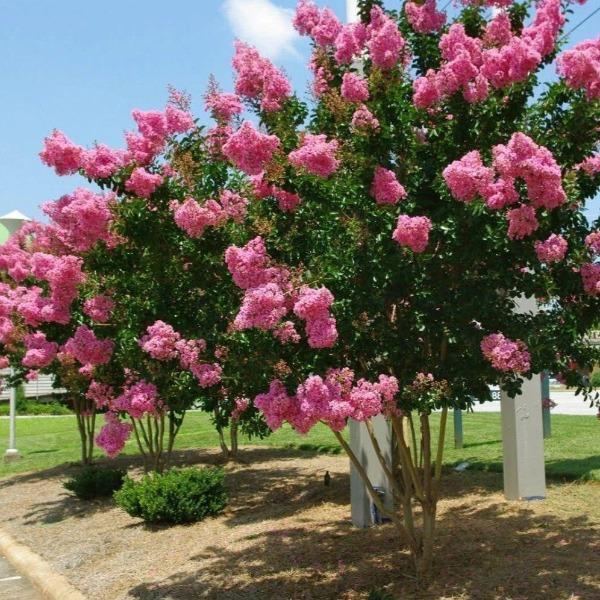
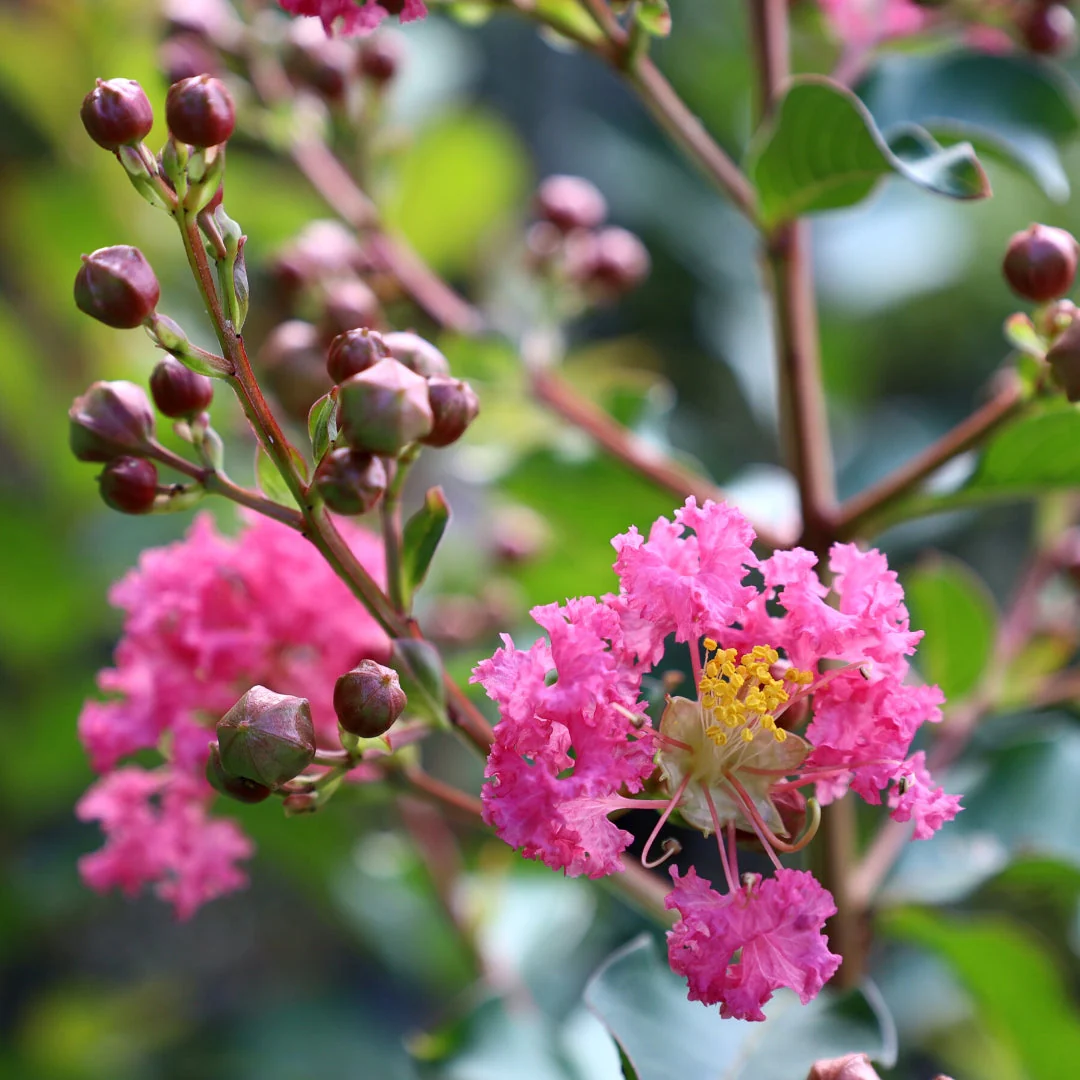
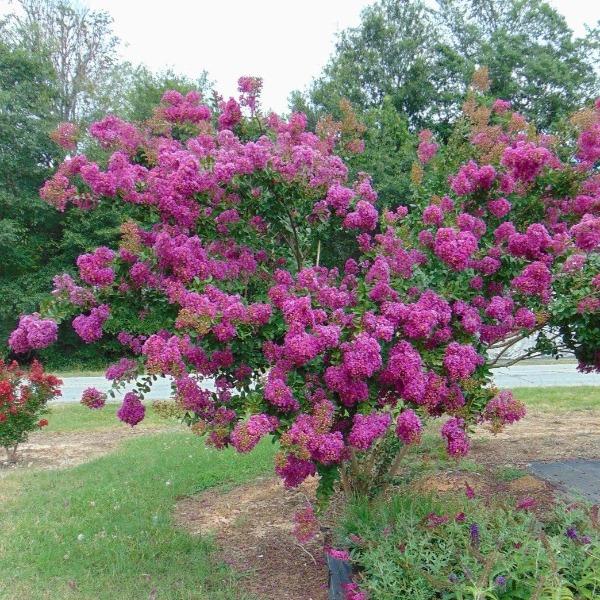
Catawba Crape Myrtle is a standout choice for homeowners who want bold summer color that feels classic and refined. Its large clusters of deep purple flowers bloom through the heat of summer, bringing a richer, moodier look than pink or white varieties. When the garden needs color during the hottest part of the season, Catawba steps in with a bloom display that feels both dramatic and timeless.
That flower color is one of the biggest reasons people choose it for front yards, lawn islands, and focal-point beds. The dark purple tone gives the landscape real depth and contrast, especially in sunny spaces where lighter foliage plants and evergreens can help the blooms stand out even more.
Long-Lasting Color That Carries the Garden Through Summer
One of the strongest reasons to plant Catawba Crape Myrtle is its ability to keep blooming over a long stretch of the warm season. Instead of flowering briefly and fading into the background, it continues to bring color when many spring bloomers are already long finished. That makes it especially useful for homeowners who want strong curb appeal and more season-long value from a single planting.
Its summer performance also makes it a smart choice near patios, entry gardens, walkways, and outdoor living spaces where the flowers can be appreciated up close. In a mixed landscape, it helps bridge the gap between spring flowers and fall color, keeping the garden lively when strong blooms can be harder to find.
A Small Ornamental Tree With Practical Residential Scale
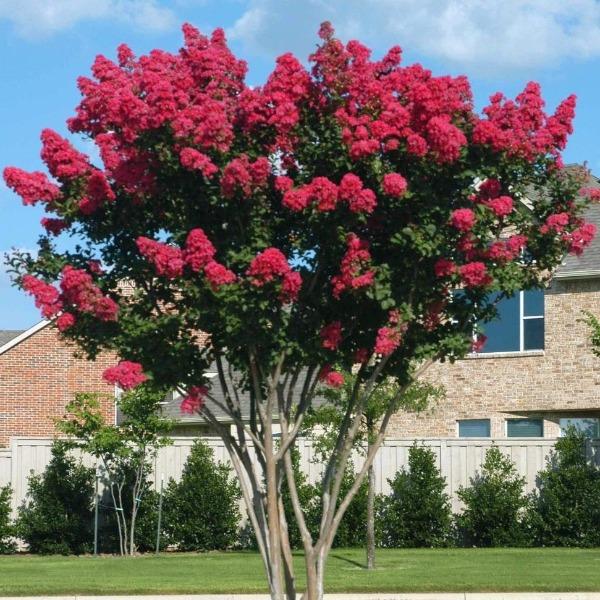
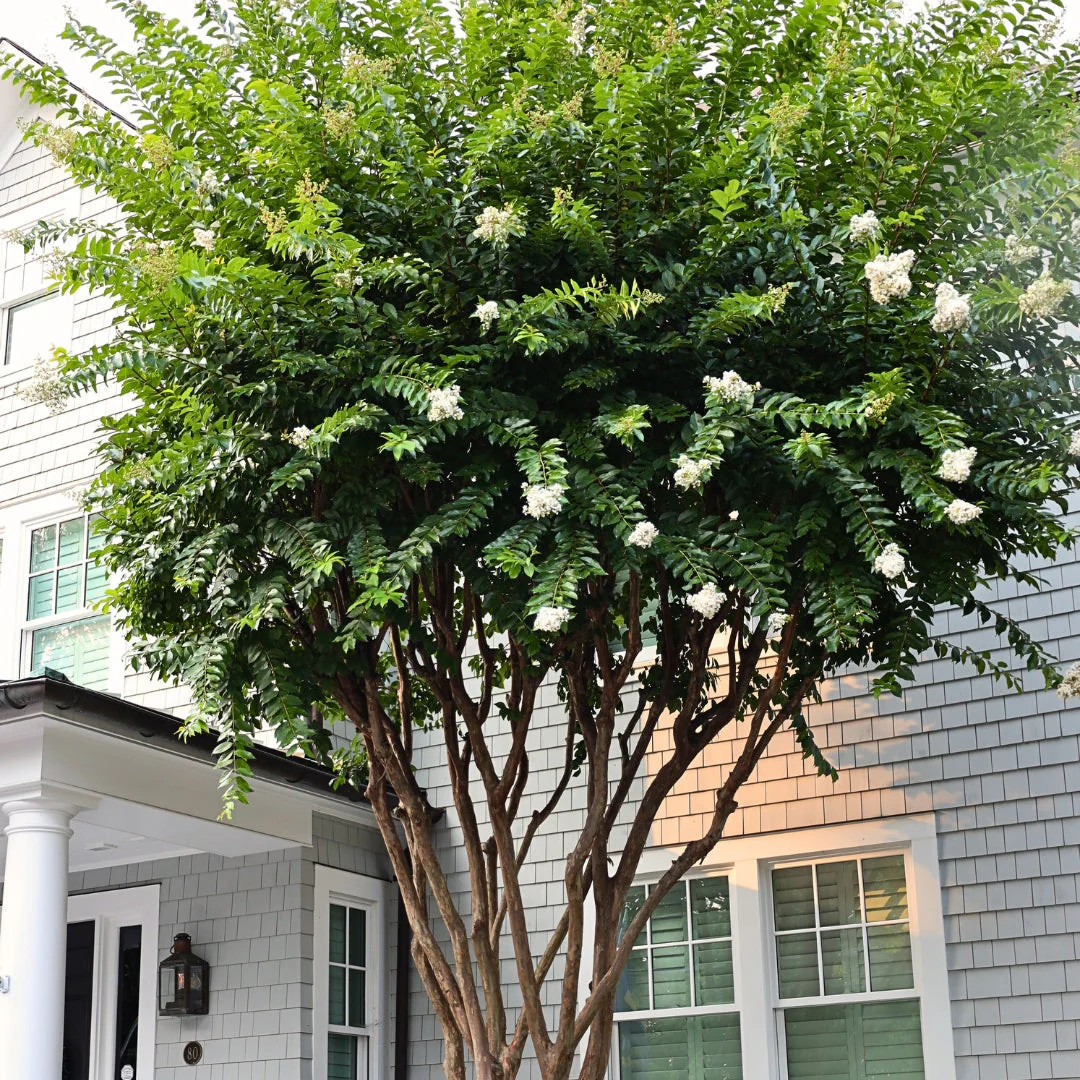
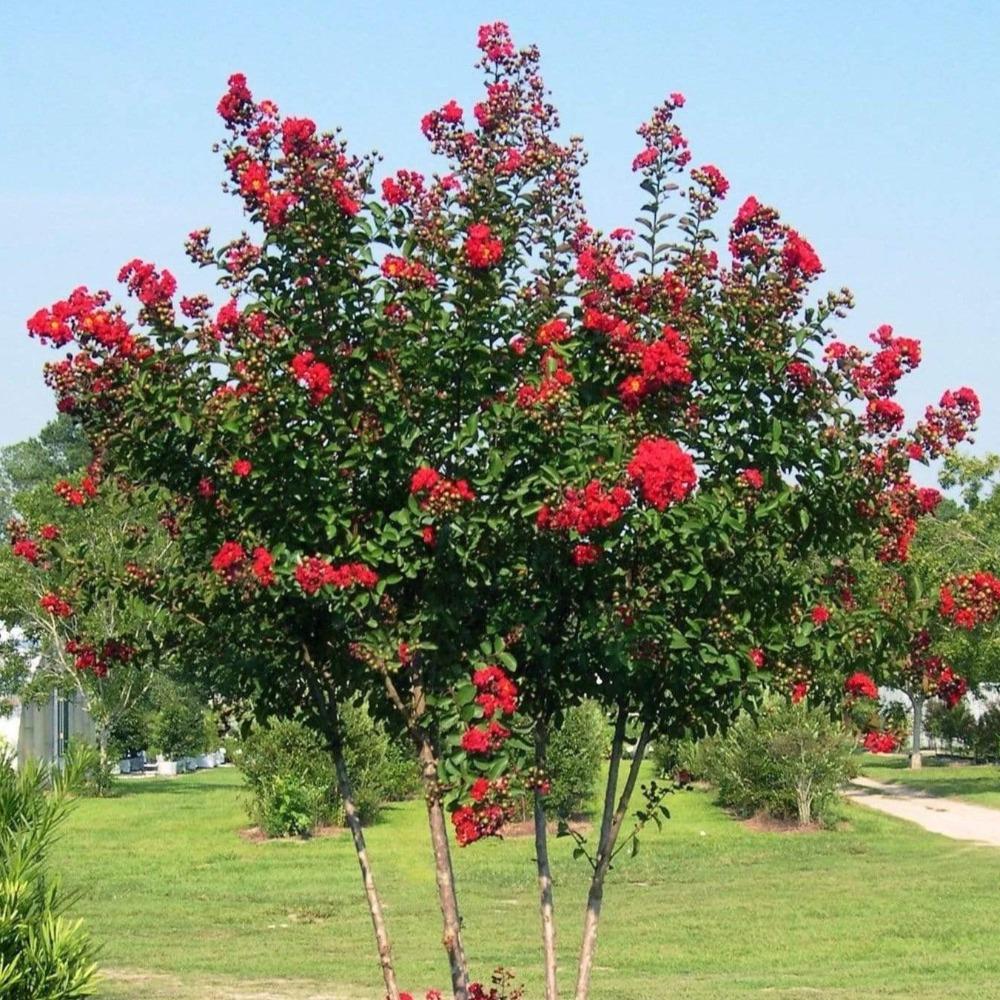
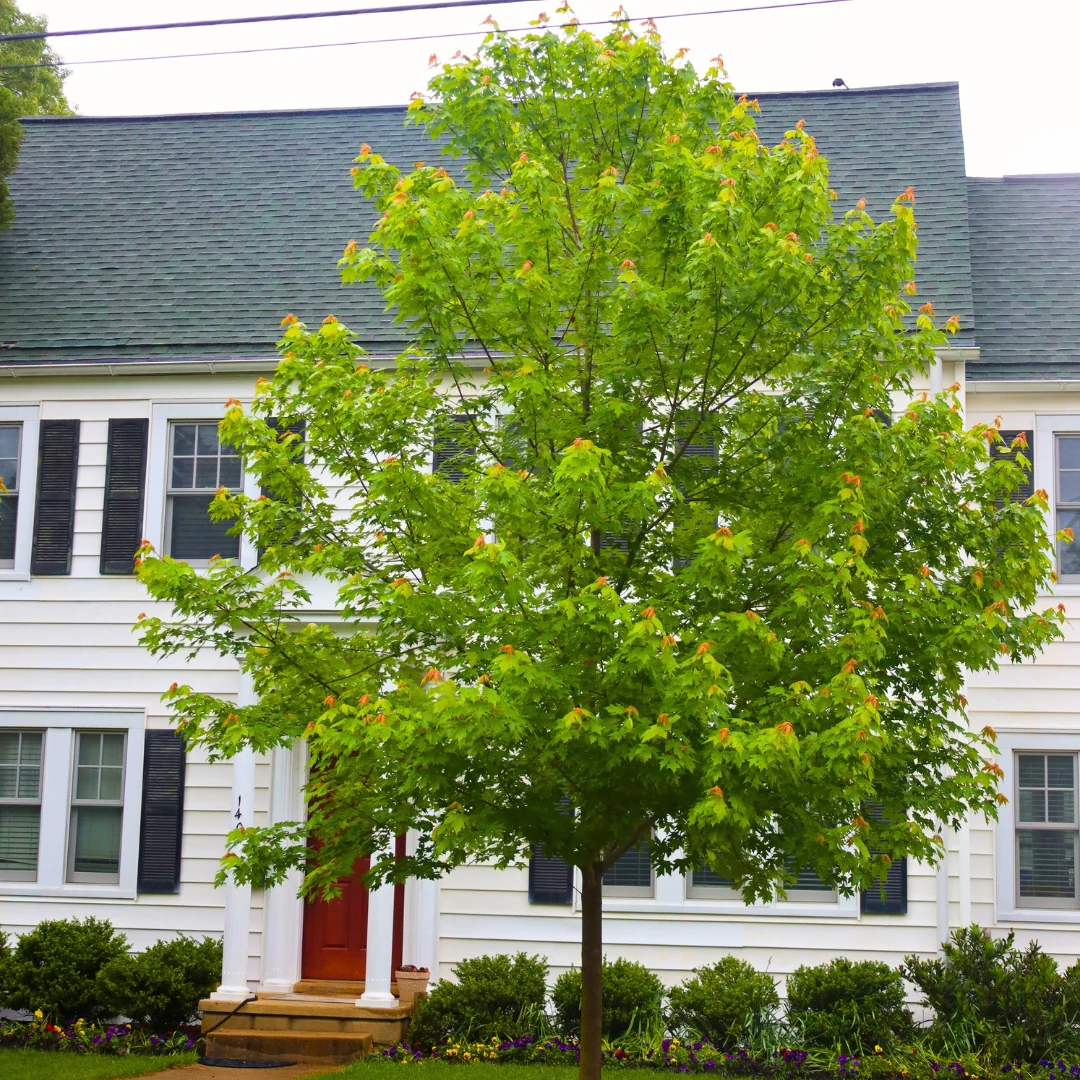
Catawba Crape Myrtle is especially appealing because it offers strong ornamental value in a manageable size. It is commonly grown as a small tree or large shrub, depending on how it is trained and pruned, which makes it a very useful choice for small to medium landscapes. It has enough presence to anchor a bed or lawn island, yet remains manageable for residential settings.
That flexibility makes it easy to use as a front-yard focal point, foundation-adjacent border, patio planting, or decorative landscape bed. Homeowners who want a flowering tree that feels substantial without overwhelming the space often find Catawba to be a very strong fit.
Beautiful Bark and Fall Color Extend the Interest
Like many crape myrtles, Catawba brings more than flowers to the landscape. As it matures, it develops smooth, cinnamon-colored bark that ranges from light brown to cinnamon tones, adding texture and winter interest. That bark gives the tree ornamental value even when it is not flowering and helps it function as more than just a summer bloomer.
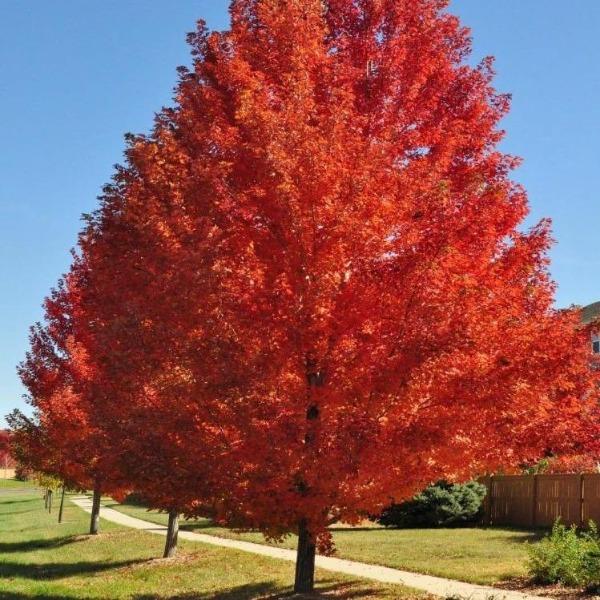
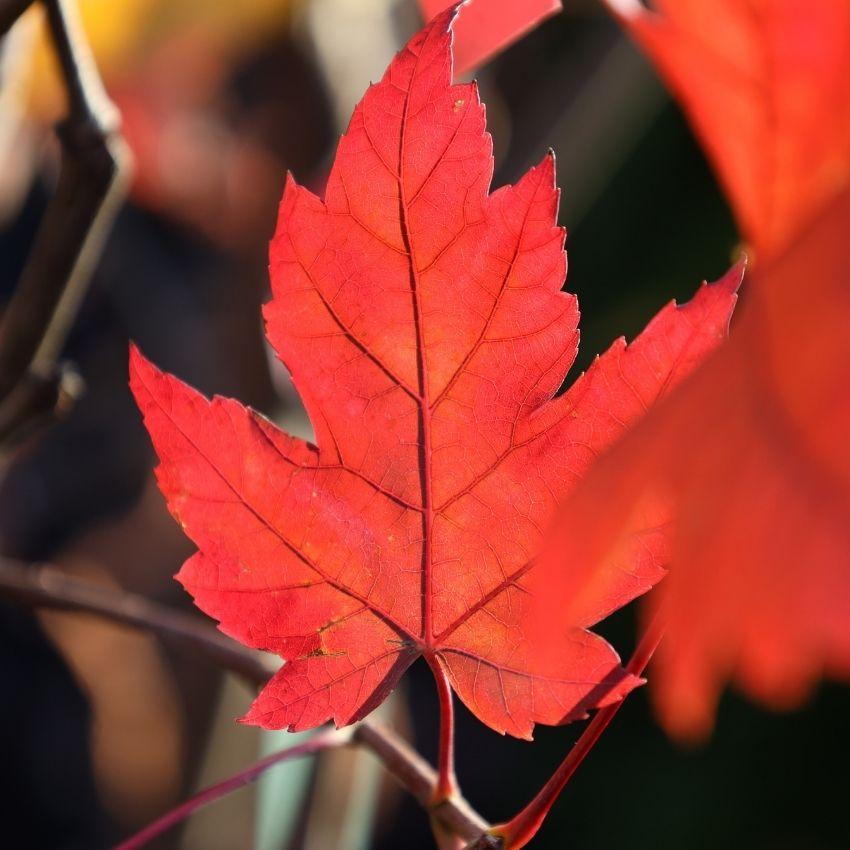
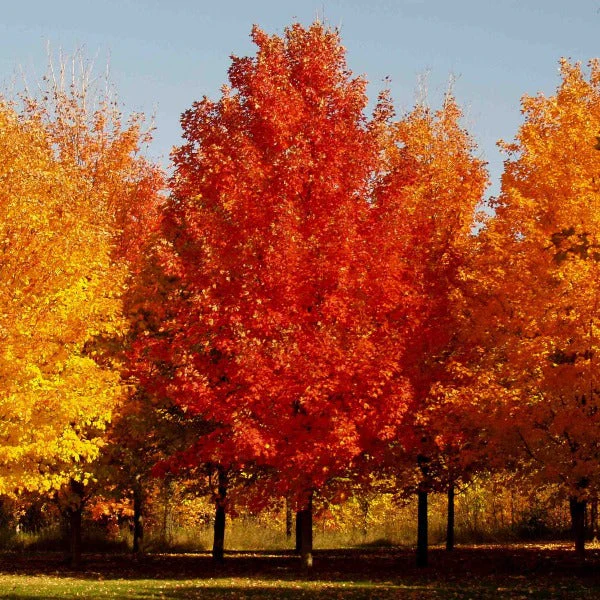
Fall is another strong season for this variety. The foliage turns bright orange-red, giving the tree one more vivid display before winter. Combined with its smooth bark and strong summer bloom, that fall color helps make Catawba a rewarding four-season planting rather than a one-moment performer.
Heat-Tolerant Beauty With Easy-Care Appeal
Catawba Crape Myrtle performs best in full sun and well-drained soil. It is especially valued for strong heat tolerance and dependable flowering in hot summer conditions, which makes it an excellent choice for sunny residential landscapes. It is also known for good mildew resistance, which adds practical long-term value for homeowners who want beauty without constant disease concerns.
Once established, it becomes a dependable ornamental tree with vivid bloom, attractive bark, and strong curb appeal. For homeowners who want a purple-flowering ornamental tree with long summer performance and manageable size, Catawba Crape Myrtle is one of the best options available.
A Crape Myrtle With Rich Purple Summer Flowers
Catawba Crape Myrtle is a standout choice for homeowners who want bold summer color that feels classic and refined. Its large clusters of deep purple flowers bloom through the heat of summer, bringing a richer, moodier look than pink or white varieties. When the garden needs color during the hottest part of the season, Catawba steps in with a bloom display that feels both dramatic and timeless.
That flower color is one of the biggest reasons people choose it for front yards, lawn islands, and focal-point beds. The dark purple tone gives the landscape real depth and contrast, especially in sunny spaces where lighter foliage plants and evergreens can help the blooms stand out even more.
Long-Lasting Color That Carries the Garden Through Summer
One of the strongest reasons to plant Catawba Crape Myrtle is its ability to keep blooming over a long stretch of the warm season. Instead of flowering briefly and fading into the background, it continues to bring color when many spring bloomers are already long finished. That makes it especially useful for homeowners who want strong curb appeal and more season-long value from a single planting.
Its summer performance also makes it a smart choice near patios, entry gardens, walkways, and outdoor living spaces where the flowers can be appreciated up close. In a mixed landscape, it helps bridge the gap between spring flowers and fall color, keeping the garden lively when strong blooms can be harder to find.
A Small Ornamental Tree With Practical Residential Scale
Catawba Crape Myrtle is especially appealing because it offers strong ornamental value in a manageable size. It is commonly grown as a small tree or large shrub, depending on how it is trained and pruned, which makes it a very useful choice for small to medium landscapes. It has enough presence to anchor a bed or lawn island, yet remains manageable for residential settings.
That flexibility makes it easy to use as a front-yard focal point, foundation-adjacent border, patio planting, or decorative landscape bed. Homeowners who want a flowering tree that feels substantial without overwhelming the space often find Catawba to be a very strong fit.
Beautiful Bark and Fall Color Extend the Interest
Like many crape myrtles, Catawba brings more than flowers to the landscape. As it matures, it develops smooth, cinnamon-colored bark that ranges from light brown to cinnamon tones, adding texture and winter interest. That bark gives the tree ornamental value even when it is not flowering and helps it function as more than just a summer bloomer.
Fall is another strong season for this variety. The foliage turns bright orange-red, giving the tree one more vivid display before winter. Combined with its smooth bark and strong summer bloom, that fall color helps make Catawba a rewarding four-season planting rather than a one-moment performer.
Heat-Tolerant Beauty With Easy-Care Appeal
Catawba Crape Myrtle performs best in full sun and well-drained soil. It is especially valued for strong heat tolerance and dependable flowering in hot summer conditions, which makes it an excellent choice for sunny residential landscapes. It is also known for good mildew resistance, which adds practical long-term value for homeowners who want beauty without constant disease concerns.
Once established, it becomes a dependable ornamental tree with vivid bloom, attractive bark, and strong curb appeal. For homeowners who want a purple-flowering ornamental tree with long summer performance and manageable size, Catawba Crape Myrtle is one of the best options available.
Original: $26.95
-70%$26.95
$8.08Description
A Crape Myrtle With Rich Purple Summer Flowers
Catawba Crape Myrtle is a standout choice for homeowners who want bold summer color that feels classic and refined. Its large clusters of deep purple flowers bloom through the heat of summer, bringing a richer, moodier look than pink or white varieties. When the garden needs color during the hottest part of the season, Catawba steps in with a bloom display that feels both dramatic and timeless.
That flower color is one of the biggest reasons people choose it for front yards, lawn islands, and focal-point beds. The dark purple tone gives the landscape real depth and contrast, especially in sunny spaces where lighter foliage plants and evergreens can help the blooms stand out even more.
Long-Lasting Color That Carries the Garden Through Summer
One of the strongest reasons to plant Catawba Crape Myrtle is its ability to keep blooming over a long stretch of the warm season. Instead of flowering briefly and fading into the background, it continues to bring color when many spring bloomers are already long finished. That makes it especially useful for homeowners who want strong curb appeal and more season-long value from a single planting.
Its summer performance also makes it a smart choice near patios, entry gardens, walkways, and outdoor living spaces where the flowers can be appreciated up close. In a mixed landscape, it helps bridge the gap between spring flowers and fall color, keeping the garden lively when strong blooms can be harder to find.
A Small Ornamental Tree With Practical Residential Scale
Catawba Crape Myrtle is especially appealing because it offers strong ornamental value in a manageable size. It is commonly grown as a small tree or large shrub, depending on how it is trained and pruned, which makes it a very useful choice for small to medium landscapes. It has enough presence to anchor a bed or lawn island, yet remains manageable for residential settings.
That flexibility makes it easy to use as a front-yard focal point, foundation-adjacent border, patio planting, or decorative landscape bed. Homeowners who want a flowering tree that feels substantial without overwhelming the space often find Catawba to be a very strong fit.
Beautiful Bark and Fall Color Extend the Interest
Like many crape myrtles, Catawba brings more than flowers to the landscape. As it matures, it develops smooth, cinnamon-colored bark that ranges from light brown to cinnamon tones, adding texture and winter interest. That bark gives the tree ornamental value even when it is not flowering and helps it function as more than just a summer bloomer.
Fall is another strong season for this variety. The foliage turns bright orange-red, giving the tree one more vivid display before winter. Combined with its smooth bark and strong summer bloom, that fall color helps make Catawba a rewarding four-season planting rather than a one-moment performer.
Heat-Tolerant Beauty With Easy-Care Appeal
Catawba Crape Myrtle performs best in full sun and well-drained soil. It is especially valued for strong heat tolerance and dependable flowering in hot summer conditions, which makes it an excellent choice for sunny residential landscapes. It is also known for good mildew resistance, which adds practical long-term value for homeowners who want beauty without constant disease concerns.
Once established, it becomes a dependable ornamental tree with vivid bloom, attractive bark, and strong curb appeal. For homeowners who want a purple-flowering ornamental tree with long summer performance and manageable size, Catawba Crape Myrtle is one of the best options available.