Duke Blueberry Bush
Early Blueberries That Start Your Season With A Real Harvest
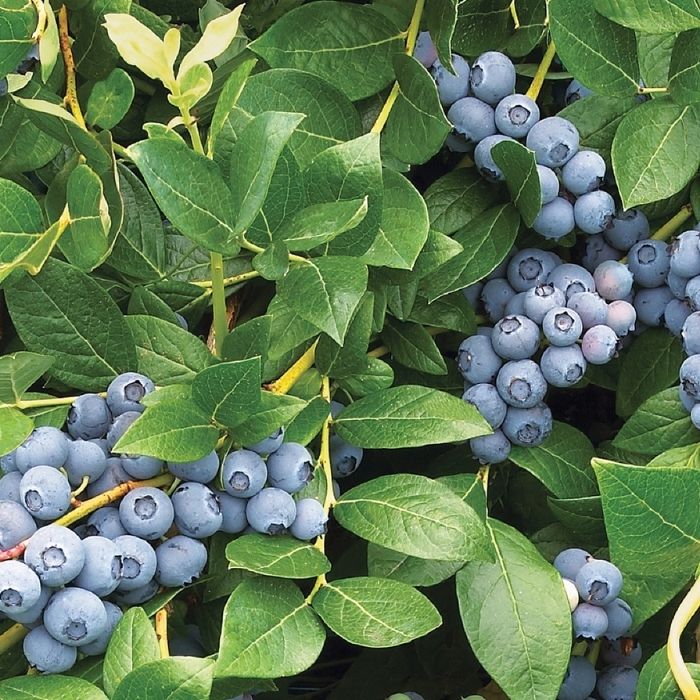
Duke Blueberry is the variety you plant when you want blueberries early and you want plenty of them. As a northern highbush blueberry, Duke is known for kicking off the season with firm, sweet berries that pick cleanly and hold their quality well. That early timing is a big deal for home gardeners: you get fruit before summer heat ramps up, and you get the satisfaction of a harvest when many other edible plants are still warming up. If you have ever grown blueberries that ripen "eventually," Duke feels like a step-change in reliability.
The spring bloom is part of the charm, too. Duke opens delicate white, bell-shaped flowers that look beautiful in edible landscapes and help attract pollinators to your yard at the right time. Plant it where you will enjoy the seasonal progression: flowers in spring, green berries forming in early summer, then a steady run of blue fruit. Duke is an excellent choice for families, home chefs, and anyone who loves the idea of a productive shrub that also looks polished in a mixed border.
A Cold-Hardy Highbush That Fits Landscapes As Well As Food Gardens
Duke is a true landscape edible. It grows as a rounded, leafy shrub with clean structure, making it easy to tuck into foundation beds, border plantings, or a dedicated fruit row without looking "farmy." The foliage is a fresh, healthy green through the growing season, and many gardens also get attractive fall color as the leaves shift to warm tones before dropping. It is a deciduous shrub, so it will lose leaves in winter, but it brings plenty of seasonal beauty on the way to fruit.
Cold hardiness is one of Duke's biggest strengths, which is why it is such a dependable choice for northern and mid-Atlantic gardeners. Give it full sun for the best flowering and fruiting, and make sure the root zone stays evenly moist (especially the first year). Once established, it becomes a steady producer that rewards consistent care rather than constant fussing. If you want a blueberry that performs reliably year after year and still looks at home in a designed landscape, Duke is a smart, confidence-building pick.
Better Pollination, More Berries, And A Bush That Produces With Less Guesswork
You can grow Duke as a single plant, but you will usually get heavier crops and better berry size when you plant it with another highbush blueberry that blooms around the same time. Think of it like setting your garden up for success: more cross-pollination usually means more fruit set and a more consistent harvest window. In a home setting, two blueberry bushes often outperform one by a surprising margin, and they extend the season so you are picking longer.
Duke is also a great choice for productive rows. Plant several in a line, and you get a hedge of edible abundance that is easy to harvest and easy to maintain with a simple annual pruning routine. Because the berries form on wood that benefits from renewal, Duke responds well to a steady, common-sense approach: keep the plant open to light, remove some older stems over time, and let strong new canes replace them. The result is a shrub that stays vigorous and keeps producing, rather than one that slowly becomes woody and stingy.
The Blueberry “Must-Haves”: Acidic Soil, Consistent Moisture, And Good Drainage
Blueberries are not hard to grow, but they are specific, and Duke will reward you when you meet its three core needs. First: acidic soil. Aim for a soil pH in the blueberry sweet spot, typically around 4.5 to 5.5, and use an acid-loving soil amendment if your garden runs neutral or alkaline. Second: consistent moisture. Blueberry roots are shallow and fine, so they do best with even watering and a thick mulch layer that keeps the root zone cool and stable. Third: drainage. They want moisture, not sogginess, so avoid low spots and improve heavy clay with organic matter.
A mulch ring is your secret weapon. Use pine bark, pine needles, or shredded leaves to help hold moisture and support acidity over time. Water deeply after planting, then maintain a steady schedule throughout the first growing season to help the root system expand. In containers, choose a large pot with excellent drainage and use a blueberry-friendly potting mix. Do the basics well, and Duke becomes the kind of plant that makes you feel like you have "figured out" blueberries for good.
Early Blueberries That Start Your Season With A Real Harvest
Duke Blueberry is the variety you plant when you want blueberries early and you want plenty of them. As a northern highbush blueberry, Duke is known for kicking off the season with firm, sweet berries that pick cleanly and hold their quality well. That early timing is a big deal for home gardeners: you get fruit before summer heat ramps up, and you get the satisfaction of a harvest when many other edible plants are still warming up. If you have ever grown blueberries that ripen "eventually," Duke feels like a step-change in reliability.
The spring bloom is part of the charm, too. Duke opens delicate white, bell-shaped flowers that look beautiful in edible landscapes and help attract pollinators to your yard at the right time. Plant it where you will enjoy the seasonal progression: flowers in spring, green berries forming in early summer, then a steady run of blue fruit. Duke is an excellent choice for families, home chefs, and anyone who loves the idea of a productive shrub that also looks polished in a mixed border.
A Cold-Hardy Highbush That Fits Landscapes As Well As Food Gardens
Duke is a true landscape edible. It grows as a rounded, leafy shrub with clean structure, making it easy to tuck into foundation beds, border plantings, or a dedicated fruit row without looking "farmy." The foliage is a fresh, healthy green through the growing season, and many gardens also get attractive fall color as the leaves shift to warm tones before dropping. It is a deciduous shrub, so it will lose leaves in winter, but it brings plenty of seasonal beauty on the way to fruit.
Cold hardiness is one of Duke's biggest strengths, which is why it is such a dependable choice for northern and mid-Atlantic gardeners. Give it full sun for the best flowering and fruiting, and make sure the root zone stays evenly moist (especially the first year). Once established, it becomes a steady producer that rewards consistent care rather than constant fussing. If you want a blueberry that performs reliably year after year and still looks at home in a designed landscape, Duke is a smart, confidence-building pick.
Better Pollination, More Berries, And A Bush That Produces With Less Guesswork
You can grow Duke as a single plant, but you will usually get heavier crops and better berry size when you plant it with another highbush blueberry that blooms around the same time. Think of it like setting your garden up for success: more cross-pollination usually means more fruit set and a more consistent harvest window. In a home setting, two blueberry bushes often outperform one by a surprising margin, and they extend the season so you are picking longer.
Duke is also a great choice for productive rows. Plant several in a line, and you get a hedge of edible abundance that is easy to harvest and easy to maintain with a simple annual pruning routine. Because the berries form on wood that benefits from renewal, Duke responds well to a steady, common-sense approach: keep the plant open to light, remove some older stems over time, and let strong new canes replace them. The result is a shrub that stays vigorous and keeps producing, rather than one that slowly becomes woody and stingy.
The Blueberry “Must-Haves”: Acidic Soil, Consistent Moisture, And Good Drainage
Blueberries are not hard to grow, but they are specific, and Duke will reward you when you meet its three core needs. First: acidic soil. Aim for a soil pH in the blueberry sweet spot, typically around 4.5 to 5.5, and use an acid-loving soil amendment if your garden runs neutral or alkaline. Second: consistent moisture. Blueberry roots are shallow and fine, so they do best with even watering and a thick mulch layer that keeps the root zone cool and stable. Third: drainage. They want moisture, not sogginess, so avoid low spots and improve heavy clay with organic matter.
A mulch ring is your secret weapon. Use pine bark, pine needles, or shredded leaves to help hold moisture and support acidity over time. Water deeply after planting, then maintain a steady schedule throughout the first growing season to help the root system expand. In containers, choose a large pot with excellent drainage and use a blueberry-friendly potting mix. Do the basics well, and Duke becomes the kind of plant that makes you feel like you have "figured out" blueberries for good.
Description
Early Blueberries That Start Your Season With A Real Harvest
Duke Blueberry is the variety you plant when you want blueberries early and you want plenty of them. As a northern highbush blueberry, Duke is known for kicking off the season with firm, sweet berries that pick cleanly and hold their quality well. That early timing is a big deal for home gardeners: you get fruit before summer heat ramps up, and you get the satisfaction of a harvest when many other edible plants are still warming up. If you have ever grown blueberries that ripen "eventually," Duke feels like a step-change in reliability.
The spring bloom is part of the charm, too. Duke opens delicate white, bell-shaped flowers that look beautiful in edible landscapes and help attract pollinators to your yard at the right time. Plant it where you will enjoy the seasonal progression: flowers in spring, green berries forming in early summer, then a steady run of blue fruit. Duke is an excellent choice for families, home chefs, and anyone who loves the idea of a productive shrub that also looks polished in a mixed border.
A Cold-Hardy Highbush That Fits Landscapes As Well As Food Gardens
Duke is a true landscape edible. It grows as a rounded, leafy shrub with clean structure, making it easy to tuck into foundation beds, border plantings, or a dedicated fruit row without looking "farmy." The foliage is a fresh, healthy green through the growing season, and many gardens also get attractive fall color as the leaves shift to warm tones before dropping. It is a deciduous shrub, so it will lose leaves in winter, but it brings plenty of seasonal beauty on the way to fruit.
Cold hardiness is one of Duke's biggest strengths, which is why it is such a dependable choice for northern and mid-Atlantic gardeners. Give it full sun for the best flowering and fruiting, and make sure the root zone stays evenly moist (especially the first year). Once established, it becomes a steady producer that rewards consistent care rather than constant fussing. If you want a blueberry that performs reliably year after year and still looks at home in a designed landscape, Duke is a smart, confidence-building pick.
Better Pollination, More Berries, And A Bush That Produces With Less Guesswork
You can grow Duke as a single plant, but you will usually get heavier crops and better berry size when you plant it with another highbush blueberry that blooms around the same time. Think of it like setting your garden up for success: more cross-pollination usually means more fruit set and a more consistent harvest window. In a home setting, two blueberry bushes often outperform one by a surprising margin, and they extend the season so you are picking longer.
Duke is also a great choice for productive rows. Plant several in a line, and you get a hedge of edible abundance that is easy to harvest and easy to maintain with a simple annual pruning routine. Because the berries form on wood that benefits from renewal, Duke responds well to a steady, common-sense approach: keep the plant open to light, remove some older stems over time, and let strong new canes replace them. The result is a shrub that stays vigorous and keeps producing, rather than one that slowly becomes woody and stingy.
The Blueberry “Must-Haves”: Acidic Soil, Consistent Moisture, And Good Drainage
Blueberries are not hard to grow, but they are specific, and Duke will reward you when you meet its three core needs. First: acidic soil. Aim for a soil pH in the blueberry sweet spot, typically around 4.5 to 5.5, and use an acid-loving soil amendment if your garden runs neutral or alkaline. Second: consistent moisture. Blueberry roots are shallow and fine, so they do best with even watering and a thick mulch layer that keeps the root zone cool and stable. Third: drainage. They want moisture, not sogginess, so avoid low spots and improve heavy clay with organic matter.
A mulch ring is your secret weapon. Use pine bark, pine needles, or shredded leaves to help hold moisture and support acidity over time. Water deeply after planting, then maintain a steady schedule throughout the first growing season to help the root system expand. In containers, choose a large pot with excellent drainage and use a blueberry-friendly potting mix. Do the basics well, and Duke becomes the kind of plant that makes you feel like you have "figured out" blueberries for good.