
Dwarf English Boxwood
Timeless Formal Style For Parterres, Knot Gardens, And Crisp Edges
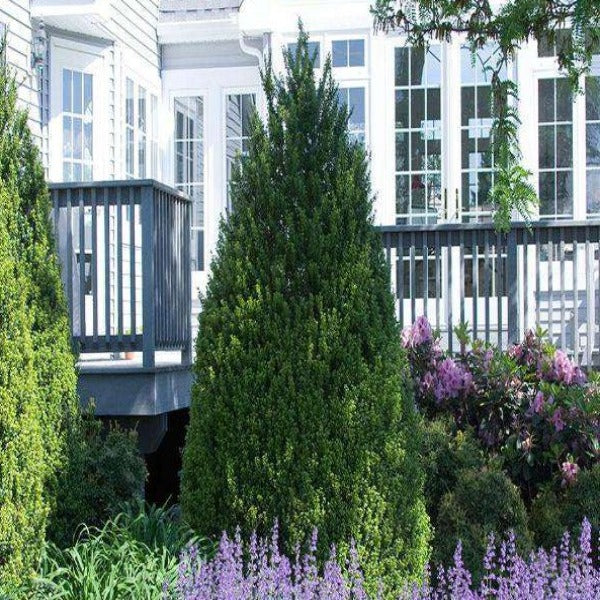
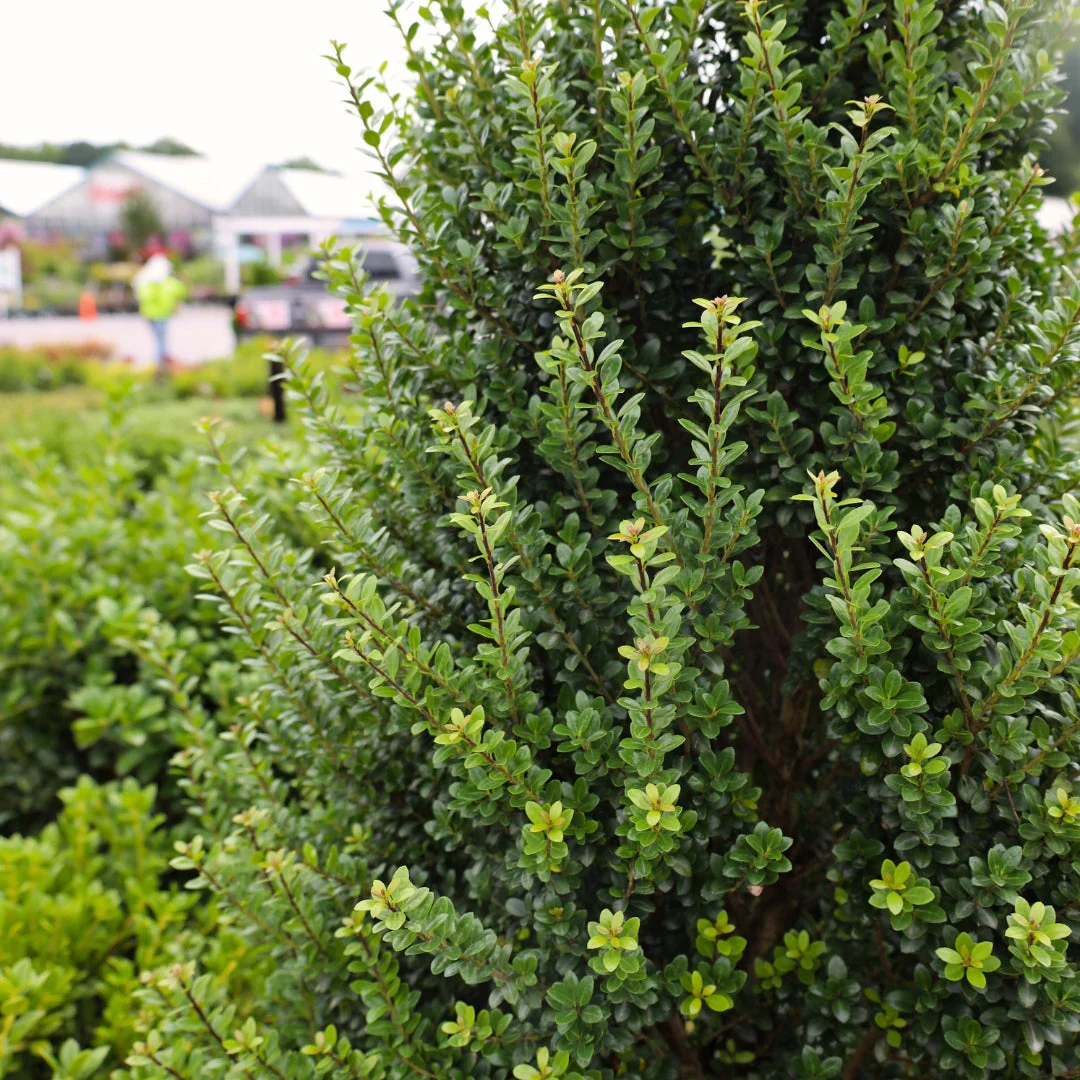
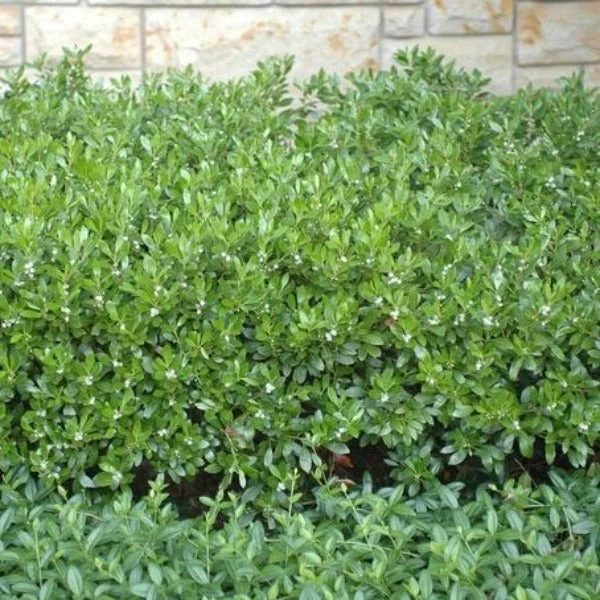
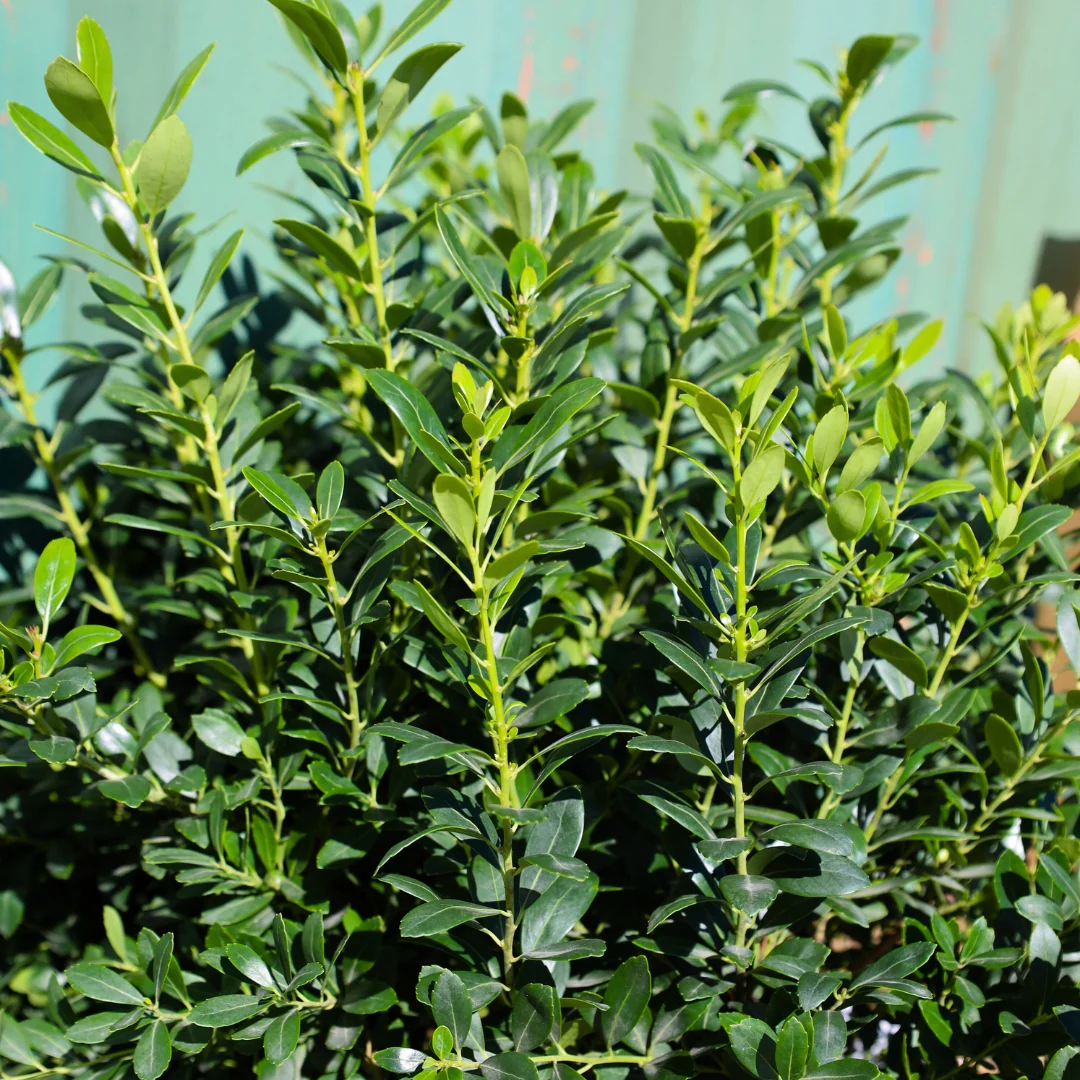
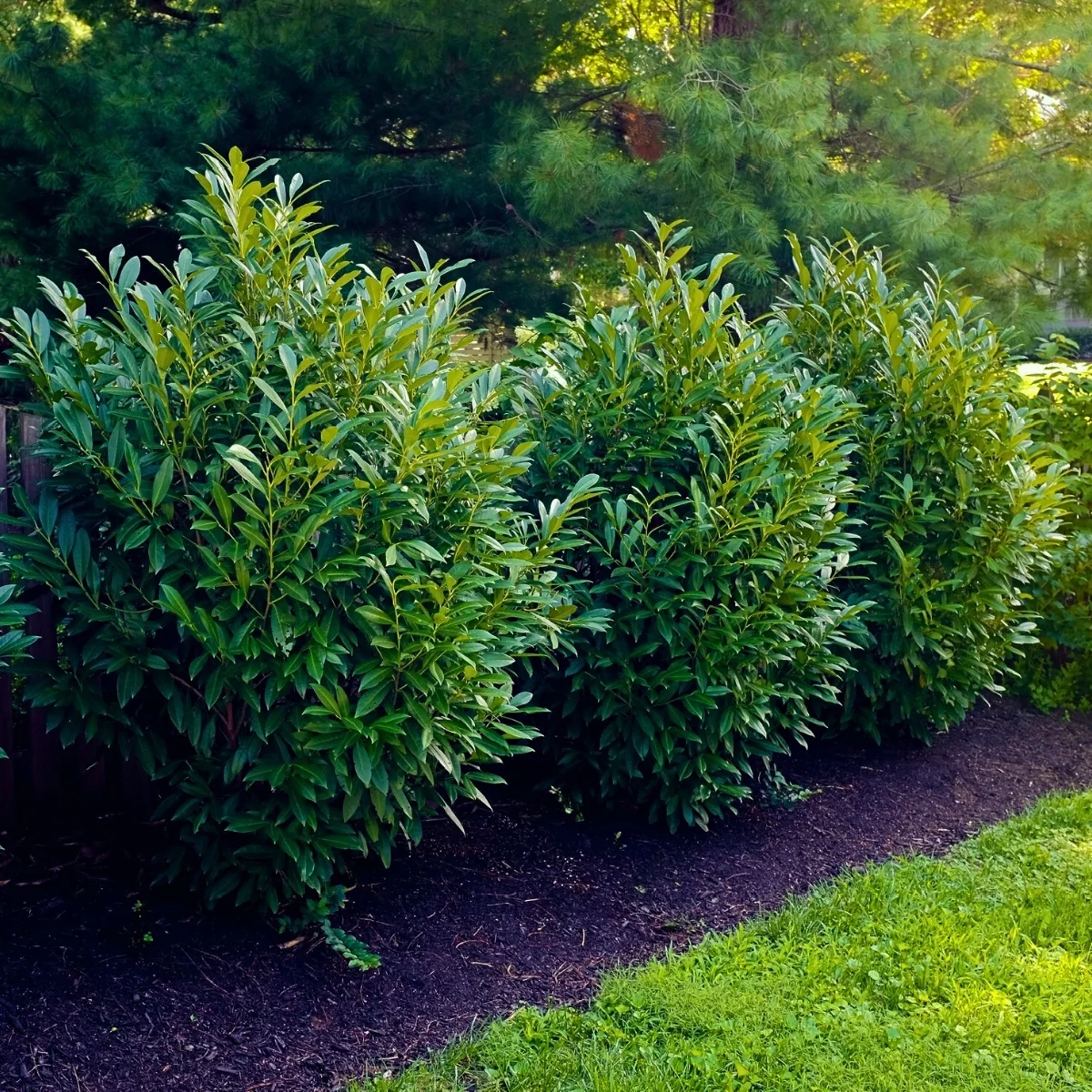
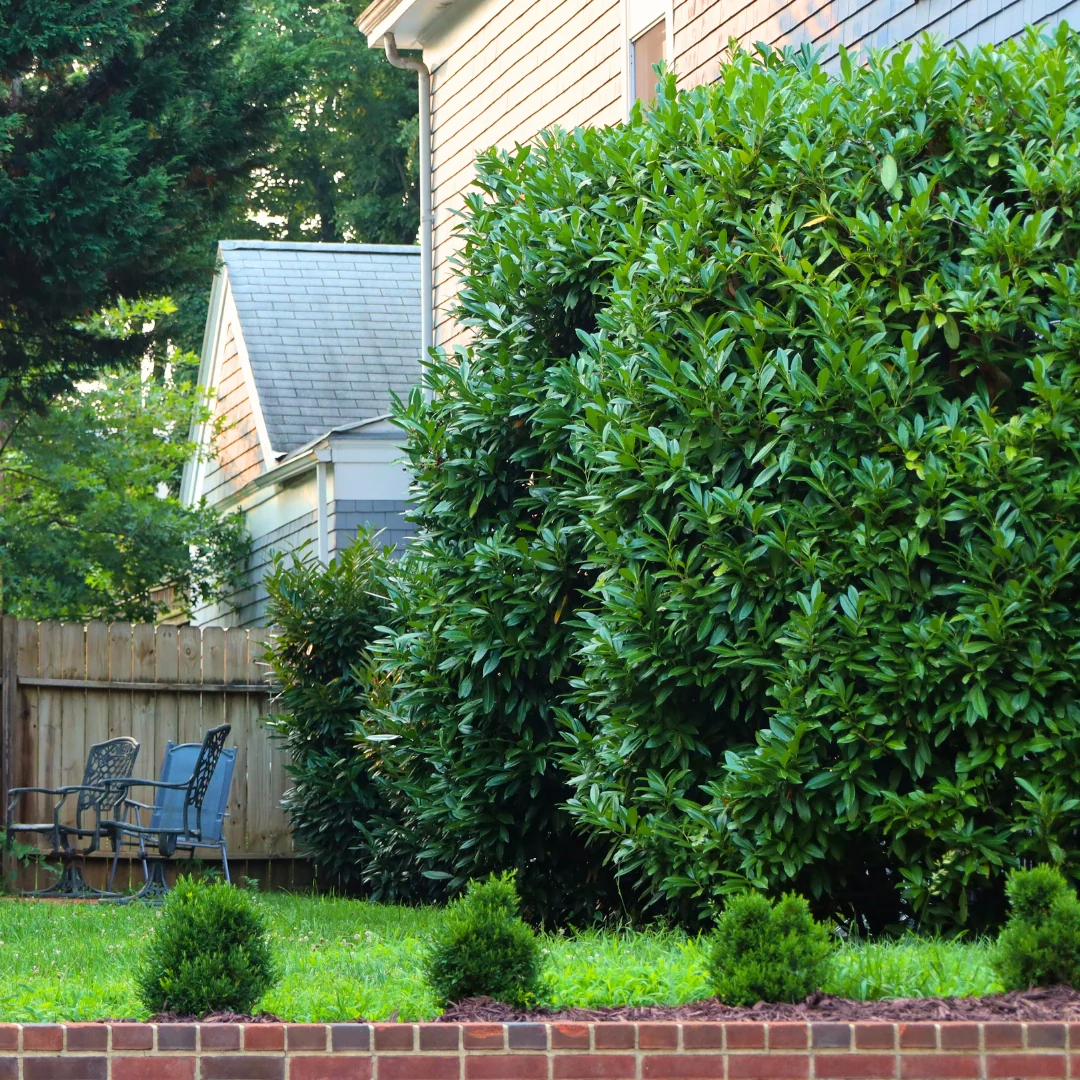
Dwarf English Boxwood is the gold standard for formal garden design—especially when you want clean lines at a low height. Its small, fine-textured leaves and naturally dense branching create that “tailored” look that makes pathways, beds, and parterres feel intentional. If you’ve ever admired a classic knot garden or a perfectly defined border, there’s a good chance this is the boxwood doing the heavy lifting.
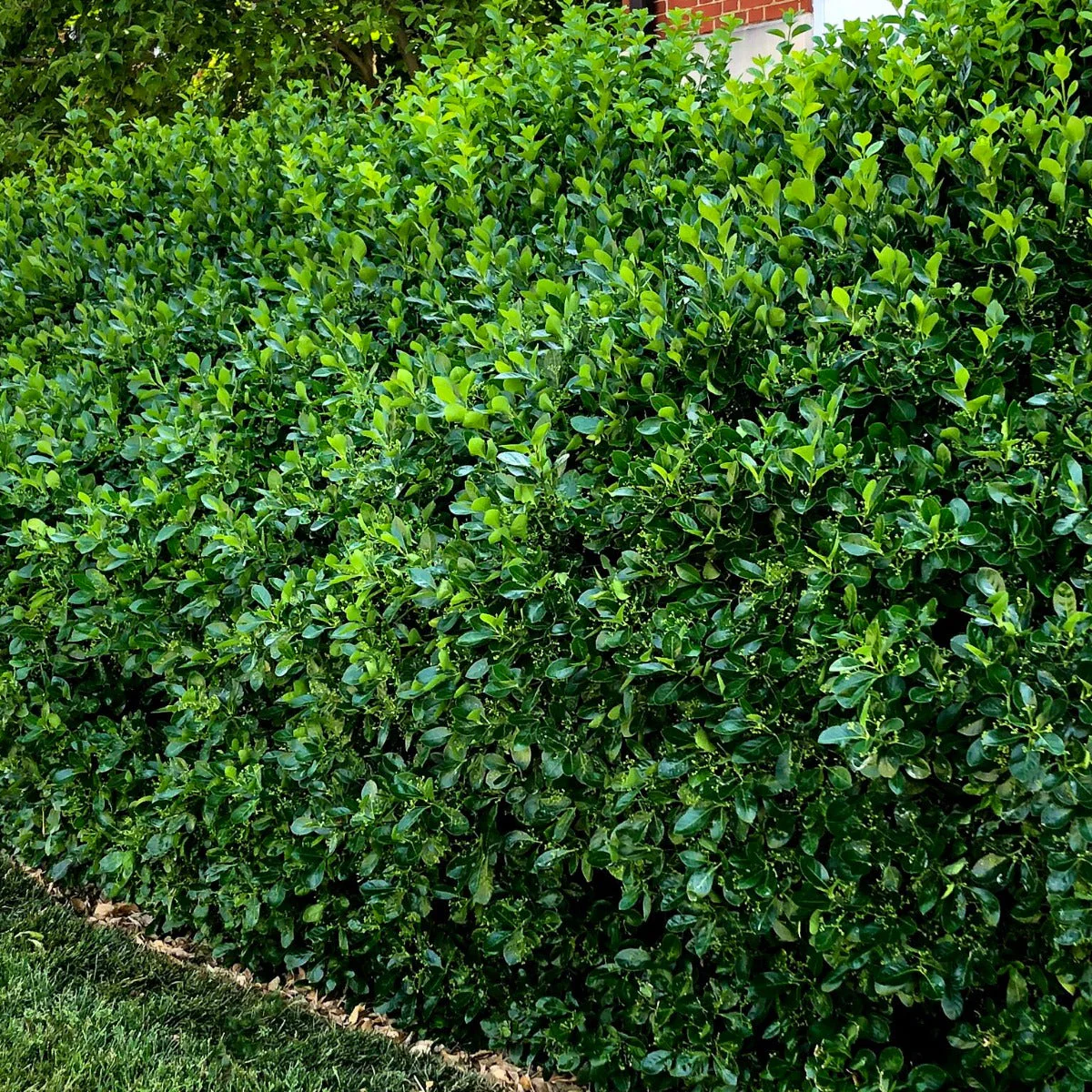
Because it stays compact and tidy, it’s ideal for tight spaces where larger boxwoods feel too bulky. Use it to outline geometric beds, edge a brick walk, frame a rose border, or build an elegant green ribbon along a driveway. Even when nothing is blooming, Dwarf English Boxwood keeps the entire landscape looking composed and finished.
Slow-Growing Density That Stays Neat With Minimal Maintenance
One of the biggest reasons designers love Dwarf English Boxwood is its slow growth. It doesn’t surge into constant pruning the way faster shrubs can—so your borders stay within bounds, and your work stays simple. That slow, steady pace also supports a finer, tighter texture, which is exactly what you want for low hedges and detailed garden patterns.
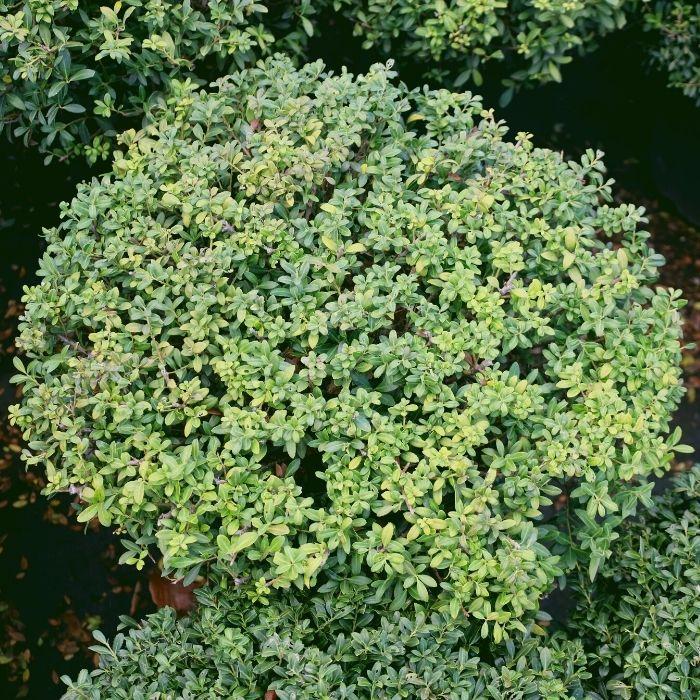
This is the kind of evergreen that rewards light, consistent shaping rather than heavy cutting. A modest trim after spring growth is often enough to keep edges crisp and plants dense. And if you prefer a softer look, you can let it grow naturally into compact mounds that still read clean and refined. It’s a low-maintenance way to get a high-end, formal finish.
Evergreen Structure With Deer Resistance For Real-World Gardens
Dwarf English Boxwood holds evergreen foliage year-round, giving you reliable structure through winter when perennials and flowering shrubs fade back. That four-season presence is especially valuable in front yards and foundation beds where winter emptiness can make a landscape feel unfinished. With boxwood, you keep your “bones” intact—so spring blooms and summer color always have a strong backdrop.
It’s also generally considered deer-resistant, which makes it a smart pick for borders and hedges that you don’t want to replant every year. While no plant is completely deer-proof, boxwood’s foliage is typically less appealing to browsing than many ornamentals. If deer pressure is part of your reality, this shrub helps you build a garden that holds up better over time.
A Versatile Workhorse For Sun Or Shade And Containers Too
Dwarf English Boxwood adapts well to full sun to partial shade, making it easier to use across a property where light conditions change throughout the day. In hotter climates or exposed sites, a bit of afternoon shade can be helpful, while good airflow and well-drained soil keep plants looking their best. Add a mulch ring to stabilize moisture, and you’ve covered the biggest success factors.
It also performs beautifully in containers, especially for formal entry planters and patio pots where you want year-round evergreen structure. Use one as a tidy green accent, or plant pairs to frame steps and doorways. When you want classic style that stays compact, behaves in borders, and looks good in a pot, Dwarf English Boxwood is hard to beat.
Timeless Formal Style For Parterres, Knot Gardens, And Crisp Edges
Dwarf English Boxwood is the gold standard for formal garden design—especially when you want clean lines at a low height. Its small, fine-textured leaves and naturally dense branching create that “tailored” look that makes pathways, beds, and parterres feel intentional. If you’ve ever admired a classic knot garden or a perfectly defined border, there’s a good chance this is the boxwood doing the heavy lifting.
Because it stays compact and tidy, it’s ideal for tight spaces where larger boxwoods feel too bulky. Use it to outline geometric beds, edge a brick walk, frame a rose border, or build an elegant green ribbon along a driveway. Even when nothing is blooming, Dwarf English Boxwood keeps the entire landscape looking composed and finished.
Slow-Growing Density That Stays Neat With Minimal Maintenance
One of the biggest reasons designers love Dwarf English Boxwood is its slow growth. It doesn’t surge into constant pruning the way faster shrubs can—so your borders stay within bounds, and your work stays simple. That slow, steady pace also supports a finer, tighter texture, which is exactly what you want for low hedges and detailed garden patterns.
This is the kind of evergreen that rewards light, consistent shaping rather than heavy cutting. A modest trim after spring growth is often enough to keep edges crisp and plants dense. And if you prefer a softer look, you can let it grow naturally into compact mounds that still read clean and refined. It’s a low-maintenance way to get a high-end, formal finish.
Evergreen Structure With Deer Resistance For Real-World Gardens
Dwarf English Boxwood holds evergreen foliage year-round, giving you reliable structure through winter when perennials and flowering shrubs fade back. That four-season presence is especially valuable in front yards and foundation beds where winter emptiness can make a landscape feel unfinished. With boxwood, you keep your “bones” intact—so spring blooms and summer color always have a strong backdrop.
It’s also generally considered deer-resistant, which makes it a smart pick for borders and hedges that you don’t want to replant every year. While no plant is completely deer-proof, boxwood’s foliage is typically less appealing to browsing than many ornamentals. If deer pressure is part of your reality, this shrub helps you build a garden that holds up better over time.
A Versatile Workhorse For Sun Or Shade And Containers Too
Dwarf English Boxwood adapts well to full sun to partial shade, making it easier to use across a property where light conditions change throughout the day. In hotter climates or exposed sites, a bit of afternoon shade can be helpful, while good airflow and well-drained soil keep plants looking their best. Add a mulch ring to stabilize moisture, and you’ve covered the biggest success factors.
It also performs beautifully in containers, especially for formal entry planters and patio pots where you want year-round evergreen structure. Use one as a tidy green accent, or plant pairs to frame steps and doorways. When you want classic style that stays compact, behaves in borders, and looks good in a pot, Dwarf English Boxwood is hard to beat.
Original: $34.95
-70%$34.95
$10.49Description
Timeless Formal Style For Parterres, Knot Gardens, And Crisp Edges
Dwarf English Boxwood is the gold standard for formal garden design—especially when you want clean lines at a low height. Its small, fine-textured leaves and naturally dense branching create that “tailored” look that makes pathways, beds, and parterres feel intentional. If you’ve ever admired a classic knot garden or a perfectly defined border, there’s a good chance this is the boxwood doing the heavy lifting.
Because it stays compact and tidy, it’s ideal for tight spaces where larger boxwoods feel too bulky. Use it to outline geometric beds, edge a brick walk, frame a rose border, or build an elegant green ribbon along a driveway. Even when nothing is blooming, Dwarf English Boxwood keeps the entire landscape looking composed and finished.
Slow-Growing Density That Stays Neat With Minimal Maintenance
One of the biggest reasons designers love Dwarf English Boxwood is its slow growth. It doesn’t surge into constant pruning the way faster shrubs can—so your borders stay within bounds, and your work stays simple. That slow, steady pace also supports a finer, tighter texture, which is exactly what you want for low hedges and detailed garden patterns.
This is the kind of evergreen that rewards light, consistent shaping rather than heavy cutting. A modest trim after spring growth is often enough to keep edges crisp and plants dense. And if you prefer a softer look, you can let it grow naturally into compact mounds that still read clean and refined. It’s a low-maintenance way to get a high-end, formal finish.
Evergreen Structure With Deer Resistance For Real-World Gardens
Dwarf English Boxwood holds evergreen foliage year-round, giving you reliable structure through winter when perennials and flowering shrubs fade back. That four-season presence is especially valuable in front yards and foundation beds where winter emptiness can make a landscape feel unfinished. With boxwood, you keep your “bones” intact—so spring blooms and summer color always have a strong backdrop.
It’s also generally considered deer-resistant, which makes it a smart pick for borders and hedges that you don’t want to replant every year. While no plant is completely deer-proof, boxwood’s foliage is typically less appealing to browsing than many ornamentals. If deer pressure is part of your reality, this shrub helps you build a garden that holds up better over time.
A Versatile Workhorse For Sun Or Shade And Containers Too
Dwarf English Boxwood adapts well to full sun to partial shade, making it easier to use across a property where light conditions change throughout the day. In hotter climates or exposed sites, a bit of afternoon shade can be helpful, while good airflow and well-drained soil keep plants looking their best. Add a mulch ring to stabilize moisture, and you’ve covered the biggest success factors.
It also performs beautifully in containers, especially for formal entry planters and patio pots where you want year-round evergreen structure. Use one as a tidy green accent, or plant pairs to frame steps and doorways. When you want classic style that stays compact, behaves in borders, and looks good in a pot, Dwarf English Boxwood is hard to beat.