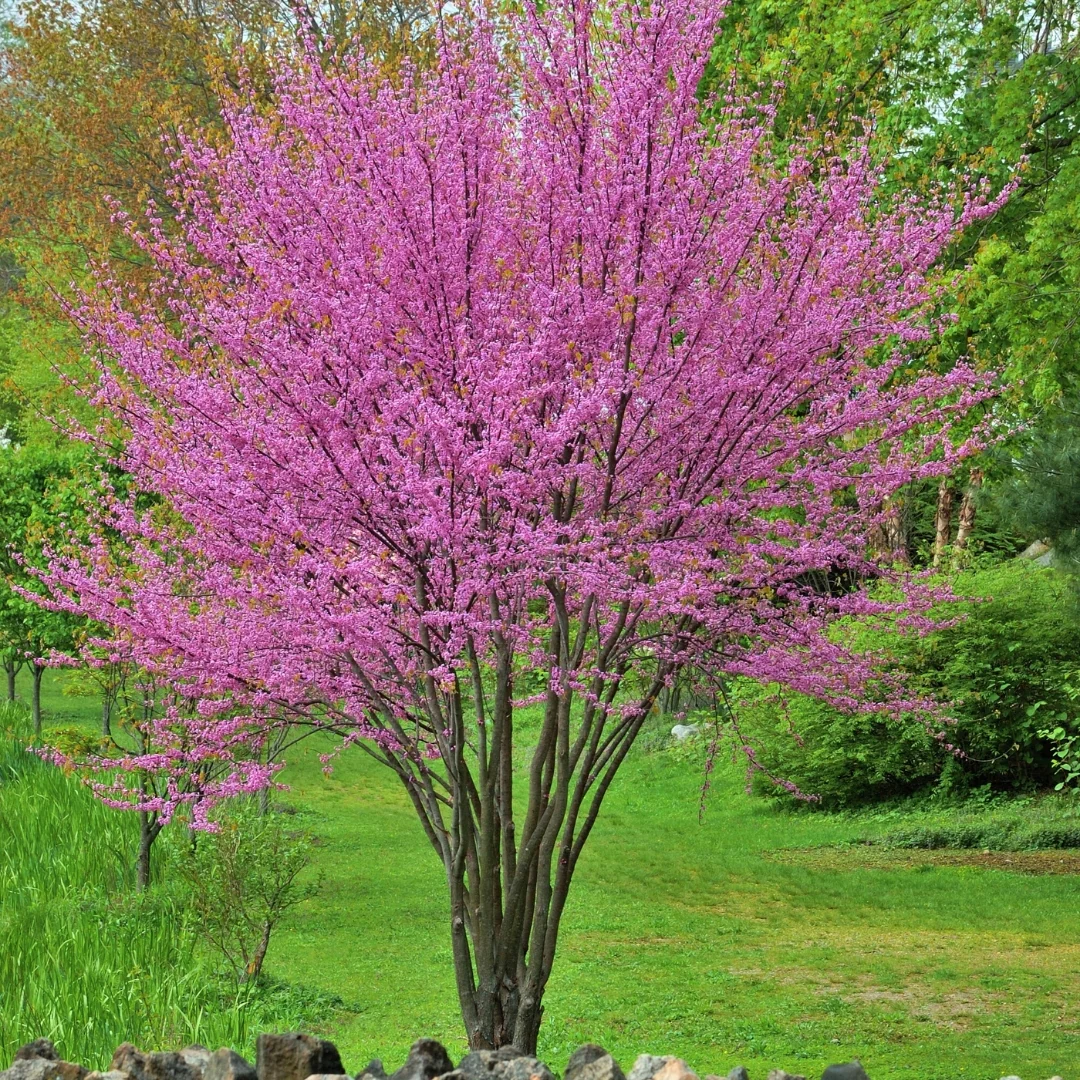
Eastern Redbud Tree
Pink Spring Blooms That Turn Any Yard Into A Destination
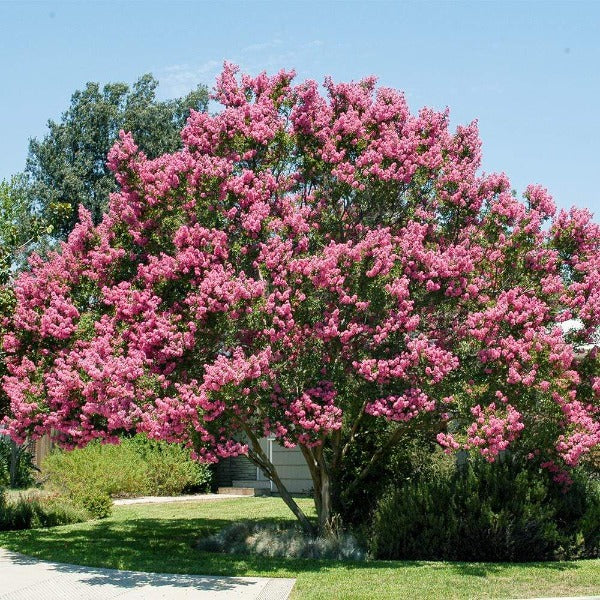
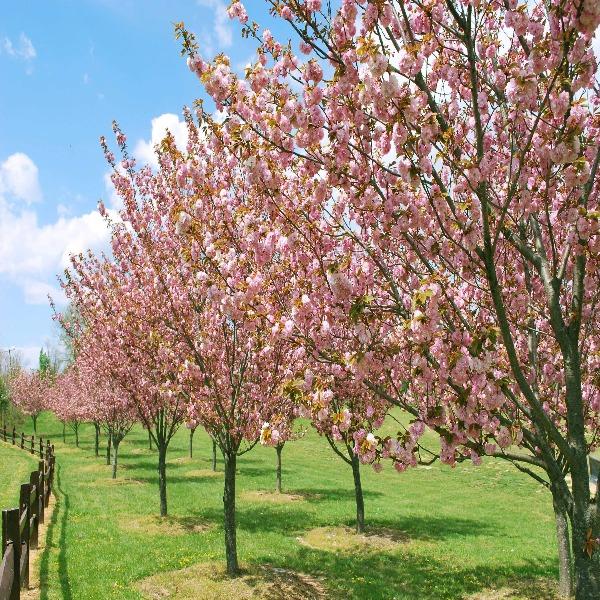
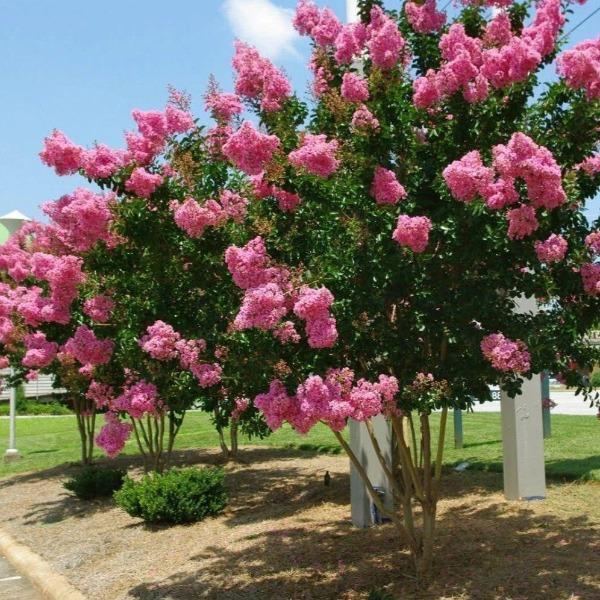
Eastern Redbud is one of those trees that changes the mood of a whole landscape. In early spring—before most trees even think about leafing out—branches light up with rosy pink blooms that seem to appear overnight. That timing is everything: it gives you a true “first big color moment” of the season, making front yards feel welcoming, and backyards feel alive again. Plant one where you’ll see it from a window or along the driveway, and spring instantly feels more intentional.
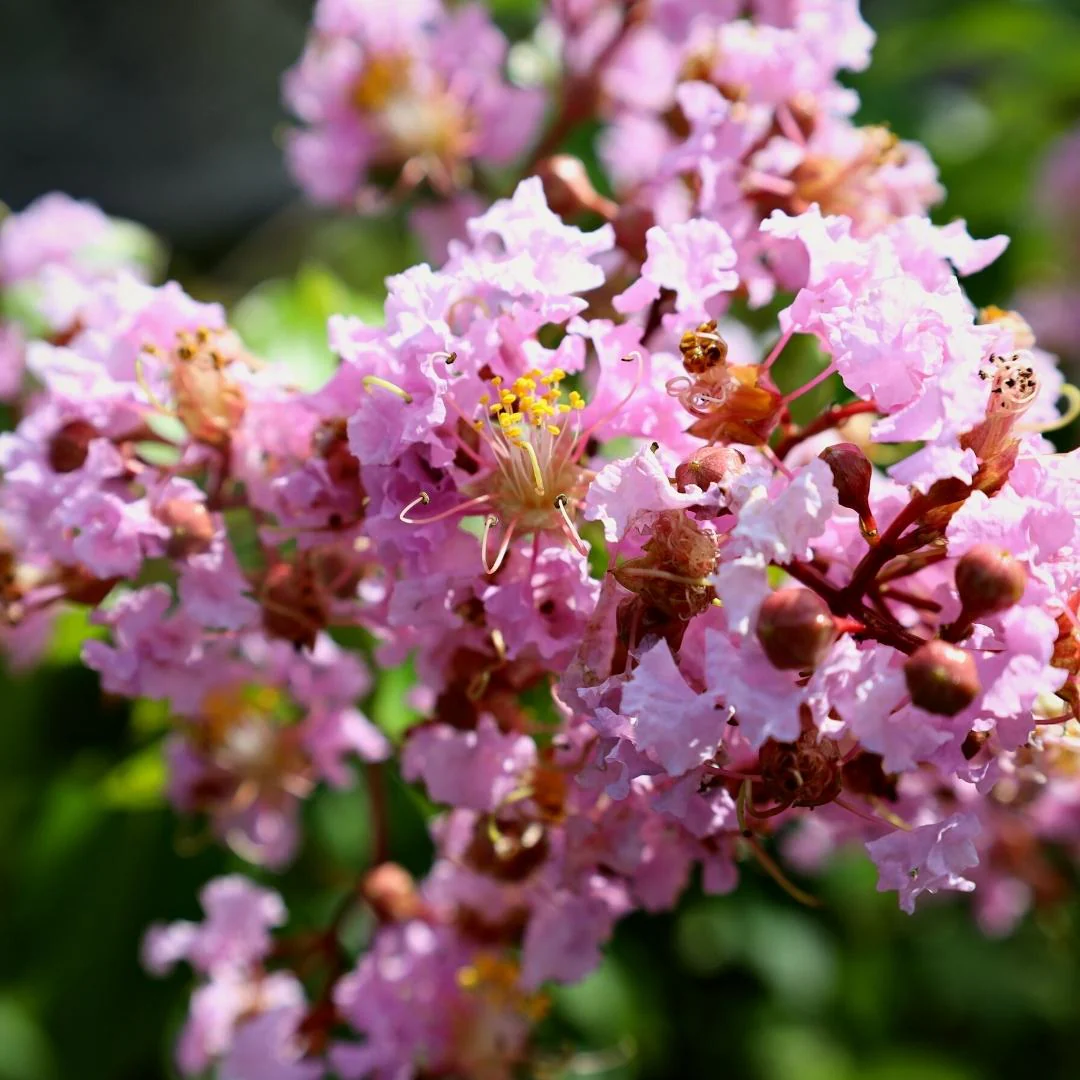
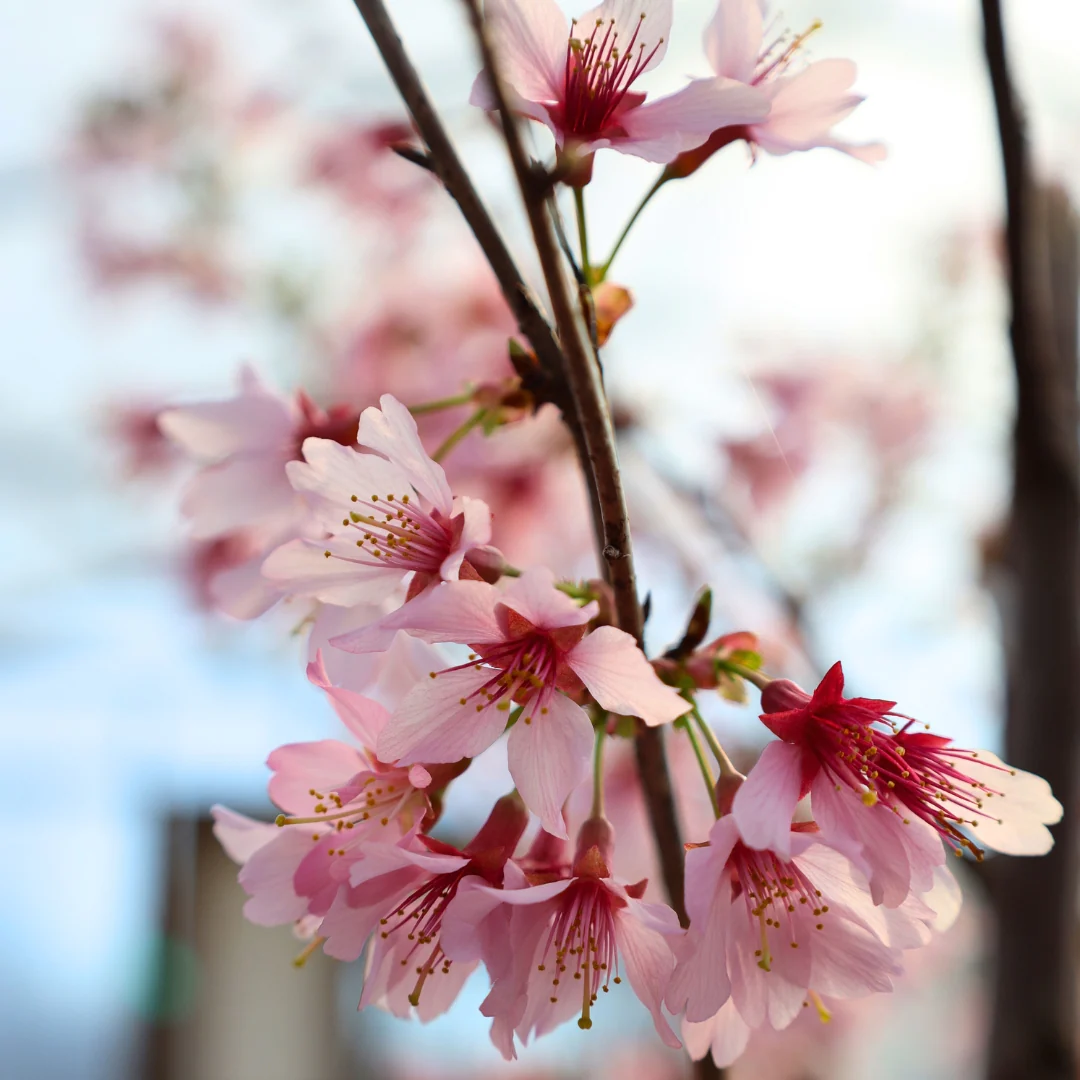
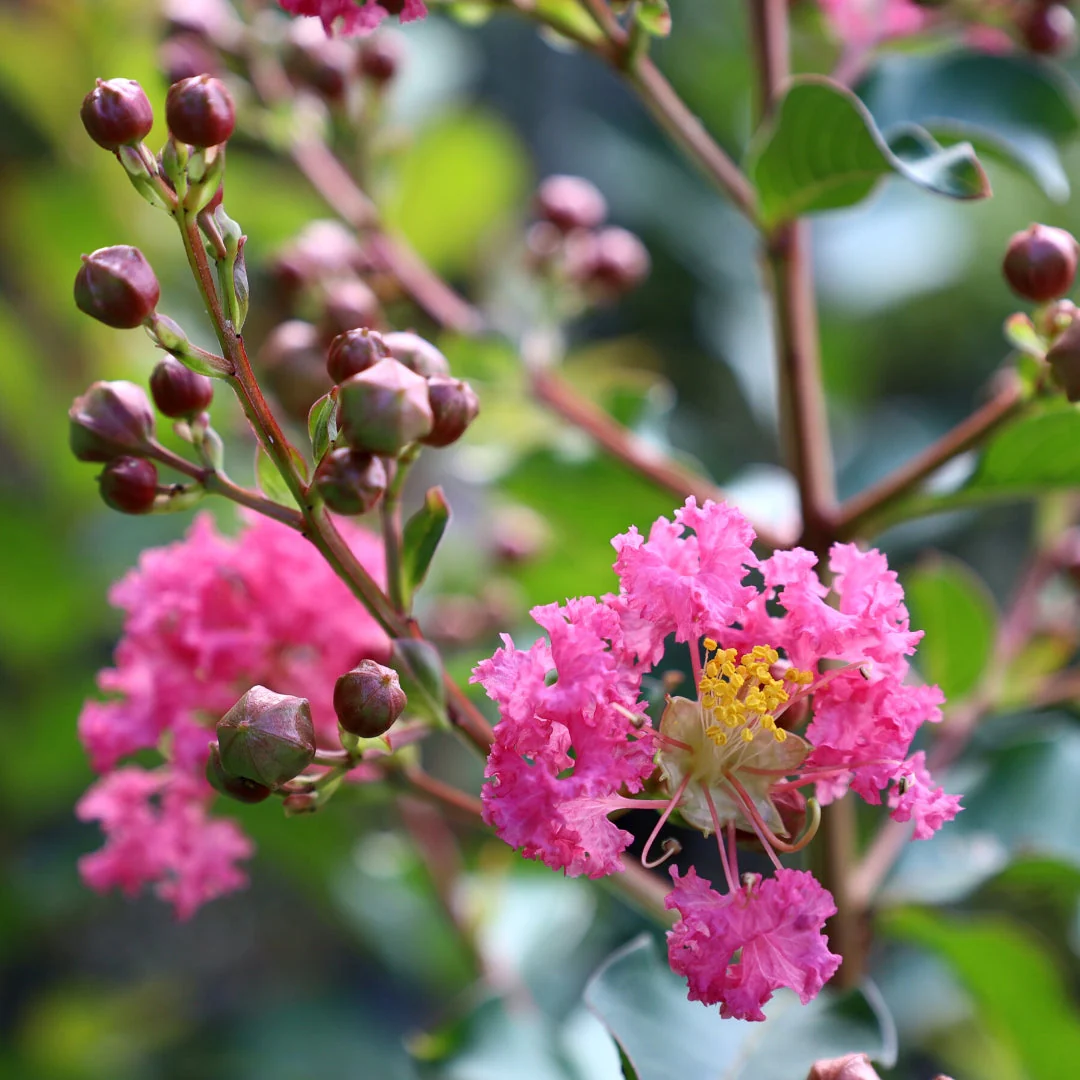
The bloom habit is also uniquely charming because flowers show along stems and older branches, not just at the tips. From a design standpoint, that creates a fuller, more sculptural look than many spring-flowering trees. Whether you’re building curb appeal, creating an understory layer beneath larger canopy trees, or adding a focal point near a patio, Eastern Redbud delivers a seasonal show that feels classic—and never goes out of style.
Perfectly Sized Shade Tree For Modern Landscapes
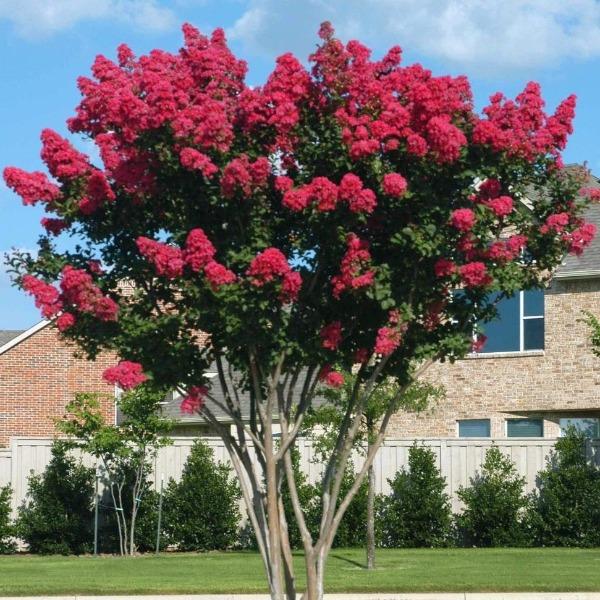
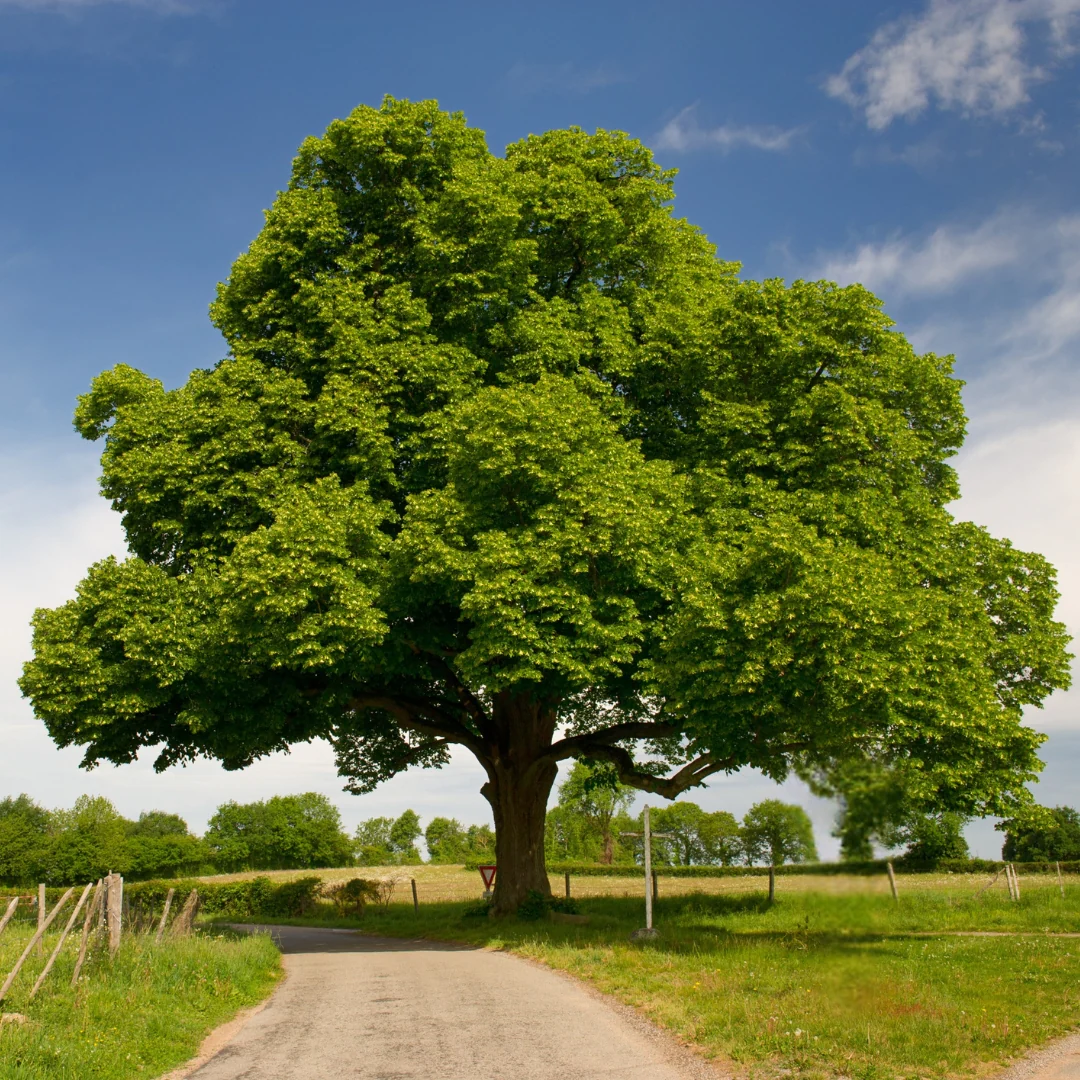
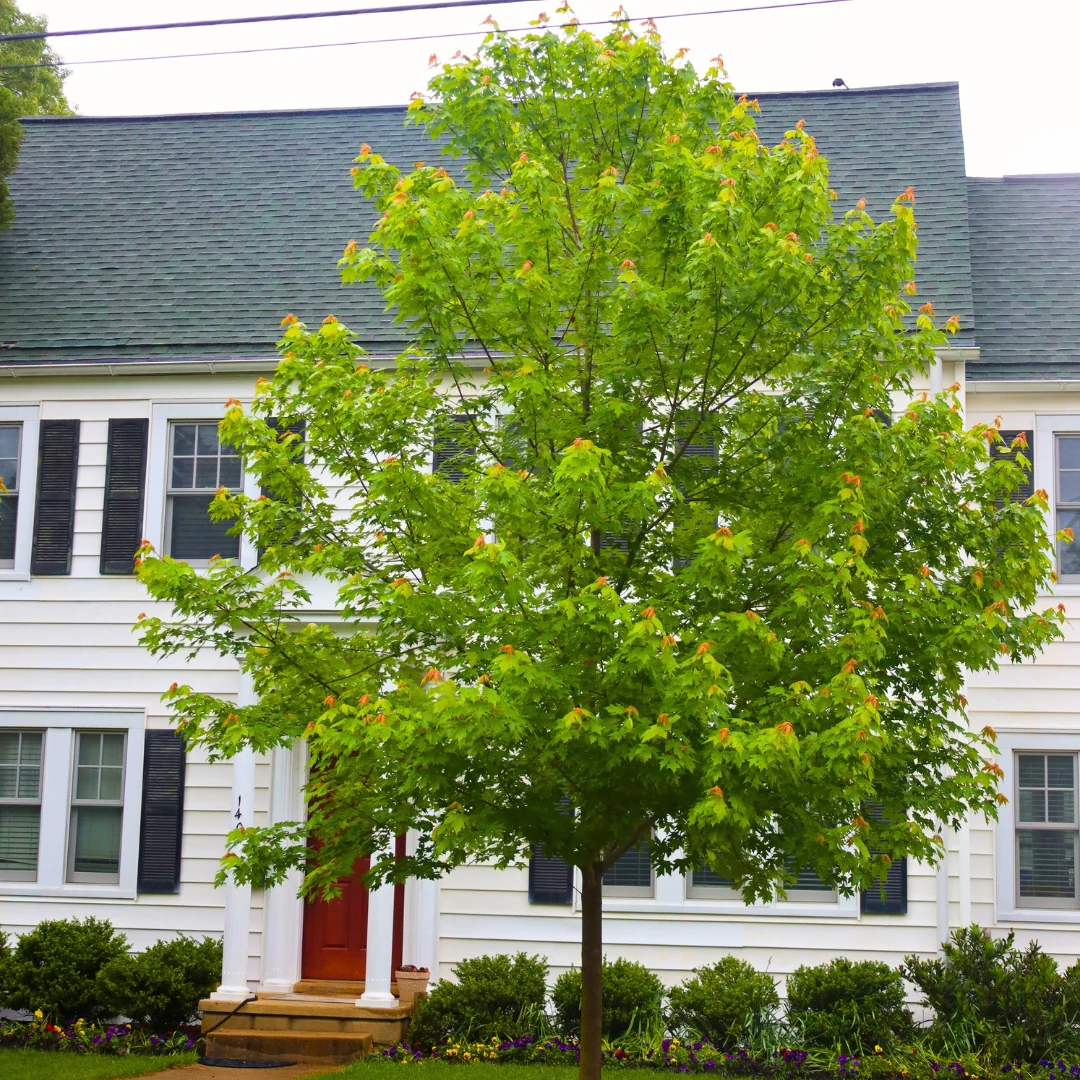
If you want a flowering tree that won’t overwhelm a smaller lot, Eastern Redbud is a smart fit. It typically matures to 20–30 feet tall, with a rounded to vase-like canopy that can spread 25–35 feet over time. That “small-to-medium” footprint is exactly what many shoppers need: enough presence to anchor the yard, enough canopy to cast dappled shade, and still manageable around homes, fences, and garden beds.
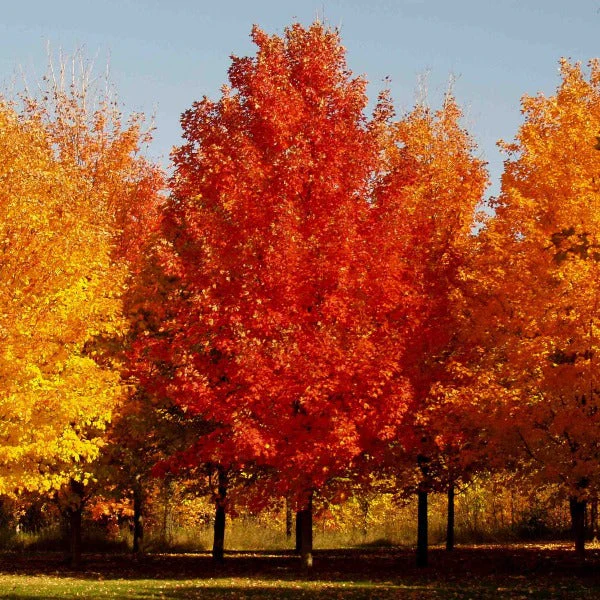
After bloom, heart-shaped leaves emerge in fresh green, creating a soft, layered canopy that plays beautifully with understory plantings. In fall, foliage often shifts to warm yellow-gold, extending the tree’s seasonal interest beyond spring. This is a tree that earns its keep across multiple seasons—flowers in spring, shade in summer, and color in fall—without demanding the space of a large shade tree.
Easy Light And Soil Match For Strong Growth And Better Blooming
Eastern Redbud performs well in full sun to part shade, and that flexibility makes it easy to site in real-world yards. For the strongest flowering, aim for more sun (especially morning sun), while part shade can be ideal in hotter climates where late-day heat is intense. Either way, the goal is a spot that supports steady growth without stressing the tree—bright light, decent airflow, and room for the canopy to develop naturally.
Soil-wise, redbuds are adaptable, but drainage matters. They prefer well-drained soil and don’t love sitting wet, especially in heavy clay or low areas where water lingers after rain. A simple win is to plant slightly high, improve the planting area with organic matter, and mulch to stabilize moisture. Get that foundation right, and the tree settles in faster, grows cleaner, and becomes more resilient during summer swings.
Low-Maintenance Beauty With Simple Pruning And Long-Term Payoff
Eastern Redbud is not a high-maintenance tree, and that’s a big part of its appeal. The best approach is “support, don’t over-manage”: consistent watering during establishment, a mulch ring to protect roots and moderate soil temperature, and light pruning to keep structure clean. You don’t need to shear or shape it into submission—its natural habit is part of the charm.
Pruning is easiest in late winter before bud break, or right after flowering if you’re correcting minor shape issues. Focus on removing dead or rubbing branches and keeping a strong branch structure as the tree matures. With a good start, you’ll have a spring showpiece that also supports pollinators, layers beautifully into native plantings, and adds real value to the landscape year after year.
Pink Spring Blooms That Turn Any Yard Into A Destination
Eastern Redbud is one of those trees that changes the mood of a whole landscape. In early spring—before most trees even think about leafing out—branches light up with rosy pink blooms that seem to appear overnight. That timing is everything: it gives you a true “first big color moment” of the season, making front yards feel welcoming, and backyards feel alive again. Plant one where you’ll see it from a window or along the driveway, and spring instantly feels more intentional.
The bloom habit is also uniquely charming because flowers show along stems and older branches, not just at the tips. From a design standpoint, that creates a fuller, more sculptural look than many spring-flowering trees. Whether you’re building curb appeal, creating an understory layer beneath larger canopy trees, or adding a focal point near a patio, Eastern Redbud delivers a seasonal show that feels classic—and never goes out of style.
Perfectly Sized Shade Tree For Modern Landscapes
If you want a flowering tree that won’t overwhelm a smaller lot, Eastern Redbud is a smart fit. It typically matures to 20–30 feet tall, with a rounded to vase-like canopy that can spread 25–35 feet over time. That “small-to-medium” footprint is exactly what many shoppers need: enough presence to anchor the yard, enough canopy to cast dappled shade, and still manageable around homes, fences, and garden beds.
After bloom, heart-shaped leaves emerge in fresh green, creating a soft, layered canopy that plays beautifully with understory plantings. In fall, foliage often shifts to warm yellow-gold, extending the tree’s seasonal interest beyond spring. This is a tree that earns its keep across multiple seasons—flowers in spring, shade in summer, and color in fall—without demanding the space of a large shade tree.
Easy Light And Soil Match For Strong Growth And Better Blooming
Eastern Redbud performs well in full sun to part shade, and that flexibility makes it easy to site in real-world yards. For the strongest flowering, aim for more sun (especially morning sun), while part shade can be ideal in hotter climates where late-day heat is intense. Either way, the goal is a spot that supports steady growth without stressing the tree—bright light, decent airflow, and room for the canopy to develop naturally.
Soil-wise, redbuds are adaptable, but drainage matters. They prefer well-drained soil and don’t love sitting wet, especially in heavy clay or low areas where water lingers after rain. A simple win is to plant slightly high, improve the planting area with organic matter, and mulch to stabilize moisture. Get that foundation right, and the tree settles in faster, grows cleaner, and becomes more resilient during summer swings.
Low-Maintenance Beauty With Simple Pruning And Long-Term Payoff
Eastern Redbud is not a high-maintenance tree, and that’s a big part of its appeal. The best approach is “support, don’t over-manage”: consistent watering during establishment, a mulch ring to protect roots and moderate soil temperature, and light pruning to keep structure clean. You don’t need to shear or shape it into submission—its natural habit is part of the charm.
Pruning is easiest in late winter before bud break, or right after flowering if you’re correcting minor shape issues. Focus on removing dead or rubbing branches and keeping a strong branch structure as the tree matures. With a good start, you’ll have a spring showpiece that also supports pollinators, layers beautifully into native plantings, and adds real value to the landscape year after year.
Original: $59.95
-70%$59.95
$17.98Description
Pink Spring Blooms That Turn Any Yard Into A Destination
Eastern Redbud is one of those trees that changes the mood of a whole landscape. In early spring—before most trees even think about leafing out—branches light up with rosy pink blooms that seem to appear overnight. That timing is everything: it gives you a true “first big color moment” of the season, making front yards feel welcoming, and backyards feel alive again. Plant one where you’ll see it from a window or along the driveway, and spring instantly feels more intentional.
The bloom habit is also uniquely charming because flowers show along stems and older branches, not just at the tips. From a design standpoint, that creates a fuller, more sculptural look than many spring-flowering trees. Whether you’re building curb appeal, creating an understory layer beneath larger canopy trees, or adding a focal point near a patio, Eastern Redbud delivers a seasonal show that feels classic—and never goes out of style.
Perfectly Sized Shade Tree For Modern Landscapes
If you want a flowering tree that won’t overwhelm a smaller lot, Eastern Redbud is a smart fit. It typically matures to 20–30 feet tall, with a rounded to vase-like canopy that can spread 25–35 feet over time. That “small-to-medium” footprint is exactly what many shoppers need: enough presence to anchor the yard, enough canopy to cast dappled shade, and still manageable around homes, fences, and garden beds.
After bloom, heart-shaped leaves emerge in fresh green, creating a soft, layered canopy that plays beautifully with understory plantings. In fall, foliage often shifts to warm yellow-gold, extending the tree’s seasonal interest beyond spring. This is a tree that earns its keep across multiple seasons—flowers in spring, shade in summer, and color in fall—without demanding the space of a large shade tree.
Easy Light And Soil Match For Strong Growth And Better Blooming
Eastern Redbud performs well in full sun to part shade, and that flexibility makes it easy to site in real-world yards. For the strongest flowering, aim for more sun (especially morning sun), while part shade can be ideal in hotter climates where late-day heat is intense. Either way, the goal is a spot that supports steady growth without stressing the tree—bright light, decent airflow, and room for the canopy to develop naturally.
Soil-wise, redbuds are adaptable, but drainage matters. They prefer well-drained soil and don’t love sitting wet, especially in heavy clay or low areas where water lingers after rain. A simple win is to plant slightly high, improve the planting area with organic matter, and mulch to stabilize moisture. Get that foundation right, and the tree settles in faster, grows cleaner, and becomes more resilient during summer swings.
Low-Maintenance Beauty With Simple Pruning And Long-Term Payoff
Eastern Redbud is not a high-maintenance tree, and that’s a big part of its appeal. The best approach is “support, don’t over-manage”: consistent watering during establishment, a mulch ring to protect roots and moderate soil temperature, and light pruning to keep structure clean. You don’t need to shear or shape it into submission—its natural habit is part of the charm.
Pruning is easiest in late winter before bud break, or right after flowering if you’re correcting minor shape issues. Focus on removing dead or rubbing branches and keeping a strong branch structure as the tree matures. With a good start, you’ll have a spring showpiece that also supports pollinators, layers beautifully into native plantings, and adds real value to the landscape year after year.