Forest Pansy Redbud Tree
Purple Heart-Shaped Leaves That Look Instantly Upscale
Forest Pansy Redbud is the tree you choose when you want foliage to be the main event. After the early spring bloom show, the canopy fills with rich burgundy-to-purple, heart-shaped leaves that bring contrast and depth to the landscape all season. That color reads “designed” right away—especially next to evergreens, silver foliage, or bright chartreuse shrubs. In a mixed planting, Forest Pansy acts like a color anchor, making everything around it look more intentional.
As the season progresses, the purple tones can soften toward deeper greenish-purple, especially in more shade, but the overall effect remains bold and distinctive. Place it where you want the canopy to pop—near an entry, along a front walk, or as a focal point beyond a patio. If you’re building curb appeal and want a tree that looks special even when nothing else is blooming, Forest Pansy earns its keep.
Rosy Pink Spring Flowers That Start The Season With Wow
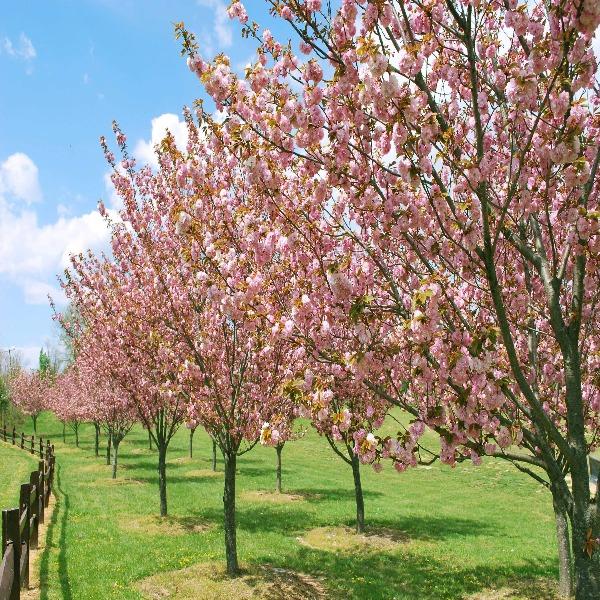
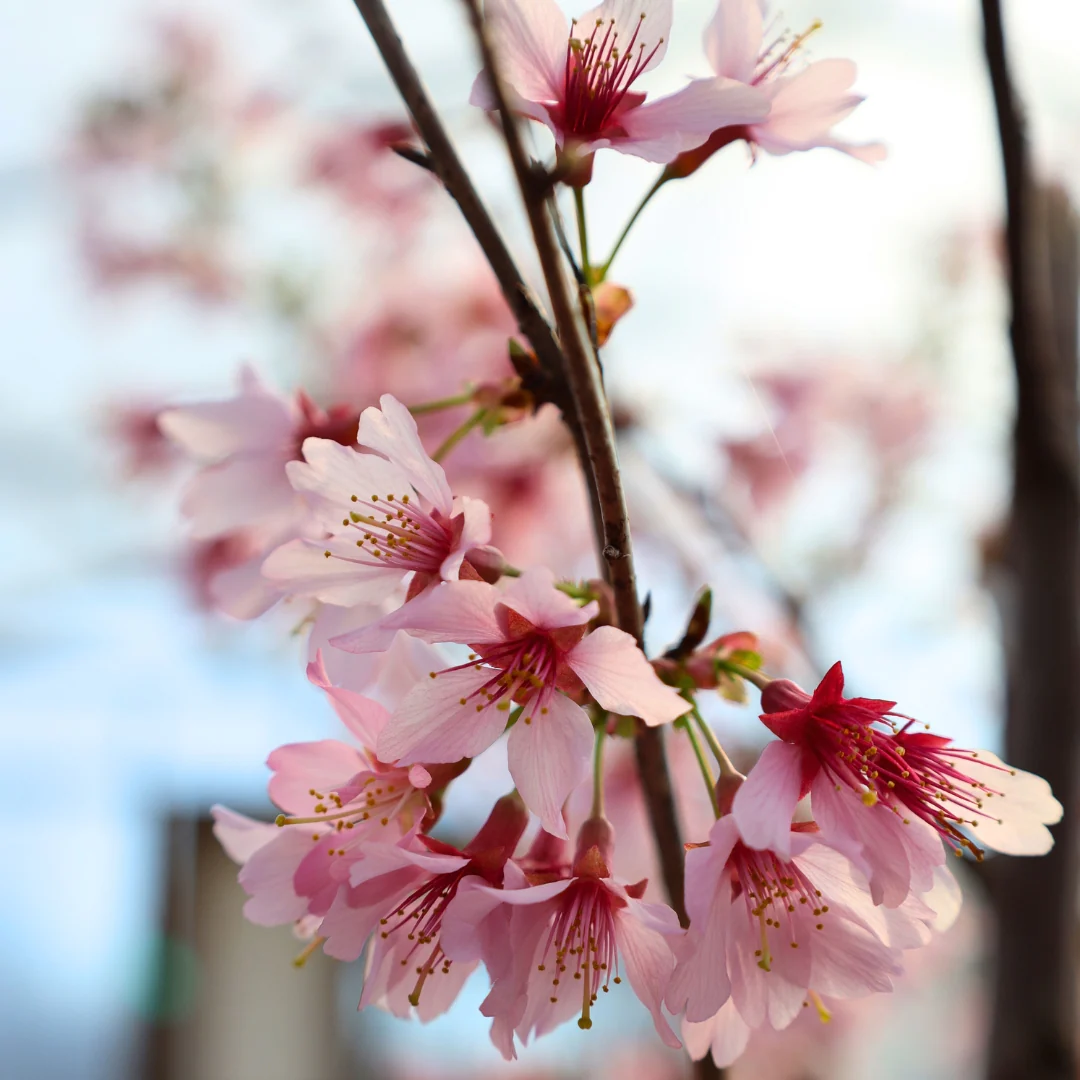
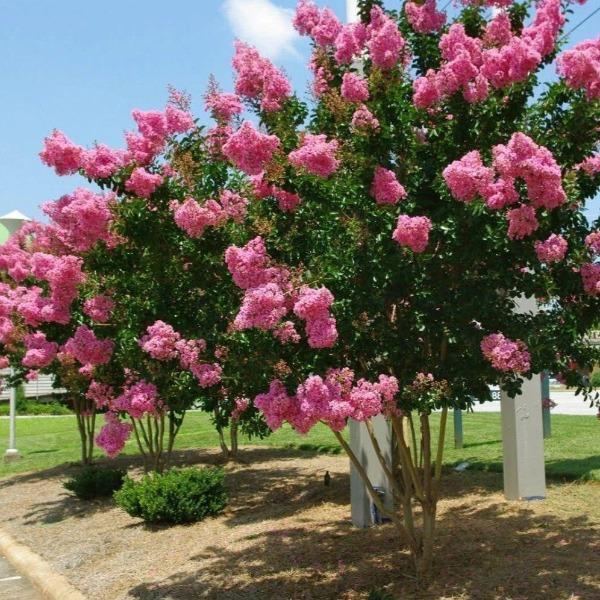
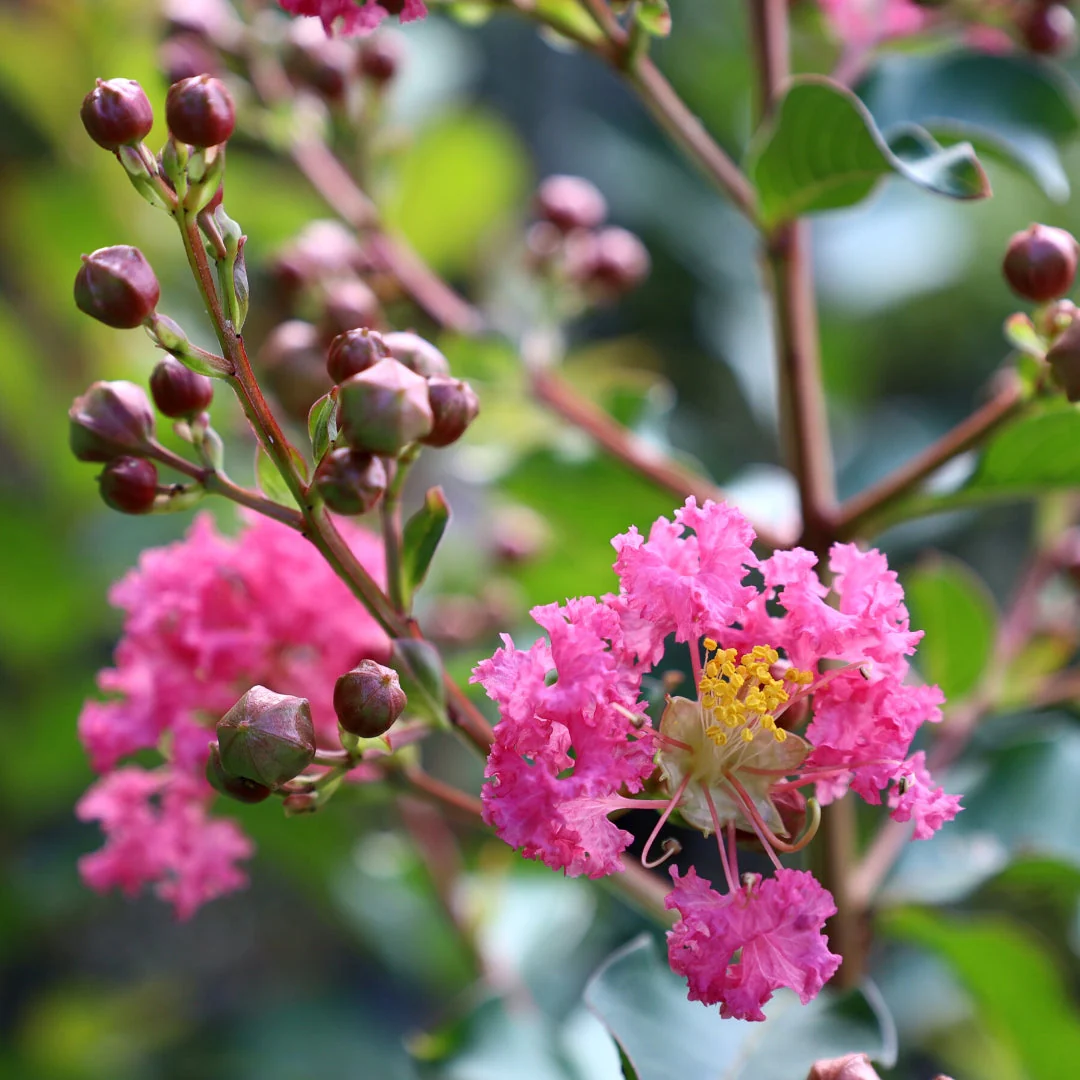
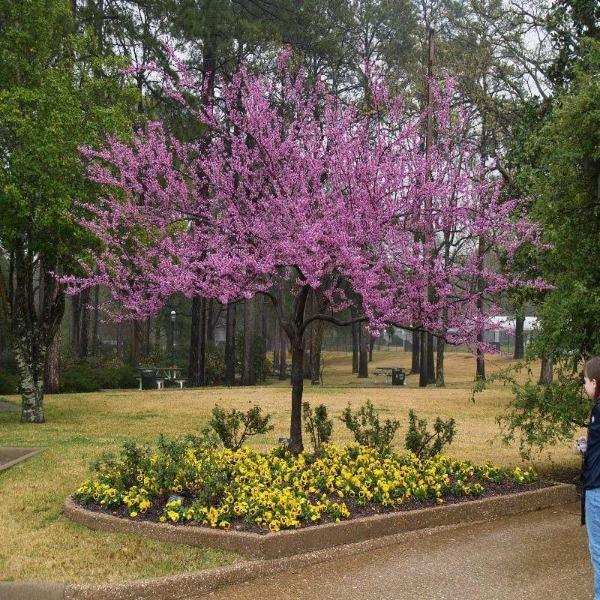
Before the leaves fully emerge, Forest Pansy delivers classic redbud magic: clusters of rosy pink to lavender-pink flowers lining the branches in early spring. Because blooms appear along stems and older wood (not just at the tips), the tree looks sprinkled with color from trunk to twig. It’s the kind of spring moment that makes a yard feel awake again—perfect for front-yard impact when the rest of the landscape is still waking up.
Those early blooms also add life to the garden when nectar sources are limited, making Forest Pansy a smart choice for pollinator-friendly landscapes. Plant it where you’ll see it daily in late winter and early spring—outside a favorite window, at the corner of a driveway, or near the front door. It’s a reliable seasonal highlight that doesn’t require a huge property to enjoy.
Right-Sized Ornamental Canopy For Front Yards And Garden Rooms
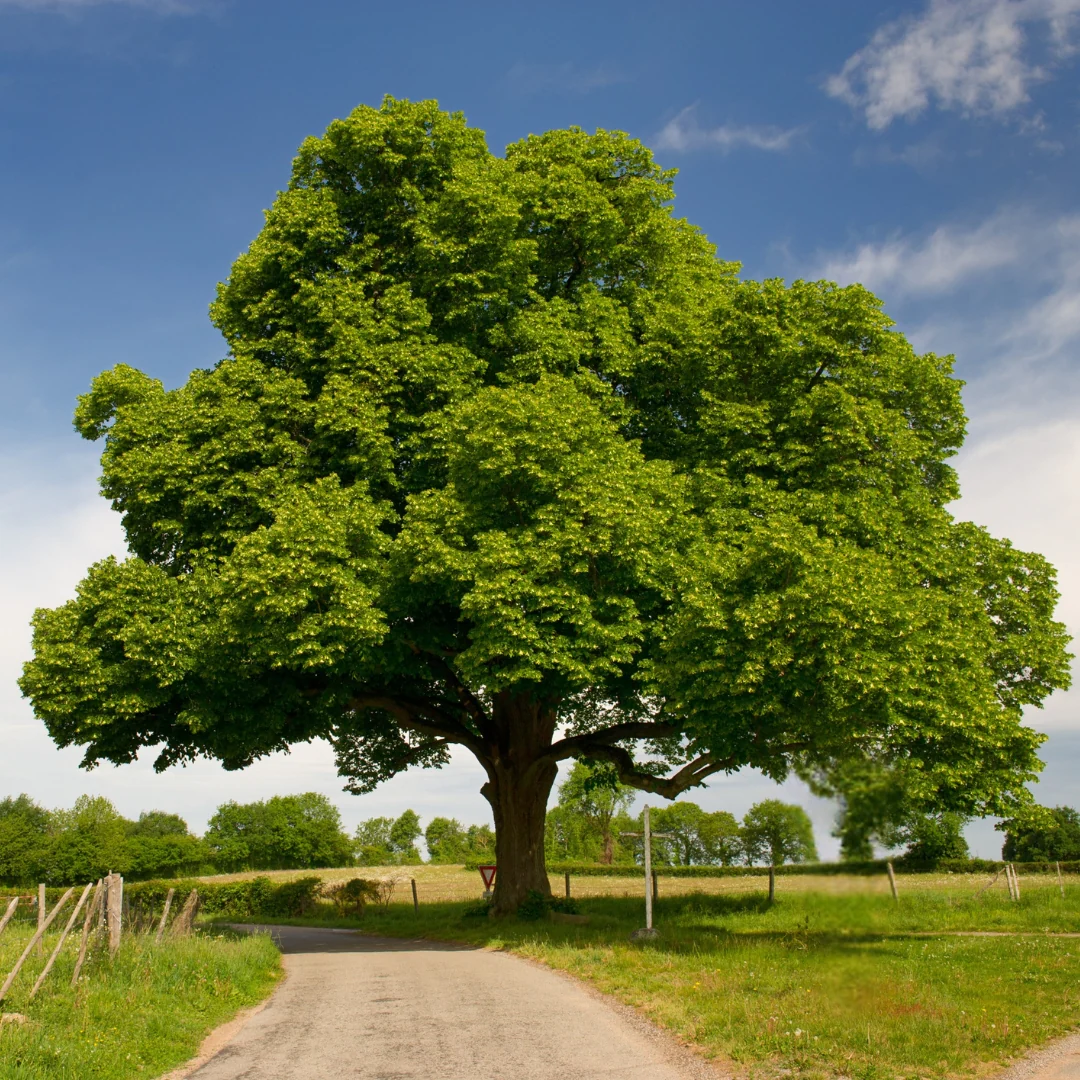
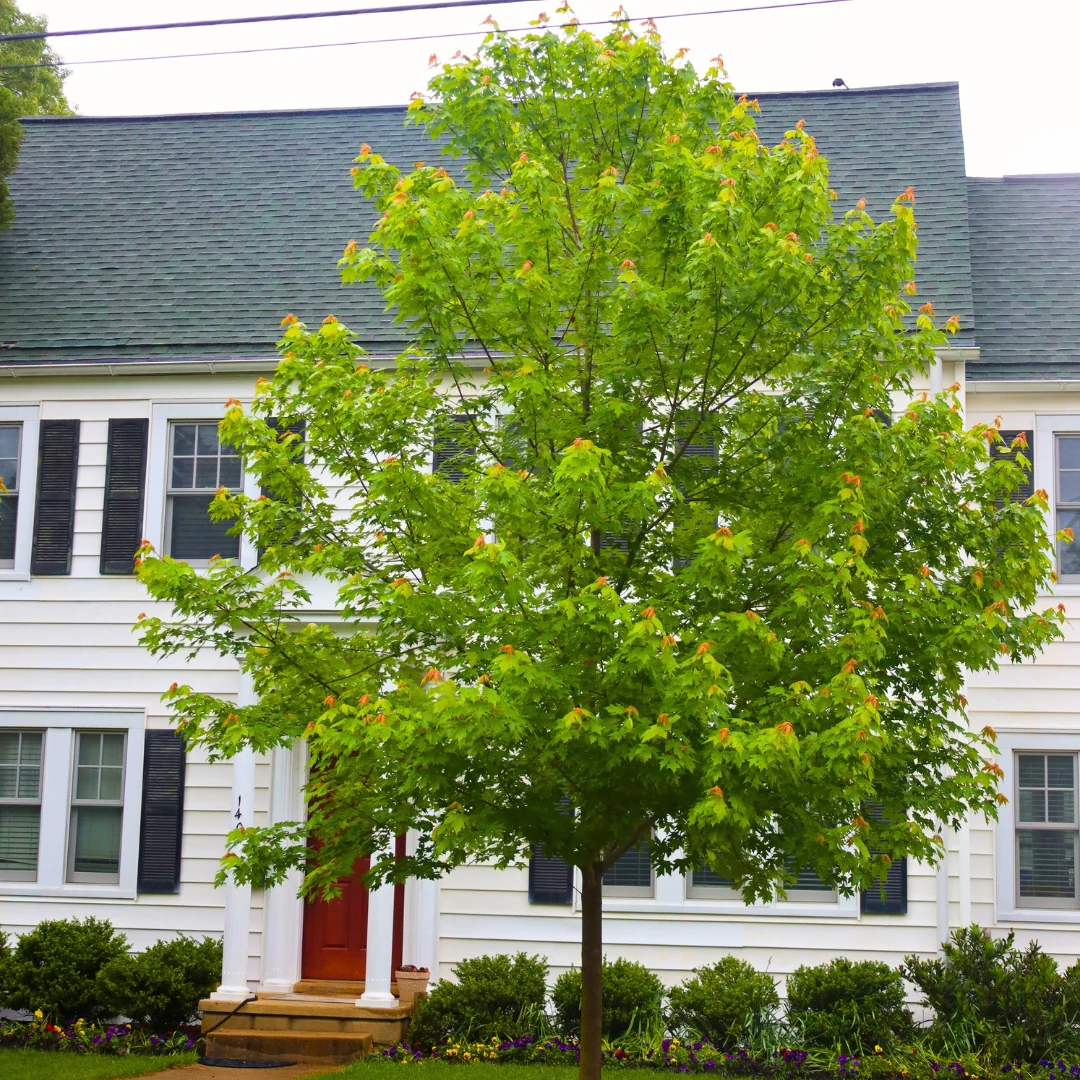
Forest Pansy is typically a small-to-medium ornamental tree, often maturing to 20–30 feet tall, with a broad, rounded canopy that can spread 25–35 feet over time. That scale is ideal for many modern landscapes: it feels like a real tree with a meaningful canopy, but it still fits in front yards and “garden room” spaces when it’s given proper clearance. It also works beautifully as an understory tree beneath taller canopies, where its flowers and foliage add a second layer of interest.
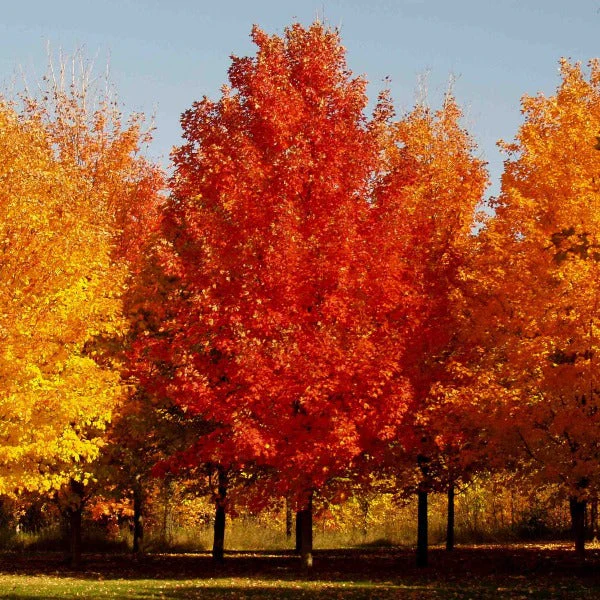
Because the mature spread can surprise people, planning your spacing is the difference between a graceful specimen and a tree that feels cramped. Give it room to show off its branching and allow light and airflow through the canopy. The reward is a tree that casts dappled shade, frames views, and delivers multiple seasons of interest—spring bloom, summer foliage color, and a warm fall finish.
Simple Care That Rewards Sun, Drainage, And Gentle Pruning
Forest Pansy performs best with full sun to part shade and well-drained soil. Sun helps keep foliage color richest, while part shade can be beneficial in hotter climates where intense afternoon heat can stress leaves. The one thing redbuds truly dislike is soggy roots, so avoid low areas where water sits after rain. A wide mulch ring helps stabilize moisture and temperature, and it keeps mowers and string trimmers away from the trunk.
Pruning is straightforward and mostly minimal. Focus on removing dead, damaged, or crossing branches and building a clean structure while the tree is young. If you need to refine shape, do it with small, targeted cuts rather than heavy reshaping. With good placement, consistent first-year watering, and a light pruning hand, Forest Pansy becomes a high-impact tree that stays refreshingly low-maintenance.
Purple Heart-Shaped Leaves That Look Instantly Upscale
Forest Pansy Redbud is the tree you choose when you want foliage to be the main event. After the early spring bloom show, the canopy fills with rich burgundy-to-purple, heart-shaped leaves that bring contrast and depth to the landscape all season. That color reads “designed” right away—especially next to evergreens, silver foliage, or bright chartreuse shrubs. In a mixed planting, Forest Pansy acts like a color anchor, making everything around it look more intentional.
As the season progresses, the purple tones can soften toward deeper greenish-purple, especially in more shade, but the overall effect remains bold and distinctive. Place it where you want the canopy to pop—near an entry, along a front walk, or as a focal point beyond a patio. If you’re building curb appeal and want a tree that looks special even when nothing else is blooming, Forest Pansy earns its keep.
Rosy Pink Spring Flowers That Start The Season With Wow
Before the leaves fully emerge, Forest Pansy delivers classic redbud magic: clusters of rosy pink to lavender-pink flowers lining the branches in early spring. Because blooms appear along stems and older wood (not just at the tips), the tree looks sprinkled with color from trunk to twig. It’s the kind of spring moment that makes a yard feel awake again—perfect for front-yard impact when the rest of the landscape is still waking up.
Those early blooms also add life to the garden when nectar sources are limited, making Forest Pansy a smart choice for pollinator-friendly landscapes. Plant it where you’ll see it daily in late winter and early spring—outside a favorite window, at the corner of a driveway, or near the front door. It’s a reliable seasonal highlight that doesn’t require a huge property to enjoy.
Right-Sized Ornamental Canopy For Front Yards And Garden Rooms
Forest Pansy is typically a small-to-medium ornamental tree, often maturing to 20–30 feet tall, with a broad, rounded canopy that can spread 25–35 feet over time. That scale is ideal for many modern landscapes: it feels like a real tree with a meaningful canopy, but it still fits in front yards and “garden room” spaces when it’s given proper clearance. It also works beautifully as an understory tree beneath taller canopies, where its flowers and foliage add a second layer of interest.
Because the mature spread can surprise people, planning your spacing is the difference between a graceful specimen and a tree that feels cramped. Give it room to show off its branching and allow light and airflow through the canopy. The reward is a tree that casts dappled shade, frames views, and delivers multiple seasons of interest—spring bloom, summer foliage color, and a warm fall finish.
Simple Care That Rewards Sun, Drainage, And Gentle Pruning
Forest Pansy performs best with full sun to part shade and well-drained soil. Sun helps keep foliage color richest, while part shade can be beneficial in hotter climates where intense afternoon heat can stress leaves. The one thing redbuds truly dislike is soggy roots, so avoid low areas where water sits after rain. A wide mulch ring helps stabilize moisture and temperature, and it keeps mowers and string trimmers away from the trunk.
Pruning is straightforward and mostly minimal. Focus on removing dead, damaged, or crossing branches and building a clean structure while the tree is young. If you need to refine shape, do it with small, targeted cuts rather than heavy reshaping. With good placement, consistent first-year watering, and a light pruning hand, Forest Pansy becomes a high-impact tree that stays refreshingly low-maintenance.
Original: $149.95
-70%$149.95
$44.98Description
Purple Heart-Shaped Leaves That Look Instantly Upscale
Forest Pansy Redbud is the tree you choose when you want foliage to be the main event. After the early spring bloom show, the canopy fills with rich burgundy-to-purple, heart-shaped leaves that bring contrast and depth to the landscape all season. That color reads “designed” right away—especially next to evergreens, silver foliage, or bright chartreuse shrubs. In a mixed planting, Forest Pansy acts like a color anchor, making everything around it look more intentional.
As the season progresses, the purple tones can soften toward deeper greenish-purple, especially in more shade, but the overall effect remains bold and distinctive. Place it where you want the canopy to pop—near an entry, along a front walk, or as a focal point beyond a patio. If you’re building curb appeal and want a tree that looks special even when nothing else is blooming, Forest Pansy earns its keep.
Rosy Pink Spring Flowers That Start The Season With Wow
Before the leaves fully emerge, Forest Pansy delivers classic redbud magic: clusters of rosy pink to lavender-pink flowers lining the branches in early spring. Because blooms appear along stems and older wood (not just at the tips), the tree looks sprinkled with color from trunk to twig. It’s the kind of spring moment that makes a yard feel awake again—perfect for front-yard impact when the rest of the landscape is still waking up.
Those early blooms also add life to the garden when nectar sources are limited, making Forest Pansy a smart choice for pollinator-friendly landscapes. Plant it where you’ll see it daily in late winter and early spring—outside a favorite window, at the corner of a driveway, or near the front door. It’s a reliable seasonal highlight that doesn’t require a huge property to enjoy.
Right-Sized Ornamental Canopy For Front Yards And Garden Rooms
Forest Pansy is typically a small-to-medium ornamental tree, often maturing to 20–30 feet tall, with a broad, rounded canopy that can spread 25–35 feet over time. That scale is ideal for many modern landscapes: it feels like a real tree with a meaningful canopy, but it still fits in front yards and “garden room” spaces when it’s given proper clearance. It also works beautifully as an understory tree beneath taller canopies, where its flowers and foliage add a second layer of interest.
Because the mature spread can surprise people, planning your spacing is the difference between a graceful specimen and a tree that feels cramped. Give it room to show off its branching and allow light and airflow through the canopy. The reward is a tree that casts dappled shade, frames views, and delivers multiple seasons of interest—spring bloom, summer foliage color, and a warm fall finish.
Simple Care That Rewards Sun, Drainage, And Gentle Pruning
Forest Pansy performs best with full sun to part shade and well-drained soil. Sun helps keep foliage color richest, while part shade can be beneficial in hotter climates where intense afternoon heat can stress leaves. The one thing redbuds truly dislike is soggy roots, so avoid low areas where water sits after rain. A wide mulch ring helps stabilize moisture and temperature, and it keeps mowers and string trimmers away from the trunk.
Pruning is straightforward and mostly minimal. Focus on removing dead, damaged, or crossing branches and building a clean structure while the tree is young. If you need to refine shape, do it with small, targeted cuts rather than heavy reshaping. With good placement, consistent first-year watering, and a light pruning hand, Forest Pansy becomes a high-impact tree that stays refreshingly low-maintenance.