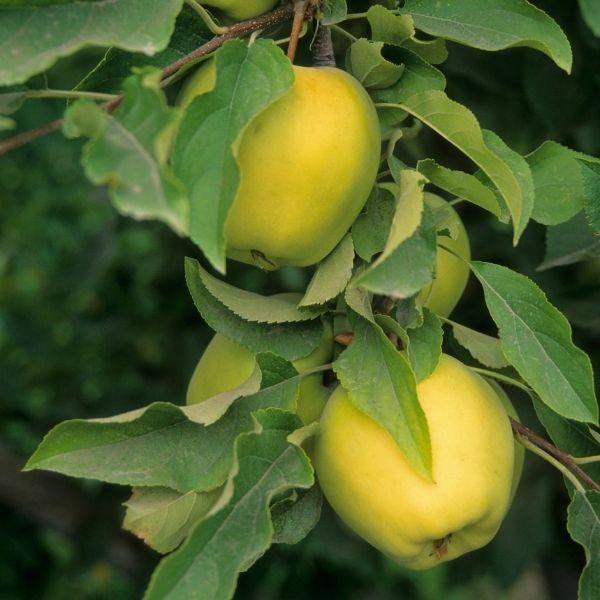
Golden Delicious Apple Tree
Sweet, Crisp Apples For Snacking, Baking, And Sauce
Golden Delicious is the “do-it-all” apple that belongs in a home orchard. The fruit is sweet, mild, and pleasantly crisp—great for fresh eating, and a favorite for baking because it brings gentle sweetness without overpowering spices. It’s also excellent for sauce and kitchen use, especially when you want a smooth texture and classic apple flavor. If you’re planting one apple tree to cover the most uses, Golden Delicious is a safe, satisfying choice.
Harvest typically lands in the fall, when the fruit turns that signature golden-yellow and comes off the tree with a slight lift and twist. Homegrown Golden Delicious has a fresh, clean flavor that makes store apples feel flat by comparison. Plant it where you’ll actually enjoy the harvest—near a path, garden gate, or the edge of a lawn—because picking your own apples is half the fun.
Backyard Orchard Performance With A Pollination Partner
Golden Delicious is known for heavy production when it’s set up correctly, and the biggest “make it easy” tip is to ensure proper pollination. Like most apples, it performs best with a compatible apple variety nearby that blooms around the same time. That second tree doesn’t just increase fruit set—it often improves the size and consistency of the crop year after year. If you’re planting two trees, choose varieties you’ll love eating and that overlap in bloom, and you’ve built your own dependable pollination team.
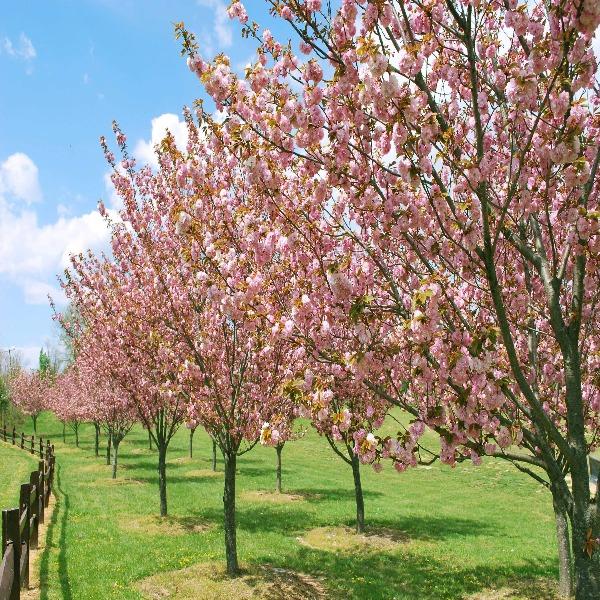
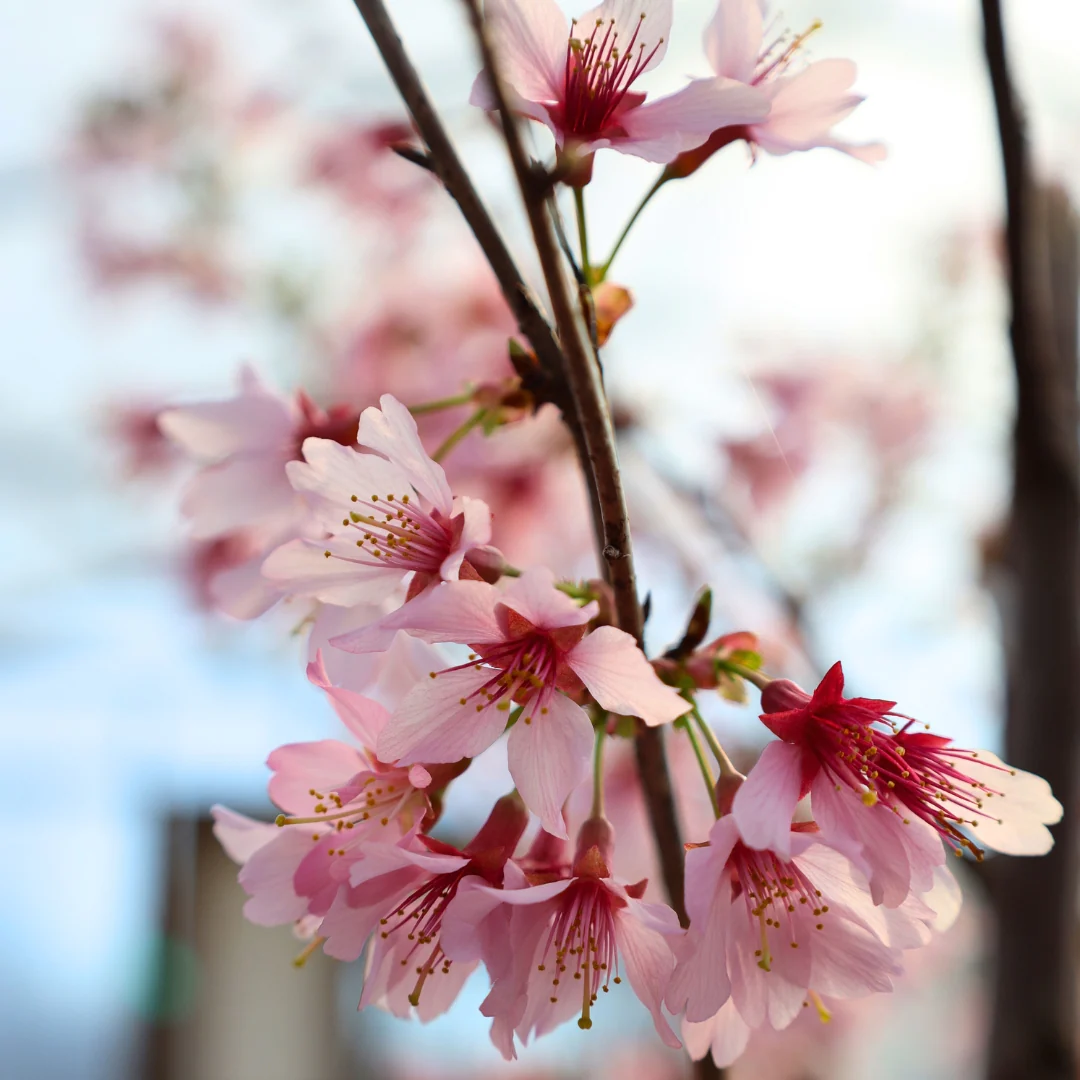
Spring bloom is a bonus feature: clusters of white to pink-tinted blossoms that make the tree feel ornamental before the fruit even begins. Good airflow and sun help those blooms translate into healthy fruiting. If you want a small orchard, a pair (or trio) of apples spaced correctly is one of the most rewarding plantings you can make—beautiful in spring, productive in fall, and a legacy tree you’ll enjoy for years.
With good sun and steady first-year care, Golden Delicious grows at a moderate pace and builds a sturdy framework for future crops. Expect the early years to focus on structure—roots, branching, and canopy shape—then production ramps up as the tree matures. If your goal is “more apples with less hassle,” start with the size that matches your space and your appetite for pruning.
Simple Care: Full Sun, Deep Watering, And Smart Thinning
Golden Delicious thrives in full sun and well-drained soil. Water deeply while the tree is establishing, especially during hot or windy stretches, and keep a mulch ring to stabilize moisture (leave mulch a few inches away from the trunk). Once established, consistent moisture during bloom and fruit development supports better fruit size and reduces stress. A little planning up front—sun, drainage, and spacing—goes a long way toward a healthier tree and better harvests.
One apple-tree habit that pays off big is thinning. When the tree sets lots of small fruit, thinning down to a comfortable spacing on the branch helps remaining apples size up and can reduce the “on year / off year” swing some apples develop. Pair thinning with a simple dormant-season prune to open the canopy for light and airflow, and you’ll be rewarded with cleaner growth, easier picking, and a more reliable crop.
Sweet, Crisp Apples For Snacking, Baking, And Sauce
Golden Delicious is the “do-it-all” apple that belongs in a home orchard. The fruit is sweet, mild, and pleasantly crisp—great for fresh eating, and a favorite for baking because it brings gentle sweetness without overpowering spices. It’s also excellent for sauce and kitchen use, especially when you want a smooth texture and classic apple flavor. If you’re planting one apple tree to cover the most uses, Golden Delicious is a safe, satisfying choice.
Harvest typically lands in the fall, when the fruit turns that signature golden-yellow and comes off the tree with a slight lift and twist. Homegrown Golden Delicious has a fresh, clean flavor that makes store apples feel flat by comparison. Plant it where you’ll actually enjoy the harvest—near a path, garden gate, or the edge of a lawn—because picking your own apples is half the fun.
Backyard Orchard Performance With A Pollination Partner
Golden Delicious is known for heavy production when it’s set up correctly, and the biggest “make it easy” tip is to ensure proper pollination. Like most apples, it performs best with a compatible apple variety nearby that blooms around the same time. That second tree doesn’t just increase fruit set—it often improves the size and consistency of the crop year after year. If you’re planting two trees, choose varieties you’ll love eating and that overlap in bloom, and you’ve built your own dependable pollination team.
Spring bloom is a bonus feature: clusters of white to pink-tinted blossoms that make the tree feel ornamental before the fruit even begins. Good airflow and sun help those blooms translate into healthy fruiting. If you want a small orchard, a pair (or trio) of apples spaced correctly is one of the most rewarding plantings you can make—beautiful in spring, productive in fall, and a legacy tree you’ll enjoy for years.
With good sun and steady first-year care, Golden Delicious grows at a moderate pace and builds a sturdy framework for future crops. Expect the early years to focus on structure—roots, branching, and canopy shape—then production ramps up as the tree matures. If your goal is “more apples with less hassle,” start with the size that matches your space and your appetite for pruning.
Simple Care: Full Sun, Deep Watering, And Smart Thinning
Golden Delicious thrives in full sun and well-drained soil. Water deeply while the tree is establishing, especially during hot or windy stretches, and keep a mulch ring to stabilize moisture (leave mulch a few inches away from the trunk). Once established, consistent moisture during bloom and fruit development supports better fruit size and reduces stress. A little planning up front—sun, drainage, and spacing—goes a long way toward a healthier tree and better harvests.
One apple-tree habit that pays off big is thinning. When the tree sets lots of small fruit, thinning down to a comfortable spacing on the branch helps remaining apples size up and can reduce the “on year / off year” swing some apples develop. Pair thinning with a simple dormant-season prune to open the canopy for light and airflow, and you’ll be rewarded with cleaner growth, easier picking, and a more reliable crop.
Original: $99.95
-70%$99.95
$29.98Description
Sweet, Crisp Apples For Snacking, Baking, And Sauce
Golden Delicious is the “do-it-all” apple that belongs in a home orchard. The fruit is sweet, mild, and pleasantly crisp—great for fresh eating, and a favorite for baking because it brings gentle sweetness without overpowering spices. It’s also excellent for sauce and kitchen use, especially when you want a smooth texture and classic apple flavor. If you’re planting one apple tree to cover the most uses, Golden Delicious is a safe, satisfying choice.
Harvest typically lands in the fall, when the fruit turns that signature golden-yellow and comes off the tree with a slight lift and twist. Homegrown Golden Delicious has a fresh, clean flavor that makes store apples feel flat by comparison. Plant it where you’ll actually enjoy the harvest—near a path, garden gate, or the edge of a lawn—because picking your own apples is half the fun.
Backyard Orchard Performance With A Pollination Partner
Golden Delicious is known for heavy production when it’s set up correctly, and the biggest “make it easy” tip is to ensure proper pollination. Like most apples, it performs best with a compatible apple variety nearby that blooms around the same time. That second tree doesn’t just increase fruit set—it often improves the size and consistency of the crop year after year. If you’re planting two trees, choose varieties you’ll love eating and that overlap in bloom, and you’ve built your own dependable pollination team.
Spring bloom is a bonus feature: clusters of white to pink-tinted blossoms that make the tree feel ornamental before the fruit even begins. Good airflow and sun help those blooms translate into healthy fruiting. If you want a small orchard, a pair (or trio) of apples spaced correctly is one of the most rewarding plantings you can make—beautiful in spring, productive in fall, and a legacy tree you’ll enjoy for years.
With good sun and steady first-year care, Golden Delicious grows at a moderate pace and builds a sturdy framework for future crops. Expect the early years to focus on structure—roots, branching, and canopy shape—then production ramps up as the tree matures. If your goal is “more apples with less hassle,” start with the size that matches your space and your appetite for pruning.
Simple Care: Full Sun, Deep Watering, And Smart Thinning
Golden Delicious thrives in full sun and well-drained soil. Water deeply while the tree is establishing, especially during hot or windy stretches, and keep a mulch ring to stabilize moisture (leave mulch a few inches away from the trunk). Once established, consistent moisture during bloom and fruit development supports better fruit size and reduces stress. A little planning up front—sun, drainage, and spacing—goes a long way toward a healthier tree and better harvests.
One apple-tree habit that pays off big is thinning. When the tree sets lots of small fruit, thinning down to a comfortable spacing on the branch helps remaining apples size up and can reduce the “on year / off year” swing some apples develop. Pair thinning with a simple dormant-season prune to open the canopy for light and airflow, and you’ll be rewarded with cleaner growth, easier picking, and a more reliable crop.