
Lion's Head Japanese Maple
A Unique Japanese Maple With Bold Texture and Structure
Lion’s Head Japanese Maple is one of the most distinctive Japanese maples you can plant. Unlike laceleaf types or wider upright varieties, this cultivar is known for its dense branching and unusual foliage, with small leaves that cluster tightly along the stems and create a textured, almost sculptural appearance. When homeowners want a Japanese maple that looks different from the norm, Lion’s Head stands out immediately.
Its character comes as much from form as from color. The compact upright habit gives it a strong architectural presence, while the tightly layered branching makes it feel refined and substantial even at a smaller size. This is the kind of tree that draws attention for its structure, not just for its seasonal color.
A Compact Upright Maple for Small Gardens and Focal Points
Lion’s Head Japanese Maple is especially useful in landscapes where space is limited but a specimen tree is still desired. It grows in a slow, upright, compact form that makes it ideal for foundation corners, courtyard gardens, patio-adjacent beds, and highly visible focal-point plantings. It has enough presence to anchor a small garden, yet stays manageable for homeowners who do not want a tree that quickly outgrows the space.
Because it grows more upright and dense than many other Japanese maples, it works beautifully where a weeping type would feel too broad or where a larger ornamental tree would be too much. It fits naturally into more structured landscape designs and also works well in smaller residential settings where every plant needs to earn its place.
Distinctive Green Foliage and Excellent Fall Color
The foliage of Lion’s Head Japanese Maple is one of its signature features. The leaves emerge green and stay a rich, healthy green through the growing season, but their curled, clustered appearance gives the tree a texture that feels richer and more unusual than a standard green Japanese maple. This makes it especially valuable in landscapes that need texture and form, not just color.
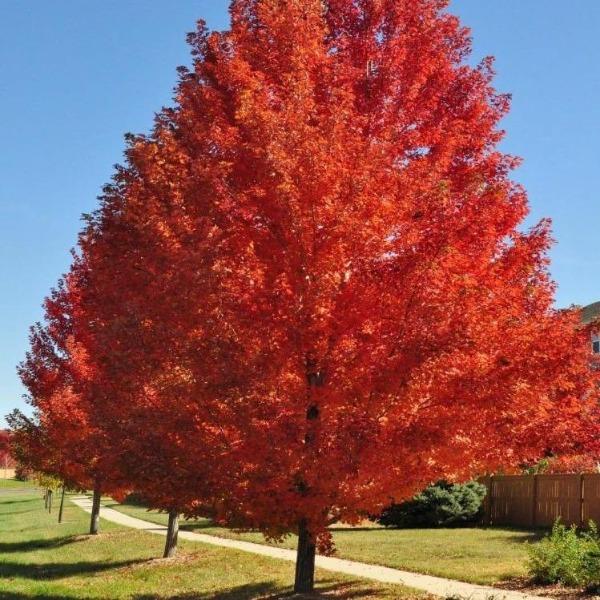
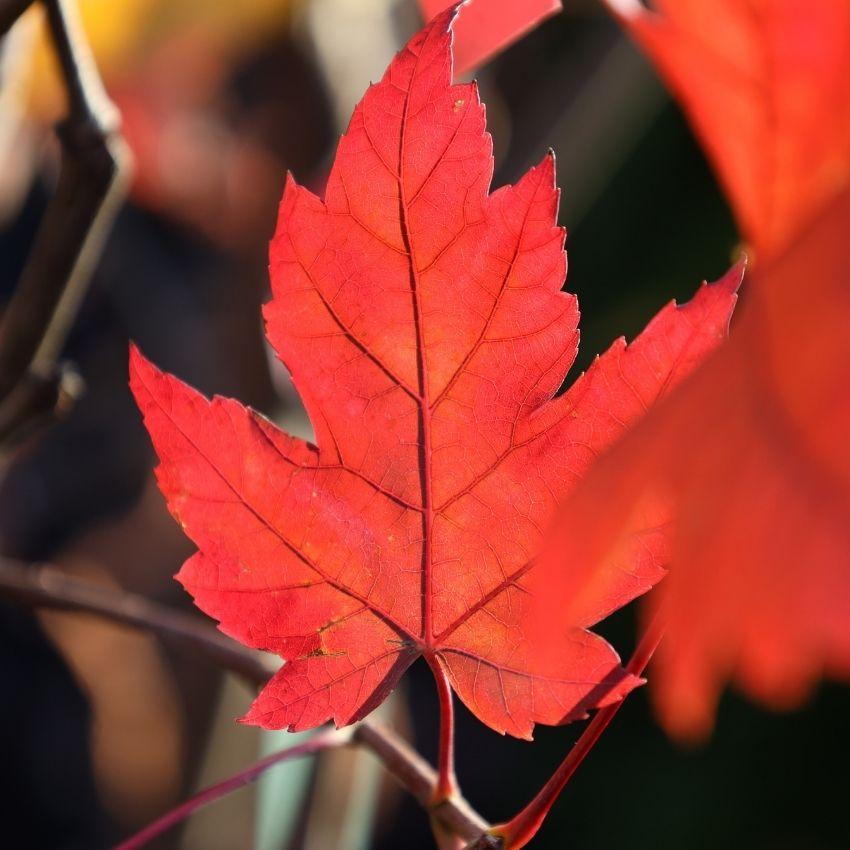
In fall, the display becomes even more striking as the foliage turns warm tones of orange, gold, and sometimes reddish-orange. That seasonal shift gives the tree a dramatic finish to the year and adds another reason for homeowners to choose it over more ordinary green ornamentals. It is a tree that offers both character and seasonal payoff.
A Strong Choice for Structured Gardens and Four-Season Interest
Lion’s Head Japanese Maple is a particularly good fit for gardens that benefit from shape and year-round structure. Its dense branching helps it hold visual weight even in winter, which is something many small ornamental trees cannot do as well. Once the leaves drop, the tree's compact branch framework still gives it a sculptural presence, helping the landscape feel designed and complete.
That makes it a smart choice near entries, patios, walkways, and beds viewed from inside the house. It offers beauty in spring and summer foliage, strong fall color, and a refined winter outline. For homeowners who want a Japanese maple that feels substantial, artistic, and useful across multiple seasons, Lion’s Head is an exceptional option.
Easy Elegance With the Right Siting
Lion’s Head Japanese Maple performs best in well-drained soil with regular moisture during establishment. In cooler climates, it can handle more sun, while in warmer areas, it usually benefits from some protection from harsh afternoon exposure. Thoughtful siting helps preserve leaf quality and supports the tree’s slow, balanced growth.
Like many Japanese maples, it does not need aggressive maintenance. Once established in the right place, it becomes a dependable ornamental tree with strong form, excellent fall color, and relatively simple care. For homeowners who want a compact upright Japanese maple with real personality, Lion’s Head Japanese Maple is one of the best choices available.
A Unique Japanese Maple With Bold Texture and Structure
Lion’s Head Japanese Maple is one of the most distinctive Japanese maples you can plant. Unlike laceleaf types or wider upright varieties, this cultivar is known for its dense branching and unusual foliage, with small leaves that cluster tightly along the stems and create a textured, almost sculptural appearance. When homeowners want a Japanese maple that looks different from the norm, Lion’s Head stands out immediately.
Its character comes as much from form as from color. The compact upright habit gives it a strong architectural presence, while the tightly layered branching makes it feel refined and substantial even at a smaller size. This is the kind of tree that draws attention for its structure, not just for its seasonal color.
A Compact Upright Maple for Small Gardens and Focal Points
Lion’s Head Japanese Maple is especially useful in landscapes where space is limited but a specimen tree is still desired. It grows in a slow, upright, compact form that makes it ideal for foundation corners, courtyard gardens, patio-adjacent beds, and highly visible focal-point plantings. It has enough presence to anchor a small garden, yet stays manageable for homeowners who do not want a tree that quickly outgrows the space.
Because it grows more upright and dense than many other Japanese maples, it works beautifully where a weeping type would feel too broad or where a larger ornamental tree would be too much. It fits naturally into more structured landscape designs and also works well in smaller residential settings where every plant needs to earn its place.
Distinctive Green Foliage and Excellent Fall Color
The foliage of Lion’s Head Japanese Maple is one of its signature features. The leaves emerge green and stay a rich, healthy green through the growing season, but their curled, clustered appearance gives the tree a texture that feels richer and more unusual than a standard green Japanese maple. This makes it especially valuable in landscapes that need texture and form, not just color.
In fall, the display becomes even more striking as the foliage turns warm tones of orange, gold, and sometimes reddish-orange. That seasonal shift gives the tree a dramatic finish to the year and adds another reason for homeowners to choose it over more ordinary green ornamentals. It is a tree that offers both character and seasonal payoff.
A Strong Choice for Structured Gardens and Four-Season Interest
Lion’s Head Japanese Maple is a particularly good fit for gardens that benefit from shape and year-round structure. Its dense branching helps it hold visual weight even in winter, which is something many small ornamental trees cannot do as well. Once the leaves drop, the tree's compact branch framework still gives it a sculptural presence, helping the landscape feel designed and complete.
That makes it a smart choice near entries, patios, walkways, and beds viewed from inside the house. It offers beauty in spring and summer foliage, strong fall color, and a refined winter outline. For homeowners who want a Japanese maple that feels substantial, artistic, and useful across multiple seasons, Lion’s Head is an exceptional option.
Easy Elegance With the Right Siting
Lion’s Head Japanese Maple performs best in well-drained soil with regular moisture during establishment. In cooler climates, it can handle more sun, while in warmer areas, it usually benefits from some protection from harsh afternoon exposure. Thoughtful siting helps preserve leaf quality and supports the tree’s slow, balanced growth.
Like many Japanese maples, it does not need aggressive maintenance. Once established in the right place, it becomes a dependable ornamental tree with strong form, excellent fall color, and relatively simple care. For homeowners who want a compact upright Japanese maple with real personality, Lion’s Head Japanese Maple is one of the best choices available.
Original: $199.95
-70%$199.95
$59.98Description
A Unique Japanese Maple With Bold Texture and Structure
Lion’s Head Japanese Maple is one of the most distinctive Japanese maples you can plant. Unlike laceleaf types or wider upright varieties, this cultivar is known for its dense branching and unusual foliage, with small leaves that cluster tightly along the stems and create a textured, almost sculptural appearance. When homeowners want a Japanese maple that looks different from the norm, Lion’s Head stands out immediately.
Its character comes as much from form as from color. The compact upright habit gives it a strong architectural presence, while the tightly layered branching makes it feel refined and substantial even at a smaller size. This is the kind of tree that draws attention for its structure, not just for its seasonal color.
A Compact Upright Maple for Small Gardens and Focal Points
Lion’s Head Japanese Maple is especially useful in landscapes where space is limited but a specimen tree is still desired. It grows in a slow, upright, compact form that makes it ideal for foundation corners, courtyard gardens, patio-adjacent beds, and highly visible focal-point plantings. It has enough presence to anchor a small garden, yet stays manageable for homeowners who do not want a tree that quickly outgrows the space.
Because it grows more upright and dense than many other Japanese maples, it works beautifully where a weeping type would feel too broad or where a larger ornamental tree would be too much. It fits naturally into more structured landscape designs and also works well in smaller residential settings where every plant needs to earn its place.
Distinctive Green Foliage and Excellent Fall Color
The foliage of Lion’s Head Japanese Maple is one of its signature features. The leaves emerge green and stay a rich, healthy green through the growing season, but their curled, clustered appearance gives the tree a texture that feels richer and more unusual than a standard green Japanese maple. This makes it especially valuable in landscapes that need texture and form, not just color.
In fall, the display becomes even more striking as the foliage turns warm tones of orange, gold, and sometimes reddish-orange. That seasonal shift gives the tree a dramatic finish to the year and adds another reason for homeowners to choose it over more ordinary green ornamentals. It is a tree that offers both character and seasonal payoff.
A Strong Choice for Structured Gardens and Four-Season Interest
Lion’s Head Japanese Maple is a particularly good fit for gardens that benefit from shape and year-round structure. Its dense branching helps it hold visual weight even in winter, which is something many small ornamental trees cannot do as well. Once the leaves drop, the tree's compact branch framework still gives it a sculptural presence, helping the landscape feel designed and complete.
That makes it a smart choice near entries, patios, walkways, and beds viewed from inside the house. It offers beauty in spring and summer foliage, strong fall color, and a refined winter outline. For homeowners who want a Japanese maple that feels substantial, artistic, and useful across multiple seasons, Lion’s Head is an exceptional option.
Easy Elegance With the Right Siting
Lion’s Head Japanese Maple performs best in well-drained soil with regular moisture during establishment. In cooler climates, it can handle more sun, while in warmer areas, it usually benefits from some protection from harsh afternoon exposure. Thoughtful siting helps preserve leaf quality and supports the tree’s slow, balanced growth.
Like many Japanese maples, it does not need aggressive maintenance. Once established in the right place, it becomes a dependable ornamental tree with strong form, excellent fall color, and relatively simple care. For homeowners who want a compact upright Japanese maple with real personality, Lion’s Head Japanese Maple is one of the best choices available.