Low Bush Blueberry Bush
Wild Blueberry Flavor In A Low, Edible Groundcover
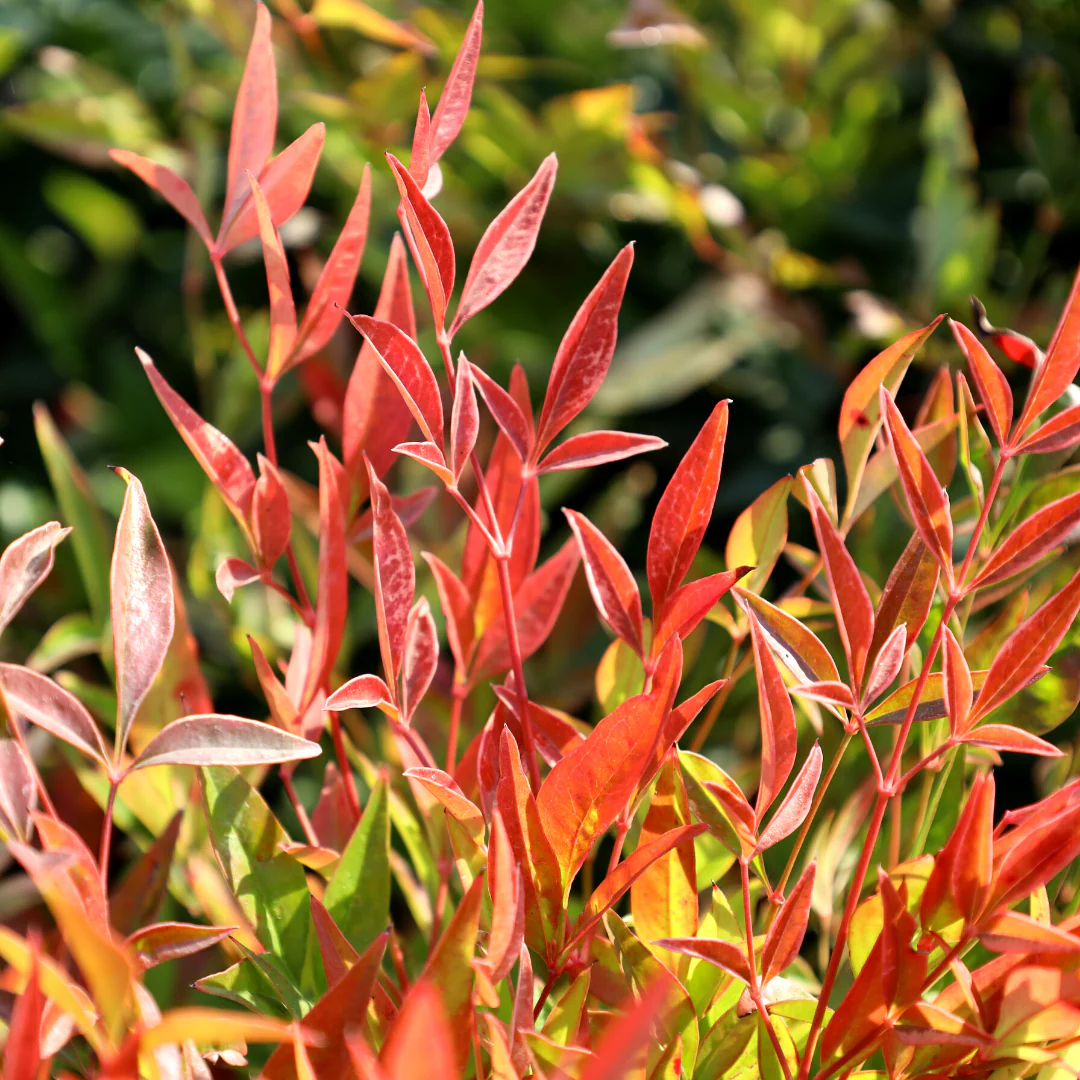
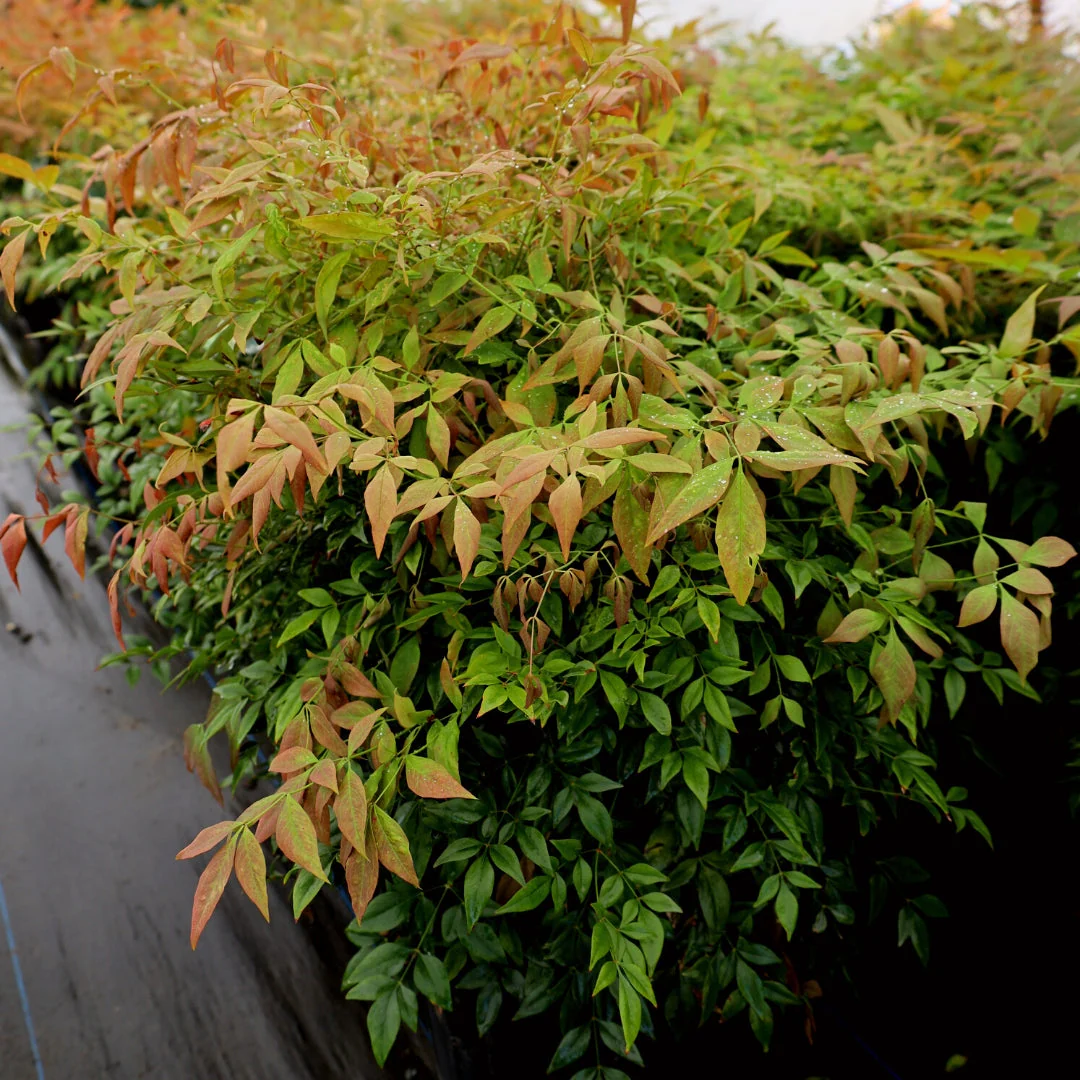
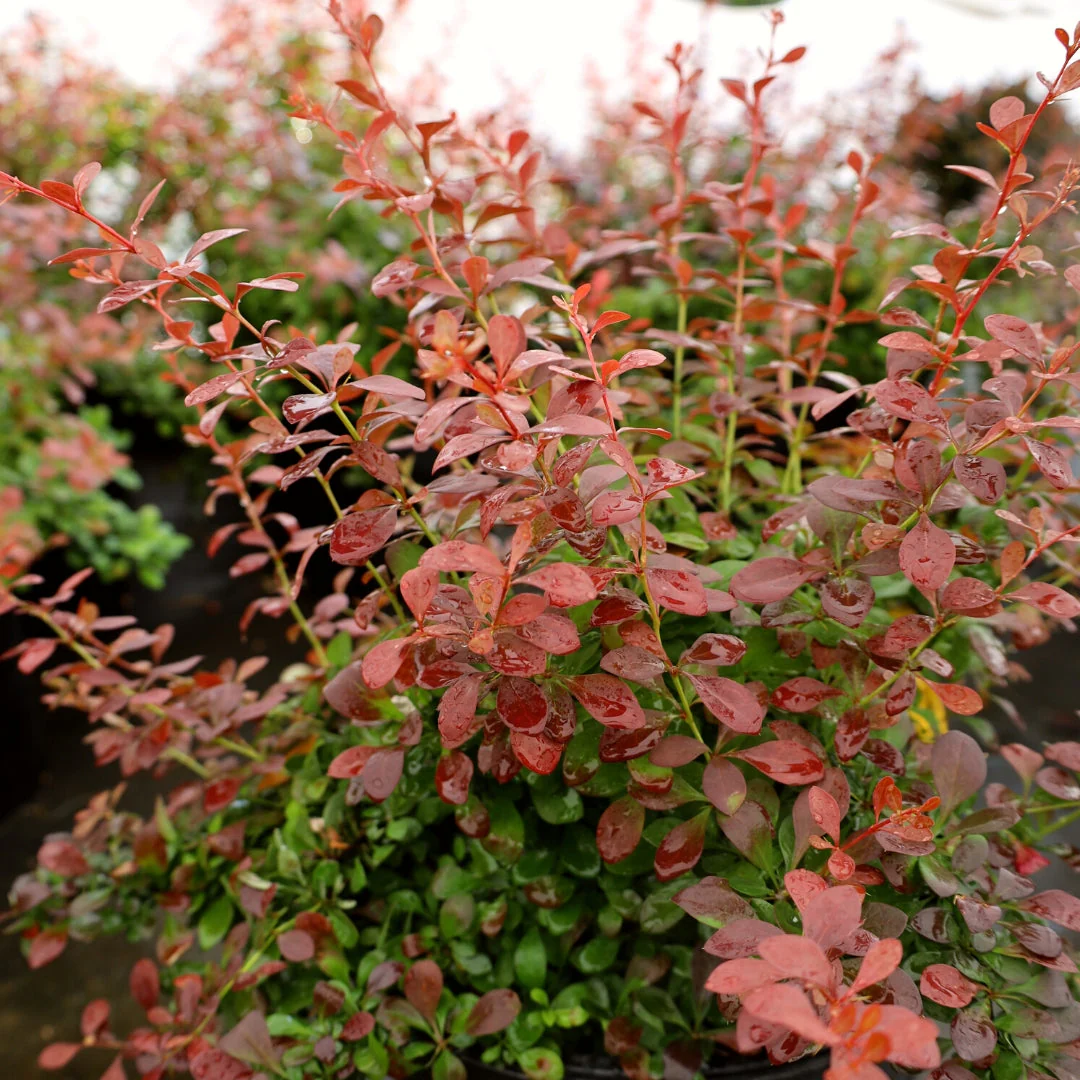
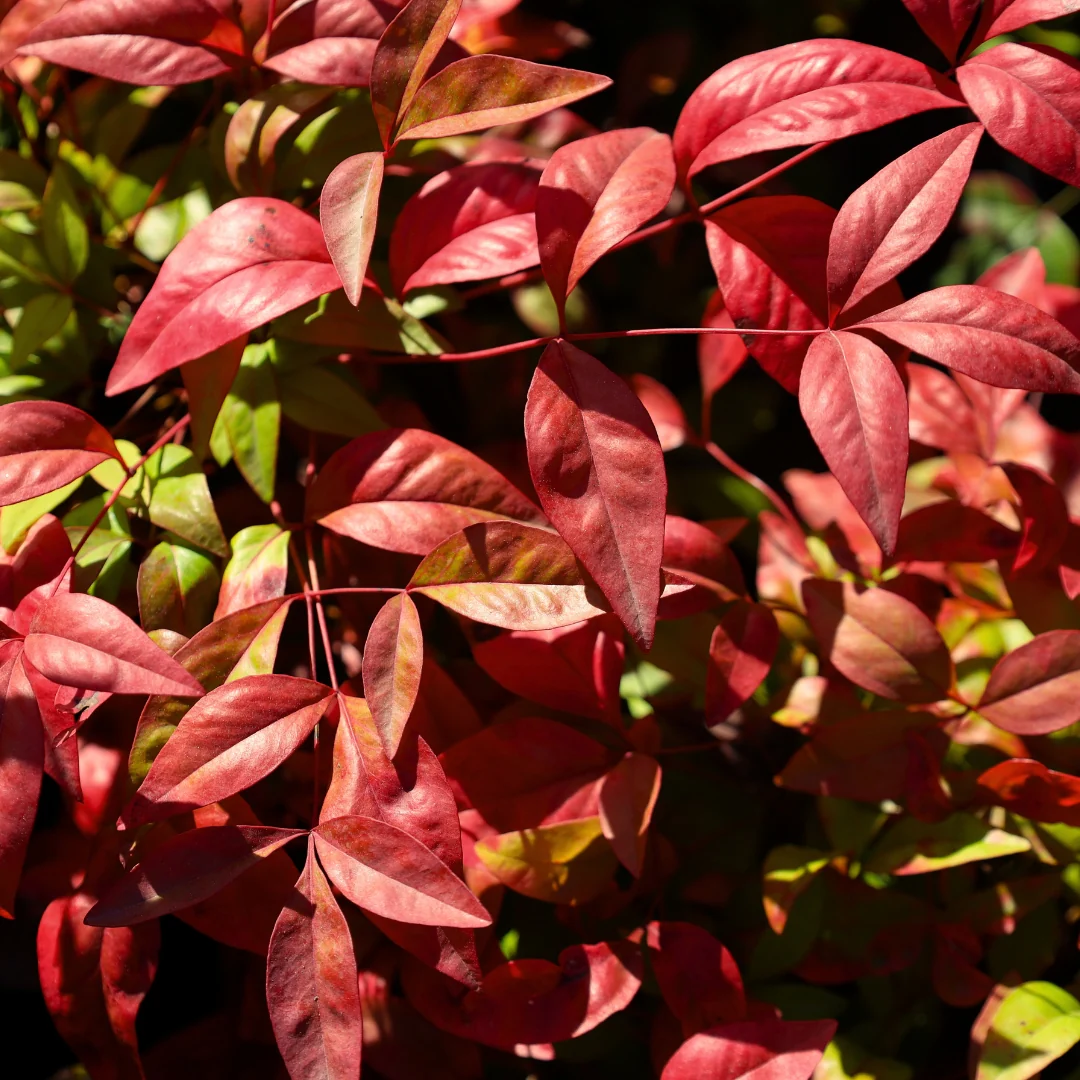
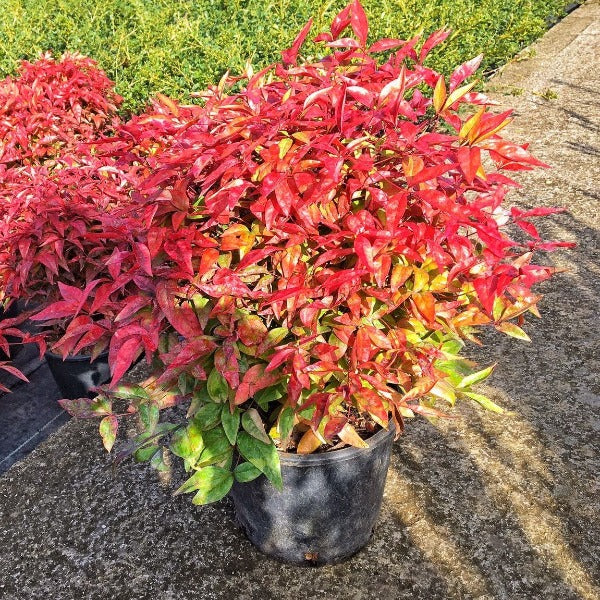
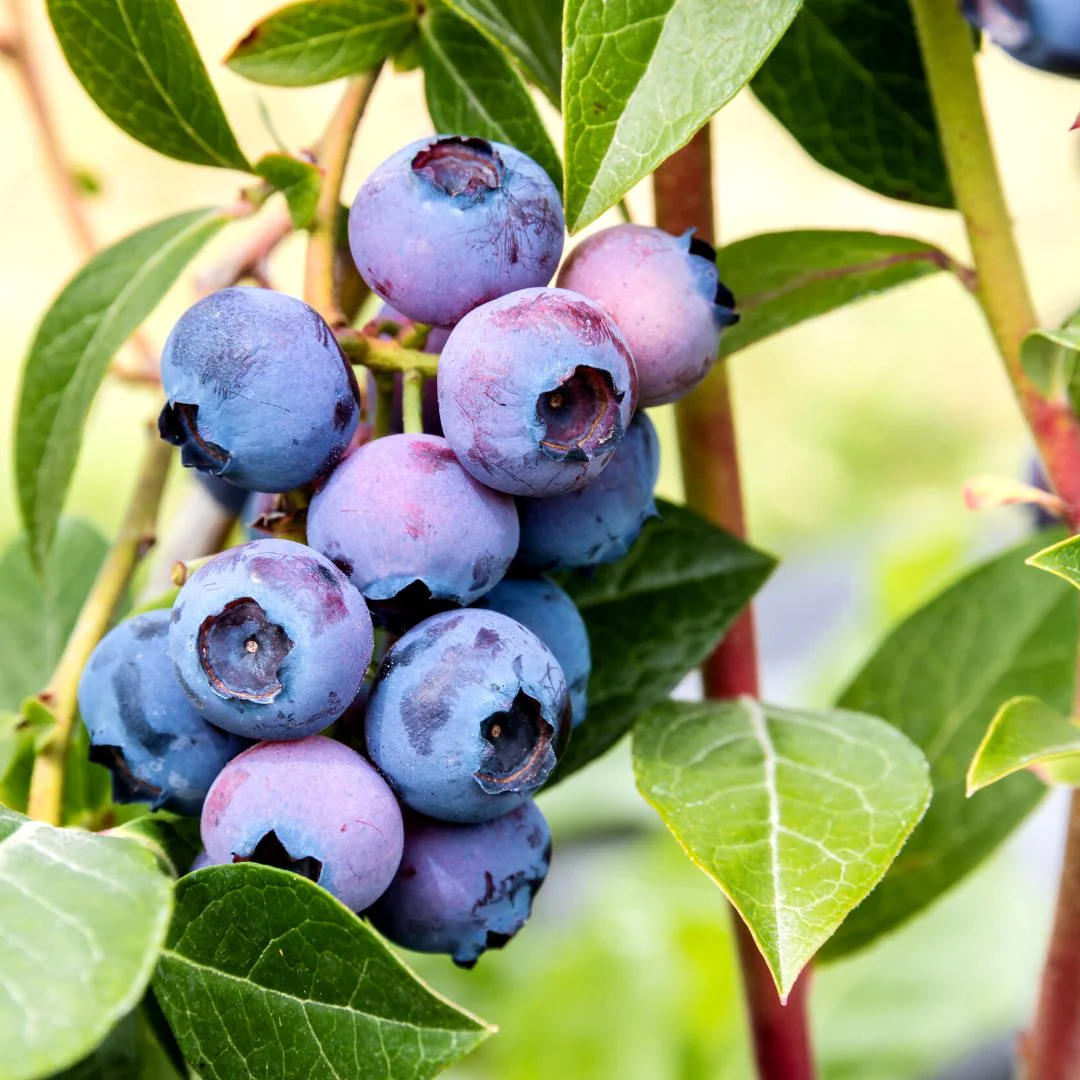
Lowbush Blueberry is the “wild blueberry” experience in plant form, low, natural, and wonderfully productive when it’s happy. Instead of growing as a tall shrub, it forms a spreading, ground-hugging patch that fits beautifully into edible landscapes, naturalized beds, and sunny borders. In spring, you’ll see small, delicate, bell-shaped flowers; in summer, you’ll harvest sweet berries with classic wild-blueberry character; and in fall, the foliage often turns rich red and burgundy for a final seasonal encore.
This is an ideal choice when you want food you can landscape with. Plant it as a living edging along a path, mass it in a sunny bed to create a blueberry “carpet,” or tuck it into a native planting where it looks right at home. It’s especially satisfying in small yards because it delivers fruit without taking up vertical space. If you love the idea of stepping outside to pick berries, but you don’t want a large shrub row, lowbush blueberries give you a more compact, more natural way to grow your own.
Cold-Hardy Performance With Four-Season Interest In Sunny Beds
Lowbush blueberries are valued for toughness, especially in colder climates where many fruiting shrubs struggle. Once established, they can handle winter cold and seasonal swings well, while staying compact and tidy in the landscape. During the growing season, the fine-textured foliage creates a soft, natural look that pairs well with ornamental grasses, coneflowers, native perennials, and low evergreen shrubs. In other words, it doesn’t look like a “fruit plant” stuck in the yard; it looks intentional.
The seasonal changes are part of the appeal. Spring flowers bring early charm (and pollinator activity), summer berries bring the harvest, and fall color brings a show. Even after leaf drop, the low structure helps define bed edges and reduce the “empty mulch” look in winter. For homeowners who want a landscape that feels alive and purposeful, this plant adds beauty and function without demanding constant maintenance.
A Natural Fit For Slopes, Borders, And “Blueberry Patch” Plantings
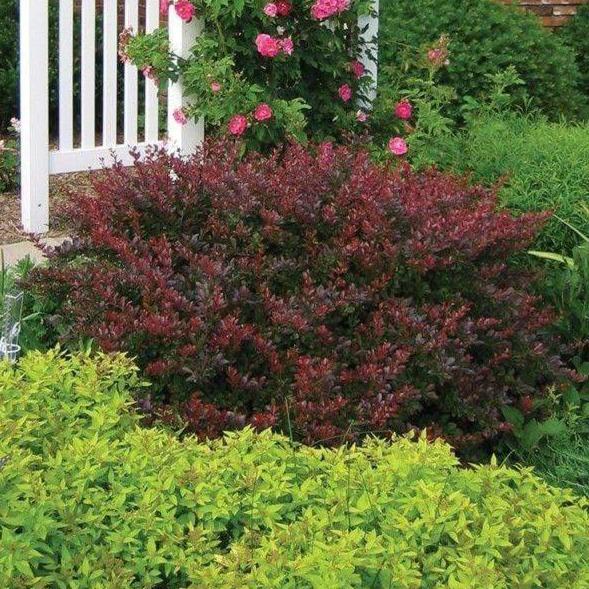
Because lowbush blueberries stay low and spread, they’re excellent for gentle slopes and banks where you want living coverage and a softer, more natural look than hard edging. They can also be planted as a productive groundcover under widely spaced trees (where the sun is still strong) or at the front of a sunny border where taller shrubs would be too bulky. If your goal is a true patch, something you can walk up to and pick from, plant several and let them knit together into a berry-producing mat over time.
Spacing is where you get to choose your look. Wider spacing creates individual mounds that slowly fill in; tighter spacing creates a quicker groundcover effect that looks lush sooner. Either way, good airflow and sunlight matter for fruiting, so avoid cramming plants into deep shade or overly wet sites. Treat it like a groundcover with a purpose: give it sun, give it acidic soil, and give it room to become its best version of a wild blueberry patch.
The Blueberry Basics: Acidic Soil, Consistent Moisture, And Great Drainage
Lowbush blueberries aren’t fussy, until soil pH is wrong. Like most blueberries, they strongly prefer acidic soil, typically in the 4.5 to 5.5 pH range, and perform best in well-drained, organic-rich soil that stays evenly moist. If your soil is neutral or alkaline, plan to amend with an acid-loving soil conditioner and mulch with pine bark, pine needles, or shredded leaves to help maintain acidity over time. This one step is the difference between “it survived” and “it thrived and fruited.”
Watering is most important during establishment and during fruit fill. Because blueberry roots are shallow and fine, they appreciate steady moisture and a mulch layer that keeps the root zone cool. At the same time, they do not like wet feet, so avoid low spots that stay soggy after rain. If you can give lowbush blueberries sun, drainage, and acidic soil, the plant does the rest, rewarding you with berries, fall color, and a landscape-friendly habit that feels naturally beautiful.
Wild Blueberry Flavor In A Low, Edible Groundcover
Lowbush Blueberry is the “wild blueberry” experience in plant form, low, natural, and wonderfully productive when it’s happy. Instead of growing as a tall shrub, it forms a spreading, ground-hugging patch that fits beautifully into edible landscapes, naturalized beds, and sunny borders. In spring, you’ll see small, delicate, bell-shaped flowers; in summer, you’ll harvest sweet berries with classic wild-blueberry character; and in fall, the foliage often turns rich red and burgundy for a final seasonal encore.
This is an ideal choice when you want food you can landscape with. Plant it as a living edging along a path, mass it in a sunny bed to create a blueberry “carpet,” or tuck it into a native planting where it looks right at home. It’s especially satisfying in small yards because it delivers fruit without taking up vertical space. If you love the idea of stepping outside to pick berries, but you don’t want a large shrub row, lowbush blueberries give you a more compact, more natural way to grow your own.
Cold-Hardy Performance With Four-Season Interest In Sunny Beds
Lowbush blueberries are valued for toughness, especially in colder climates where many fruiting shrubs struggle. Once established, they can handle winter cold and seasonal swings well, while staying compact and tidy in the landscape. During the growing season, the fine-textured foliage creates a soft, natural look that pairs well with ornamental grasses, coneflowers, native perennials, and low evergreen shrubs. In other words, it doesn’t look like a “fruit plant” stuck in the yard; it looks intentional.
The seasonal changes are part of the appeal. Spring flowers bring early charm (and pollinator activity), summer berries bring the harvest, and fall color brings a show. Even after leaf drop, the low structure helps define bed edges and reduce the “empty mulch” look in winter. For homeowners who want a landscape that feels alive and purposeful, this plant adds beauty and function without demanding constant maintenance.
A Natural Fit For Slopes, Borders, And “Blueberry Patch” Plantings
Because lowbush blueberries stay low and spread, they’re excellent for gentle slopes and banks where you want living coverage and a softer, more natural look than hard edging. They can also be planted as a productive groundcover under widely spaced trees (where the sun is still strong) or at the front of a sunny border where taller shrubs would be too bulky. If your goal is a true patch, something you can walk up to and pick from, plant several and let them knit together into a berry-producing mat over time.
Spacing is where you get to choose your look. Wider spacing creates individual mounds that slowly fill in; tighter spacing creates a quicker groundcover effect that looks lush sooner. Either way, good airflow and sunlight matter for fruiting, so avoid cramming plants into deep shade or overly wet sites. Treat it like a groundcover with a purpose: give it sun, give it acidic soil, and give it room to become its best version of a wild blueberry patch.
The Blueberry Basics: Acidic Soil, Consistent Moisture, And Great Drainage
Lowbush blueberries aren’t fussy, until soil pH is wrong. Like most blueberries, they strongly prefer acidic soil, typically in the 4.5 to 5.5 pH range, and perform best in well-drained, organic-rich soil that stays evenly moist. If your soil is neutral or alkaline, plan to amend with an acid-loving soil conditioner and mulch with pine bark, pine needles, or shredded leaves to help maintain acidity over time. This one step is the difference between “it survived” and “it thrived and fruited.”
Watering is most important during establishment and during fruit fill. Because blueberry roots are shallow and fine, they appreciate steady moisture and a mulch layer that keeps the root zone cool. At the same time, they do not like wet feet, so avoid low spots that stay soggy after rain. If you can give lowbush blueberries sun, drainage, and acidic soil, the plant does the rest, rewarding you with berries, fall color, and a landscape-friendly habit that feels naturally beautiful.
Original: $36.95
-70%$36.95
$11.09Description
Wild Blueberry Flavor In A Low, Edible Groundcover
Lowbush Blueberry is the “wild blueberry” experience in plant form, low, natural, and wonderfully productive when it’s happy. Instead of growing as a tall shrub, it forms a spreading, ground-hugging patch that fits beautifully into edible landscapes, naturalized beds, and sunny borders. In spring, you’ll see small, delicate, bell-shaped flowers; in summer, you’ll harvest sweet berries with classic wild-blueberry character; and in fall, the foliage often turns rich red and burgundy for a final seasonal encore.
This is an ideal choice when you want food you can landscape with. Plant it as a living edging along a path, mass it in a sunny bed to create a blueberry “carpet,” or tuck it into a native planting where it looks right at home. It’s especially satisfying in small yards because it delivers fruit without taking up vertical space. If you love the idea of stepping outside to pick berries, but you don’t want a large shrub row, lowbush blueberries give you a more compact, more natural way to grow your own.
Cold-Hardy Performance With Four-Season Interest In Sunny Beds
Lowbush blueberries are valued for toughness, especially in colder climates where many fruiting shrubs struggle. Once established, they can handle winter cold and seasonal swings well, while staying compact and tidy in the landscape. During the growing season, the fine-textured foliage creates a soft, natural look that pairs well with ornamental grasses, coneflowers, native perennials, and low evergreen shrubs. In other words, it doesn’t look like a “fruit plant” stuck in the yard; it looks intentional.
The seasonal changes are part of the appeal. Spring flowers bring early charm (and pollinator activity), summer berries bring the harvest, and fall color brings a show. Even after leaf drop, the low structure helps define bed edges and reduce the “empty mulch” look in winter. For homeowners who want a landscape that feels alive and purposeful, this plant adds beauty and function without demanding constant maintenance.
A Natural Fit For Slopes, Borders, And “Blueberry Patch” Plantings
Because lowbush blueberries stay low and spread, they’re excellent for gentle slopes and banks where you want living coverage and a softer, more natural look than hard edging. They can also be planted as a productive groundcover under widely spaced trees (where the sun is still strong) or at the front of a sunny border where taller shrubs would be too bulky. If your goal is a true patch, something you can walk up to and pick from, plant several and let them knit together into a berry-producing mat over time.
Spacing is where you get to choose your look. Wider spacing creates individual mounds that slowly fill in; tighter spacing creates a quicker groundcover effect that looks lush sooner. Either way, good airflow and sunlight matter for fruiting, so avoid cramming plants into deep shade or overly wet sites. Treat it like a groundcover with a purpose: give it sun, give it acidic soil, and give it room to become its best version of a wild blueberry patch.
The Blueberry Basics: Acidic Soil, Consistent Moisture, And Great Drainage
Lowbush blueberries aren’t fussy, until soil pH is wrong. Like most blueberries, they strongly prefer acidic soil, typically in the 4.5 to 5.5 pH range, and perform best in well-drained, organic-rich soil that stays evenly moist. If your soil is neutral or alkaline, plan to amend with an acid-loving soil conditioner and mulch with pine bark, pine needles, or shredded leaves to help maintain acidity over time. This one step is the difference between “it survived” and “it thrived and fruited.”
Watering is most important during establishment and during fruit fill. Because blueberry roots are shallow and fine, they appreciate steady moisture and a mulch layer that keeps the root zone cool. At the same time, they do not like wet feet, so avoid low spots that stay soggy after rain. If you can give lowbush blueberries sun, drainage, and acidic soil, the plant does the rest, rewarding you with berries, fall color, and a landscape-friendly habit that feels naturally beautiful.