Robinson Crabapple Tree
A Flowering Crabapple With Bold Spring Color
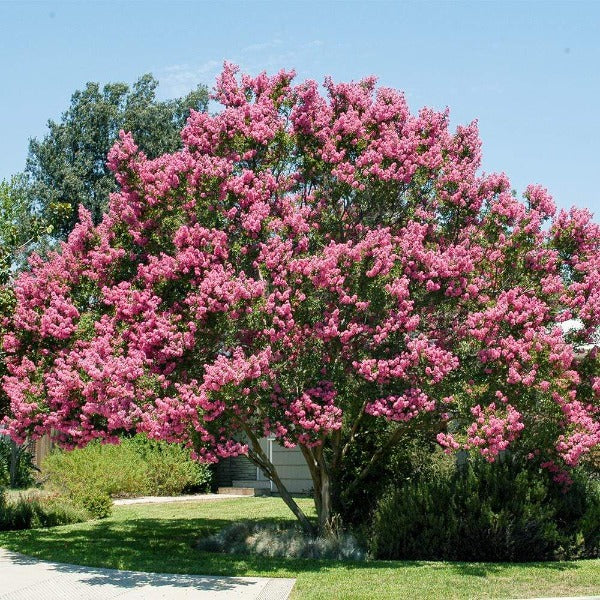
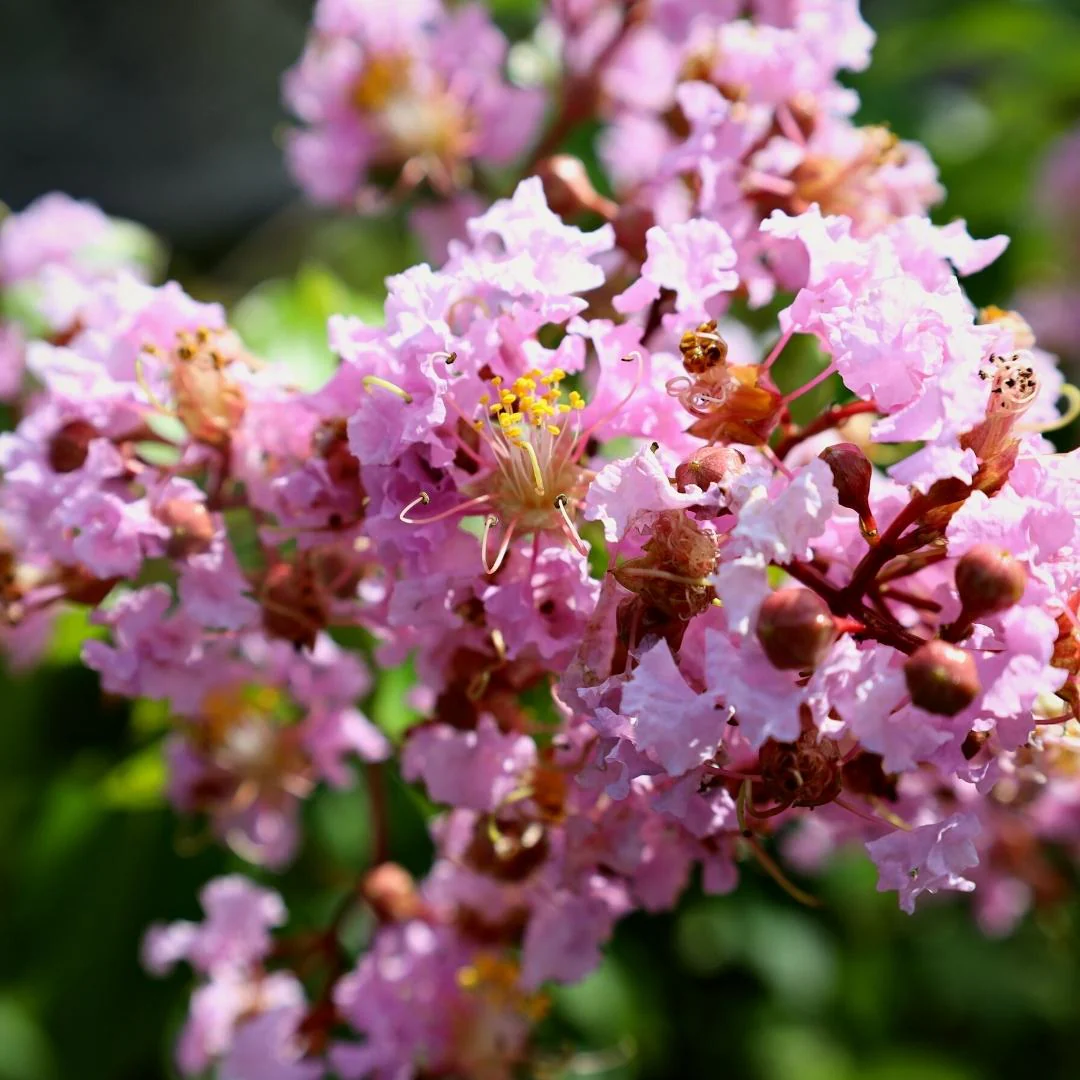
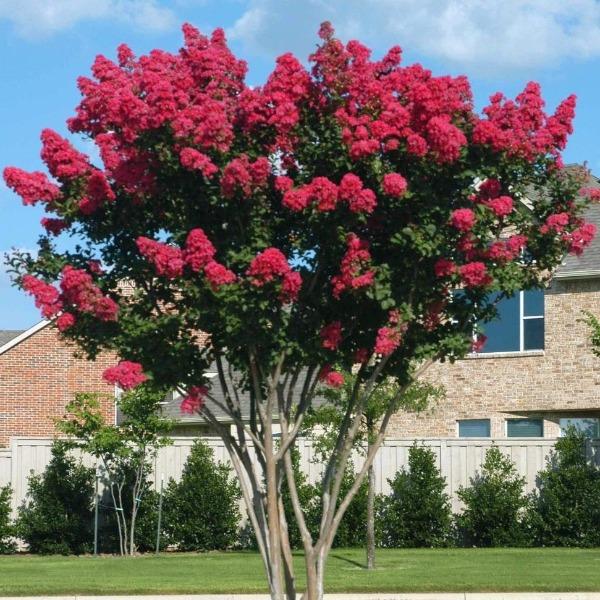
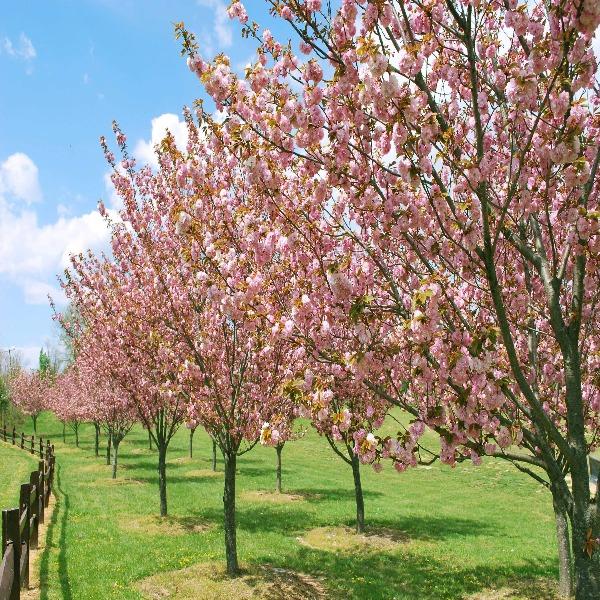
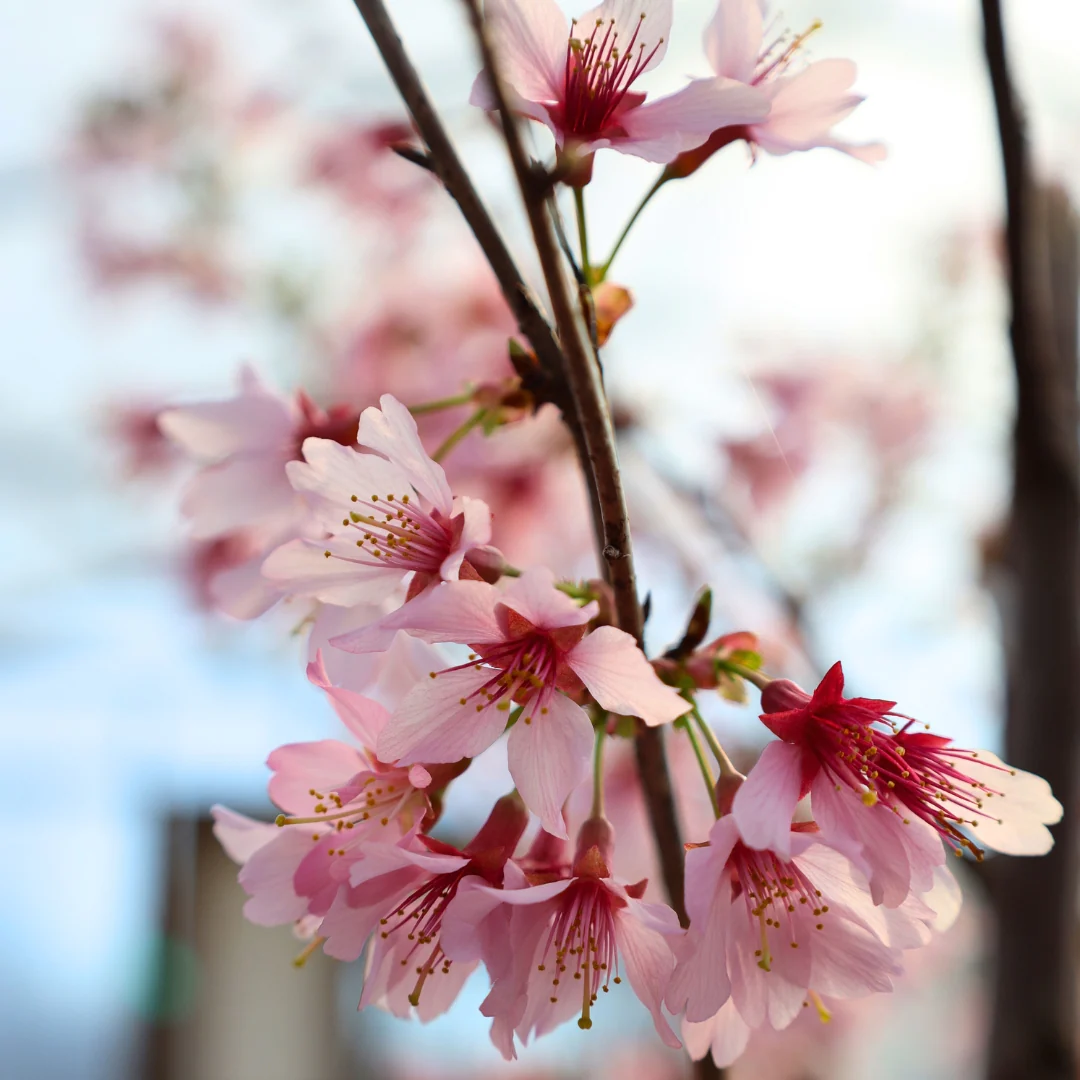
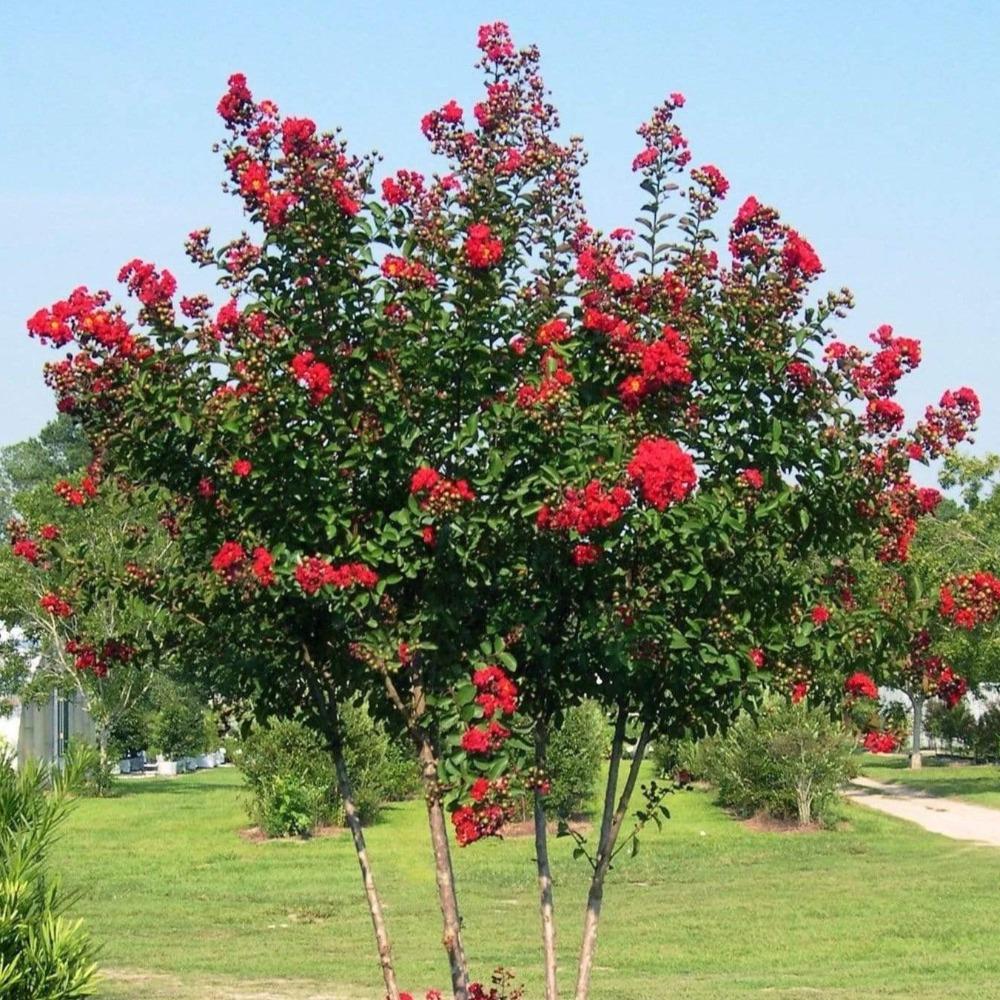
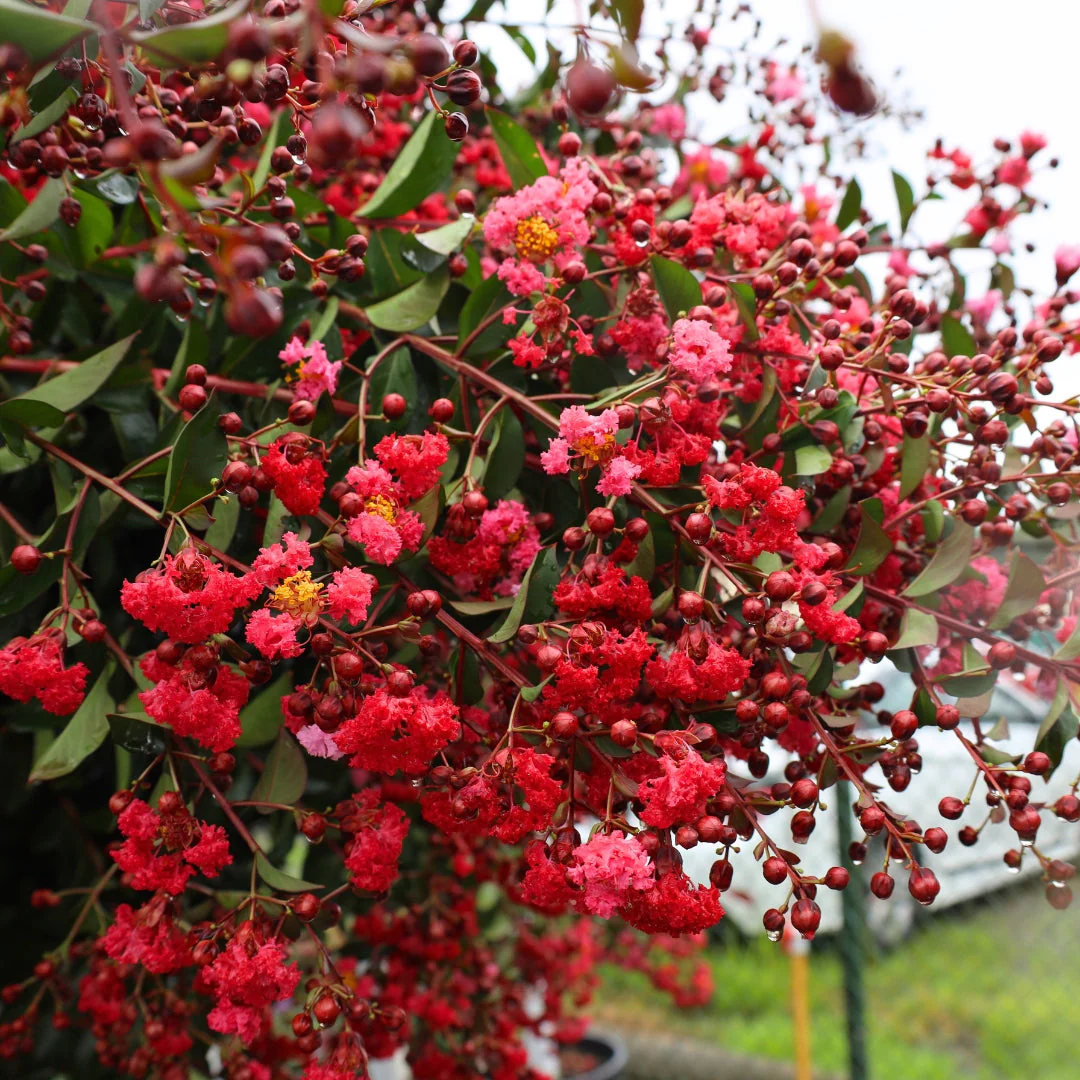
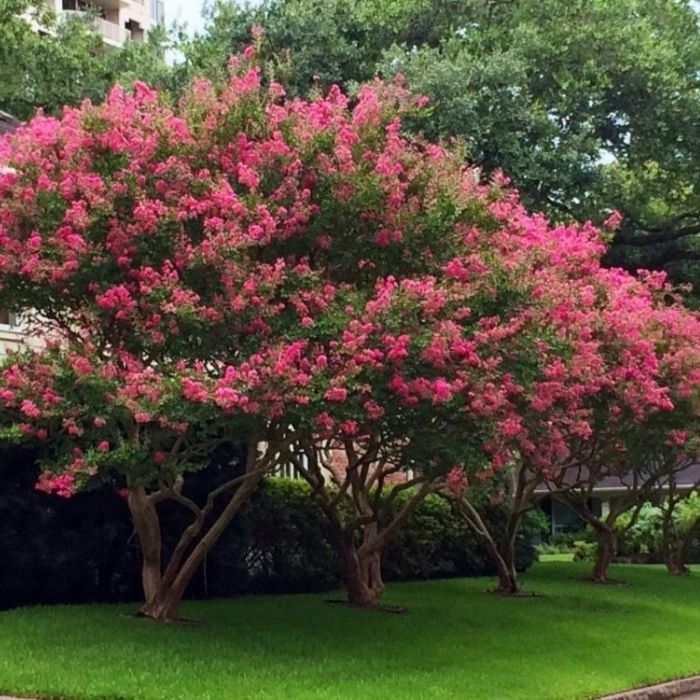
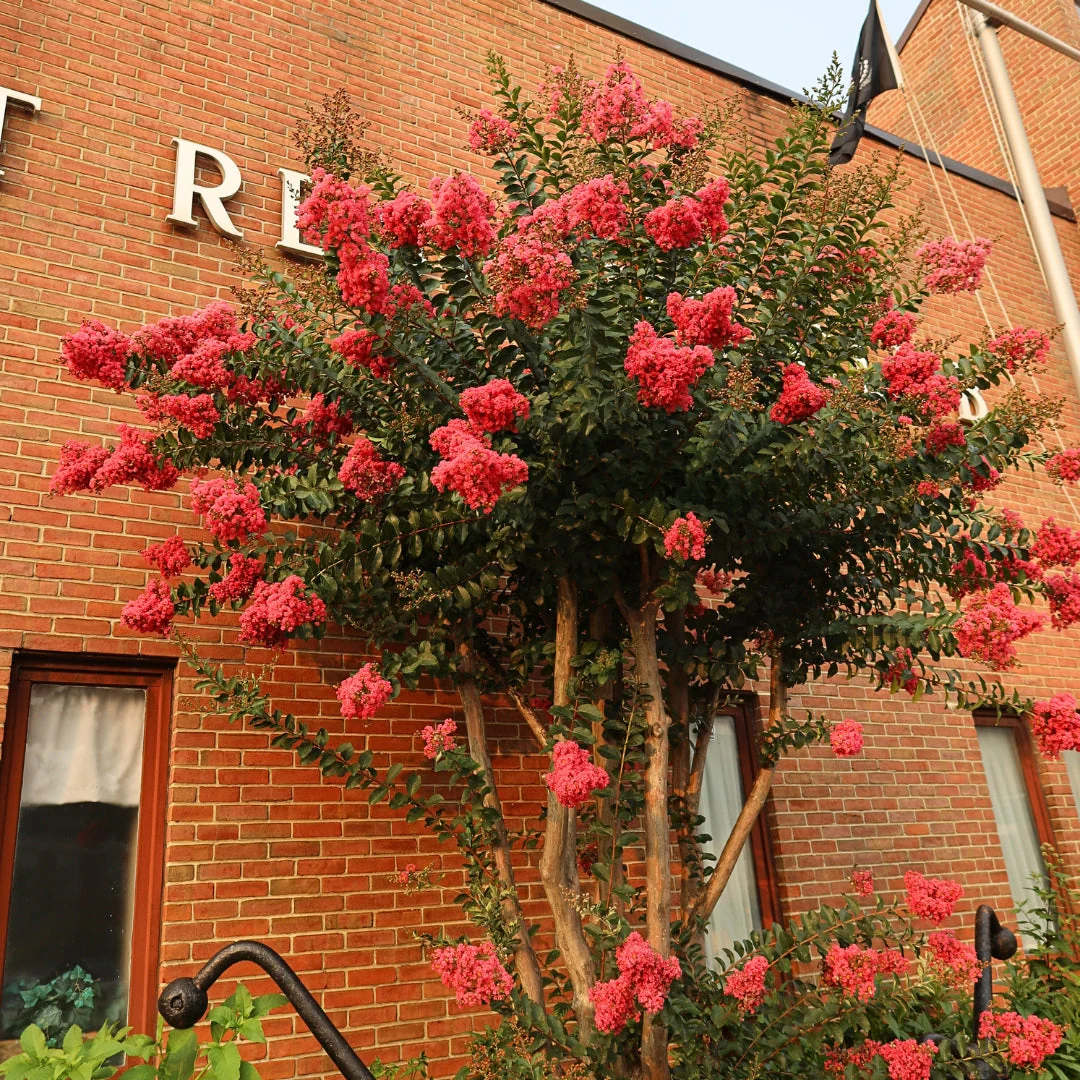
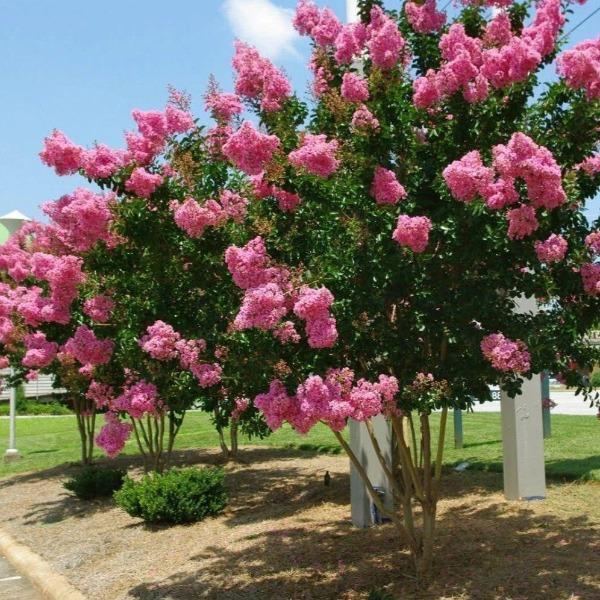
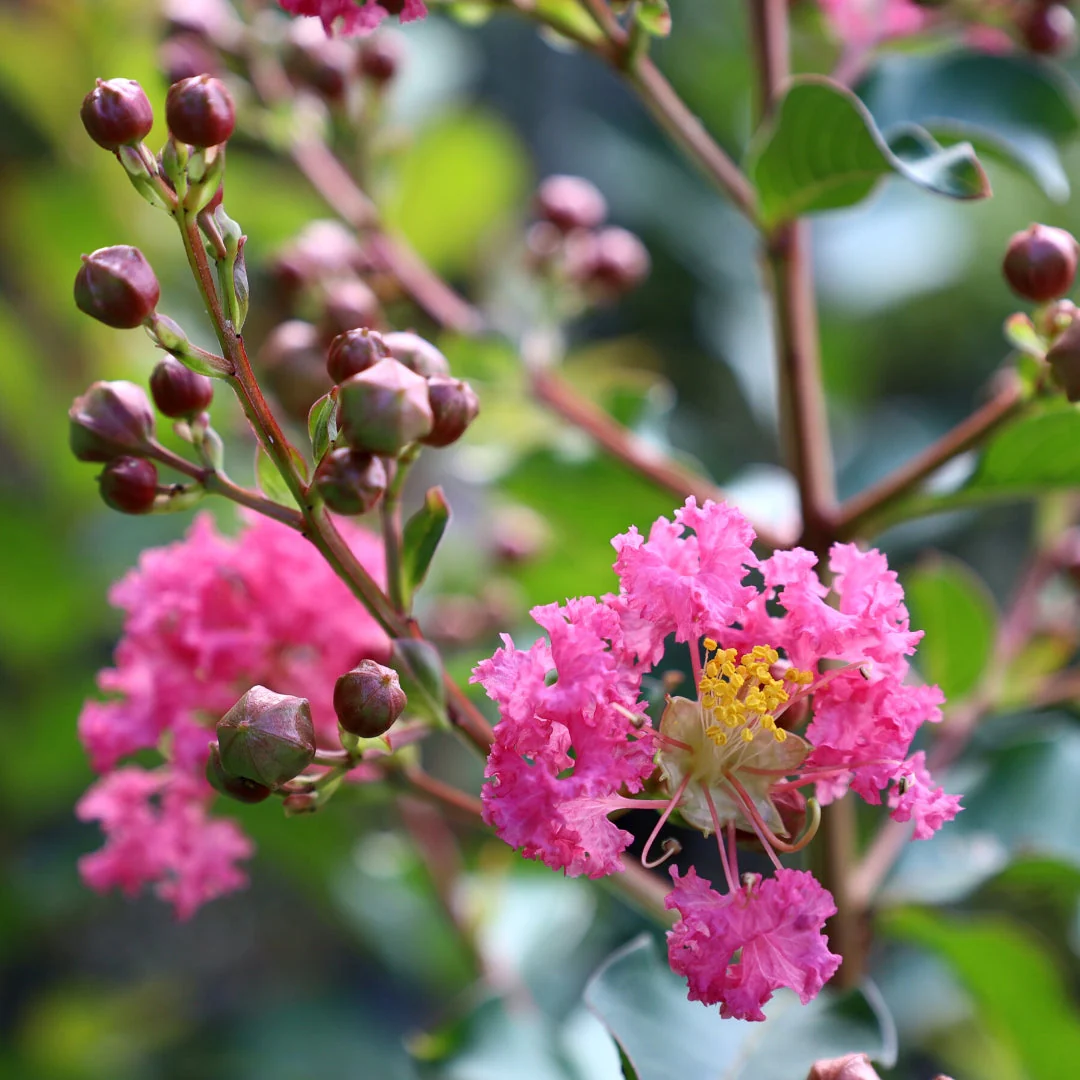
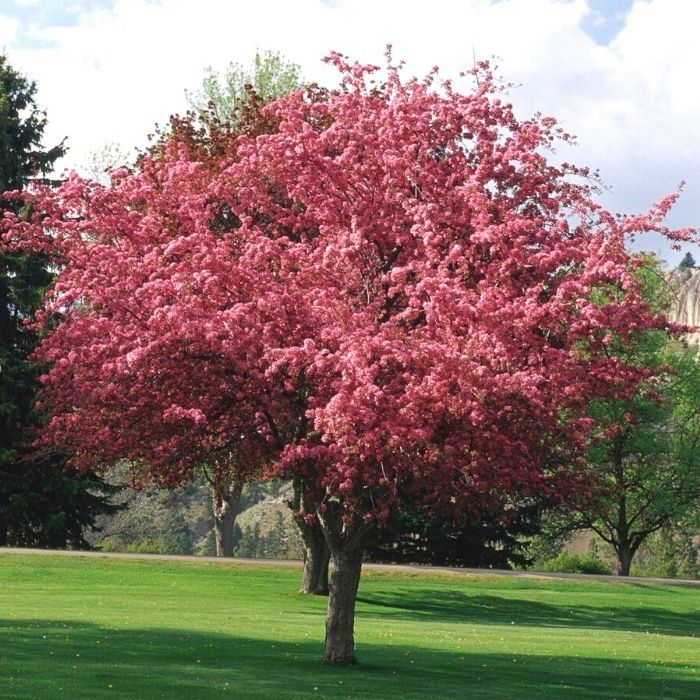
Robinson Crabapple Tree is a beautiful ornamental choice for homeowners who want more than just a brief spring display. In spring, deep crimson buds open into rich pink blooms that cover the tree, creating an eye-catching display in the landscape. It has the cheerful, classic charm people love in flowering crabapples, but with a little more color depth and drama than many lighter-blooming selections.
That spring bloom is one of the biggest reasons people plant it in front yards, entry gardens, lawn islands, and focal-point beds. When placed where the flowers can be appreciated from windows, patios, or the street, Robinson Crabapple gives the landscape a bright, established look that feels both welcoming and memorable.
Colorful Foliage That Keeps the Tree Interesting After Bloom
One of the strongest reasons to choose Robinson Crabapple is that it stays ornamental after the flowers are gone. New leaves emerge with purple to bronze-red tones, then mature into bronze-green or green with red veining as the season progresses. That changing foliage gives the tree more visual value than a flowering tree that fades into the background after spring.
This foliage color also makes Robinson especially useful in landscape design. It pairs beautifully with evergreens, dark mulch, stone, and lighter flowering shrubs or perennials. It can stand on its own as a specimen or add contrast and depth to a mixed planting. For homeowners who want a tree that keeps contributing long after bloom, this is a very strong option.
A Compact Ornamental Tree for Front Yards and Focal Planting
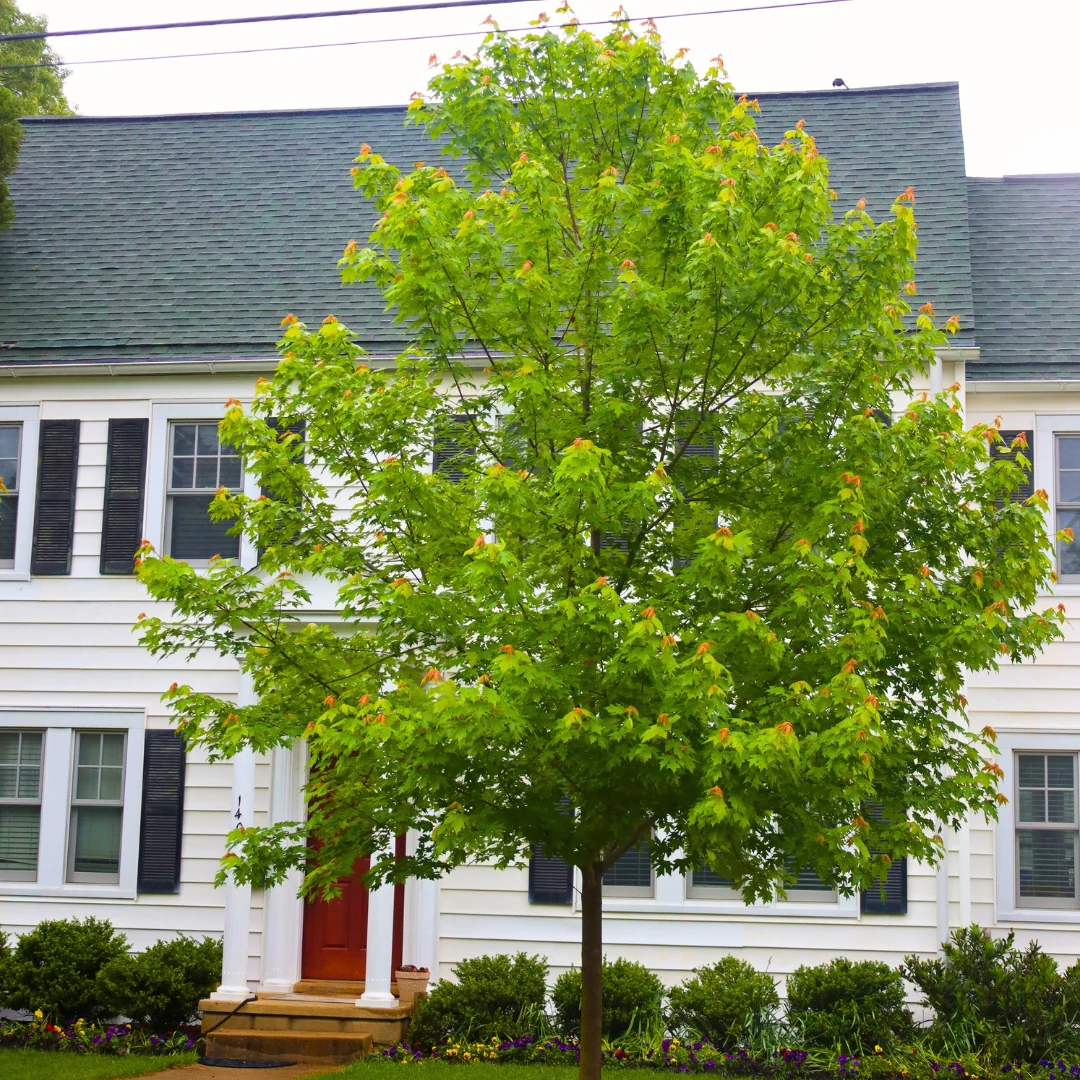
Robinson Crabapple Tree is a practical ornamental tree for residential settings because it offers a strong impact without becoming a massive shade tree. Its rounded to upright-spreading form gives it enough presence to anchor a front-yard design, but it still stays within a manageable size range for small to medium landscapes.
That makes it especially useful in lawn islands, front-yard focal points, foundation-adjacent beds, and ornamental border plantings. It is large enough to feel like a true tree, but not so large as to overwhelm the home or the surrounding planting. For homeowners looking for a flowering specimen tree with year-round interest, Robinson is an excellent fit.
Red Fruit and Fall Color Extend the Show
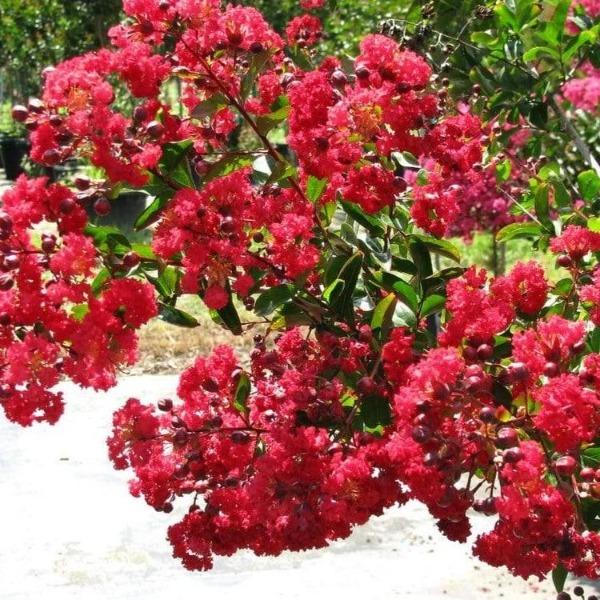
Robinson Crabapple brings more than flowers and foliage. After bloom, it develops small red ornamental fruit that helps extend the display later into the season and can remain attractive into fall and sometimes beyond. That fruit adds seasonal interest to the tree and helps it stay lively after summer.
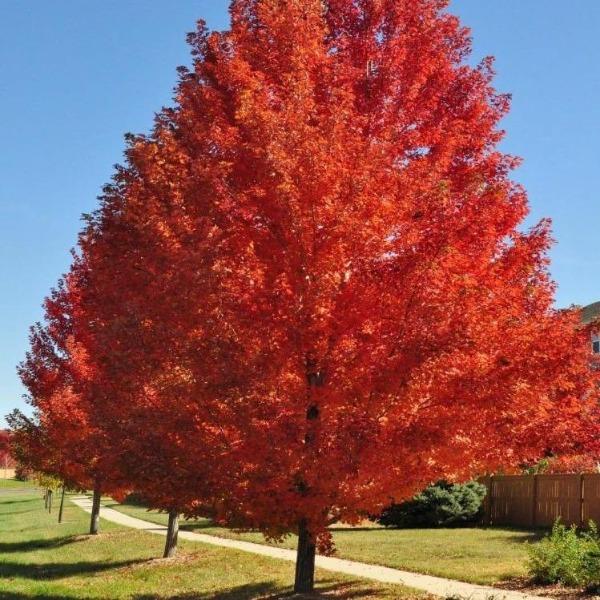
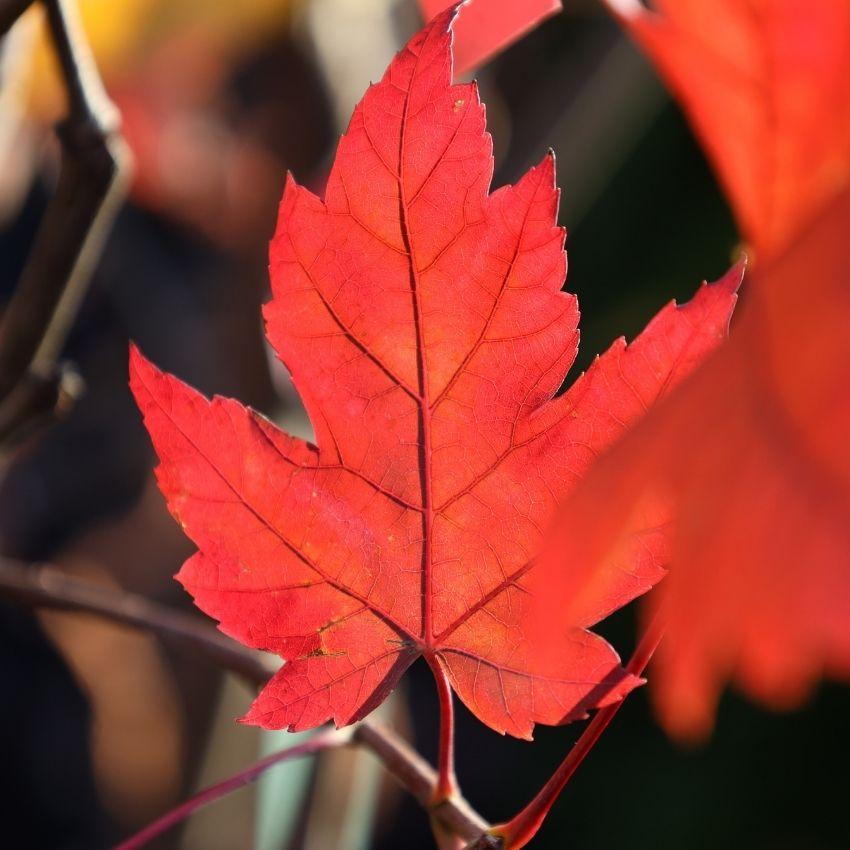
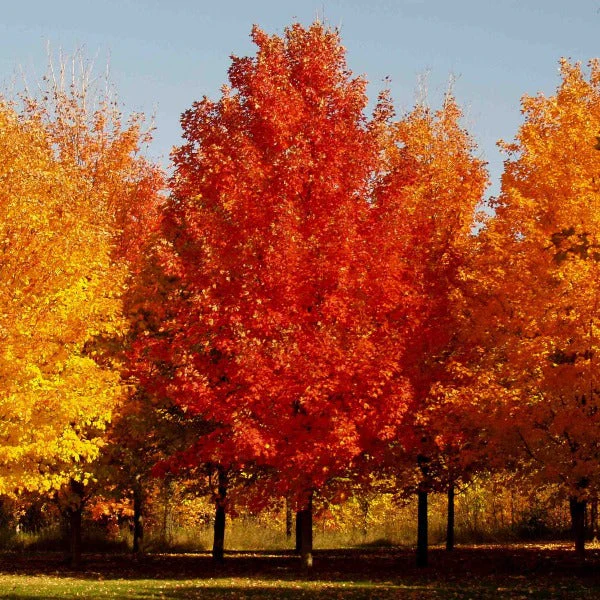
The fall color is another bonus. As the season changes, the foliage can shift into orange or bronze-orange tones that give the tree one more strong ornamental moment before winter. Combined with its fruit and branch structure, that fall display helps make Robinson a tree with true multi-season value rather than just a one-season performer.
Easy-Care Beauty With the Right Placement
Robinson Crabapple performs best in full sun and well-drained soil. It is happiest where it has room for air movement and enough space to develop its natural canopy. Like most ornamental crabapples, it benefits from thoughtful siting and light structural pruning to keep the tree healthy and attractive over time.
Once established in the right place, it becomes a dependable flowering ornamental with strong visual appeal and relatively simple care. For homeowners seeking a tree with deep-pink blooms, colorful foliage, ornamental fruit, and excellent seasonal character, the Robinson Crabapple Tree is a versatile and rewarding choice.
A Flowering Crabapple With Bold Spring Color
Robinson Crabapple Tree is a beautiful ornamental choice for homeowners who want more than just a brief spring display. In spring, deep crimson buds open into rich pink blooms that cover the tree, creating an eye-catching display in the landscape. It has the cheerful, classic charm people love in flowering crabapples, but with a little more color depth and drama than many lighter-blooming selections.
That spring bloom is one of the biggest reasons people plant it in front yards, entry gardens, lawn islands, and focal-point beds. When placed where the flowers can be appreciated from windows, patios, or the street, Robinson Crabapple gives the landscape a bright, established look that feels both welcoming and memorable.
Colorful Foliage That Keeps the Tree Interesting After Bloom
One of the strongest reasons to choose Robinson Crabapple is that it stays ornamental after the flowers are gone. New leaves emerge with purple to bronze-red tones, then mature into bronze-green or green with red veining as the season progresses. That changing foliage gives the tree more visual value than a flowering tree that fades into the background after spring.
This foliage color also makes Robinson especially useful in landscape design. It pairs beautifully with evergreens, dark mulch, stone, and lighter flowering shrubs or perennials. It can stand on its own as a specimen or add contrast and depth to a mixed planting. For homeowners who want a tree that keeps contributing long after bloom, this is a very strong option.
A Compact Ornamental Tree for Front Yards and Focal Planting
Robinson Crabapple Tree is a practical ornamental tree for residential settings because it offers a strong impact without becoming a massive shade tree. Its rounded to upright-spreading form gives it enough presence to anchor a front-yard design, but it still stays within a manageable size range for small to medium landscapes.
That makes it especially useful in lawn islands, front-yard focal points, foundation-adjacent beds, and ornamental border plantings. It is large enough to feel like a true tree, but not so large as to overwhelm the home or the surrounding planting. For homeowners looking for a flowering specimen tree with year-round interest, Robinson is an excellent fit.
Red Fruit and Fall Color Extend the Show
Robinson Crabapple brings more than flowers and foliage. After bloom, it develops small red ornamental fruit that helps extend the display later into the season and can remain attractive into fall and sometimes beyond. That fruit adds seasonal interest to the tree and helps it stay lively after summer.
The fall color is another bonus. As the season changes, the foliage can shift into orange or bronze-orange tones that give the tree one more strong ornamental moment before winter. Combined with its fruit and branch structure, that fall display helps make Robinson a tree with true multi-season value rather than just a one-season performer.
Easy-Care Beauty With the Right Placement
Robinson Crabapple performs best in full sun and well-drained soil. It is happiest where it has room for air movement and enough space to develop its natural canopy. Like most ornamental crabapples, it benefits from thoughtful siting and light structural pruning to keep the tree healthy and attractive over time.
Once established in the right place, it becomes a dependable flowering ornamental with strong visual appeal and relatively simple care. For homeowners seeking a tree with deep-pink blooms, colorful foliage, ornamental fruit, and excellent seasonal character, the Robinson Crabapple Tree is a versatile and rewarding choice.
Original: $99.95
-70%$99.95
$29.98Description
A Flowering Crabapple With Bold Spring Color
Robinson Crabapple Tree is a beautiful ornamental choice for homeowners who want more than just a brief spring display. In spring, deep crimson buds open into rich pink blooms that cover the tree, creating an eye-catching display in the landscape. It has the cheerful, classic charm people love in flowering crabapples, but with a little more color depth and drama than many lighter-blooming selections.
That spring bloom is one of the biggest reasons people plant it in front yards, entry gardens, lawn islands, and focal-point beds. When placed where the flowers can be appreciated from windows, patios, or the street, Robinson Crabapple gives the landscape a bright, established look that feels both welcoming and memorable.
Colorful Foliage That Keeps the Tree Interesting After Bloom
One of the strongest reasons to choose Robinson Crabapple is that it stays ornamental after the flowers are gone. New leaves emerge with purple to bronze-red tones, then mature into bronze-green or green with red veining as the season progresses. That changing foliage gives the tree more visual value than a flowering tree that fades into the background after spring.
This foliage color also makes Robinson especially useful in landscape design. It pairs beautifully with evergreens, dark mulch, stone, and lighter flowering shrubs or perennials. It can stand on its own as a specimen or add contrast and depth to a mixed planting. For homeowners who want a tree that keeps contributing long after bloom, this is a very strong option.
A Compact Ornamental Tree for Front Yards and Focal Planting
Robinson Crabapple Tree is a practical ornamental tree for residential settings because it offers a strong impact without becoming a massive shade tree. Its rounded to upright-spreading form gives it enough presence to anchor a front-yard design, but it still stays within a manageable size range for small to medium landscapes.
That makes it especially useful in lawn islands, front-yard focal points, foundation-adjacent beds, and ornamental border plantings. It is large enough to feel like a true tree, but not so large as to overwhelm the home or the surrounding planting. For homeowners looking for a flowering specimen tree with year-round interest, Robinson is an excellent fit.
Red Fruit and Fall Color Extend the Show
Robinson Crabapple brings more than flowers and foliage. After bloom, it develops small red ornamental fruit that helps extend the display later into the season and can remain attractive into fall and sometimes beyond. That fruit adds seasonal interest to the tree and helps it stay lively after summer.
The fall color is another bonus. As the season changes, the foliage can shift into orange or bronze-orange tones that give the tree one more strong ornamental moment before winter. Combined with its fruit and branch structure, that fall display helps make Robinson a tree with true multi-season value rather than just a one-season performer.
Easy-Care Beauty With the Right Placement
Robinson Crabapple performs best in full sun and well-drained soil. It is happiest where it has room for air movement and enough space to develop its natural canopy. Like most ornamental crabapples, it benefits from thoughtful siting and light structural pruning to keep the tree healthy and attractive over time.
Once established in the right place, it becomes a dependable flowering ornamental with strong visual appeal and relatively simple care. For homeowners seeking a tree with deep-pink blooms, colorful foliage, ornamental fruit, and excellent seasonal character, the Robinson Crabapple Tree is a versatile and rewarding choice.