
Swamp White Oak Tree
A Strong Native Oak for Difficult Moist SitesThe
Swamp White Oak Tree is a durable native shade tree known for its ability to handle medium to wet soils, low areas, clay, and seasonally damp sites. Botanically known as Quercus bicolor, this long-lived oak is a smart choice when you want the strength and wildlife value of an oak in a location that may be too moist for many other shade trees.
Despite its name, Swamp White Oak does not need to grow in standing water. It performs well in average garden soil, too, as long as the site has enough room and sunlight. Use it in large lawns, naturalized areas, rain garden edges, low spots, park-like landscapes, and open native plantings.
Two-Toned Leaves with Silver Undersides
The species name “bicolor” refers to the striking contrast between the dark green upper leaf surface and the pale, silvery-white underside. When the wind moves through the canopy, the leaves flash lighter tones, giving the tree a subtle shimmer.
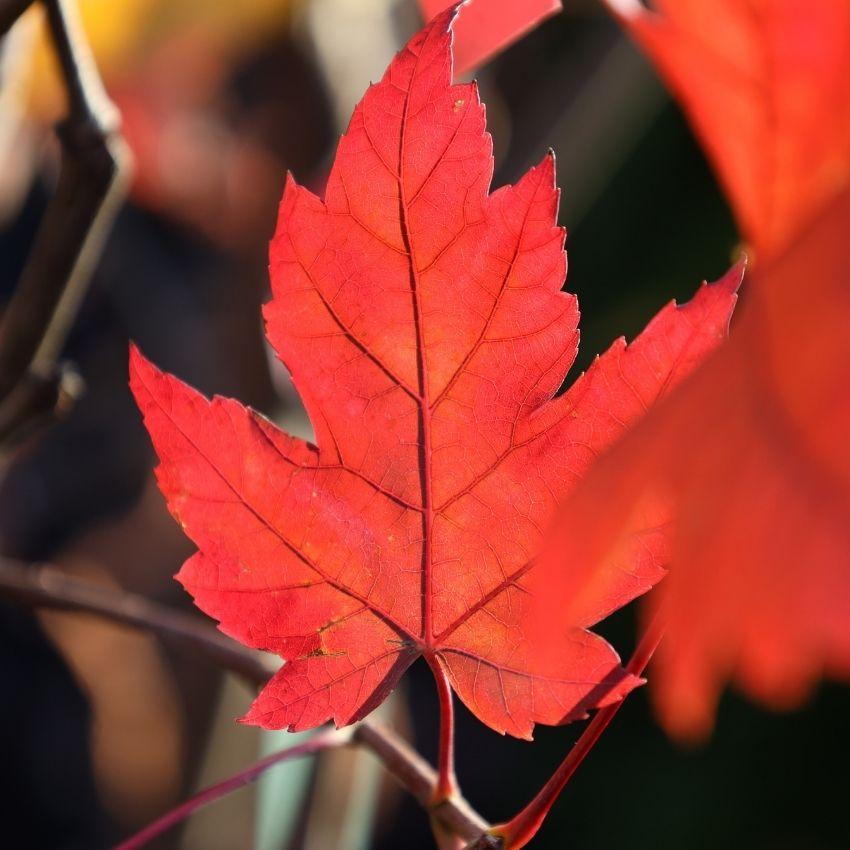
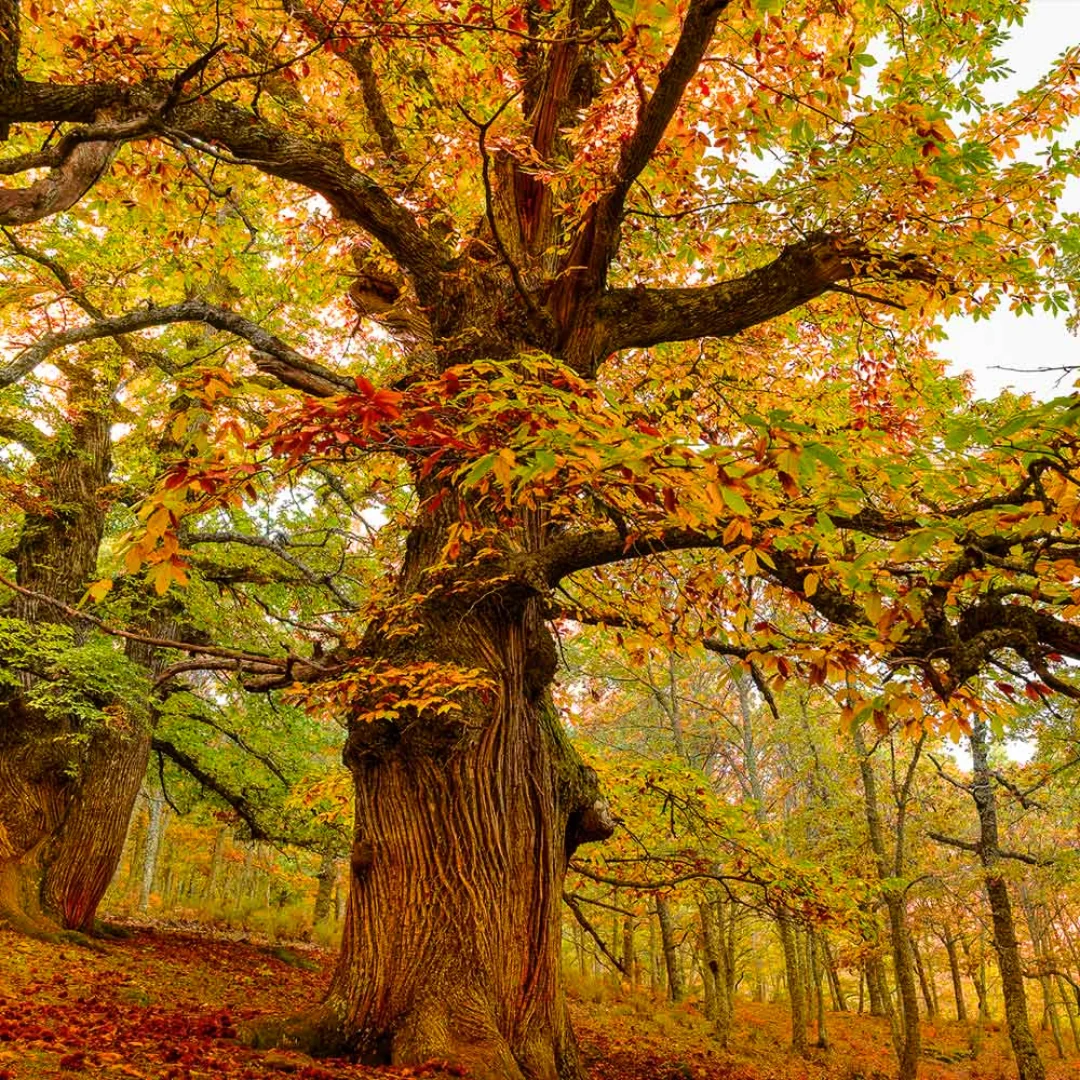
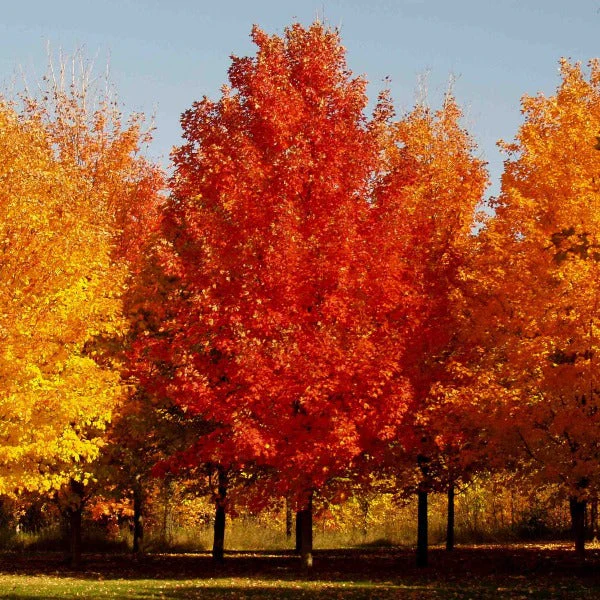
In fall, Swamp White Oak may turn yellow, gold, copper, or reddish-purple depending on weather and site conditions. Young trees may also hold some dried leaves into winter, adding texture and structure after the growing season ends.
Broad Shade and a Rounded Mature Canopy
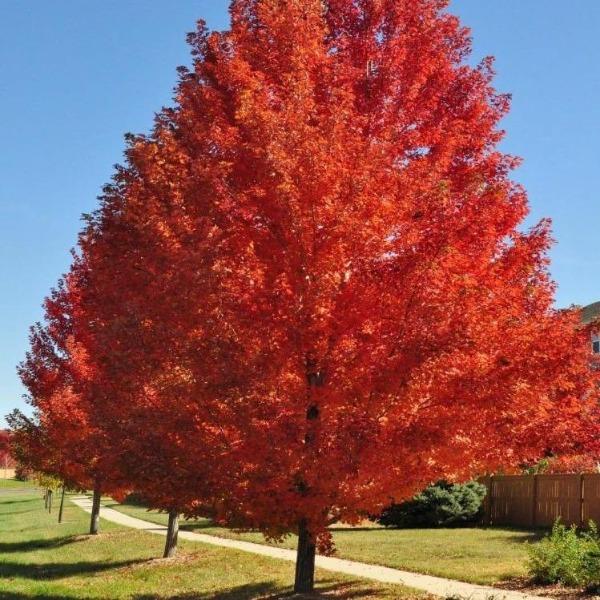
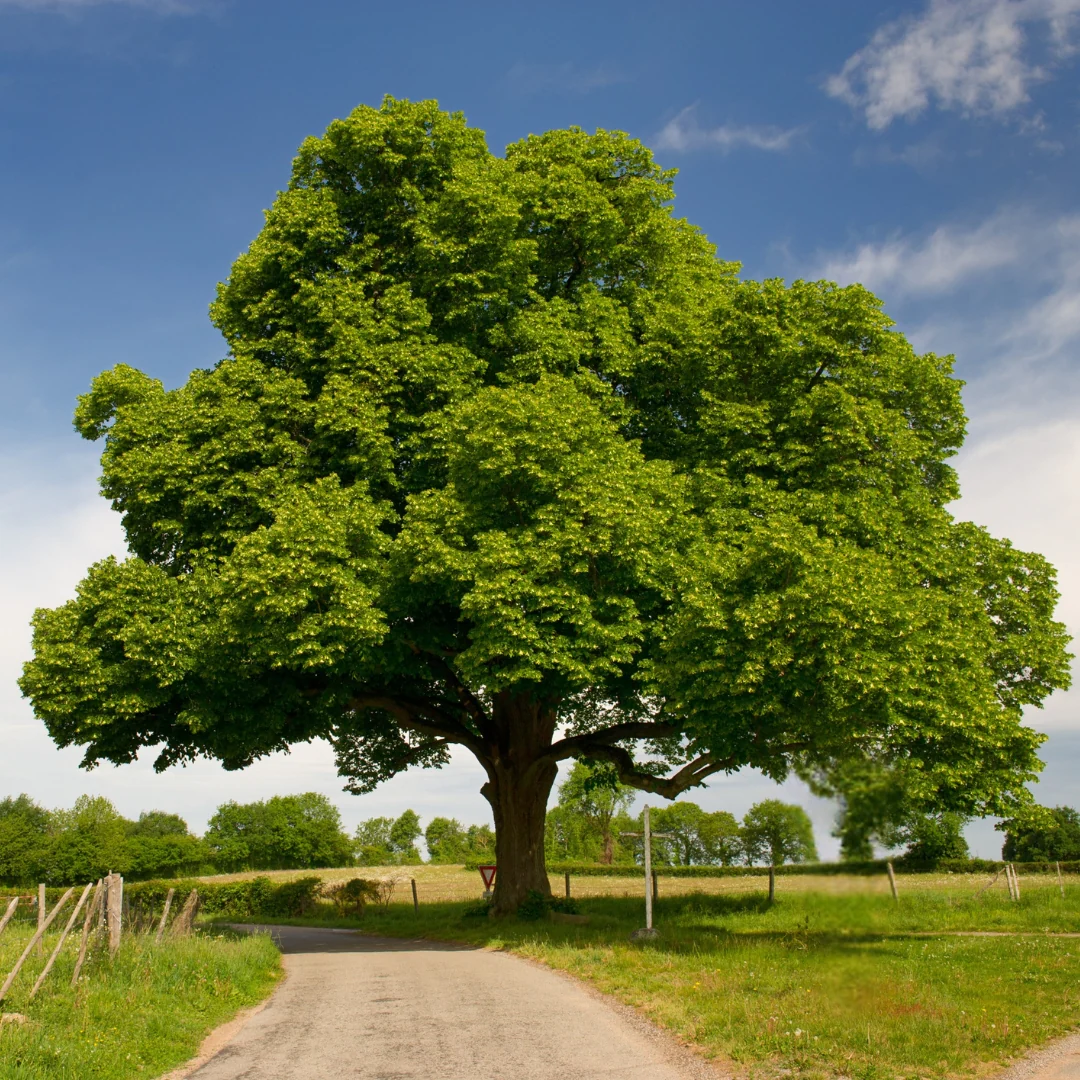
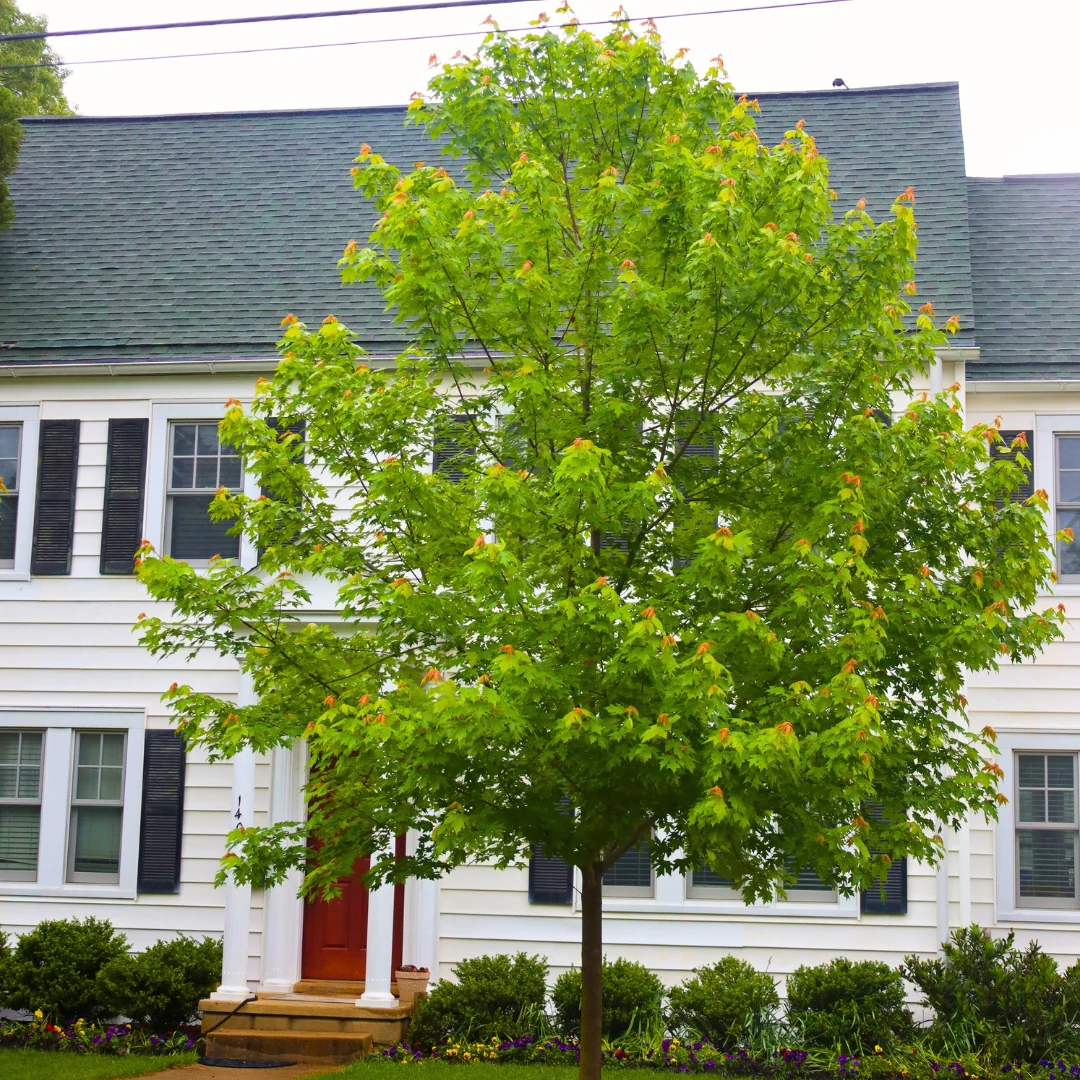
Swamp White Oak develops into a medium to large shade tree with a broad, rounded crown. Mature trees commonly reach about 50–60 feet tall and wide, with some growing larger in ideal conditions.
Because of its mature size, this tree should be planted where it can develop naturally without crowding buildings, overhead wires, sidewalks, or narrow beds. With the right placement, it becomes a legacy tree that can shade outdoor living areas, support wildlife, and anchor the landscape for generations.
Excellent Wildlife Value from Acorns and Native Habitat
Like other native oaks, Swamp White Oak provides major habitat value. Its acorns are eaten by birds and mammals, and the tree supports insects that feed nesting birds and other wildlife.
This makes Swamp White Oak a strong choice for homeowners building native landscapes, wildlife gardens, large pollinator-supporting plantings, and naturalized borders. Planting an oak is one of the most meaningful ways to add long-term ecological value to a property.
Low Maintenance Once Established
Plant Swamp White Oak in full sun for the strongest growth and best canopy development. It grows best in acidic, medium to wet soil, but adapts to a range of conditions, including clay and occasional dry periods once established.
Water regularly during the first few seasons while the root system develops. After establishment, Swamp White Oak is generally low maintenance. Prune only as needed while young to develop strong structure, and avoid heavy pruning on mature trees unless performed by a qualified arborist.
A Strong Native Oak for Difficult Moist SitesThe
Swamp White Oak Tree is a durable native shade tree known for its ability to handle medium to wet soils, low areas, clay, and seasonally damp sites. Botanically known as Quercus bicolor, this long-lived oak is a smart choice when you want the strength and wildlife value of an oak in a location that may be too moist for many other shade trees.
Despite its name, Swamp White Oak does not need to grow in standing water. It performs well in average garden soil, too, as long as the site has enough room and sunlight. Use it in large lawns, naturalized areas, rain garden edges, low spots, park-like landscapes, and open native plantings.
Two-Toned Leaves with Silver Undersides
The species name “bicolor” refers to the striking contrast between the dark green upper leaf surface and the pale, silvery-white underside. When the wind moves through the canopy, the leaves flash lighter tones, giving the tree a subtle shimmer.
In fall, Swamp White Oak may turn yellow, gold, copper, or reddish-purple depending on weather and site conditions. Young trees may also hold some dried leaves into winter, adding texture and structure after the growing season ends.
Broad Shade and a Rounded Mature Canopy
Swamp White Oak develops into a medium to large shade tree with a broad, rounded crown. Mature trees commonly reach about 50–60 feet tall and wide, with some growing larger in ideal conditions.
Because of its mature size, this tree should be planted where it can develop naturally without crowding buildings, overhead wires, sidewalks, or narrow beds. With the right placement, it becomes a legacy tree that can shade outdoor living areas, support wildlife, and anchor the landscape for generations.
Excellent Wildlife Value from Acorns and Native Habitat
Like other native oaks, Swamp White Oak provides major habitat value. Its acorns are eaten by birds and mammals, and the tree supports insects that feed nesting birds and other wildlife.
This makes Swamp White Oak a strong choice for homeowners building native landscapes, wildlife gardens, large pollinator-supporting plantings, and naturalized borders. Planting an oak is one of the most meaningful ways to add long-term ecological value to a property.
Low Maintenance Once Established
Plant Swamp White Oak in full sun for the strongest growth and best canopy development. It grows best in acidic, medium to wet soil, but adapts to a range of conditions, including clay and occasional dry periods once established.
Water regularly during the first few seasons while the root system develops. After establishment, Swamp White Oak is generally low maintenance. Prune only as needed while young to develop strong structure, and avoid heavy pruning on mature trees unless performed by a qualified arborist.
Original: $119.95
-70%$119.95
$35.98Description
A Strong Native Oak for Difficult Moist SitesThe
Swamp White Oak Tree is a durable native shade tree known for its ability to handle medium to wet soils, low areas, clay, and seasonally damp sites. Botanically known as Quercus bicolor, this long-lived oak is a smart choice when you want the strength and wildlife value of an oak in a location that may be too moist for many other shade trees.
Despite its name, Swamp White Oak does not need to grow in standing water. It performs well in average garden soil, too, as long as the site has enough room and sunlight. Use it in large lawns, naturalized areas, rain garden edges, low spots, park-like landscapes, and open native plantings.
Two-Toned Leaves with Silver Undersides
The species name “bicolor” refers to the striking contrast between the dark green upper leaf surface and the pale, silvery-white underside. When the wind moves through the canopy, the leaves flash lighter tones, giving the tree a subtle shimmer.
In fall, Swamp White Oak may turn yellow, gold, copper, or reddish-purple depending on weather and site conditions. Young trees may also hold some dried leaves into winter, adding texture and structure after the growing season ends.
Broad Shade and a Rounded Mature Canopy
Swamp White Oak develops into a medium to large shade tree with a broad, rounded crown. Mature trees commonly reach about 50–60 feet tall and wide, with some growing larger in ideal conditions.
Because of its mature size, this tree should be planted where it can develop naturally without crowding buildings, overhead wires, sidewalks, or narrow beds. With the right placement, it becomes a legacy tree that can shade outdoor living areas, support wildlife, and anchor the landscape for generations.
Excellent Wildlife Value from Acorns and Native Habitat
Like other native oaks, Swamp White Oak provides major habitat value. Its acorns are eaten by birds and mammals, and the tree supports insects that feed nesting birds and other wildlife.
This makes Swamp White Oak a strong choice for homeowners building native landscapes, wildlife gardens, large pollinator-supporting plantings, and naturalized borders. Planting an oak is one of the most meaningful ways to add long-term ecological value to a property.
Low Maintenance Once Established
Plant Swamp White Oak in full sun for the strongest growth and best canopy development. It grows best in acidic, medium to wet soil, but adapts to a range of conditions, including clay and occasional dry periods once established.
Water regularly during the first few seasons while the root system develops. After establishment, Swamp White Oak is generally low maintenance. Prune only as needed while young to develop strong structure, and avoid heavy pruning on mature trees unless performed by a qualified arborist.