
Waterfall Japanese Maple
A Graceful Green Laceleaf Maple With Flowing Form
Waterfall Japanese Maple is one of the most elegant small ornamental trees you can add to a landscape. Its finely cut green foliage and softly cascading branches create a broad, layered shape that feels refined, calming, and distinctly Japanese maple-like. When homeowners want a tree that adds texture and movement instead of upright formality, Waterfall is an exceptional choice.
Its weeping habit is one of its biggest strengths. Rather than growing stiffly upward, it forms a broad, mounded canopy with branches that spill downward in a waterfall-like effect. That flowing shape gives the tree softness and sculptural presence, making it especially effective where the branch structure can be appreciated from the side, from above, or near a path.
Fresh Green Foliage Through Summer and Bright Fall Color
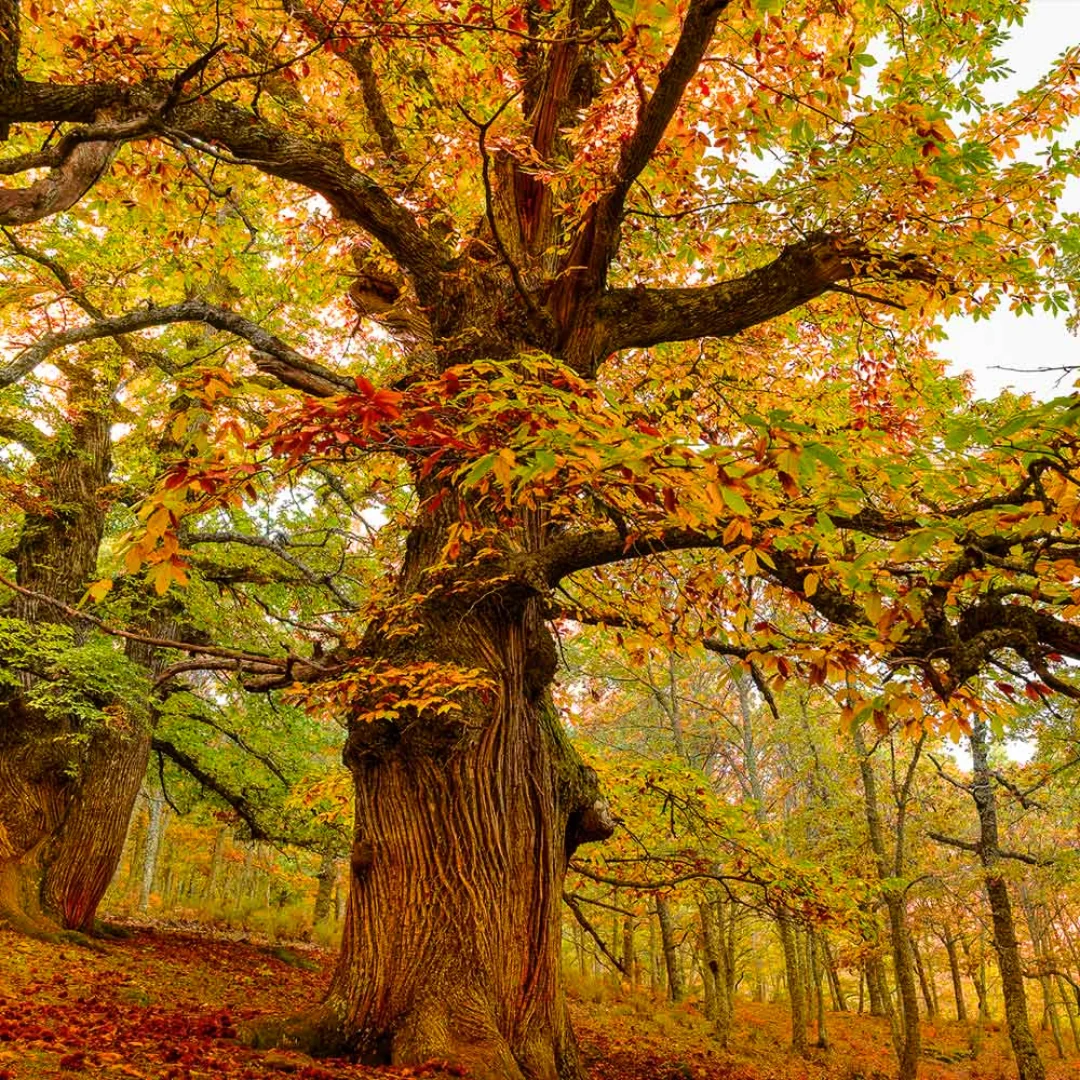
Waterfall Japanese Maple offers a lighter, fresher look than many red laceleaf varieties. The foliage holds a clear green tone through spring and summer, which makes it especially useful for brightening darker planting combinations and adding a cooling effect to the landscape. In fall, the tree shifts into rich yellow and golden tones, giving it a second season of standout color.
That seasonal change makes Waterfall especially versatile. It pairs beautifully with evergreens, stone, dark mulch, burgundy foliage plants, and flowering perennials. It can soften bold hardscape, brighten shaded edges, and bring a more peaceful, layered quality to beds that need texture and movement without heavy color.
A Dwarf Weeping Ornamental Tree for Small Gardens and Focal Points
Waterfall Japanese Maple is a strong choice for homeowners who want a specimen tree without giving up too much space. It stays within a manageable size range and develops a broad, cascading form that works beautifully in island beds, slopes, raised planters, foundation corners, patio gardens, and focal-point plantings near walkways or seating areas.
Because of the way it spreads and drapes, it is especially effective where the form can be shown off. Planting it near a retaining wall, in an elevated bed, or beside a path helps display the tree's layered branching and gives it room to do what it does best. For smaller landscapes that need a real statement plant, Waterfall brings a lot of personality in a compact footprint.
A Great Choice for Slopes, Raised Beds, and Refined Garden Design
One of the most useful things about Waterfall Japanese Maple is how naturally it fits into designed spaces. Its cascading shape works beautifully on slopes, at the edge of terraces, or in raised beds where the branches can spill naturally. It also makes an excellent accent near stone, water features, and seating areas because the fine foliage and mounded habit add softness and motion.
This is the kind of tree that helps a planting feel layered and intentional. Instead of just occupying space, it adds character and visual rhythm. For homeowners who want an ornamental tree that feels artistic without being fussy, Waterfall Japanese Maple is a very strong choice.
Easy Elegance With the Right Placement
Waterfall Japanese Maple performs best in moist, well-drained soil and usually appreciates some protection from the harshest afternoon conditions in hotter climates. In cooler regions, it can take more sun, while in warmer areas, filtered light or morning sun with afternoon protection often helps preserve leaf quality and overall appearance.
Like many Japanese maples, it does not need aggressive maintenance. Once established in the right place, it becomes a dependable ornamental tree with excellent texture, strong seasonal beauty, and relatively simple care. For homeowners who want a green laceleaf Japanese maple with a graceful weeping form and standout fall color, Waterfall remains one of the best choices available.
A Graceful Green Laceleaf Maple With Flowing Form
Waterfall Japanese Maple is one of the most elegant small ornamental trees you can add to a landscape. Its finely cut green foliage and softly cascading branches create a broad, layered shape that feels refined, calming, and distinctly Japanese maple-like. When homeowners want a tree that adds texture and movement instead of upright formality, Waterfall is an exceptional choice.
Its weeping habit is one of its biggest strengths. Rather than growing stiffly upward, it forms a broad, mounded canopy with branches that spill downward in a waterfall-like effect. That flowing shape gives the tree softness and sculptural presence, making it especially effective where the branch structure can be appreciated from the side, from above, or near a path.
Fresh Green Foliage Through Summer and Bright Fall Color
Waterfall Japanese Maple offers a lighter, fresher look than many red laceleaf varieties. The foliage holds a clear green tone through spring and summer, which makes it especially useful for brightening darker planting combinations and adding a cooling effect to the landscape. In fall, the tree shifts into rich yellow and golden tones, giving it a second season of standout color.
That seasonal change makes Waterfall especially versatile. It pairs beautifully with evergreens, stone, dark mulch, burgundy foliage plants, and flowering perennials. It can soften bold hardscape, brighten shaded edges, and bring a more peaceful, layered quality to beds that need texture and movement without heavy color.
A Dwarf Weeping Ornamental Tree for Small Gardens and Focal Points
Waterfall Japanese Maple is a strong choice for homeowners who want a specimen tree without giving up too much space. It stays within a manageable size range and develops a broad, cascading form that works beautifully in island beds, slopes, raised planters, foundation corners, patio gardens, and focal-point plantings near walkways or seating areas.
Because of the way it spreads and drapes, it is especially effective where the form can be shown off. Planting it near a retaining wall, in an elevated bed, or beside a path helps display the tree's layered branching and gives it room to do what it does best. For smaller landscapes that need a real statement plant, Waterfall brings a lot of personality in a compact footprint.
A Great Choice for Slopes, Raised Beds, and Refined Garden Design
One of the most useful things about Waterfall Japanese Maple is how naturally it fits into designed spaces. Its cascading shape works beautifully on slopes, at the edge of terraces, or in raised beds where the branches can spill naturally. It also makes an excellent accent near stone, water features, and seating areas because the fine foliage and mounded habit add softness and motion.
This is the kind of tree that helps a planting feel layered and intentional. Instead of just occupying space, it adds character and visual rhythm. For homeowners who want an ornamental tree that feels artistic without being fussy, Waterfall Japanese Maple is a very strong choice.
Easy Elegance With the Right Placement
Waterfall Japanese Maple performs best in moist, well-drained soil and usually appreciates some protection from the harshest afternoon conditions in hotter climates. In cooler regions, it can take more sun, while in warmer areas, filtered light or morning sun with afternoon protection often helps preserve leaf quality and overall appearance.
Like many Japanese maples, it does not need aggressive maintenance. Once established in the right place, it becomes a dependable ornamental tree with excellent texture, strong seasonal beauty, and relatively simple care. For homeowners who want a green laceleaf Japanese maple with a graceful weeping form and standout fall color, Waterfall remains one of the best choices available.
Description
A Graceful Green Laceleaf Maple With Flowing Form
Waterfall Japanese Maple is one of the most elegant small ornamental trees you can add to a landscape. Its finely cut green foliage and softly cascading branches create a broad, layered shape that feels refined, calming, and distinctly Japanese maple-like. When homeowners want a tree that adds texture and movement instead of upright formality, Waterfall is an exceptional choice.
Its weeping habit is one of its biggest strengths. Rather than growing stiffly upward, it forms a broad, mounded canopy with branches that spill downward in a waterfall-like effect. That flowing shape gives the tree softness and sculptural presence, making it especially effective where the branch structure can be appreciated from the side, from above, or near a path.
Fresh Green Foliage Through Summer and Bright Fall Color
Waterfall Japanese Maple offers a lighter, fresher look than many red laceleaf varieties. The foliage holds a clear green tone through spring and summer, which makes it especially useful for brightening darker planting combinations and adding a cooling effect to the landscape. In fall, the tree shifts into rich yellow and golden tones, giving it a second season of standout color.
That seasonal change makes Waterfall especially versatile. It pairs beautifully with evergreens, stone, dark mulch, burgundy foliage plants, and flowering perennials. It can soften bold hardscape, brighten shaded edges, and bring a more peaceful, layered quality to beds that need texture and movement without heavy color.
A Dwarf Weeping Ornamental Tree for Small Gardens and Focal Points
Waterfall Japanese Maple is a strong choice for homeowners who want a specimen tree without giving up too much space. It stays within a manageable size range and develops a broad, cascading form that works beautifully in island beds, slopes, raised planters, foundation corners, patio gardens, and focal-point plantings near walkways or seating areas.
Because of the way it spreads and drapes, it is especially effective where the form can be shown off. Planting it near a retaining wall, in an elevated bed, or beside a path helps display the tree's layered branching and gives it room to do what it does best. For smaller landscapes that need a real statement plant, Waterfall brings a lot of personality in a compact footprint.
A Great Choice for Slopes, Raised Beds, and Refined Garden Design
One of the most useful things about Waterfall Japanese Maple is how naturally it fits into designed spaces. Its cascading shape works beautifully on slopes, at the edge of terraces, or in raised beds where the branches can spill naturally. It also makes an excellent accent near stone, water features, and seating areas because the fine foliage and mounded habit add softness and motion.
This is the kind of tree that helps a planting feel layered and intentional. Instead of just occupying space, it adds character and visual rhythm. For homeowners who want an ornamental tree that feels artistic without being fussy, Waterfall Japanese Maple is a very strong choice.
Easy Elegance With the Right Placement
Waterfall Japanese Maple performs best in moist, well-drained soil and usually appreciates some protection from the harshest afternoon conditions in hotter climates. In cooler regions, it can take more sun, while in warmer areas, filtered light or morning sun with afternoon protection often helps preserve leaf quality and overall appearance.
Like many Japanese maples, it does not need aggressive maintenance. Once established in the right place, it becomes a dependable ornamental tree with excellent texture, strong seasonal beauty, and relatively simple care. For homeowners who want a green laceleaf Japanese maple with a graceful weeping form and standout fall color, Waterfall remains one of the best choices available.