Winter Gold Winterberry Holly
A winterberry with a truly different cold-season look
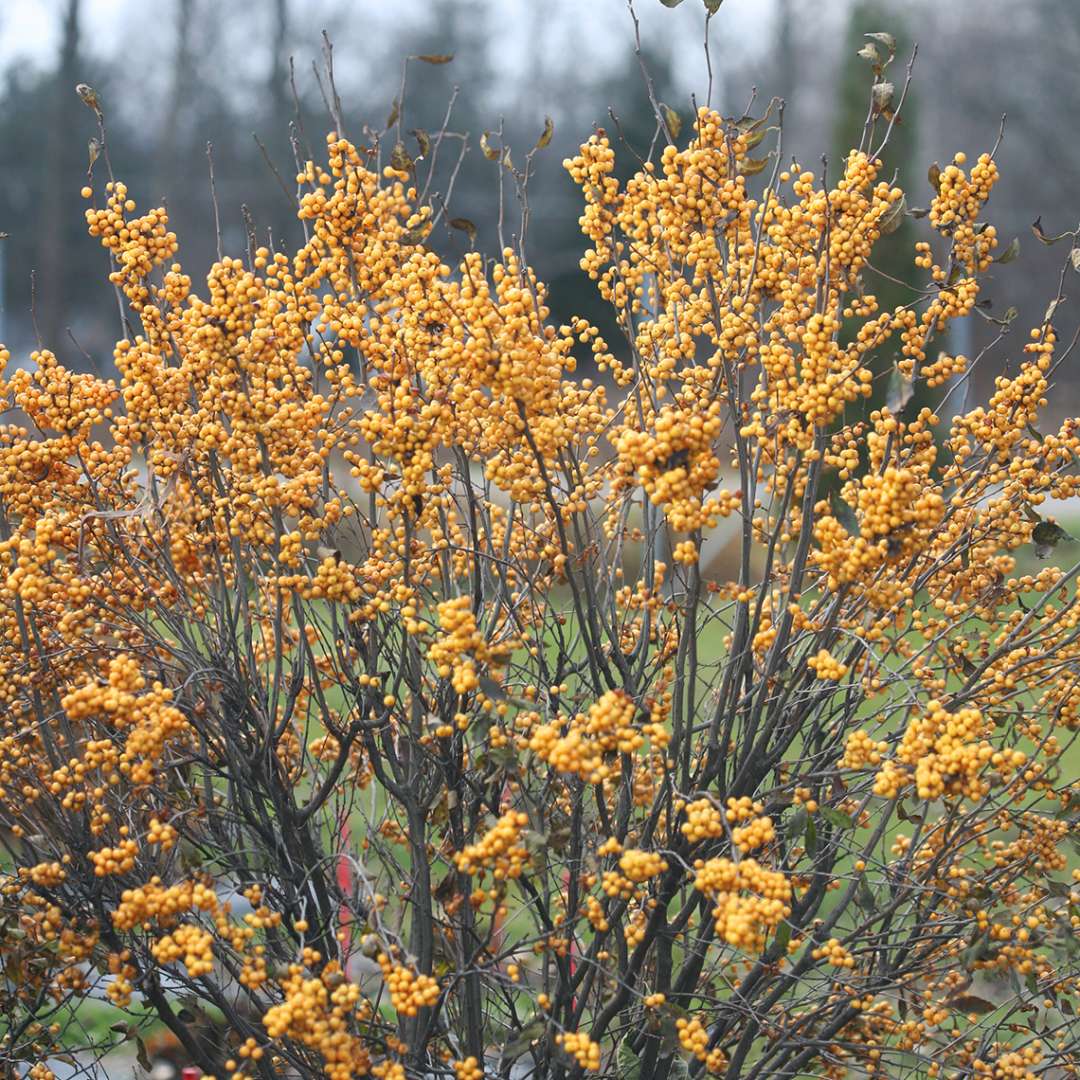
Winter Gold Winterberry Holly is a great choice for homeowners who love winterberry but want something more distinctive than the classic red-fruited selections. Through the growing season, it blends in as a clean, green native shrub, but once the leaves drop and the berries take center stage, it transforms into something special. The fruit begins with warm pink-orange tones and matures into golden yellow, creating a softer, more unexpected winter display that still lights up the landscape.
Golden berries make it a standout in fall and winter
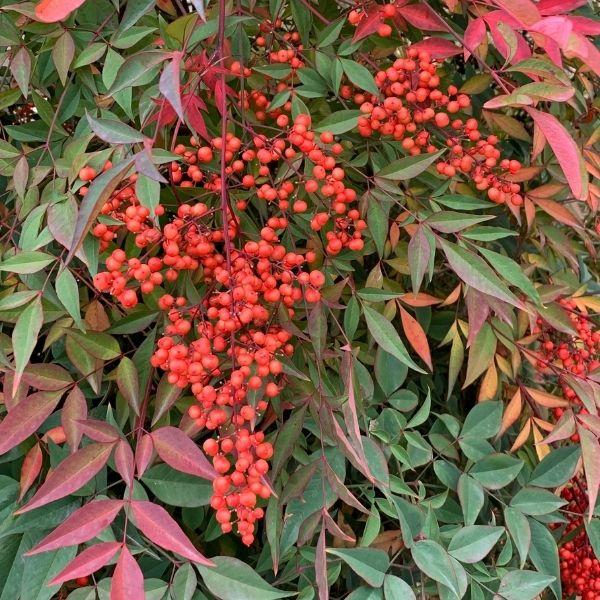
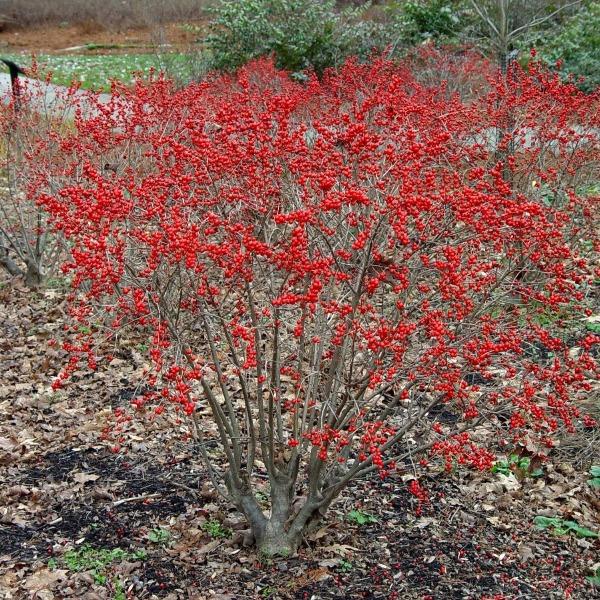
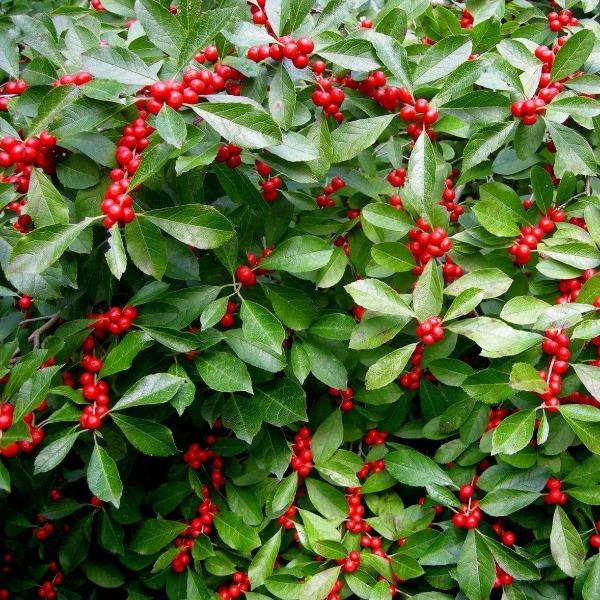
The berries are what make Winter Gold such a memorable plant. They line the bare stems densely enough to create strong color after leaf drop, and that shift from orange-tinted fruit to rich golden tones gives the shrub extra visual depth through the season. In a landscape dominated by browns, grays, and dark evergreens, those warm berries bring brightness without looking harsh or overly bold.
A larger habit gives it more presence in the landscape
Winter Gold is not a tiny winterberry. It grows into a broader, taller shrub than dwarf forms, which makes it especially useful where a planting needs both winter color and real landscape presence. It can fill out a native border, serve as a loose hedge, or stand as a seasonal focal point in mixed shrub beds where a smaller berry shrub might disappear.
Excellent for rain gardens, wildlife plantings, and naturalized borders
This native deciduous holly is especially useful in places where moisture is part of the site conditions. It works well in rain gardens, low spots, woodland-edge plantings, and naturalized borders, and it also fits into more traditional mixed shrub beds. Because it combines ornamental berries with bird value and native character, it is a strong option for homeowners who want their planting choices to do more than just look good.
Berry set depends on pollination, and steady moisture helps performance
Winter Gold Winterberry Holly performs best in full sun to partial shade and in slightly acidic soil that stays evenly moist. It tolerates wet sites better than many common landscape shrubs, which makes it especially practical in rain gardens and moisture-retentive areas. Because it is a female winterberry, it needs a compatible late-blooming male pollinator nearby for reliable fruit set; Southern Gentleman is the standard match.
A winterberry with a truly different cold-season look
Winter Gold Winterberry Holly is a great choice for homeowners who love winterberry but want something more distinctive than the classic red-fruited selections. Through the growing season, it blends in as a clean, green native shrub, but once the leaves drop and the berries take center stage, it transforms into something special. The fruit begins with warm pink-orange tones and matures into golden yellow, creating a softer, more unexpected winter display that still lights up the landscape.
Golden berries make it a standout in fall and winter
The berries are what make Winter Gold such a memorable plant. They line the bare stems densely enough to create strong color after leaf drop, and that shift from orange-tinted fruit to rich golden tones gives the shrub extra visual depth through the season. In a landscape dominated by browns, grays, and dark evergreens, those warm berries bring brightness without looking harsh or overly bold.
A larger habit gives it more presence in the landscape
Winter Gold is not a tiny winterberry. It grows into a broader, taller shrub than dwarf forms, which makes it especially useful where a planting needs both winter color and real landscape presence. It can fill out a native border, serve as a loose hedge, or stand as a seasonal focal point in mixed shrub beds where a smaller berry shrub might disappear.
Excellent for rain gardens, wildlife plantings, and naturalized borders
This native deciduous holly is especially useful in places where moisture is part of the site conditions. It works well in rain gardens, low spots, woodland-edge plantings, and naturalized borders, and it also fits into more traditional mixed shrub beds. Because it combines ornamental berries with bird value and native character, it is a strong option for homeowners who want their planting choices to do more than just look good.
Berry set depends on pollination, and steady moisture helps performance
Winter Gold Winterberry Holly performs best in full sun to partial shade and in slightly acidic soil that stays evenly moist. It tolerates wet sites better than many common landscape shrubs, which makes it especially practical in rain gardens and moisture-retentive areas. Because it is a female winterberry, it needs a compatible late-blooming male pollinator nearby for reliable fruit set; Southern Gentleman is the standard match.
Description
A winterberry with a truly different cold-season look
Winter Gold Winterberry Holly is a great choice for homeowners who love winterberry but want something more distinctive than the classic red-fruited selections. Through the growing season, it blends in as a clean, green native shrub, but once the leaves drop and the berries take center stage, it transforms into something special. The fruit begins with warm pink-orange tones and matures into golden yellow, creating a softer, more unexpected winter display that still lights up the landscape.
Golden berries make it a standout in fall and winter
The berries are what make Winter Gold such a memorable plant. They line the bare stems densely enough to create strong color after leaf drop, and that shift from orange-tinted fruit to rich golden tones gives the shrub extra visual depth through the season. In a landscape dominated by browns, grays, and dark evergreens, those warm berries bring brightness without looking harsh or overly bold.
A larger habit gives it more presence in the landscape
Winter Gold is not a tiny winterberry. It grows into a broader, taller shrub than dwarf forms, which makes it especially useful where a planting needs both winter color and real landscape presence. It can fill out a native border, serve as a loose hedge, or stand as a seasonal focal point in mixed shrub beds where a smaller berry shrub might disappear.
Excellent for rain gardens, wildlife plantings, and naturalized borders
This native deciduous holly is especially useful in places where moisture is part of the site conditions. It works well in rain gardens, low spots, woodland-edge plantings, and naturalized borders, and it also fits into more traditional mixed shrub beds. Because it combines ornamental berries with bird value and native character, it is a strong option for homeowners who want their planting choices to do more than just look good.
Berry set depends on pollination, and steady moisture helps performance
Winter Gold Winterberry Holly performs best in full sun to partial shade and in slightly acidic soil that stays evenly moist. It tolerates wet sites better than many common landscape shrubs, which makes it especially practical in rain gardens and moisture-retentive areas. Because it is a female winterberry, it needs a compatible late-blooming male pollinator nearby for reliable fruit set; Southern Gentleman is the standard match.