Duke Gardens Plum Yew
Evergreen Structure For The Shadiest Parts Of The Yard
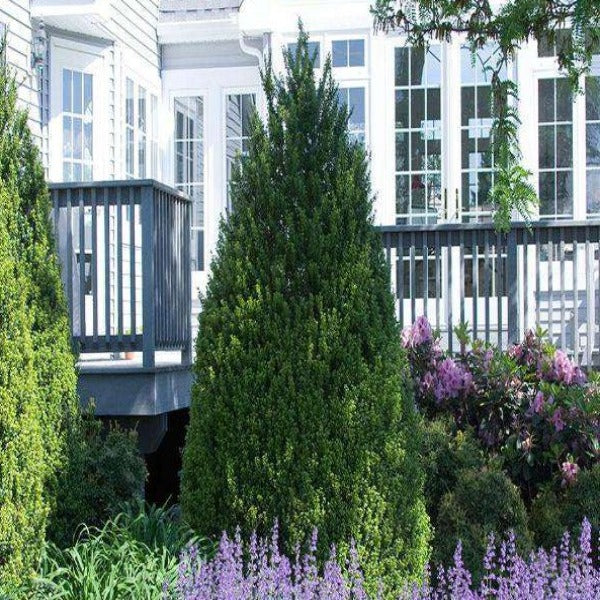
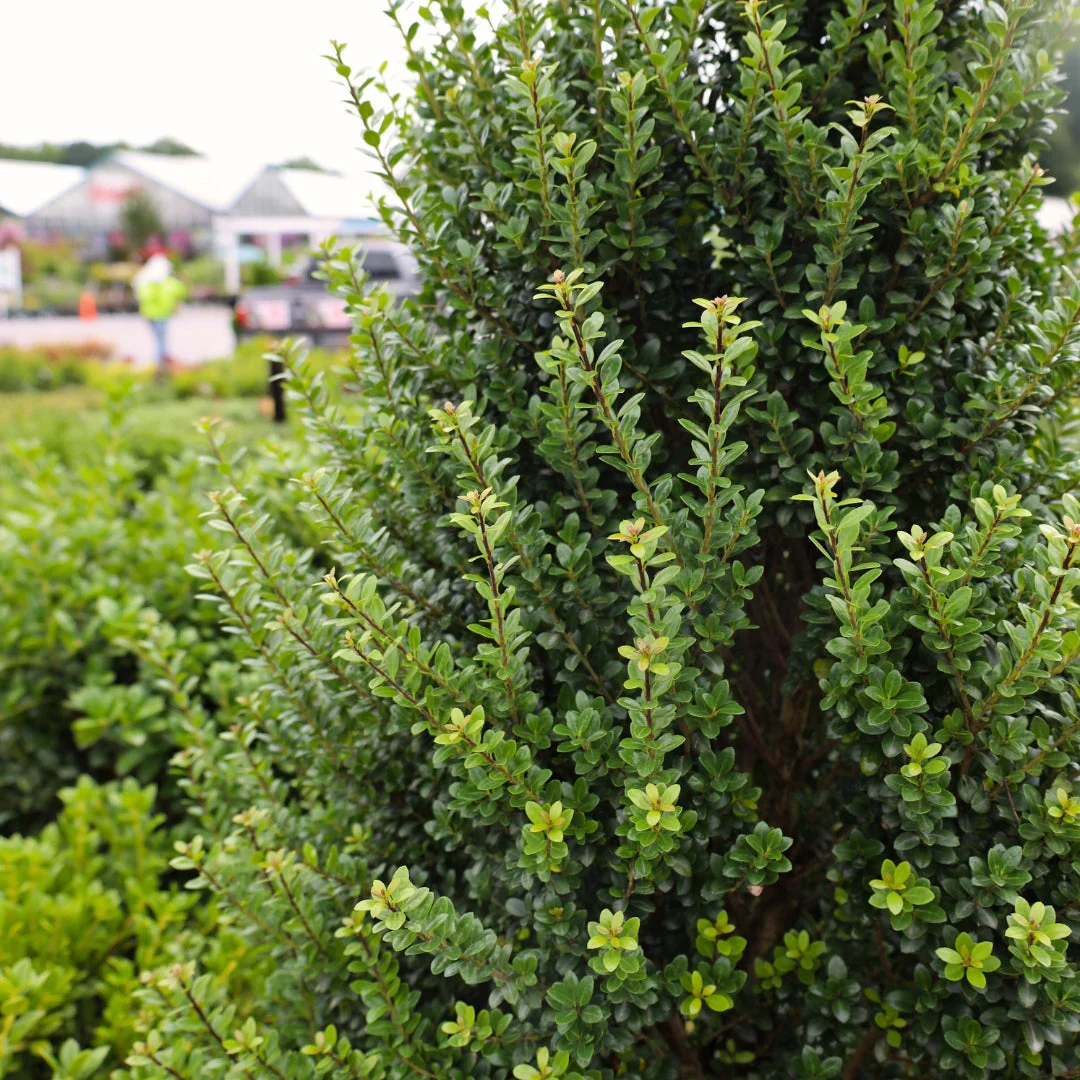
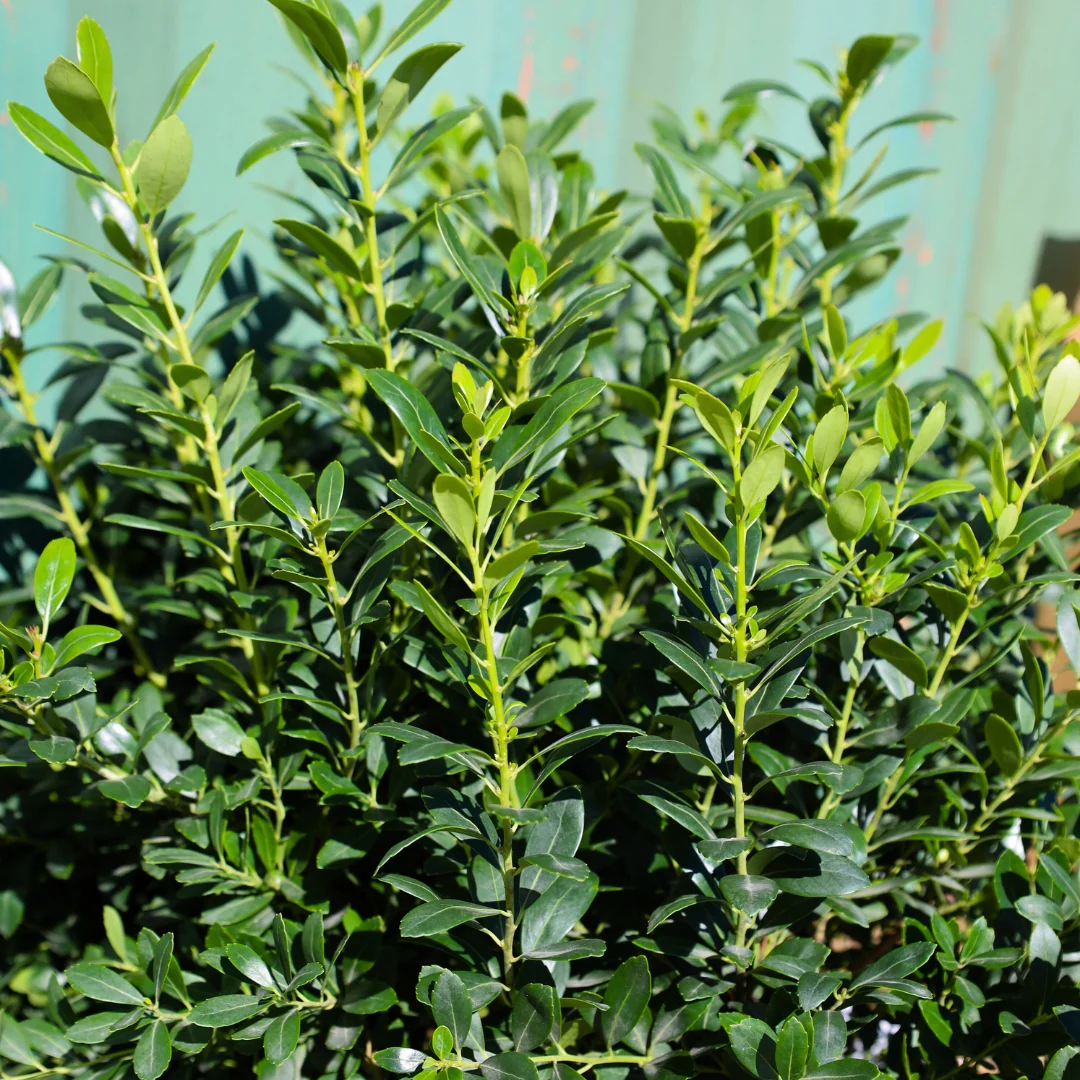
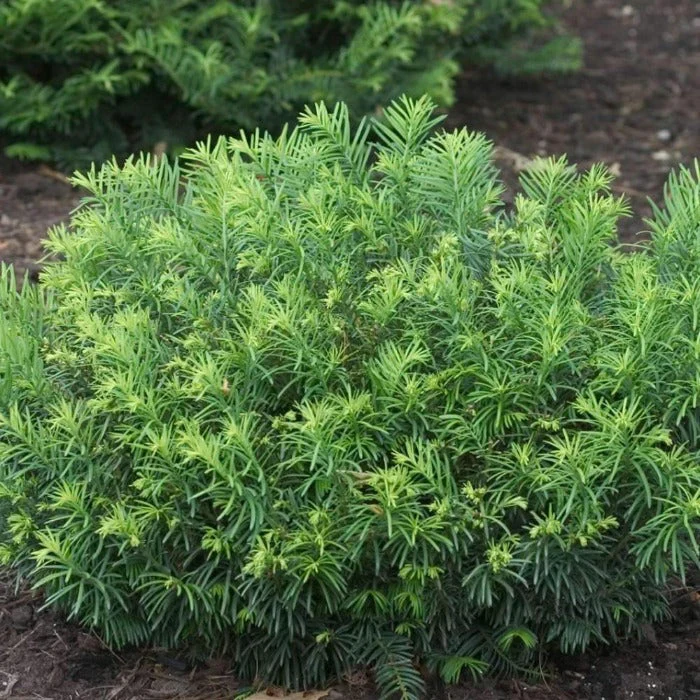
Duke Gardens Plum Yew is the plant you reach for when shade makes everything else feel impossible. It brings year-round green to the north side of the house, under high-canopy trees, and along wooded edges and areas where many evergreens thin out, scorch, or simply refuse to look good. The foliage is deep green, soft-textured, and glossy, creating a calm, finished look that reads “intentional” even in low light.
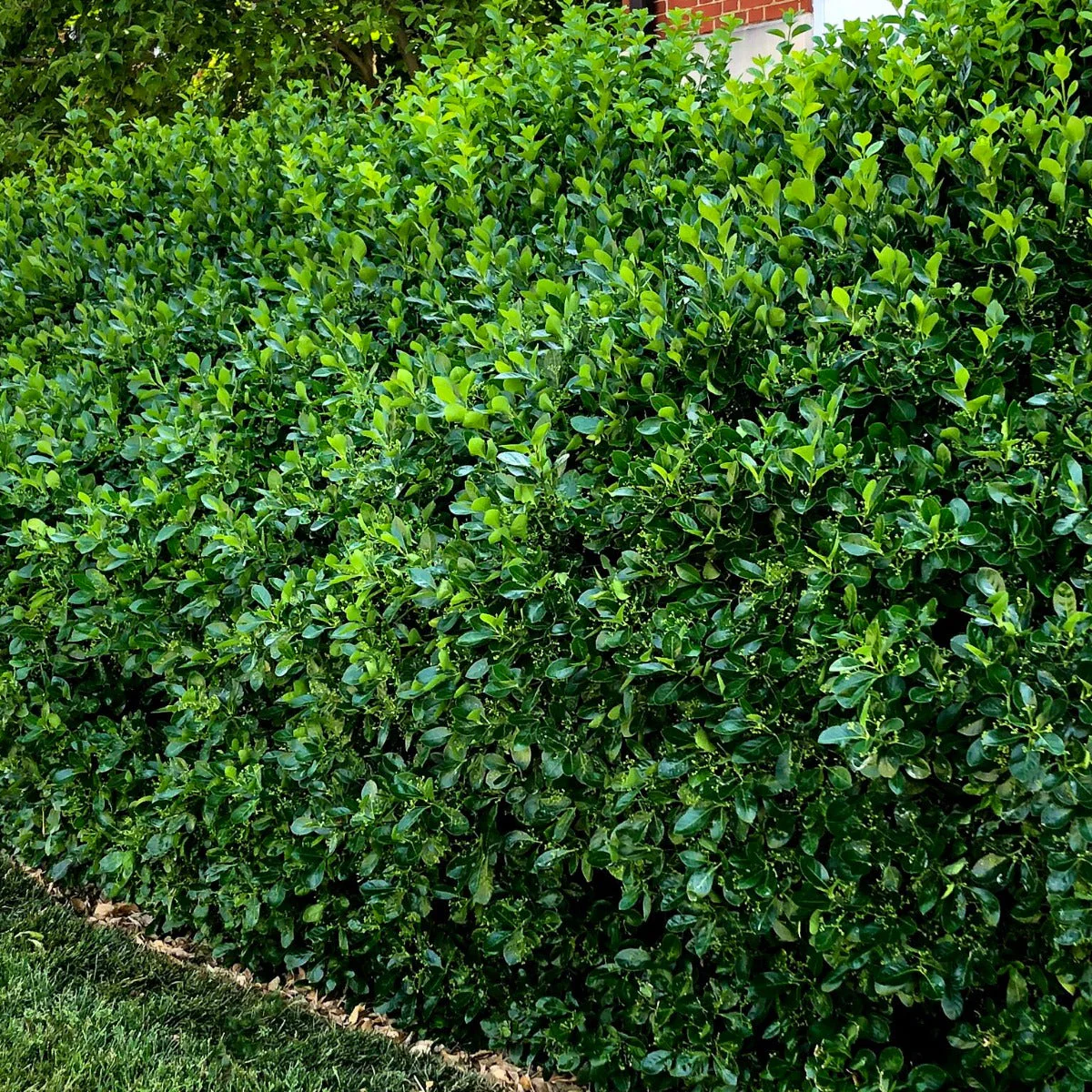
This is also one of the best evergreen “connectors” in landscape design. Instead of a bed that feels like a collection of separate plants, plum yew gives you a continuous, cohesive base layer that ties everything together. Use it to anchor a foundation planting, edge a shaded path, or fill gaps between shrubs and perennials where mulch keeps washing away. If your goal is a shade garden that still looks designed in every season, Duke Gardens is a reliable starting point.
A Low, Spreading Form That Acts Like A Shrub And A Groundcover
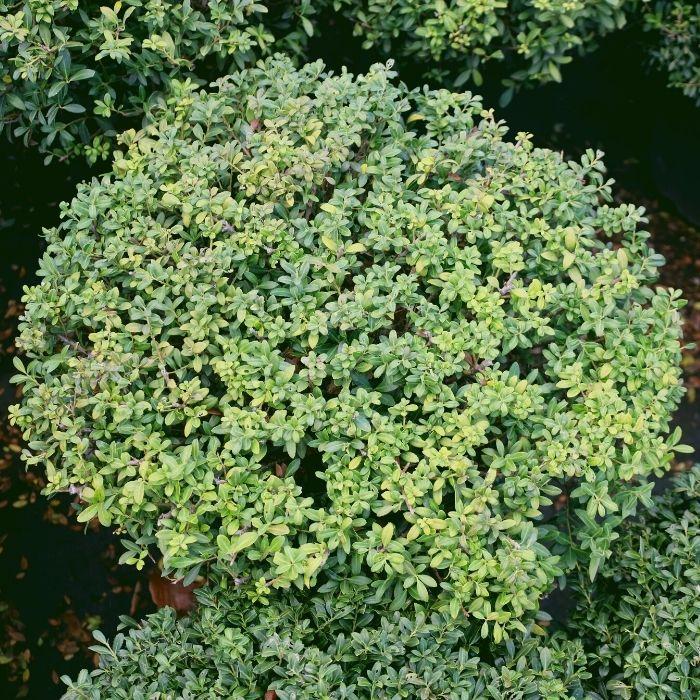
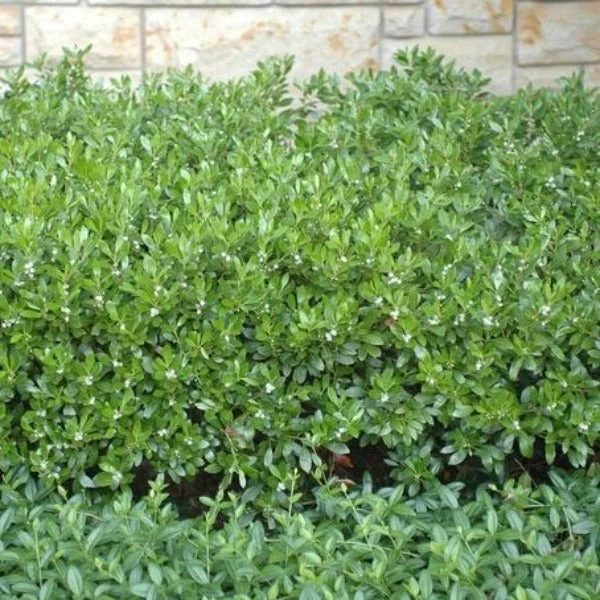
Unlike upright yews that want to become narrow columns, Duke Gardens Plum Yew naturally grows low and wide. It forms a mounded, gently arching shrub that spreads into a broad, handsome footprint, ideal for softening corners, underplanting taller shrubs, and creating a lush, evergreen “carpet” effect in larger beds. It’s especially valuable when you want coverage without height, keeping sightlines open while still building privacy and structure at the ground level.
That growth habit also makes placement easy. You don’t have to constantly prune it into submission to keep it from blocking windows or crowding walkways. Let it do what it naturally wants to do: fill in horizontally, stay refined, and create that layered woodland feel. In a mass planting, it looks expensive and intentional, like a designed green tapestry, without demanding constant shaping.
Heat, Humidity, And Deer Pressure? This Shrub Doesn’t Flinch
Duke Gardens Plum Yew is widely used as a yew substitute in regions where heat and humidity make traditional yews struggle. It’s also notably deer-resistant, which is a big deal in shady landscapes where browsing pressure can be relentless, and replacement plants get expensive fast. Once it’s established, it’s also more tolerant of short dry spells than many shade shrubs, especially when mulched to stabilize soil moisture.
The success recipe is simple: provide decent drainage, keep it evenly moist in the first season, and choose a site that avoids hot reflected heat in summer. In cooler climates it can take more sun, but in hot-summer areas it’s happiest in partial shade to full shade. Get those basics right and you’ll have an evergreen that looks polished, stays dependable, and keeps performing long after fussier plants give up.
Low-Maintenance Care With Pruning That Stays Optional
This is an evergreen you can mostly leave alone, and that’s the point. Duke Gardens grows slowly and holds a naturally tidy form, so pruning is typically limited to minor shaping or removing a stray branch. If you want a tighter edge along a walkway or a cleaner line in a foundation bed, a light trim in late spring to early summer is all it takes.
Because it’s a shade-tolerant evergreen with a broad spread, spacing matters more than pruning. Give it room to mature, and it will fill in beautifully without becoming a tangled thicket. Treat it like a long-term landscape plant: set the spacing correctly, water well in year one, mulch, and then enjoy the kind of evergreen coverage that makes the whole shade bed feel calm, finished, and expensive.
Evergreen Structure For The Shadiest Parts Of The Yard
Duke Gardens Plum Yew is the plant you reach for when shade makes everything else feel impossible. It brings year-round green to the north side of the house, under high-canopy trees, and along wooded edges and areas where many evergreens thin out, scorch, or simply refuse to look good. The foliage is deep green, soft-textured, and glossy, creating a calm, finished look that reads “intentional” even in low light.
This is also one of the best evergreen “connectors” in landscape design. Instead of a bed that feels like a collection of separate plants, plum yew gives you a continuous, cohesive base layer that ties everything together. Use it to anchor a foundation planting, edge a shaded path, or fill gaps between shrubs and perennials where mulch keeps washing away. If your goal is a shade garden that still looks designed in every season, Duke Gardens is a reliable starting point.
A Low, Spreading Form That Acts Like A Shrub And A Groundcover
Unlike upright yews that want to become narrow columns, Duke Gardens Plum Yew naturally grows low and wide. It forms a mounded, gently arching shrub that spreads into a broad, handsome footprint, ideal for softening corners, underplanting taller shrubs, and creating a lush, evergreen “carpet” effect in larger beds. It’s especially valuable when you want coverage without height, keeping sightlines open while still building privacy and structure at the ground level.
That growth habit also makes placement easy. You don’t have to constantly prune it into submission to keep it from blocking windows or crowding walkways. Let it do what it naturally wants to do: fill in horizontally, stay refined, and create that layered woodland feel. In a mass planting, it looks expensive and intentional, like a designed green tapestry, without demanding constant shaping.
Heat, Humidity, And Deer Pressure? This Shrub Doesn’t Flinch
Duke Gardens Plum Yew is widely used as a yew substitute in regions where heat and humidity make traditional yews struggle. It’s also notably deer-resistant, which is a big deal in shady landscapes where browsing pressure can be relentless, and replacement plants get expensive fast. Once it’s established, it’s also more tolerant of short dry spells than many shade shrubs, especially when mulched to stabilize soil moisture.
The success recipe is simple: provide decent drainage, keep it evenly moist in the first season, and choose a site that avoids hot reflected heat in summer. In cooler climates it can take more sun, but in hot-summer areas it’s happiest in partial shade to full shade. Get those basics right and you’ll have an evergreen that looks polished, stays dependable, and keeps performing long after fussier plants give up.
Low-Maintenance Care With Pruning That Stays Optional
This is an evergreen you can mostly leave alone, and that’s the point. Duke Gardens grows slowly and holds a naturally tidy form, so pruning is typically limited to minor shaping or removing a stray branch. If you want a tighter edge along a walkway or a cleaner line in a foundation bed, a light trim in late spring to early summer is all it takes.
Because it’s a shade-tolerant evergreen with a broad spread, spacing matters more than pruning. Give it room to mature, and it will fill in beautifully without becoming a tangled thicket. Treat it like a long-term landscape plant: set the spacing correctly, water well in year one, mulch, and then enjoy the kind of evergreen coverage that makes the whole shade bed feel calm, finished, and expensive.
Original: $89.95
-70%$89.95
$26.98Description
Evergreen Structure For The Shadiest Parts Of The Yard
Duke Gardens Plum Yew is the plant you reach for when shade makes everything else feel impossible. It brings year-round green to the north side of the house, under high-canopy trees, and along wooded edges and areas where many evergreens thin out, scorch, or simply refuse to look good. The foliage is deep green, soft-textured, and glossy, creating a calm, finished look that reads “intentional” even in low light.
This is also one of the best evergreen “connectors” in landscape design. Instead of a bed that feels like a collection of separate plants, plum yew gives you a continuous, cohesive base layer that ties everything together. Use it to anchor a foundation planting, edge a shaded path, or fill gaps between shrubs and perennials where mulch keeps washing away. If your goal is a shade garden that still looks designed in every season, Duke Gardens is a reliable starting point.
A Low, Spreading Form That Acts Like A Shrub And A Groundcover
Unlike upright yews that want to become narrow columns, Duke Gardens Plum Yew naturally grows low and wide. It forms a mounded, gently arching shrub that spreads into a broad, handsome footprint, ideal for softening corners, underplanting taller shrubs, and creating a lush, evergreen “carpet” effect in larger beds. It’s especially valuable when you want coverage without height, keeping sightlines open while still building privacy and structure at the ground level.
That growth habit also makes placement easy. You don’t have to constantly prune it into submission to keep it from blocking windows or crowding walkways. Let it do what it naturally wants to do: fill in horizontally, stay refined, and create that layered woodland feel. In a mass planting, it looks expensive and intentional, like a designed green tapestry, without demanding constant shaping.
Heat, Humidity, And Deer Pressure? This Shrub Doesn’t Flinch
Duke Gardens Plum Yew is widely used as a yew substitute in regions where heat and humidity make traditional yews struggle. It’s also notably deer-resistant, which is a big deal in shady landscapes where browsing pressure can be relentless, and replacement plants get expensive fast. Once it’s established, it’s also more tolerant of short dry spells than many shade shrubs, especially when mulched to stabilize soil moisture.
The success recipe is simple: provide decent drainage, keep it evenly moist in the first season, and choose a site that avoids hot reflected heat in summer. In cooler climates it can take more sun, but in hot-summer areas it’s happiest in partial shade to full shade. Get those basics right and you’ll have an evergreen that looks polished, stays dependable, and keeps performing long after fussier plants give up.
Low-Maintenance Care With Pruning That Stays Optional
This is an evergreen you can mostly leave alone, and that’s the point. Duke Gardens grows slowly and holds a naturally tidy form, so pruning is typically limited to minor shaping or removing a stray branch. If you want a tighter edge along a walkway or a cleaner line in a foundation bed, a light trim in late spring to early summer is all it takes.
Because it’s a shade-tolerant evergreen with a broad spread, spacing matters more than pruning. Give it room to mature, and it will fill in beautifully without becoming a tangled thicket. Treat it like a long-term landscape plant: set the spacing correctly, water well in year one, mulch, and then enjoy the kind of evergreen coverage that makes the whole shade bed feel calm, finished, and expensive.