Swamp Milkweed (Asclepias incarnata)
Buy Swamp Milkweed for Monarch Caterpillars and Pollinator-Nectar Blooms
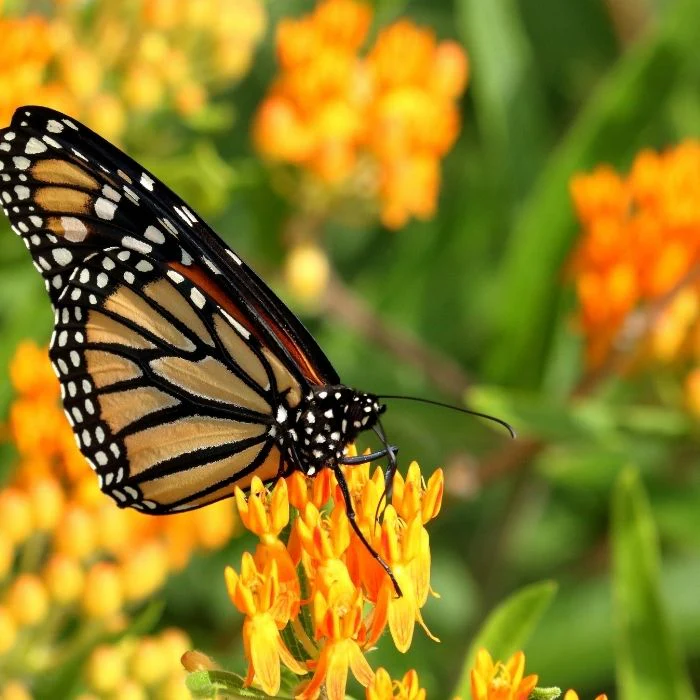
Swamp milkweed (Asclepias incarnata) is a native perennial that does two big jobs at once: it’s a larval host plant for monarchs and a high-nectar summer bloomer for butterflies, bees, and more. If you want your landscape to look beautiful and do something meaningful, this is one of the highest-return plants you can add.
When you buy swamp milkweed, you’re choosing a more “garden-friendly” milkweed look—upright, clump-forming, and easy to mix into designed borders—while still delivering the milkweed benefit monarchs need.
A Clump-Forming Native Perennial with Easy, Upright Structure
Swamp milkweed typically grows about 3–4 feet tall (sometimes to 5 feet) and forms an upright clump rather than running aggressively underground like some milkweed relatives. It’s a strong mid-border plant: tall enough to read as structure, but refined enough to pair with perennials and ornamental grasses.
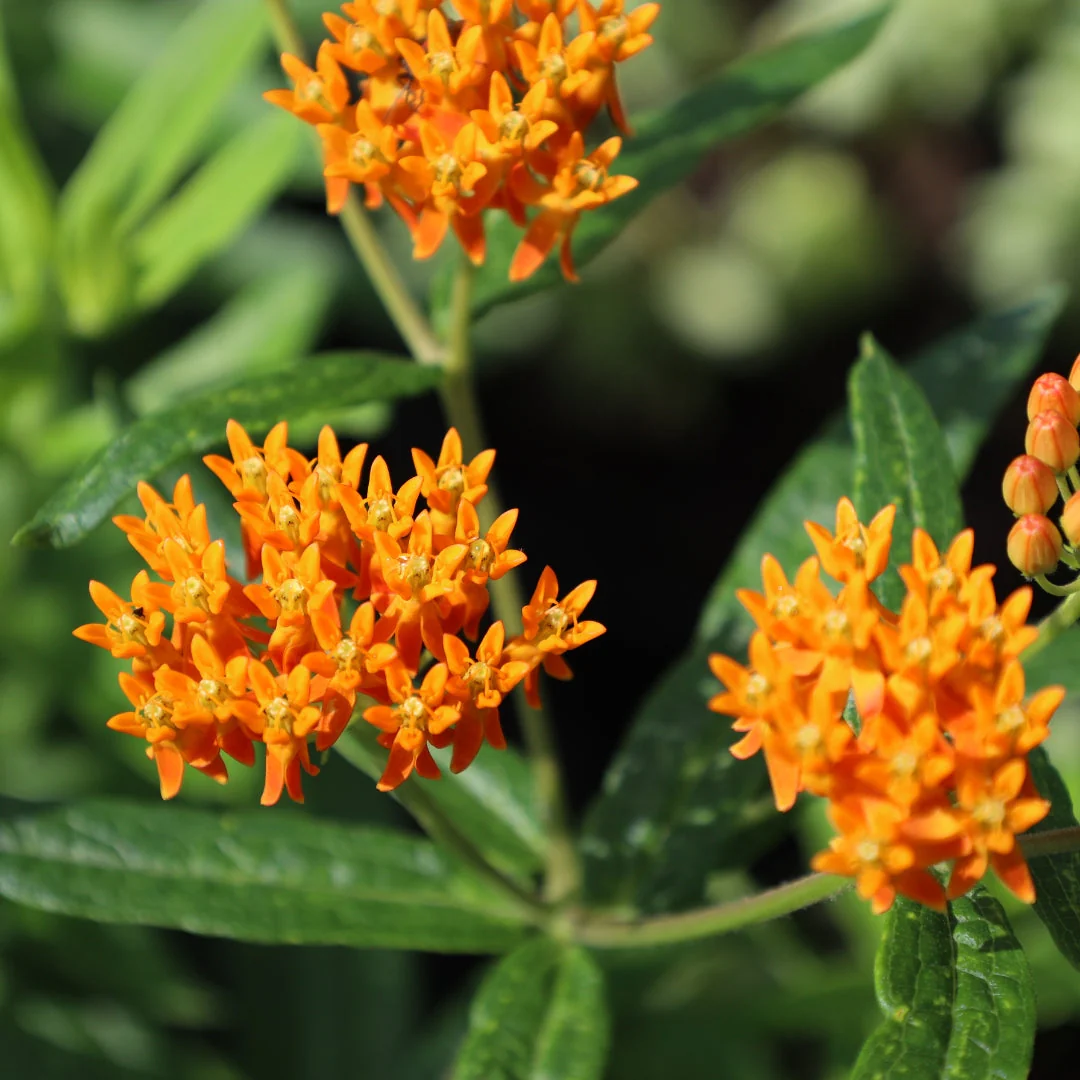
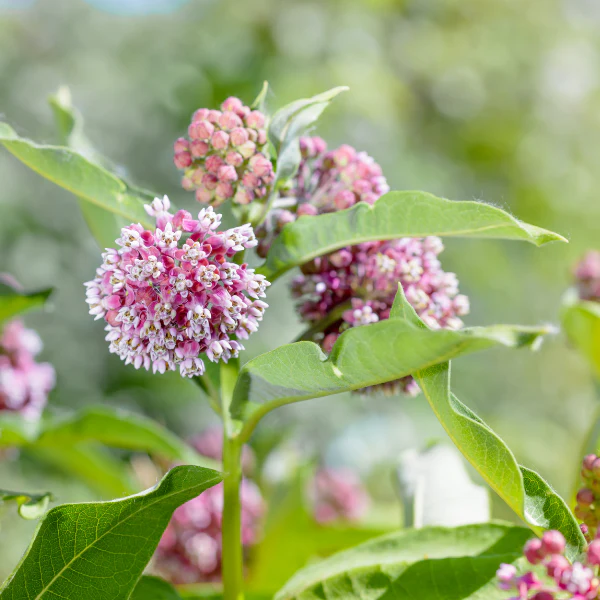
Flowers appear in tight clusters (umbels) at the stem ends, and the plant’s branching habit creates a full, “bouquet” look in bloom—especially when planted in small groups.
The “Moist-Sun” Sweet Spot for Rain Gardens and Low Spots
For optimal performance, plant swamp milkweed in full sun (it tolerates partial shade) and provide moist to wet soil—it naturally occurs in wet meadows and along waterways, but adapts well to average garden moisture once established. It also tolerates heavier soils like clay/loam when the moisture is consistent.
Keep watering consistent during establishment (first growing season). After roots settle in, it’s far less fussy—especially compared with plants that hate periodic wet feet.
Buy It for Rain Gardens, Pond Edges, and a “Living Monarch Patch”
Swamp milkweed shines in rain gardens, bioswales, pond edges, and any spot that stays evenly moist. It’s also excellent in sunny borders where you want a naturalistic, pollinator-forward look with real summer color.
Design it like a feature: plant it in drifts, then weave in blue- and purple-flowering companions (asters, salvias) and warm-season grasses for movement. The result feels intentional—and it turns a wet area into a showcase.
Buy Swamp Milkweed for Monarch Caterpillars and Pollinator-Nectar Blooms
Swamp milkweed (Asclepias incarnata) is a native perennial that does two big jobs at once: it’s a larval host plant for monarchs and a high-nectar summer bloomer for butterflies, bees, and more. If you want your landscape to look beautiful and do something meaningful, this is one of the highest-return plants you can add.
When you buy swamp milkweed, you’re choosing a more “garden-friendly” milkweed look—upright, clump-forming, and easy to mix into designed borders—while still delivering the milkweed benefit monarchs need.
A Clump-Forming Native Perennial with Easy, Upright Structure
Swamp milkweed typically grows about 3–4 feet tall (sometimes to 5 feet) and forms an upright clump rather than running aggressively underground like some milkweed relatives. It’s a strong mid-border plant: tall enough to read as structure, but refined enough to pair with perennials and ornamental grasses.
Flowers appear in tight clusters (umbels) at the stem ends, and the plant’s branching habit creates a full, “bouquet” look in bloom—especially when planted in small groups.
The “Moist-Sun” Sweet Spot for Rain Gardens and Low Spots
For optimal performance, plant swamp milkweed in full sun (it tolerates partial shade) and provide moist to wet soil—it naturally occurs in wet meadows and along waterways, but adapts well to average garden moisture once established. It also tolerates heavier soils like clay/loam when the moisture is consistent.
Keep watering consistent during establishment (first growing season). After roots settle in, it’s far less fussy—especially compared with plants that hate periodic wet feet.
Buy It for Rain Gardens, Pond Edges, and a “Living Monarch Patch”
Swamp milkweed shines in rain gardens, bioswales, pond edges, and any spot that stays evenly moist. It’s also excellent in sunny borders where you want a naturalistic, pollinator-forward look with real summer color.
Design it like a feature: plant it in drifts, then weave in blue- and purple-flowering companions (asters, salvias) and warm-season grasses for movement. The result feels intentional—and it turns a wet area into a showcase.
Original: $16.95
-70%$16.95
$5.08Description
Buy Swamp Milkweed for Monarch Caterpillars and Pollinator-Nectar Blooms
Swamp milkweed (Asclepias incarnata) is a native perennial that does two big jobs at once: it’s a larval host plant for monarchs and a high-nectar summer bloomer for butterflies, bees, and more. If you want your landscape to look beautiful and do something meaningful, this is one of the highest-return plants you can add.
When you buy swamp milkweed, you’re choosing a more “garden-friendly” milkweed look—upright, clump-forming, and easy to mix into designed borders—while still delivering the milkweed benefit monarchs need.
A Clump-Forming Native Perennial with Easy, Upright Structure
Swamp milkweed typically grows about 3–4 feet tall (sometimes to 5 feet) and forms an upright clump rather than running aggressively underground like some milkweed relatives. It’s a strong mid-border plant: tall enough to read as structure, but refined enough to pair with perennials and ornamental grasses.
Flowers appear in tight clusters (umbels) at the stem ends, and the plant’s branching habit creates a full, “bouquet” look in bloom—especially when planted in small groups.
The “Moist-Sun” Sweet Spot for Rain Gardens and Low Spots
For optimal performance, plant swamp milkweed in full sun (it tolerates partial shade) and provide moist to wet soil—it naturally occurs in wet meadows and along waterways, but adapts well to average garden moisture once established. It also tolerates heavier soils like clay/loam when the moisture is consistent.
Keep watering consistent during establishment (first growing season). After roots settle in, it’s far less fussy—especially compared with plants that hate periodic wet feet.
Buy It for Rain Gardens, Pond Edges, and a “Living Monarch Patch”
Swamp milkweed shines in rain gardens, bioswales, pond edges, and any spot that stays evenly moist. It’s also excellent in sunny borders where you want a naturalistic, pollinator-forward look with real summer color.
Design it like a feature: plant it in drifts, then weave in blue- and purple-flowering companions (asters, salvias) and warm-season grasses for movement. The result feels intentional—and it turns a wet area into a showcase.