Ice Dance Carex
Green Leaves with Bright White Edges
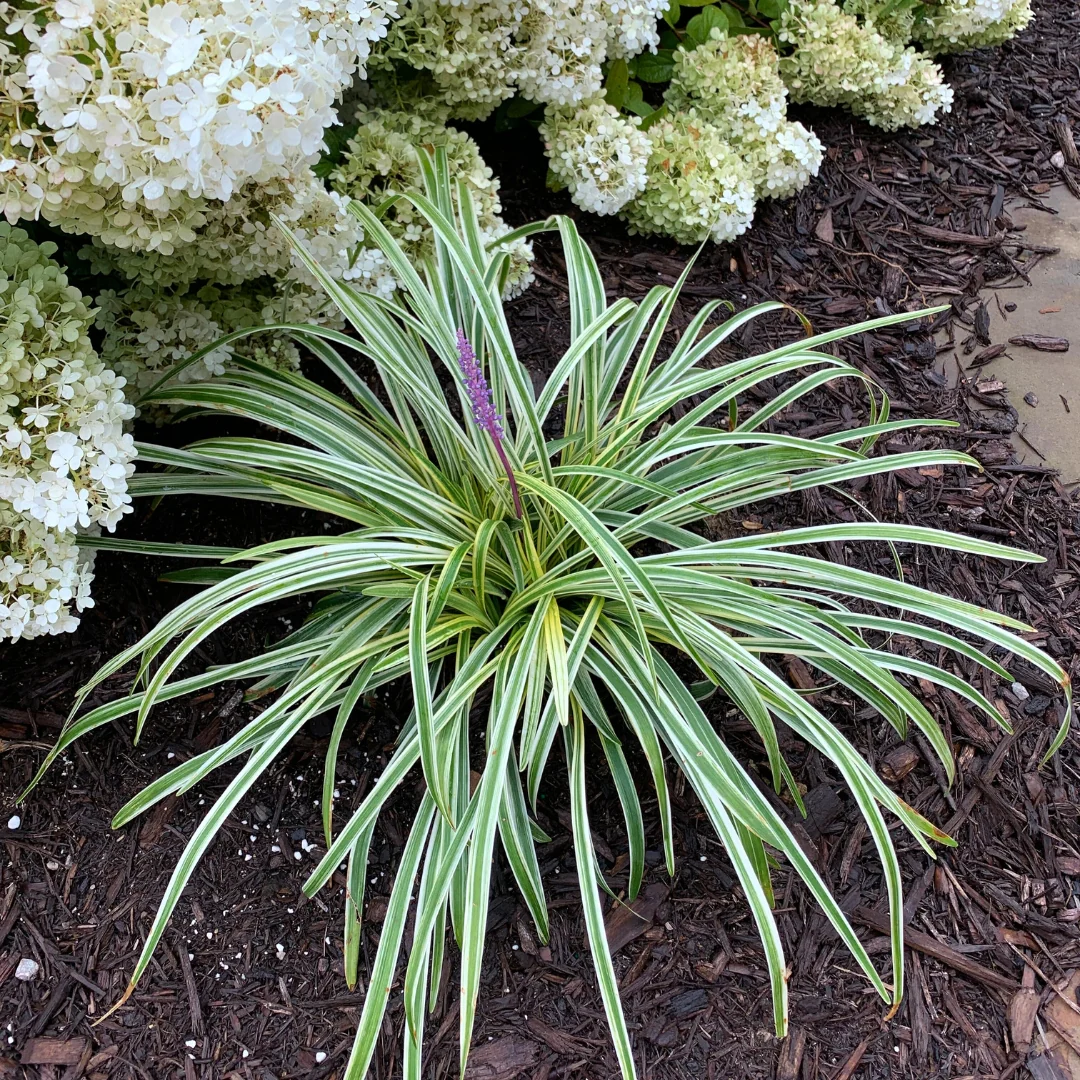
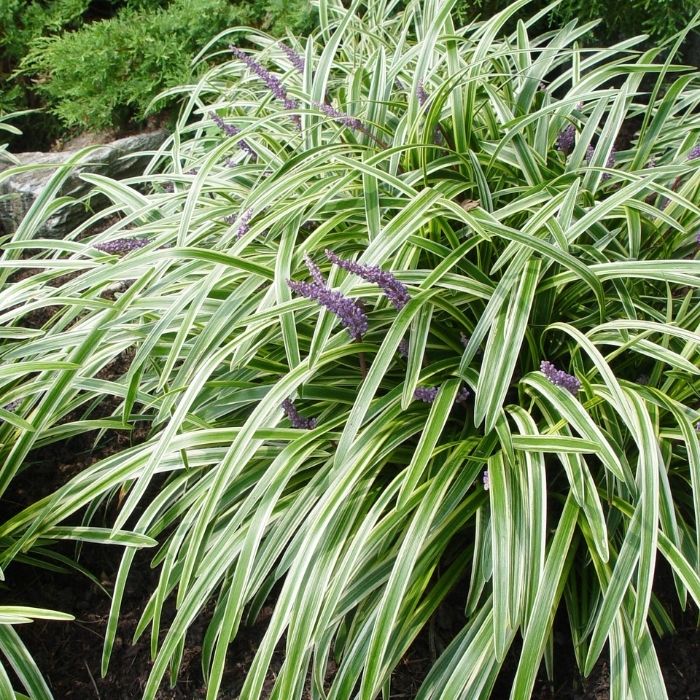
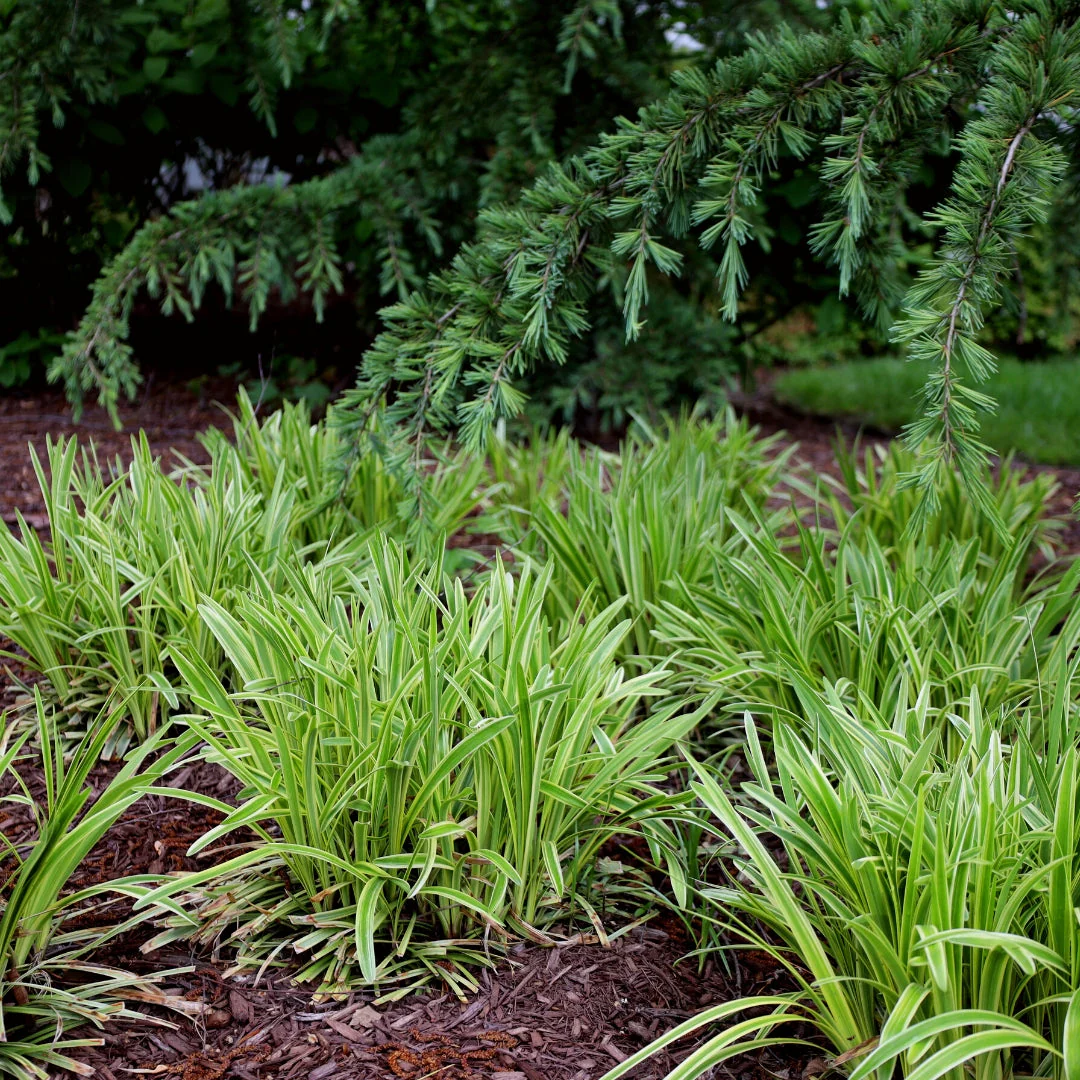
Ice Dance Carex is a variegated Japanese sedge grown for its arching green foliage edged in bright white. Also called Ice Dance Sedge or Japanese Sedge Ice Dance, this grass-like perennial brings clean color, texture, and movement to shade gardens, woodland beds, edging, and containers.
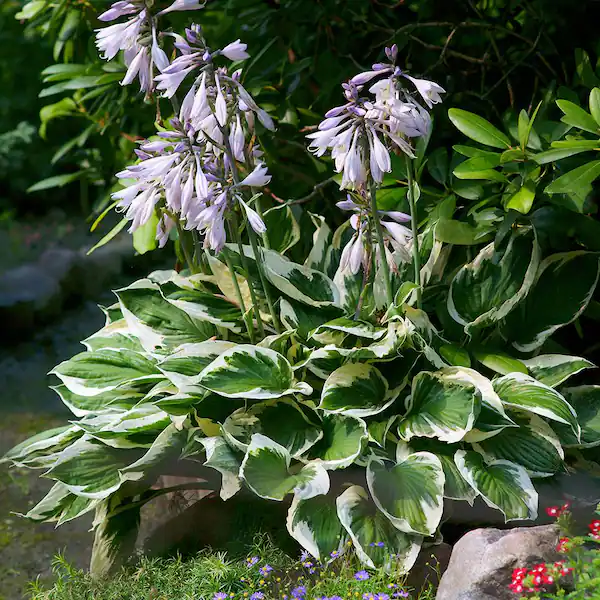
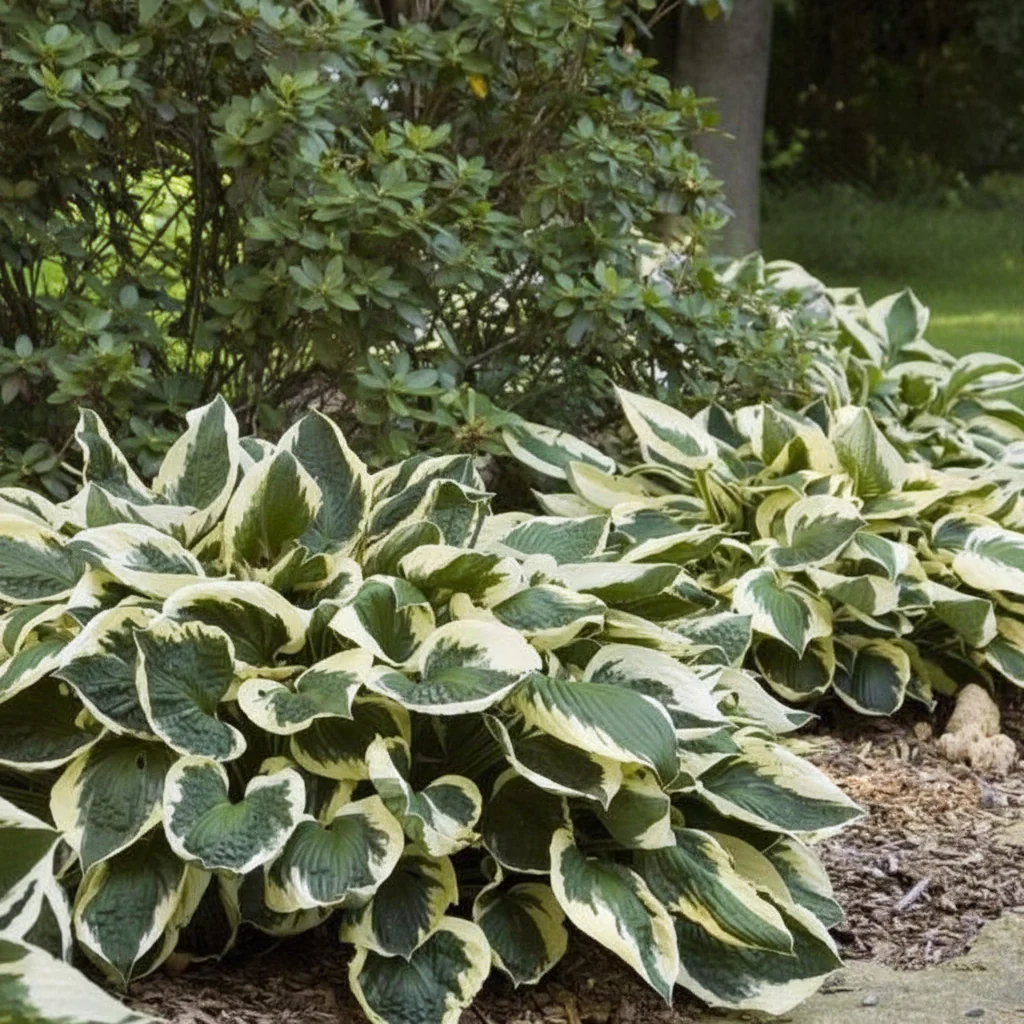
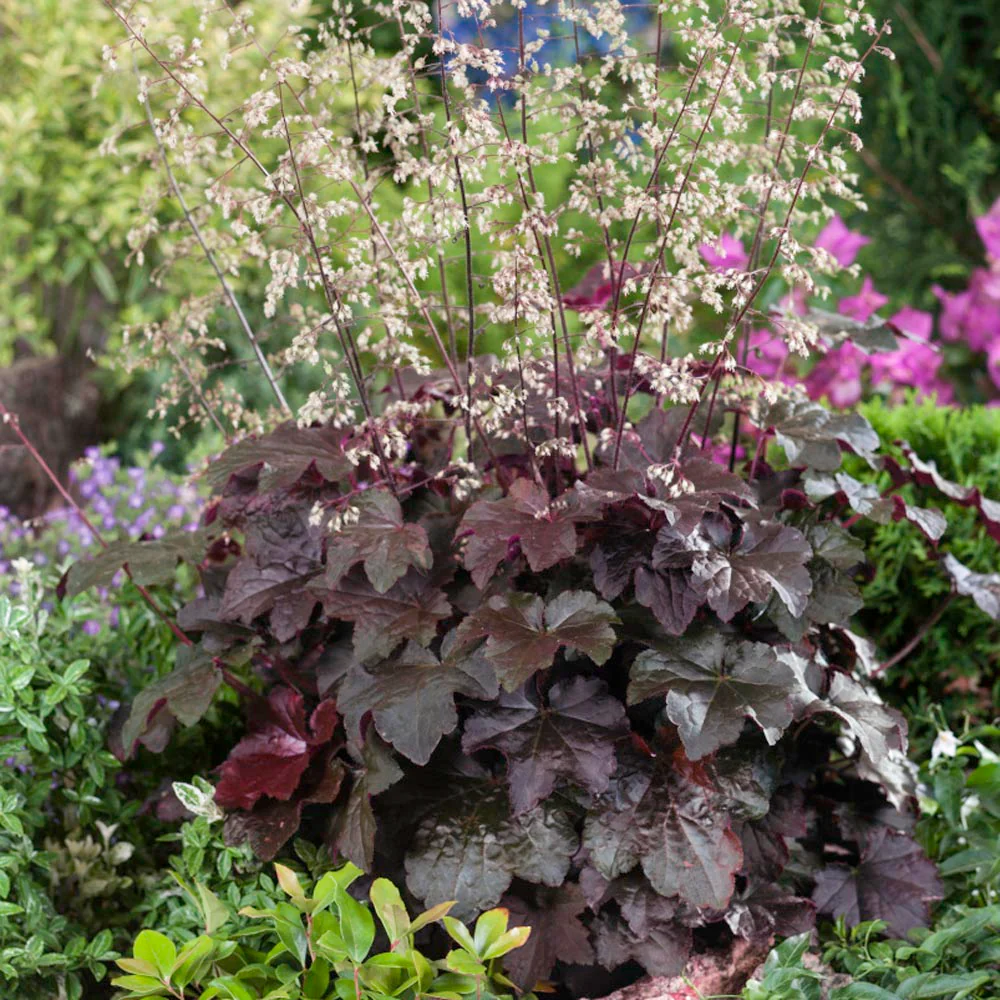
The white leaf margins help brighten darker planting areas without relying on flowers. Use Ice Dance Carex near hostas, ferns, hellebores, heuchera, brunnera, black mondo grass, ajuga, foamflower, and shade-loving groundcovers, where its green-and-white foliage adds contrast and a polished look.
A Spreading Sedge for Shade Groundcover
Ice Dance Carex is especially useful because it spreads slowly by rhizomes to form a tidy, weed-discouraging groundcover. It is more spreading than many clumping sedges, making it a strong choice for shaded slopes, under-tree plantings, woodland edges, and along pathways.
This spreading habit gives Ice Dance a practical role in the landscape, but it remains easy to edge, thin, or divide when needed. Plant it in groups for a fuller groundcover effect, or use it as a repeated edging plant to create rhythm through a shaded bed.
Evergreen Texture with Low-Maintenance Appeal
Ice Dance Carex is evergreen in milder climates and semi-evergreen in colder regions. Its foliage can provide texture through much of the year, giving shaded beds a more finished look even when flowering perennials are dormant.
If winter weather leaves the foliage tattered, trim the old growth back in late winter or early spring before fresh new blades fill in. This quick cleanup is usually the main maintenance needed, making Ice Dance a practical choice for low-stress shade plantings.
Deer Resistant and Shade Friendly
Ice Dance Carex is generally considered deer-resistant, making it useful in shaded gardens where browsing pressure can be a concern. While no plant is completely deer-proof, sedges are often lower-risk than many tender flowering perennials.
Plant Ice Dance in part shade to full shade for the best foliage quality. It can tolerate morning sun or full sun in cooler climates with consistent moisture, but hot afternoon sun may bleach the foliage or stress the plant in warmer regions.
Easy Care in Moist, Well-Drained Soil
Ice Dance Carex grows best in average to fertile, moist, well-drained soil. It appreciates steady moisture during establishment and performs especially well in shaded beds where the soil does not dry out for long periods.
Water regularly after planting until the roots establish. Fertilizer is rarely needed in average garden soil, but a light spring topdressing of compost can help maintain healthy foliage. Divide mature patches in spring if they become crowded or if you want to spread the plant into new areas.
Green Leaves with Bright White Edges
Ice Dance Carex is a variegated Japanese sedge grown for its arching green foliage edged in bright white. Also called Ice Dance Sedge or Japanese Sedge Ice Dance, this grass-like perennial brings clean color, texture, and movement to shade gardens, woodland beds, edging, and containers.
The white leaf margins help brighten darker planting areas without relying on flowers. Use Ice Dance Carex near hostas, ferns, hellebores, heuchera, brunnera, black mondo grass, ajuga, foamflower, and shade-loving groundcovers, where its green-and-white foliage adds contrast and a polished look.
A Spreading Sedge for Shade Groundcover
Ice Dance Carex is especially useful because it spreads slowly by rhizomes to form a tidy, weed-discouraging groundcover. It is more spreading than many clumping sedges, making it a strong choice for shaded slopes, under-tree plantings, woodland edges, and along pathways.
This spreading habit gives Ice Dance a practical role in the landscape, but it remains easy to edge, thin, or divide when needed. Plant it in groups for a fuller groundcover effect, or use it as a repeated edging plant to create rhythm through a shaded bed.
Evergreen Texture with Low-Maintenance Appeal
Ice Dance Carex is evergreen in milder climates and semi-evergreen in colder regions. Its foliage can provide texture through much of the year, giving shaded beds a more finished look even when flowering perennials are dormant.
If winter weather leaves the foliage tattered, trim the old growth back in late winter or early spring before fresh new blades fill in. This quick cleanup is usually the main maintenance needed, making Ice Dance a practical choice for low-stress shade plantings.
Deer Resistant and Shade Friendly
Ice Dance Carex is generally considered deer-resistant, making it useful in shaded gardens where browsing pressure can be a concern. While no plant is completely deer-proof, sedges are often lower-risk than many tender flowering perennials.
Plant Ice Dance in part shade to full shade for the best foliage quality. It can tolerate morning sun or full sun in cooler climates with consistent moisture, but hot afternoon sun may bleach the foliage or stress the plant in warmer regions.
Easy Care in Moist, Well-Drained Soil
Ice Dance Carex grows best in average to fertile, moist, well-drained soil. It appreciates steady moisture during establishment and performs especially well in shaded beds where the soil does not dry out for long periods.
Water regularly after planting until the roots establish. Fertilizer is rarely needed in average garden soil, but a light spring topdressing of compost can help maintain healthy foliage. Divide mature patches in spring if they become crowded or if you want to spread the plant into new areas.
Original: $29.95
-70%$29.95
$8.98Description
Green Leaves with Bright White Edges
Ice Dance Carex is a variegated Japanese sedge grown for its arching green foliage edged in bright white. Also called Ice Dance Sedge or Japanese Sedge Ice Dance, this grass-like perennial brings clean color, texture, and movement to shade gardens, woodland beds, edging, and containers.
The white leaf margins help brighten darker planting areas without relying on flowers. Use Ice Dance Carex near hostas, ferns, hellebores, heuchera, brunnera, black mondo grass, ajuga, foamflower, and shade-loving groundcovers, where its green-and-white foliage adds contrast and a polished look.
A Spreading Sedge for Shade Groundcover
Ice Dance Carex is especially useful because it spreads slowly by rhizomes to form a tidy, weed-discouraging groundcover. It is more spreading than many clumping sedges, making it a strong choice for shaded slopes, under-tree plantings, woodland edges, and along pathways.
This spreading habit gives Ice Dance a practical role in the landscape, but it remains easy to edge, thin, or divide when needed. Plant it in groups for a fuller groundcover effect, or use it as a repeated edging plant to create rhythm through a shaded bed.
Evergreen Texture with Low-Maintenance Appeal
Ice Dance Carex is evergreen in milder climates and semi-evergreen in colder regions. Its foliage can provide texture through much of the year, giving shaded beds a more finished look even when flowering perennials are dormant.
If winter weather leaves the foliage tattered, trim the old growth back in late winter or early spring before fresh new blades fill in. This quick cleanup is usually the main maintenance needed, making Ice Dance a practical choice for low-stress shade plantings.
Deer Resistant and Shade Friendly
Ice Dance Carex is generally considered deer-resistant, making it useful in shaded gardens where browsing pressure can be a concern. While no plant is completely deer-proof, sedges are often lower-risk than many tender flowering perennials.
Plant Ice Dance in part shade to full shade for the best foliage quality. It can tolerate morning sun or full sun in cooler climates with consistent moisture, but hot afternoon sun may bleach the foliage or stress the plant in warmer regions.
Easy Care in Moist, Well-Drained Soil
Ice Dance Carex grows best in average to fertile, moist, well-drained soil. It appreciates steady moisture during establishment and performs especially well in shaded beds where the soil does not dry out for long periods.
Water regularly after planting until the roots establish. Fertilizer is rarely needed in average garden soil, but a light spring topdressing of compost can help maintain healthy foliage. Divide mature patches in spring if they become crowded or if you want to spread the plant into new areas.