Dr. Alexander Fleming Peony
Fragrant Rose-Pink Blooms That Feel Like A Garden Milestone
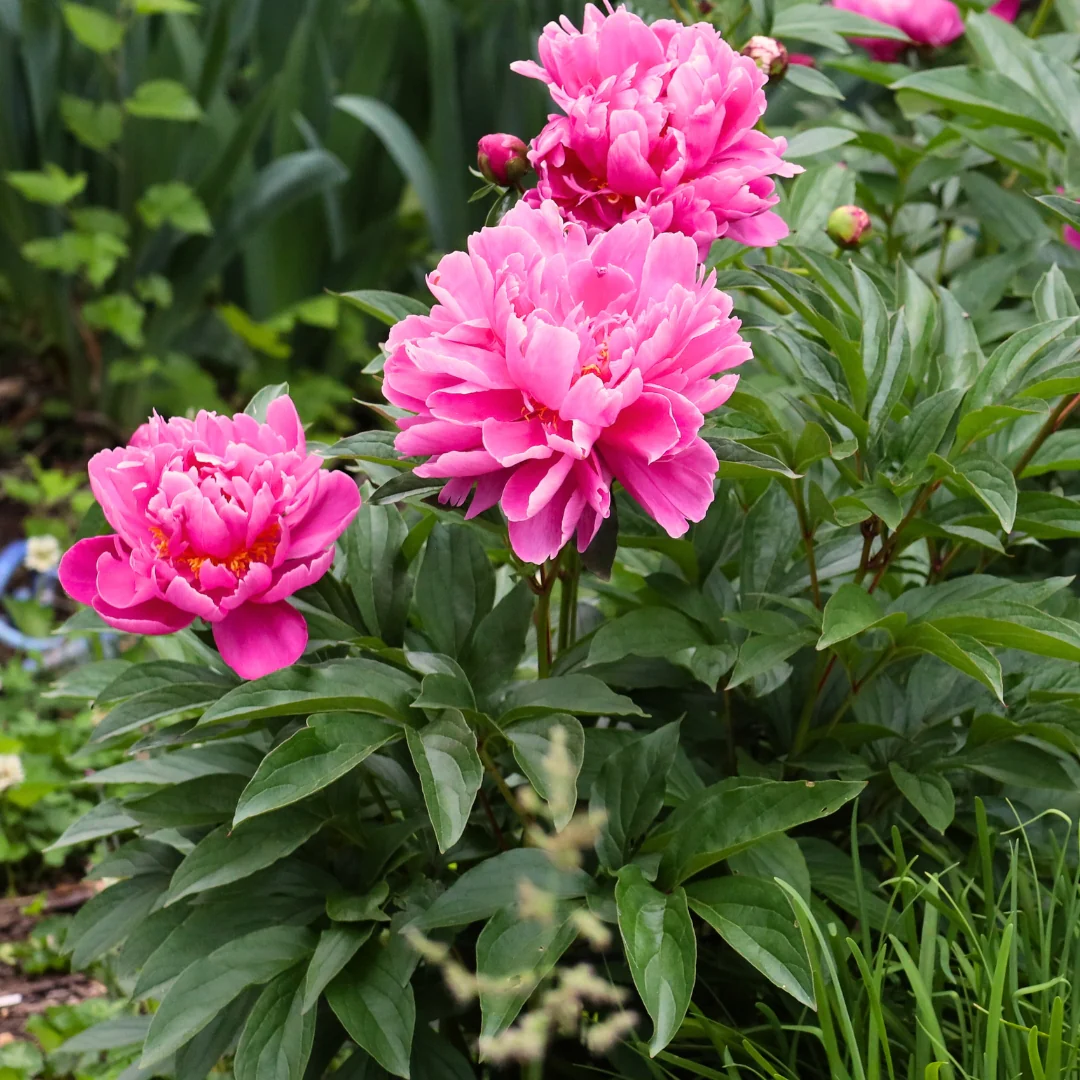
Dr. Alexander Fleming Peony is the kind of perennial that makes late spring feel ceremonial. The blooms open large, fully double, and richly rose-pink, with a classic fragrance that’s impossible to ignore when you walk past. That color reads lush and romantic in the landscape, but it also feels surprisingly “clean” and elegant, easy to pair with whites, purples, silvery foliage, and soft blues in a border. When it’s in bloom, a single plant can carry a whole planting bed with texture, perfume, and serious presence.
Even after the flower show, the plant stays attractive. The foliage forms a full, leafy clump that looks tidy through summer and adds substance to mixed plantings. Place it near a patio, along a walkway, or in a front-yard bed where you’ll actually experience the fragrance up close. It’s a timeless peony that delivers that “I’ve always wanted one” feeling. The first season, it blooms well.
Cut-Flower Stems With An Extra-Long Bloom Window
If you grow peonies for bouquets, this variety is pure payoff. The big double blooms bring instant volume to arrangements, and the fragrance turns a simple vase into a whole-room upgrade. For the best indoor performance, cut stems when buds are plump and just starting to soften, then let them open indoors for that slow, luxurious unfurl. It’s one of those flowers that makes homemade arrangements look professionally designed, even with just a handful of stems.
Dr. Alexander Fleming is also known for extending the bloom window with additional buds, so the plant can keep producing flowers beyond the first flush. That longer season is a big deal in the garden, too—more opportunities to cut, more time to enjoy the fragrance, and a spring display that doesn’t vanish overnight. Plant it where you can harvest easily, and you’ll quickly see why peonies are a cutting-garden tradition.
Low-Fuss, Long-Lived Perennial With Strong Spring Performance
This is a plant you settle in once and enjoy for years. Peonies are famously long-lived when they get sun, well-drained soil, and a permanent home, and Dr. Alexander Fleming fits that “investment perennial” reputation beautifully. It’s also commonly considered deer-resistant, which matters when you want lush spring flowers without constantly worrying about browsing. Give it a good start, and it becomes a reliable annual event—returning with stronger growth and more blooms as the clump matures.
The biggest key to success is simple: don’t plant it too deep and don’t bury the crown under heavy mulch. Keep the eyes close to the soil surface, maintain a light mulch layer for moisture control, and let the foliage remain after bloom so it can feed next year’s buds. With steady, uncomplicated care, it stays vigorous, floriferous, and wonderfully consistent.
Right Spacing And Support For Upright, Photo-Ready Flowers
Those lush double blooms can get heavy, especially after rain, so spacing and early support are the two easiest upgrades you can make. Give the plant room so air can move through the foliage, and let the stems develop stronger. Proper spacing also helps the clump dry out faster after dew or rain, which supports healthier foliage and a cleaner look in the border as the season warms up.
If your site is windy or your soil is rich (which can produce softer stems), add a discreet peony ring early in spring. Stems grow through it naturally, so the support disappears and the blooms stay upright. The result is a peony that looks “show-ready” in the landscape, better for photos and cutting, and far less likely to flop right when the flowers are at their best.
Fragrant Rose-Pink Blooms That Feel Like A Garden Milestone
Dr. Alexander Fleming Peony is the kind of perennial that makes late spring feel ceremonial. The blooms open large, fully double, and richly rose-pink, with a classic fragrance that’s impossible to ignore when you walk past. That color reads lush and romantic in the landscape, but it also feels surprisingly “clean” and elegant, easy to pair with whites, purples, silvery foliage, and soft blues in a border. When it’s in bloom, a single plant can carry a whole planting bed with texture, perfume, and serious presence.
Even after the flower show, the plant stays attractive. The foliage forms a full, leafy clump that looks tidy through summer and adds substance to mixed plantings. Place it near a patio, along a walkway, or in a front-yard bed where you’ll actually experience the fragrance up close. It’s a timeless peony that delivers that “I’ve always wanted one” feeling. The first season, it blooms well.
Cut-Flower Stems With An Extra-Long Bloom Window
If you grow peonies for bouquets, this variety is pure payoff. The big double blooms bring instant volume to arrangements, and the fragrance turns a simple vase into a whole-room upgrade. For the best indoor performance, cut stems when buds are plump and just starting to soften, then let them open indoors for that slow, luxurious unfurl. It’s one of those flowers that makes homemade arrangements look professionally designed, even with just a handful of stems.
Dr. Alexander Fleming is also known for extending the bloom window with additional buds, so the plant can keep producing flowers beyond the first flush. That longer season is a big deal in the garden, too—more opportunities to cut, more time to enjoy the fragrance, and a spring display that doesn’t vanish overnight. Plant it where you can harvest easily, and you’ll quickly see why peonies are a cutting-garden tradition.
Low-Fuss, Long-Lived Perennial With Strong Spring Performance
This is a plant you settle in once and enjoy for years. Peonies are famously long-lived when they get sun, well-drained soil, and a permanent home, and Dr. Alexander Fleming fits that “investment perennial” reputation beautifully. It’s also commonly considered deer-resistant, which matters when you want lush spring flowers without constantly worrying about browsing. Give it a good start, and it becomes a reliable annual event—returning with stronger growth and more blooms as the clump matures.
The biggest key to success is simple: don’t plant it too deep and don’t bury the crown under heavy mulch. Keep the eyes close to the soil surface, maintain a light mulch layer for moisture control, and let the foliage remain after bloom so it can feed next year’s buds. With steady, uncomplicated care, it stays vigorous, floriferous, and wonderfully consistent.
Right Spacing And Support For Upright, Photo-Ready Flowers
Those lush double blooms can get heavy, especially after rain, so spacing and early support are the two easiest upgrades you can make. Give the plant room so air can move through the foliage, and let the stems develop stronger. Proper spacing also helps the clump dry out faster after dew or rain, which supports healthier foliage and a cleaner look in the border as the season warms up.
If your site is windy or your soil is rich (which can produce softer stems), add a discreet peony ring early in spring. Stems grow through it naturally, so the support disappears and the blooms stay upright. The result is a peony that looks “show-ready” in the landscape, better for photos and cutting, and far less likely to flop right when the flowers are at their best.
Original: $64.95
-70%$64.95
$19.48Description
Fragrant Rose-Pink Blooms That Feel Like A Garden Milestone
Dr. Alexander Fleming Peony is the kind of perennial that makes late spring feel ceremonial. The blooms open large, fully double, and richly rose-pink, with a classic fragrance that’s impossible to ignore when you walk past. That color reads lush and romantic in the landscape, but it also feels surprisingly “clean” and elegant, easy to pair with whites, purples, silvery foliage, and soft blues in a border. When it’s in bloom, a single plant can carry a whole planting bed with texture, perfume, and serious presence.
Even after the flower show, the plant stays attractive. The foliage forms a full, leafy clump that looks tidy through summer and adds substance to mixed plantings. Place it near a patio, along a walkway, or in a front-yard bed where you’ll actually experience the fragrance up close. It’s a timeless peony that delivers that “I’ve always wanted one” feeling. The first season, it blooms well.
Cut-Flower Stems With An Extra-Long Bloom Window
If you grow peonies for bouquets, this variety is pure payoff. The big double blooms bring instant volume to arrangements, and the fragrance turns a simple vase into a whole-room upgrade. For the best indoor performance, cut stems when buds are plump and just starting to soften, then let them open indoors for that slow, luxurious unfurl. It’s one of those flowers that makes homemade arrangements look professionally designed, even with just a handful of stems.
Dr. Alexander Fleming is also known for extending the bloom window with additional buds, so the plant can keep producing flowers beyond the first flush. That longer season is a big deal in the garden, too—more opportunities to cut, more time to enjoy the fragrance, and a spring display that doesn’t vanish overnight. Plant it where you can harvest easily, and you’ll quickly see why peonies are a cutting-garden tradition.
Low-Fuss, Long-Lived Perennial With Strong Spring Performance
This is a plant you settle in once and enjoy for years. Peonies are famously long-lived when they get sun, well-drained soil, and a permanent home, and Dr. Alexander Fleming fits that “investment perennial” reputation beautifully. It’s also commonly considered deer-resistant, which matters when you want lush spring flowers without constantly worrying about browsing. Give it a good start, and it becomes a reliable annual event—returning with stronger growth and more blooms as the clump matures.
The biggest key to success is simple: don’t plant it too deep and don’t bury the crown under heavy mulch. Keep the eyes close to the soil surface, maintain a light mulch layer for moisture control, and let the foliage remain after bloom so it can feed next year’s buds. With steady, uncomplicated care, it stays vigorous, floriferous, and wonderfully consistent.
Right Spacing And Support For Upright, Photo-Ready Flowers
Those lush double blooms can get heavy, especially after rain, so spacing and early support are the two easiest upgrades you can make. Give the plant room so air can move through the foliage, and let the stems develop stronger. Proper spacing also helps the clump dry out faster after dew or rain, which supports healthier foliage and a cleaner look in the border as the season warms up.
If your site is windy or your soil is rich (which can produce softer stems), add a discreet peony ring early in spring. Stems grow through it naturally, so the support disappears and the blooms stay upright. The result is a peony that looks “show-ready” in the landscape, better for photos and cutting, and far less likely to flop right when the flowers are at their best.