English Ivy
English Ivy Creates Fast Evergreen Coverage in Shade
English Ivy is a classic evergreen groundcover grown for its glossy green foliage, spreading habit, and ability to cover bare soil in shaded areas. Also known as Hedera helix or Common Ivy, it forms a dense mat of foliage that can help soften hard edges, cover difficult slopes, and bring year-round green color to low-light areas of the landscape.
This is a vigorous plant, which is both its biggest strength and its biggest management need. English Ivy is best used where fast coverage is desired and where it can be contained, monitored, and pruned as needed. It is especially useful for managed groundcover beds, containers, slope plantings, and areas where slower groundcovers may take too long to fill in.
A Shade-Tolerant Groundcover for Difficult Planting Areas
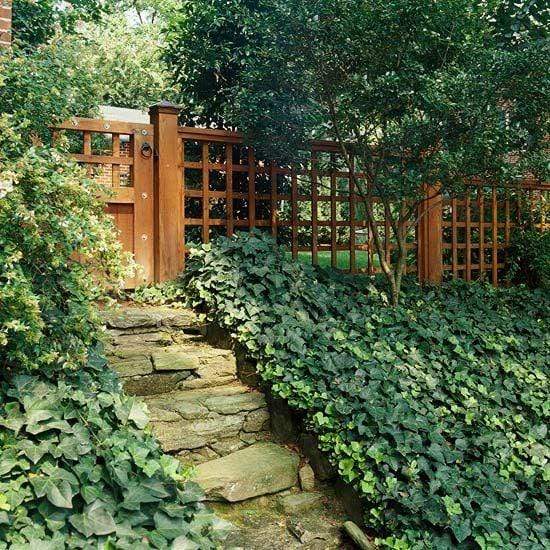
English Ivy is valued for its ability to grow in part shade to full shade, making it useful under open-canopy trees, along shaded foundations, on banks, and in beds where turfgrass struggles. Once established, it can create a thick evergreen cover that helps reduce exposed soil and gives the landscape a finished look.
It also tolerates a range of soil types as long as the site is not waterlogged. For best results, plant English Ivy in average, well-drained soil and water regularly while the roots establish. After the planting fills in, regular trimming along bed edges helps keep the groundcover neat and within its intended space.
Use English Ivy Where It Can Be Contained and Maintained
English Ivy spreads by rooting stems and can climb when it reaches trees, fences, walls, or other vertical surfaces. For that reason, it should be planted where it can be managed responsibly and kept within its intended space.
Prune or edge the planting regularly to prevent unwanted spread. If vines begin climbing trees, walls, fences, or nearby plants, remove them early before stems become thick and woody. English Ivy can be attractive and useful in the right managed setting, but it should not be treated as a plant-it-and-forget-it groundcover.
Evergreen Texture for Containers, Borders, and Groundcover Beds
English Ivy can also be used in containers, window boxes, and mixed planters, where its trailing foliage spills over the edge and adds year-round texture. Container use is a good option for gardeners who like the look of ivy but want easier control over its growth.
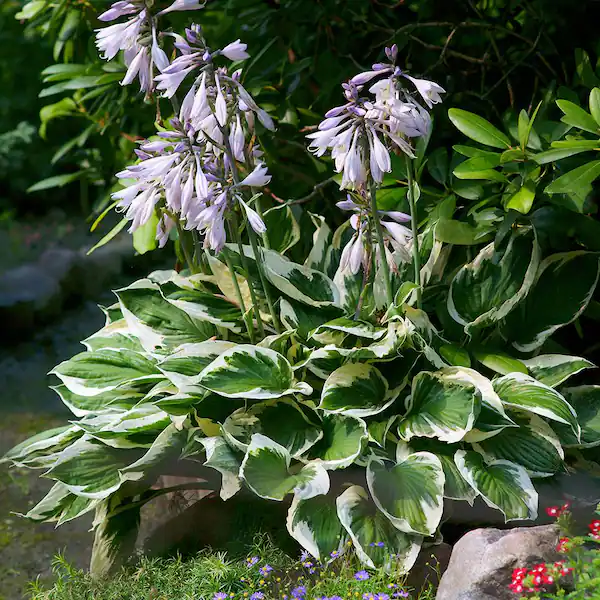
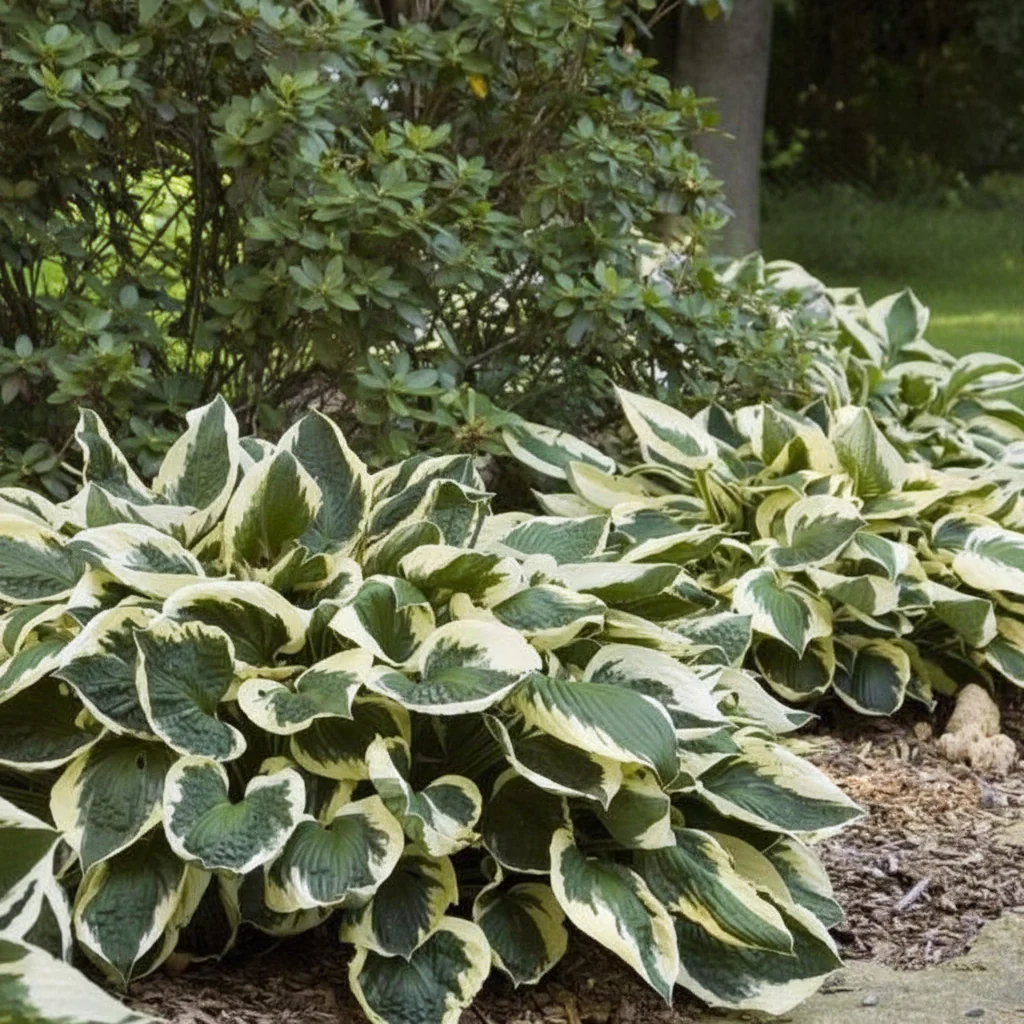
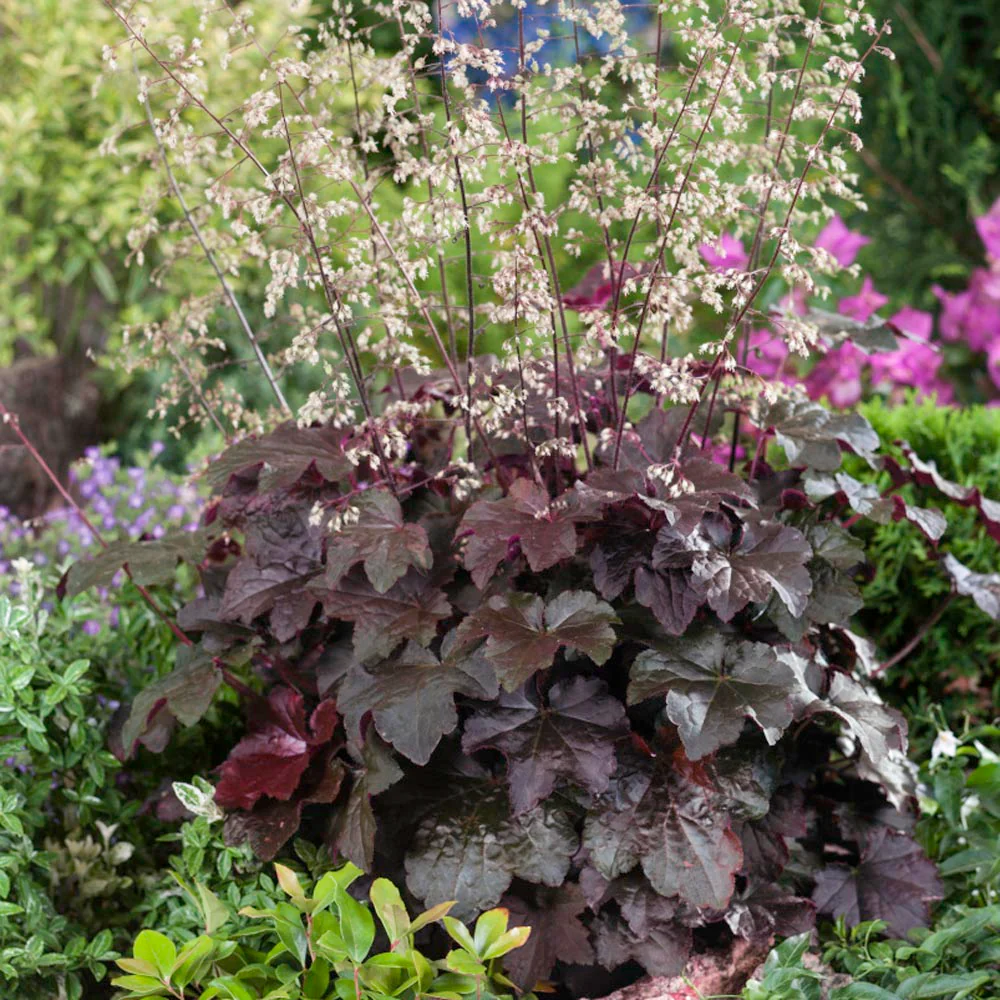
In the landscape, it pairs well with shade-tolerant shrubs, ferns, hostas, hellebores, and other plants with bold foliage. Its small, glossy leaves create a fine-textured carpet beneath larger plants, but it should be trimmed back before it crowds crowns, stems, or low branches.
Choose a 4-Inch Pot or a Flat of 50 Plants Based on Project Size
Choose the 4-inch pot when you need a small number of English Ivy plants for containers, replacement spots, small edging areas, or a limited groundcover patch. A 4-inch pot gives you a more established individual plant that is easy to place into a planter or tuck into a smaller garden space.
The flat of 50 plants is designed for larger groundcover projects that require more plants at a lower cost per plant. Each flat includes 50 individual 2-inch-by-2-inch peat pots for direct planting in the ground, saving time during installation and reducing transplant disturbance. These smaller peat-pot plants are ideal when you are planting a bank, slope, shaded bed, or broad groundcover area and want to space many plants evenly for faster coverage. For best results, prepare the soil first, lay out the plants before planting, water the flat well before installation, plant each peat pot level with the surrounding soil, and water thoroughly after planting so the young ivy roots settle into the ground.
English Ivy Creates Fast Evergreen Coverage in Shade
English Ivy is a classic evergreen groundcover grown for its glossy green foliage, spreading habit, and ability to cover bare soil in shaded areas. Also known as Hedera helix or Common Ivy, it forms a dense mat of foliage that can help soften hard edges, cover difficult slopes, and bring year-round green color to low-light areas of the landscape.
This is a vigorous plant, which is both its biggest strength and its biggest management need. English Ivy is best used where fast coverage is desired and where it can be contained, monitored, and pruned as needed. It is especially useful for managed groundcover beds, containers, slope plantings, and areas where slower groundcovers may take too long to fill in.
A Shade-Tolerant Groundcover for Difficult Planting Areas
English Ivy is valued for its ability to grow in part shade to full shade, making it useful under open-canopy trees, along shaded foundations, on banks, and in beds where turfgrass struggles. Once established, it can create a thick evergreen cover that helps reduce exposed soil and gives the landscape a finished look.
It also tolerates a range of soil types as long as the site is not waterlogged. For best results, plant English Ivy in average, well-drained soil and water regularly while the roots establish. After the planting fills in, regular trimming along bed edges helps keep the groundcover neat and within its intended space.
Use English Ivy Where It Can Be Contained and Maintained
English Ivy spreads by rooting stems and can climb when it reaches trees, fences, walls, or other vertical surfaces. For that reason, it should be planted where it can be managed responsibly and kept within its intended space.
Prune or edge the planting regularly to prevent unwanted spread. If vines begin climbing trees, walls, fences, or nearby plants, remove them early before stems become thick and woody. English Ivy can be attractive and useful in the right managed setting, but it should not be treated as a plant-it-and-forget-it groundcover.
Evergreen Texture for Containers, Borders, and Groundcover Beds
English Ivy can also be used in containers, window boxes, and mixed planters, where its trailing foliage spills over the edge and adds year-round texture. Container use is a good option for gardeners who like the look of ivy but want easier control over its growth.
In the landscape, it pairs well with shade-tolerant shrubs, ferns, hostas, hellebores, and other plants with bold foliage. Its small, glossy leaves create a fine-textured carpet beneath larger plants, but it should be trimmed back before it crowds crowns, stems, or low branches.
Choose a 4-Inch Pot or a Flat of 50 Plants Based on Project Size
Choose the 4-inch pot when you need a small number of English Ivy plants for containers, replacement spots, small edging areas, or a limited groundcover patch. A 4-inch pot gives you a more established individual plant that is easy to place into a planter or tuck into a smaller garden space.
The flat of 50 plants is designed for larger groundcover projects that require more plants at a lower cost per plant. Each flat includes 50 individual 2-inch-by-2-inch peat pots for direct planting in the ground, saving time during installation and reducing transplant disturbance. These smaller peat-pot plants are ideal when you are planting a bank, slope, shaded bed, or broad groundcover area and want to space many plants evenly for faster coverage. For best results, prepare the soil first, lay out the plants before planting, water the flat well before installation, plant each peat pot level with the surrounding soil, and water thoroughly after planting so the young ivy roots settle into the ground.
Original: $15.95
-70%$15.95
$4.78Description
English Ivy Creates Fast Evergreen Coverage in Shade
English Ivy is a classic evergreen groundcover grown for its glossy green foliage, spreading habit, and ability to cover bare soil in shaded areas. Also known as Hedera helix or Common Ivy, it forms a dense mat of foliage that can help soften hard edges, cover difficult slopes, and bring year-round green color to low-light areas of the landscape.
This is a vigorous plant, which is both its biggest strength and its biggest management need. English Ivy is best used where fast coverage is desired and where it can be contained, monitored, and pruned as needed. It is especially useful for managed groundcover beds, containers, slope plantings, and areas where slower groundcovers may take too long to fill in.
A Shade-Tolerant Groundcover for Difficult Planting Areas
English Ivy is valued for its ability to grow in part shade to full shade, making it useful under open-canopy trees, along shaded foundations, on banks, and in beds where turfgrass struggles. Once established, it can create a thick evergreen cover that helps reduce exposed soil and gives the landscape a finished look.
It also tolerates a range of soil types as long as the site is not waterlogged. For best results, plant English Ivy in average, well-drained soil and water regularly while the roots establish. After the planting fills in, regular trimming along bed edges helps keep the groundcover neat and within its intended space.
Use English Ivy Where It Can Be Contained and Maintained
English Ivy spreads by rooting stems and can climb when it reaches trees, fences, walls, or other vertical surfaces. For that reason, it should be planted where it can be managed responsibly and kept within its intended space.
Prune or edge the planting regularly to prevent unwanted spread. If vines begin climbing trees, walls, fences, or nearby plants, remove them early before stems become thick and woody. English Ivy can be attractive and useful in the right managed setting, but it should not be treated as a plant-it-and-forget-it groundcover.
Evergreen Texture for Containers, Borders, and Groundcover Beds
English Ivy can also be used in containers, window boxes, and mixed planters, where its trailing foliage spills over the edge and adds year-round texture. Container use is a good option for gardeners who like the look of ivy but want easier control over its growth.
In the landscape, it pairs well with shade-tolerant shrubs, ferns, hostas, hellebores, and other plants with bold foliage. Its small, glossy leaves create a fine-textured carpet beneath larger plants, but it should be trimmed back before it crowds crowns, stems, or low branches.
Choose a 4-Inch Pot or a Flat of 50 Plants Based on Project Size
Choose the 4-inch pot when you need a small number of English Ivy plants for containers, replacement spots, small edging areas, or a limited groundcover patch. A 4-inch pot gives you a more established individual plant that is easy to place into a planter or tuck into a smaller garden space.
The flat of 50 plants is designed for larger groundcover projects that require more plants at a lower cost per plant. Each flat includes 50 individual 2-inch-by-2-inch peat pots for direct planting in the ground, saving time during installation and reducing transplant disturbance. These smaller peat-pot plants are ideal when you are planting a bank, slope, shaded bed, or broad groundcover area and want to space many plants evenly for faster coverage. For best results, prepare the soil first, lay out the plants before planting, water the flat well before installation, plant each peat pot level with the surrounding soil, and water thoroughly after planting so the young ivy roots settle into the ground.