Wood Spurge
An Evergreen Shade Perennial That Fills Space Beautifully
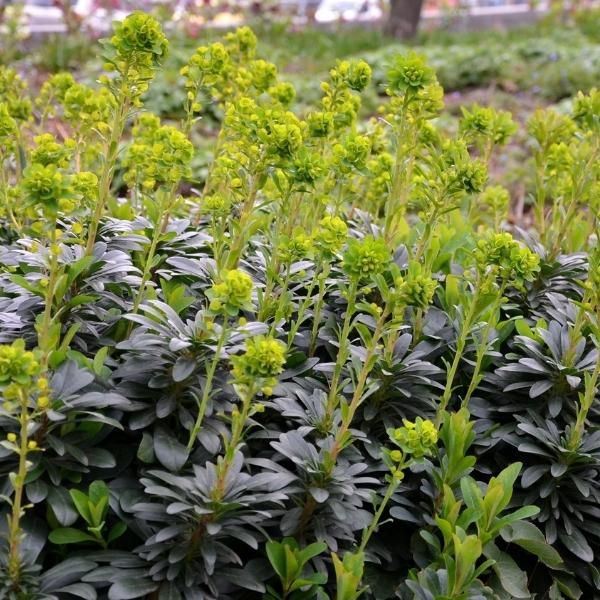
Wood Spurge is one of the most useful shade perennials for homeowners who need a plant that can cover the ground, suppress weeds, and still look attractive year-round. Its glossy deep green foliage forms low rosettes that knit together into a dense carpet, which makes it especially effective beneath shrubs, along woodland edges, and in the shadier parts of the landscape where other perennials can struggle. It is evergreen and rhizomatous, forming colonies over time rather than remaining in a single small clump.
The foliage is a big part of its appeal. Instead of disappearing after bloom, Wood Spurge keeps contributing structure and texture through all four seasons. The leaves are leathery and polished, which helps the planting feel fuller and more intentional even in winter. That evergreen character gives homeowners a lot more value than a plant that performs only for a few weeks in spring.
Its spreading habit is also a major advantage in practical landscape design. Because it moves by underground runners, it can gradually fill bare spaces and create a more finished, lower-maintenance understory planting. That makes it especially useful in woodland beds, shady borders, and beneath larger shrubs where mulch alone can look flat or temporary.
For homeowners looking for an evergreen shade perennial that can actually do some work in the garden, Wood Spurge is a very smart choice. It brings coverage, structure, and a refined woodland feel together.
Lime Green Spring Color Brightens Dark Garden Spaces
Wood Spurge is especially eye-catching in spring, when it sends up rounded heads of vivid lime-green bracts above the foliage. The actual flowers are small, but the bright bracts create the showy effect, lighting up shady spaces with a color that feels fresh, modern, and easy to pair with other woodland plants. This spring display is one of the biggest reasons gardeners turn to it.
That color is particularly effective in part shade and dappled woodland light. In those settings, the bright green flower heads seem to glow against the darker evergreen leaves, which helps the planting stand out even in places where flowers are often more subdued. It pairs beautifully with ferns, hellebores, hostas, epimediums, spring bulbs, and other shade-loving perennials.
Another advantage is that the bloom effect lasts longer than many homeowners expect from a shade ground cover. The bracts hold well, so the plant continues to look colorful after the first burst of spring growth. That gives the garden a longer seasonal lift and makes the plant feel more rewarding than a ground cover that flowers briefly and disappears back into the background.
For gardeners who want a shade perennial that brightens dark corners without looking flashy or out of place, Wood Spurge is a very satisfying option. It brings spring color in a way that still feels natural and grounded in the landscape.
A Strong Fit for Woodland Gardens, Dry Shade, and Slopes
Wood Spurge works best in garden spaces where homeowners need a dependable plant to soften and cover the soil surface. It is especially effective in woodland gardens, shady borders, underplantings beneath shrubs, and slope plantings where erosion control and weed suppression matter. Because it spreads into colonies, it helps tie a planting together, preventing the lower layer from looking empty or patchy.
Its mature size makes it easy to use in layered shade design. Wood Spurge generally grows about 1 to 2 feet tall and about 2 to 2.5 feet wide as an individual plant mass, though the colony can continue outward over time through rhizomes. That size gives it enough visual presence to matter, but still keeps it low enough to work beneath larger shrubs and taller perennials.
This plant is especially valuable in dry shade, a condition that can be frustrating for homeowners because so many shade perennials want more moisture and cooler root zones. While Wood Spurge still performs best in well-drained soil and appreciates moisture during establishment, it is notably more adaptable to tougher shady sites than many softer woodland plants.
For homeowners trying to create a lower-maintenance shade garden with more continuity and less exposed mulch, Wood Spurge is a very useful perennial. It spreads with purpose and helps the planting feel more finished over time.
Easy-Care Growth with Deer Resistance and Evergreen Strength
Wood Spurge performs best in part shade to full shade, though it can also tolerate some sun if the soil does not dry out. It prefers well-drained soil and should not sit in water, since overwatering can lead to root problems. That balance between moisture during establishment and reliable drainage is one of the most important factors in long-term success.
Once established, it is generally a very easy plant to manage. It is widely described as highly pest-resistant, and it is also commonly valued for deer resistance, which makes it especially appealing in landscapes where browsing pressure limits what can be planted successfully.
Maintenance is simple. Old flowered stems can be trimmed after bloom if homeowners want a tidier look, and colonies can be thinned or divided if the plant starts moving farther than desired. The main caution is the sap: like other spurges, it has a milky latex that can irritate skin and is toxic if ingested, so gloves are a smart idea when handling or pruning it.
For gardeners who want a deer-resistant evergreen perennial that can cover shady space without becoming high-maintenance, Wood Spurge is a rewarding and practical choice. It brings a lot of structure and value to some of the trickiest spots in the landscape.
An Evergreen Shade Perennial That Fills Space Beautifully
Wood Spurge is one of the most useful shade perennials for homeowners who need a plant that can cover the ground, suppress weeds, and still look attractive year-round. Its glossy deep green foliage forms low rosettes that knit together into a dense carpet, which makes it especially effective beneath shrubs, along woodland edges, and in the shadier parts of the landscape where other perennials can struggle. It is evergreen and rhizomatous, forming colonies over time rather than remaining in a single small clump.
The foliage is a big part of its appeal. Instead of disappearing after bloom, Wood Spurge keeps contributing structure and texture through all four seasons. The leaves are leathery and polished, which helps the planting feel fuller and more intentional even in winter. That evergreen character gives homeowners a lot more value than a plant that performs only for a few weeks in spring.
Its spreading habit is also a major advantage in practical landscape design. Because it moves by underground runners, it can gradually fill bare spaces and create a more finished, lower-maintenance understory planting. That makes it especially useful in woodland beds, shady borders, and beneath larger shrubs where mulch alone can look flat or temporary.
For homeowners looking for an evergreen shade perennial that can actually do some work in the garden, Wood Spurge is a very smart choice. It brings coverage, structure, and a refined woodland feel together.
Lime Green Spring Color Brightens Dark Garden Spaces
Wood Spurge is especially eye-catching in spring, when it sends up rounded heads of vivid lime-green bracts above the foliage. The actual flowers are small, but the bright bracts create the showy effect, lighting up shady spaces with a color that feels fresh, modern, and easy to pair with other woodland plants. This spring display is one of the biggest reasons gardeners turn to it.
That color is particularly effective in part shade and dappled woodland light. In those settings, the bright green flower heads seem to glow against the darker evergreen leaves, which helps the planting stand out even in places where flowers are often more subdued. It pairs beautifully with ferns, hellebores, hostas, epimediums, spring bulbs, and other shade-loving perennials.
Another advantage is that the bloom effect lasts longer than many homeowners expect from a shade ground cover. The bracts hold well, so the plant continues to look colorful after the first burst of spring growth. That gives the garden a longer seasonal lift and makes the plant feel more rewarding than a ground cover that flowers briefly and disappears back into the background.
For gardeners who want a shade perennial that brightens dark corners without looking flashy or out of place, Wood Spurge is a very satisfying option. It brings spring color in a way that still feels natural and grounded in the landscape.
A Strong Fit for Woodland Gardens, Dry Shade, and Slopes
Wood Spurge works best in garden spaces where homeowners need a dependable plant to soften and cover the soil surface. It is especially effective in woodland gardens, shady borders, underplantings beneath shrubs, and slope plantings where erosion control and weed suppression matter. Because it spreads into colonies, it helps tie a planting together, preventing the lower layer from looking empty or patchy.
Its mature size makes it easy to use in layered shade design. Wood Spurge generally grows about 1 to 2 feet tall and about 2 to 2.5 feet wide as an individual plant mass, though the colony can continue outward over time through rhizomes. That size gives it enough visual presence to matter, but still keeps it low enough to work beneath larger shrubs and taller perennials.
This plant is especially valuable in dry shade, a condition that can be frustrating for homeowners because so many shade perennials want more moisture and cooler root zones. While Wood Spurge still performs best in well-drained soil and appreciates moisture during establishment, it is notably more adaptable to tougher shady sites than many softer woodland plants.
For homeowners trying to create a lower-maintenance shade garden with more continuity and less exposed mulch, Wood Spurge is a very useful perennial. It spreads with purpose and helps the planting feel more finished over time.
Easy-Care Growth with Deer Resistance and Evergreen Strength
Wood Spurge performs best in part shade to full shade, though it can also tolerate some sun if the soil does not dry out. It prefers well-drained soil and should not sit in water, since overwatering can lead to root problems. That balance between moisture during establishment and reliable drainage is one of the most important factors in long-term success.
Once established, it is generally a very easy plant to manage. It is widely described as highly pest-resistant, and it is also commonly valued for deer resistance, which makes it especially appealing in landscapes where browsing pressure limits what can be planted successfully.
Maintenance is simple. Old flowered stems can be trimmed after bloom if homeowners want a tidier look, and colonies can be thinned or divided if the plant starts moving farther than desired. The main caution is the sap: like other spurges, it has a milky latex that can irritate skin and is toxic if ingested, so gloves are a smart idea when handling or pruning it.
For gardeners who want a deer-resistant evergreen perennial that can cover shady space without becoming high-maintenance, Wood Spurge is a rewarding and practical choice. It brings a lot of structure and value to some of the trickiest spots in the landscape.
Original: $26.95
-70%$26.95
$8.08Description
An Evergreen Shade Perennial That Fills Space Beautifully
Wood Spurge is one of the most useful shade perennials for homeowners who need a plant that can cover the ground, suppress weeds, and still look attractive year-round. Its glossy deep green foliage forms low rosettes that knit together into a dense carpet, which makes it especially effective beneath shrubs, along woodland edges, and in the shadier parts of the landscape where other perennials can struggle. It is evergreen and rhizomatous, forming colonies over time rather than remaining in a single small clump.
The foliage is a big part of its appeal. Instead of disappearing after bloom, Wood Spurge keeps contributing structure and texture through all four seasons. The leaves are leathery and polished, which helps the planting feel fuller and more intentional even in winter. That evergreen character gives homeowners a lot more value than a plant that performs only for a few weeks in spring.
Its spreading habit is also a major advantage in practical landscape design. Because it moves by underground runners, it can gradually fill bare spaces and create a more finished, lower-maintenance understory planting. That makes it especially useful in woodland beds, shady borders, and beneath larger shrubs where mulch alone can look flat or temporary.
For homeowners looking for an evergreen shade perennial that can actually do some work in the garden, Wood Spurge is a very smart choice. It brings coverage, structure, and a refined woodland feel together.
Lime Green Spring Color Brightens Dark Garden Spaces
Wood Spurge is especially eye-catching in spring, when it sends up rounded heads of vivid lime-green bracts above the foliage. The actual flowers are small, but the bright bracts create the showy effect, lighting up shady spaces with a color that feels fresh, modern, and easy to pair with other woodland plants. This spring display is one of the biggest reasons gardeners turn to it.
That color is particularly effective in part shade and dappled woodland light. In those settings, the bright green flower heads seem to glow against the darker evergreen leaves, which helps the planting stand out even in places where flowers are often more subdued. It pairs beautifully with ferns, hellebores, hostas, epimediums, spring bulbs, and other shade-loving perennials.
Another advantage is that the bloom effect lasts longer than many homeowners expect from a shade ground cover. The bracts hold well, so the plant continues to look colorful after the first burst of spring growth. That gives the garden a longer seasonal lift and makes the plant feel more rewarding than a ground cover that flowers briefly and disappears back into the background.
For gardeners who want a shade perennial that brightens dark corners without looking flashy or out of place, Wood Spurge is a very satisfying option. It brings spring color in a way that still feels natural and grounded in the landscape.
A Strong Fit for Woodland Gardens, Dry Shade, and Slopes
Wood Spurge works best in garden spaces where homeowners need a dependable plant to soften and cover the soil surface. It is especially effective in woodland gardens, shady borders, underplantings beneath shrubs, and slope plantings where erosion control and weed suppression matter. Because it spreads into colonies, it helps tie a planting together, preventing the lower layer from looking empty or patchy.
Its mature size makes it easy to use in layered shade design. Wood Spurge generally grows about 1 to 2 feet tall and about 2 to 2.5 feet wide as an individual plant mass, though the colony can continue outward over time through rhizomes. That size gives it enough visual presence to matter, but still keeps it low enough to work beneath larger shrubs and taller perennials.
This plant is especially valuable in dry shade, a condition that can be frustrating for homeowners because so many shade perennials want more moisture and cooler root zones. While Wood Spurge still performs best in well-drained soil and appreciates moisture during establishment, it is notably more adaptable to tougher shady sites than many softer woodland plants.
For homeowners trying to create a lower-maintenance shade garden with more continuity and less exposed mulch, Wood Spurge is a very useful perennial. It spreads with purpose and helps the planting feel more finished over time.
Easy-Care Growth with Deer Resistance and Evergreen Strength
Wood Spurge performs best in part shade to full shade, though it can also tolerate some sun if the soil does not dry out. It prefers well-drained soil and should not sit in water, since overwatering can lead to root problems. That balance between moisture during establishment and reliable drainage is one of the most important factors in long-term success.
Once established, it is generally a very easy plant to manage. It is widely described as highly pest-resistant, and it is also commonly valued for deer resistance, which makes it especially appealing in landscapes where browsing pressure limits what can be planted successfully.
Maintenance is simple. Old flowered stems can be trimmed after bloom if homeowners want a tidier look, and colonies can be thinned or divided if the plant starts moving farther than desired. The main caution is the sap: like other spurges, it has a milky latex that can irritate skin and is toxic if ingested, so gloves are a smart idea when handling or pruning it.
For gardeners who want a deer-resistant evergreen perennial that can cover shady space without becoming high-maintenance, Wood Spurge is a rewarding and practical choice. It brings a lot of structure and value to some of the trickiest spots in the landscape.