Fortune's Holly Fern
Bold Holly-Like Fronds for Shaded Gardens
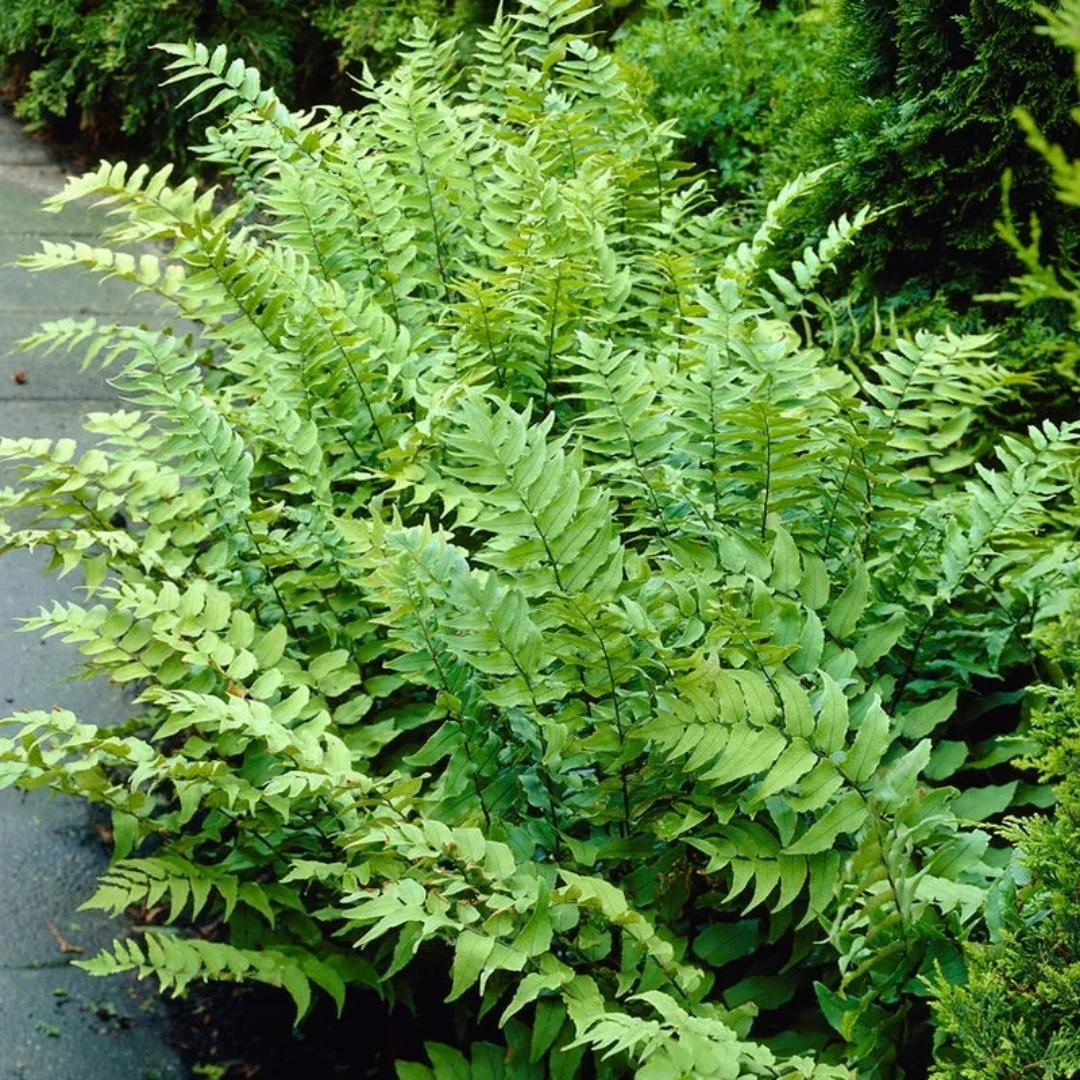
Fortune’s Holly Fern is a handsome shade fern grown for its upright habit, leathery texture, and distinctive holly-like fronds. Unlike softer, feathery ferns, Cyrtomium fortunei has strong, structured foliage that gives shaded beds a more polished, architectural look.
The fronds are typically green to gray-green and divided into glossy, holly-shaped leaflets that add year-round texture in mild climates. In colder regions, the foliage may be semi-evergreen or die back after winter weather, returning with fresh growth in spring.
A Hardy Fern with Strong Landscape Structure
Fortune’s Holly Fern is often valued as a cold-hardy alternative within the holly fern group. It brings the bold texture of Japanese holly ferns into shade gardens where a tougher, more structured fern is needed.
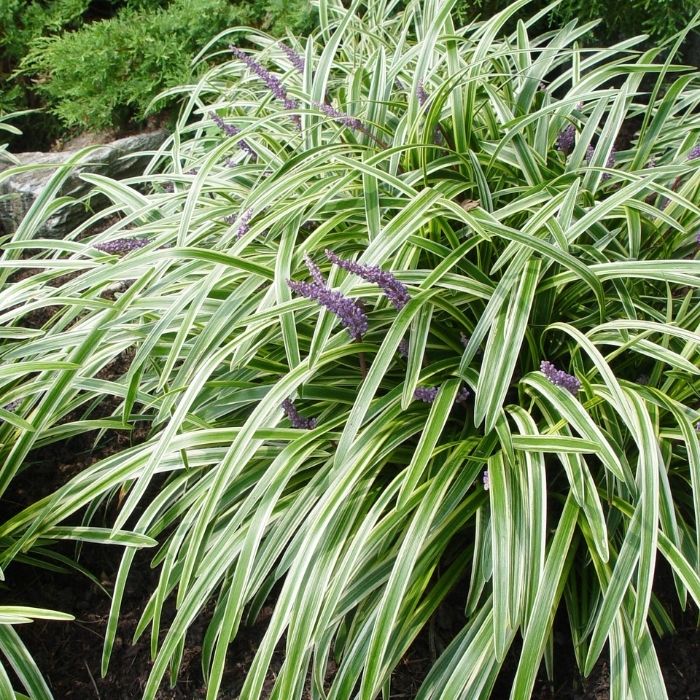
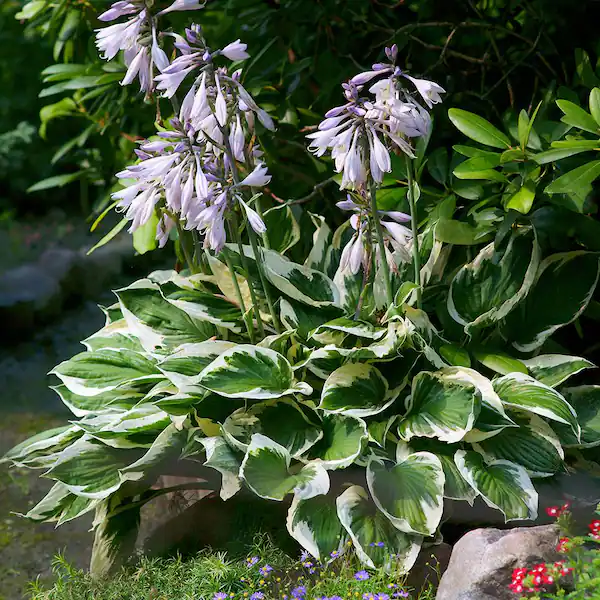
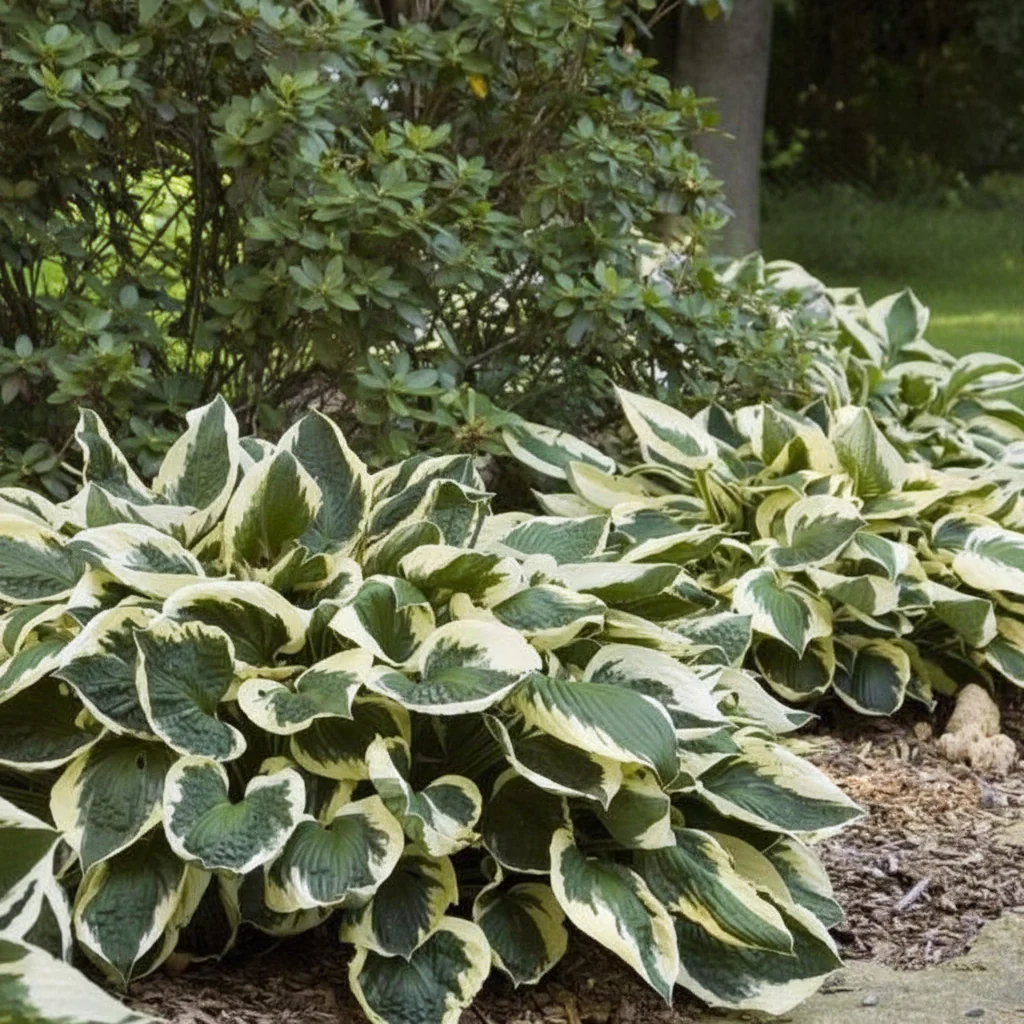
Use it as a specimen fern, a woodland accent, a shaded foundation plant, or a mass planting under trees and shrubs. Its upright shape makes it especially useful near hostas, hellebores, heuchera, brunnera, carex, Japanese forest grass, and other shade perennials with softer foliage.
Low-Maintenance Color Without Flowers
This fern is grown for foliage, not flowers. Its leathery fronds provide a calm, green texture throughout the growing season and help anchor mixed shade beds where flowering perennials come and go.
Because the foliage has a sturdier look than many woodland ferns, Fortune’s Holly Fern works well in more formal shade plantings as well as naturalistic woodland gardens. It can also be used in shaded containers where upright fern texture is needed.
Deer Resistant and Shade Tolerant
Fortune’s Holly Fern is generally considered deer resistant, making it a practical choice for shaded gardens where browsing pressure is common. Deer may sample almost any plant under heavy pressure, but the leathery fronds of holly ferns are usually less appealing than tender foliage plants.
Plant it in part shade to full shade for the best foliage quality. Too much direct sun can bleach or scorch the fronds, especially in hot climates. Morning sun may be acceptable in cooler regions if the soil stays evenly moist.
Easy Care in Moist, Well-Drained Soil
Fortune’s Holly Fern grows best in moist, humus-rich, well-drained soil. Good drainage is important, especially in winter, because constantly wet soil can lead to root problems. Add compost or leaf mold when planting to create the woodland-style soil ferns prefer.
Water regularly after planting until the roots establish. Once established, the plant is relatively low-maintenance, requiring only occasional cleanup of winter-damaged or tired fronds. Mulch with shredded leaves, compost, or fine bark to help conserve moisture and keep the root zone cool.
Bold Holly-Like Fronds for Shaded Gardens
Fortune’s Holly Fern is a handsome shade fern grown for its upright habit, leathery texture, and distinctive holly-like fronds. Unlike softer, feathery ferns, Cyrtomium fortunei has strong, structured foliage that gives shaded beds a more polished, architectural look.
The fronds are typically green to gray-green and divided into glossy, holly-shaped leaflets that add year-round texture in mild climates. In colder regions, the foliage may be semi-evergreen or die back after winter weather, returning with fresh growth in spring.
A Hardy Fern with Strong Landscape Structure
Fortune’s Holly Fern is often valued as a cold-hardy alternative within the holly fern group. It brings the bold texture of Japanese holly ferns into shade gardens where a tougher, more structured fern is needed.
Use it as a specimen fern, a woodland accent, a shaded foundation plant, or a mass planting under trees and shrubs. Its upright shape makes it especially useful near hostas, hellebores, heuchera, brunnera, carex, Japanese forest grass, and other shade perennials with softer foliage.
Low-Maintenance Color Without Flowers
This fern is grown for foliage, not flowers. Its leathery fronds provide a calm, green texture throughout the growing season and help anchor mixed shade beds where flowering perennials come and go.
Because the foliage has a sturdier look than many woodland ferns, Fortune’s Holly Fern works well in more formal shade plantings as well as naturalistic woodland gardens. It can also be used in shaded containers where upright fern texture is needed.
Deer Resistant and Shade Tolerant
Fortune’s Holly Fern is generally considered deer resistant, making it a practical choice for shaded gardens where browsing pressure is common. Deer may sample almost any plant under heavy pressure, but the leathery fronds of holly ferns are usually less appealing than tender foliage plants.
Plant it in part shade to full shade for the best foliage quality. Too much direct sun can bleach or scorch the fronds, especially in hot climates. Morning sun may be acceptable in cooler regions if the soil stays evenly moist.
Easy Care in Moist, Well-Drained Soil
Fortune’s Holly Fern grows best in moist, humus-rich, well-drained soil. Good drainage is important, especially in winter, because constantly wet soil can lead to root problems. Add compost or leaf mold when planting to create the woodland-style soil ferns prefer.
Water regularly after planting until the roots establish. Once established, the plant is relatively low-maintenance, requiring only occasional cleanup of winter-damaged or tired fronds. Mulch with shredded leaves, compost, or fine bark to help conserve moisture and keep the root zone cool.
Original: $34.95
-70%$34.95
$10.49Description
Bold Holly-Like Fronds for Shaded Gardens
Fortune’s Holly Fern is a handsome shade fern grown for its upright habit, leathery texture, and distinctive holly-like fronds. Unlike softer, feathery ferns, Cyrtomium fortunei has strong, structured foliage that gives shaded beds a more polished, architectural look.
The fronds are typically green to gray-green and divided into glossy, holly-shaped leaflets that add year-round texture in mild climates. In colder regions, the foliage may be semi-evergreen or die back after winter weather, returning with fresh growth in spring.
A Hardy Fern with Strong Landscape Structure
Fortune’s Holly Fern is often valued as a cold-hardy alternative within the holly fern group. It brings the bold texture of Japanese holly ferns into shade gardens where a tougher, more structured fern is needed.
Use it as a specimen fern, a woodland accent, a shaded foundation plant, or a mass planting under trees and shrubs. Its upright shape makes it especially useful near hostas, hellebores, heuchera, brunnera, carex, Japanese forest grass, and other shade perennials with softer foliage.
Low-Maintenance Color Without Flowers
This fern is grown for foliage, not flowers. Its leathery fronds provide a calm, green texture throughout the growing season and help anchor mixed shade beds where flowering perennials come and go.
Because the foliage has a sturdier look than many woodland ferns, Fortune’s Holly Fern works well in more formal shade plantings as well as naturalistic woodland gardens. It can also be used in shaded containers where upright fern texture is needed.
Deer Resistant and Shade Tolerant
Fortune’s Holly Fern is generally considered deer resistant, making it a practical choice for shaded gardens where browsing pressure is common. Deer may sample almost any plant under heavy pressure, but the leathery fronds of holly ferns are usually less appealing than tender foliage plants.
Plant it in part shade to full shade for the best foliage quality. Too much direct sun can bleach or scorch the fronds, especially in hot climates. Morning sun may be acceptable in cooler regions if the soil stays evenly moist.
Easy Care in Moist, Well-Drained Soil
Fortune’s Holly Fern grows best in moist, humus-rich, well-drained soil. Good drainage is important, especially in winter, because constantly wet soil can lead to root problems. Add compost or leaf mold when planting to create the woodland-style soil ferns prefer.
Water regularly after planting until the roots establish. Once established, the plant is relatively low-maintenance, requiring only occasional cleanup of winter-damaged or tired fronds. Mulch with shredded leaves, compost, or fine bark to help conserve moisture and keep the root zone cool.