Pine Knot Select Hellebore
Pine Knot Select Hellebore Blooms When the Garden Needs Color Most
Pine Knot Select Hellebore is a winter-to-early-spring blooming perennial grown for its elegant flowers, evergreen foliage, and dependable performance in the shade garden. Also known as Pine Knot Select Lenten Rose (Helleborus Pine Knot Select), this long-lived perennial brings color to the garden when most plants are still dormant.
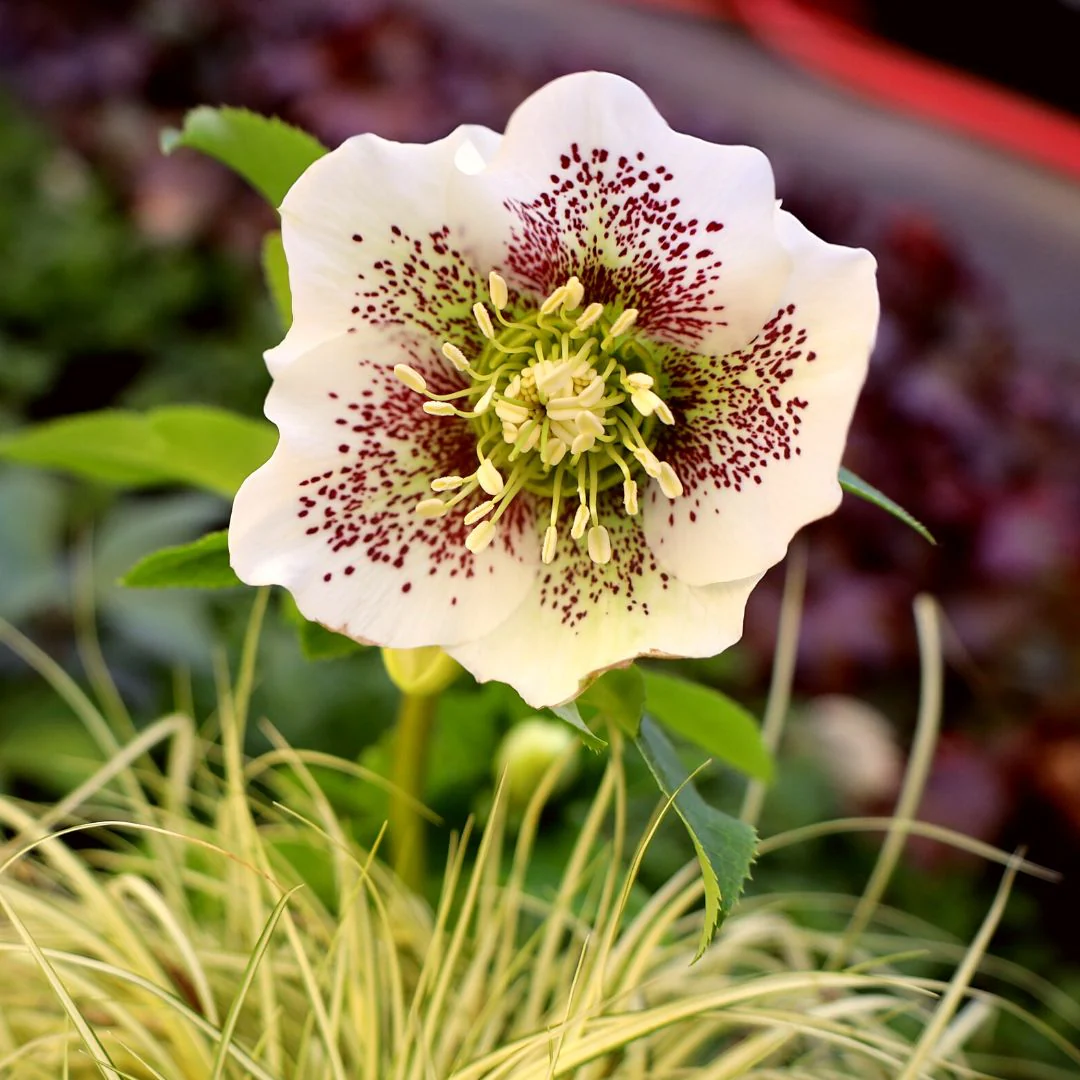
The blooms appear in a range of colors, often including shades of pink, plum, cream, green, rose, mauve, purple, and other mixed tones. Because Pine Knot Select is commonly grown as a selected strain, individual plants can vary in flower color and form. That natural variation is part of its charm, giving each plant a slightly different look in the winter garden.
Mixed Hellebore Flowers with Collector-Style Character
Pine Knot Select Hellebore is valued for its mixed-color flower display. The nodding blooms rise above the foliage in late winter to spring and can last for weeks, bringing soft color and texture to shaded beds, woodland paths, and foundation plantings.
The flowers are especially useful because they appear before many traditional perennials begin to grow. Plant Pine Knot Select where you can enjoy it up close in winter, such as near a walkway, front entry, patio edge, shaded foundation, or woodland garden path. The blooms may face slightly downward, so planting on a slope or raised bed helps show them off.
Evergreen Foliage for Four-Season Shade Garden Structure
Even after flowering, Pine Knot Select Hellebore remains valuable in the landscape. Its leathery, deep-green foliage forms a tidy mound that adds year-round structure to shaded gardens. In mild climates, the foliage stays attractive through winter; in colder or exposed areas, older leaves may look worn by late winter and can be trimmed away.
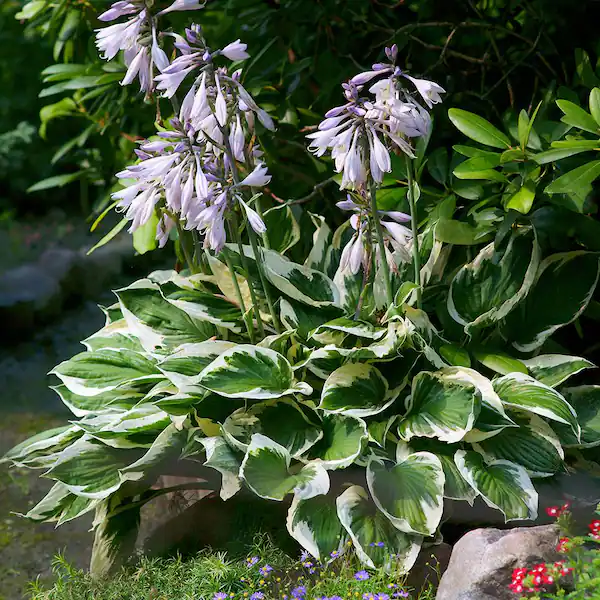
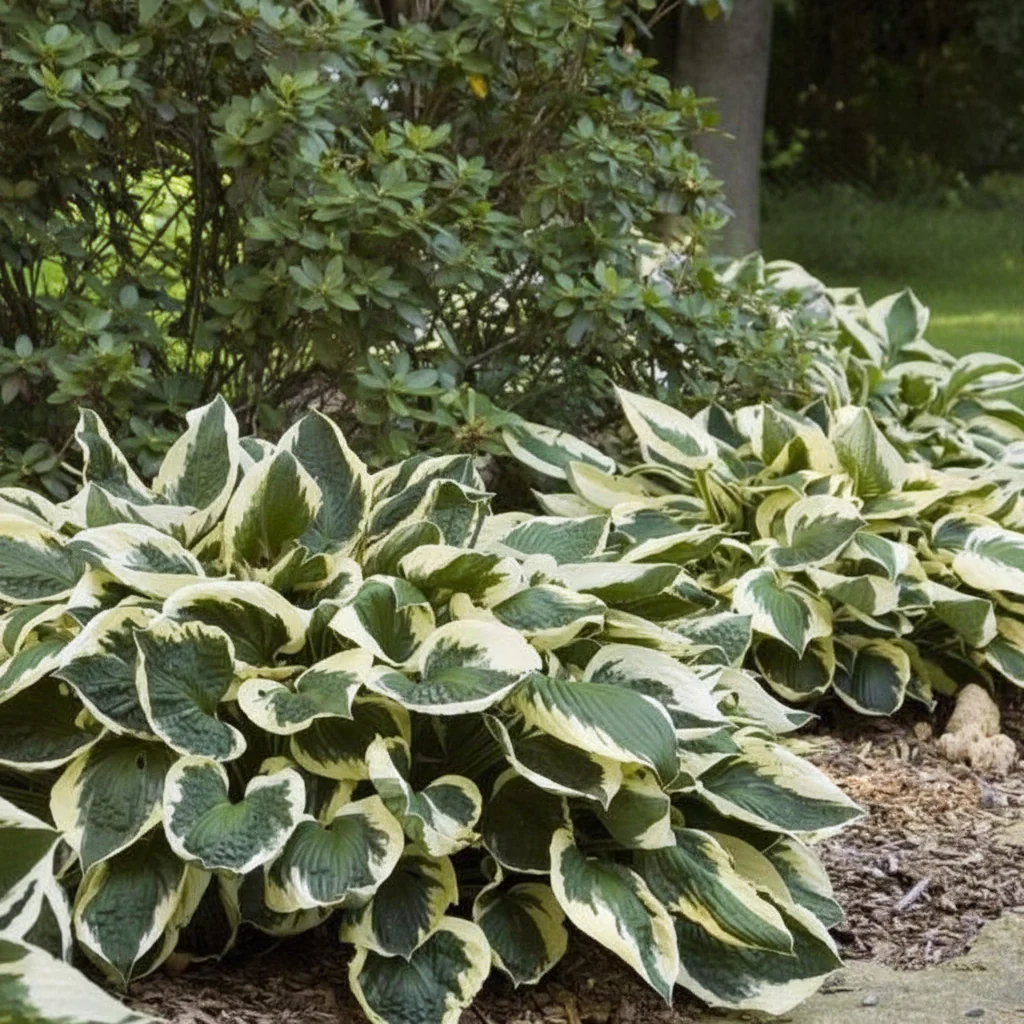
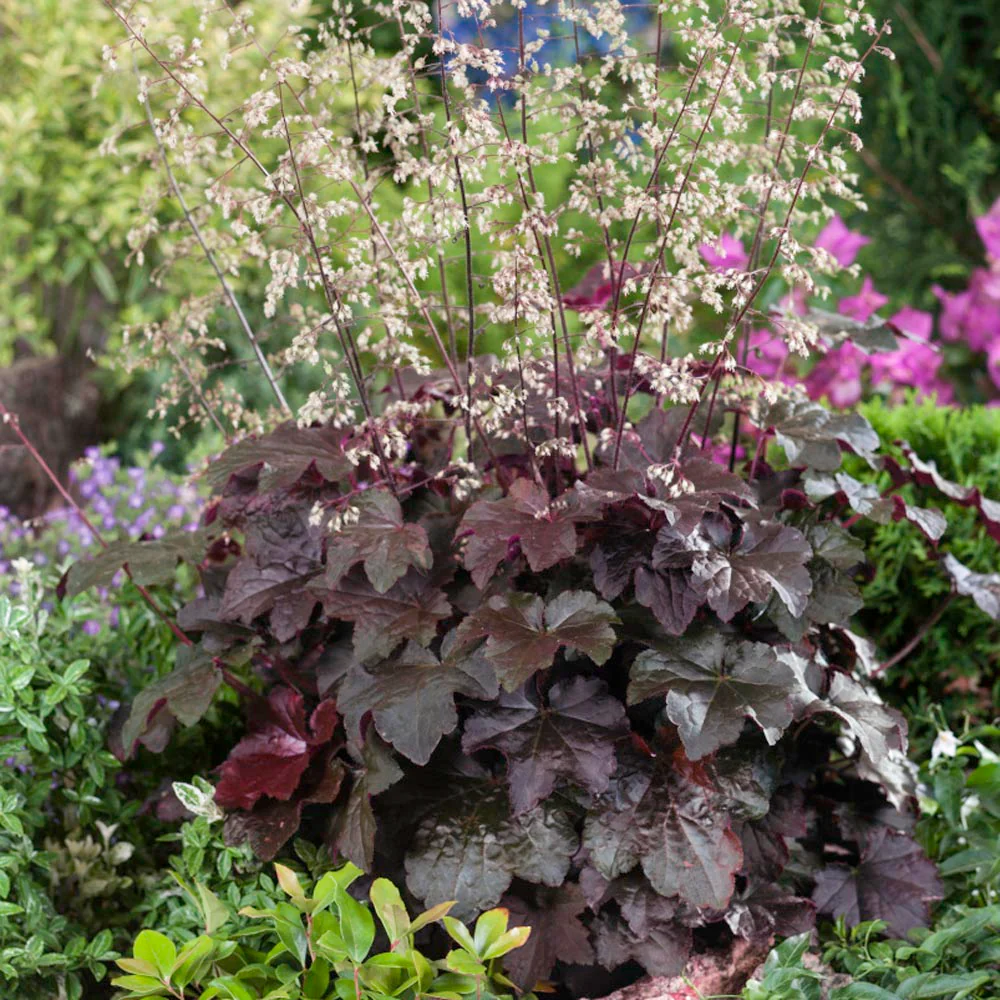
This evergreen habit makes Hellebores especially useful beneath deciduous trees, around shaded foundations, and in mixed perennial beds where summer shade can be challenging. Pair Pine Knot Select with Hostas, Ferns, Heuchera, Brunnera, Carex, Lamium, Epimedium, and spring bulbs for layered shade interest from winter through fall.
Partial Shade, Rich Soil, and Easy Long-Term Care
Plant Pine Knot Select Hellebore in partial to full shade, in moist, well-drained, organic-rich soil. It performs best in a woodland-style setting where the soil holds consistent moisture without becoming soggy. Morning sun, filtered light, or bright shade is usually ideal.
Once established, Hellebore is fairly drought-tolerant, but consistent moisture supports the best foliage and flowering. Mulch lightly to help conserve soil moisture and protect the crown, but avoid burying the crown too deeply. Good drainage is important, especially in winter.
Deer Resistant, Rabbit Resistant, and Built for Low-Maintenance Shade
Pine Knot Select Hellebore is generally considered deer-resistant and rabbit-resistant, making it a strong choice for shaded landscapes where browsing pressure can be a problem. Its tough foliage and early bloom season help it stand out as one of the most useful perennials for difficult shade.
Maintenance is simple. Remove old or winter-damaged foliage in late winter before or as flowers emerge so the blooms are easier to see. After flowering, cut back spent flower stems for a cleaner look. Wear gloves when handling Hellebore, and avoid eating any part of the plant.
Pine Knot Select Hellebore Blooms When the Garden Needs Color Most
Pine Knot Select Hellebore is a winter-to-early-spring blooming perennial grown for its elegant flowers, evergreen foliage, and dependable performance in the shade garden. Also known as Pine Knot Select Lenten Rose (Helleborus Pine Knot Select), this long-lived perennial brings color to the garden when most plants are still dormant.
The blooms appear in a range of colors, often including shades of pink, plum, cream, green, rose, mauve, purple, and other mixed tones. Because Pine Knot Select is commonly grown as a selected strain, individual plants can vary in flower color and form. That natural variation is part of its charm, giving each plant a slightly different look in the winter garden.
Mixed Hellebore Flowers with Collector-Style Character
Pine Knot Select Hellebore is valued for its mixed-color flower display. The nodding blooms rise above the foliage in late winter to spring and can last for weeks, bringing soft color and texture to shaded beds, woodland paths, and foundation plantings.
The flowers are especially useful because they appear before many traditional perennials begin to grow. Plant Pine Knot Select where you can enjoy it up close in winter, such as near a walkway, front entry, patio edge, shaded foundation, or woodland garden path. The blooms may face slightly downward, so planting on a slope or raised bed helps show them off.
Evergreen Foliage for Four-Season Shade Garden Structure
Even after flowering, Pine Knot Select Hellebore remains valuable in the landscape. Its leathery, deep-green foliage forms a tidy mound that adds year-round structure to shaded gardens. In mild climates, the foliage stays attractive through winter; in colder or exposed areas, older leaves may look worn by late winter and can be trimmed away.
This evergreen habit makes Hellebores especially useful beneath deciduous trees, around shaded foundations, and in mixed perennial beds where summer shade can be challenging. Pair Pine Knot Select with Hostas, Ferns, Heuchera, Brunnera, Carex, Lamium, Epimedium, and spring bulbs for layered shade interest from winter through fall.
Partial Shade, Rich Soil, and Easy Long-Term Care
Plant Pine Knot Select Hellebore in partial to full shade, in moist, well-drained, organic-rich soil. It performs best in a woodland-style setting where the soil holds consistent moisture without becoming soggy. Morning sun, filtered light, or bright shade is usually ideal.
Once established, Hellebore is fairly drought-tolerant, but consistent moisture supports the best foliage and flowering. Mulch lightly to help conserve soil moisture and protect the crown, but avoid burying the crown too deeply. Good drainage is important, especially in winter.
Deer Resistant, Rabbit Resistant, and Built for Low-Maintenance Shade
Pine Knot Select Hellebore is generally considered deer-resistant and rabbit-resistant, making it a strong choice for shaded landscapes where browsing pressure can be a problem. Its tough foliage and early bloom season help it stand out as one of the most useful perennials for difficult shade.
Maintenance is simple. Remove old or winter-damaged foliage in late winter before or as flowers emerge so the blooms are easier to see. After flowering, cut back spent flower stems for a cleaner look. Wear gloves when handling Hellebore, and avoid eating any part of the plant.
Original: $46.95
-70%$46.95
$14.09Description
Pine Knot Select Hellebore Blooms When the Garden Needs Color Most
Pine Knot Select Hellebore is a winter-to-early-spring blooming perennial grown for its elegant flowers, evergreen foliage, and dependable performance in the shade garden. Also known as Pine Knot Select Lenten Rose (Helleborus Pine Knot Select), this long-lived perennial brings color to the garden when most plants are still dormant.
The blooms appear in a range of colors, often including shades of pink, plum, cream, green, rose, mauve, purple, and other mixed tones. Because Pine Knot Select is commonly grown as a selected strain, individual plants can vary in flower color and form. That natural variation is part of its charm, giving each plant a slightly different look in the winter garden.
Mixed Hellebore Flowers with Collector-Style Character
Pine Knot Select Hellebore is valued for its mixed-color flower display. The nodding blooms rise above the foliage in late winter to spring and can last for weeks, bringing soft color and texture to shaded beds, woodland paths, and foundation plantings.
The flowers are especially useful because they appear before many traditional perennials begin to grow. Plant Pine Knot Select where you can enjoy it up close in winter, such as near a walkway, front entry, patio edge, shaded foundation, or woodland garden path. The blooms may face slightly downward, so planting on a slope or raised bed helps show them off.
Evergreen Foliage for Four-Season Shade Garden Structure
Even after flowering, Pine Knot Select Hellebore remains valuable in the landscape. Its leathery, deep-green foliage forms a tidy mound that adds year-round structure to shaded gardens. In mild climates, the foliage stays attractive through winter; in colder or exposed areas, older leaves may look worn by late winter and can be trimmed away.
This evergreen habit makes Hellebores especially useful beneath deciduous trees, around shaded foundations, and in mixed perennial beds where summer shade can be challenging. Pair Pine Knot Select with Hostas, Ferns, Heuchera, Brunnera, Carex, Lamium, Epimedium, and spring bulbs for layered shade interest from winter through fall.
Partial Shade, Rich Soil, and Easy Long-Term Care
Plant Pine Knot Select Hellebore in partial to full shade, in moist, well-drained, organic-rich soil. It performs best in a woodland-style setting where the soil holds consistent moisture without becoming soggy. Morning sun, filtered light, or bright shade is usually ideal.
Once established, Hellebore is fairly drought-tolerant, but consistent moisture supports the best foliage and flowering. Mulch lightly to help conserve soil moisture and protect the crown, but avoid burying the crown too deeply. Good drainage is important, especially in winter.
Deer Resistant, Rabbit Resistant, and Built for Low-Maintenance Shade
Pine Knot Select Hellebore is generally considered deer-resistant and rabbit-resistant, making it a strong choice for shaded landscapes where browsing pressure can be a problem. Its tough foliage and early bloom season help it stand out as one of the most useful perennials for difficult shade.
Maintenance is simple. Remove old or winter-damaged foliage in late winter before or as flowers emerge so the blooms are easier to see. After flowering, cut back spent flower stems for a cleaner look. Wear gloves when handling Hellebore, and avoid eating any part of the plant.