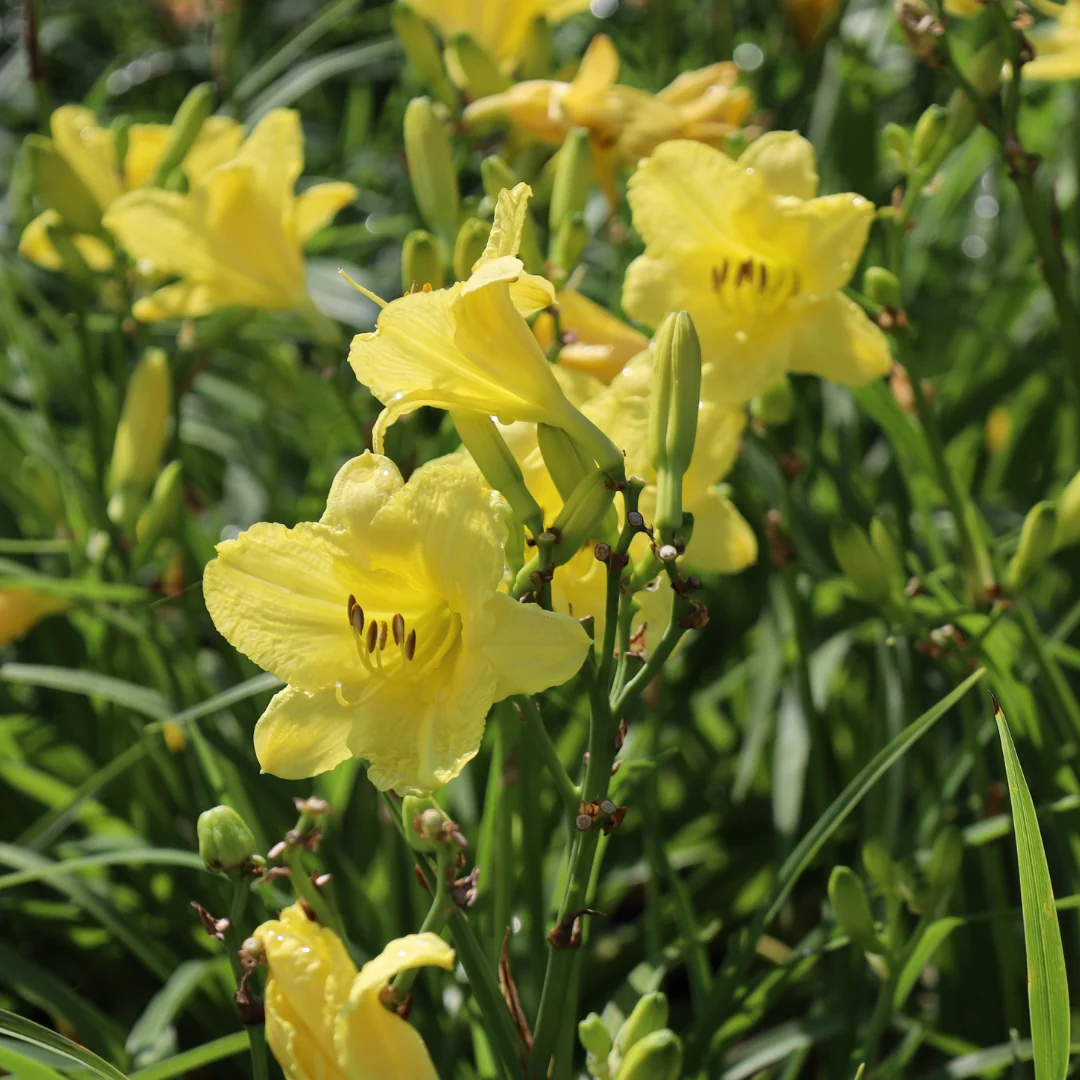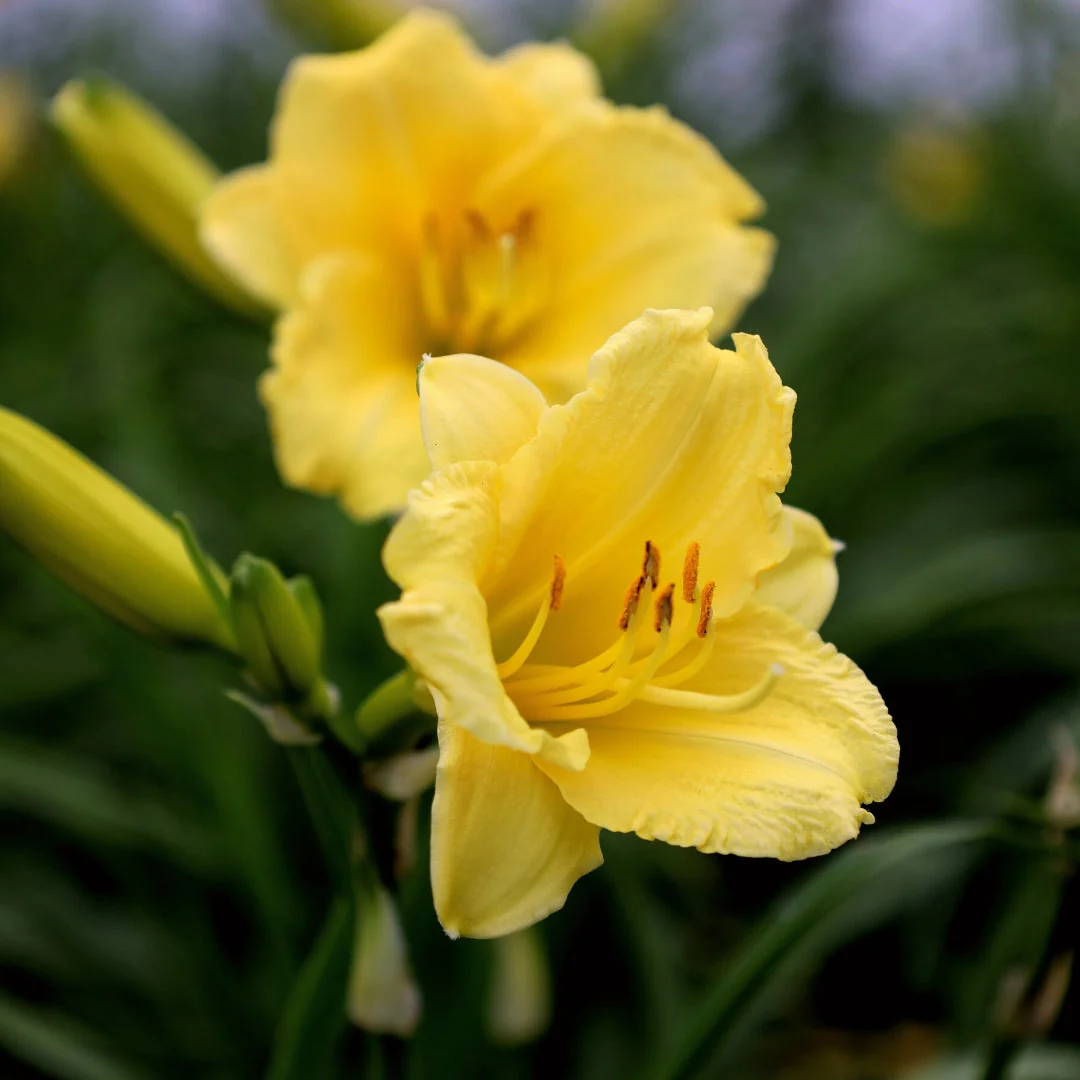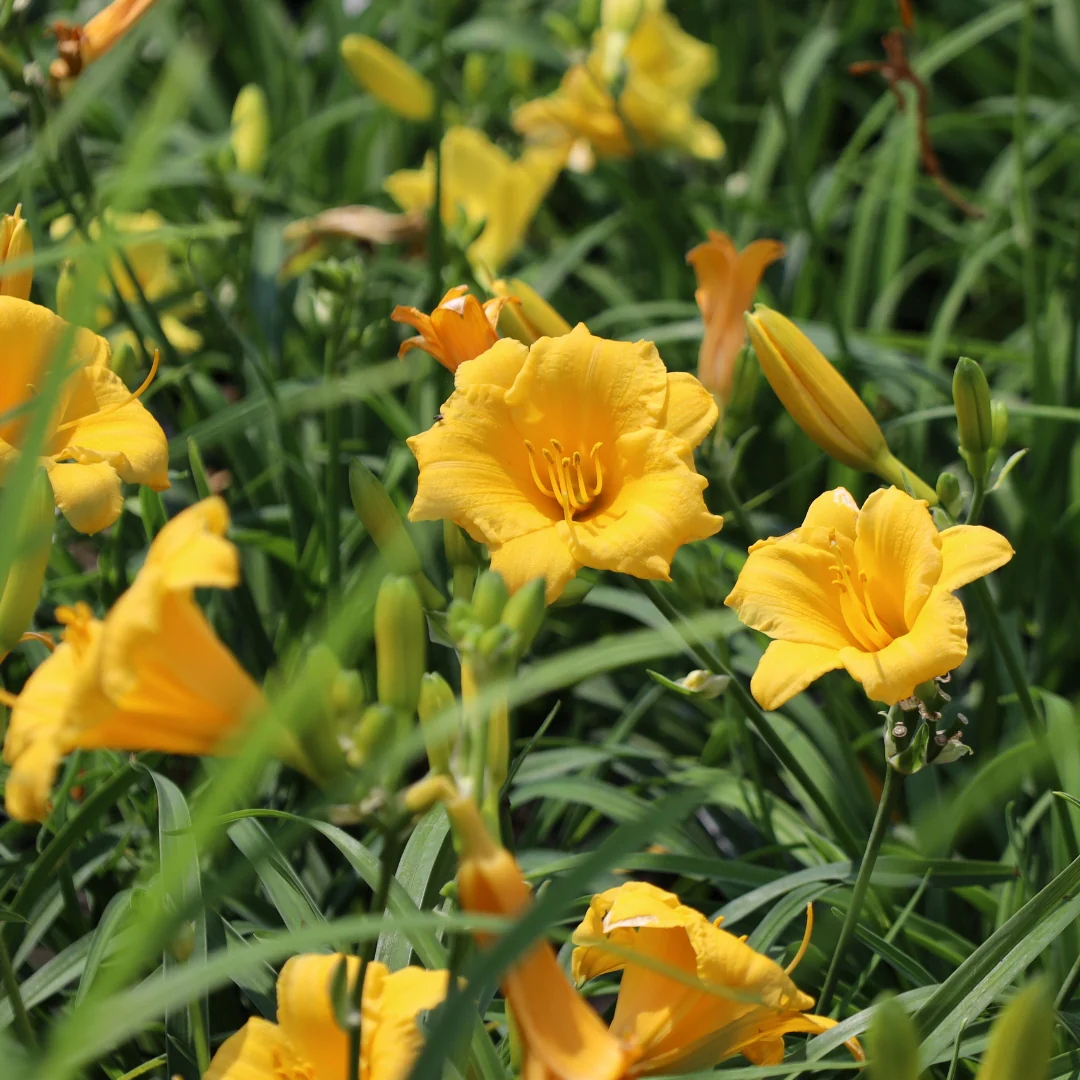
Mahogany Snow Hellebore
Color-Changing Winter Blooms That Feel Warm In The Cold Season
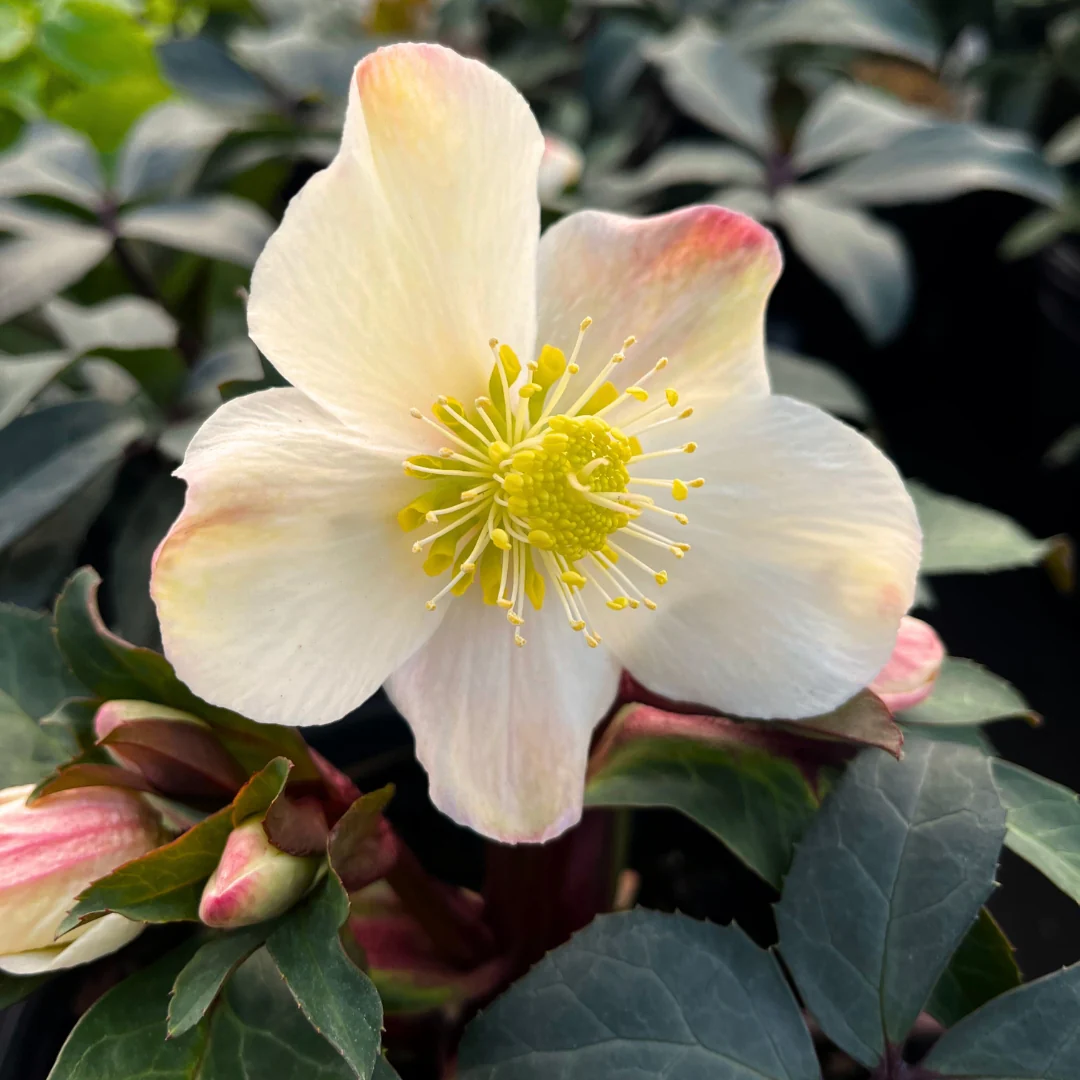
Mahogany Snow Hellebore is one of those plants that makes you look forward to winter gardening. The blooms open a clean, creamy white, then show strong pink backsides that deepen as the season progresses, often aging into rose and mahogany tones for a rich, “warming” effect in the landscape. Because each flower lasts for weeks, you don’t just get a quick pop of color; you get a long, slow shift that feels elegant and intentional from winter into early spring.
Place it where you’ll actually see the transformation near an entry, along a walkway, beside a shaded patio, or at the front edge of a woodland border. The blooms glow against bark, stone, and evergreen foliage, and the reddish stems add subtle contrast that reads refined rather than loud. If you want winter flowers that look sophisticated (not novelty), Mahogany Snow delivers.
Evergreen Foliage That Anchors Shade Beds Year-Round
Even after bloom, Mahogany Snow keeps doing the job with a compact mound of leathery, evergreen foliage. That year-round structure is a big deal in shade beds and under deciduous trees, where many perennials disappear, leaving the garden looking unfinished. Mahogany Snow stays present, adding texture and a tidy, planted look through every season.
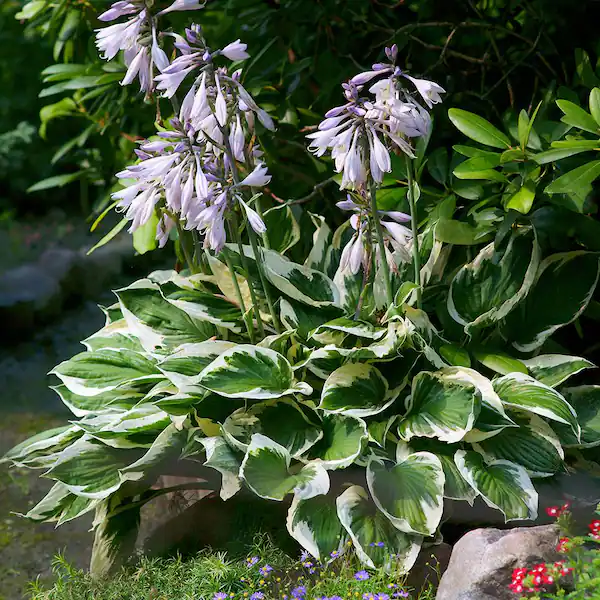
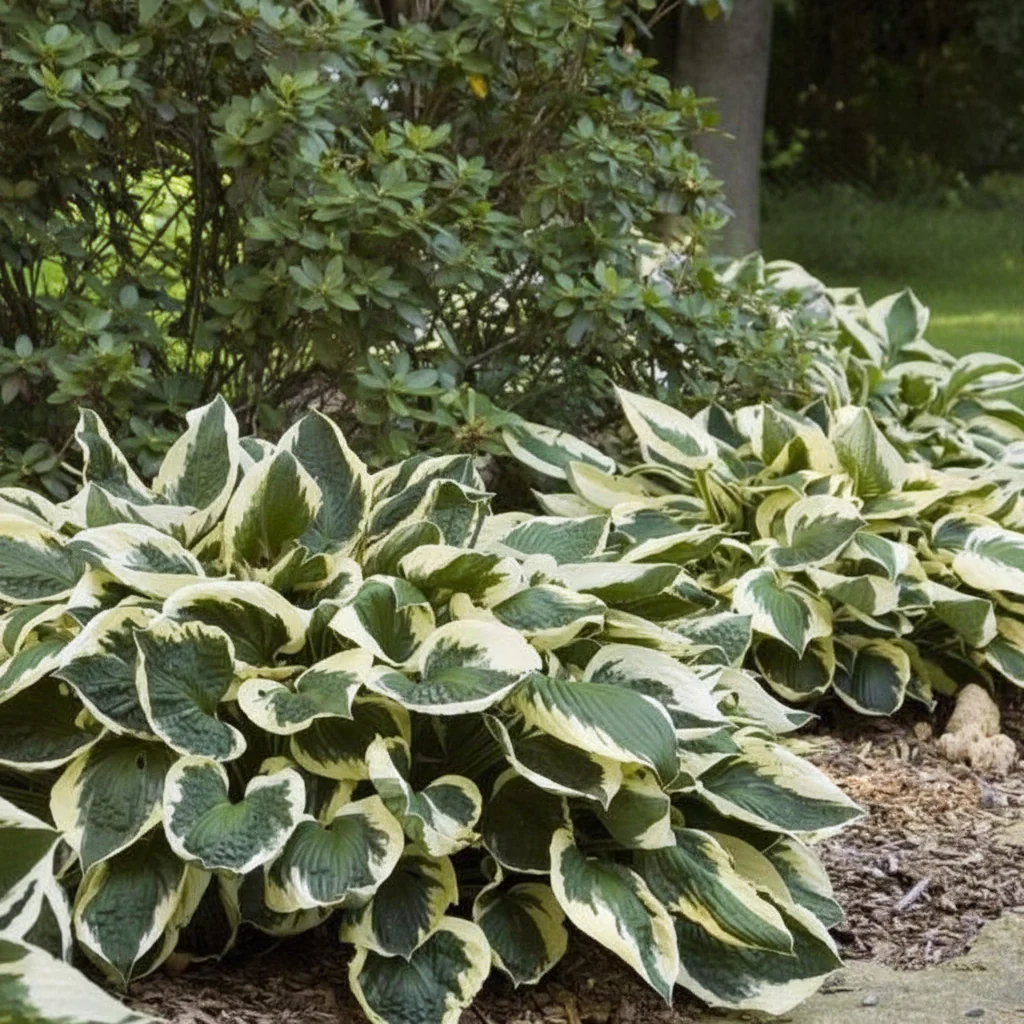
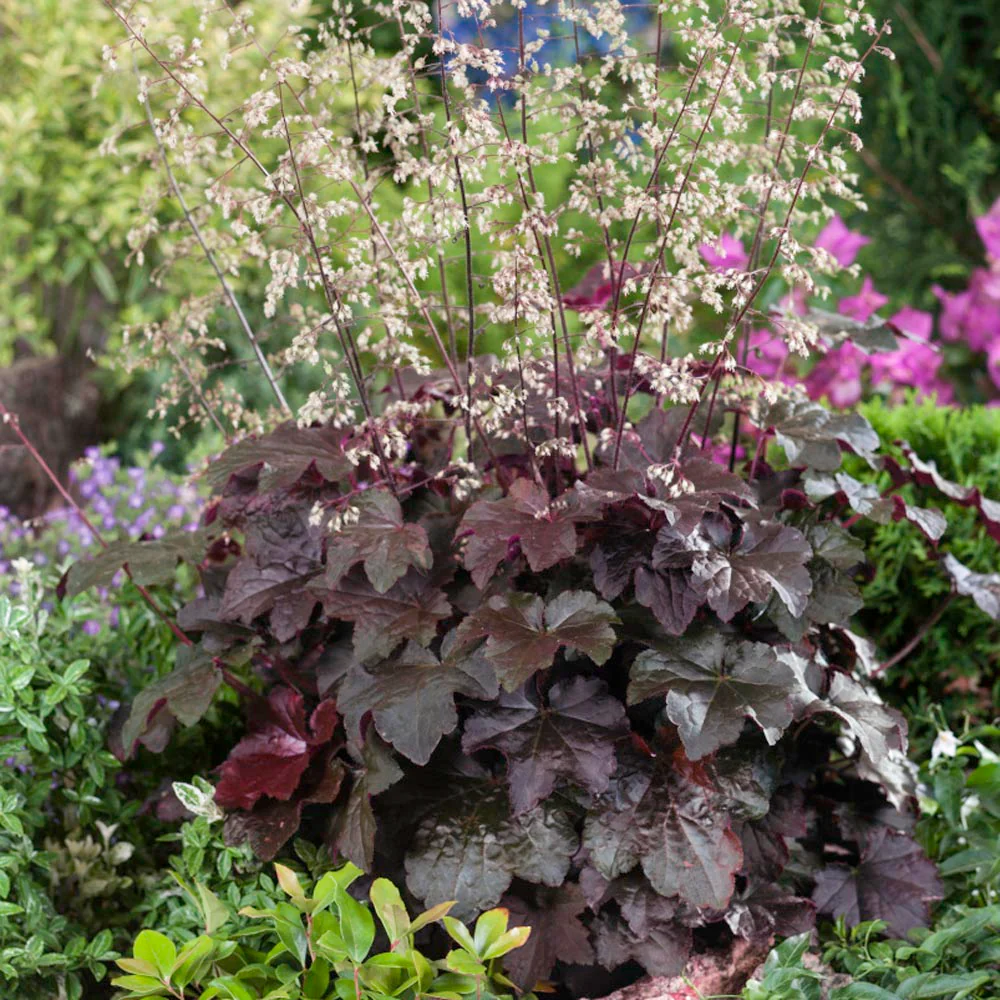
Use it as a front-of-border anchor, repeat it in small drifts for a curated woodland feel, or tuck it beneath shrubs to create a clean evergreen base layer. It pairs beautifully with hostas, ferns, heuchera, epimedium, and shade grasses, adding “quiet” structure without visual clutter. The result is a shade planting that looks designed in January, not just in June.
Deer Resistance And Low-Fuss Reliability You Can Count On
Mahogany Snow thrives in partial shade to full shade, preferring rich, well-drained soil that stays evenly moist while it establishes. Once rooted in, it becomes more tolerant of short, dry spells than many shade perennials, especially when lightly mulched to buffer moisture swings. The key is drainage: hellebores love consistent moisture, but they do not like wet feet, especially in winter.
It’s also generally deer and rabbit-resistant, which makes it a smart long-term investment for woodland gardens and foundation beds where browsing can be relentless. There’s no staking and no complicated bloom routine. The biggest “pro” move is a quick late-winter leaf cleanup so flowers aren’t hidden, simple, fast, and it makes the entire plant look instantly more polished.
A Compact, High-Impact Choice For Borders, Containers, And Gentle Slopes
Mahogany Snow’s compact habit makes it easy to place and easy to repeat. In the ground, it’s ideal at the front of shade borders, along woodland edges, and beneath open-canopy trees where winter blooms feel like a small miracle. In foundation plantings, it provides evergreen structure without taking over, and in small groups, it creates a high-end, intentional rhythm that elevates the whole bed.
It’s also excellent in containers near shaded entries, bringing real bloom season to pots when most planters are bare. On gentle slopes, it can be a strong performer when drainage is good, and mulch helps hold moisture during establishment. Give it room to mature, keep moisture steady in year one, and you’ll have a long-lived hellebore that returns early and looks refined for seasons.
Color-Changing Winter Blooms That Feel Warm In The Cold Season
Mahogany Snow Hellebore is one of those plants that makes you look forward to winter gardening. The blooms open a clean, creamy white, then show strong pink backsides that deepen as the season progresses, often aging into rose and mahogany tones for a rich, “warming” effect in the landscape. Because each flower lasts for weeks, you don’t just get a quick pop of color; you get a long, slow shift that feels elegant and intentional from winter into early spring.
Place it where you’ll actually see the transformation near an entry, along a walkway, beside a shaded patio, or at the front edge of a woodland border. The blooms glow against bark, stone, and evergreen foliage, and the reddish stems add subtle contrast that reads refined rather than loud. If you want winter flowers that look sophisticated (not novelty), Mahogany Snow delivers.
Evergreen Foliage That Anchors Shade Beds Year-Round
Even after bloom, Mahogany Snow keeps doing the job with a compact mound of leathery, evergreen foliage. That year-round structure is a big deal in shade beds and under deciduous trees, where many perennials disappear, leaving the garden looking unfinished. Mahogany Snow stays present, adding texture and a tidy, planted look through every season.
Use it as a front-of-border anchor, repeat it in small drifts for a curated woodland feel, or tuck it beneath shrubs to create a clean evergreen base layer. It pairs beautifully with hostas, ferns, heuchera, epimedium, and shade grasses, adding “quiet” structure without visual clutter. The result is a shade planting that looks designed in January, not just in June.
Deer Resistance And Low-Fuss Reliability You Can Count On
Mahogany Snow thrives in partial shade to full shade, preferring rich, well-drained soil that stays evenly moist while it establishes. Once rooted in, it becomes more tolerant of short, dry spells than many shade perennials, especially when lightly mulched to buffer moisture swings. The key is drainage: hellebores love consistent moisture, but they do not like wet feet, especially in winter.
It’s also generally deer and rabbit-resistant, which makes it a smart long-term investment for woodland gardens and foundation beds where browsing can be relentless. There’s no staking and no complicated bloom routine. The biggest “pro” move is a quick late-winter leaf cleanup so flowers aren’t hidden, simple, fast, and it makes the entire plant look instantly more polished.
A Compact, High-Impact Choice For Borders, Containers, And Gentle Slopes
Mahogany Snow’s compact habit makes it easy to place and easy to repeat. In the ground, it’s ideal at the front of shade borders, along woodland edges, and beneath open-canopy trees where winter blooms feel like a small miracle. In foundation plantings, it provides evergreen structure without taking over, and in small groups, it creates a high-end, intentional rhythm that elevates the whole bed.
It’s also excellent in containers near shaded entries, bringing real bloom season to pots when most planters are bare. On gentle slopes, it can be a strong performer when drainage is good, and mulch helps hold moisture during establishment. Give it room to mature, keep moisture steady in year one, and you’ll have a long-lived hellebore that returns early and looks refined for seasons.
Original: $72.95
-70%$72.95
$21.89Description
Color-Changing Winter Blooms That Feel Warm In The Cold Season
Mahogany Snow Hellebore is one of those plants that makes you look forward to winter gardening. The blooms open a clean, creamy white, then show strong pink backsides that deepen as the season progresses, often aging into rose and mahogany tones for a rich, “warming” effect in the landscape. Because each flower lasts for weeks, you don’t just get a quick pop of color; you get a long, slow shift that feels elegant and intentional from winter into early spring.
Place it where you’ll actually see the transformation near an entry, along a walkway, beside a shaded patio, or at the front edge of a woodland border. The blooms glow against bark, stone, and evergreen foliage, and the reddish stems add subtle contrast that reads refined rather than loud. If you want winter flowers that look sophisticated (not novelty), Mahogany Snow delivers.
Evergreen Foliage That Anchors Shade Beds Year-Round
Even after bloom, Mahogany Snow keeps doing the job with a compact mound of leathery, evergreen foliage. That year-round structure is a big deal in shade beds and under deciduous trees, where many perennials disappear, leaving the garden looking unfinished. Mahogany Snow stays present, adding texture and a tidy, planted look through every season.
Use it as a front-of-border anchor, repeat it in small drifts for a curated woodland feel, or tuck it beneath shrubs to create a clean evergreen base layer. It pairs beautifully with hostas, ferns, heuchera, epimedium, and shade grasses, adding “quiet” structure without visual clutter. The result is a shade planting that looks designed in January, not just in June.
Deer Resistance And Low-Fuss Reliability You Can Count On
Mahogany Snow thrives in partial shade to full shade, preferring rich, well-drained soil that stays evenly moist while it establishes. Once rooted in, it becomes more tolerant of short, dry spells than many shade perennials, especially when lightly mulched to buffer moisture swings. The key is drainage: hellebores love consistent moisture, but they do not like wet feet, especially in winter.
It’s also generally deer and rabbit-resistant, which makes it a smart long-term investment for woodland gardens and foundation beds where browsing can be relentless. There’s no staking and no complicated bloom routine. The biggest “pro” move is a quick late-winter leaf cleanup so flowers aren’t hidden, simple, fast, and it makes the entire plant look instantly more polished.
A Compact, High-Impact Choice For Borders, Containers, And Gentle Slopes
Mahogany Snow’s compact habit makes it easy to place and easy to repeat. In the ground, it’s ideal at the front of shade borders, along woodland edges, and beneath open-canopy trees where winter blooms feel like a small miracle. In foundation plantings, it provides evergreen structure without taking over, and in small groups, it creates a high-end, intentional rhythm that elevates the whole bed.
It’s also excellent in containers near shaded entries, bringing real bloom season to pots when most planters are bare. On gentle slopes, it can be a strong performer when drainage is good, and mulch helps hold moisture during establishment. Give it room to mature, keep moisture steady in year one, and you’ll have a long-lived hellebore that returns early and looks refined for seasons.