Royal Heritage Lenten Rose
A Royal Mix Of Late-Winter Blooms In Jewel Tones
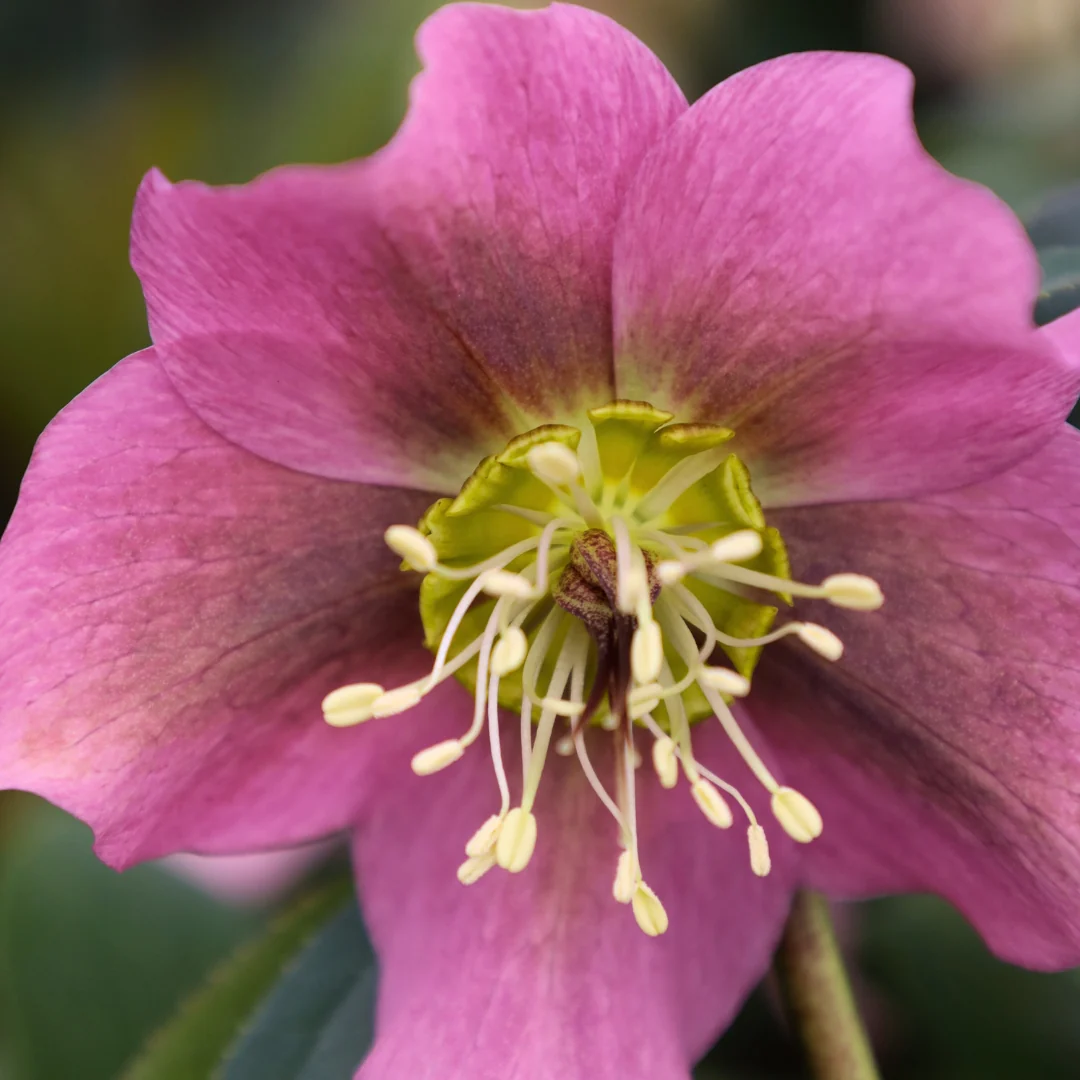
Royal Heritage is a hellebore strain chosen for variety; each plant blooms in its own rich color story, ranging from creamy white and soft blush to rose, plum, burgundy, and even greenish tones. Flowers typically appear in late winter and continue into spring, bringing life to shade beds when most landscapes still feel bare. The blooms are long-lasting, too, so you get weeks of color instead of a quick, forgettable flash.
Because this is a strain (not a single cloned flower color), it’s perfect for gardeners who want a natural, collected look. Plant a small drift and let the mixed hues create a “woodland tapestry” effect that feels curated but not rigid. Tuck it near paths, steps, or shaded patios where you’ll actually enjoy the details during the quiet season, then let it blend into spring with bulbs and emerging foliage.
Evergreen Foliage That Keeps The Shade Border Looking Finished
Royal Heritage doesn’t disappear when the flowers are done. The thick, leathery foliage forms a handsome evergreen (or semi-evergreen) mound that keeps shade plantings looking intentional year-round. That’s a big deal under deciduous trees and along foundation beds, where perennials often leave gaps and the garden can look unfinished outside peak bloom season.
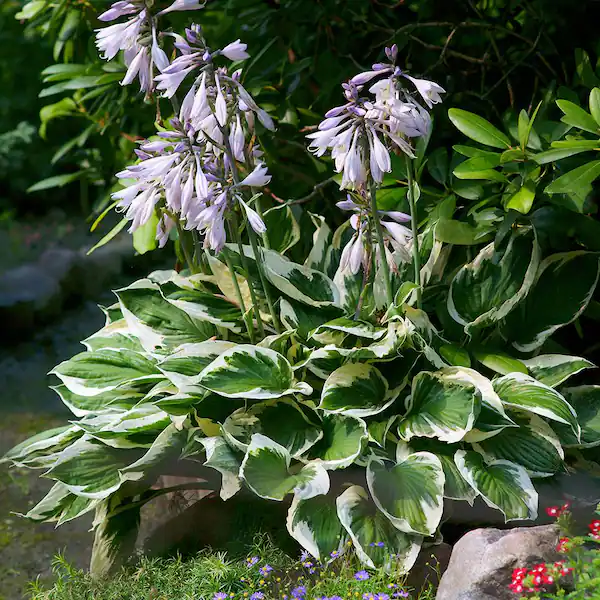
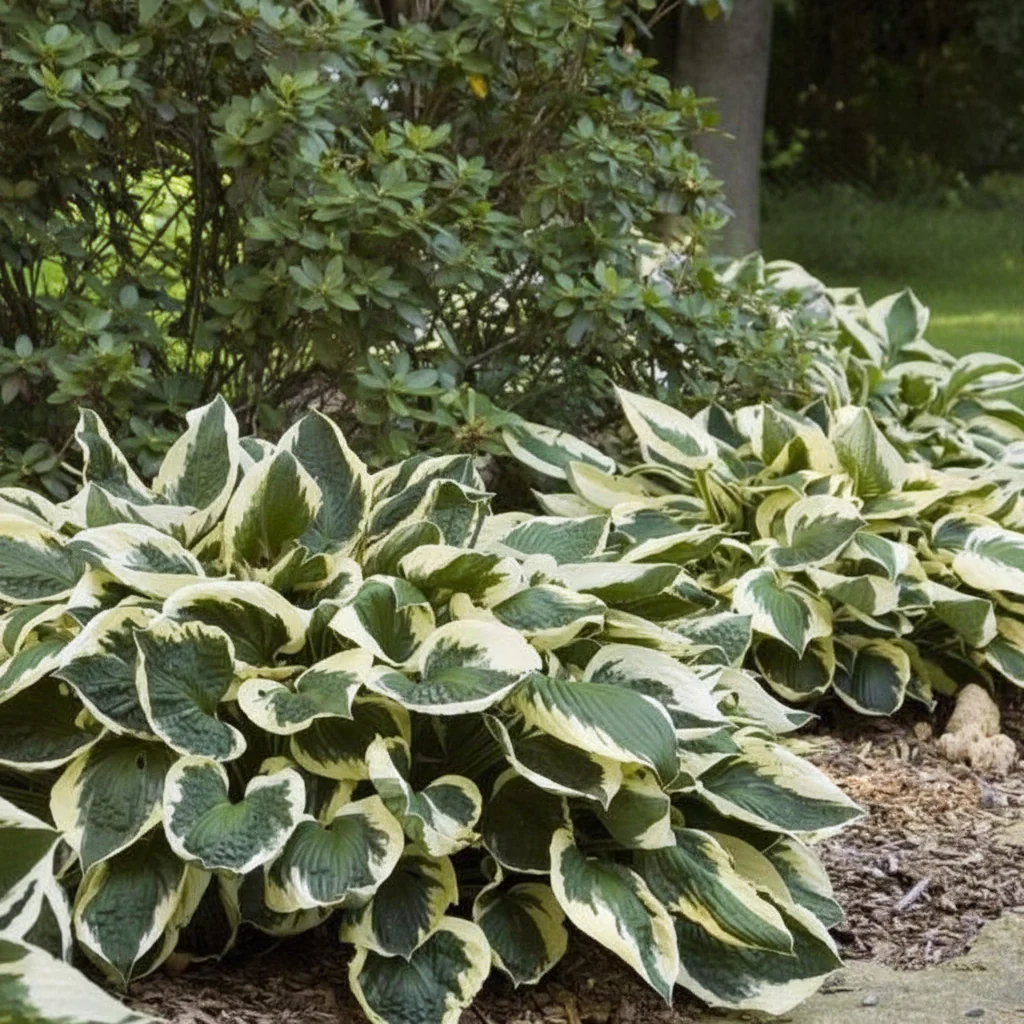
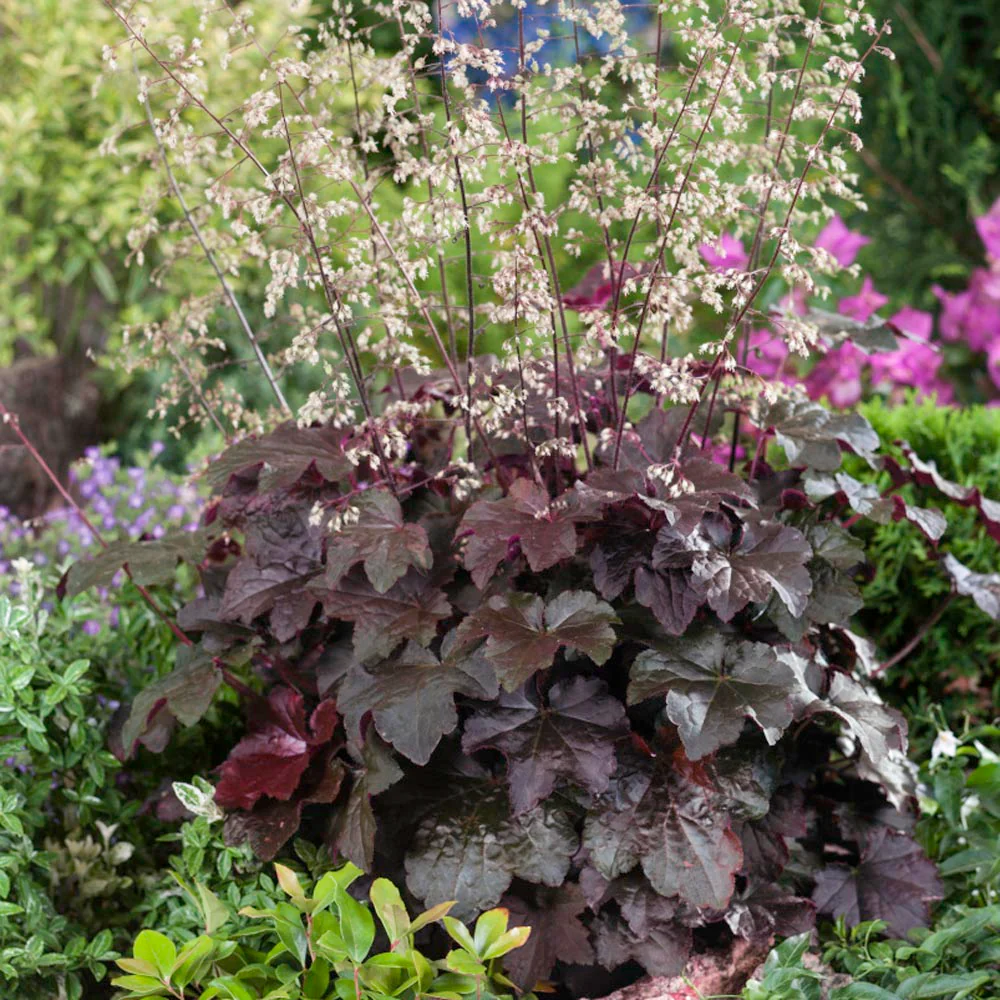
Use it as a front-border anchor, a woodland edge “repeat plant,” or a tidy filler beneath shrubs where you want texture that behaves. The foliage pairs beautifully with hostas, ferns, heuchera, epimedium, and shade grasses, adding structure without visual clutter. If your goal is a shade garden that looks designed in every season, Royal Heritage provides the steady, evergreen base layer that makes everything around it feel more put-together.
Deer-Resistant, Low-Fuss Performance For Real Landscapes
This is a tough, confidence-building shade perennial. Royal Heritage thrives in part shade to full shade and prefers rich, well-drained soil that stays evenly moist while it establishes. Once rooted in, it becomes more tolerant of short dry spells than many flowering perennials, especially with a light mulch layer to buffer moisture swings. It also handles common shade-garden realities, such as tree-root competition and fluctuating spring weather.
Royal Heritage is generally deer and rabbit-resistant, which is why it’s trusted in areas where browsing makes other shade favorites a gamble. There’s no staking, no constant deadheading required to keep it attractive, and the maintenance routine is refreshingly simple. The key move is a quick late-winter leaf cleanup to keep blooms from being hidden, an easy step that instantly makes the plant look brighter and more intentional.
A Natural Fit For Woodland Drifts, Containers, And Slope Plantings
Royal Heritage is easy to style because it looks refined in almost any setting. In the ground, it shines along woodland borders, under trees, and in shaded foundation beds where you want evergreen texture plus early flowers. Plant it in small groups for a fuller, more “established” look, or repeat it in pockets to guide the eye through a shade garden. The mixed bloom colors make it especially natural in woodland designs where perfection isn’t the goal, beauty is.
It also performs well in large containers near shaded entries, giving you late-winter blooms when most pots are bare, then evergreen structure afterward. On gentle slopes, it can be a strong choice when soil drains well, and mulch helps hold moisture during establishment. Give it breathing room, keep water consistent in year one, and you’ll get a long-lived clump that returns early and looks polished for seasons.
A Royal Mix Of Late-Winter Blooms In Jewel Tones
Royal Heritage is a hellebore strain chosen for variety; each plant blooms in its own rich color story, ranging from creamy white and soft blush to rose, plum, burgundy, and even greenish tones. Flowers typically appear in late winter and continue into spring, bringing life to shade beds when most landscapes still feel bare. The blooms are long-lasting, too, so you get weeks of color instead of a quick, forgettable flash.
Because this is a strain (not a single cloned flower color), it’s perfect for gardeners who want a natural, collected look. Plant a small drift and let the mixed hues create a “woodland tapestry” effect that feels curated but not rigid. Tuck it near paths, steps, or shaded patios where you’ll actually enjoy the details during the quiet season, then let it blend into spring with bulbs and emerging foliage.
Evergreen Foliage That Keeps The Shade Border Looking Finished
Royal Heritage doesn’t disappear when the flowers are done. The thick, leathery foliage forms a handsome evergreen (or semi-evergreen) mound that keeps shade plantings looking intentional year-round. That’s a big deal under deciduous trees and along foundation beds, where perennials often leave gaps and the garden can look unfinished outside peak bloom season.
Use it as a front-border anchor, a woodland edge “repeat plant,” or a tidy filler beneath shrubs where you want texture that behaves. The foliage pairs beautifully with hostas, ferns, heuchera, epimedium, and shade grasses, adding structure without visual clutter. If your goal is a shade garden that looks designed in every season, Royal Heritage provides the steady, evergreen base layer that makes everything around it feel more put-together.
Deer-Resistant, Low-Fuss Performance For Real Landscapes
This is a tough, confidence-building shade perennial. Royal Heritage thrives in part shade to full shade and prefers rich, well-drained soil that stays evenly moist while it establishes. Once rooted in, it becomes more tolerant of short dry spells than many flowering perennials, especially with a light mulch layer to buffer moisture swings. It also handles common shade-garden realities, such as tree-root competition and fluctuating spring weather.
Royal Heritage is generally deer and rabbit-resistant, which is why it’s trusted in areas where browsing makes other shade favorites a gamble. There’s no staking, no constant deadheading required to keep it attractive, and the maintenance routine is refreshingly simple. The key move is a quick late-winter leaf cleanup to keep blooms from being hidden, an easy step that instantly makes the plant look brighter and more intentional.
A Natural Fit For Woodland Drifts, Containers, And Slope Plantings
Royal Heritage is easy to style because it looks refined in almost any setting. In the ground, it shines along woodland borders, under trees, and in shaded foundation beds where you want evergreen texture plus early flowers. Plant it in small groups for a fuller, more “established” look, or repeat it in pockets to guide the eye through a shade garden. The mixed bloom colors make it especially natural in woodland designs where perfection isn’t the goal, beauty is.
It also performs well in large containers near shaded entries, giving you late-winter blooms when most pots are bare, then evergreen structure afterward. On gentle slopes, it can be a strong choice when soil drains well, and mulch helps hold moisture during establishment. Give it breathing room, keep water consistent in year one, and you’ll get a long-lived clump that returns early and looks polished for seasons.
Original: $49.95
-70%$49.95
$14.98Description
A Royal Mix Of Late-Winter Blooms In Jewel Tones
Royal Heritage is a hellebore strain chosen for variety; each plant blooms in its own rich color story, ranging from creamy white and soft blush to rose, plum, burgundy, and even greenish tones. Flowers typically appear in late winter and continue into spring, bringing life to shade beds when most landscapes still feel bare. The blooms are long-lasting, too, so you get weeks of color instead of a quick, forgettable flash.
Because this is a strain (not a single cloned flower color), it’s perfect for gardeners who want a natural, collected look. Plant a small drift and let the mixed hues create a “woodland tapestry” effect that feels curated but not rigid. Tuck it near paths, steps, or shaded patios where you’ll actually enjoy the details during the quiet season, then let it blend into spring with bulbs and emerging foliage.
Evergreen Foliage That Keeps The Shade Border Looking Finished
Royal Heritage doesn’t disappear when the flowers are done. The thick, leathery foliage forms a handsome evergreen (or semi-evergreen) mound that keeps shade plantings looking intentional year-round. That’s a big deal under deciduous trees and along foundation beds, where perennials often leave gaps and the garden can look unfinished outside peak bloom season.
Use it as a front-border anchor, a woodland edge “repeat plant,” or a tidy filler beneath shrubs where you want texture that behaves. The foliage pairs beautifully with hostas, ferns, heuchera, epimedium, and shade grasses, adding structure without visual clutter. If your goal is a shade garden that looks designed in every season, Royal Heritage provides the steady, evergreen base layer that makes everything around it feel more put-together.
Deer-Resistant, Low-Fuss Performance For Real Landscapes
This is a tough, confidence-building shade perennial. Royal Heritage thrives in part shade to full shade and prefers rich, well-drained soil that stays evenly moist while it establishes. Once rooted in, it becomes more tolerant of short dry spells than many flowering perennials, especially with a light mulch layer to buffer moisture swings. It also handles common shade-garden realities, such as tree-root competition and fluctuating spring weather.
Royal Heritage is generally deer and rabbit-resistant, which is why it’s trusted in areas where browsing makes other shade favorites a gamble. There’s no staking, no constant deadheading required to keep it attractive, and the maintenance routine is refreshingly simple. The key move is a quick late-winter leaf cleanup to keep blooms from being hidden, an easy step that instantly makes the plant look brighter and more intentional.
A Natural Fit For Woodland Drifts, Containers, And Slope Plantings
Royal Heritage is easy to style because it looks refined in almost any setting. In the ground, it shines along woodland borders, under trees, and in shaded foundation beds where you want evergreen texture plus early flowers. Plant it in small groups for a fuller, more “established” look, or repeat it in pockets to guide the eye through a shade garden. The mixed bloom colors make it especially natural in woodland designs where perfection isn’t the goal, beauty is.
It also performs well in large containers near shaded entries, giving you late-winter blooms when most pots are bare, then evergreen structure afterward. On gentle slopes, it can be a strong choice when soil drains well, and mulch helps hold moisture during establishment. Give it breathing room, keep water consistent in year one, and you’ll get a long-lived clump that returns early and looks polished for seasons.